Burial goods from Los Millares and El Argar, two great prehistoric cultures of the Iberian Peninsula, fill a modern museum. You climb through it beside a thirteen-metre slice of earth.
Museum, Almería. Meridian Dispatch.
As of November 2026 it opens from 9am to 9pm, Tuesday to Saturday. Sundays and public holidays run from 9am to 3pm. On Mondays it stays shut unless a holiday follows.
Citizens and residents of the European Union visit free of charge. Other visitors pay an entry fee. Visits can be booked online through the regional culture department.
Archaeology from across the province. The oldest objects come from the first farmers and the copper-age and bronze-age sites, and the route continues through Roman trade, tombstones and glass to finds from the medieval Islamic city of al-Mariyya.
Tours in English depend on staff availability, and the museum's number is +34 950 016 256. Much of the permanent display has signs and interactive screens in English. The monthly programme also lists free guided visits that need a reservation.
City lines 2, 6, 7, 12 and 18 stop on Calle Federico García Lorca. Lines 2, 5, 6, 11, 20 and 30 stop at Carretera de Ronda 101. The Intermodal train and bus station is also on Carretera de Ronda.
Yes, by car, from Wednesday to Sunday. The site opens 10am to 2pm, with no entry in the last half hour. From Wednesday to Saturday the museum stays open into the evening but on Sunday it closes at 3pm, an hour after the site.
The Stratigraphic Column is a life-size cut through the ground, sixteen layers from bedrock to the present day. One of its two narrow faces carries screens. The other has a dated band explaining each layer.
Los Millares was a society of the third millennium BC. Here you see idols and grave goods, and a circular tomb with model skeletons laid out just as the originals were found.
The El Argar rooms hold graves from the village of Fuente Álamo. One contained a gold bracelet, and another a girl born into high rank.
Luis Siret, the Belgian archaeologist whose digs revealed both cultures, also sorted the Argaric pots into types. The classification is still used, and one showcase sets it out.
In the Roman room a marble Bacchus from Chirivel stands with part of a mosaic from the same villa. Look for the scar on the mosaic, left by the mechanical digger that uncovered it. The Islamic section has a fragment scratched with a drawing of a ship, from a Muslim house on Calle del Arco.
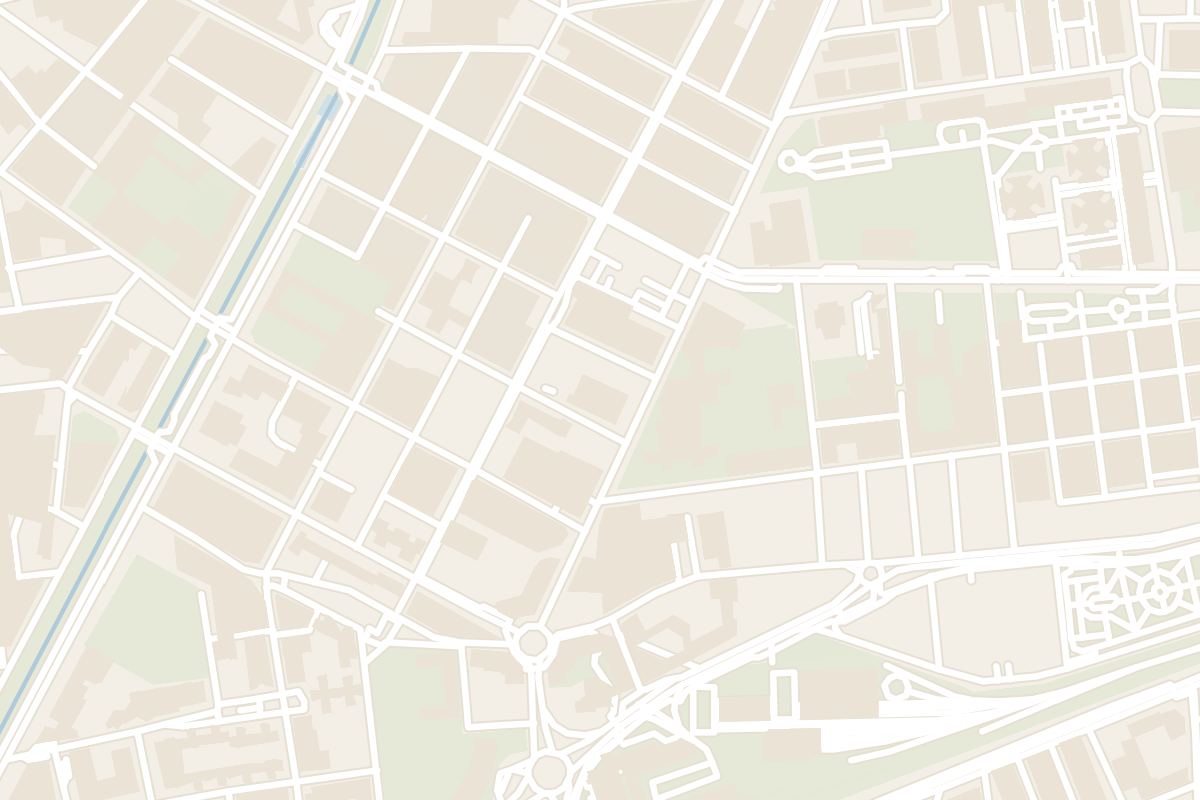
With the door on Calle Hermanos Pinzón behind you, start in the hall with the Nube de Siret, a sculptural arrangement of Luis Siret's own drawings.
The ground floor has a rebuilt trench, as if a dig were under way.
Climb to the first floor for a film on Neolithic farmers, then a contemporary artist's model of Los Millares and its land. The Circle of Life, a display with sculpted figures, is in the same section. Beside the rebuilt tomb, a film shows a burial ritual.
The second floor is a zigzag ramp, built to recall the paths up to Fuente Álamo. Two rooms finish the route on the third: Roman trade first, with coins, fish hooks and amphorae, then Islamic Almería.
Islamic Almería begins under a panel with the fortress's outline above the bay. Alcazaba of Almería makes a good next stop.
If stairs are hard, take the lift to the top and work down.
The museum's own leaflet comes in English and French as well as Spanish, with a museum plan.
Children get a lot from the films, models and interactive screens. The programme includes family workshops; book on the museum website under Reserva tu visita.
From the museum it is about 20 minutes on foot to Almería Cathedral.
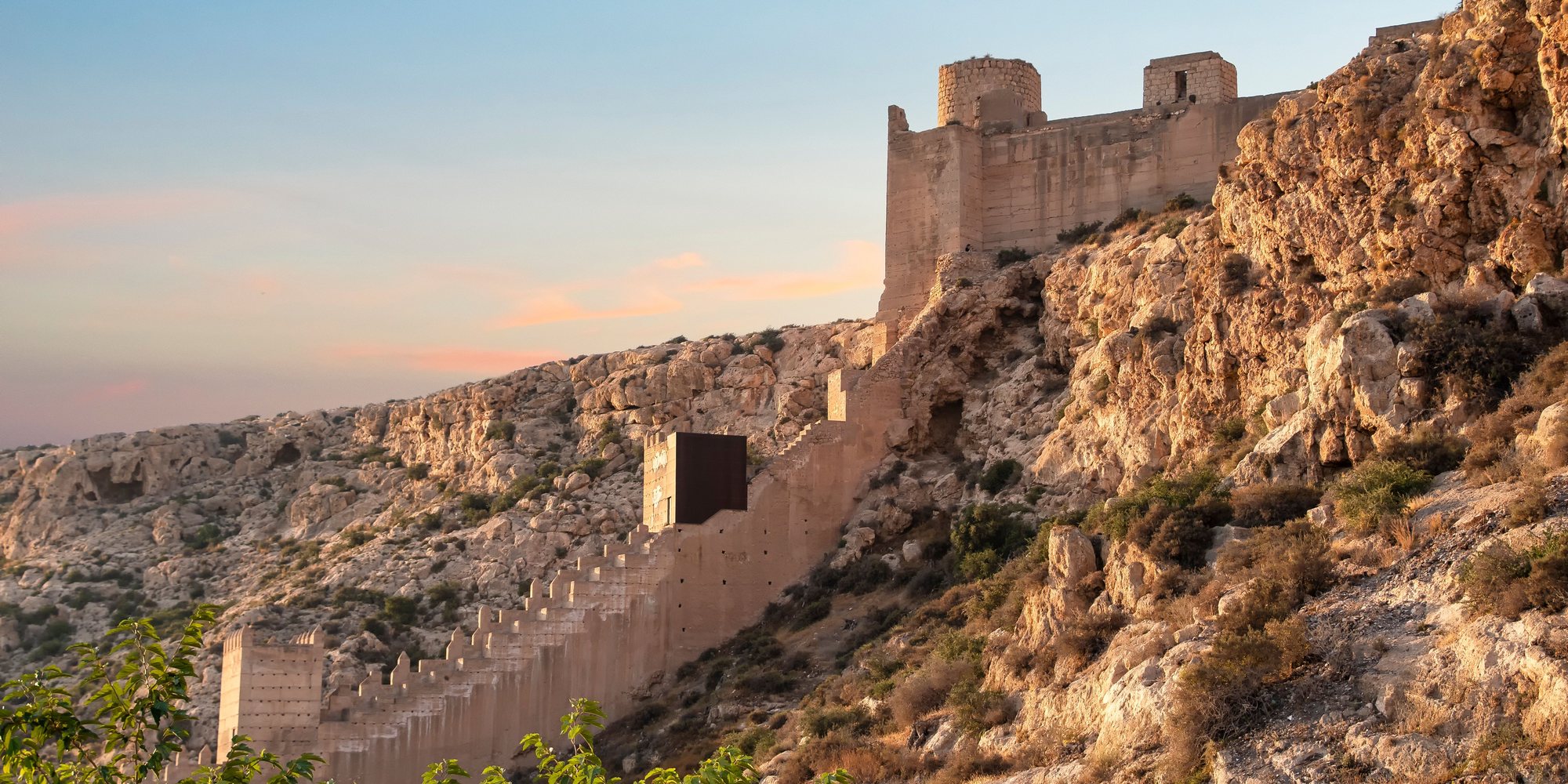
Almería, Spain: a tapa chosen from a menu comes with every beer or wine here, and a Moorish fortress runs along the ridge above a working port.
Read the Almería guideExplore the rest of Almería
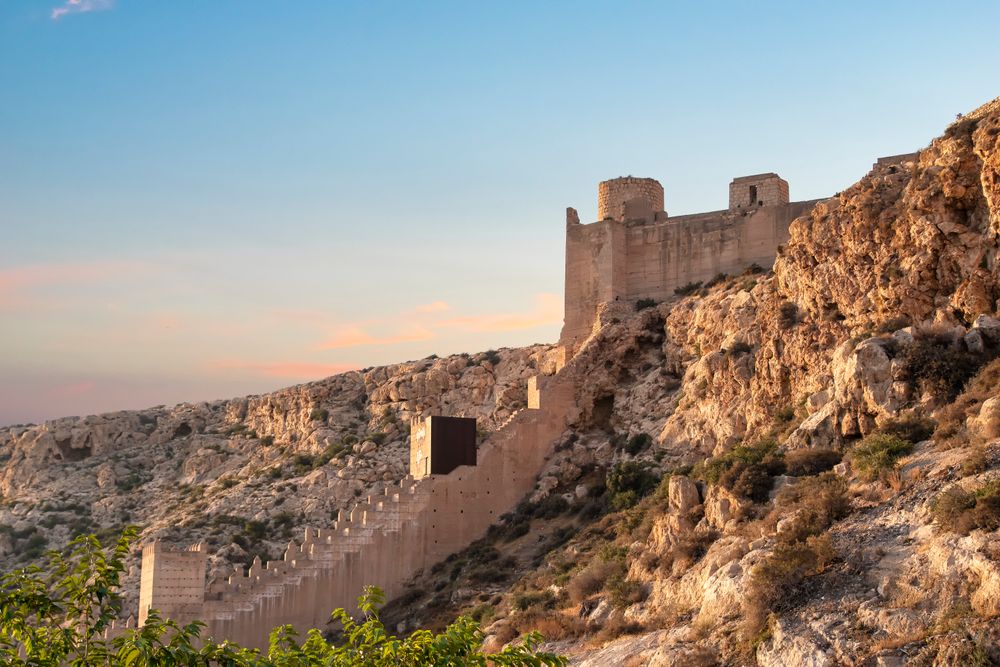
A tapa chosen from a menu comes with every beer or wine here, and a Moorish fortress runs along the ridge above a working port. The city is…
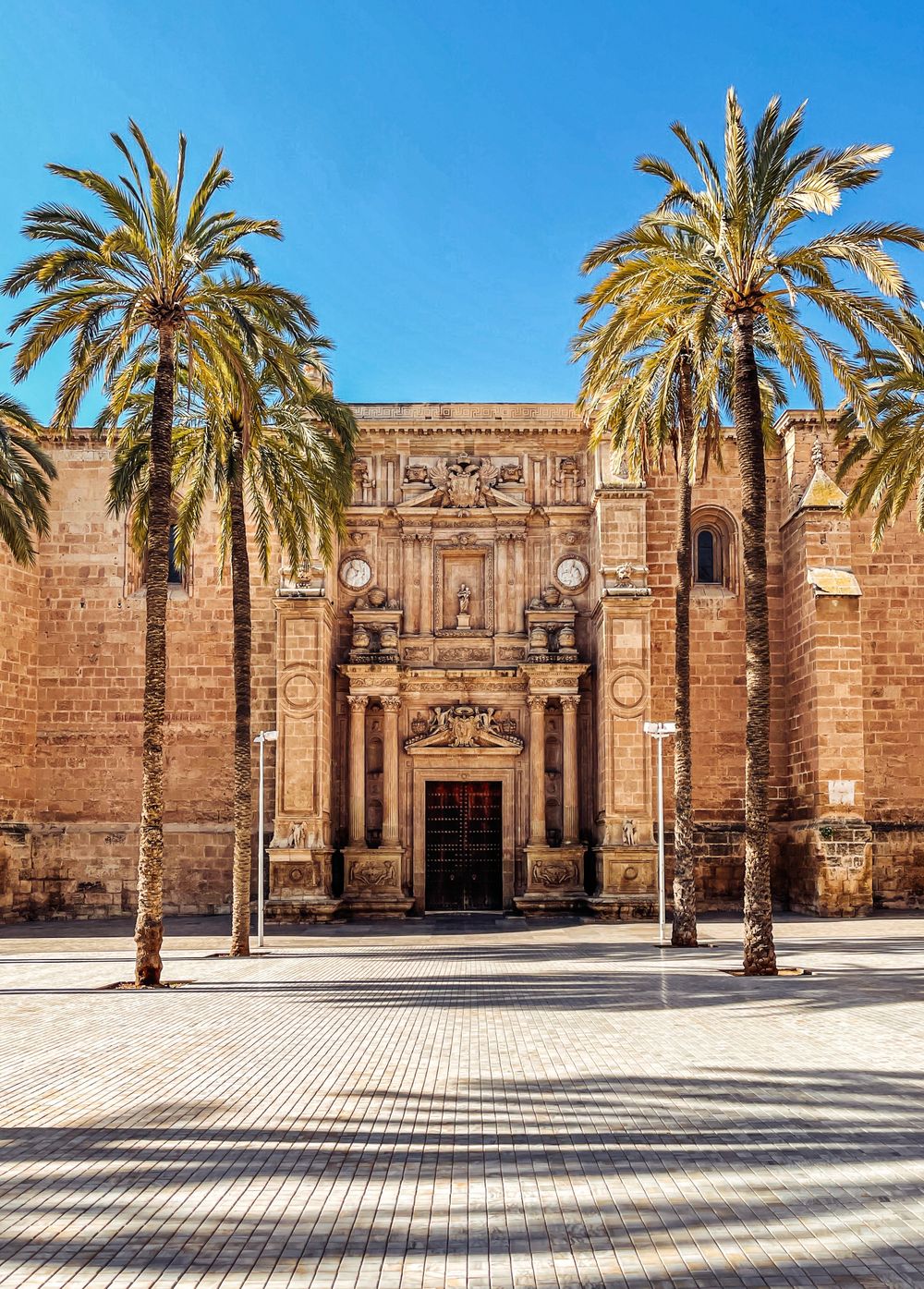
Battlements and square corner towers give this cathedral the look of a fort, because it went up while Barbary pirates still raided the…
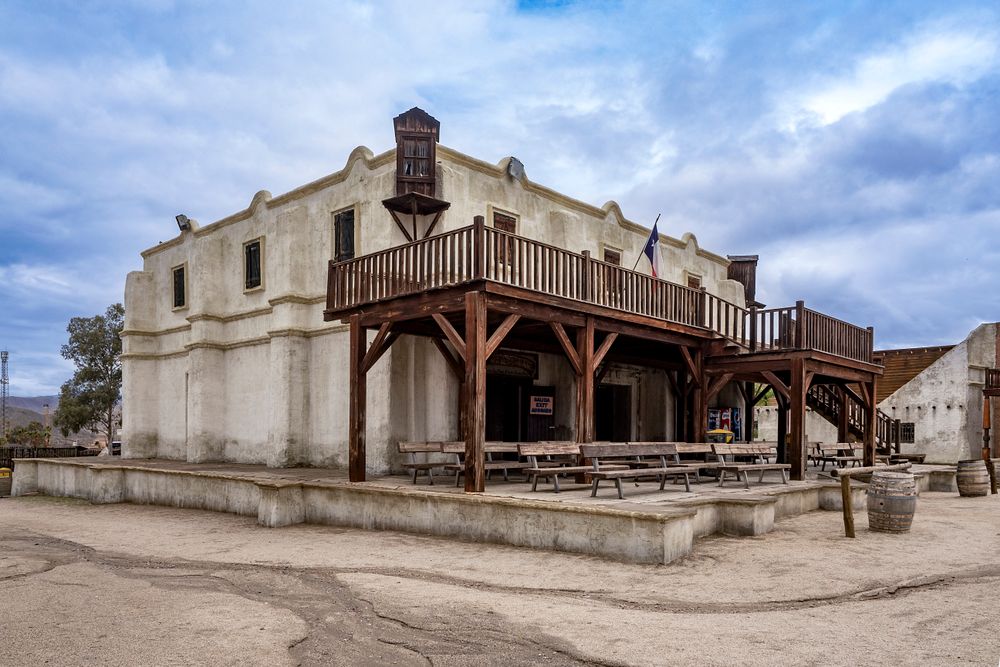
Sergio Leone's western town, designed for For a Few Dollars More and still standing in the Tabernas desert, is now a theme park. Stunt…
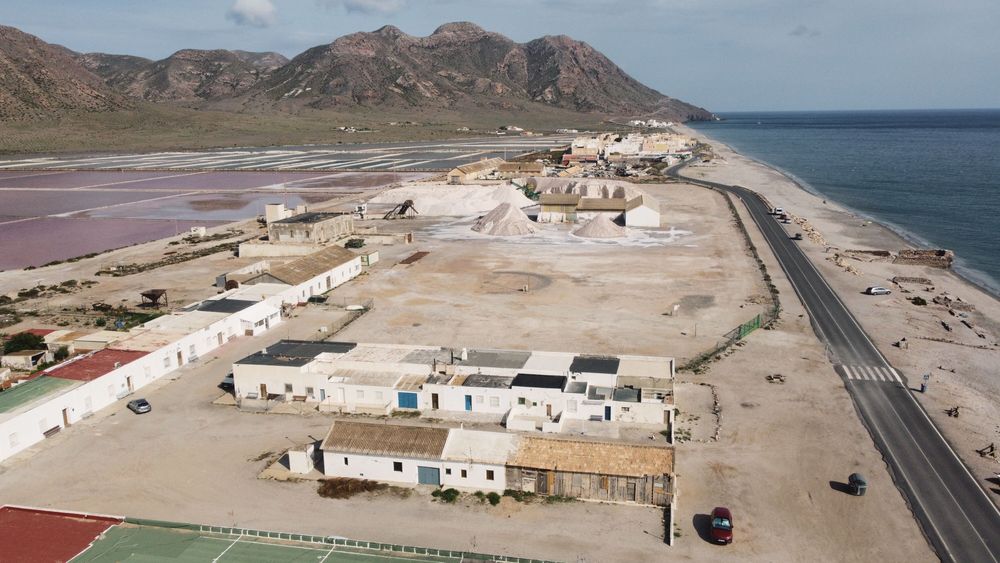
Working salt pans lie behind the beach between the village of Cabo de Gata and the lighthouse, and flamingos feed in the shallow pools for…
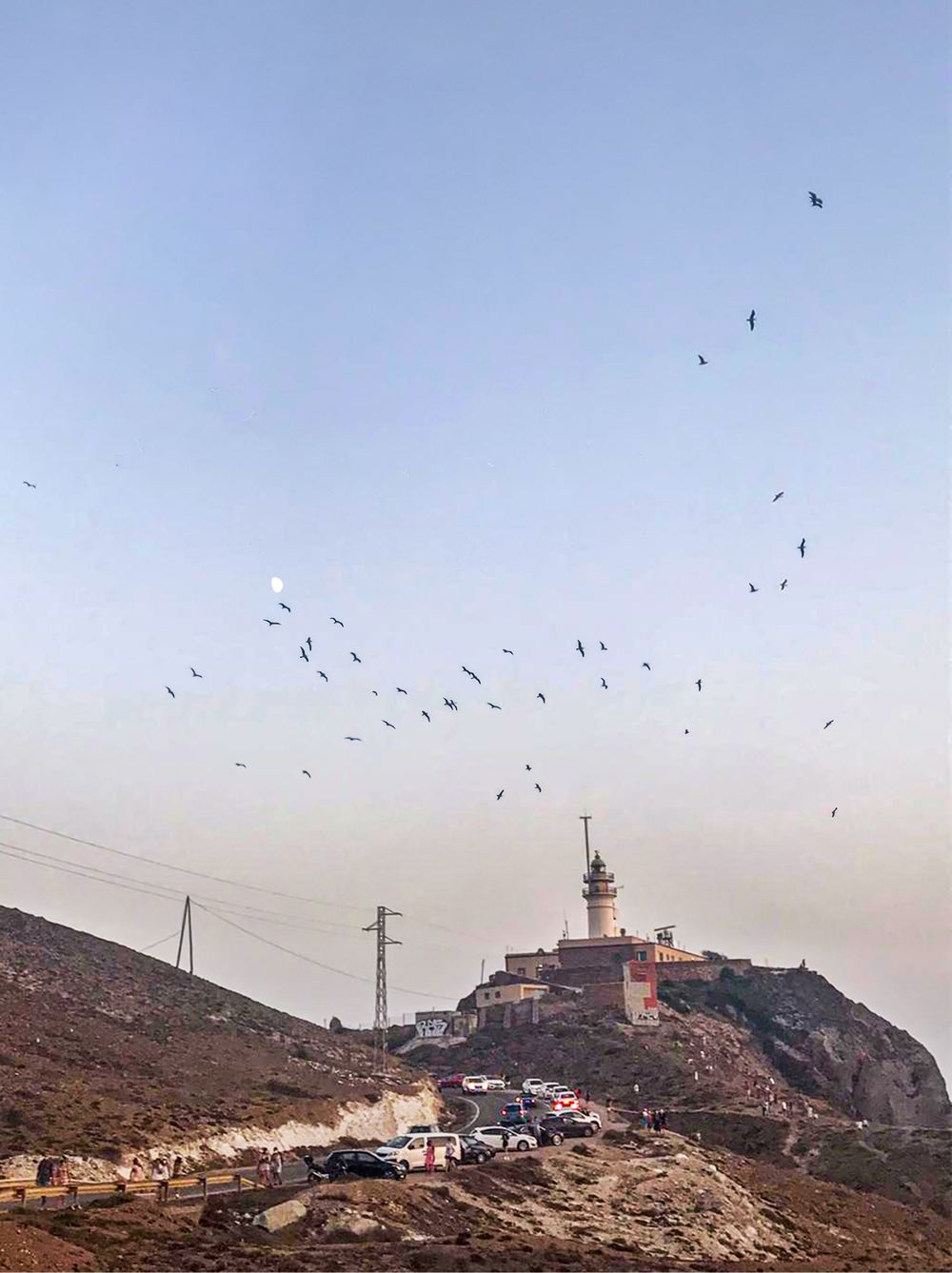
At the southwestern tip of the park, the lighthouse stands above the Arrecife de las Sirenas, sharp volcanic rocks rising out of clear…
Three walled enclosures climb the ridge above the old town, from terraced gardens with pools and channels to a Christian castle at the top.…
Golden sand curves for more than a kilometre around a bay with low dunes and no buildings behind it, closed off by a volcanic hill at each…
In San José, inside the Cabo de Gata natural park, this four-star hotel is arranged around a central patio. A café in the entrance hall…




Save Museum of Almería to your Spain trip in the Meridian Dispatch app and build the day around it, with the best of Almería pinned on one map.
Download on the App StoreThe official pages this guide was checked against.
Last updated