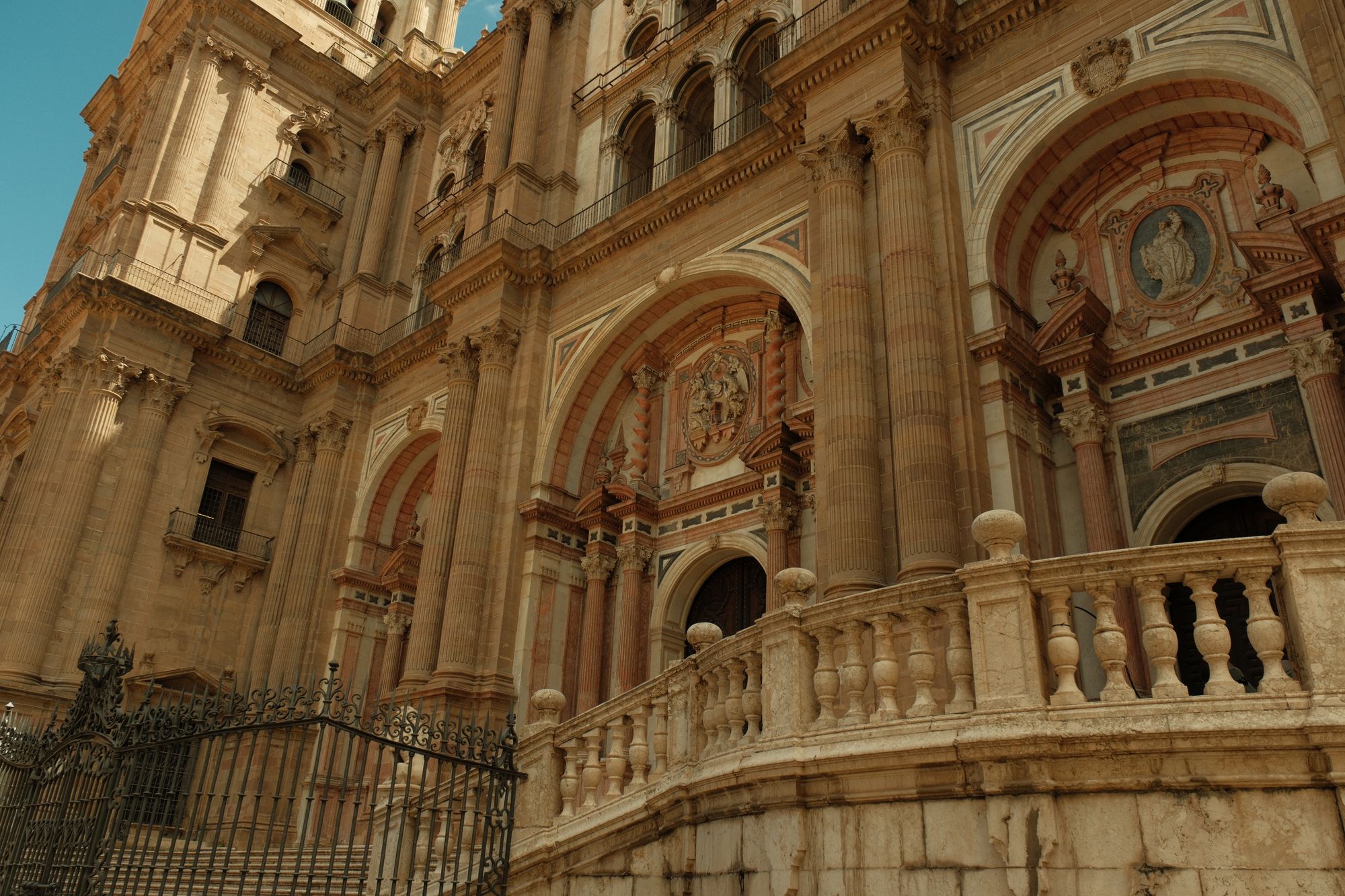
Ninety seconds on Museo de Málaga
After a morning on the Alcazaba hill, spend your afternoon here: Málaga's own nineteenth-century painters first, then Phoenician finds from the coast and Moorish pottery from the Alcazaba digs.
Start the first floor with the Málaga school of painting, the city's own painters of the nineteenth century, and the rooms of landscape painting beside them. Some of the canvases are on loan from the Prado.
On this floor, look for the portrait of Anita Delgado as the Princess of Kapurtala, and La última ola, a shipwreck scene. A later section follows the avant-garde in Málaga, from Picasso to José Moreno Villa.
The second floor opens with finds from the caves of the province. The Phoenician rooms hold what came out of the trading settlements on the coast east of the city. In the Roman rooms, look for the portrait of the emperor Antoninus Pius and the mosaic of the Birth of Venus.
The Islamic pottery and decoration come from the excavations at the Alcazaba: pieces glazed green and purple, gold lustreware, and carved plaster, stone and wood. Leave time for the tomb of a Greek warrior from the sixth century BC, which has a space of its own. The second floor also holds the private collection once owned by the Marquises of Loring.
One route covers the whole museum: from the ticket desk on the ground floor, go straight up to the paintings on the first floor. Work through them, then climb to the archaeology on the second floor and follow it from the caves to the Islamic rooms.
Come back down to the ground floor to finish. Walk through the open stores, where the museum keeps the pieces that are not on display, and end in the courtyard before you leave.
With only an hour, choose one floor. If you have already seen the Picasso museum, choose the archaeology, the half of this museum the Picasso museum has nothing like.
On a Sunday the galleries close in mid-afternoon, so arrive at opening if you want both floors. From Tuesday to Saturday the café closes an hour before the galleries, so eat before an evening visit.
Keep a few minutes for the courtyard at the end. It has room to sit down, and it is a quiet place to rest after two floors of galleries.
Explore the rest of Málaga
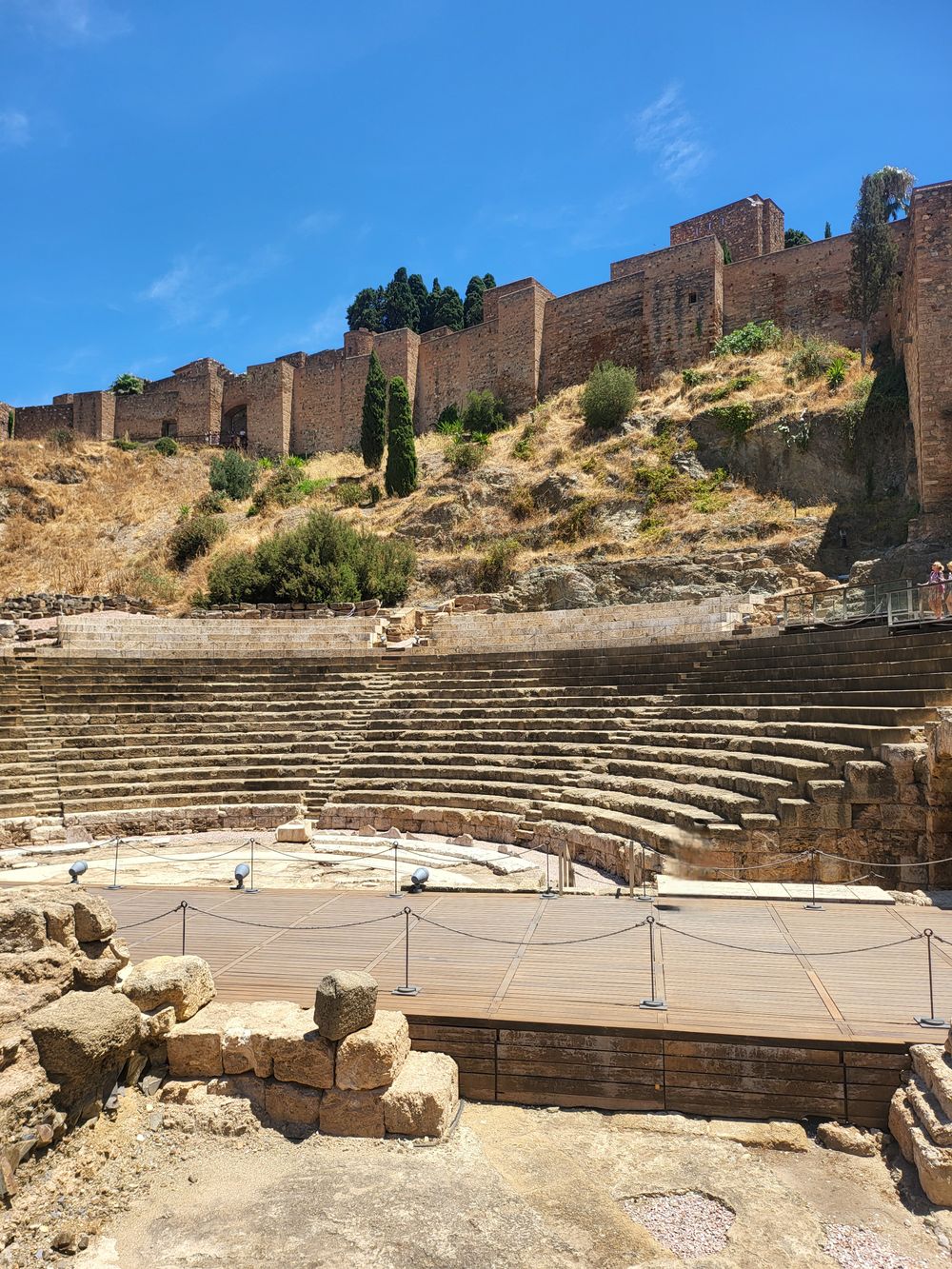
Stone seating cut into the foot of the Alcazaba hill, uncovered in 1951 and cleared once a cultural centre built over it was pulled down. A…
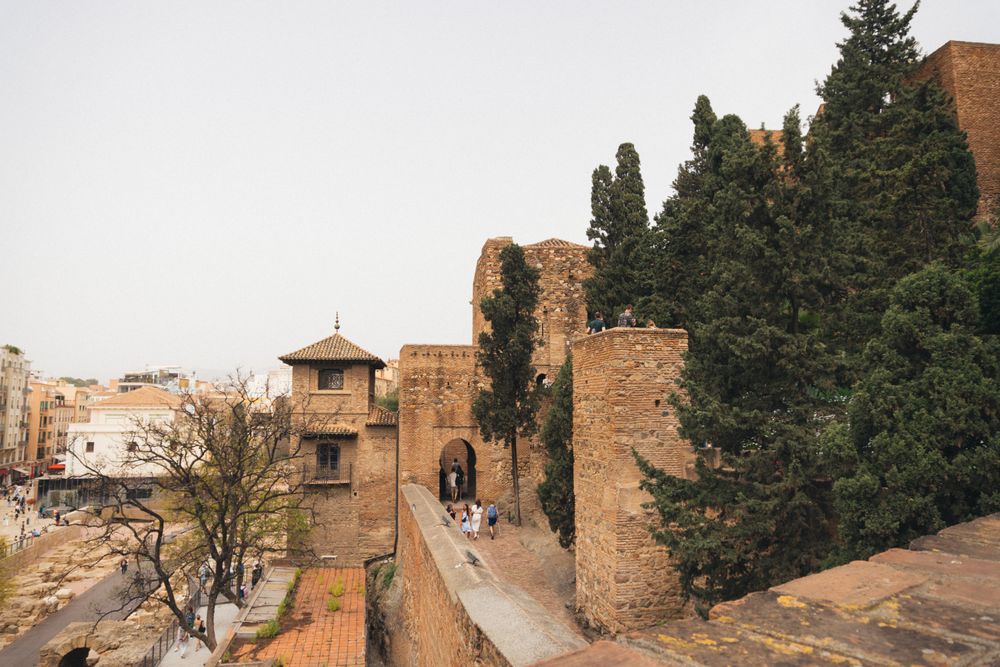
A Moorish palace-fortress climbing the hill above the port in rings of walls, with gateways set at angles to slow attackers. Higher up come…
Paintings, drawings and ceramics given by the artist's family, hung in a Renaissance palace on Calle San Agustín a few streets from his…