 Submit a photo
The Feria de Abril 2027 runs from Tuesday 13 to Sunday 18 April. The fair usually begins two weeks after Holy Week and lasts six days, Tuesday to Sunday. The moment that matters most is midnight on Monday 12 April, when the gateway and lanterns are switched on after the pescaíto dinner. Fireworks over the Guadalquivir close the final night, and Wednesday 14 April is a local holiday in Seville.
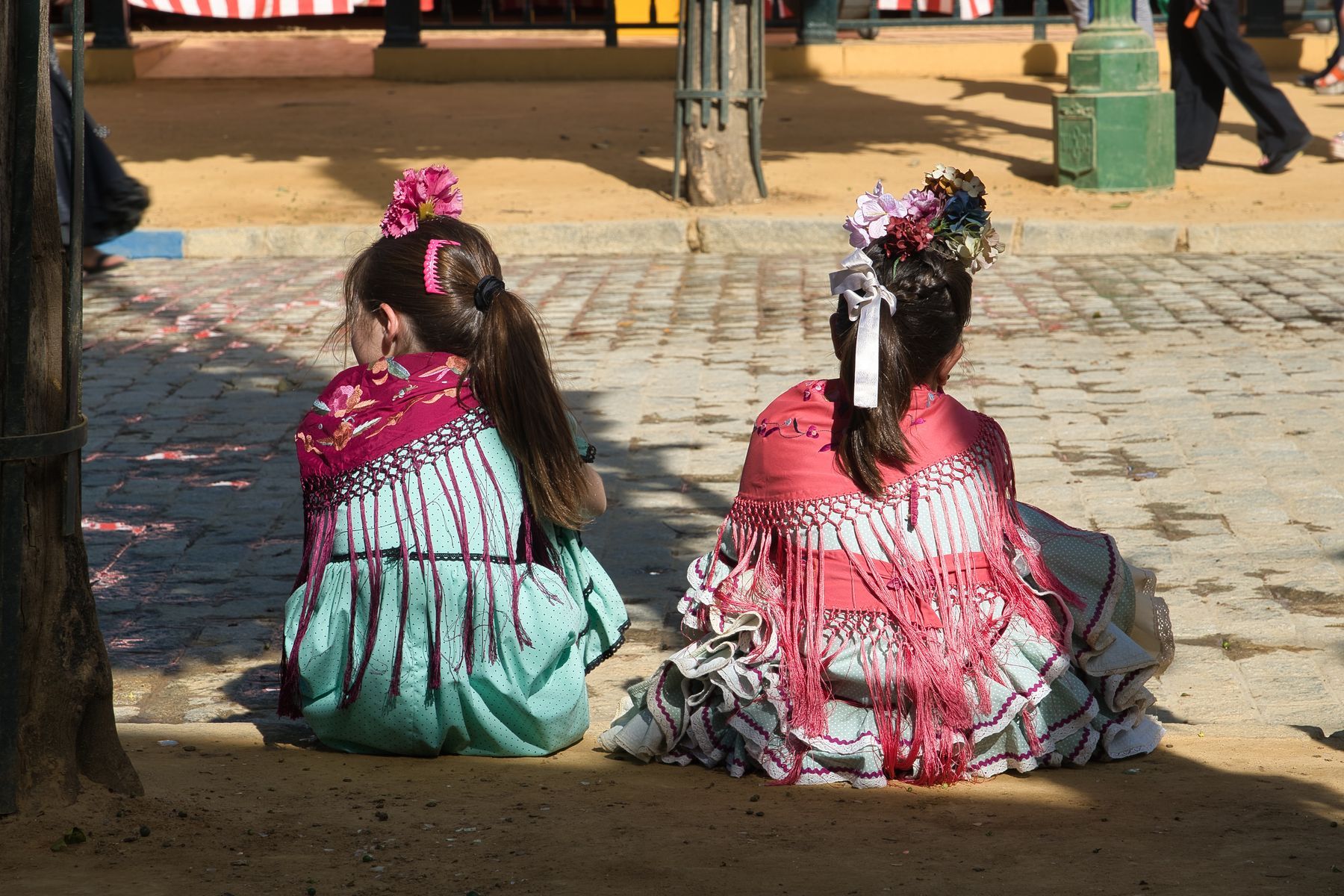
There is no dress code, though Seville dresses up for it. Women often wear flamenco dresses and men smart, semi-formal clothes, but neither is required of a visitor. Elegant clothes that stay comfortable for dancing work best, with shoes already broken in for hours on the albero, the golden sand that covers the fairground streets.
On the Real de la Feria, the fairground in the Los Remedios district, across the Guadalquivir from the old town and not far from the centre. The main entrance is the portada, the lit gateway on Calle Antonio Bienvenida, and a tourist information kiosk stands beside it with maps of the grounds.
No ticket is needed to enter the fairground. Most casetas are private, belonging to families, firms and associations, and admit members and their guests only. The casetas of the city districts and the political parties are free to walk into and stay open until three in the morning. The Seville Tourist Board runs a public caseta at 225 to 229 Calle Pascual Márquez, where a table must be booked ahead.
Each day follows the same pattern. Riders and carriages parade through the grounds in the early afternoon, and lunch in the casetas gets going around half past two, the timing given in the 2026 guide. Dancing builds from about seven in the evening and peaks between ten and two or three in the morning. On the last night, the Triana Bridge and its banks give the widest view of the fireworks.
Yes, as the one week Seville shows itself at its most sociable. A day centres on eating and drinking in a public caseta while the sevillanas, the song and dance of the fair, go on around the tables. The horse and carriage parade fills the afternoons, and the bullring's season known as de farolillos runs until the fair's last day.
By public transport; driving is a bad idea. Metro Line 1 stops at Plaza de Cuba, Parque de los Príncipes and Blas Infante, the last a short walk from the entrance. City bus lines 5, 6, 41, C1 and C2 also serve the fair, with taxi ranks set up near the grounds. On foot, the cathedral is a little over thirty minutes away.
Yes, especially by day. Beside the casetas, the Calle del Infierno is the largest temporary amusement park in Spain and a favourite with younger children. Lunch and the afternoon parade suit families far better than the packed hours after ten at night, when the dancing takes over.
Sherry leads. Fino and manzanilla are the traditional drinks, along with rebujito, manzanilla mixed with lemonade, poured with tapas at the caseta bar. Cash still counts: many places now take cards, but some casetas work in cash only and cash machines are scarce on the grounds, so small notes are worth carrying.
It is Seville's spring fair, a week of eating, dancing and riding in a town of striped marquees. It began in 1846 as a livestock fair, and the City Council declared it a Fiesta Mayor in 1910. It later moved to its present site, then an unused open area in Los Remedios, and horses remain part of every afternoon.
The Feria de Abril is Seville's spring fair, a week when the city moves across the river to a fairground of more than a thousand casetas. These are striped canvas marquees where families, clubs and firms eat, drink and dance sevillanas from lunch until dawn.
It began in the nineteenth century as a livestock fair, and horses are still part of it: riders and carriages parade through the grounds every afternoon. Most casetas are private, open to members and their guests, but each city district runs a public one that you can walk into.
13 to 18 Apr 2027
Come to see a whole city in its best clothes, out on horseback and dancing in its casetas until the small hours. Head first for the public casetas, which anyone can walk into.
13 to 18 Apr 2027. Times are approximate and can change from year to year.
After the pescaíto, a fried-fish dinner in the casetas, the gateway and the lanterns are switched on at midnight.
The casetas start serving food and drink at lunchtime and stay open into the early hours.
Wednesday is a local holiday in Seville, so the grounds fill from lunchtime.
Visitors arrive from across Spain, so come on Tuesday or Thursday if you dislike crowds.
The fair ends with fireworks over the Guadalquivir river as Sunday turns into Monday.
The fair's streets are named after bullfighters and lit by thousands of paper lanterns, and the gateway at the entrance is rebuilt to a new design every year.
Sevillians dress up for it, the women often in flamenco dresses. You do not need one, but come smartly dressed in clothes you can walk and dance in, not beachwear or sports kit.
Walk in under the portada, the lit gateway at the main entrance, and pick up a map at the information kiosk just inside. Public casetas are run by the city's tourist office, where you book a table ahead, and by the city districts, the political parties and the trade unions.
At the bar, order manzanilla, a dry sherry, or rebujito, manzanilla mixed with lemonade, and some tapas. Ask before photographing anyone up close, especially children. Watch your bag at the gateway and on the Calle del Infierno, the funfair beside the casetas, where pickpockets work the crowds.
Stay in Triana or Los Remedios and you can walk to the fairground and back at any hour. Hotel prices rise steeply in fair week, so book as early as you can. Our pick is Cavalta Boutique Hotel in Triana, which holds a Michelin Key.
Add the five days to your plan
Explore the rest of Seville
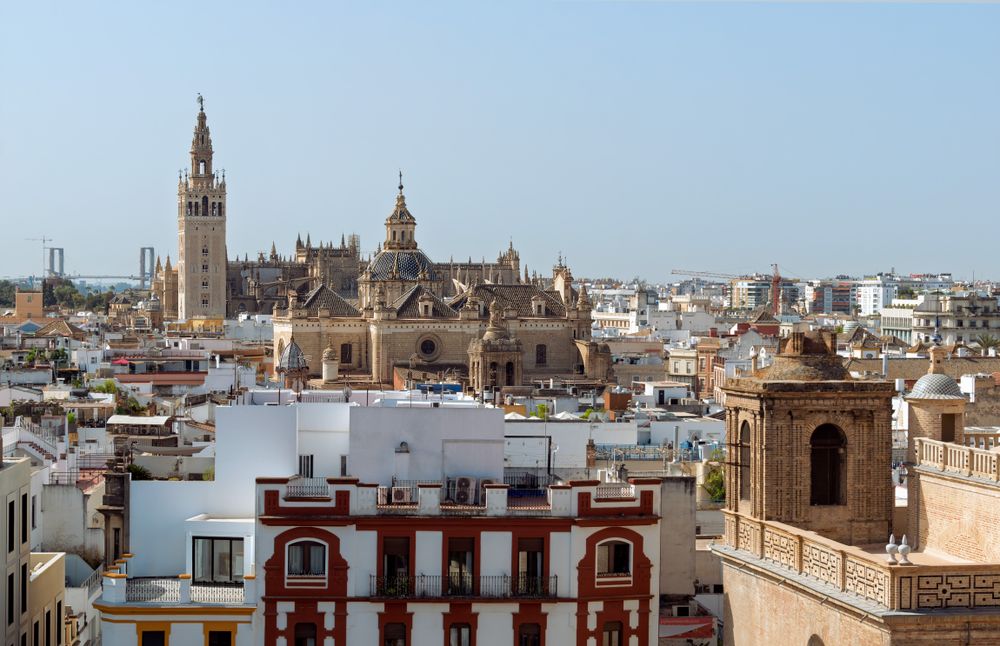
For two centuries every ship from the Americas had to unload at Seville, eighty kilometres up a river from the sea, and the silver paid for…
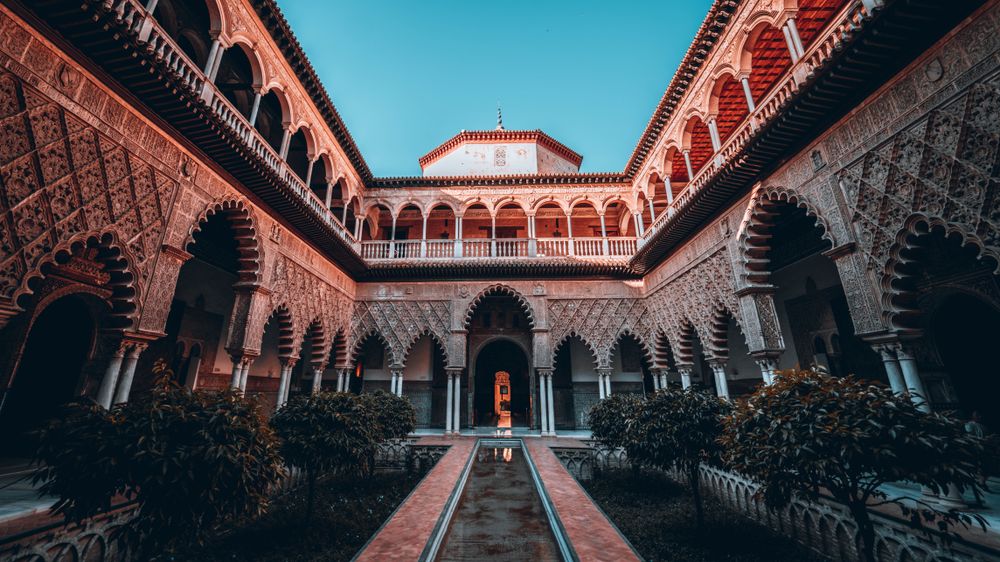
A royal palace still in use, and the high point of the Mudéjar style: in the 1360s a Christian king, Pedro of Castile, hired Muslim…
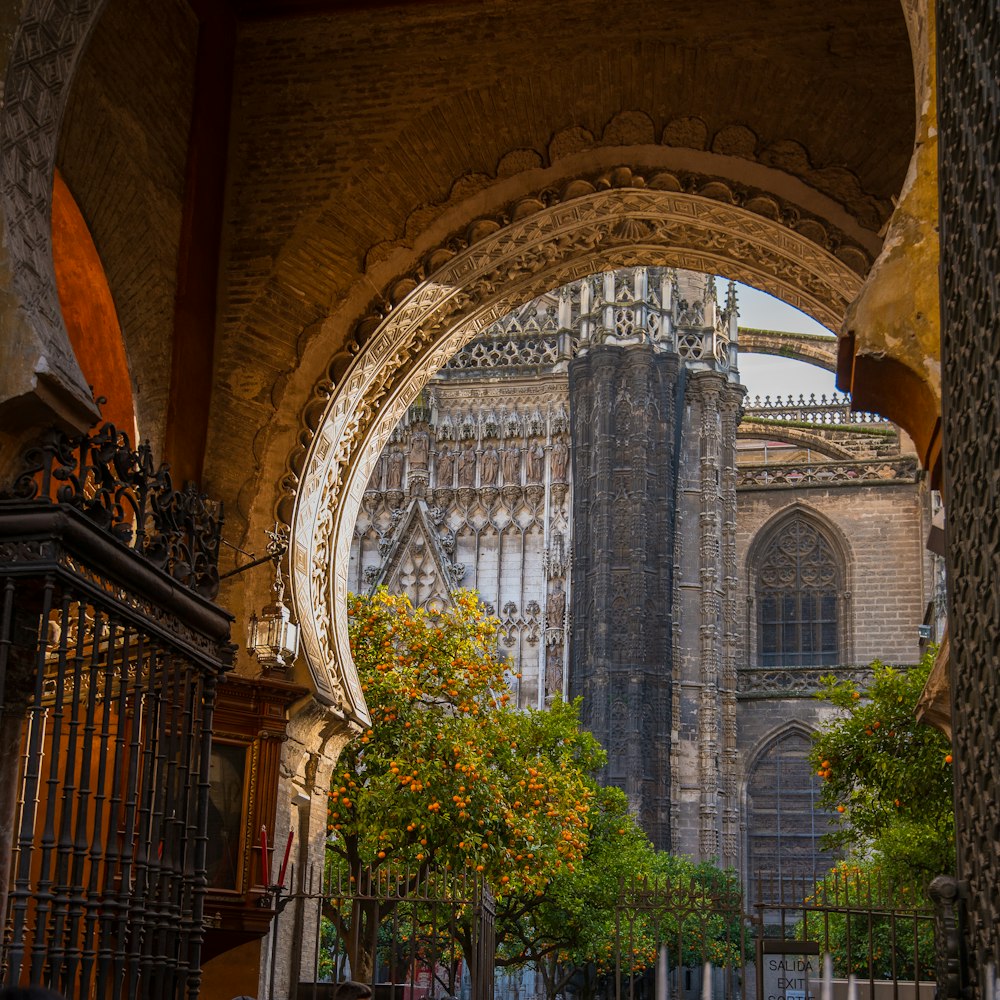
The chapter resolved in 1401 to build a church so large that those who saw it would think them mad, and produced the largest Gothic…
Last updated