Things to do
6-
Alcázar of Seville
A royal palace still in use, and the high point of the Mudéjar style: in the 1360s a Christian king, Pedro of Castile, hired Muslim craftsmen from Granada and Toledo to build him rooms of tilework, carved plaster and a gilded dome, with Arabic inscriptions praising him. Large gardens with peacocks lie behind. Entry is by timed ticket and queues without one are long.
-
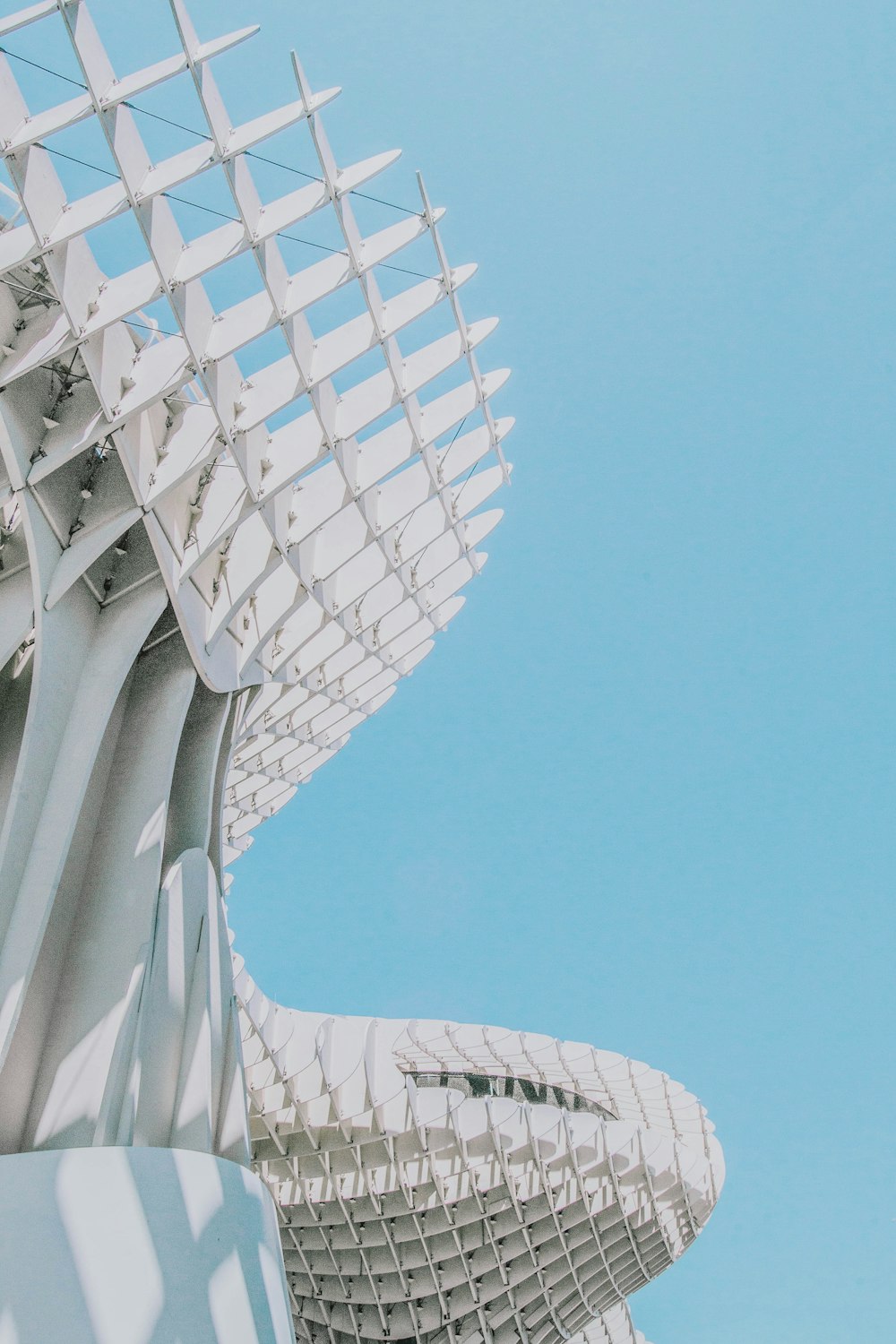
Metropol Parasol
Six giant timber mushrooms over a market square, finished in 2011 to a design by Jürgen Mayer and known locally as Las Setas. It ranks among the largest wooden structures ever built. A winding walkway crosses the top for a view over the rooftops to the cathedral. Roman and Moorish remains found during the dig are displayed in the basement.
-
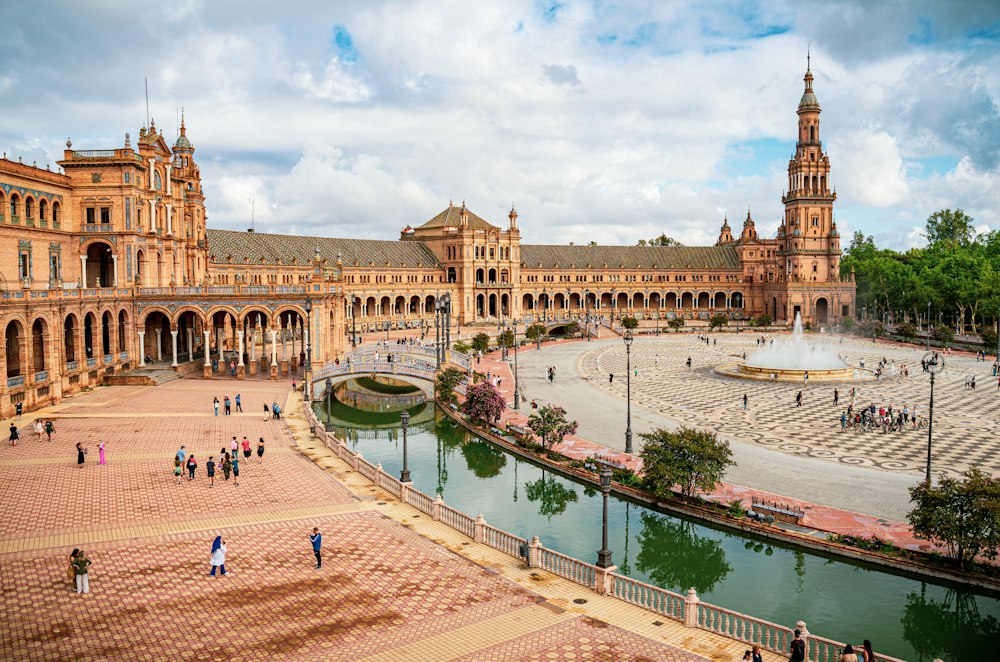
Plaza de España
A vast brick and tile semicircle built for the Ibero-American exhibition of 1929, with towers at each end and a canal crossed by four bridges. Along the curve, a tiled alcove for every Spanish province shows a map and a historical scene, and Spaniards pose in front of their own. Rowing boats are for hire. It is free, open late and photogenic at dusk.
-
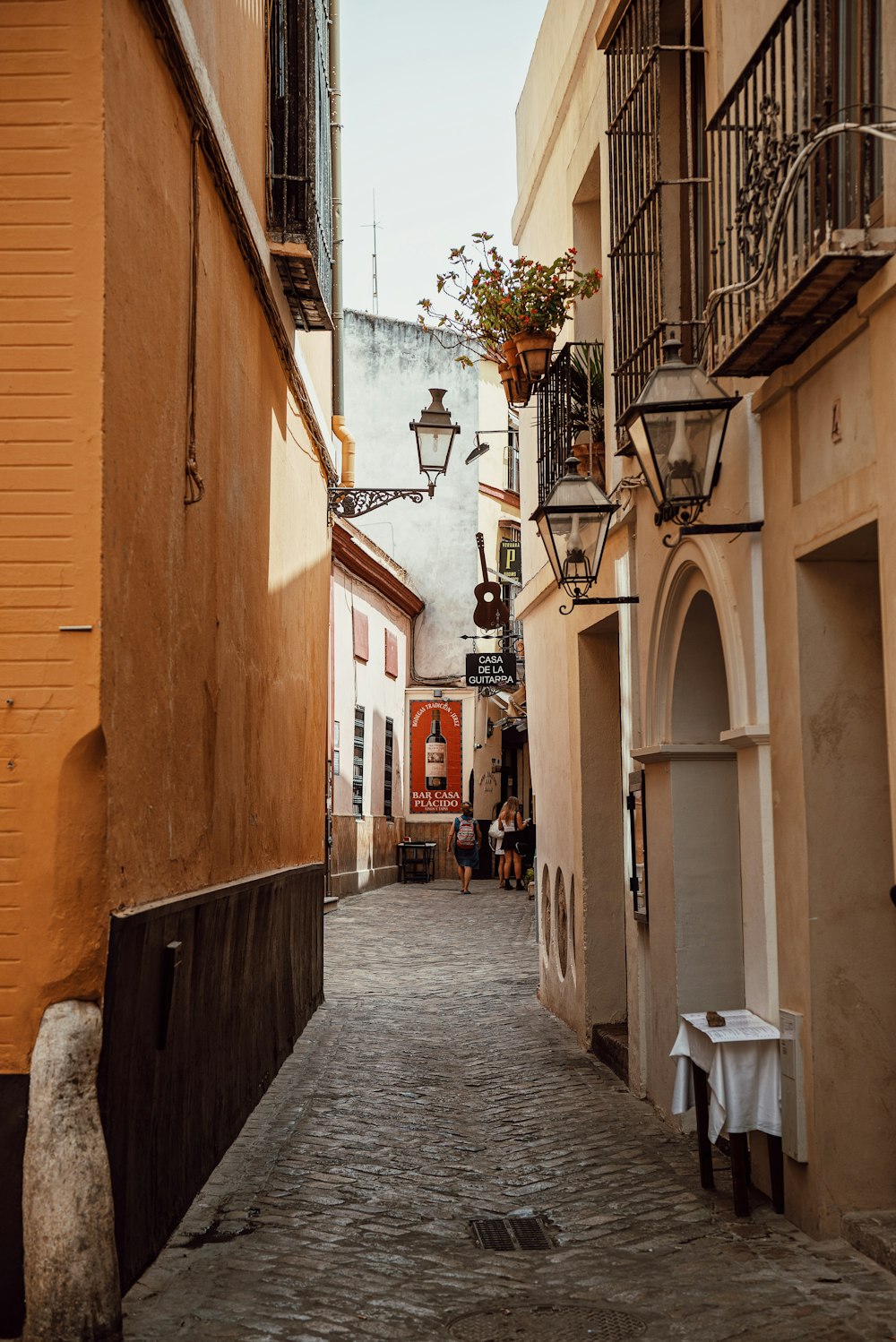
Santa Cruz
The medieval Jewish quarter, pressed against the Alcázar walls, with lanes so narrow that the houses shade each other through the afternoon. Small squares planted with orange trees open unexpectedly between them. Much of the prettiness dates from a restoration before the 1929 exhibition. It is thick with tour groups by day. After ten at night it empties and is worth a second walk.
-
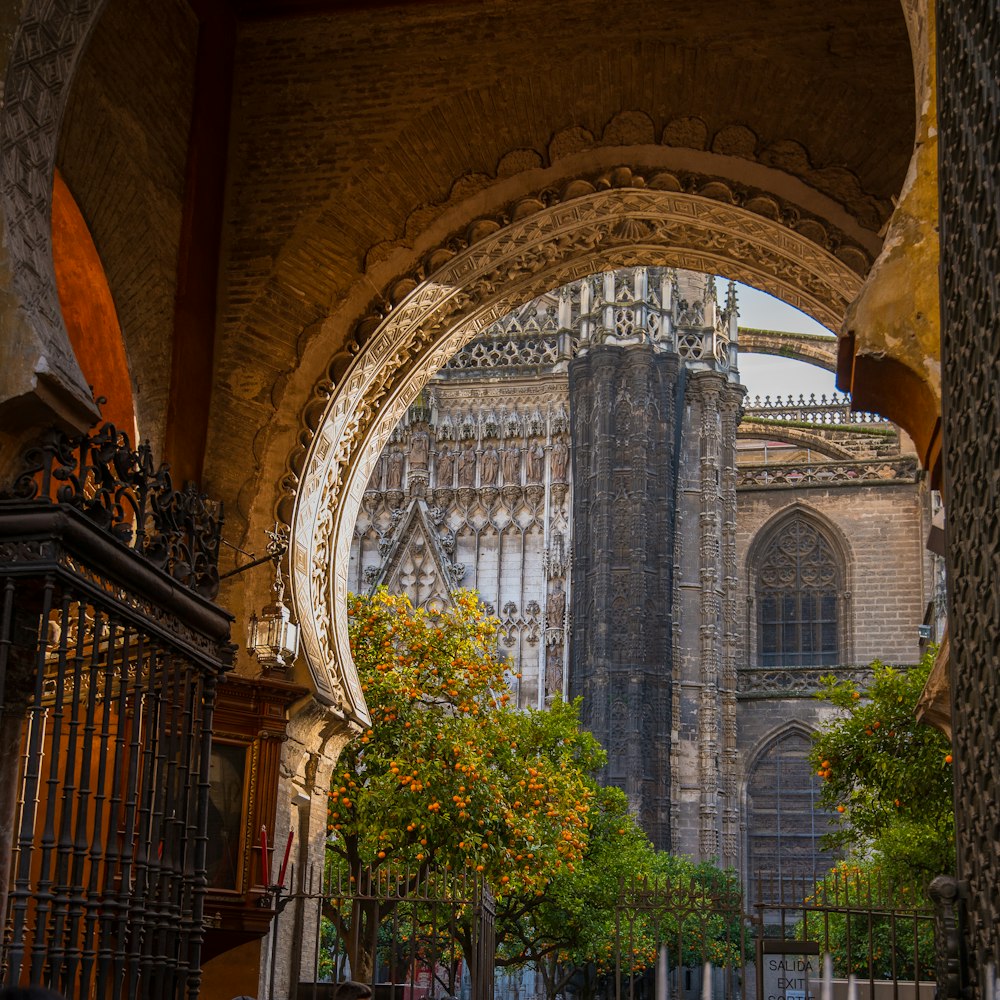
Seville Cathedral
The chapter resolved in 1401 to build a church so large that those who saw it would think them mad, and produced the largest Gothic cathedral anywhere. Four crowned figures carry the tomb of Columbus. The bell tower is the minaret of the mosque that stood here, climbed by ramps so that the muezzin could ride up on horseback. The orange tree court was the ablutions yard.
-
Triana
The district across the river, historically home to sailors, potters and Roma families, and one of the cradles of flamenco. Workshops still make the painted tiles seen all over the city, and a ceramics museum occupies an old factory. The covered market stands on the ruins of the castle that housed the Inquisition. Calle Betis, along the bank, fills with drinkers at sunset.