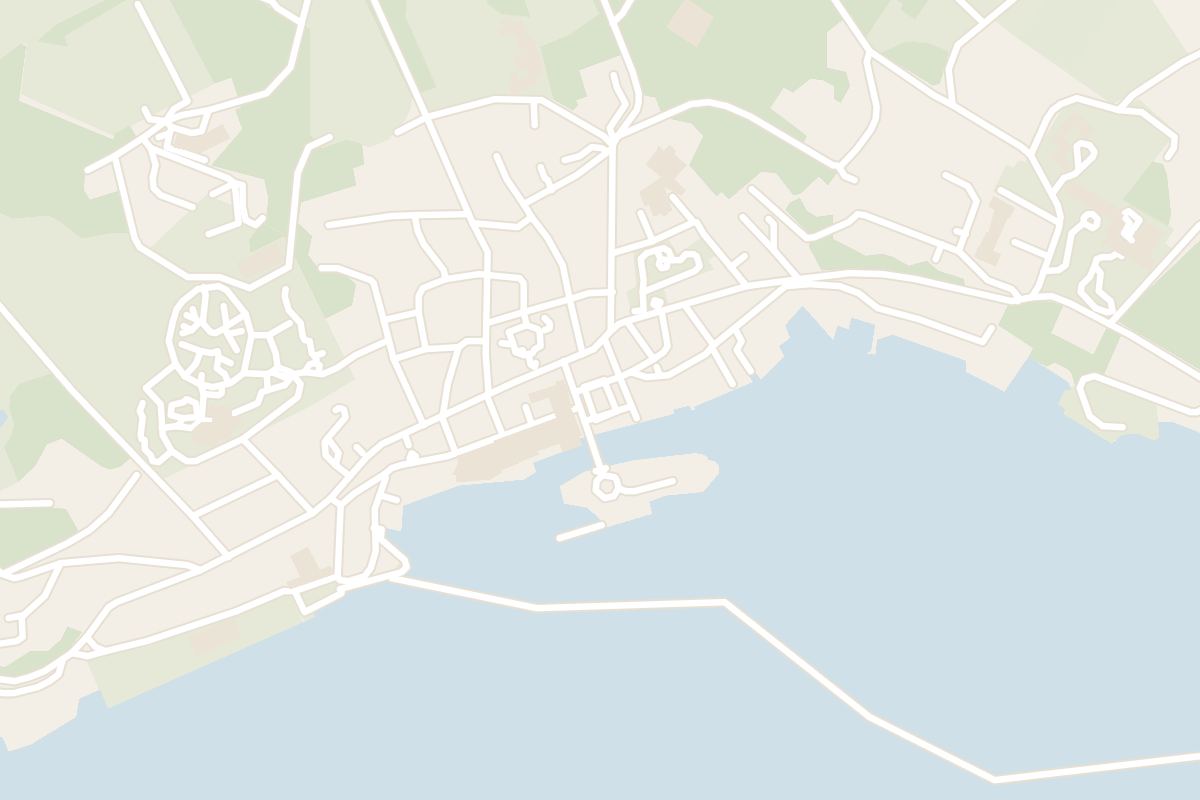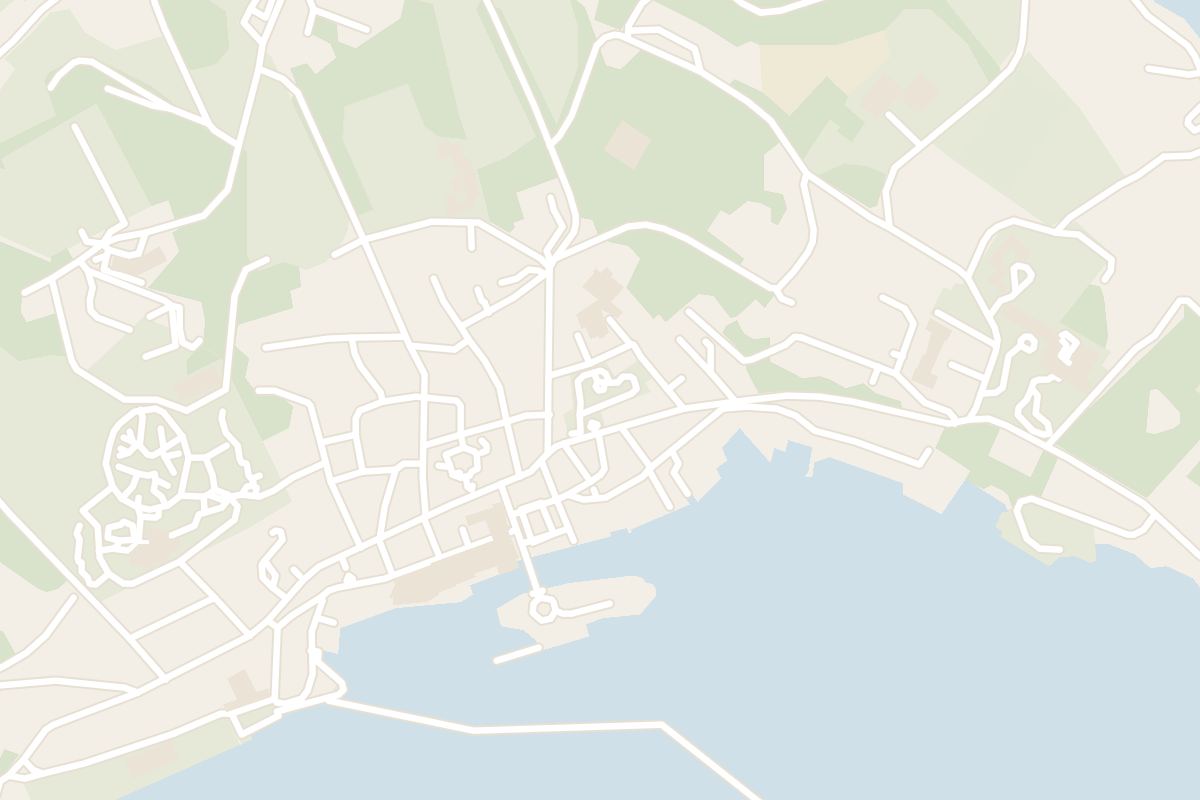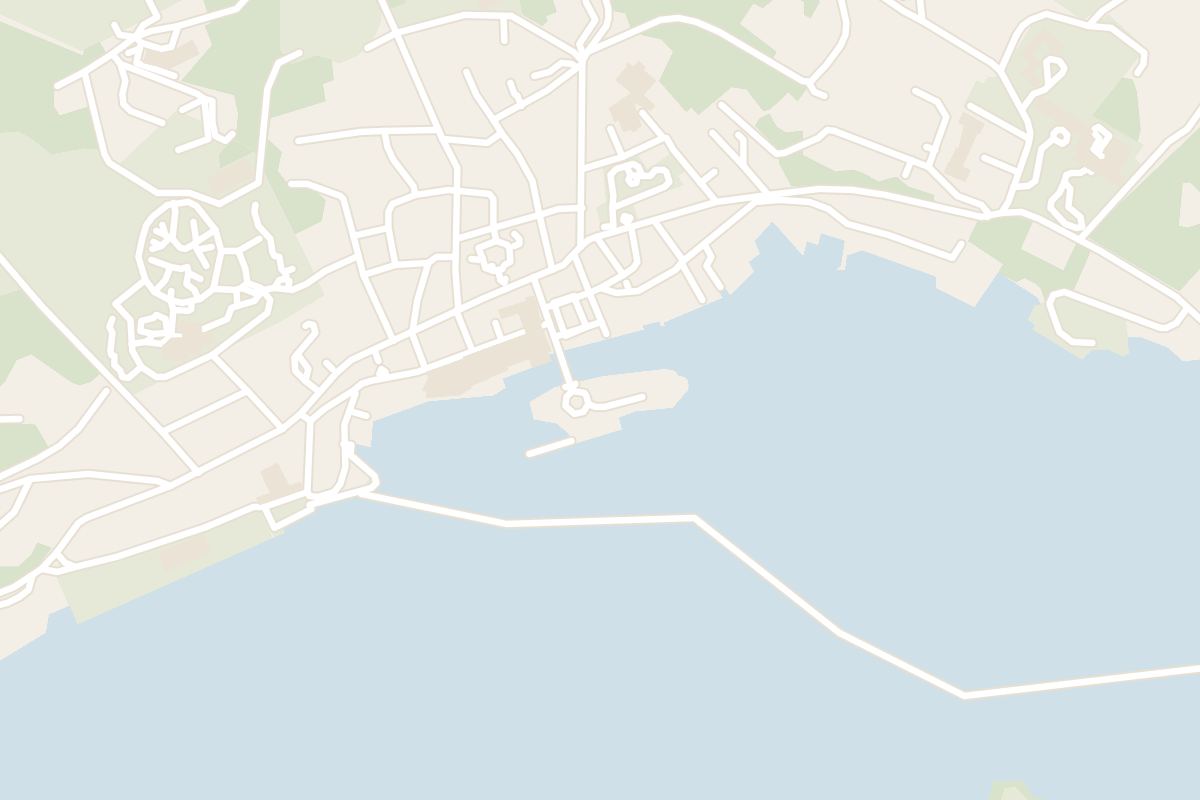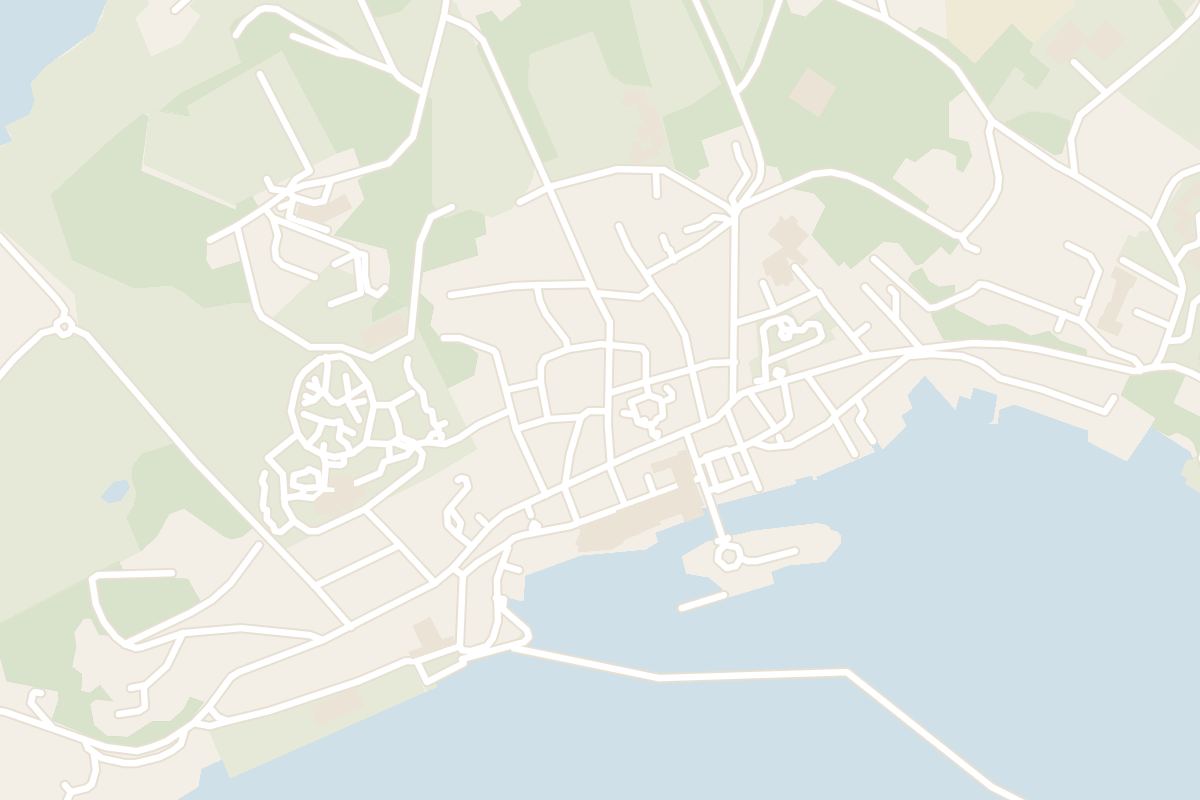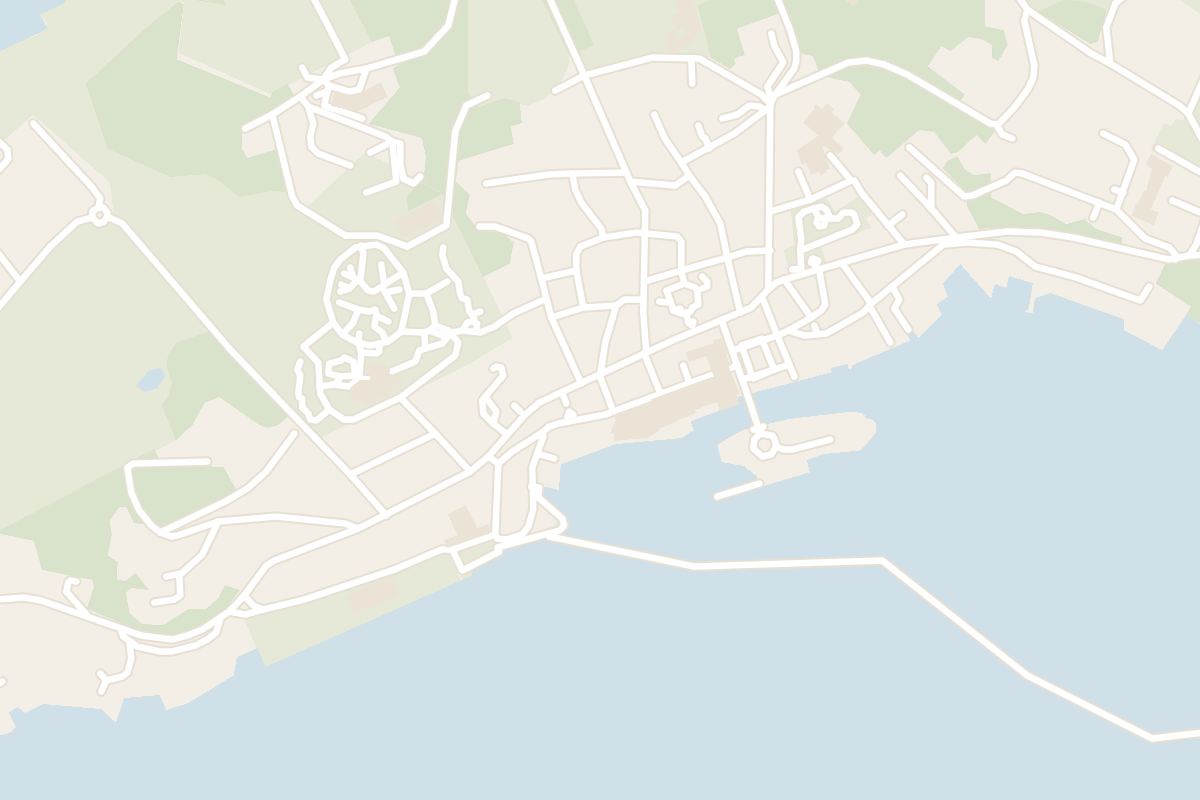
St George's takes a morning to walk and a whole day to leave. Every lane runs off King's Square, the island's gentlest snorkelling is fifteen minutes over the hill at Tobacco Bay, and on the walls of Gates Fort you can watch boats squeeze through the only channel in the reef.
Come in late April and you may catch the rent being paid. On a Wednesday near St George's Day the Governor rides into King's Square by carriage under a seventeen gun salute and is handed a single peppercorn on a velvet cushion, the year's rent on the old State House.
The State House itself, limestone and built in 1620, opens to visitors on Wednesdays in summer. Fortifications aside, it is the oldest building on the island.
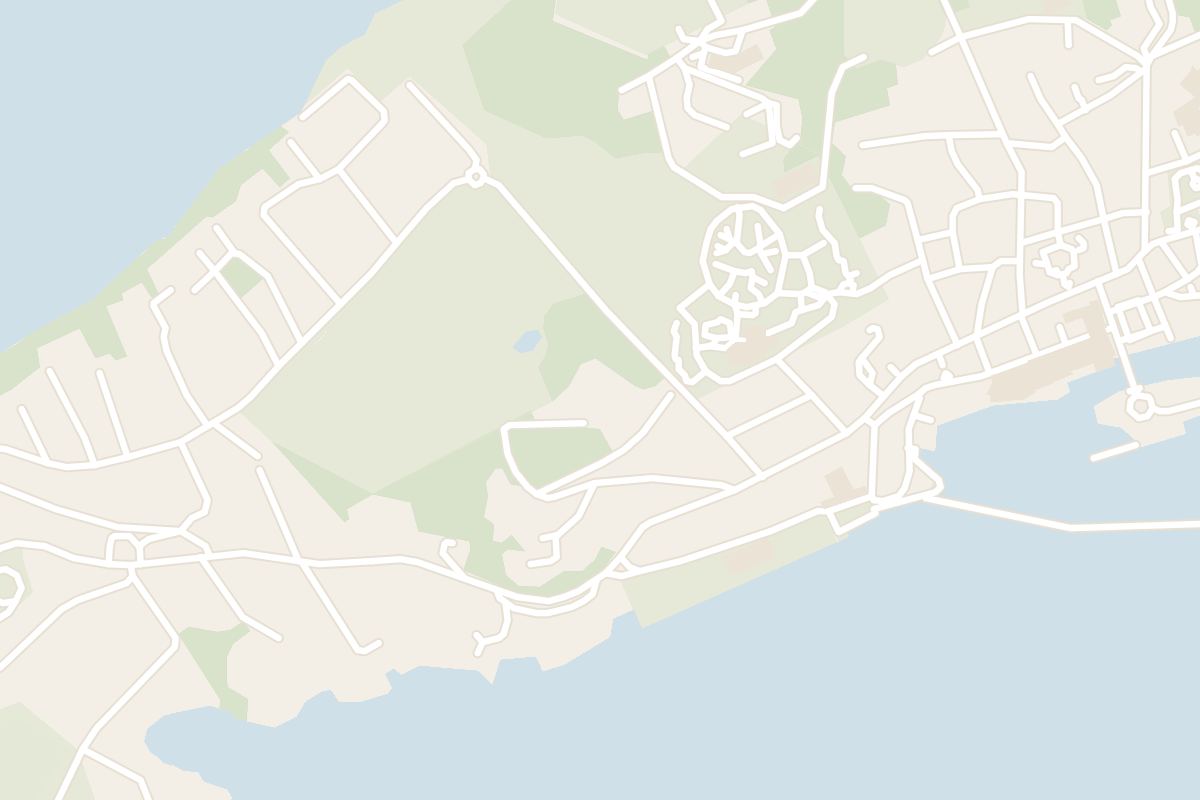
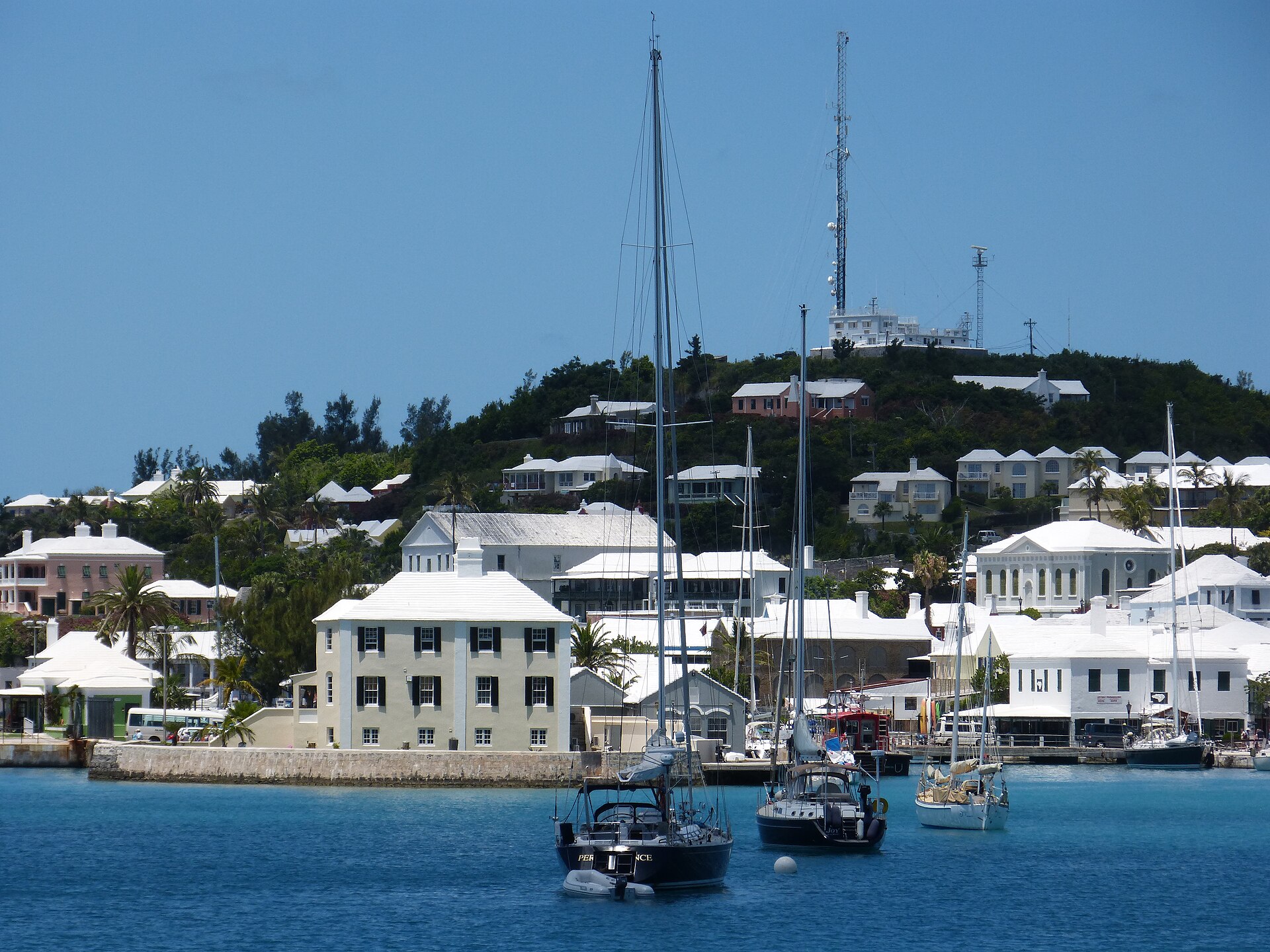
When the capital moved to Hamilton in 1815, nobody had a reason to rebuild St George's, so the lanes are still the width of a handcart. Get lost in them. About 1,500 people live here and you cannot go far wrong.
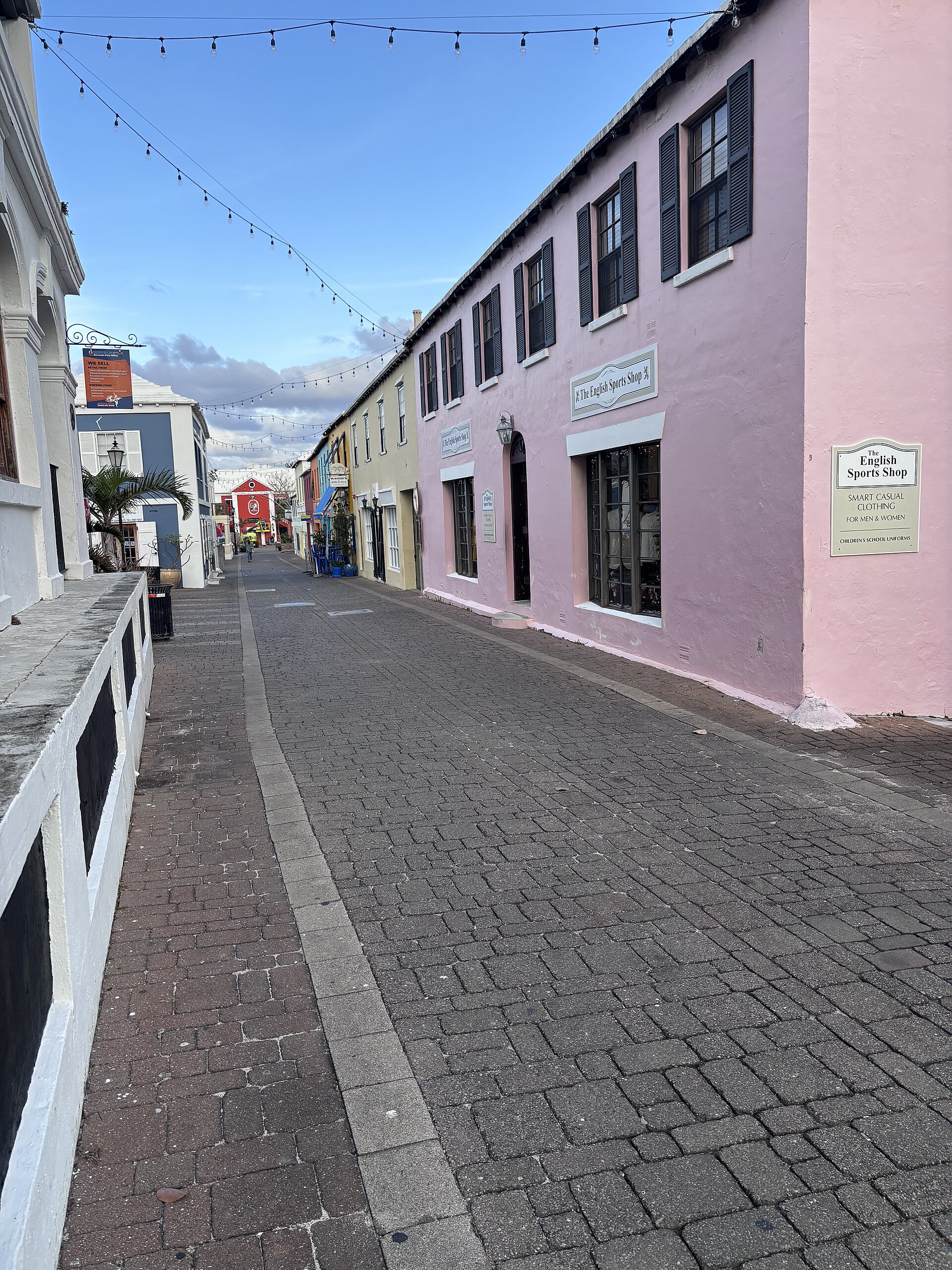
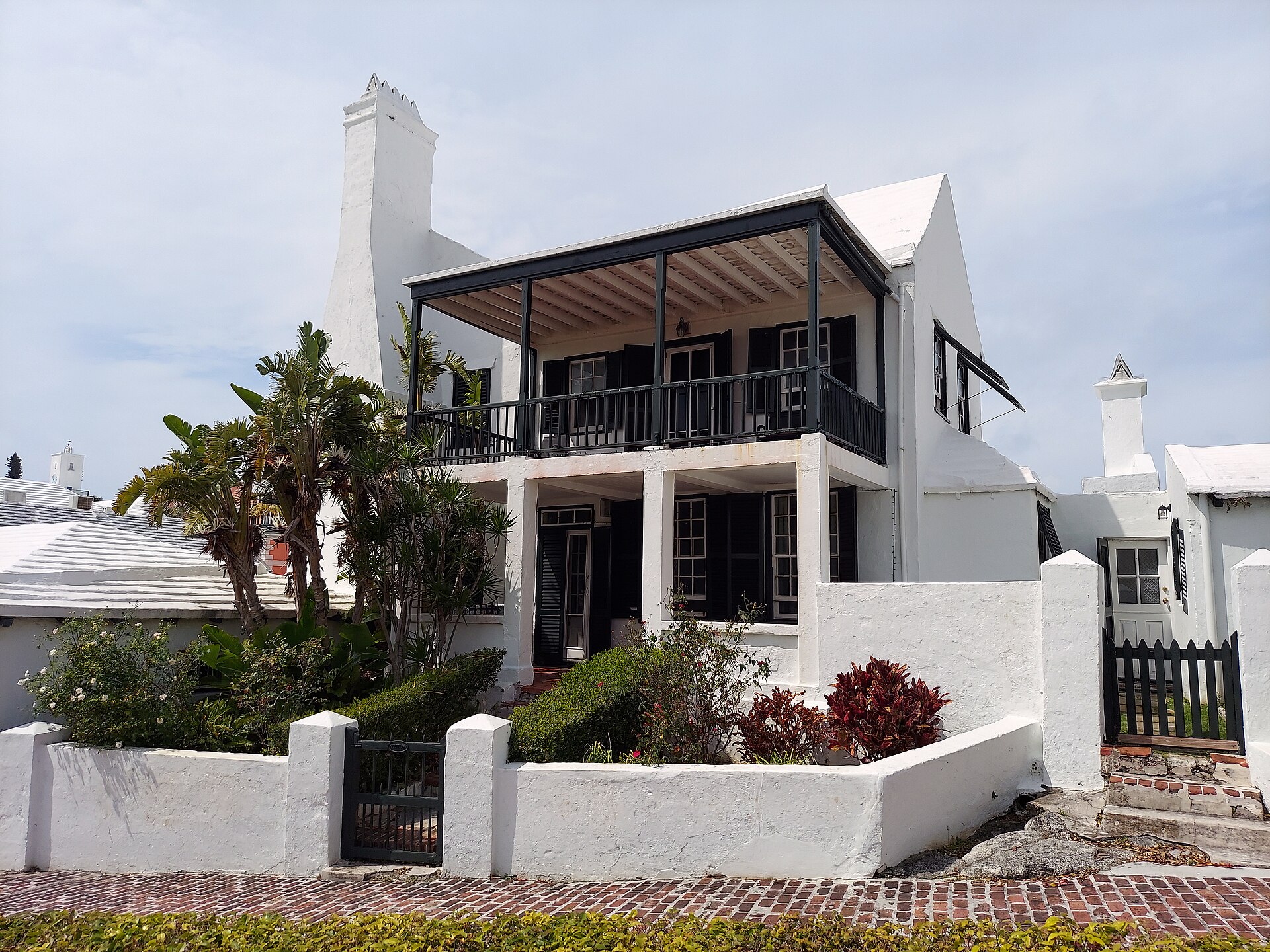
Look up at the roofs. Bermuda has almost no fresh water on the surface, so every house catches its own rain. The white limestone roofs are stepped to slow the runoff into the gutters, which feed a tank under the house.
Older guidebooks send you to a replica ship on Ordnance Island, across from King's Square. It is gone, demolished after storm damage in 2022.
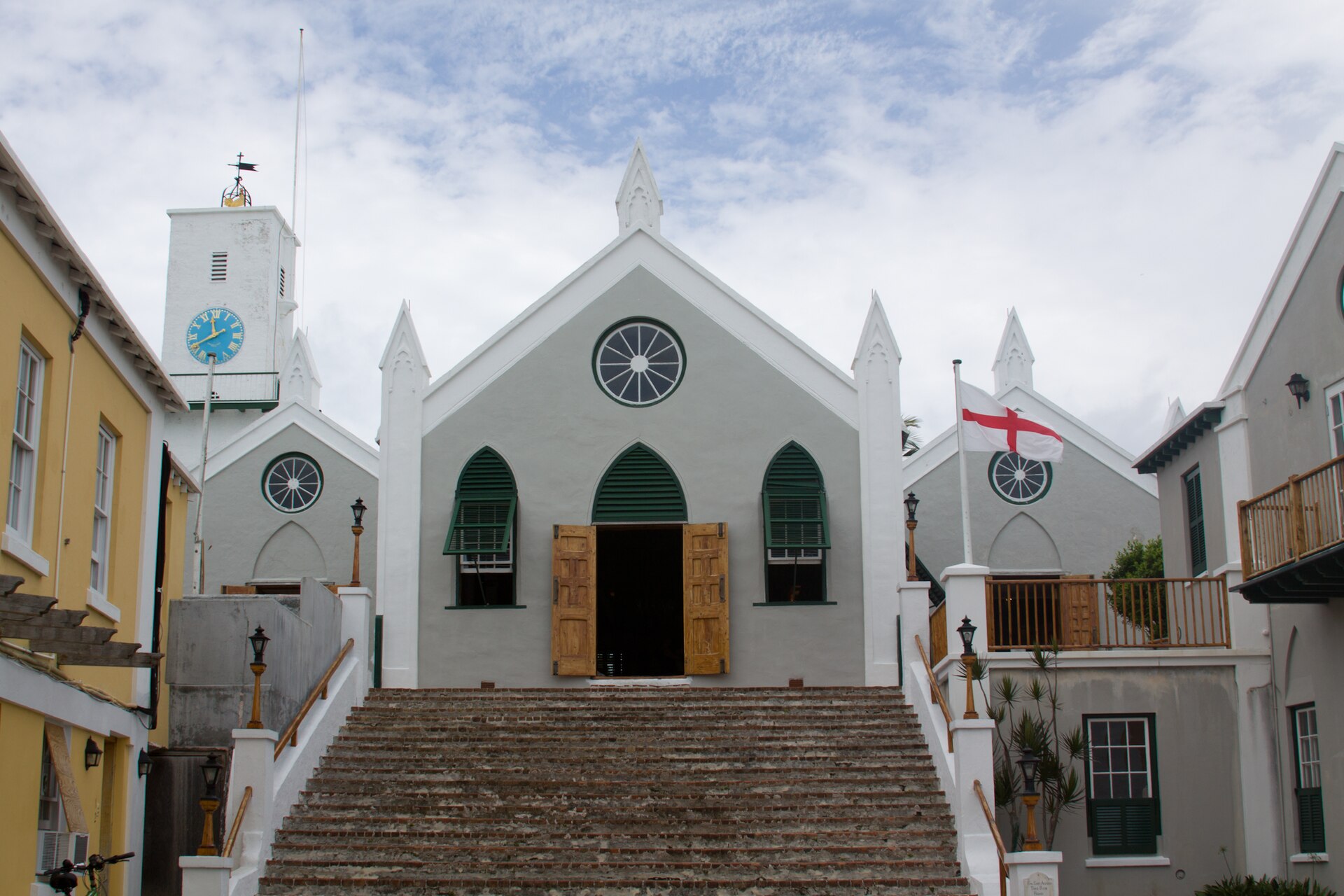
Climb the steps off Duke of York Street to St Peter's, the oldest Anglican church in continuous use outside the British Isles, and go inside. The roof beams, the gallery, the box pews and the altar are all Bermuda cedar, worked by the island's shipwrights.
Walk round the graveyard before you leave. It is walled in two parts, and the western section is where enslaved and free Black Bermudians were buried, apart from everyone else.
Somers Garden, a walled garden a short walk from King's Square, is the shady place to sit out the middle of the day. Sir George Somers, whose shipwreck in 1609 started the colony, has his heart buried there; the rest of him was shipped home to Dorset.
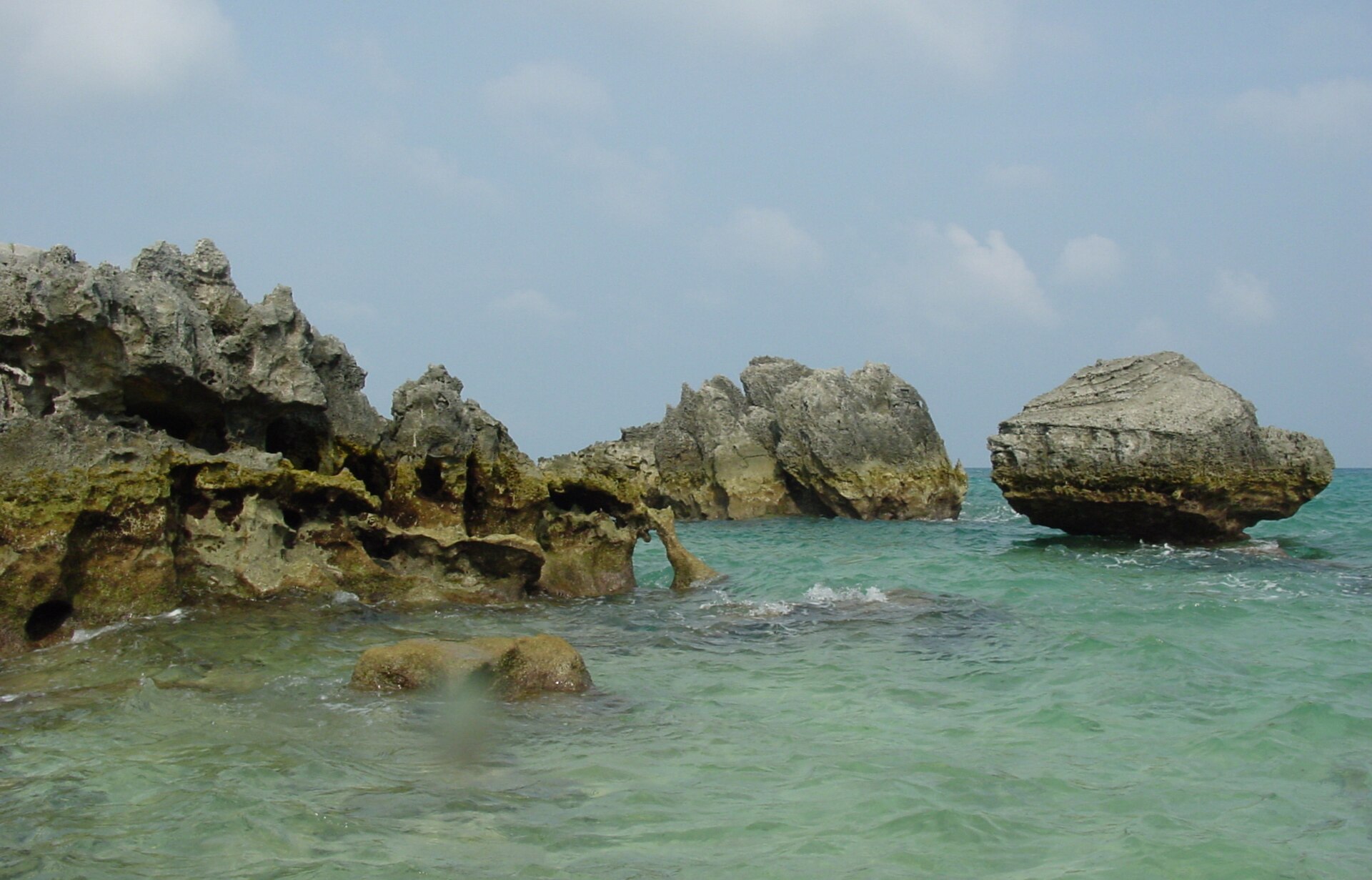
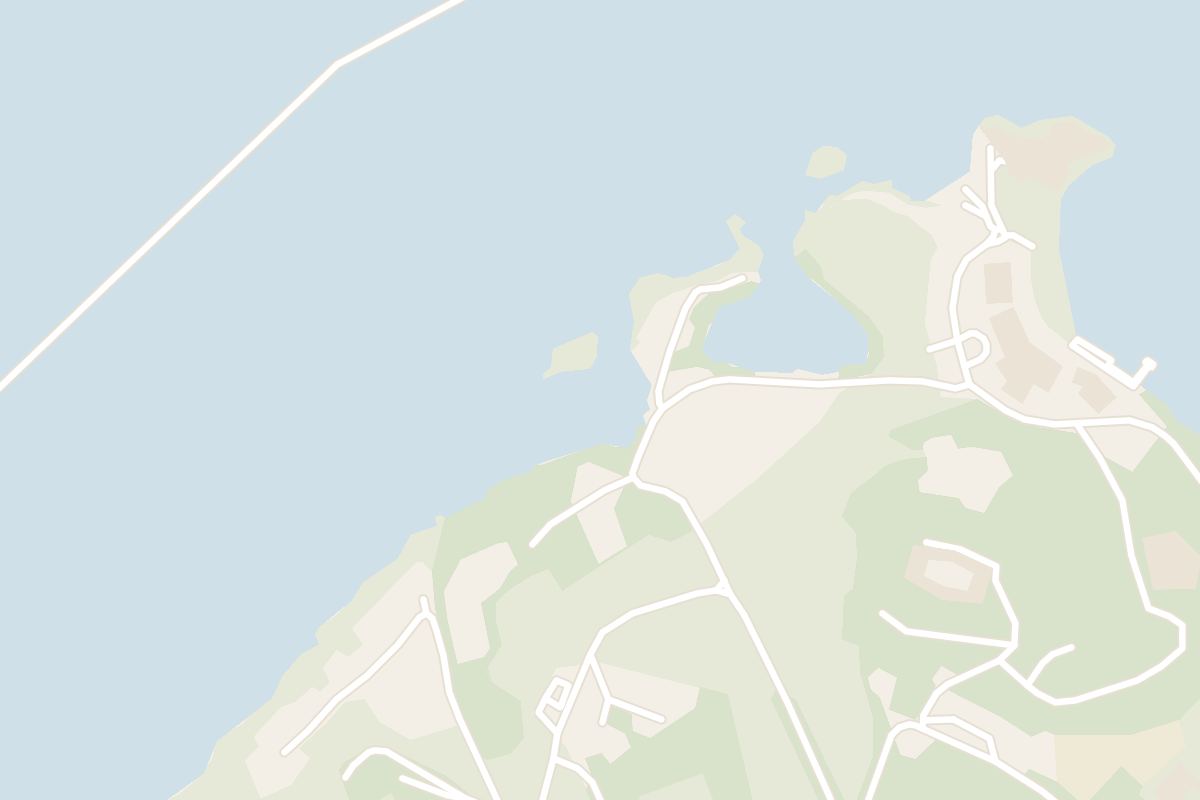
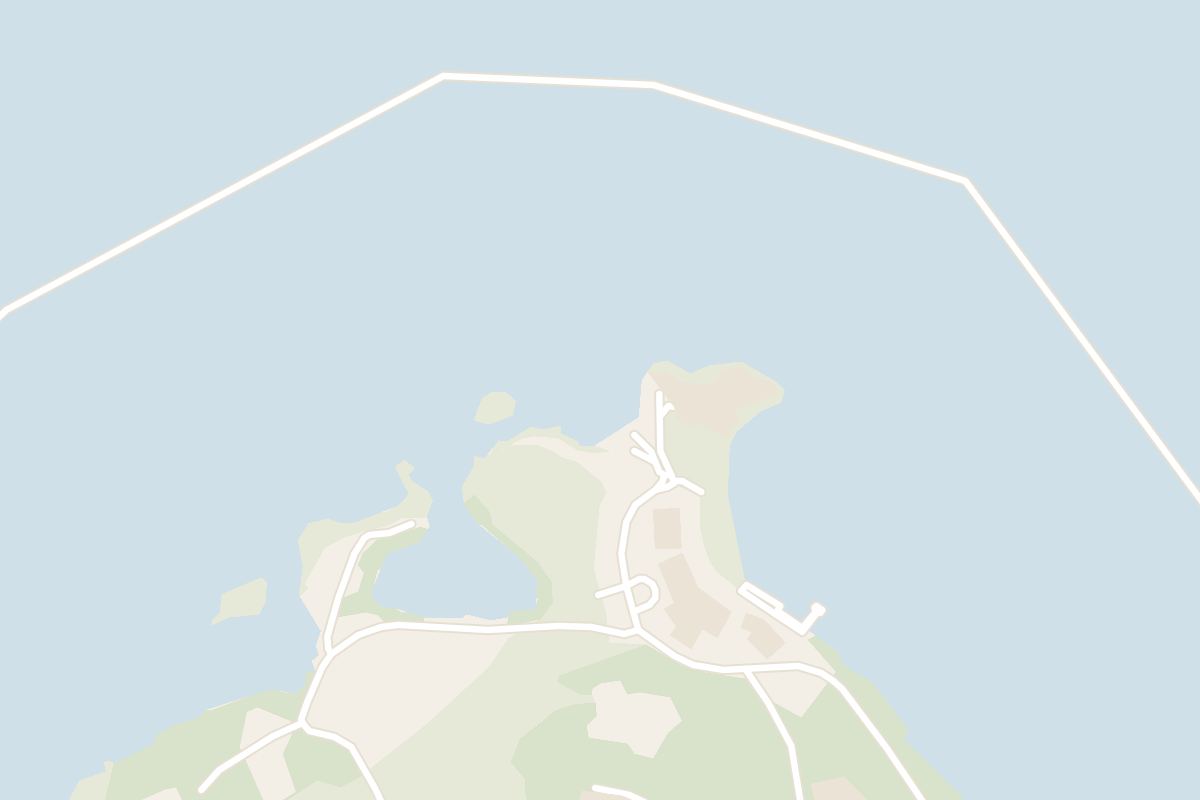
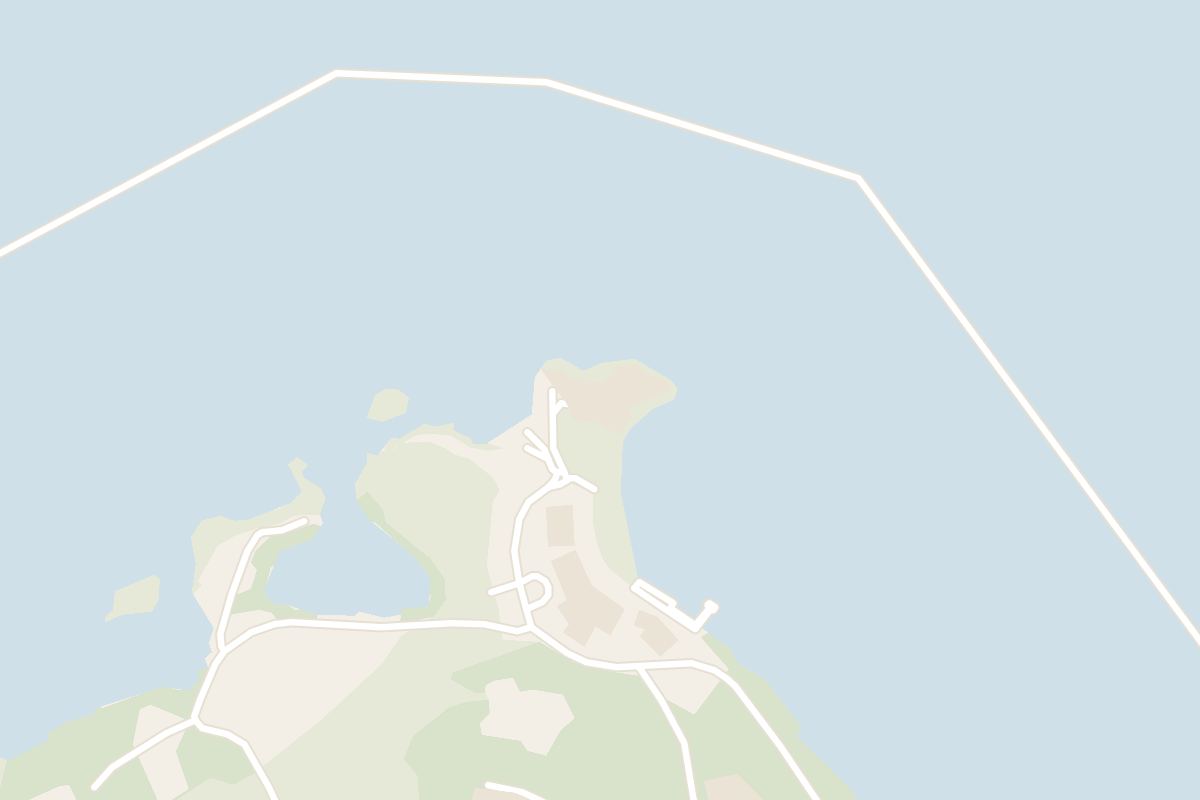
For a swim, walk north over the hill to Tobacco Bay, fifteen to twenty minutes from the square. The stacks shelter shallow water, so it is the easiest snorkelling on the island if you are not a strong swimmer, and there is a beach bar with gear to hire.
Swim out to the rocks: most of the fish, parrotfish and sergeant majors among them, are beyond the stacks rather than over the sand. Come in the morning or late in the afternoon, on a weekday if you can, because by midday in summer the beach is full. Out of season the bar may be shut, but the washrooms and showers stay open.
The bay faces north, and a northerly wind puts the swell straight back into it. On those days, try Achilles Bay, tucked under Fort St Catherine about ten minutes along the coast.
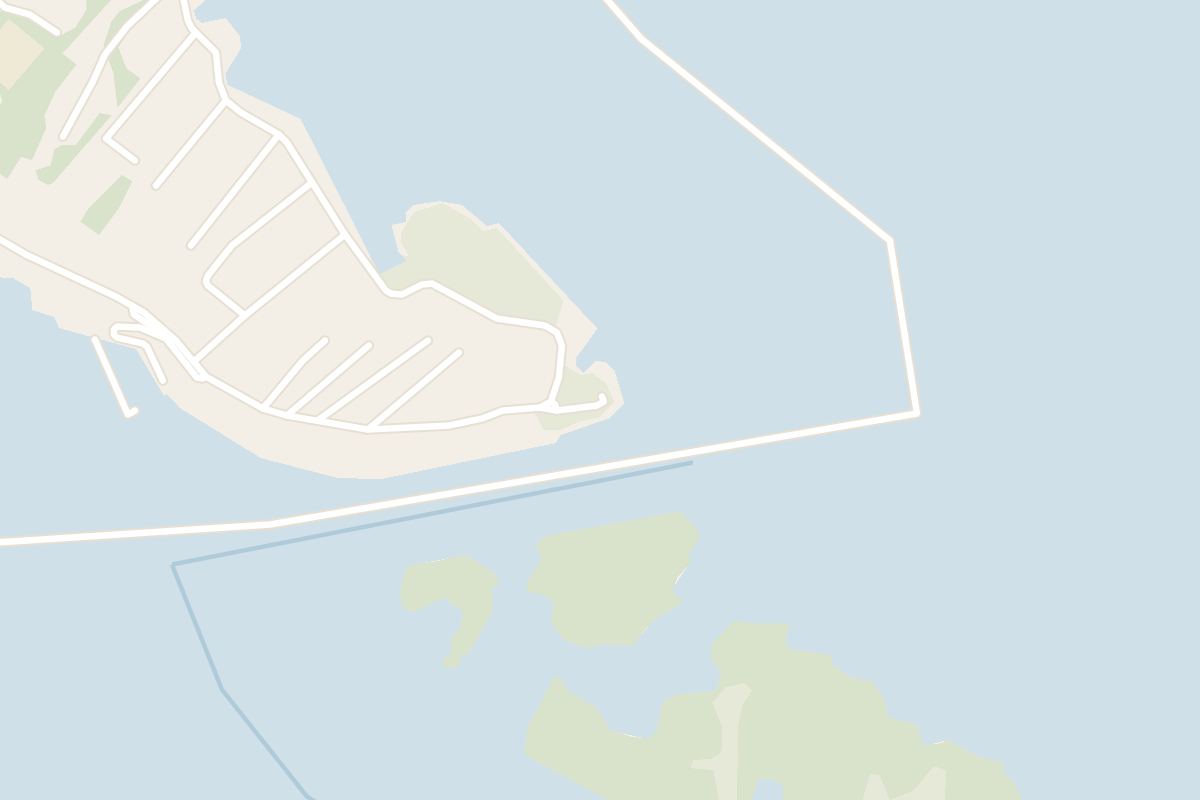
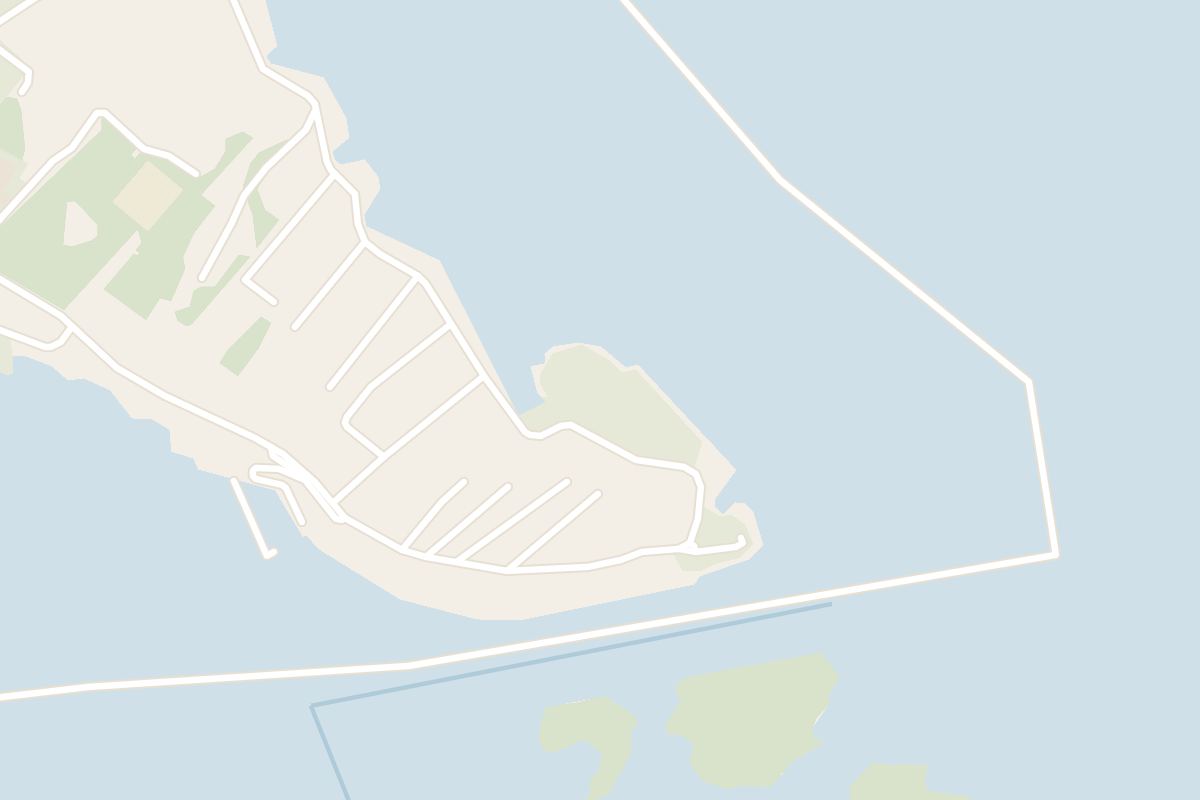
The forts make sense once you know about the reef. It reaches so far offshore that it leaves one usable way in, a narrow channel called Town Cut, and the forts line that channel.
Not all of them are worth the walk, and many are neglected. The two below are the ones kept up.
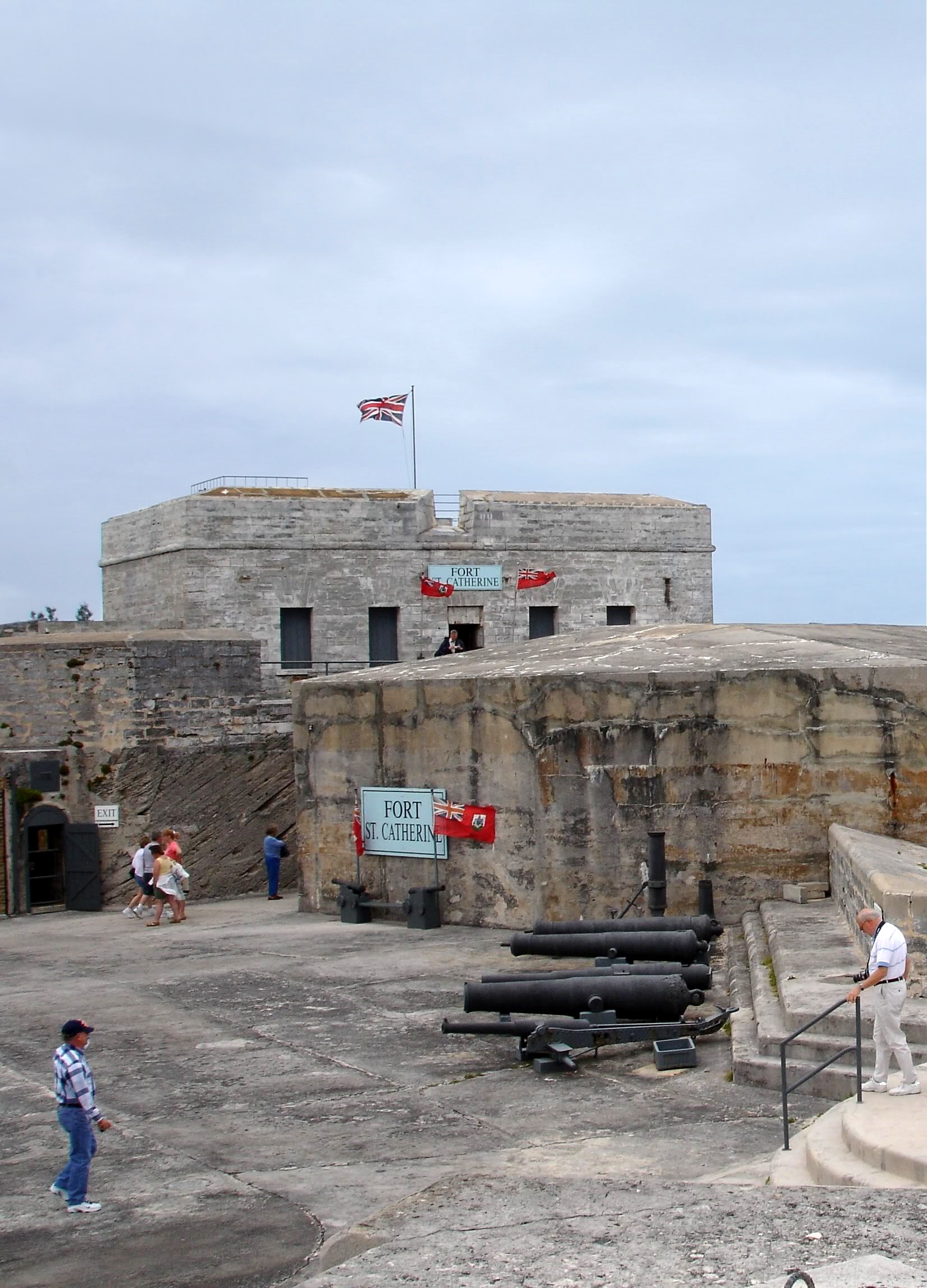
Gates Fort, at Town Cut itself, is small, and it is the best seat in town: the channel narrows to a few boat lengths just below the wall. Fort George, on the hill above the town, is a short steep climb with a view down the whole harbour. Bermuda Radio, which tracks every ship through the reef, shares the site.
Further round, the beach below Alexandra Battery is scattered with sea glass, worn smooth by the waves. Look, but leave it where it is.
Getting here takes more planning than the island's size suggests. There is no ferry from Hamilton. Buses 10 and 11 make the trip in about fifty minutes, but the service has been unreliable in 2026, so leave slack in your day. At the stops, a pink pole means the bus is heading into Hamilton and a blue one means away from it.
From April into early November, the Orange Route ferry runs Monday to Saturday from the Royal Naval Dockyard, at the far western end of the island. The crossing takes about forty five minutes.
Check what is open before you plan around a museum. The Tucker House is closed for conservation and the Historic St George's Museum is not open to general visitors; the National Trust Museum in the old Globe Hotel, just off King's Square, is open. Hours across the town run loose, so do not build a day around one door.
Only a couple of cruise calls a year now come to St George's itself, so most days the town belongs to the people staying in it. From late March to late October, costumed ducking stool re-enactments start in King's Square and end with a dunking off Ordnance Island.
Finish at the Unfinished Church, up the hill behind St Peter's. It is a full sized Gothic church, begun in 1874 to replace St Peter's, that never got its roof.
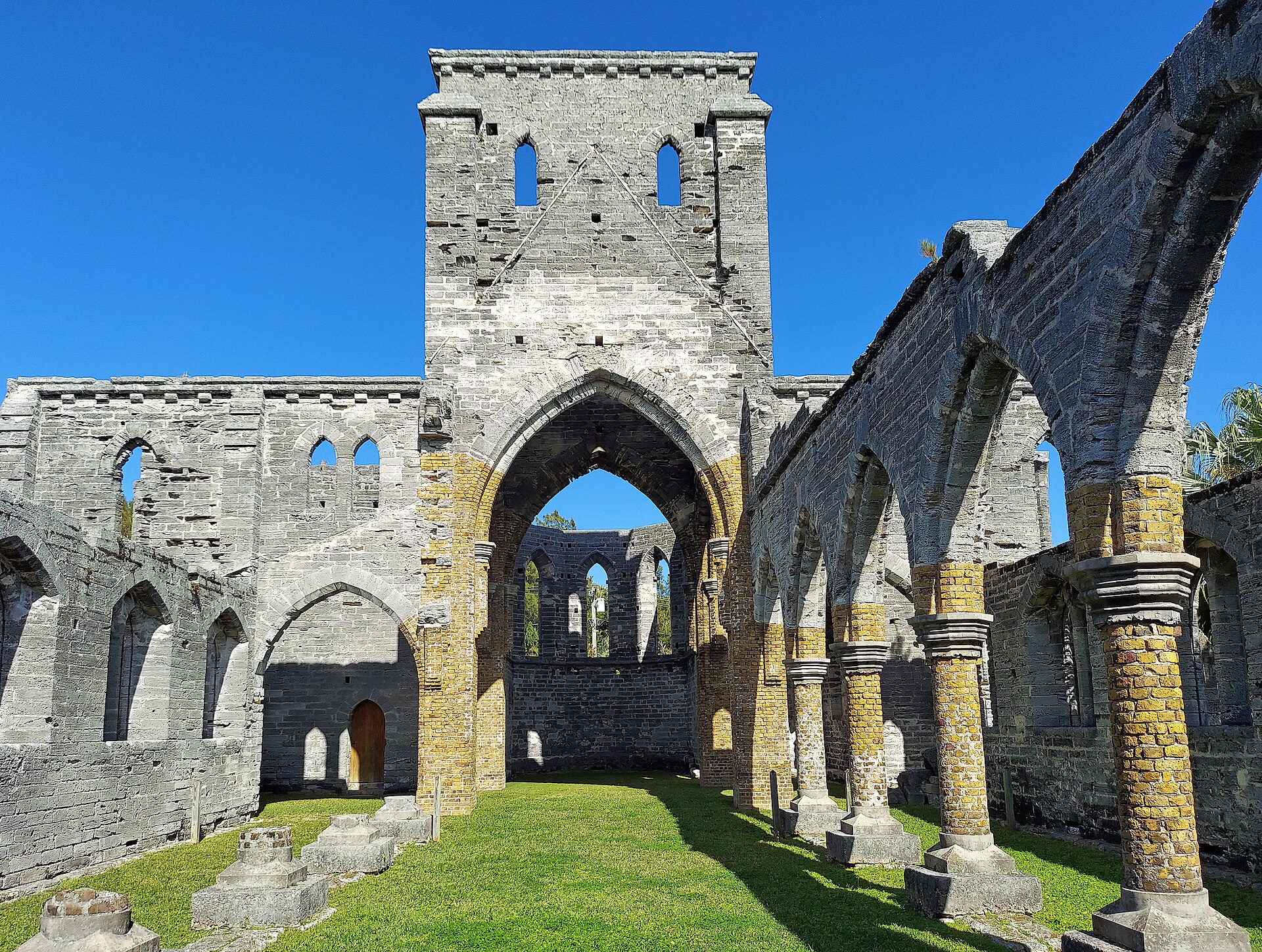
It stopped when the money went to rebuild Hamilton's cathedral after a fire, and it has stood open to the sky ever since. You are free to walk straight through it.
Then eat on Water Street, and book before you set out. Wahoo's Bistro fills well before six on most evenings. Order the fish chowder and add black rum and sherry pepper sauce at the table, the way Bermudians eat it.