Things to do
22-
King's Square
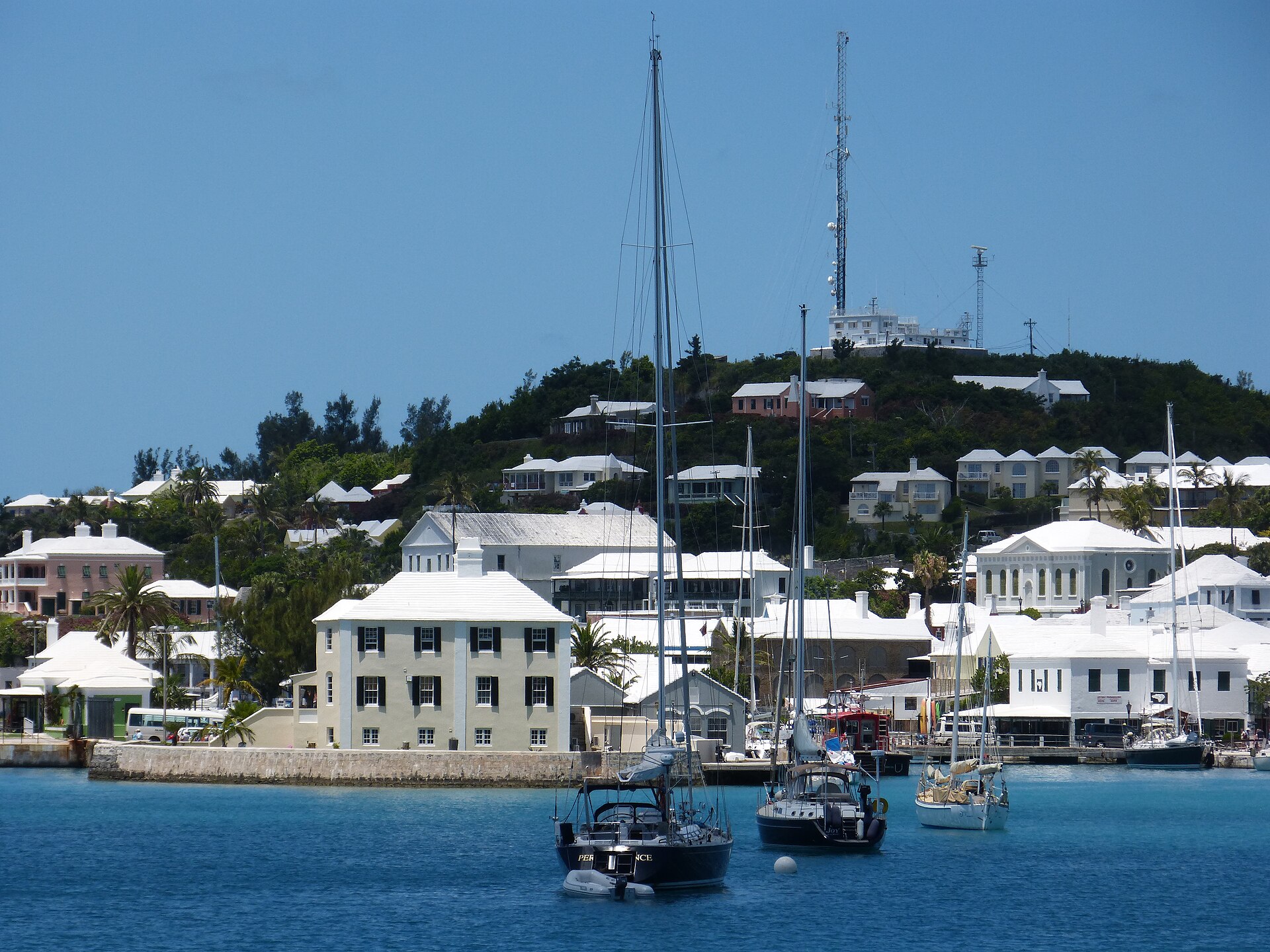
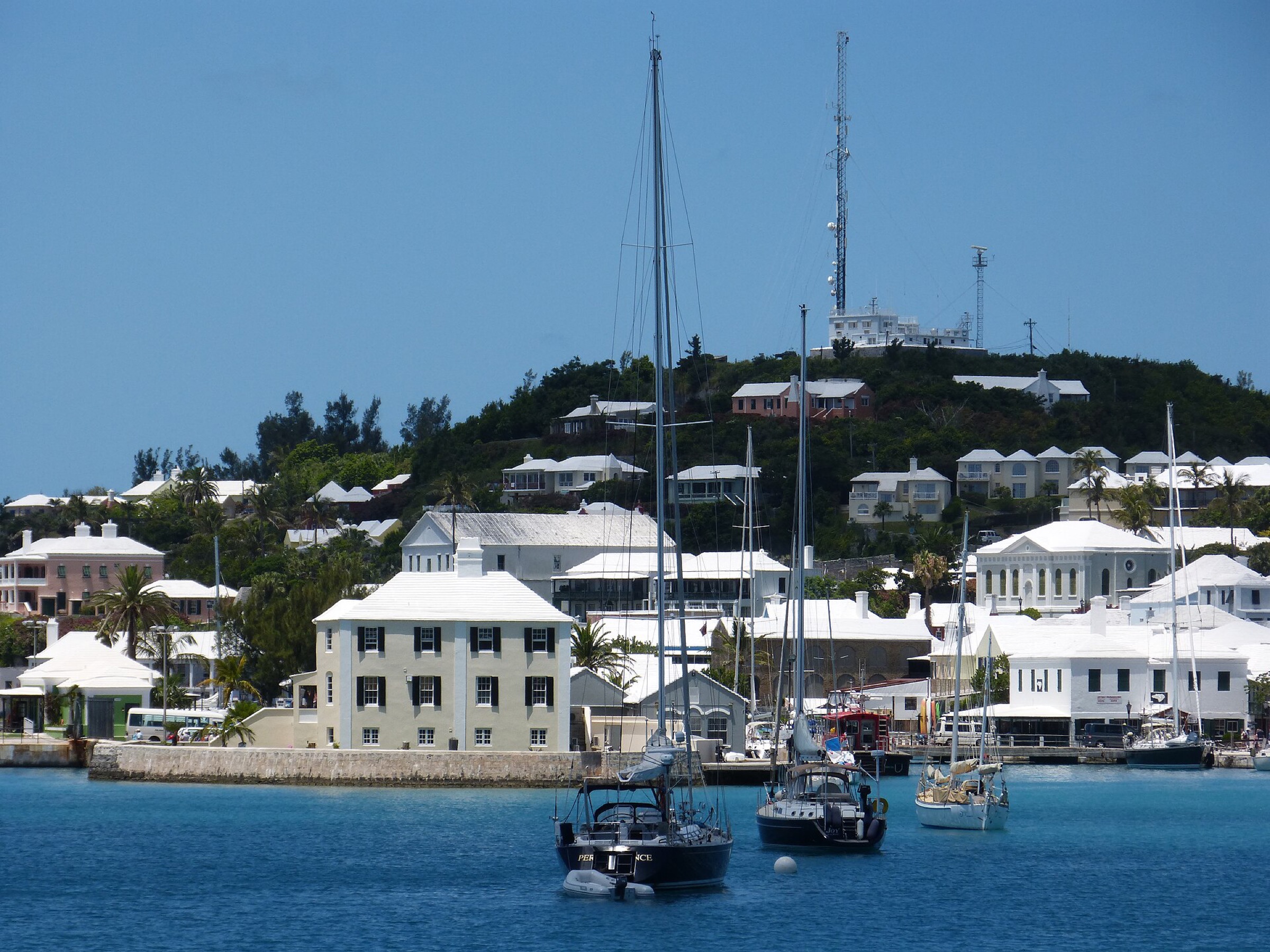
The square has public restrooms, taxis, the minibus to the beaches and the Hamilton buses, all on it or a short walk off, so start your day in St George's here. Give the stocks five minutes, then move on.
View more → -
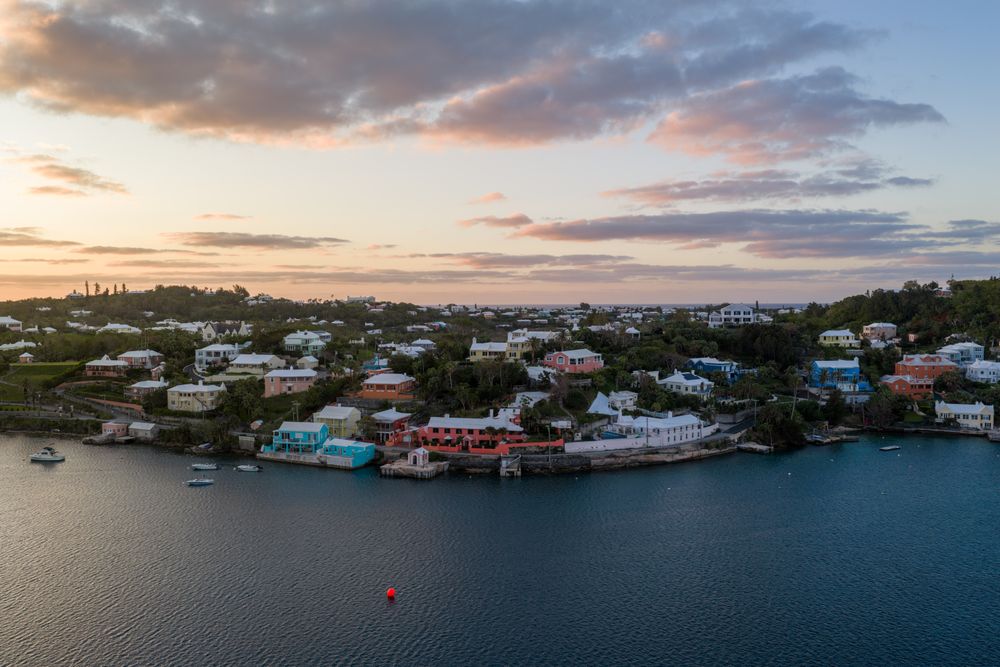
Cup Match
By the first ball, be through the gate with cash in hand. Once play starts the queue runs down the road, and the ground has had no cash machine for the Crown and Anchor tables.
View more → -
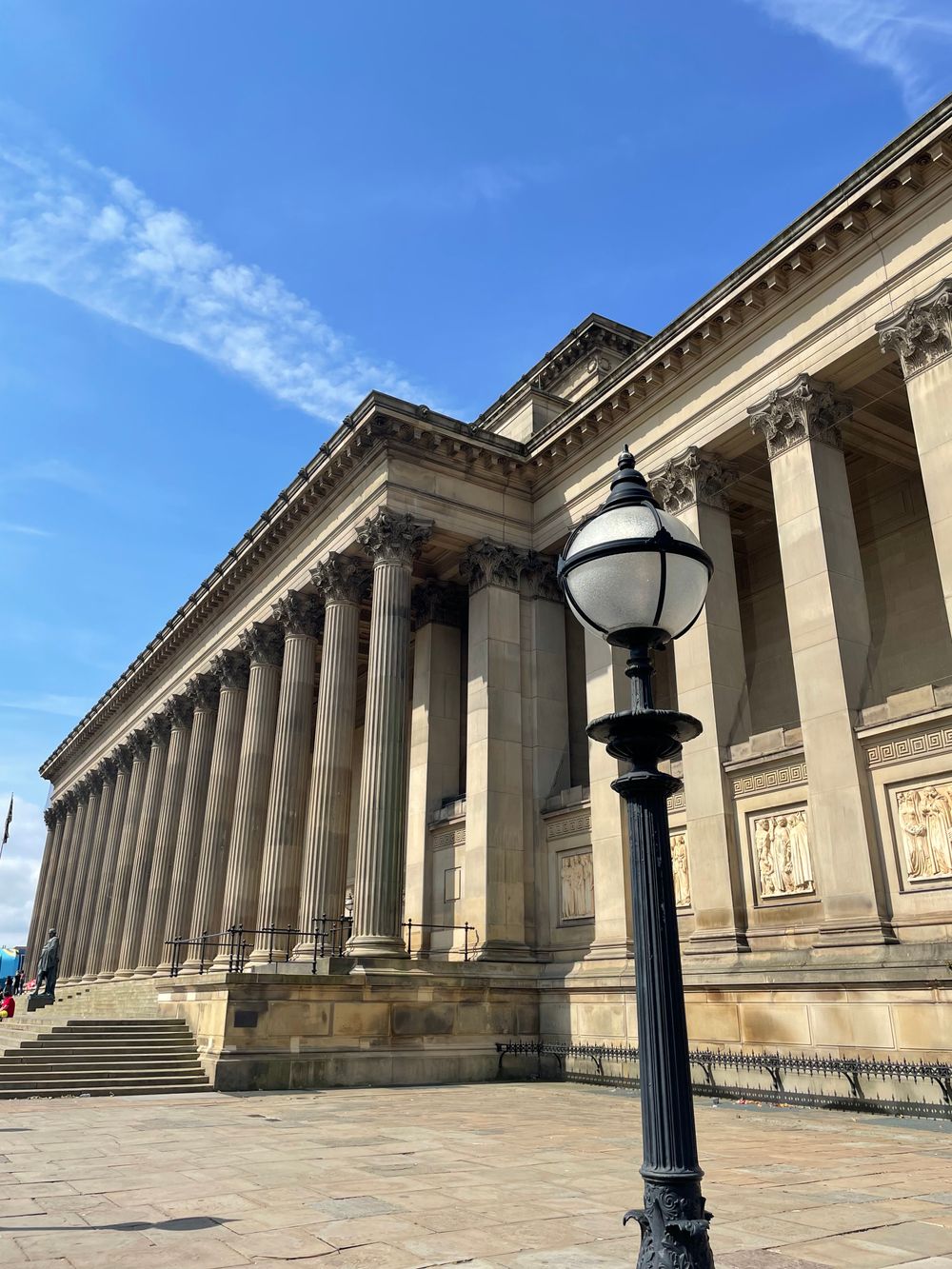
St. George's Town Hall
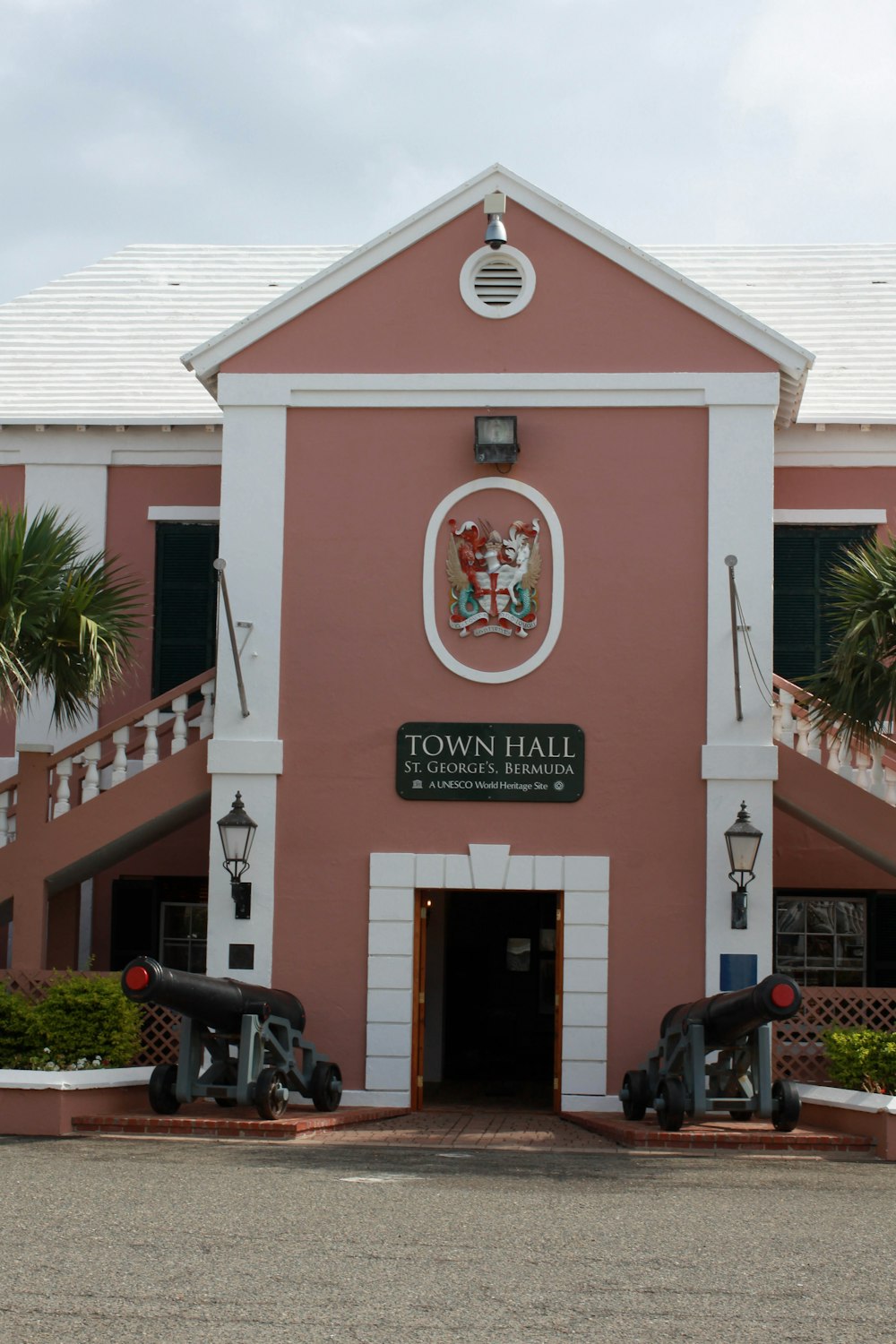
The town hall stands on King's Square, beside Ordnance Island, and has served the town for more than two centuries. The building is open to walk through, and the Bermuda National Trust Museum is next door, so both fit into one crossing of the square before the lanes climb to St. Peter's Church.
-
Fort St. Catherine
Take the minibus up from King's Square and walk back down; the climb out of town is steep. With the beaches on either side, the fort fills half a day.
-
St. Peter's Church
From eleven to three, Monday to Saturday, volunteers open the church to visitors. Give the churchyard as long as the nave: its eastern half holds the grave of a governor assassinated in 1973.
-
Tobacco Bay
If the wind is anywhere but north, come early: by midday in summer the rental loungers cover most of the sand and the bar queue is long. Swim out to the rock stacks, where the fish are.
-
St. George's Historical Society Museum
Plan around its hours: it opens only on Wednesdays and Saturdays.
-
Bermuda National Trust Museum at the Globe Hotel
This is the one National Trust museum in St George's you can walk into while Tucker House is shut. Start downstairs with the settlement years, then go up for the blockade runners. The garden faces St Peter's Church.
-
Ordnance Island
Ten minutes covers the ground, so cross the bridge for the one o'clock ducking, held three afternoons a week in season. The replica ship that made the island famous is gone.
-
Achilles Bay
Quieter and far smaller than Tobacco Bay, this cove has a rock to swim out to, with a ladder down into the sea. Bring a towel and shade: the loungers on the sand belong to the St George's Club.
-
Alexandra Battery
There is nothing to buy and no toilet below the guns, so bring food and water and give it an hour. Leave the sea glass on the beach: taking it is against the law.
-
Bermuda Perfumery
Half an hour covers it, and it is free to walk in and free to be shown round, which makes it the right stop on a wet afternoon. Book the workshop if you want to blend a scent to take home.
-
Featherbed Alley Printshop
Watching a volunteer ink the type and pull a sheet on the replica press is the reason to go down to this cellar. Check that someone is on duty before you go.
-
Fort George
A working government radar station occupies the keep, so there is no museum and no way inside. You climb the hill for the small parapet right of the entrance, where the Cut, the airport and St. David's lighthouse fit into one view.
-
Gates Fort
Gates Fort is the best seat on the channel when a ferry, tender or cruise ship is due through the Cut, so time your visit for one. With the water empty, fifteen minutes covers it.
-
Mid Ocean Club
You can play here without a member on Monday, Wednesday or Friday after nine, and book up to three months ahead. The cottage rooms are kept for members and their guests, so plan the round as a day out from your hotel.
-
Old Rectory
This house stays shut, because it is let as a private home. See it from Broad Alley in a few minutes, as part of a walk behind St Peter's.
-
Somers Garden
A shaded bench and public toilets are the reasons to stop here on the walk uphill. The memorial is a tribute: the heart it honours was most likely buried a short way off, under what is now York Street.
-
St. Catherine's Beach
A quiet stretch of sand at Gates Bay, on the northern tip of the island directly below Fort St. Catherine. A swim and a walk along the waterline pair well with a visit to the fort above, and the minibus from King's Square runs up to Fort St. Catherine.
-
State House
Getting inside means coming on a summer Wednesday; on other days you see it from the street. The walls are limestone more than half a metre thick, bonded with a mortar of lime and turtle oil.
-
Tucker House
Tucker House is shut for conservation, so see the Water Street front and the alley, and spend your museum time at the Globe instead. When it reopens, Rainey's barber shop is the room to see.
-
Unfinished Church
Walk up after St Peter's to see the church that was meant to replace it. This one never got a roof, so its nave stands open to the weather and is usually seen through empty window arches.