
On a forest slope above Lake Brienz, you follow a waterfall that comes down in steps, and the path crosses to the far bank behind one of the cascades.
Waterfall, Interlaken. Meridian Dispatch.
By boat from Interlaken Ost to Giessbach See, about an hour on the summer timetable, or by train to Brienz and the boat from there. The bus towards Axalp stops at Giessbach Junction, a fifteen-minute walk from the hotel past the falls. By car, take the A8 exit Brienz and Giessbach and follow the signs to Giessbach; buy a parking ticket first.
Daily from spring into October, then on fewer days until early December. In 2026 it ran from 11:00 to 17:00 in spring and from 10:00 to 18:00 in summer. Evening runs operated on Saturdays from late May to the end of August.
Yes, the falls are lit after dark. From April to October, day visitors with a car can buy an evening parking ticket, with entry from 17:45 and exit possible until 23:59.
In spring, when melting snow and rain together swell the stream to spectacular proportions. In autumn the falls are surrounded by leaves that change colour.
The waterfall circuit takes 45 minutes and the funicular and lake circuit an hour. The steep one is the trail up to Schweibenalp at 1,100 metres, 1 hour 15 minutes for sure-footed and well-equipped walkers.
Yes. Day tickets for the funicular are sold online, from machines and by staff at both stations, and there is limited paid day parking. The hotel restaurants take bookings from outside guests by phone.
Yes, both. Children up to five ride the funicular free, and ages 6 to 16 have their own fare. Dogs must stay on a lead throughout the nature park. Pushchairs fit on the funicular in limited numbers, and can also use the two-hour high trail to Iseltwald.
Not by funicular, which cannot take wheelchairs. Wheelchair users are advised to come by taxi from Brienz station up to the hotel, where the restaurant overlooks the falls. The hotel answers access questions on +41 33 952 25 25.
The official site of Giessbach Falls is giessbach.ch.
giessbach.ch →White water runs right beside the Grandhotel Giessbach on its way to the lake. The trails follow it through the trees, and from the funicular station at the top you can see it from above.
The famous spot is the passage behind the water. It is nearly 200 years old and takes you to the other bank without a bridge, on a secured path.
Older bridges still carry the trails, including a stone arch, the Napoleon bridge, on the way to the lake. The lowest crossing is an ironwork footbridge between the old and new landing stages, where high water soaks you in spray.
The 1879 railway was the first cable-driven funicular built for tourists, and the two cars pass halfway on a single track. A long steel bridge carries the line, and the cars are back in their old ochre and green.
Getting off at the Giessbach See jetty, you find the bottom station of the funicular. The ride takes five minutes and climbs nearly 100 metres to the hotel.
From the top station, walk the waterfall circuit: it runs alongside the stream and behind the water.
Back at the hotel, the terrace in front is open to day visitors without a booking from May to September, with views of the lake or the falls. Then take the funicular down, or walk the lake circuit down past dry-stone walls to the old landing stage.
Walking up beside the track instead of riding takes about 30 minutes, and sturdy footwear is advised.
For a longer day, leave on foot along the shore. The trail takes one and a half to two hours, stays fairly level and shady, and ends in Iseltwald, which has its own boat stop. Check yourself and your dog for ticks after walking in the park.
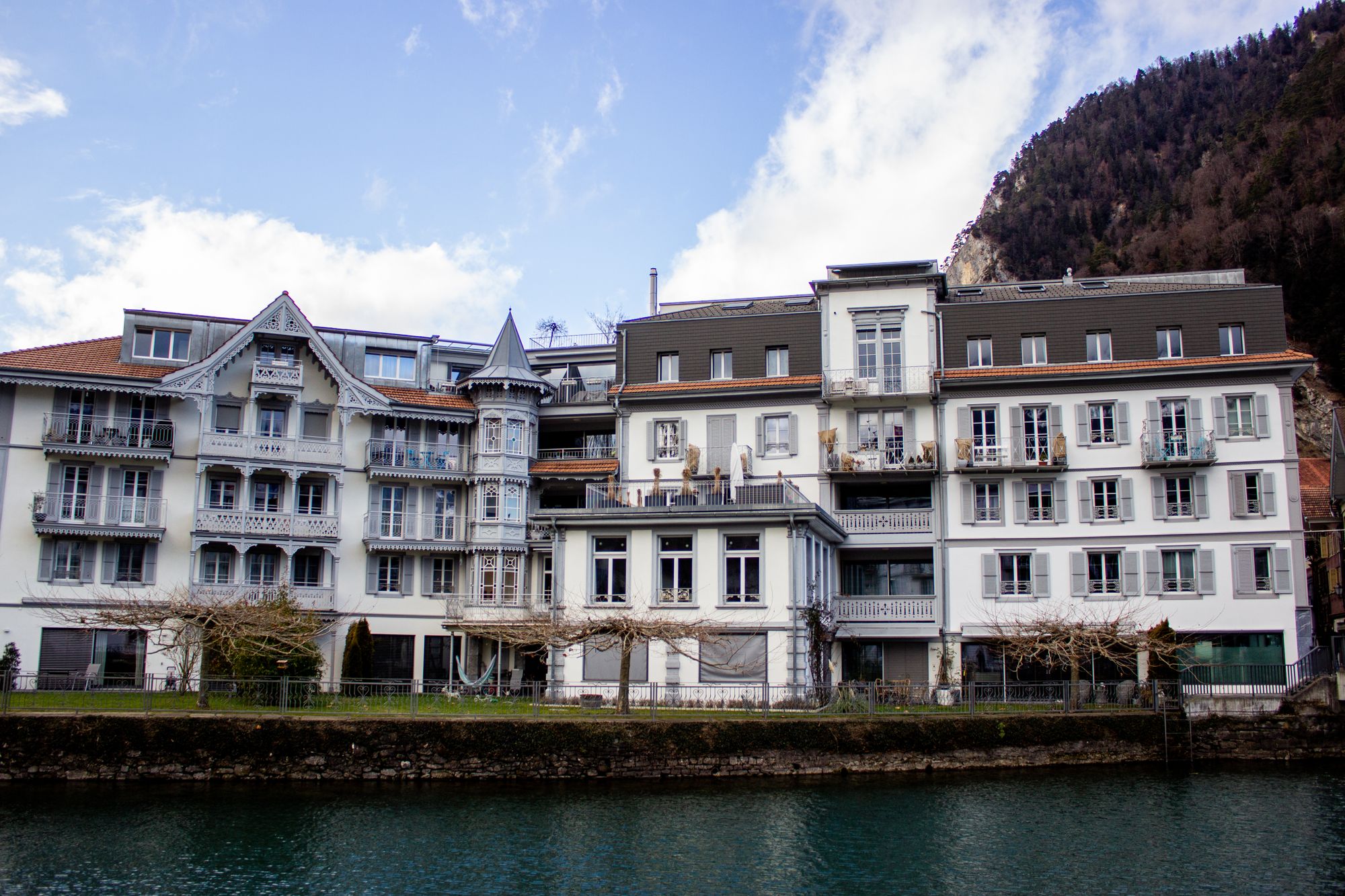
Interlaken, Switzerland: Interlaken sits on the flat alluvial strip between Lake Thun and Lake Brienz, the name meaning simply between the lakes.
Read the Interlaken guideExplore the rest of Interlaken
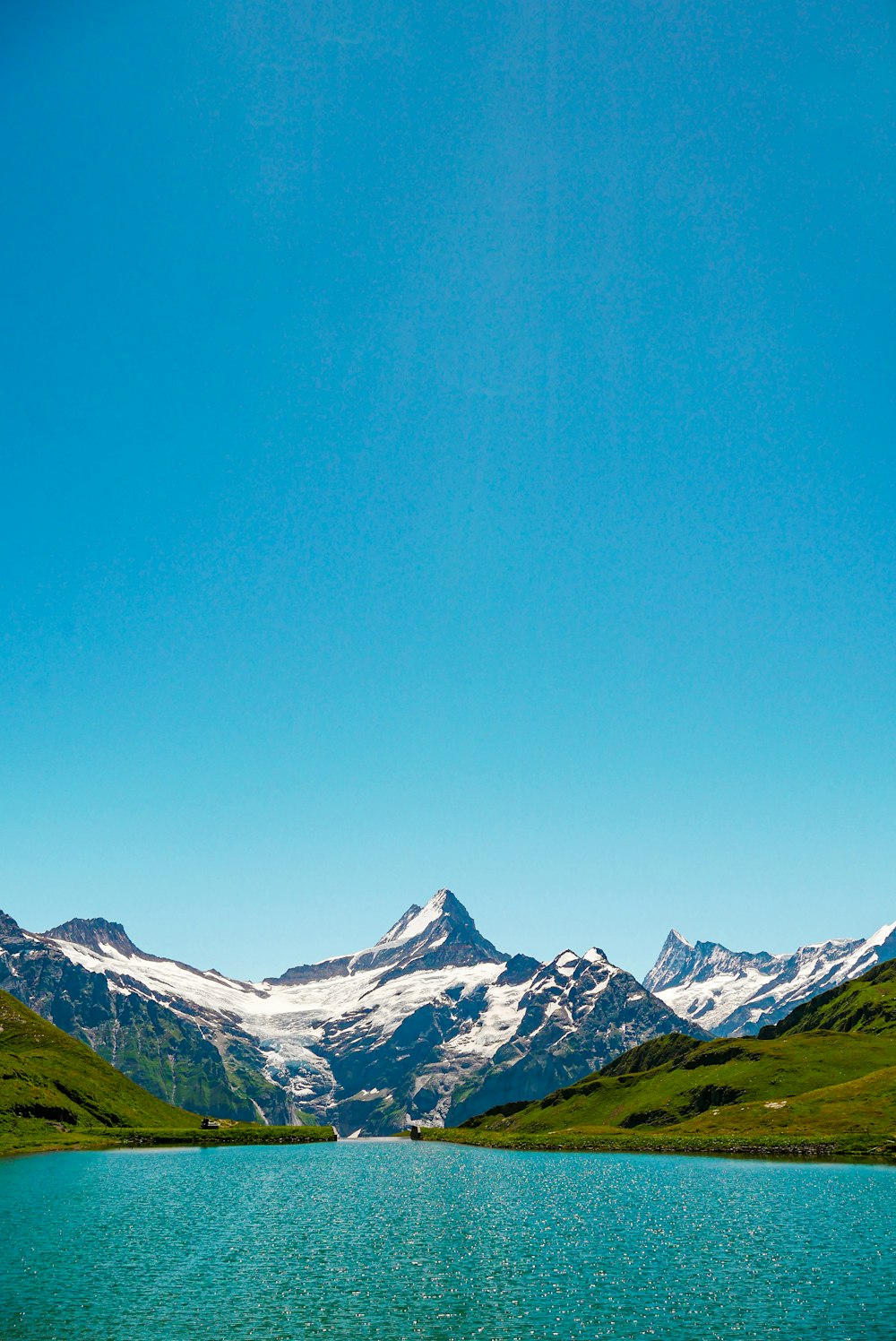
Bachalpsee lies at about 2,265 metres in a shallow basin an hour's walk west of First, and is the most photographed lake in the Bernese…
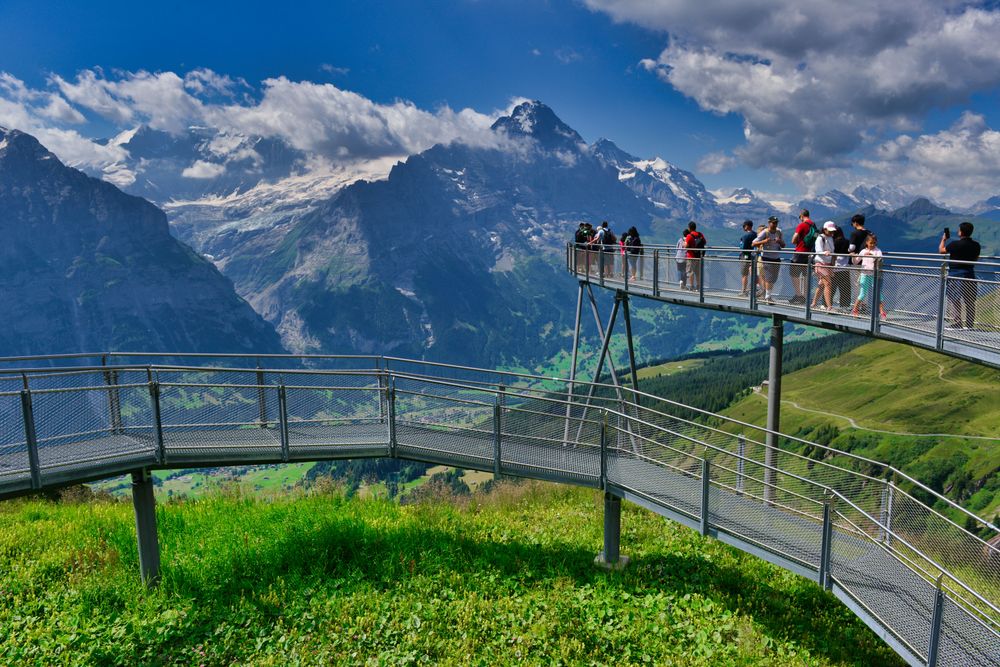
First is a shoulder at about 2,170 metres on the sunny northern side of the Grindelwald basin, reached by a gondola from the village in…
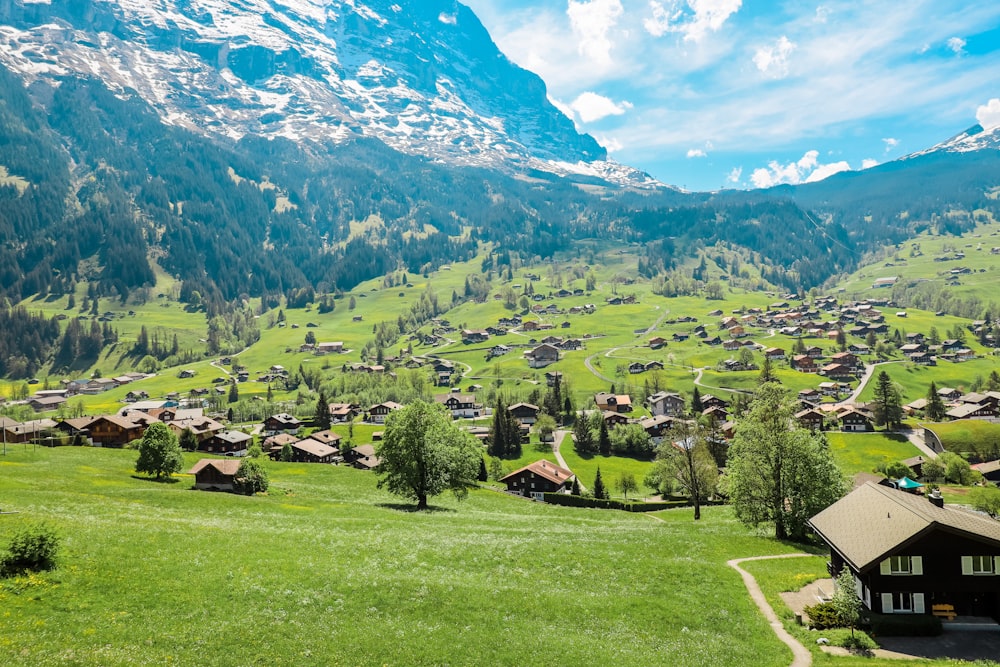
Grindelwald lies in a broad open basin at about 1,030 metres beneath the north face of the Eiger, the largest and busiest of the Jungfrau…
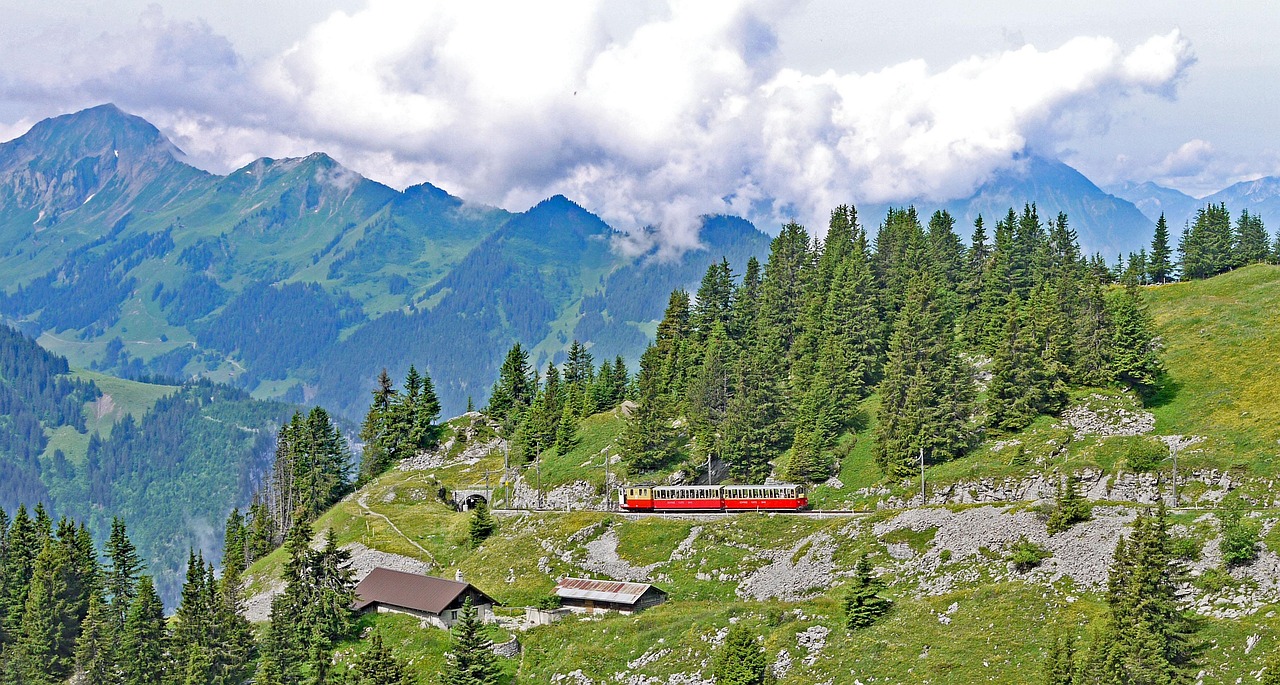
A rack railway opened in 1893 climbs from Wilderswil to Schynige Platte at just under two thousand metres, still running its original…
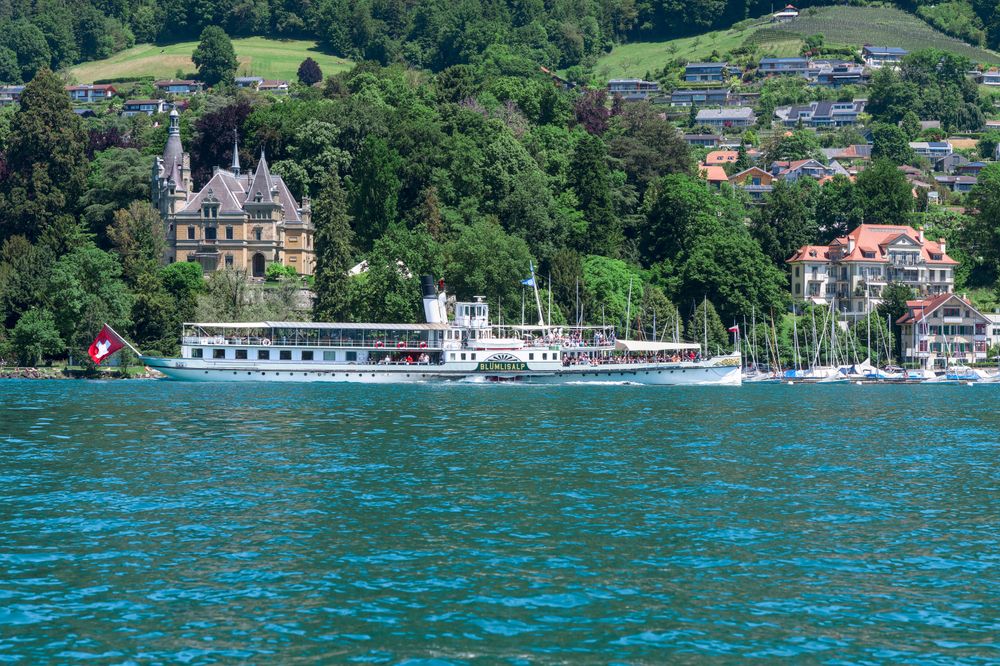
Scheduled boats work both lakes from piers beside Interlaken Ost and Interlaken West, including restored paddle steamers on each. Lake…
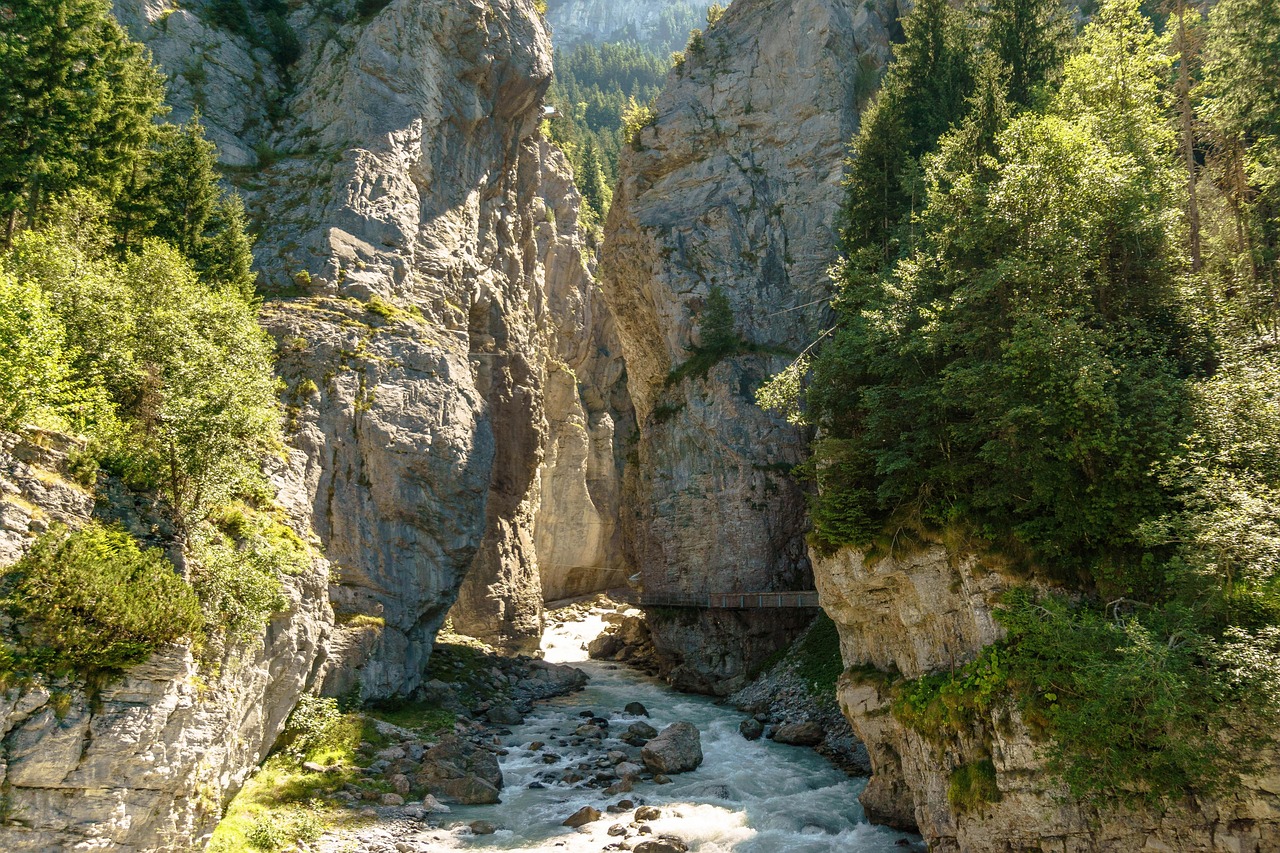
The glacier gorge is the slot the Lower Grindelwald Glacier cut through the rock below the village, now carried by a walkway of galleries…
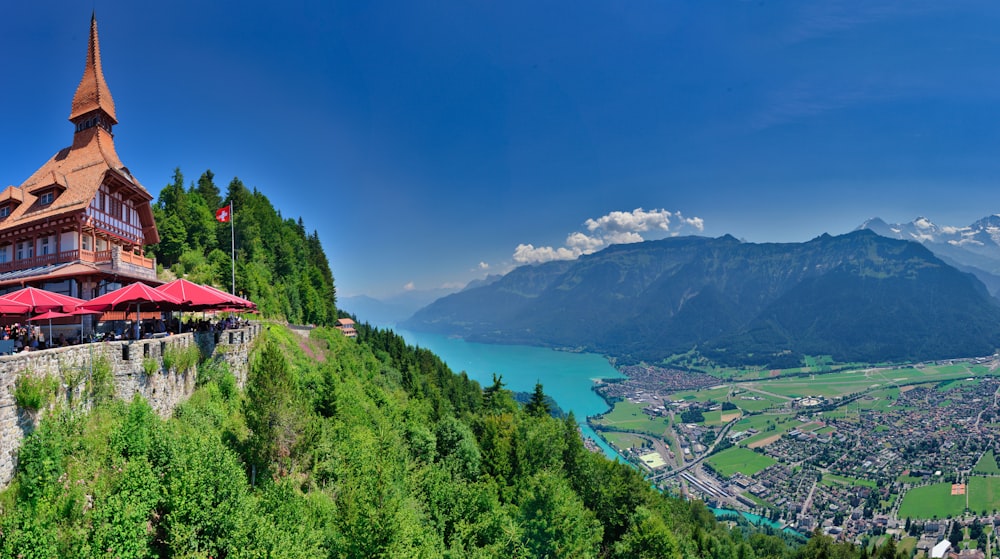
Harder Kulm stands at 1,322 metres directly above Interlaken, reached by a steep funicular that climbs from the edge of town in about ten…
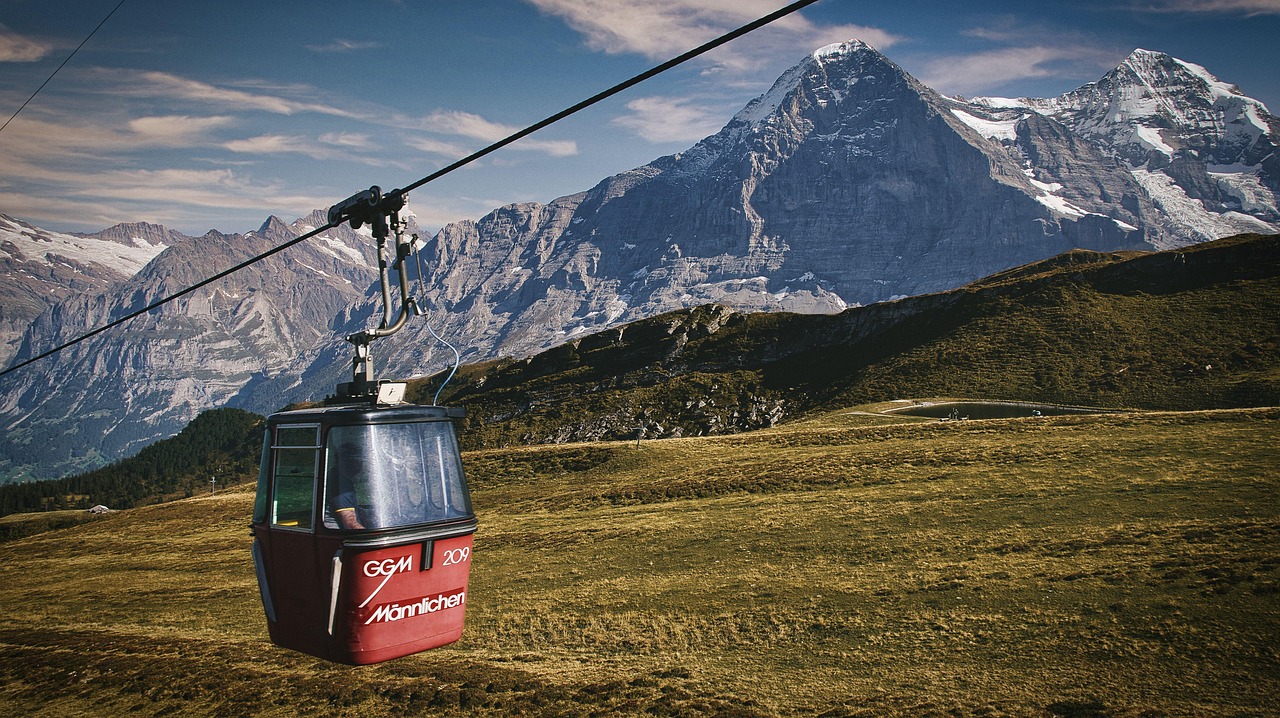
Männlichen is a grassy ridge at about 2,220 metres separating the Lauterbrunnen and Grindelwald valleys, served from Wengen by an aerial…




Save Giessbach Falls to your Switzerland trip in the Meridian Dispatch app and build the day around it, with the best of Interlaken pinned on one map.
Download on the App StoreLast updated