Ninety seconds on Selimiye Mosque
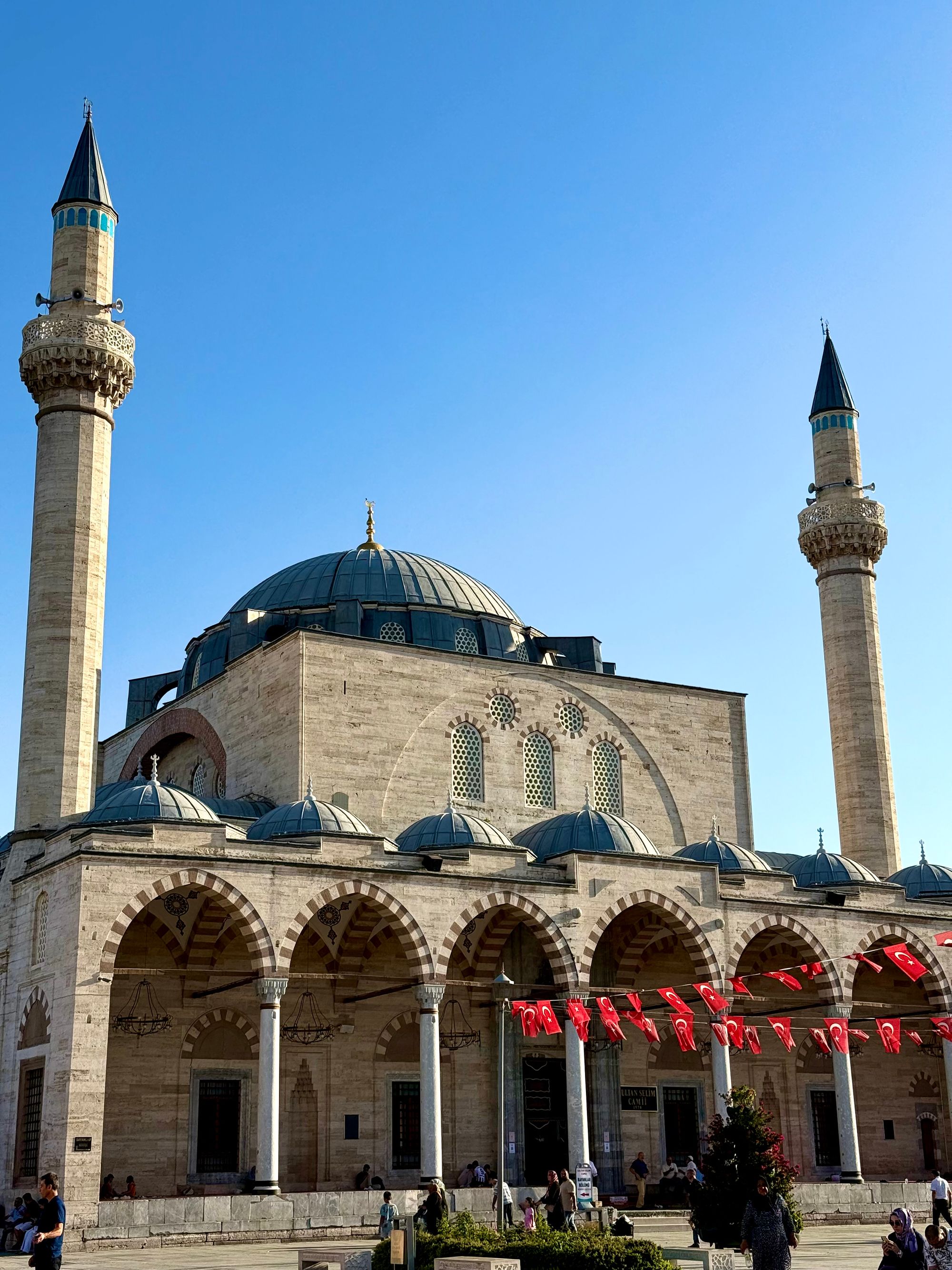
Selimiye Mosque stands a few steps from Rumi's tomb: a working Ottoman mosque with a blue marble prayer niche and domes painted by hand.
One way to see it: start at the front of the building. A porch of seven small domes runs across the façade, the latecomers' porch, and two minarets rise beside it.
Inside, one central dome covers the prayer hall, widened on one side by a half dome. The plan follows the Fatih Mosque in Istanbul, and work began in 1558, while the future Sultan Selim II was governor of Konya.
Look up before you look ahead. The walls and domes carry kalem işi, decoration painted by hand straight onto the plaster.
Then look to the wall that faces Mecca. The mihrab, the prayer niche set into it, is blue marble, and the minbar beside it, the stepped pulpit, is white marble.
After you take your shoes off at the entrance, step inside and stand under the central dome. Give the painted plaster overhead a minute before you move on.
Then walk towards the wall that faces Mecca for a closer look at the marble niche and pulpit. Stay quiet and out of the way of anyone praying, and give the hall a wide berth during prayers.
No booking is needed and entry is free, so you can come and go as your day allows. Cafés stand close by when you come out, so you can sit over a tea before the next sight.
Dress for the mosque before you set out: arms and legs covered, and a headscarf for women. Keep a scarf in your day bag for the other religious sites nearby.
In Ramadan, eat before you come: places serving food are limited during the day.
Explore the rest of Konya
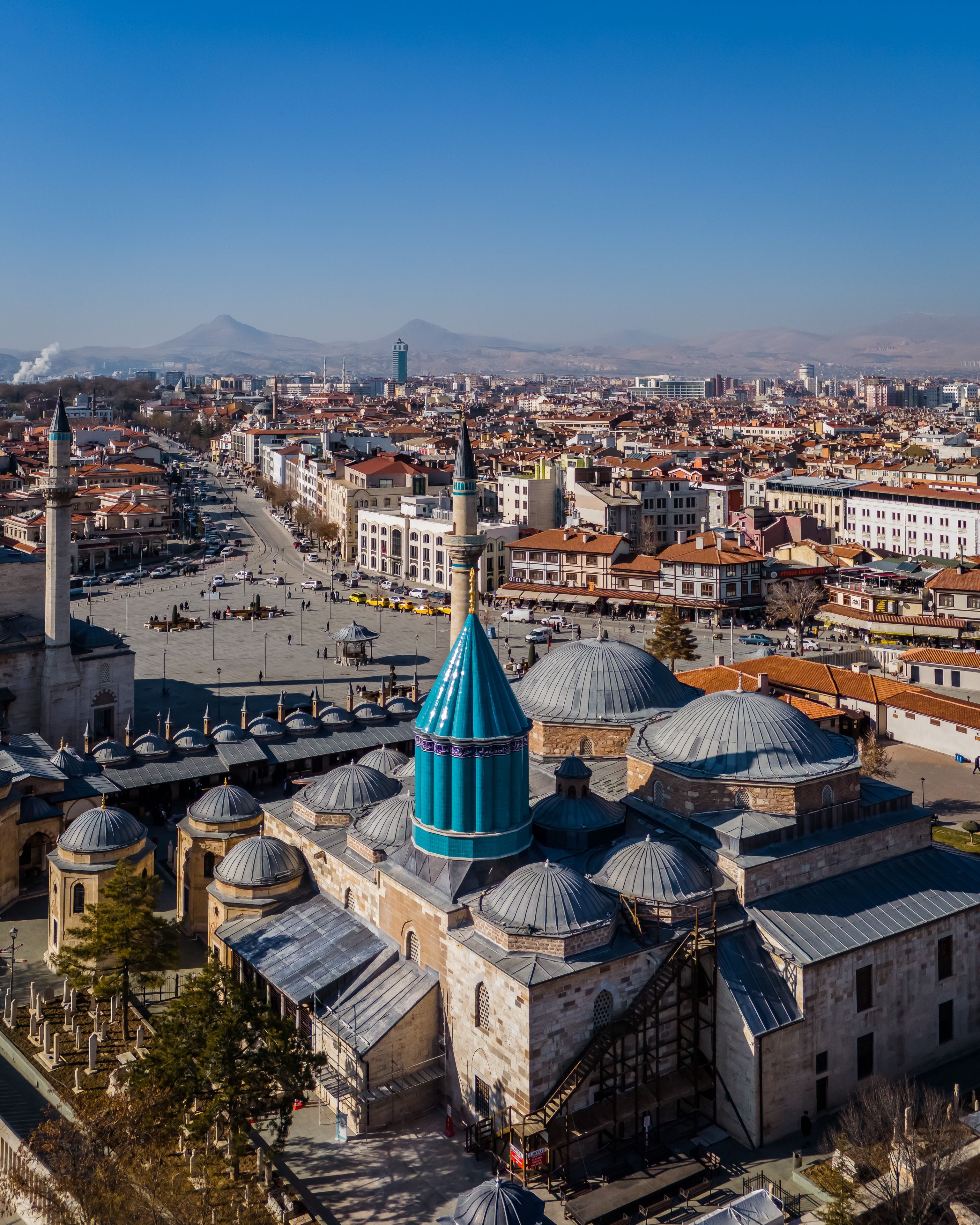
Rumi lived, taught and was buried in this former Seljuk capital of Anatolia, which makes it a place of pilgrimage as much as of…
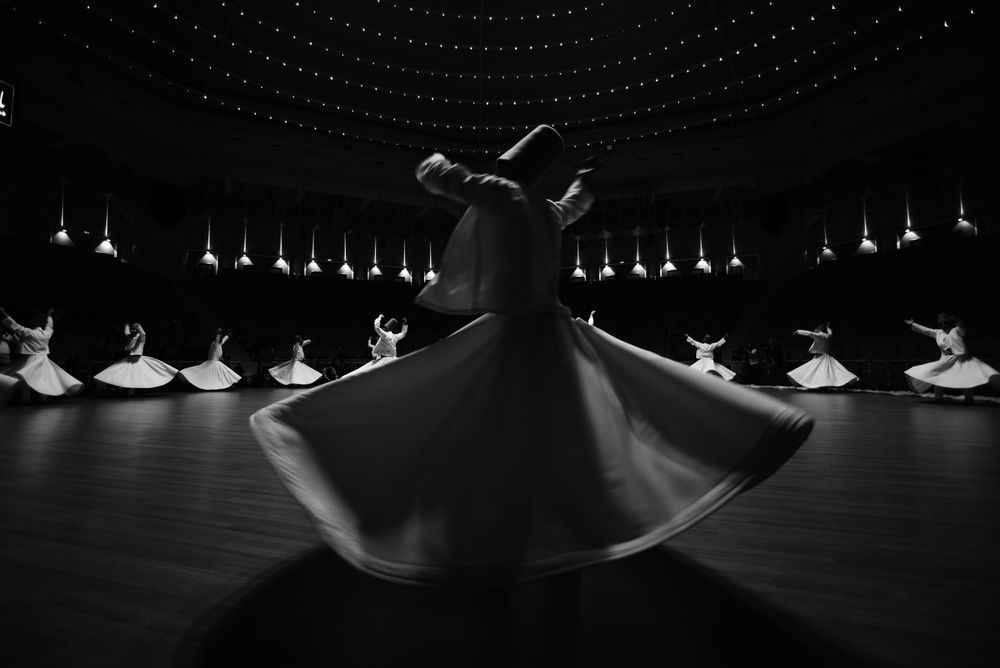
Every year from 7 to 17 December the whirling dervishes turn in the great Sema Hall of the Mevlâna Cultural Centre, ending on the…
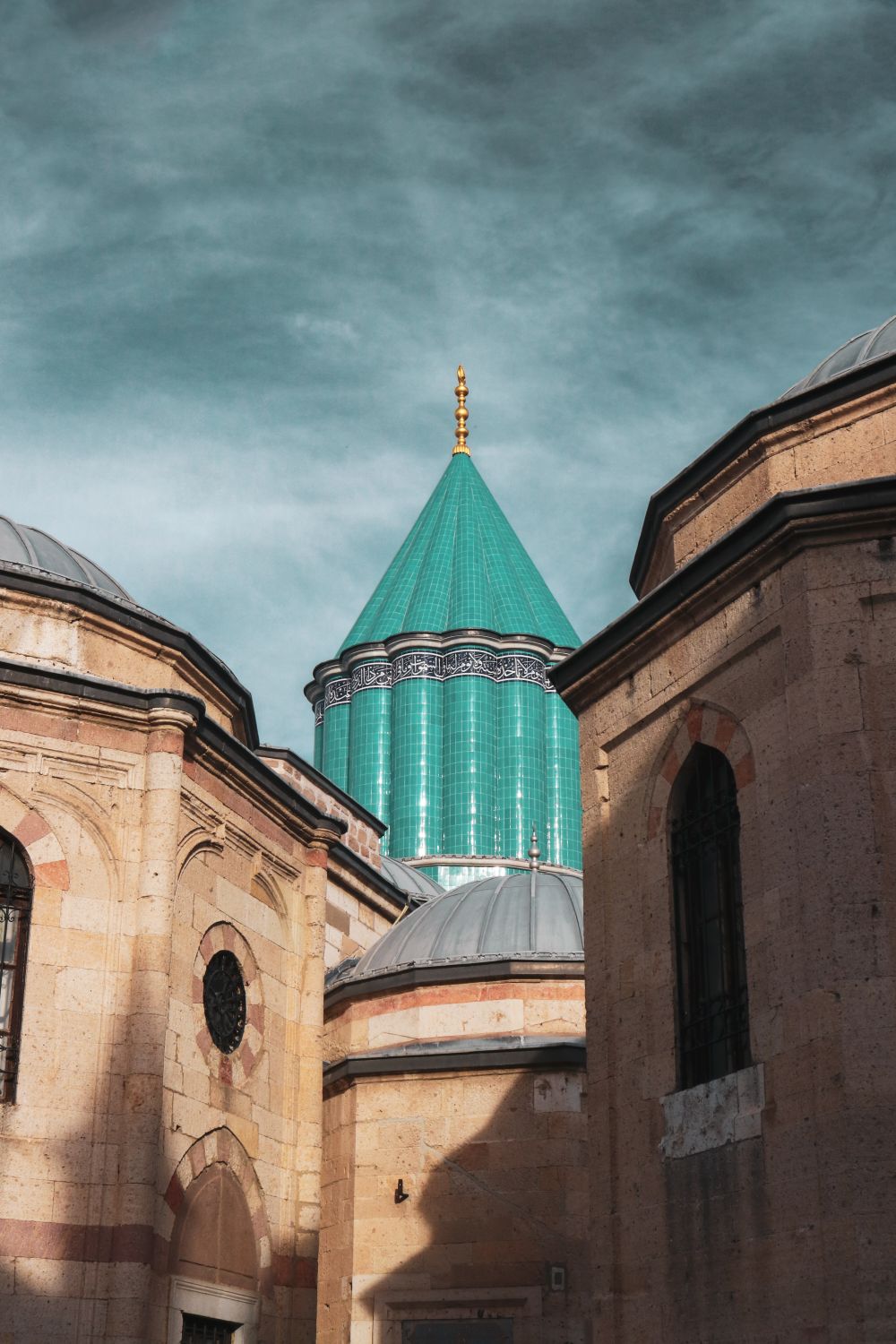
The lodge of the whirling dervishes built around the domed tomb of Rumi, visited as a shrine as much as a museum. Entry is free, and the…