 Submit a photo
Şeb-i Arus 2026 opens on 7 December and closes on Thursday 17 December at the Mevlâna Cultural Centre in Konya, 753 years after Rumi's death. The night that matters most is the last, 17 December: Rumi died in Konya on that date in 1273.
Online, through biletinial.com, the official seller. Sales for the 2026 ceremonies opened on Friday 9 October 2026 at 10am, so tickets are already on sale. The closing night, 17 December, is the one to secure first.
Only part of it. The ceremony in the main hall needs a ticket, bought online. The cultural and artistic events held in other halls across the eleven days of the commemoration are free of charge.
Not yet, as of mid October 2026. The programme booklet will be downloadable from the festival site, sebiarus.ktb.gov.tr, once it is ready. Until then the fixed points are the dates, 7 to 17 December, and the ticketed evening performances.
In the main hall at the Mevlâna Cultural Centre, which seats 2,650. The centre has a car park for 400 cars. It is a separate building from the Mevlâna Museum, where Rumi's tomb stands.
Yes. The covered hall at the cultural centre holds a ticketed ceremony every Saturday at 7pm, all year, with tickets sold through the same online seller. A Saturday night in Konya at any time of year can include one.
Yes. As of 2026 the Mevlâna Museum, where Rumi is buried, opens every day from 9am to 5pm, and the ticket office closes at 4:30pm. On Mondays the ticket office opens at 10am instead. An audio guide is available, and a morning visit leaves the evening clear for the ceremony.
The name means wedding night. It refers to Rumi's death in Konya in 1273, which the Mevlevi order, shaped by his son Sultan Veled, regards as a reunion with God. The order performs the ceremony. The official name is the International Commemoration Ceremonies for his Vuslat, or reunion.
Şeb-i Arus means wedding night, and it marks the death of the poet and mystic Rumi in Konya on 17 December 1273. The Mevlevi gave it that name because they saw his death as his union with God.
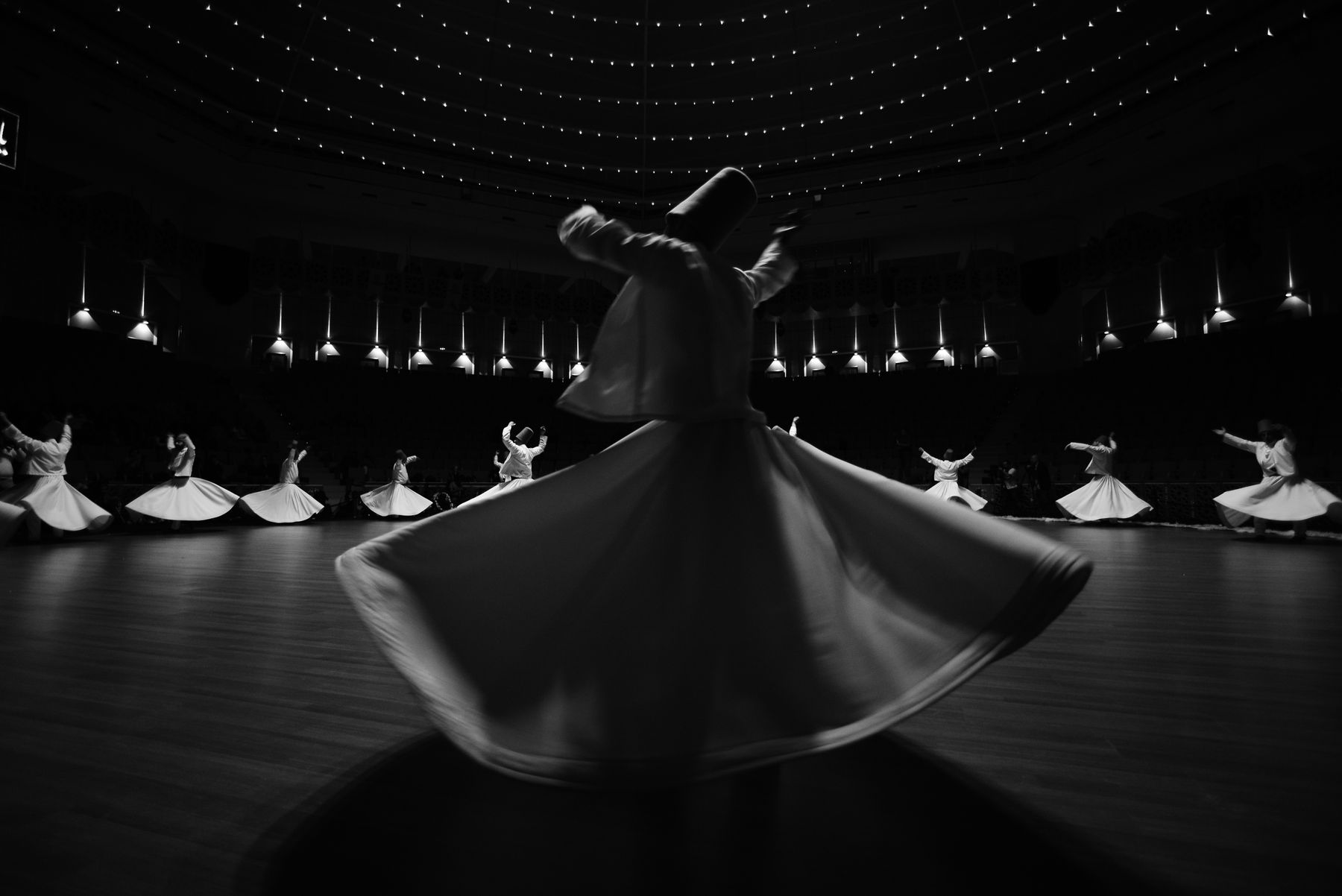
The Mevlevi order, founded by his disciples, worships through the sema: dervishes in white robes and tall felt hats turn to music, one palm raised and the other lowered. It is a religious ceremony rather than a dance show, so sit quietly and hold your applause.
7 to 17 Dec 2026
In December, be in Konya on the evening of the 17th, the night marking Rumi's death, when the whirling dervishes turn in the Sema Hall and thousands gather at the Mevlâna Museum, where he is buried.
7 to 17 Dec 2026. Times are approximate and can change from year to year.
The eleven days begin at the Mevlâna Cultural Centre.
Rumi's wedding night, as the Mevlevi call it: the anniversary of his death and the final day of the commemoration.
The Mevlâna Cultural Centre's hall is the largest covered hall of its kind in the world, with seats for more than two and a half thousand. In December it draws visitors from all over the world.
Give a morning to the Mevlâna Museum as well, where Rumi's tomb stands. It closes at five in the afternoon.
At the sema, the whirling ceremony, the dervishes enter in black cloaks, drop them to show long white robes, and turn in four rounds to the ney, the reed flute. They belong to the Mevlevi order and this is a religious rite, so stay silent through it and keep the flash off.
If December does not suit, the same hall holds a ceremony every Saturday at 7pm through the year, with tickets on biletinial.com.
Tram line 2 links the old centre around the Mevlâna Museum with the cultural centre, and several hotels stand within walking distance of the hall. Our pick is Hich Hotel Konya, beside the museum and a short tram ride from the ceremony. Book as soon as you have dates.
Add the three days to your plan
Explore the rest of Konya
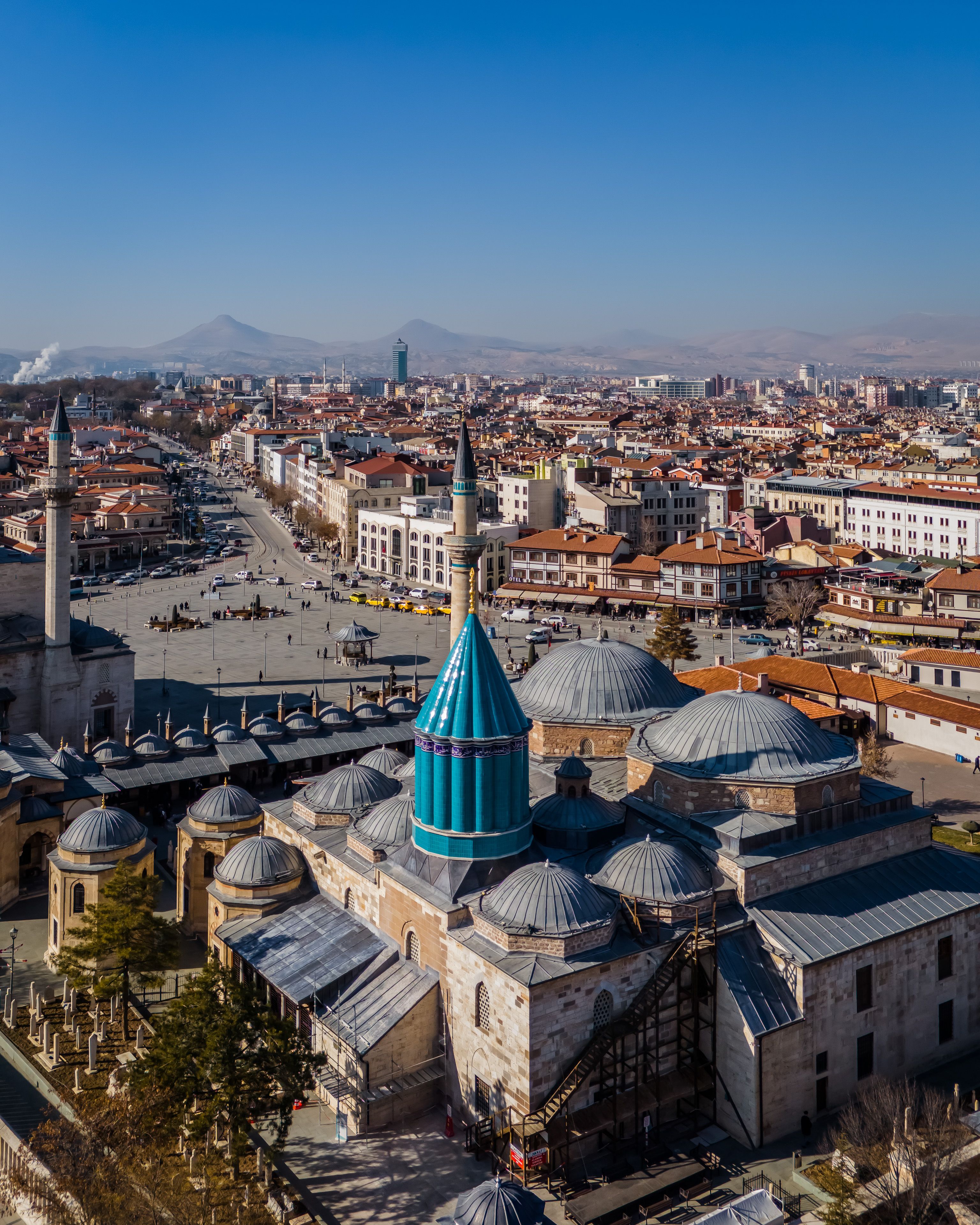
Rumi lived, taught and was buried in this former Seljuk capital of Anatolia, which makes it a place of pilgrimage as much as of…
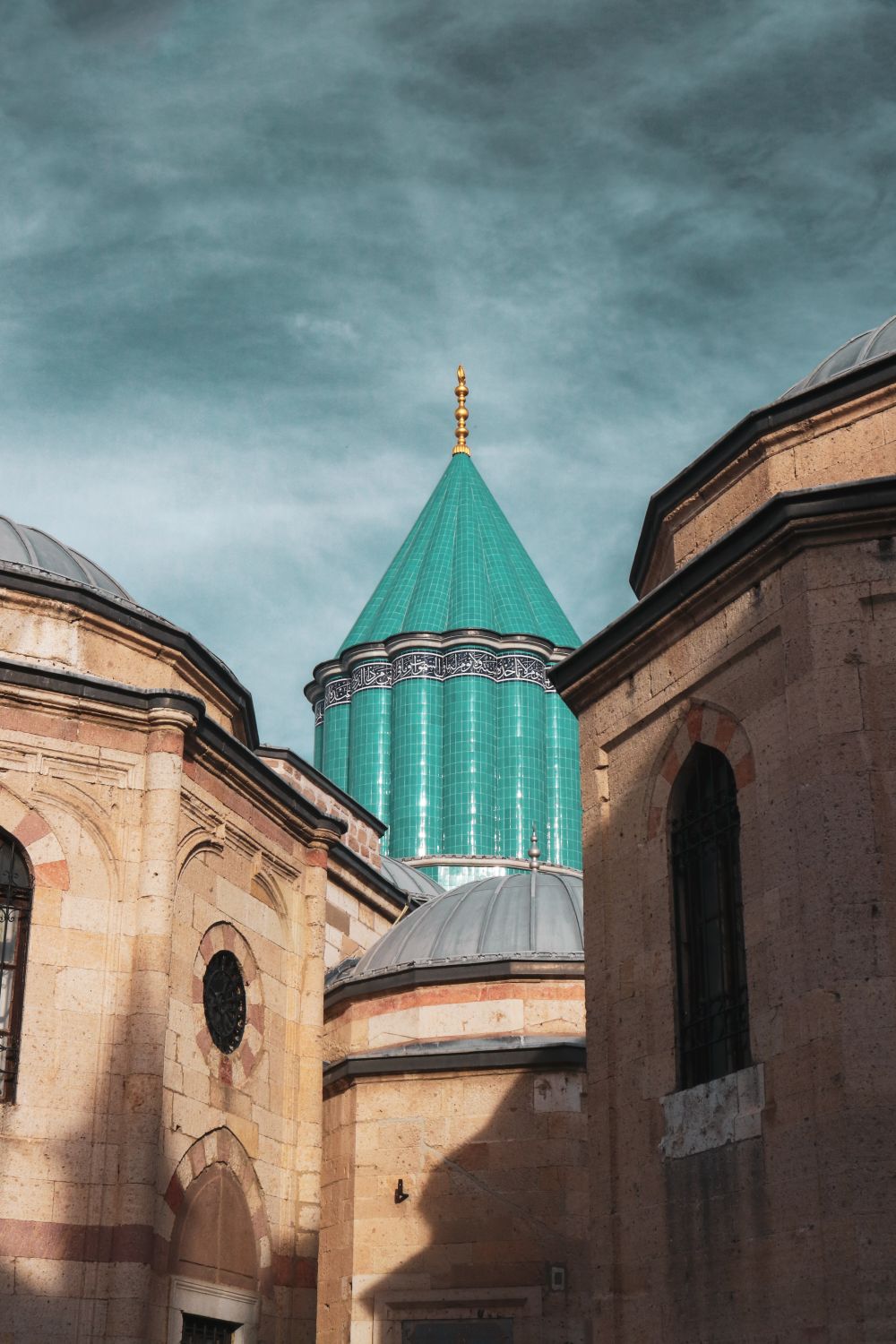
The lodge of the whirling dervishes, built around the green-domed tomb of Rumi and visited as a shrine as much as a museum. The tomb is…
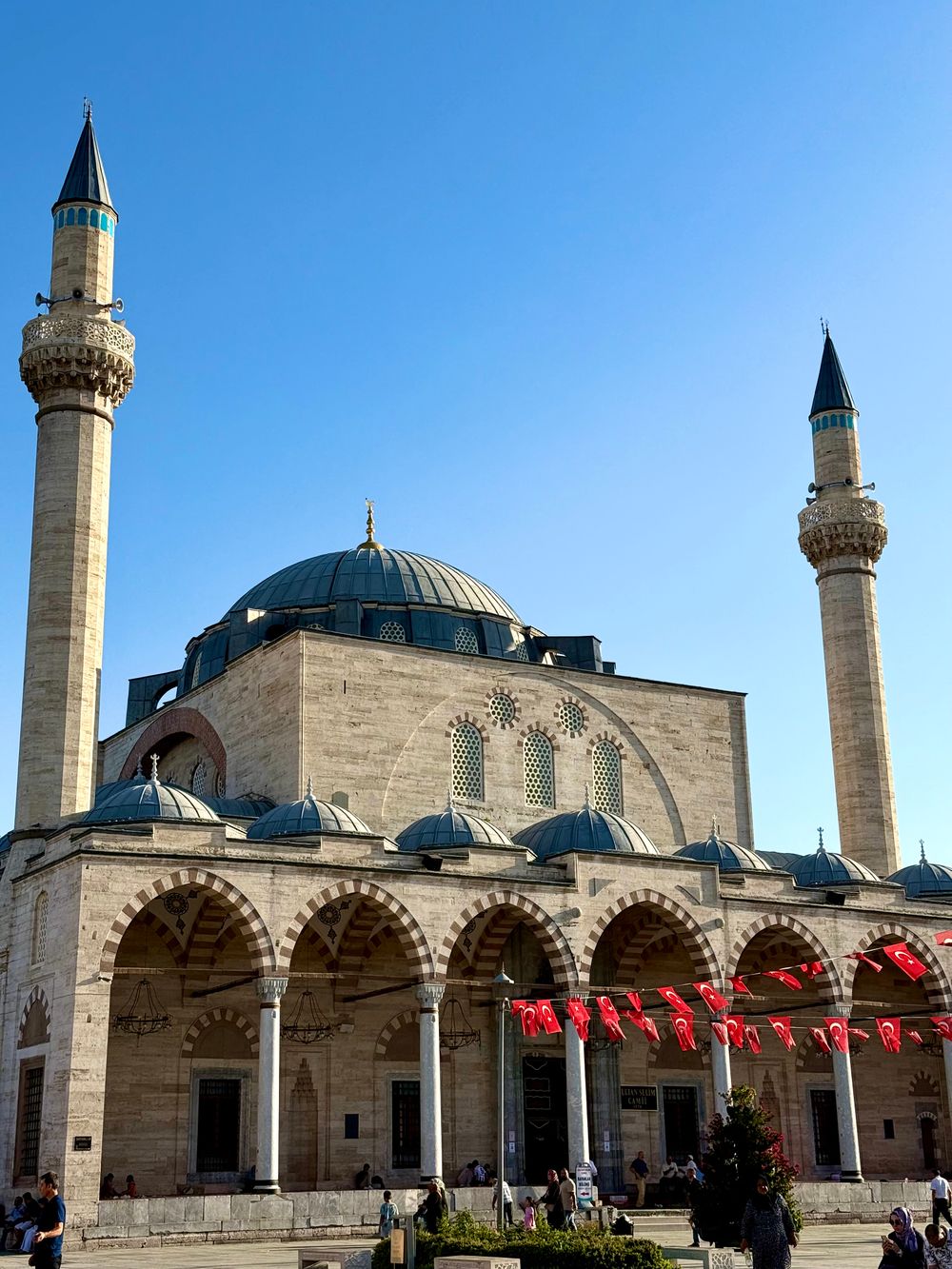
An Ottoman mosque beside the Mevlâna Museum, and a place to compare Ottoman work with the Seljuk buildings around it. It is a working…
The official pages this guide was checked against.
Last updated