Things to do
11-
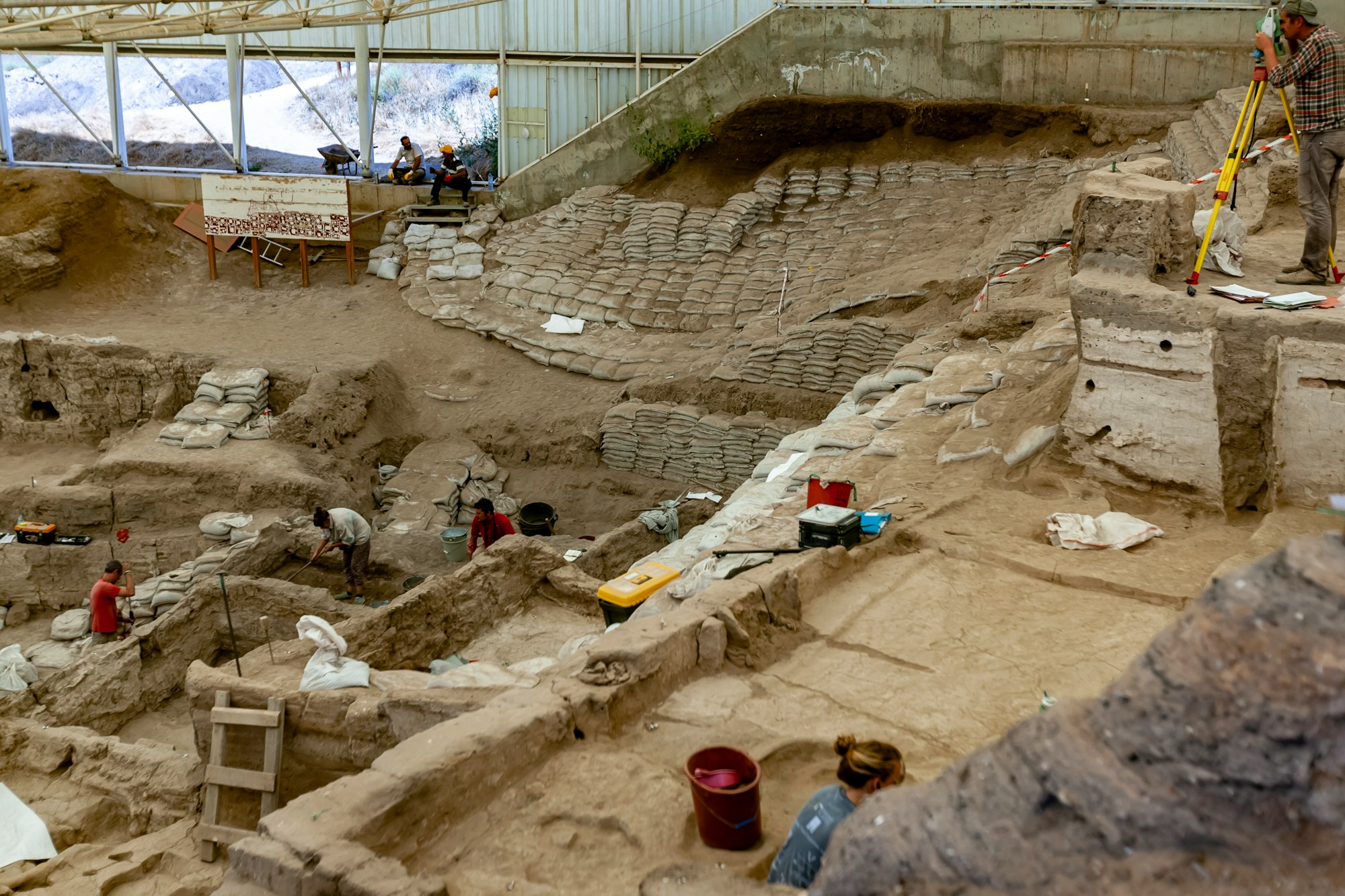
Konya Archaeological Museum
Sarcophagi and finds from Çatalhöyük headline this state museum, which has stood on Sahip Ata Caddesi since 1962 and is reached through narrow lanes. A marble sarcophagus of the third century AD carved with the life of Hercules is the piece to find, and more capitals and sarcophagi fill the open yard beside the building.
-
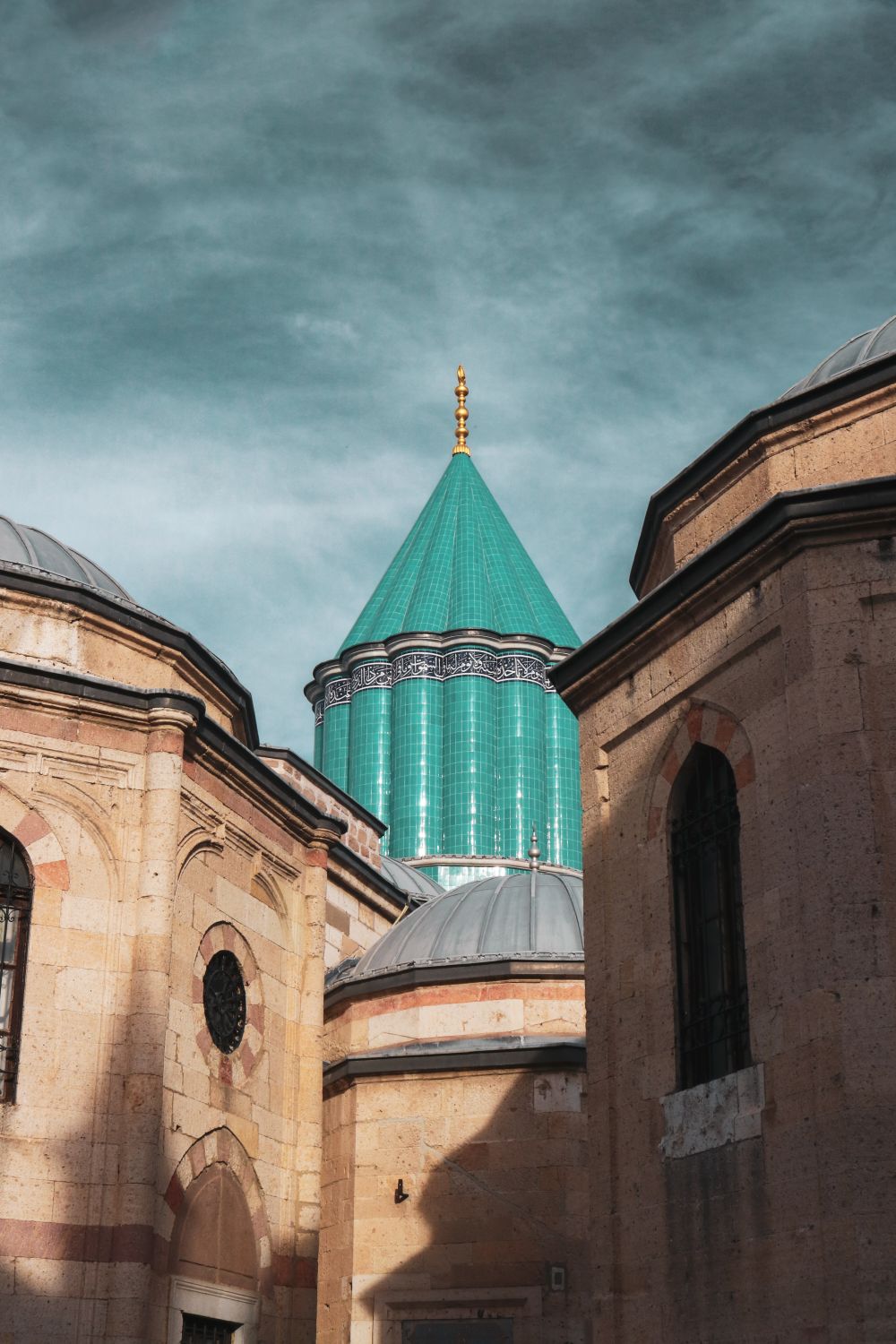
Mevlâna Museum
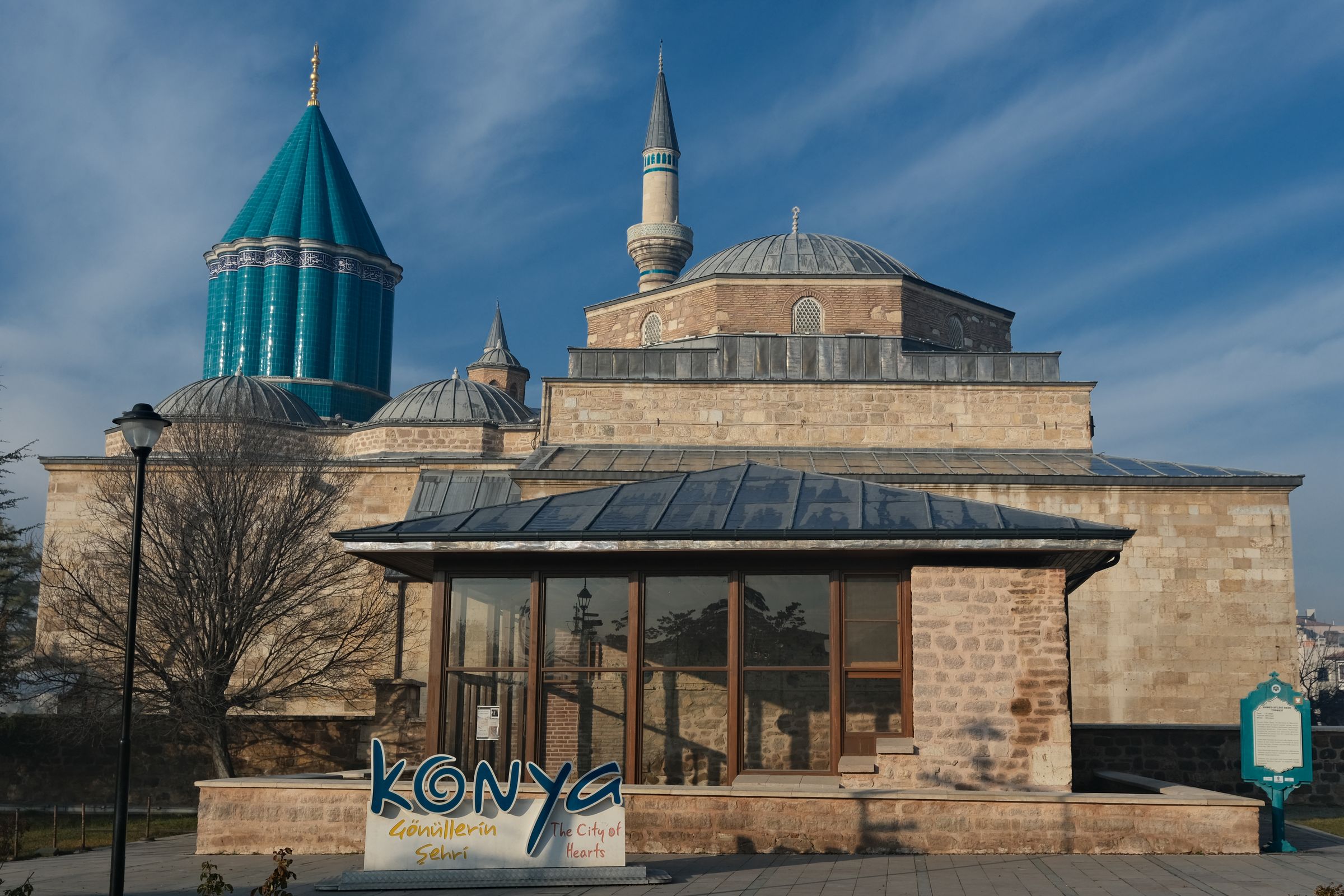
The lodge of the whirling dervishes built around the domed tomb of Rumi, visited as a shrine as much as a museum. Entry is free, and the rooms are busiest in mid-morning and mid-afternoon. Plastic covers go over shoes at the door, and photographs are allowed if the flash stays off.
-
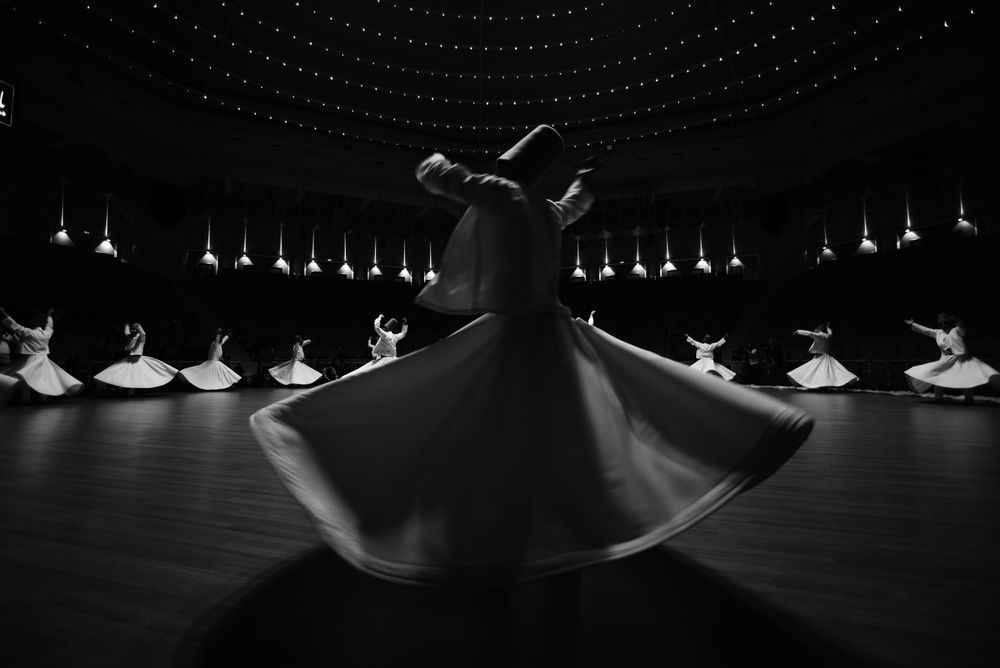
Şeb-i Arus
In December, be in Konya on the evening of the 17th, the anniversary of Rumi's death, when the whirling dervishes turn in the Sema Hall and thousands gather at the Mevlâna Museum, where he is buried.
View more → -
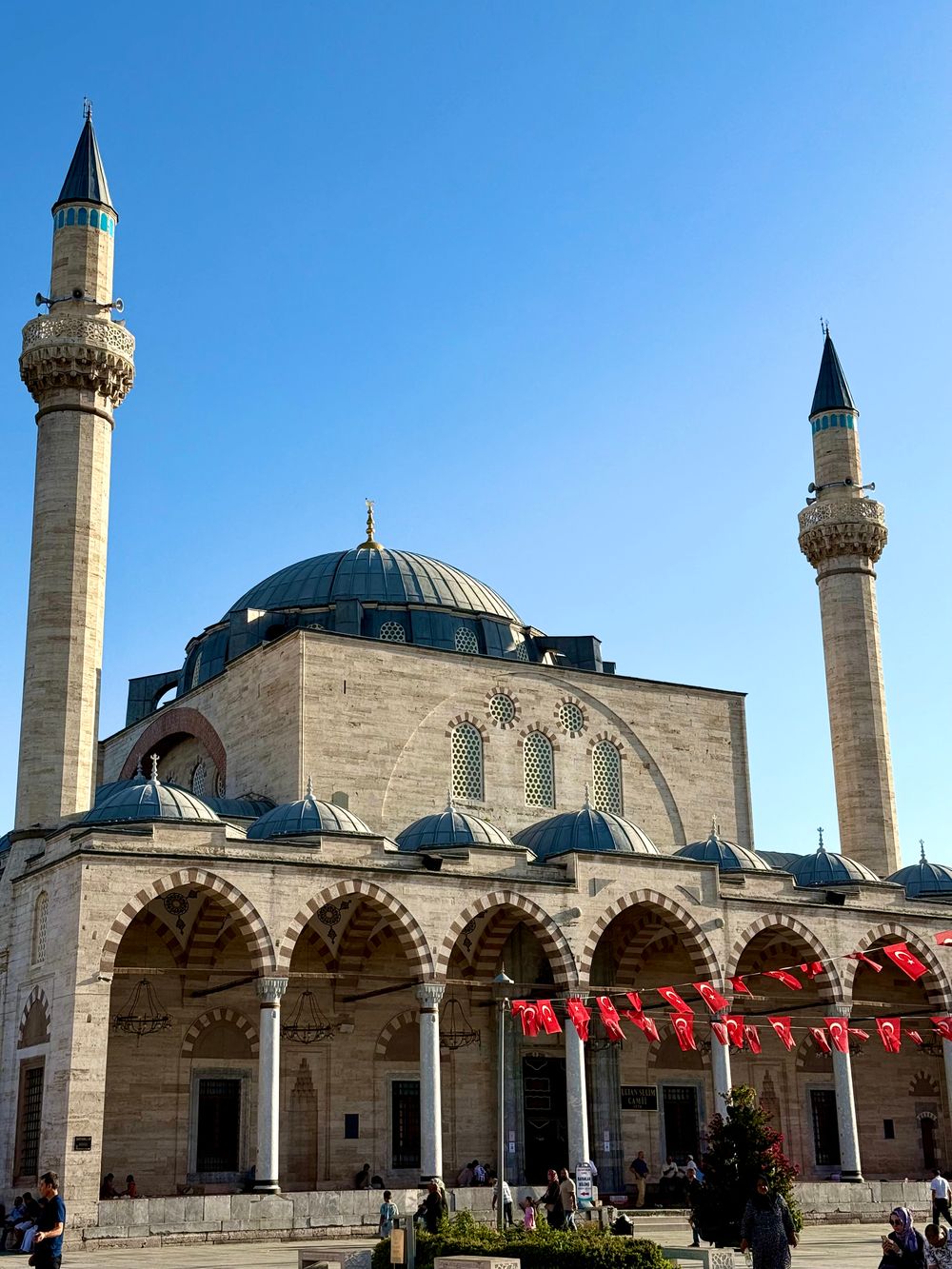
Selimiye Mosque
An Ottoman mosque attributed to the imperial architect Mimar Sinan, and a place to compare Ottoman work with the Seljuk buildings around it. It is a working mosque, so shoes come off at the door, and half an hour covers a visit.
-
Alaeddin Hill
A low mound in the middle of the city, once the Seljuk citadel and now a public park, with paths up to the mosque at its summit. The rise is gentle, and a slow loop of the slopes and the park takes under an hour.
-
Alâeddin Mosque
The Seljuk sultans' mosque on top of the Alâeddin hill, a short walk from Mevlâna Square, its prayer hall a grid of reused Byzantine columns under a wooden roof. It is a working mosque, so visit between prayers and find the carved ebony pulpit by the mihrab.
-
Çatalhöyük
A Neolithic town of the seventh millennium BC where houses were entered through the roof and the dead were buried under the floors, and one of the earliest large settlements known. Two excavation shelters are open and the site is otherwise a mound in a plain.
-
İnce Minareli Medrese
A college of 1264 on the west side of the Alâeddin hill, built by the vizier Sahib Ata to teach hadith and named for its slender minaret. Its carved stone portal ranks among the finest Seljuk stonework in the country. Since 1956 it has held the stone and woodwork museum, with carved doors, tombstones and building inscriptions.
-
Karatay Medrese
A theological college of 1251 at the foot of the citadel hill, in view of the Alâeddin Mosque, whose dome is lined with the finest Seljuk tilework in Anatolia, mostly black and turquoise. It has been the city's tile museum since 1954, with finds from the Kubadabad palace on Lake Beyşehir. An open oculus crowns the dome above a square water basin.
-
Sahib Ata Complex
Built between 1258 and 1285 by the vizier Sahib Ata, this complex holds a mosque, his family's domed tomb, a dervish lodge and a bathhouse. The tomb walls are faced with turquoise hexagonal tiles. The mosque is an 1871 rebuild after a fire that spared only its mihrab and entrance, and the archaeological museum is on the same street.
-
Sille
A former Greek village of stone houses about 8 km northwest of the centre, with a rock-cut church. Minibus 64 runs out from the centre in about 25 minutes, so the village makes an easy half-day out from Konya, with time for a slow walk through its lanes.