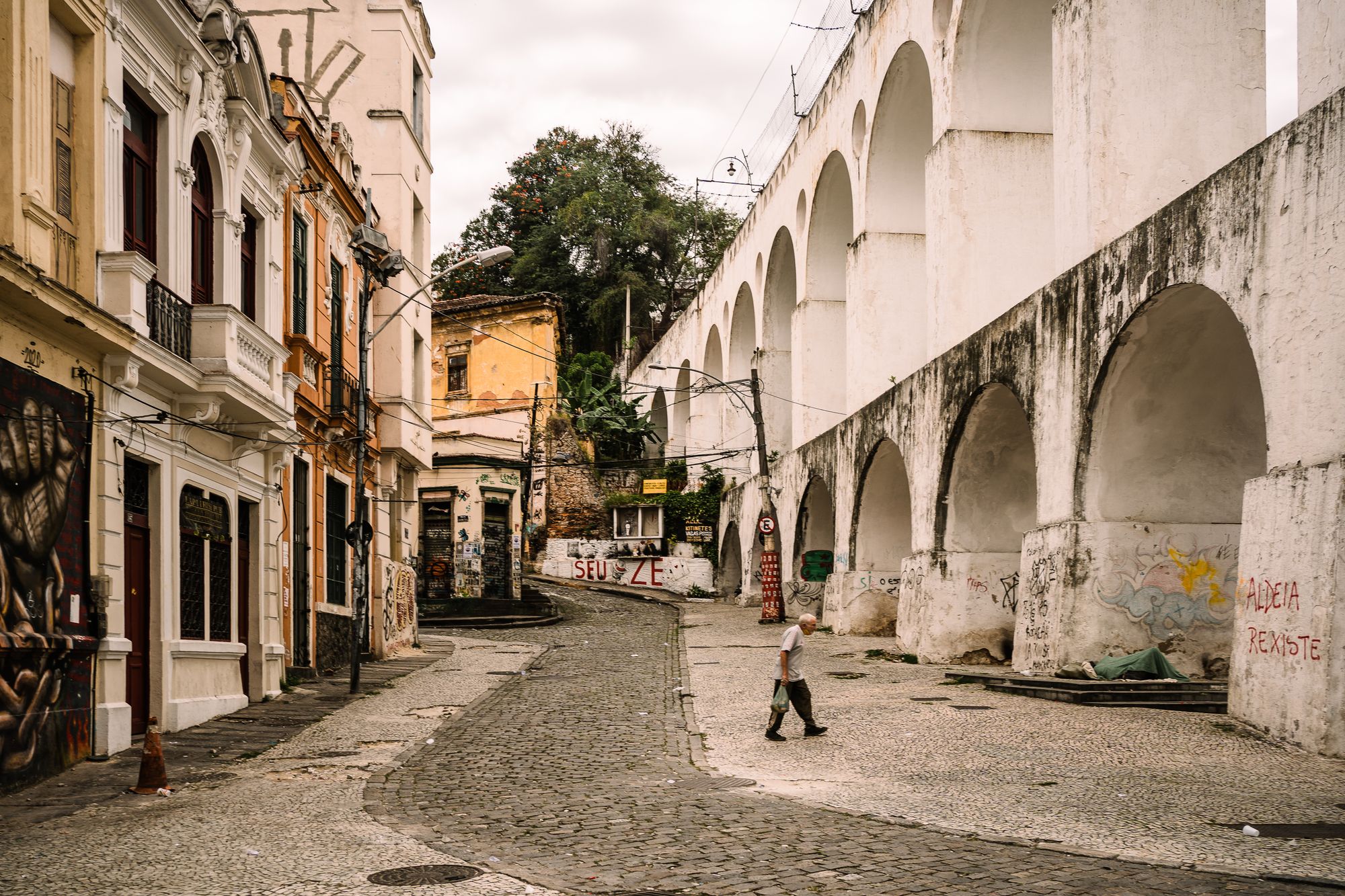
Ninety seconds on Arcos da Lapa
Riding across the top on the yellow Santa Teresa tram, you travel along a colonial aqueduct that once carried the city's water and is now closed to every vehicle except that tram.
From the square below you see 42 arches stacked in two storeys, 270 metres long and up to 17.6 metres high, bridging the gap between the hills of Santa Teresa and Santo Antônio. This run is the most visible stretch of the Carioca Aqueduct.
Built by enslaved African and Indigenous workers, it opened in 1750 to carry water from the Carioca River to the fountain at Largo da Carioca. In 1896 the top became a tram line, which is why rails run along the crest today.
The city specifies traditional quicklime mortar for its repairs, which is what gives the arches their white finish.
The arches also stand over the main square of Lapa, Rio's samba and choro district. By day it is a through-route; the music starts after dark.
Free to see, the arches are an open-air monument; only the tram over the top is ticketed. Walk into Praça Cardeal Câmara, the square of Portuguese stone paving beneath them, and look up through the double row; a few minutes there shows you the whole run.
To go over the top, walk to the tram station by Carioca. Buy your ticket at the office first, then join the separate boarding line. The tram crosses the arches on its way up to Santa Teresa, with the Metropolitan Cathedral and the towers of the centre below you, and crosses them again on the way back down.
Come back after dark for the other half of the visit. On Friday and Saturday nights the bars around the square fill and samba circles play in the open air beneath the arches, and by ten the square is packed.
Ride the tram in the morning, when it is cooler and the queue is shorter. Weekends, holidays and school breaks bring long lines later in the day. Sit on the right-hand side going up from the Centro for the better views, and stay inside the car, since standing on the running boards is no longer allowed.
At night, carry a card and a few small notes, not your whole wallet: the vendors under the arches mostly take cash.
The risky moment is the walk into an empty side street, not the busy square. Order a ride-hailing car to collect you from a lit, busy corner, and use one to arrive as well.
Explore the rest of Rio de Janeiro
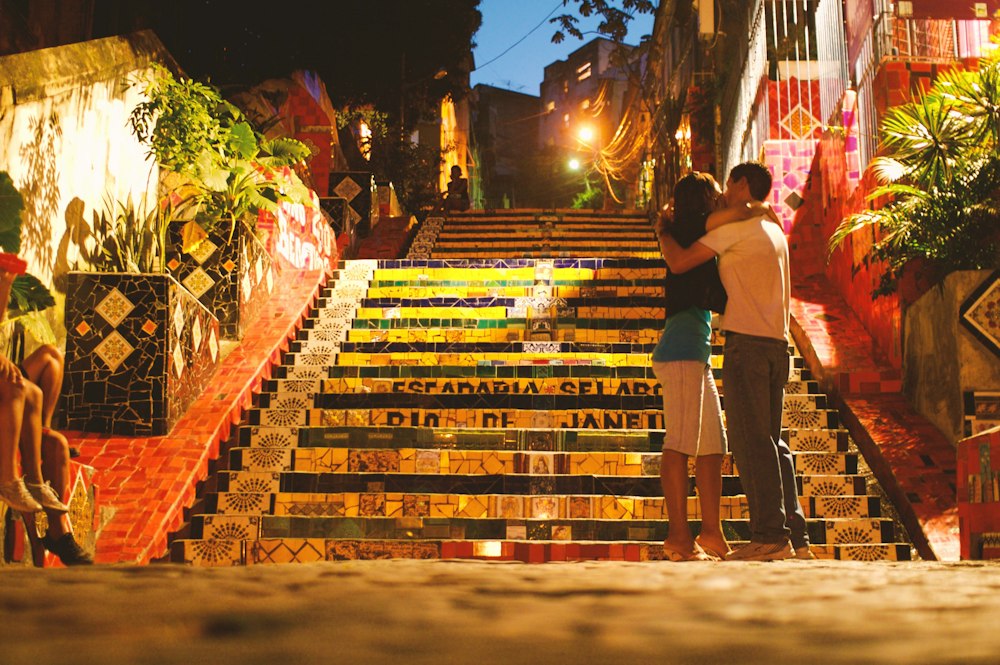
Chilean artist Jorge Selarón covered this public staircase between Lapa and Santa Teresa in tiles from Brazil and around the world, adding…
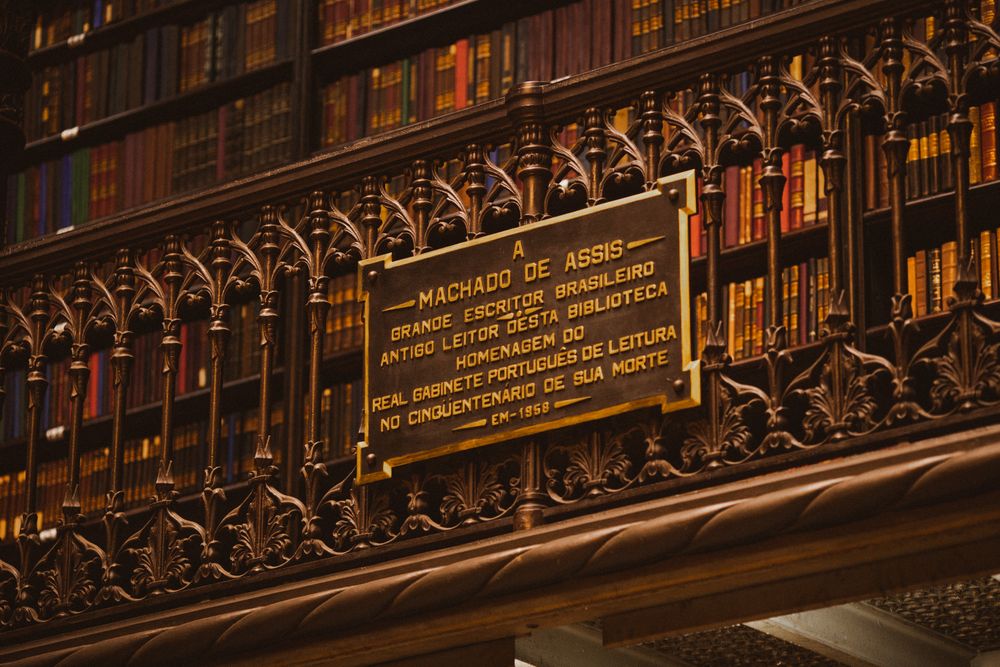
A neo-Manueline library hall in Rio's Centro, its walls of Portuguese books rising past iron balconies to a coloured skylight. Entry to the…
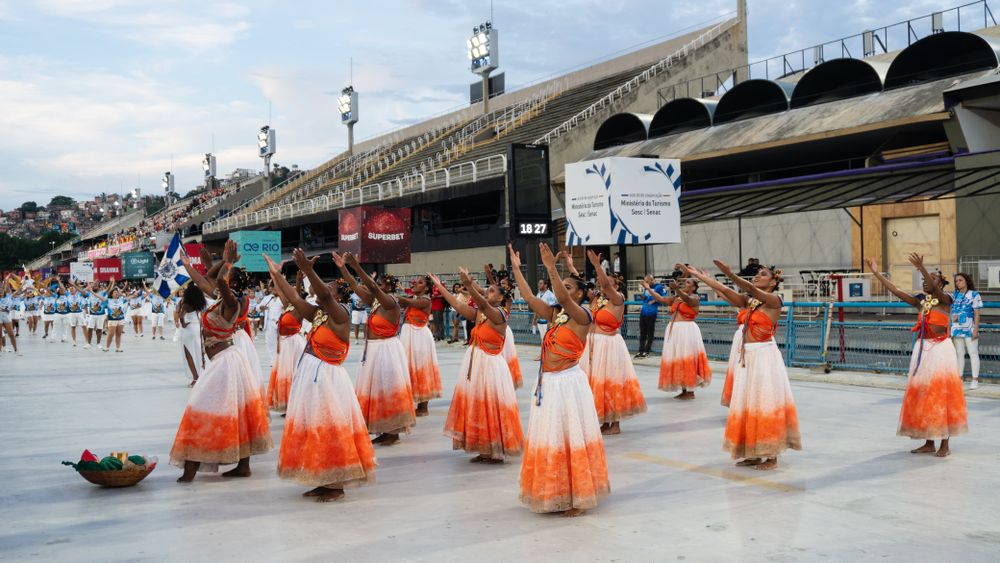
For the five days before Ash Wednesday the city stops working and starts dancing. The big samba schools parade through the night on the…