Ninety seconds on Parque do Flamengo
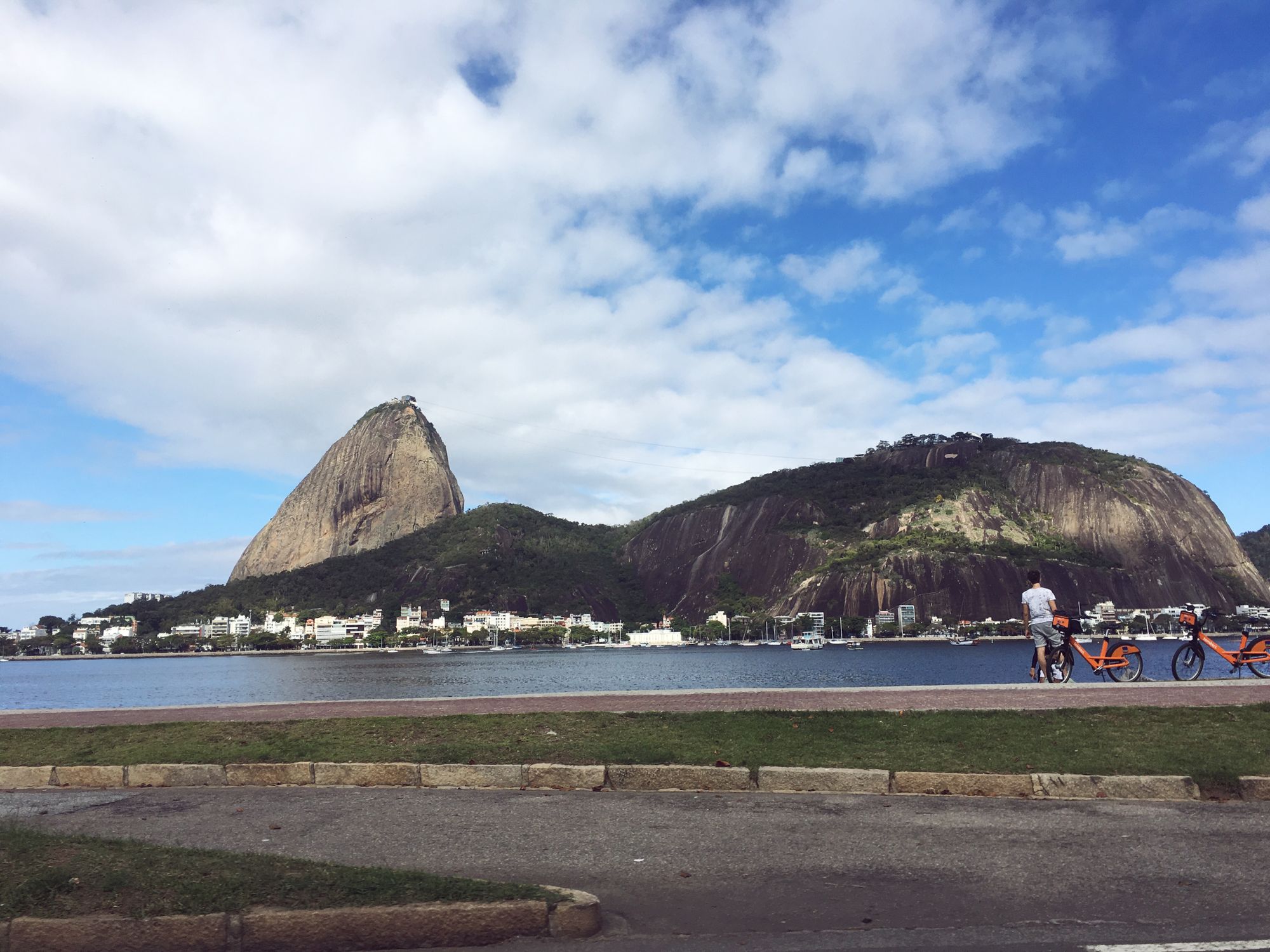
The largest public park in Rio grew from landfill along Guanabara Bay, where Roberto Burle Marx planted 17,000 trees between the centre and the southern beaches, with Sugarloaf ahead of you all the way south.
The whole park, 120 hectares in all, stands on landfill laid along the waterfront to join the centre to the southern beaches, and was finished in 1965.
The planting is Roberto Burle Marx's, laid out in eleven sectors. He was one of the first landscape designers to use native Brazilian plants, and trees from the Amazon grow here beside imported species.
The beds are most detailed around the Museum of Modern Art, the Second World War monument, the Marina da Glória and the former restaurant named for the Morro da Viúva hill. The expressway took much of the rest of his plan, so spend your time at those four spots.
Look out for the Talipot palms, brought from abroad for the scheme. The species carries one of the largest flower clusters known, blooms once in its life and dies about a year later.
The Museum of Modern Art is part of the view as well as a stop: its minimalist design frames the gardens and the bay.
Parque do Flamengo has no entrance or ticket desk, so the museum end is the easiest place to start. The three armed forces change the guard at the Second World War monument on the first Sunday of each month.
From there, follow the bay path past the Marina da Glória towards Flamengo beach. Bike rental stations sit along the route if you would rather ride the cycle paths.
On the way you pass courts for football, tennis, volleyball and basketball, plus skate lanes, exercise stations and fishing spots. Bring a picnic for the late afternoon on the grass.
Come at the weekend, when more people are on the paths, and carry only what you need.
Do not plan a swim. Flamengo beach is on the state's list of beaches where bathing is advised against, so treat the sand as a place for sport and the view.
Explore the rest of Rio de Janeiro
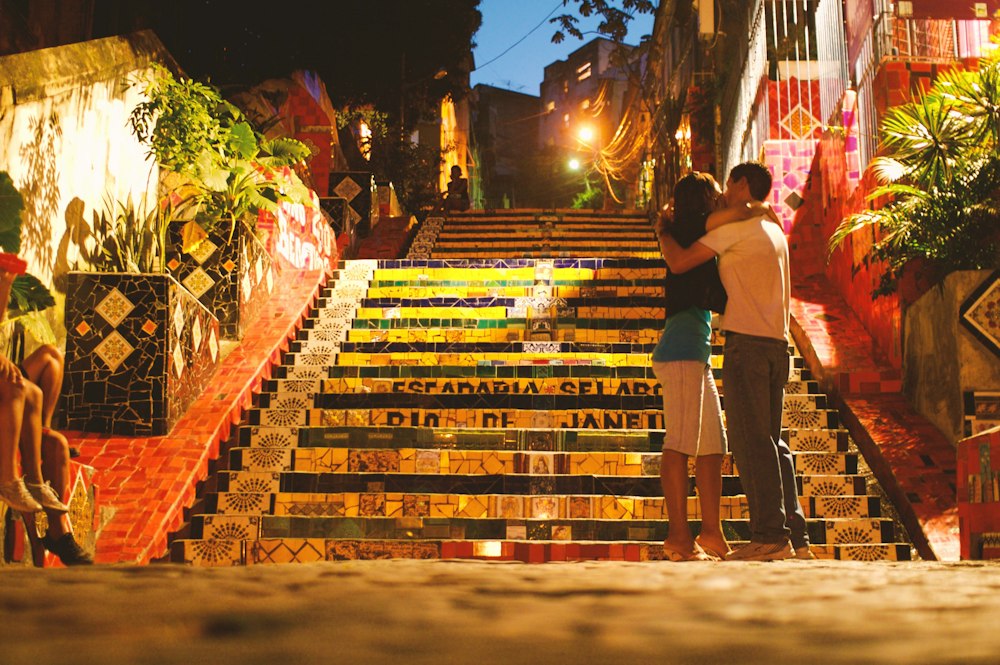
Chilean artist Jorge Selarón covered this public staircase between Lapa and Santa Teresa in tiles from Brazil and around the world, adding…
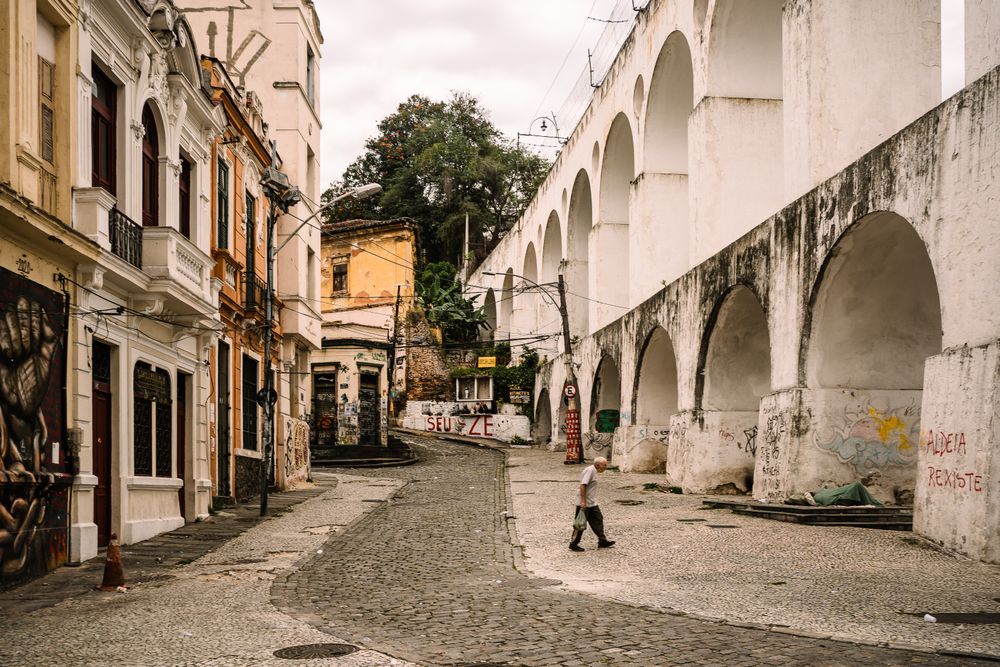
The white arches of the old Carioca Aqueduct stand in Lapa, in the centre of the city, and take a few minutes to see. Pair them with the…
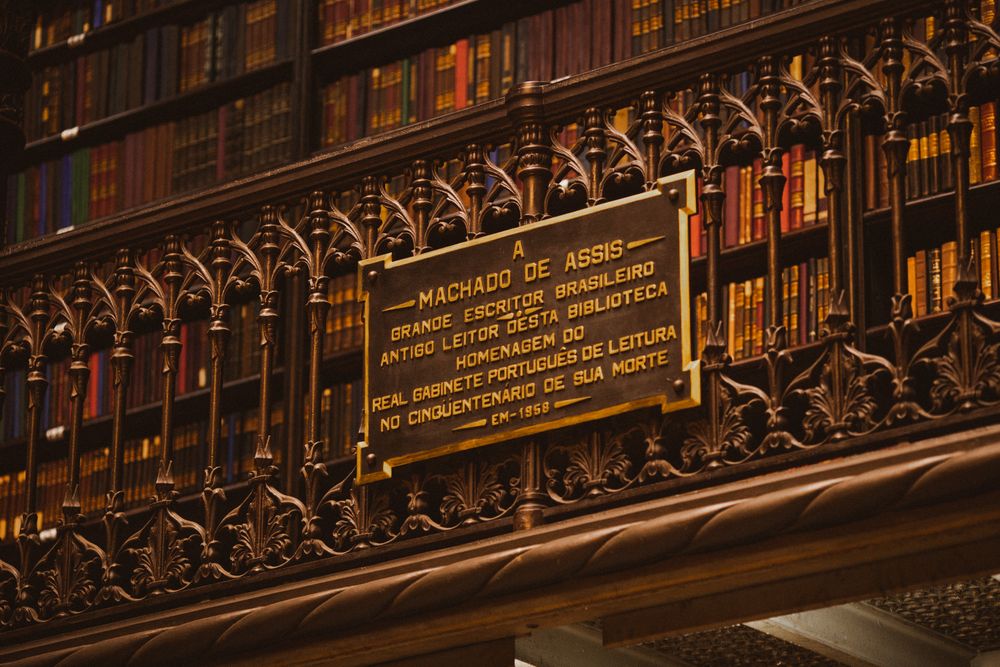
A neo-Manueline library hall in Rio's Centro, its walls of Portuguese books rising past iron balconies to a coloured skylight. Entry to the…