Ninety seconds on Sambadrome
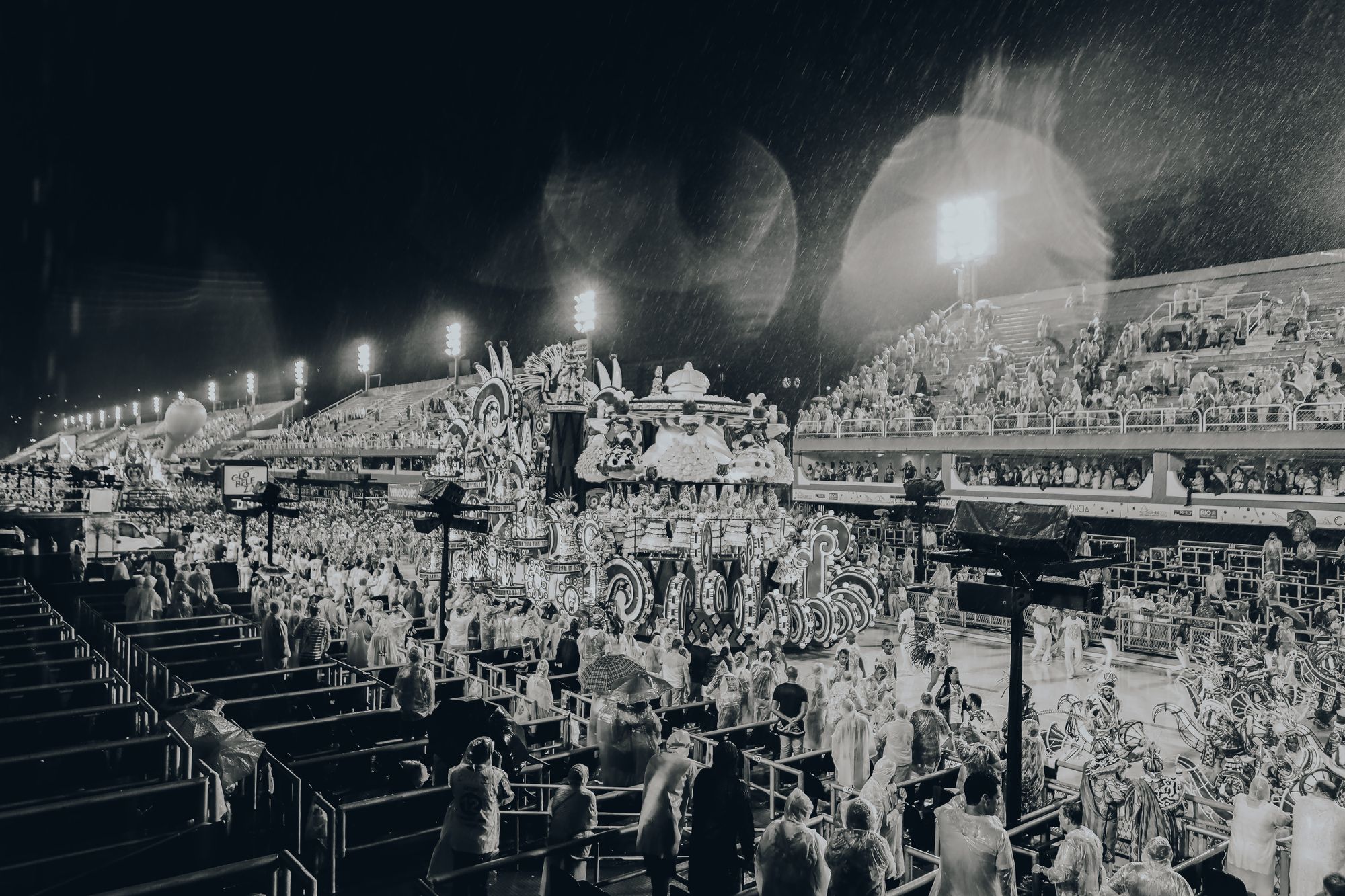
Unmissable in Carnival week: Rio's top samba schools come down this avenue one by one through the night. Each brings a year of floats, costumes and drumming, and passes you in under an hour.
The Sambódromo, officially the Passarela Professor Darcy Ribeiro, is a straight parade avenue of about 700 metres on Avenida Marquês de Sapucaí. Oscar Niemeyer's grandstands and boxes line both sides, with no bowl and no pitch. The schools enter at one end and finish at the Praça da Apoteose, the square at the far end, which is itself a Niemeyer monument.
Before it opened in 1984, the parades ran along Avenida Presidente Vargas, past bleachers put up and taken down each year. Today the sectors on both sides of the avenue mirror each other, a layout that improved the acoustics.
On a parade night each school brings a themed, choreographed show with floats, costumes and a live percussion orchestra, built around one story and judged in every detail. Some tell the story of slavery in Brazil, of African culture or of Candomblé.
Between sectors 9 and 11, some schools pull their percussion section aside while the rest of the parade goes by, a move called the recuo da bateria. If your seat is near those sectors, watch for it.
Before the first school goes on, give yourself an hour to 90 minutes to reach your seat. Eat before you go in, because there is little food inside and it costs a lot.
Find your sector and settle in for the night: the schools come down the avenue one after another, and the Sambadrome is a show to watch rather than a party to dance through. Plan to stay past 2am.
Outside Carnival you can walk in by day, free of charge, though only part of the venue is open. The stands and the empty avenue are the sight, so walk down to the Praça da Apoteose at the far end.
A small Carnival museum inside the venue is free to enter, with costumes and the story of samba; check its hours before you go. There are no guided visits, so go on your own. In the weeks before Carnival the top schools rehearse on the avenue, and the rehearsals are free to watch.
Pack a light rain layer instead of an umbrella, which blocks the view behind you and may be refused in some sectors. February rain is common, and the parade carries on through it.
Carry little, since coolers, glass bottles and large bags are not allowed in the stands. Stay alert in the streets around the venue, where pickpockets work the Carnival crowds. By day, take care crossing the busy roundabout by the Praça da Apoteose.
Some sectors have ramps, adapted toilets and set places for wheelchair users to watch the parades.
Explore the rest of Rio de Janeiro
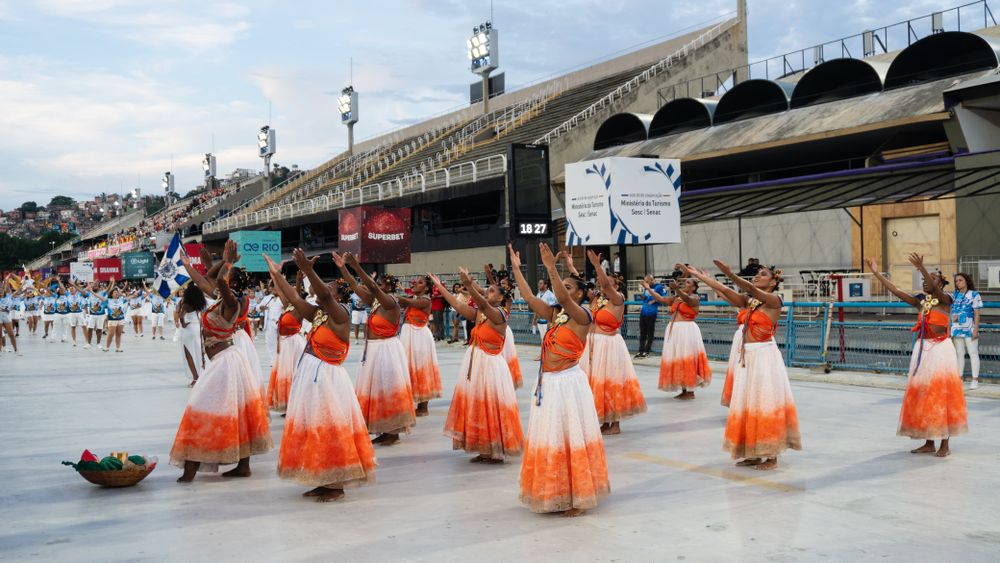
For the five days before Ash Wednesday the city stops working and starts dancing. The big samba schools parade through the night on the…
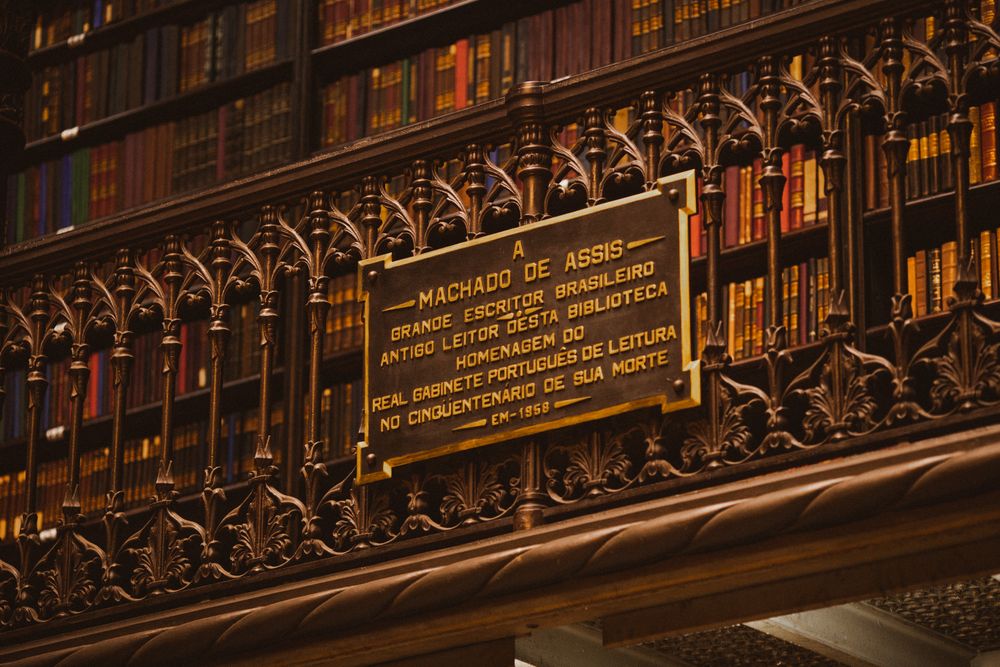
A neo-Manueline library hall in Rio's Centro, its walls of Portuguese books rising past iron balconies to a coloured skylight. Entry to the…
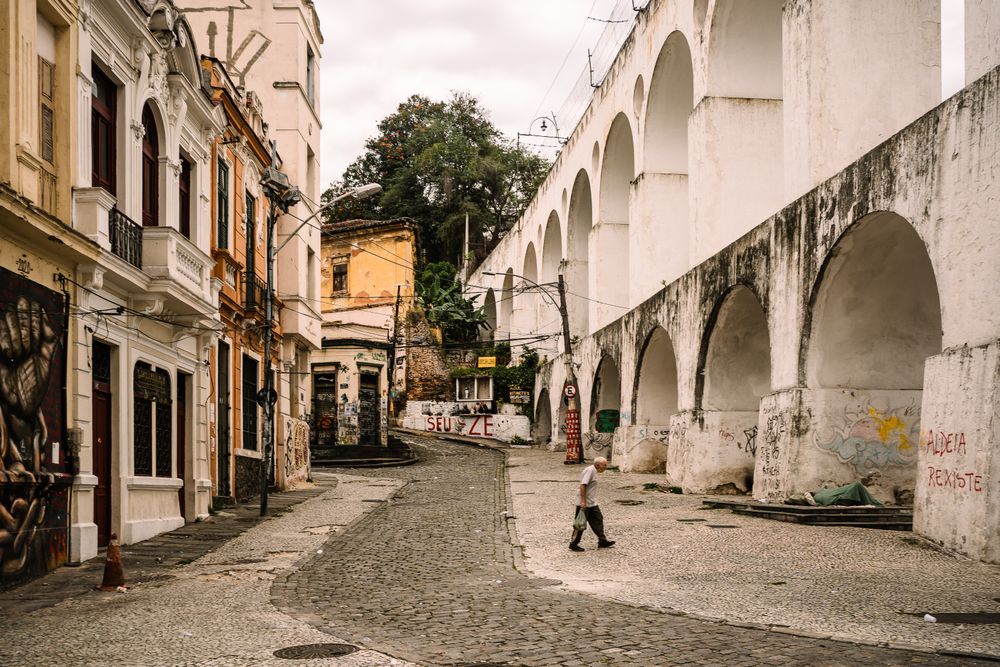
The white arches of the old Carioca Aqueduct stand in Lapa, in the centre of the city, and take a few minutes to see. Pair them with the…