Globe Countries Cities Itineraries World's Best Hotels Events Login
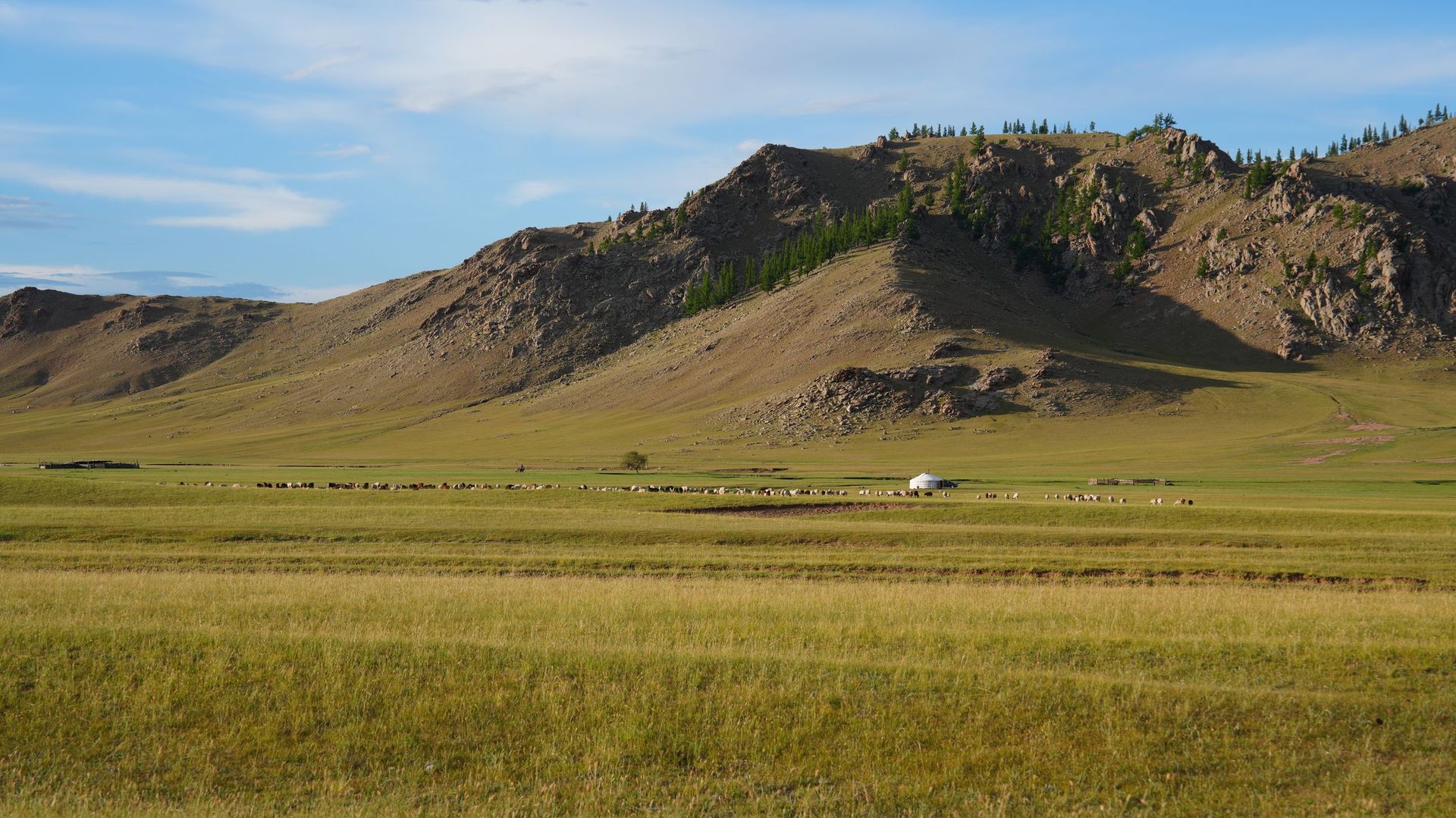
A single ger and a herd at the foot of a grassy ridge on the vast Mongolian steppe
Mongolia  ·  47.20°N 102.82°E

Mongolia: The Largest Empire in History Left Nothing Standing

Written by Meridian Dispatch  ·  20 June 2026  ·  Updated

The largest empire in history left almost nothing standing. Two weeks across Mongolia, by road, looking for what it left instead.


The largest land empire the world has known left almost nothing you can stand inside. Cross Mongolia by road for two weeks and what turns up is mostly grass, wind, and a horizon that never comes any closer. The Mongols took half the known world in a single century and then let it slide back into the steppe. What survives is on the UNESCO list now, and it is stranger than any cathedral: a meadow where the capital stood, fields of carved stone older than the empire, and a mountain visitors are forbidden to climb.

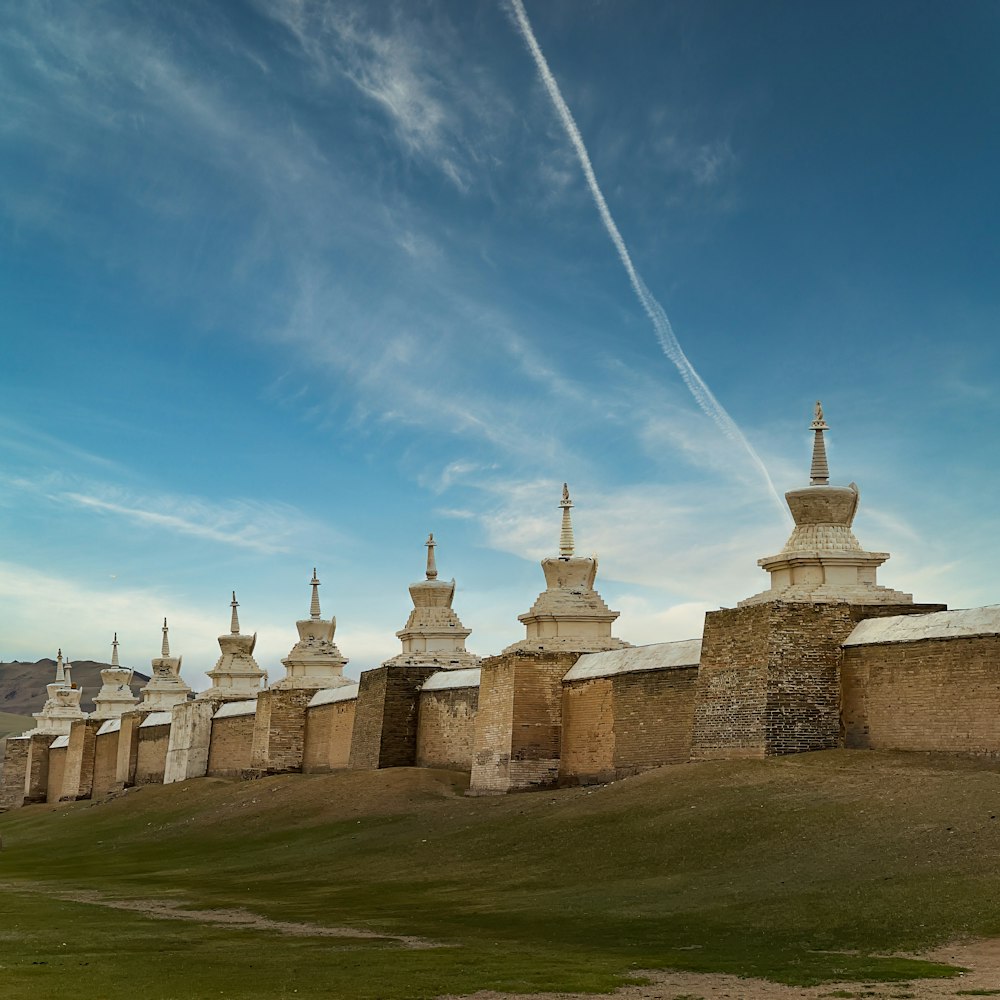
The capital is the easiest thing to miss. Kharkhorin sits three hundred kilometres west of Ulaanbaatar, a full day on a road that gives out into track halfway along, and at the end of it there is no city. Karakorum ran the empire from this valley for forty years and was later taken apart to its foundations. The one thing left standing is the monastery raised afterward from its rubble, Erdene Zuu, ringed by a wall of a hundred and eight white stupas. The wind comes cold off the plain; inside the wall stand three temples and a great deal of empty grass. The capital of the known world is a field with a fence of shrines around it.
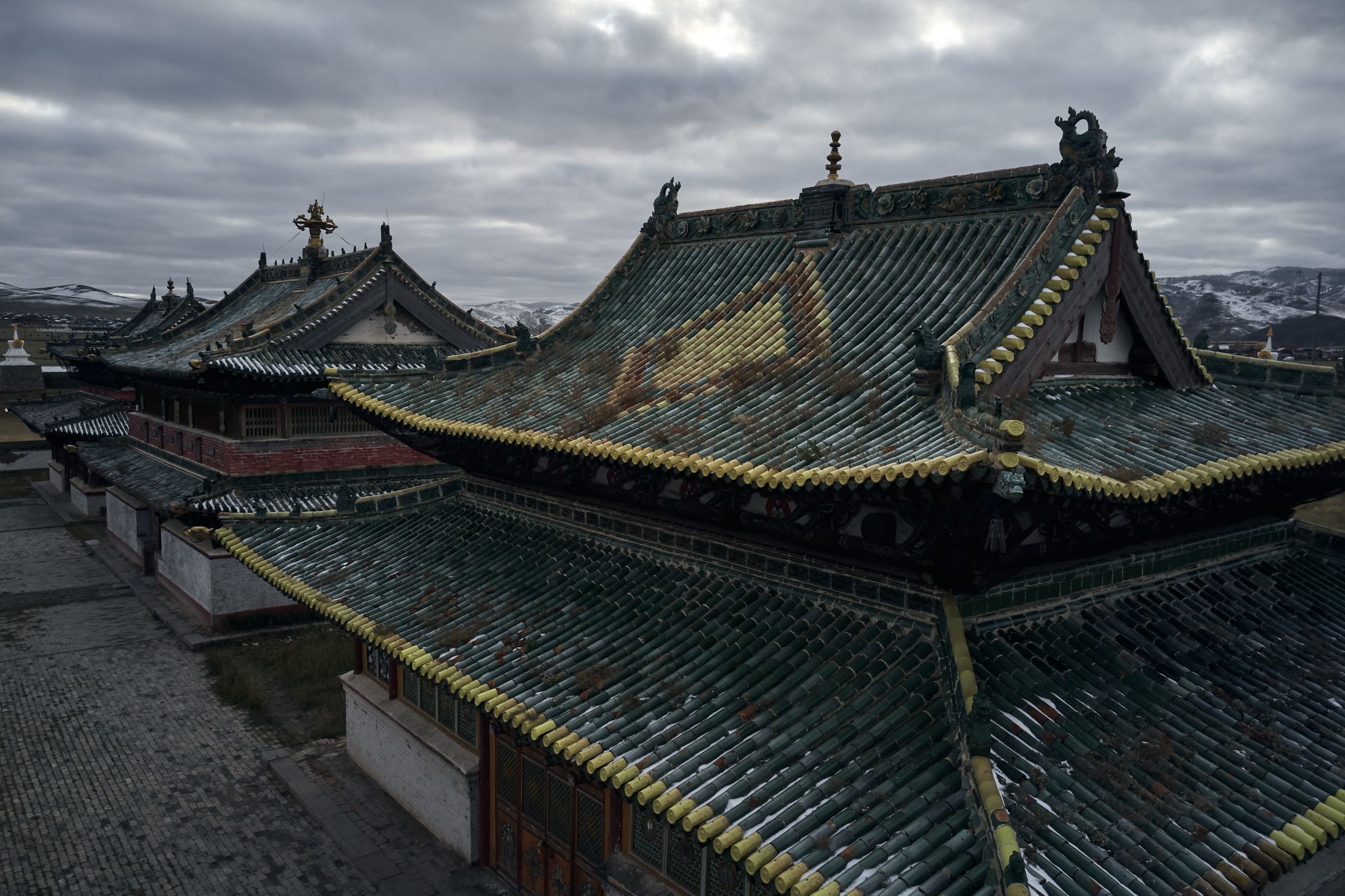
The green-tiled temple roofs of Erdene Zuu monastery and its white stupa wall beneath snow hills
Erdene Zuu, built from the rubble of Karakorum

The valley itself is the heritage, not the ruin. UNESCO drew its line around the whole of the Orkhon, the grassland and the river and the herders still moving across it, because the way of living here is the monument. A single ger stood far out on the plain under a low sky the colour of a bruise, the wind flattening the grass, smoke going sideways off the stovepipe. People have grazed this valley for two thousand years and left it more or less as they found it. That restraint is the thing being protected.
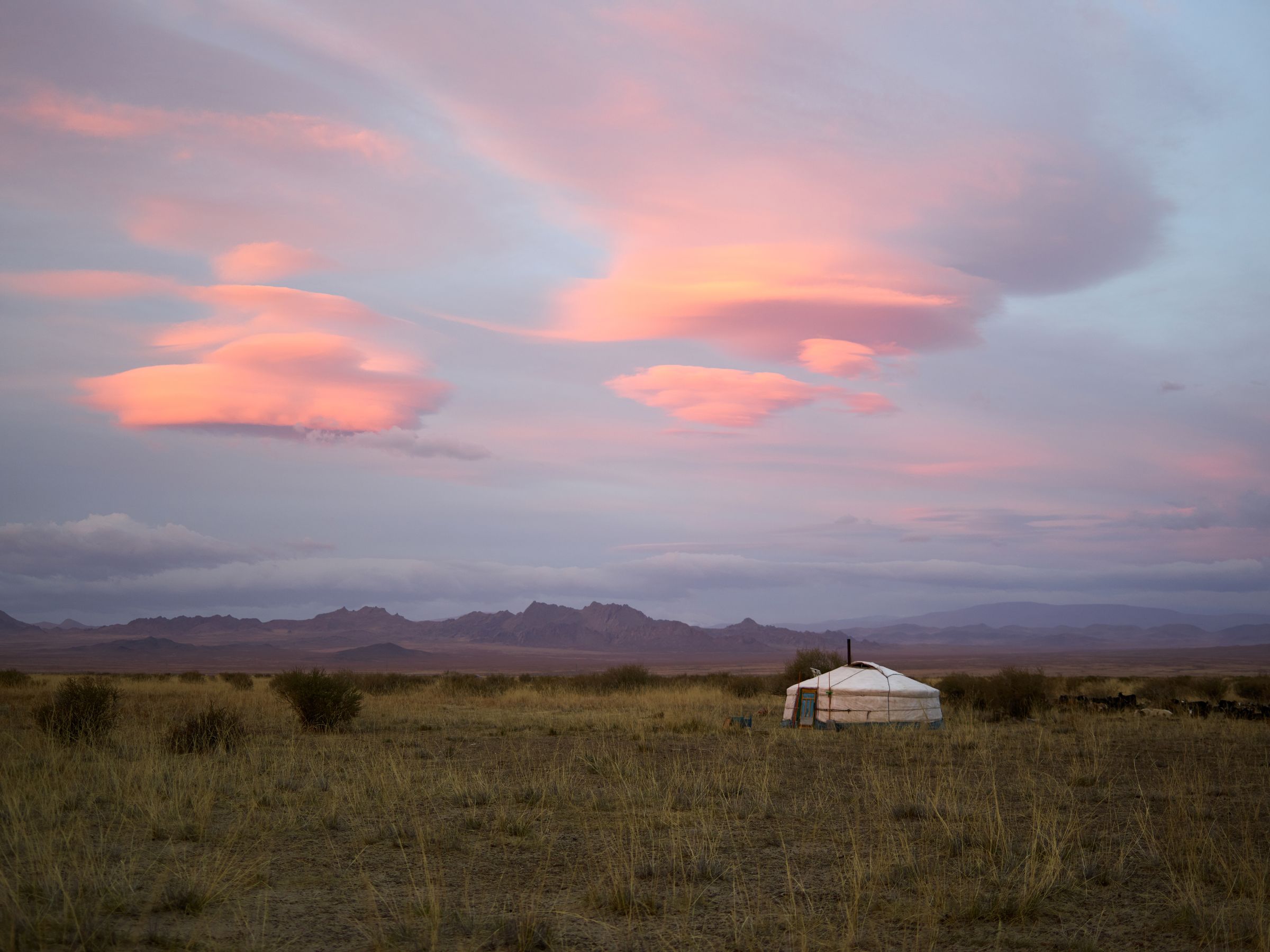
A lone white ger on the open Orkhon grassland under a pink and grey sunset sky
One ger on the Orkhon, the way of living that the listing protects

To go back further you go looking for stone. Out in Arkhangai, with no fence and no ticket office and most days no one else, the deer stones stand where they were set three thousand years ago. They are tall grey slabs cut with herds of stylised stags, antlers swept flat, climbing toward the top of each stone as if going somewhere. Nobody is sure what they marked. Bronze Age nomads carved them six centuries before the first written word reached Mongolia, then vanished off the grass. The stags are still mid-flight. UNESCO added them to the list only in 2023, which on this timescale is yesterday.
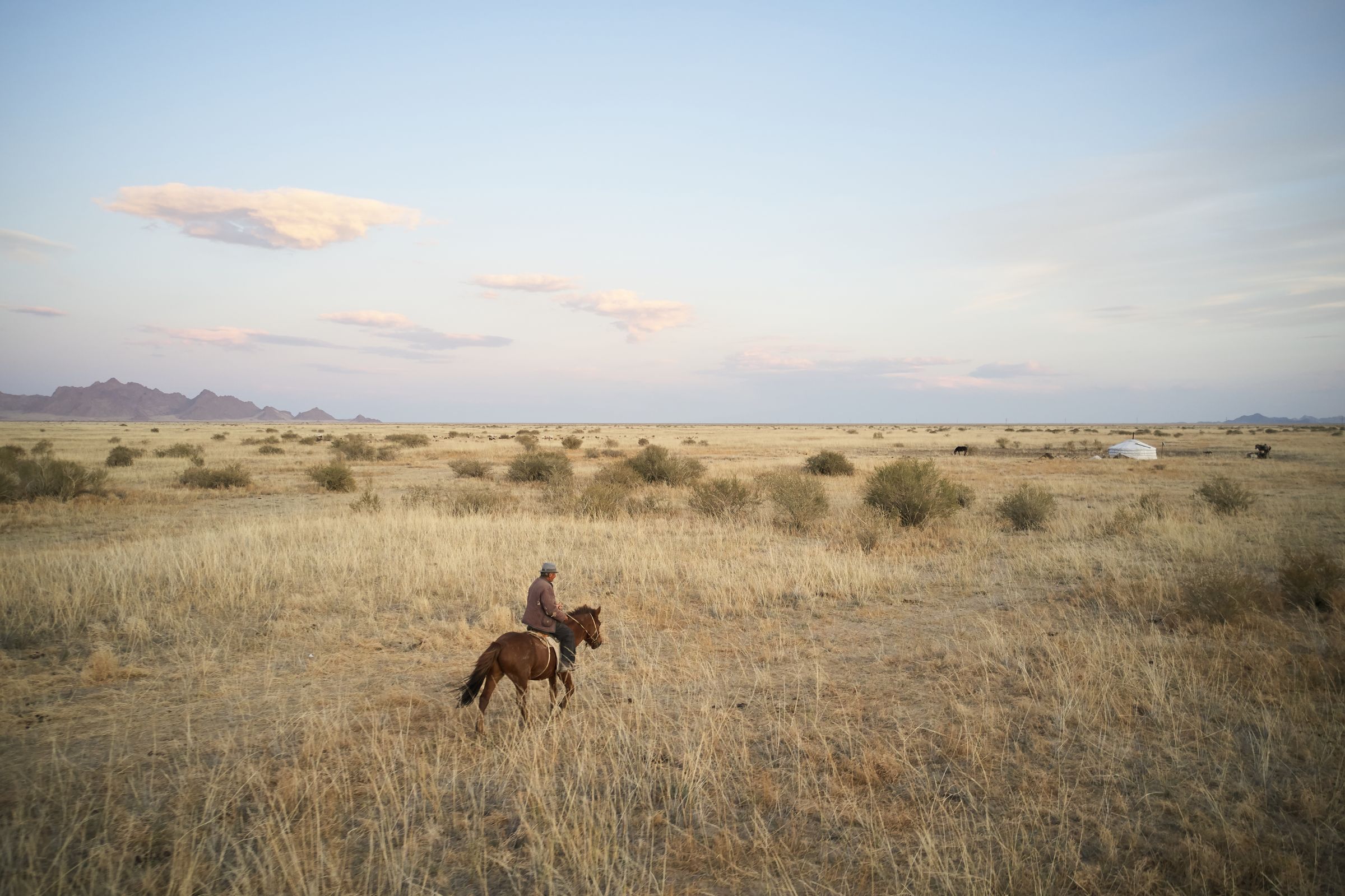
A lone horseman crossing a wide golden plain toward a distant ger and low mountains
The same open grass the deer stones have stood in for three thousand years

The site that matters most is the one you cannot reach. Somewhere in the Khentii, north-east of the capital, a mountain called Burkhan Khaldun rises out of a protected forest. Genghis Khan was born in its shadow and, the story runs, buried somewhere on it, in a grave that was deliberately lost. It is the most sacred ground in the country, and foreigners are turned back at the foot of it. The farthest anyone gets is an ovoo on a pass below, a cairn of stones and weathered blue silk where the custom is to tie on another scarf and look up at a summit no visitor may walk on. The holiest place in the empire is one almost nobody is permitted to disturb.
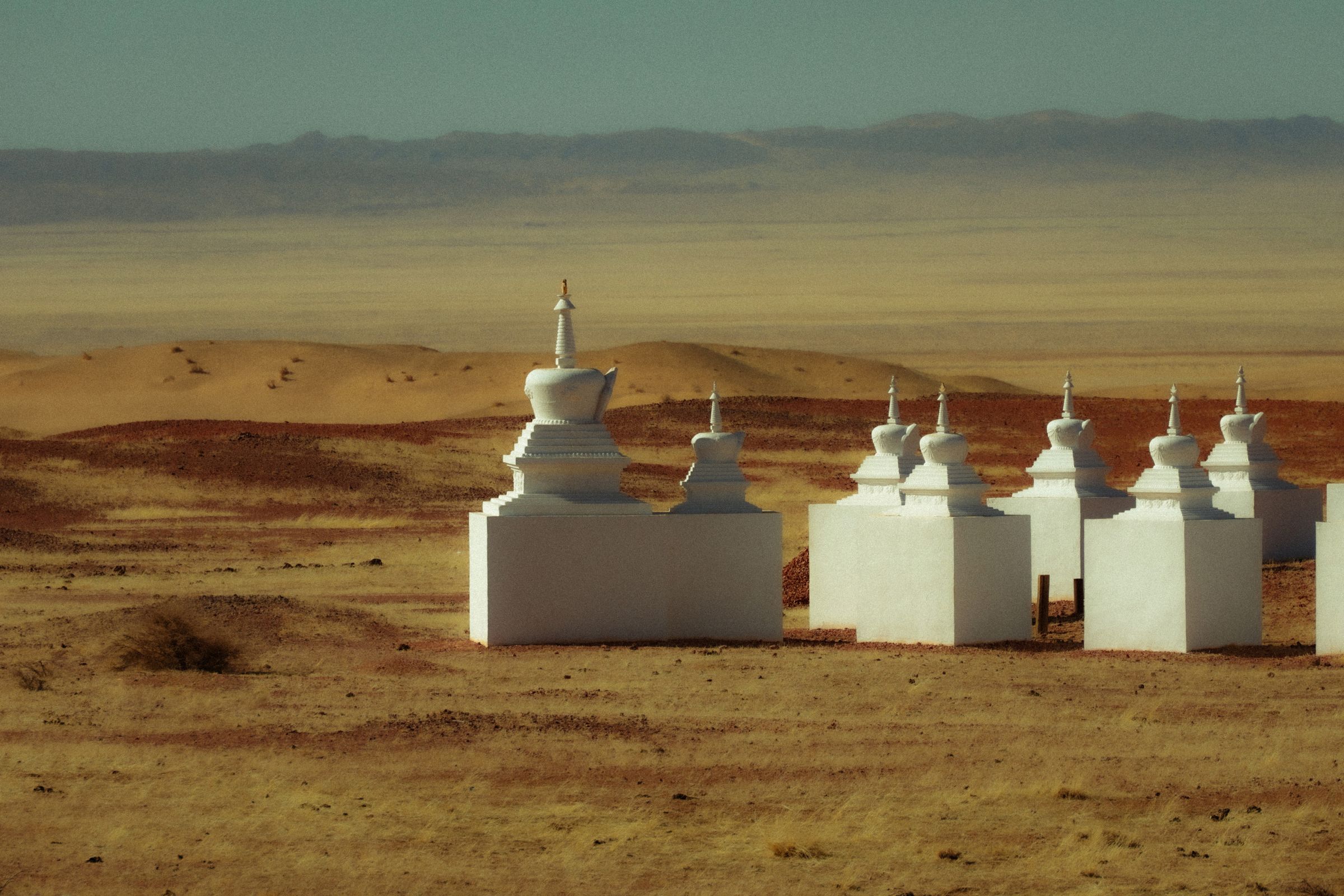
White stupas standing on open ground under a hazy sky on the Mongolian steppe
Below the forbidden summit, the sacred ground you are allowed to reach

They took half the world and then let it fall back into the grass, because they never built to stay.


The last of it is a long way west. Olgii is three hours by air over country with no road worth the name, out where the Altai runs up against Russia and China. The cliffs here hold twelve thousand years of carving, the oldest rock art in the country, hunters and chariots and whole migrations of animals scratched into the rock through one age after another. It is the longest unbroken record of people anywhere on the steppe. In a sense it is still being added to, because the people who began it never left.
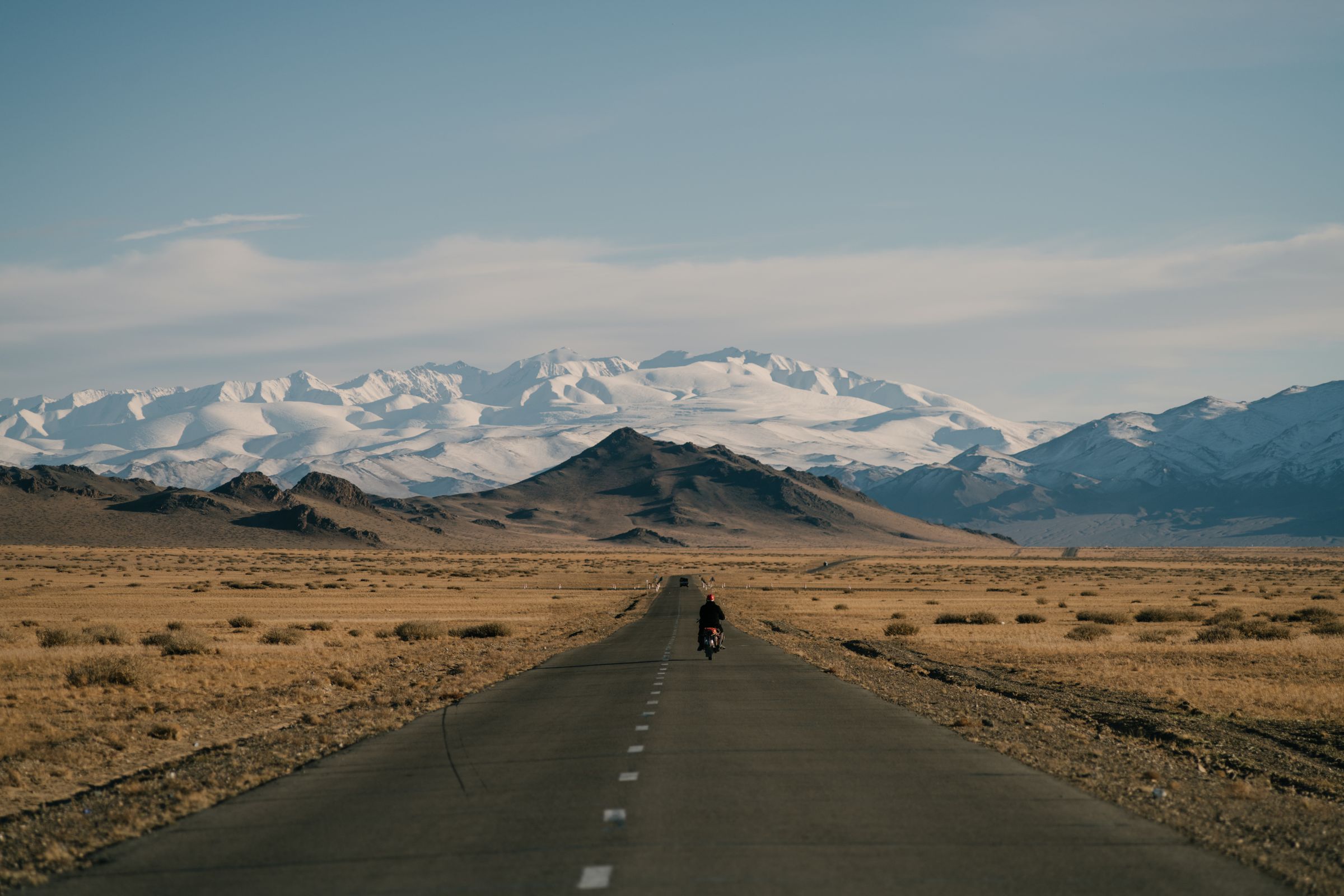
A single rider on a road running toward the snow-covered peaks of the Mongolian Altai
The road west into the Altai, where the petroglyphs begin

At first light the hunters ride out with golden eagles on their arms, fur and silk, a bird the weight of a small dog, exactly the way it has been done in these mountains for centuries. This is the part the list cannot quite hold, the heritage that is not behind a rope. The horse is the point here, along with the grass and the going on. For all the kilometres of road, the real monument to the empire is the steppe itself, and the people still crossing it.
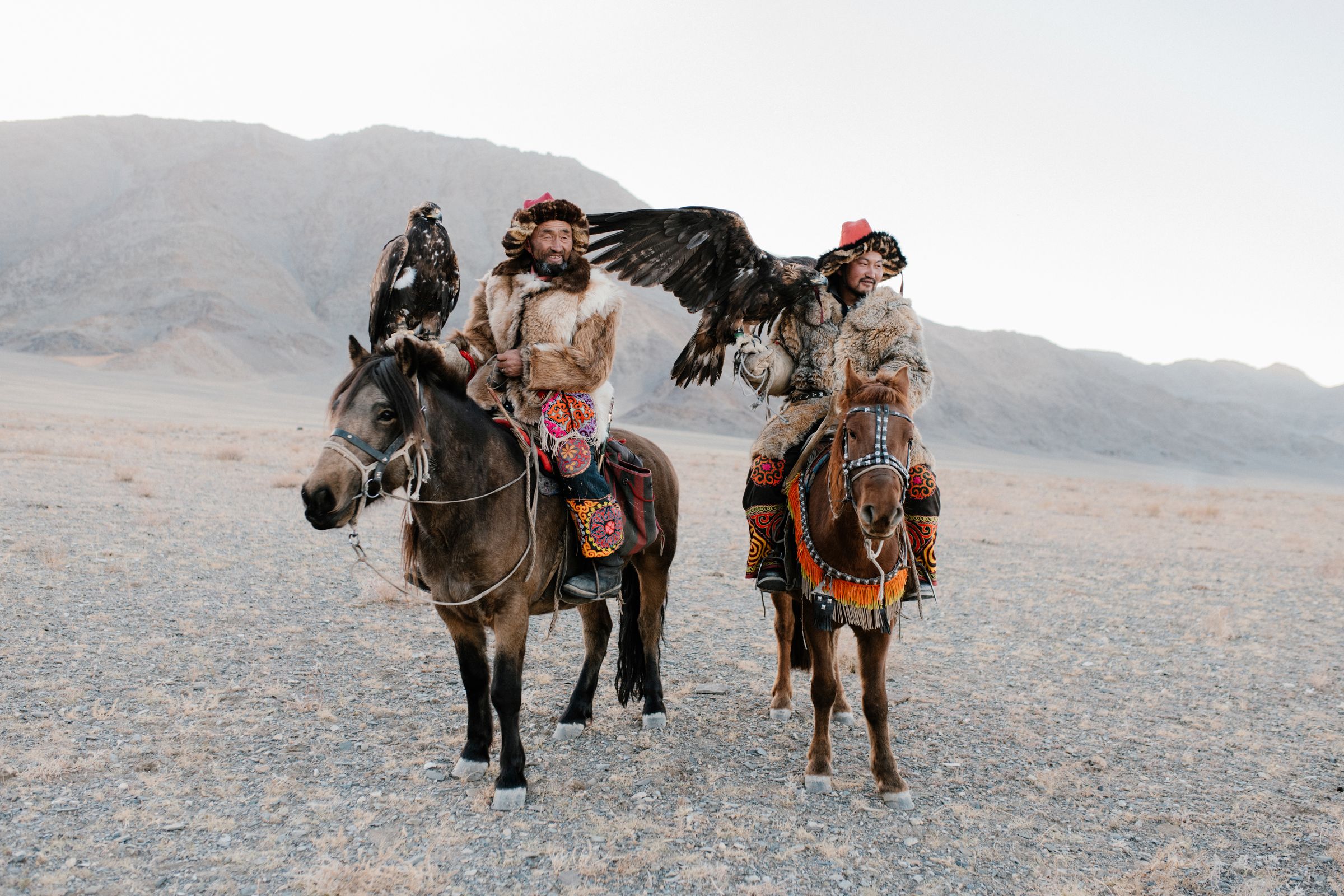
Two Kazakh eagle hunters on horseback in fur and embroidered dress, a golden eagle with wings spread, the Altai behind
Kazakh eagle hunters in the Altai, the heritage still on the move
← All dispatches
Places on record

Every place in this dispatch

  1. Ruins
    Karakorum
    Ruins · Kharkhorin

    Karakorum

    Genghis Khan's successors ran an empire from this bend in the Orkhon for about forty years, and almost nothing of it stands above ground. What marks the site now is a stone tortoise on the plain, an excavated footprint and the monastery wall built from its rubble. Imagination does much of the work here, which is why the museum repays a visit beforehand.

  2. Monastery
    Gandantegchinlen Monastery
    Monastery · Ulaanbaatar

    Gandantegchinlen Monastery

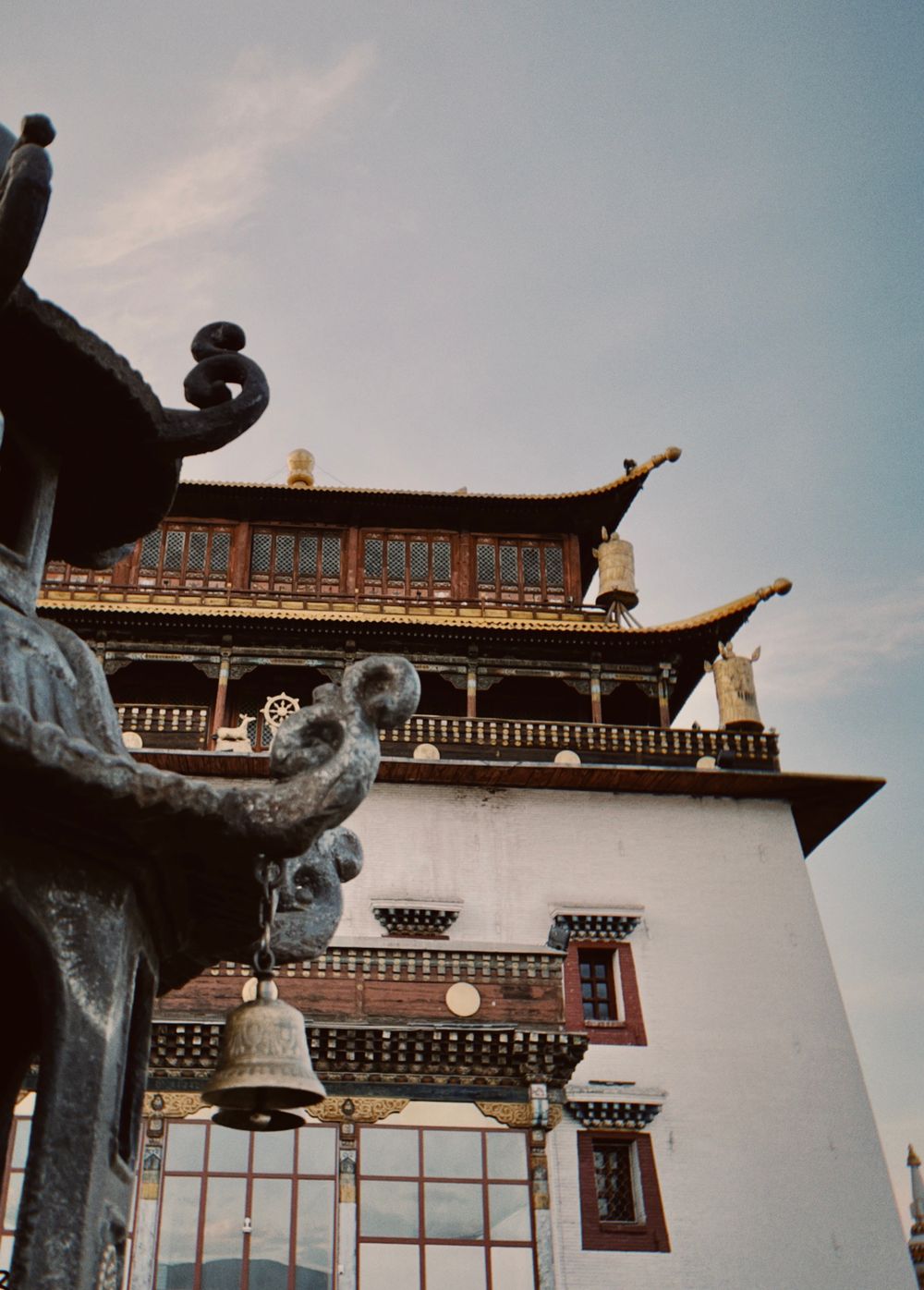
    From 1944 to 1989 this was the only active monastery in Mongolia. Come to walk the courtyard among the stupas and prayer wheels, and to stand before the gilded Avalokiteshvara in the main temple.

  3. Monument
    Genghis Khan Statue Complex
    Monument · Ulaanbaatar

    Genghis Khan Statue Complex

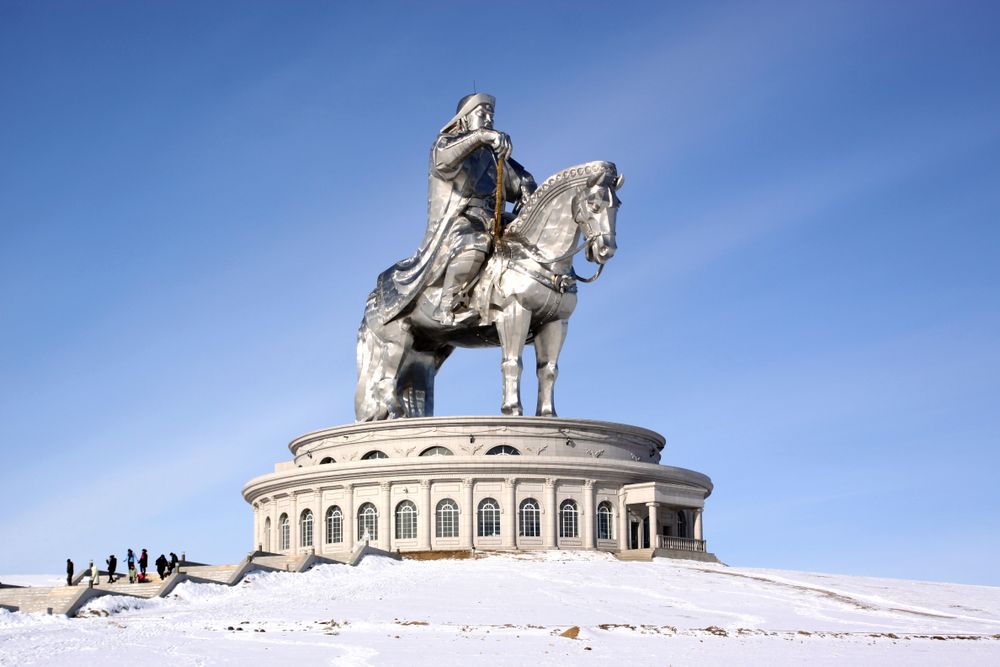
    Stand on the platform on the horse's head, at the top of a steel statue of Genghis Khan, and the Mongolian steppe lies below you in a panoramic view.

  4. Park
    Gorkhi-Terelj National Park
    Park · Ulaanbaatar

    Gorkhi-Terelj National Park

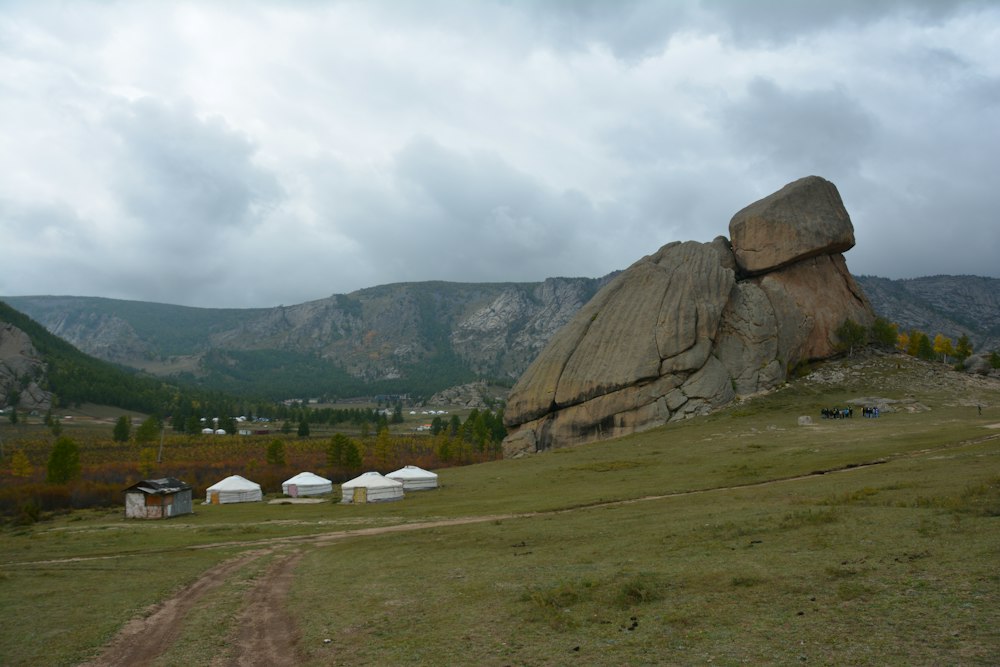
    Riding out behind a local herder, climbing a path of Buddhist teaching boards to a mountain temple and sleeping in a ger camp give you the Mongolian countryside on one night away from the capital.

  5. Event
    Naadam
    Event · Ulaanbaatar

    Naadam

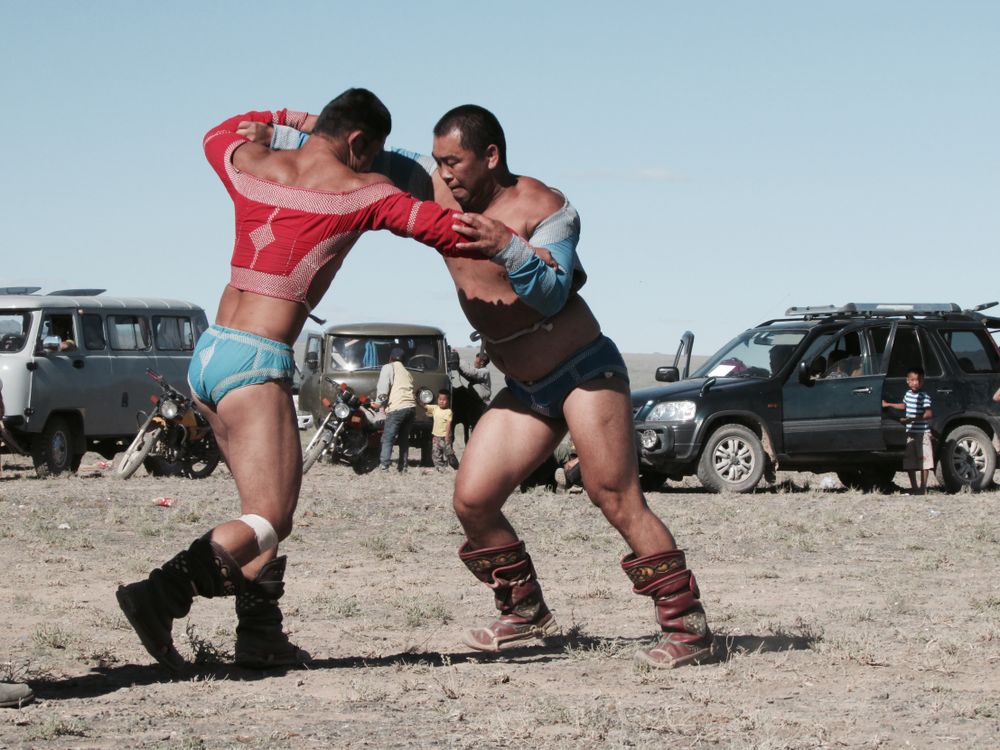
    Plan around two things: the banner procession from Sukhbaatar Square to the stadium on the eleventh, and a morning at the horse races out west, where there are no stands and no tickets.

  6. Landmark
    Sükhbaatar Square
    Landmark · Ulaanbaatar

    Sükhbaatar Square

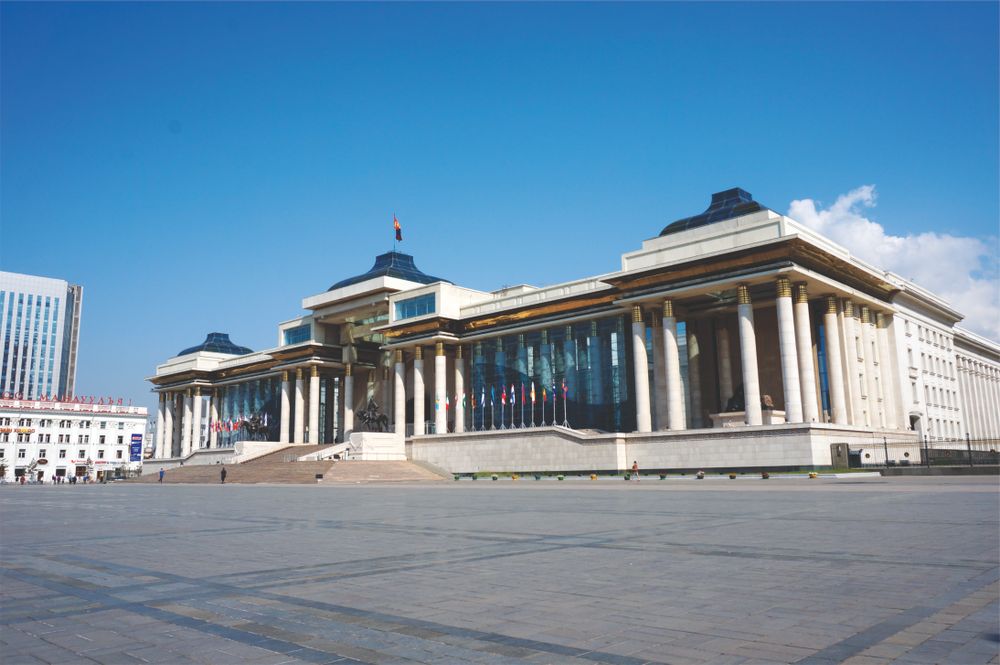
    The civic centre of the capital is a wide paved rectangle with parliament along the north side, where a seated Genghis Khan presides from a colonnade. Ceremonies, concerts and occasional protests happen here. It anchors the city grid and sits a short walk from the national museum, the opera and the main department store.

  7. Viewpoint
    Zaisan Memorial
    Viewpoint · Ulaanbaatar

    Zaisan Memorial

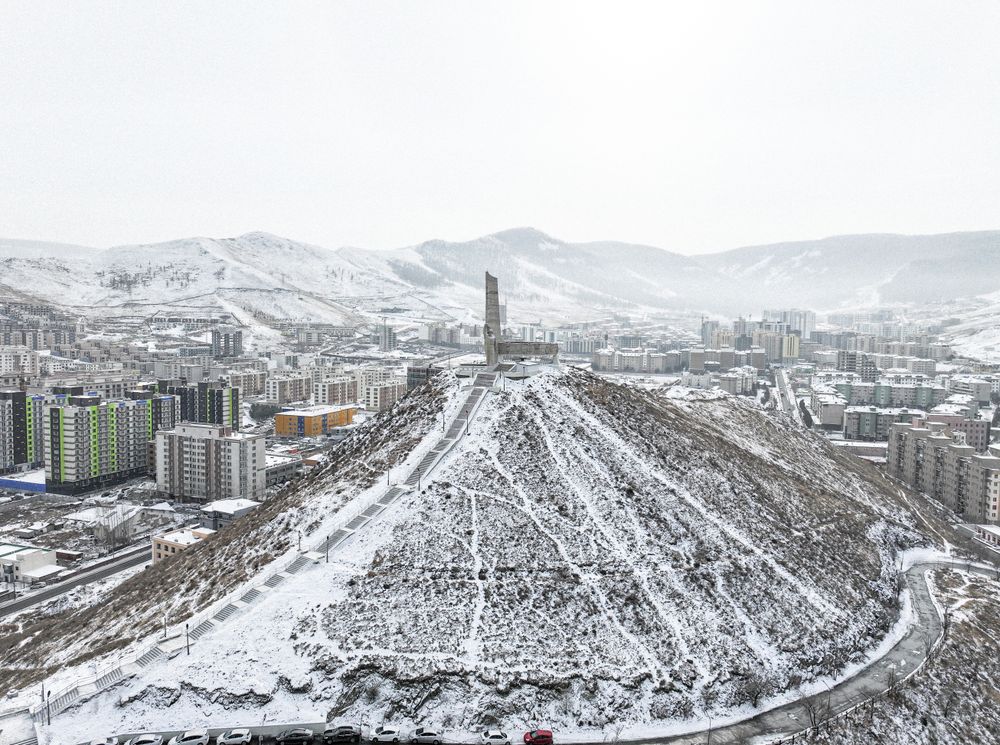
    A Soviet-era mosaic ring on a hill south of the centre commemorates wartime alliance, and the climb up the steps delivers a panorama over the city, the river and the power station chimneys. Around three hundred steps lead to the top. Wind funnels hard across the platform in winter, and sunset draws a crowd.

  8. Museum
    Map of Bogd Khan Palace Museum
    Museum · Ulaanbaatar

    Bogd Khan Palace Museum

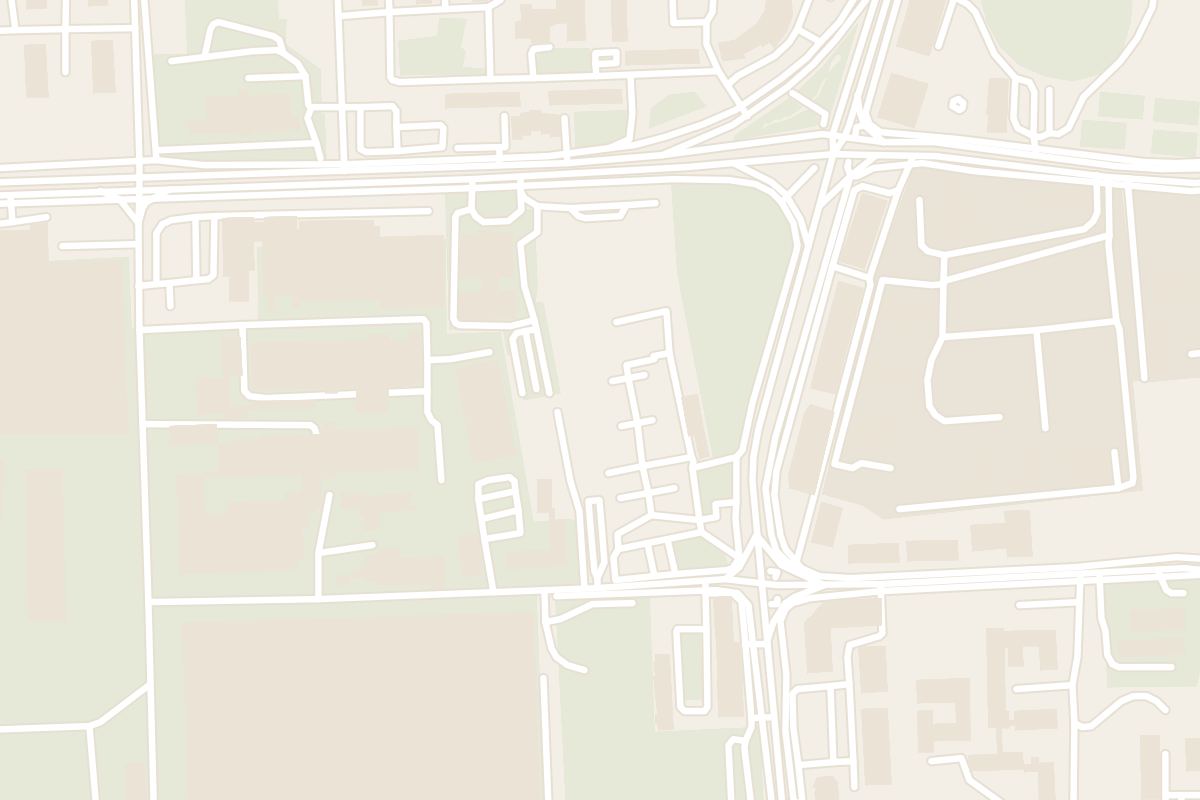
    Six temples and a two-storey Russian-built winter house survive from the residence of Mongolia's eighth Jebtsundamba, head of state until 1924. Inside are his ceremonial robes, a ger lined in snow leopard skins and diplomatic gifts from a brief spell of independence. The complex is unheated and lightly visited. Ninety minutes covers it, and it pairs with Zaisan up the road.

  9. Museum
    Map of Choijin Lama Temple Museum
    Museum · Ulaanbaatar

    Choijin Lama Temple Museum

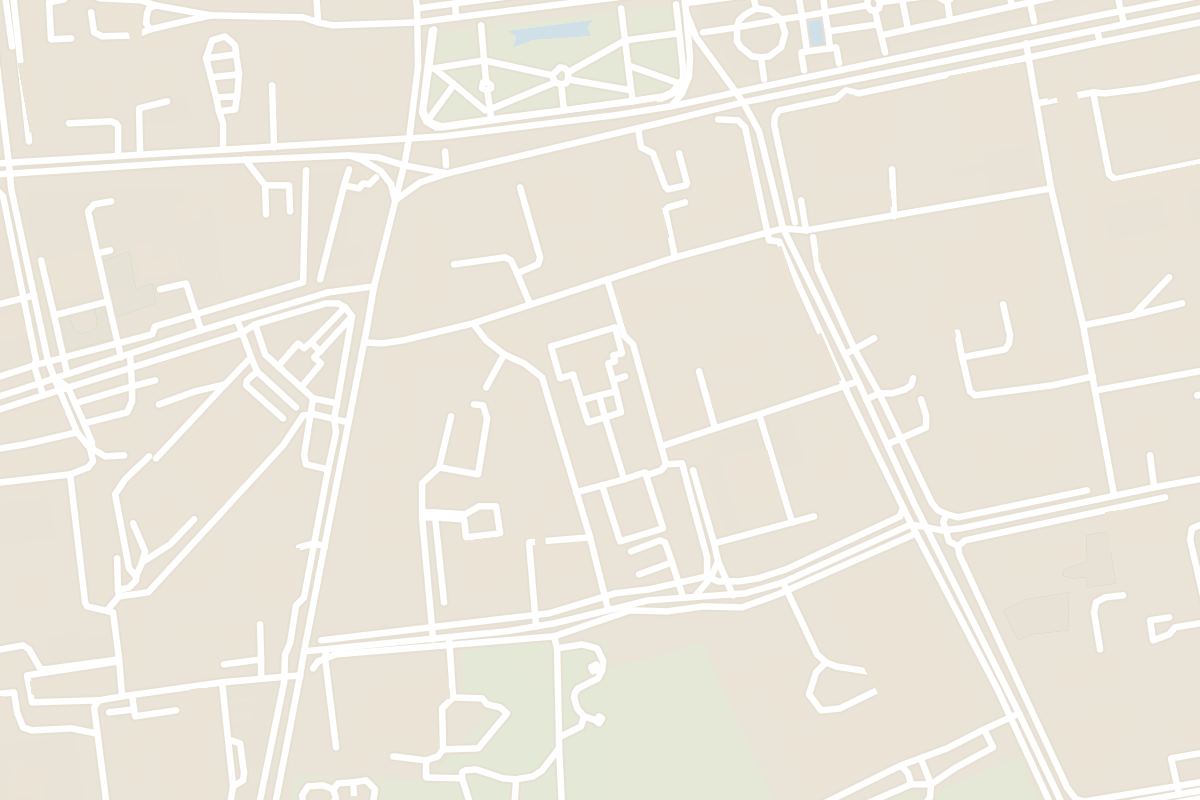
    Five temple buildings stand behind a wall among downtown towers, preserved as a museum while monasteries were being destroyed elsewhere in the 1930s. Inside are tsam dance masks, thangka and figures from the school of the sculptor Zanabazar. The interiors are dim and unheated, so winter visits tend to be brief. An hour is enough.

  10. Monastery
    Map of Erdene Zuu Monastery
    Monastery · Kharkhorin

    Erdene Zuu Monastery

    A wall of one hundred and eight stupas encloses the earliest Buddhist monastery in Mongolia, raised in 1586 from the stone of the ruined imperial capital next door. Three temples came through the destruction of the 1930s and hold statuary and thangka, and one corner is again an active place of worship. Wind across the open compound is constant.

  11. Landmark
    Map of Flaming Cliffs
    Landmark · Dalanzadgad

    Flaming Cliffs

    Red sandstone escarpments at Bayanzag gave up the dinosaur eggs that Roy Chapman Andrews identified in the 1920s, the first recognised as such anywhere. The cliffs are modest in scale and the draw is the colour, which deepens in the hour before sunset. Removing fossils is illegal, and the site lies a couple of hours by track from the main road.

  12. Park
    Map of Gobi Gurvansaikhan National Park
    Park · Dalanzadgad

    Gobi Gurvansaikhan National Park

    Three ranges of bare mountain, gravel plain, saxaul scrub and the Khongoryn dunes fall inside a park covering a large part of the South Gobi. Wildlife includes ibex, argali and the black-tailed gazelle herds that cross the flats. There is no public transport and no marked road network, so trips run with a driver and a permit taken at the gate.

Explore

More of Mongolia

Town guide

Kharkhorin

Erdene Zuu Monastery, the Orkhon Valley and its waterfall.

Town guide

Ulaanbaatar

Gandan Monastery, the Bogd Khan palace and the Choijin Lama temple.

Meridian Dispatch for iPhone

Plan the trip.
Keep the story.

Every other travel app asks you to start logging. Meridian Dispatch opens with years of your travel already written, from the photographs you already took.