If you want to see how a farming town lived in Roman Egypt, walk between mud-brick houses with their millstones and olive presses still on the ground. Two stone temples stand above them.
Archaeological Site, Fayoum. Meridian Dispatch.
As of November 2026, the Ministry of Tourism and Antiquities lists the ruins from 08:00 to 17:00. Its hours for the Kom Aushim Museum are shorter, from 09:00 to 15:00, so a late arrival misses the collection.
Karanis is ticketed, and the Kom Aushim Museum needs a second ticket. Egyptian and foreign visitors pay different rates, and foreign students pay less, so bring a student card.
By taxi or private car, about 25 km north of Fayoum city. The edge of Cairo is about 60 km away, so a day trip from the capital also works.
For its written records. About 5,000 papyri and inscribed potsherds were found here, mostly business and administrative texts. Because of them, more is known about Karanis than about any other ancient town in the Fayoum.
The monuments can all be reached on foot along signed routes. The town covers a large mound that rises 12 m above the plain, and the north temple is reached by steps.
Qasr Qarun, elsewhere in the Fayoum, can be joined to the same trip. Visitors staying overnight find hotels at the southern edge of Lake Qarun and in Fayoum city.
Karanis is one of the best-preserved ancient towns in Egypt, and only a small part of it has been dug out. Its houses stand in clusters along two main streets, from plain mud-brick dwellings to the villas of officials. Seventeen granaries have been found among them.
The south temple is limestone, 23.6 m long, on a low rise. Over the temple's east gate, look for part of a five-line inscription in the name of Emperor Nero. A second inscription marks the door of the dining room in the southeast corner.
Inside, a long niche in the middle room was made to hold a mummified crocodile. The town worshipped its own forms of the crocodile god Sobek, called Pnepheros and Petesuchos. Under the sanctuary altar is a low hidden chamber, which priests probably used to deliver the god's answers.
The north temple is smaller and has no inscriptions. Notice the slim columns carved at its outer corners.
Near the gate, the Kom Aushim Museum shows finds from the town and the rest of the Fayoum. Find the Fayoum portrait, a likeness of the dead painted on a wooden panel.
The entrance opens into the tree-filled grounds of the museum, so look round that before the ruins. Ancient Egyptian, Greek and Roman pieces are downstairs. Upstairs are Coptic textiles, icons and Islamic woodwork.
The ruins begin behind the museum, to the east. Follow the path through the excavated houses to the south temple and go round to its eastern entrance.
A narrow court leads to the inner rooms. Its staircase goes up to the roof, which looks over the ruins and green fields; ask at the museum whether you may climb it.
Then walk to the north temple, passing two gateways and their paved courts. Finish at the Greco-Roman bath, also to the north, with its cold pool, hot room and steam room.
Look at the walls inside the houses. Decorated recesses may have been household shrines, while plain ones held lamps or served as shelves. Stairs once joined several storeys in the bigger homes.
If you are going on to other ancient sites in the Fayoum, ask the museum staff about transport before you leave.
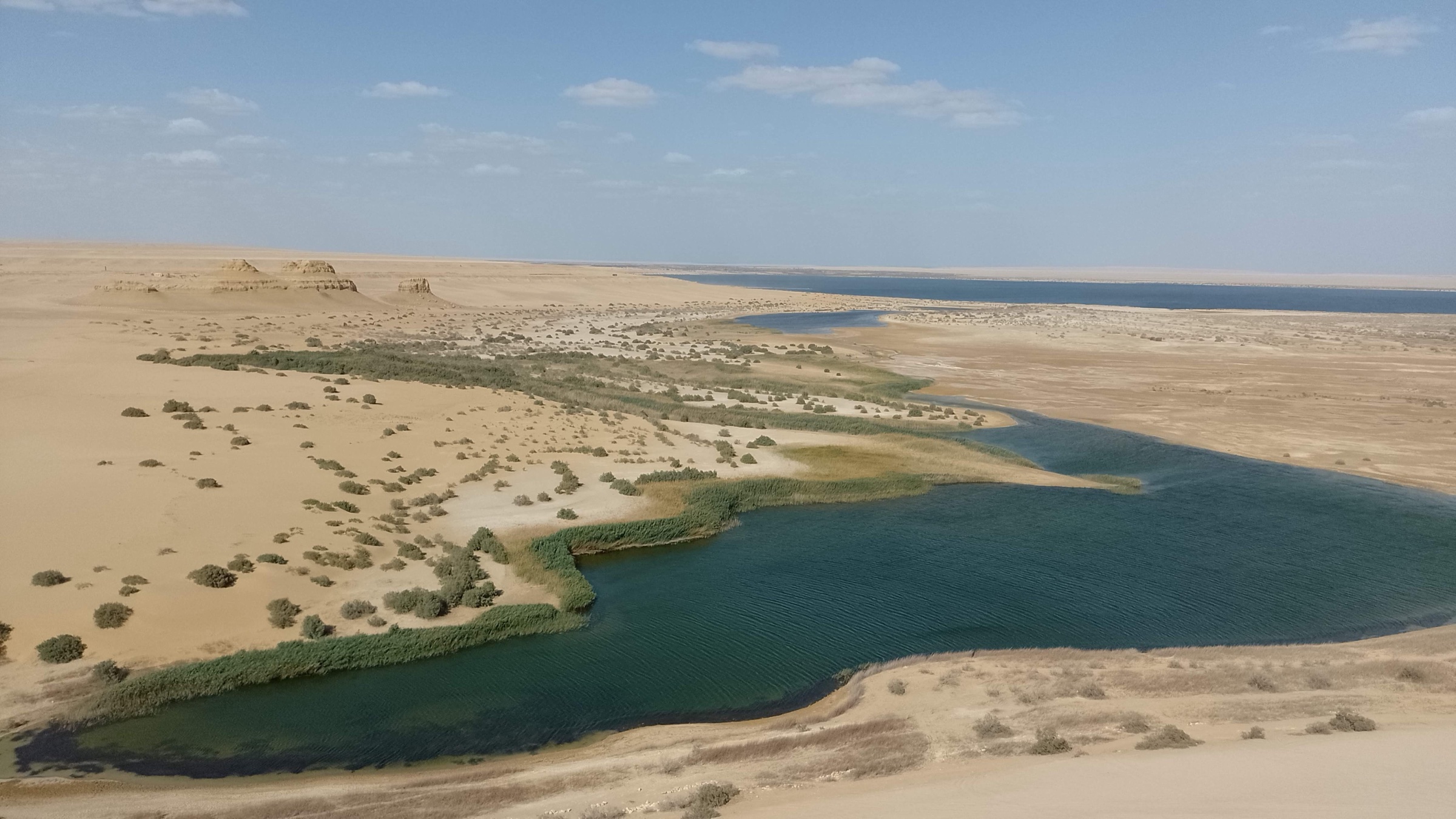
Stay in Tunis Village, above Lake Qarun, and you have pottery workshops and the shore within a walk. The desert beyond has waterfalls, dunes and fossil whales lying in the sand.
Read the Fayoum guideExplore the rest of Fayoum
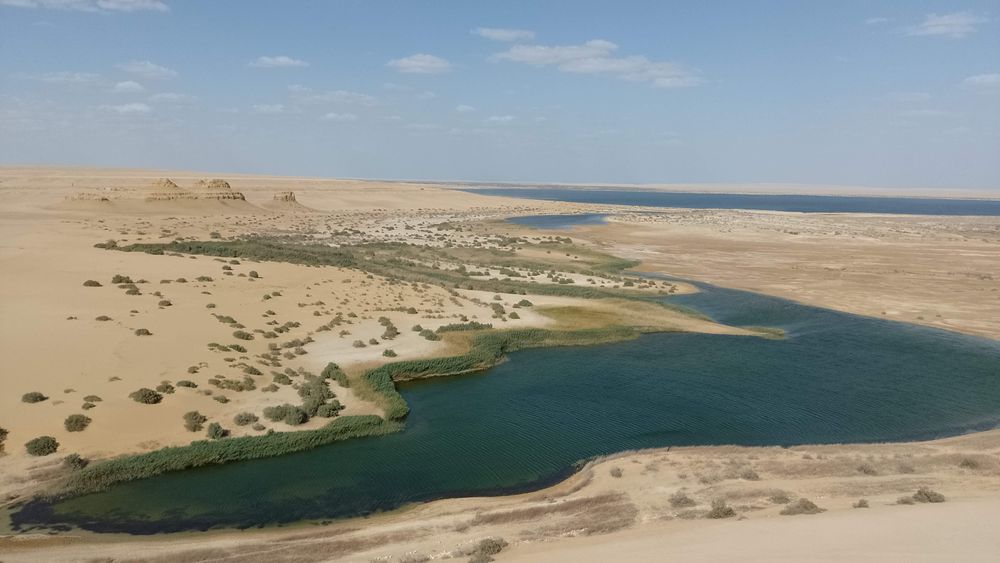
A broad green basin in the Western Desert, watered by a Nile canal and edged by a salt lake that lies 43 metres below sea level, with…
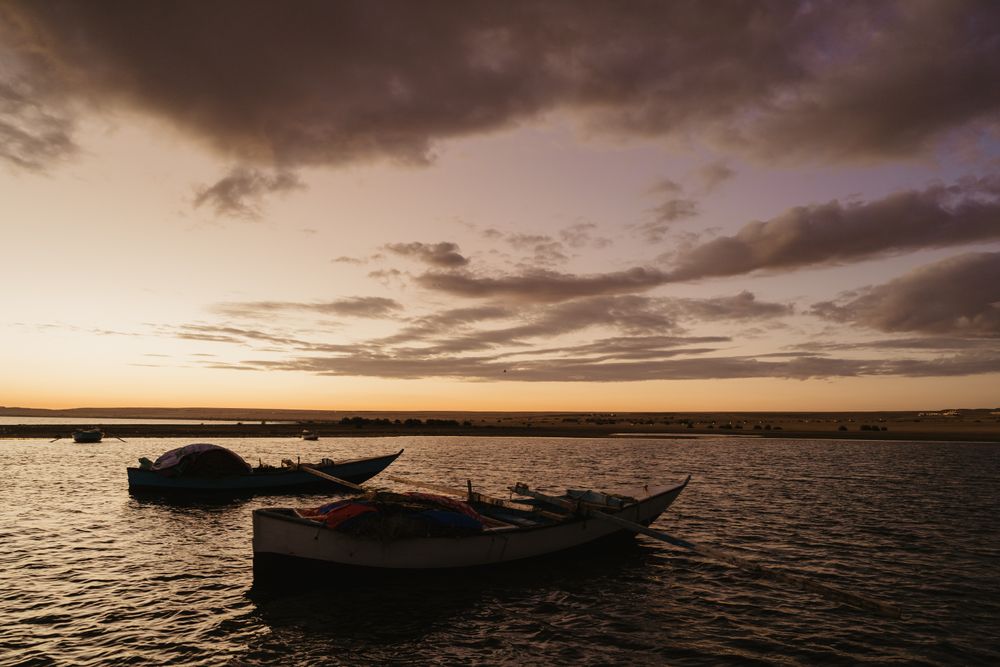
What remains of ancient Lake Moeris is a salty lake of about 200 square kilometres in the Fayoum oasis. It is a protected wetland, and…
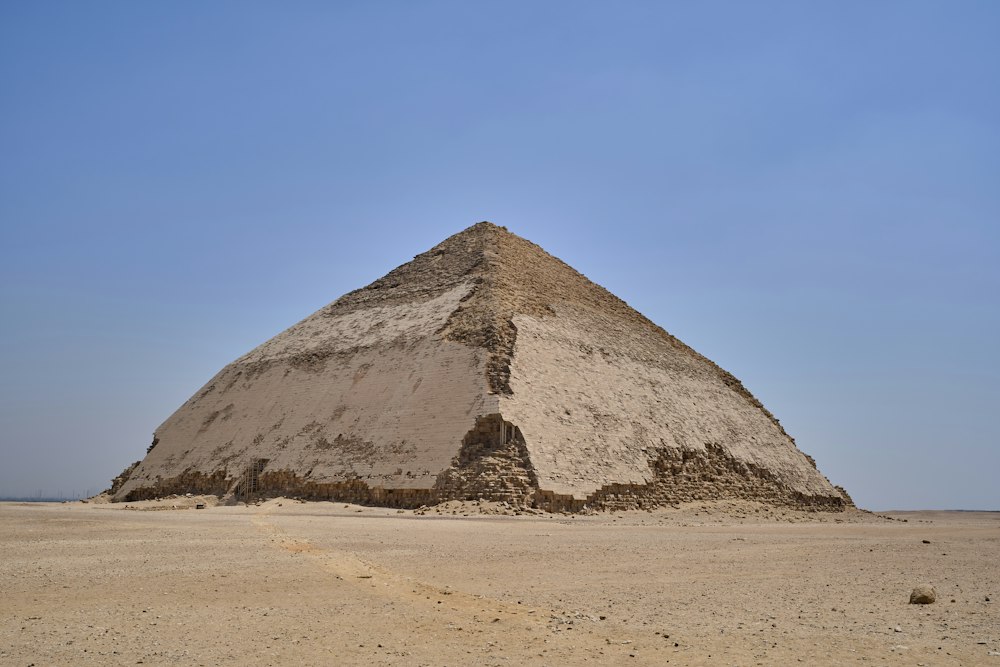
Of the two Dahshur interiors, the Bent Pyramid's long, steep passage is the harder. It was the first attempt at a smooth-sided pyramid.…
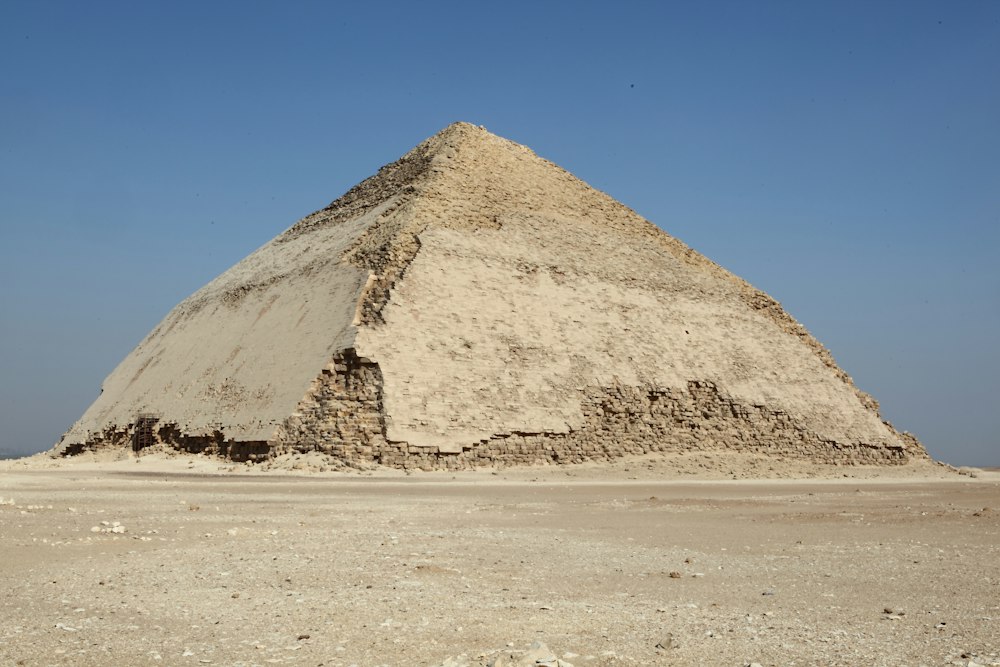
Dahshur's Bent and Red pyramids share one ticketed site south of Giza, a short drive apart, and about two hours covers both with time…
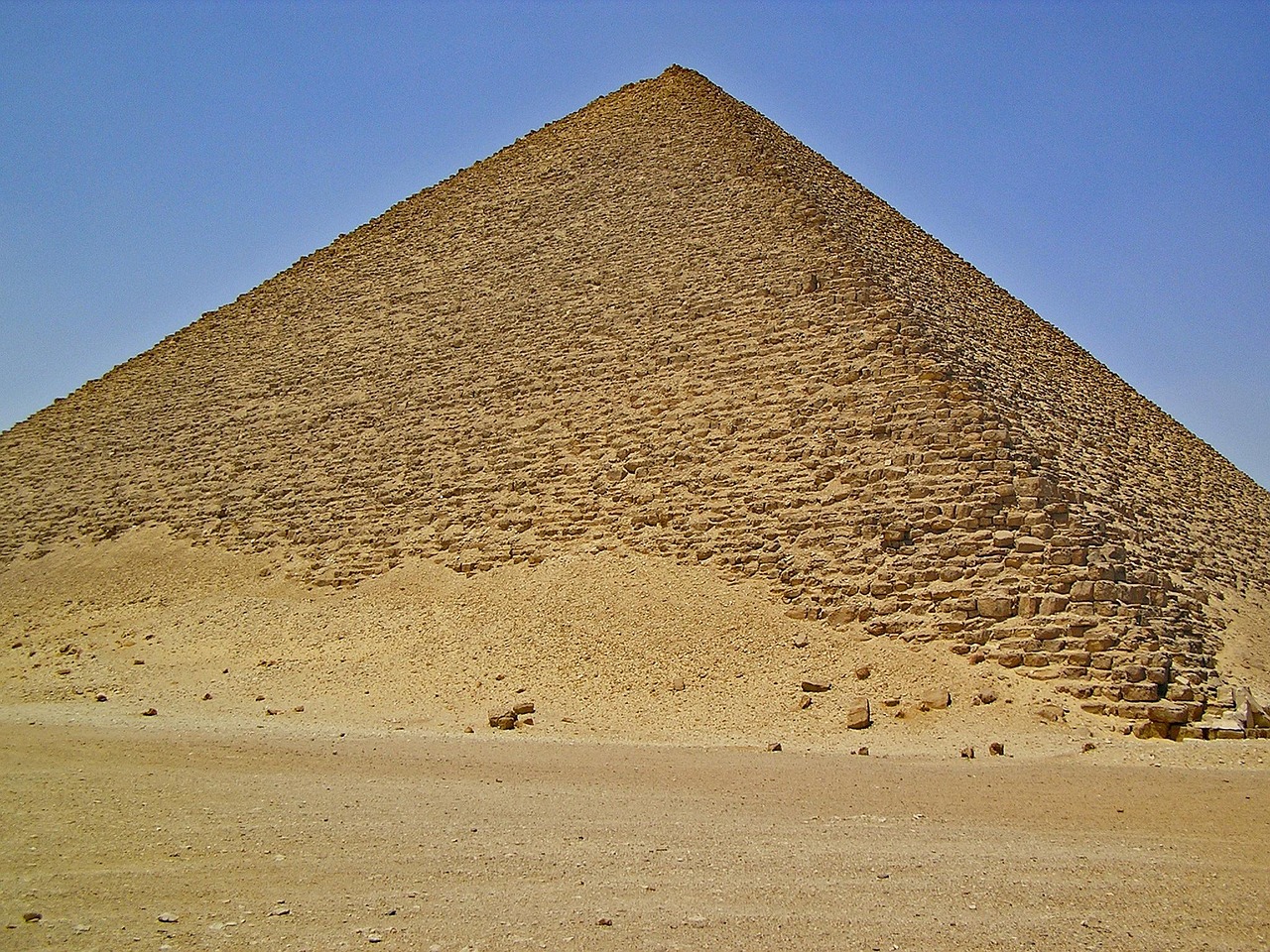
The way into the Red Pyramid is a crouch down a long, low tunnel. The chambers at the bottom are hot, and the passage back up is just as…
Rising from the desert edge some 70 kilometres south of Cairo, this pyramid lost its outer casing in antiquity and now stands as a steep…
Lazib Inn has 21 suites in Tunis Village, the pottery village on the slopes above Lake Qarun in Fayoum, about two hours' drive southwest of…
The Black Pyramid at Dahshur was built for Amenemhat III in the Middle Kingdom. Despite the erosion of its stones, it still stands, in poor…




Save Karanis to your Egypt trip in the Meridian Dispatch app and build the day around it, with the best of Fayoum pinned on one map.
Download on the App StoreLast updated