Before the Great Pyramid was built, its stepped stone ceiling was first tried here. You climb the mound round a three-step tower, then go inside and see it overhead.
Archaeological Site, Fayoum. Meridian Dispatch.
As of November 2026, Meidum opens daily from 08:00 to 17:00, with last entry at 16:00 in summer and winter alike. During Ramadan it opens at 09:00 and last entry is 15:00.
Entry is ticketed, with one rate for foreign visitors and a lower one for Egyptians. Students pay half the adult rate, and children under six go in free. Tickets are also sold on the official ticket site.
Yes. As of November 2026, visitors can enter through the passage on the north side and reach the burial chamber. It is harder work than the larger pyramids at Giza, because the tunnels are tighter and steeper.
Go by private driver or on an organised tour, as public transport is limited and signs are inconsistent. Meidum is about 72 km south of Cairo and the Cairo to Asyut desert highway leads there.
It is thought to be the first of King Sneferu's three main pyramids; the other two, the Bent and Red Pyramids, are at Dahshur. The ceiling technique was used again in the Grand Gallery at Giza.
Yes: the interior can be seen as well as the outside. On a full day from Cairo, it combines with the two Dahshur pyramids, or with stops around the Fayoum oasis.
The shape comes first: a tower in three steps rising out of a huge mound of debris. What you see is most of the pyramid's core, with the outer layers gone.
It began as a step pyramid, and the steps were then filled in to make smooth sides, up to a height of between 92 and 95 metres. The debris lies in layers, which shows that the outside wore away gradually. On the western side, look for limestone casing blocks still in place.
Inside, the burial chamber was never finished. The walls are raw, and timber supports that builders normally removed are still there. Look up at the roof, which is corbelled: the stone courses step inward as they rise.
Against the eastern side is a small limestone chapel where offerings were made. Two tall stelae stand in its courtyard beside an altar, and both were left without an inscription.
The tombs near the pyramid, called mastabas, held members of King Sneferu's court. One of them contained the painting known as the Meidum Geese, which is now in Cairo.
The ministry lists the pyramid under Beni Suef. The site is in the countryside more than 30 km northeast of Fayoum, and a taxi arranged in the city is one way to get there.
At the pyramid, take the staircase up the mound to the doorway on the north side. From there a low passage slopes down through the masonry into the bedrock and levels out into a corridor. You pass two niches, then a vertical shaft about three metres high leads up to the chamber.
Once you are out again, walk round to the chapel on the east.
Mastaba 17, the largest of the tombs, is off the north-east corner. The tombs of Nefermaat and of Rahotep and Nofret are about 1 km to the north.
Pack a torch. There is some lighting inside, but a beam of your own brings out the details.
Wear shoes with a good grip, because the ground round the pyramid is rocky. Carry water and a hat, and expect warm, humid air underground, above all between May and September.
If confined spaces trouble you, stay outside. The three steps, the casing blocks and the chapel can all be seen without going in.
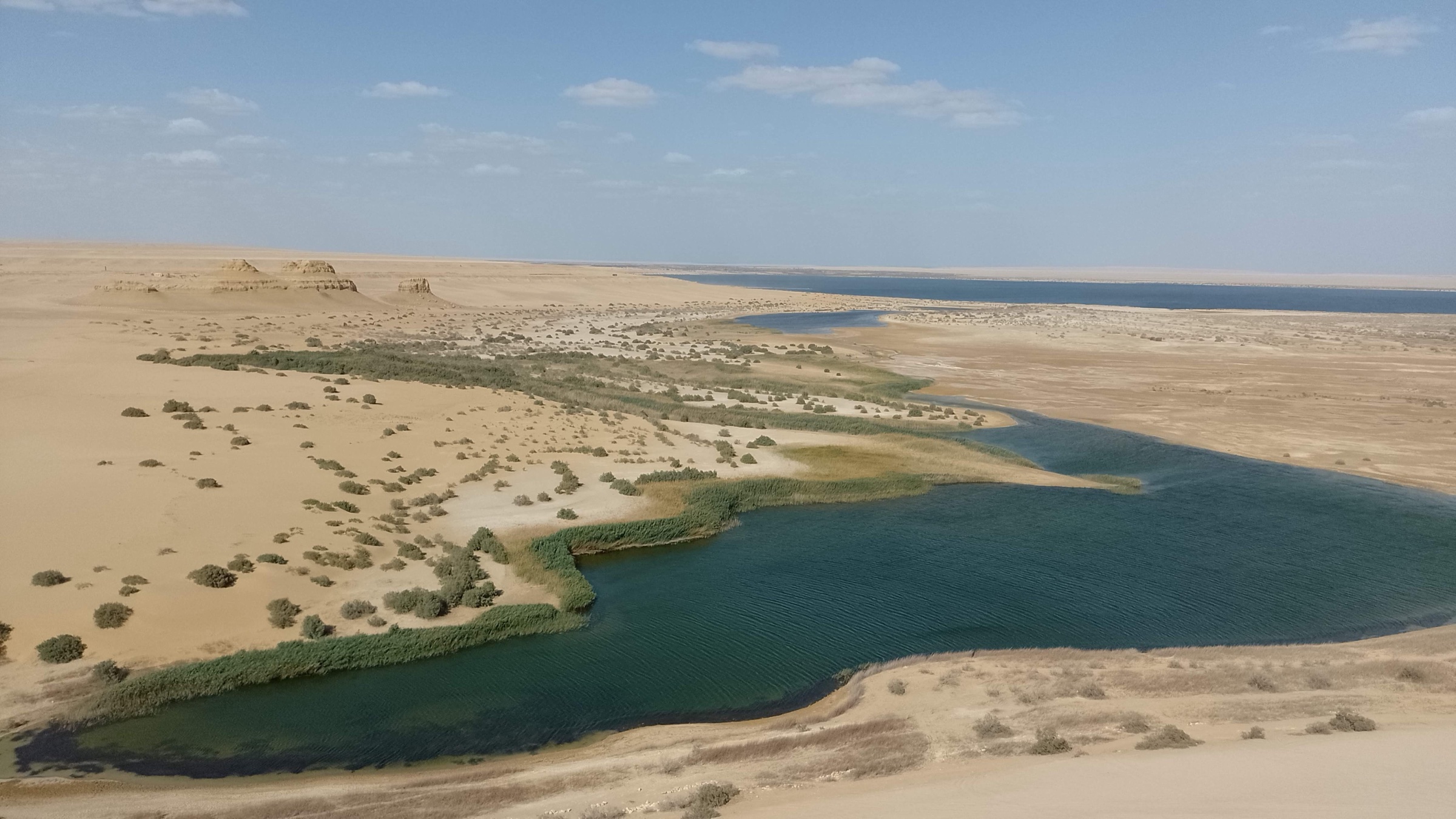
Stay in Tunis Village, above Lake Qarun, and you have pottery workshops and the shore within a walk. The desert beyond has waterfalls, dunes and fossil whales lying in the sand.
Read the Fayoum guideExplore the rest of Fayoum
A broad green basin in the Western Desert, watered by a Nile canal and edged by a salt lake that lies 43 metres below sea level, with…
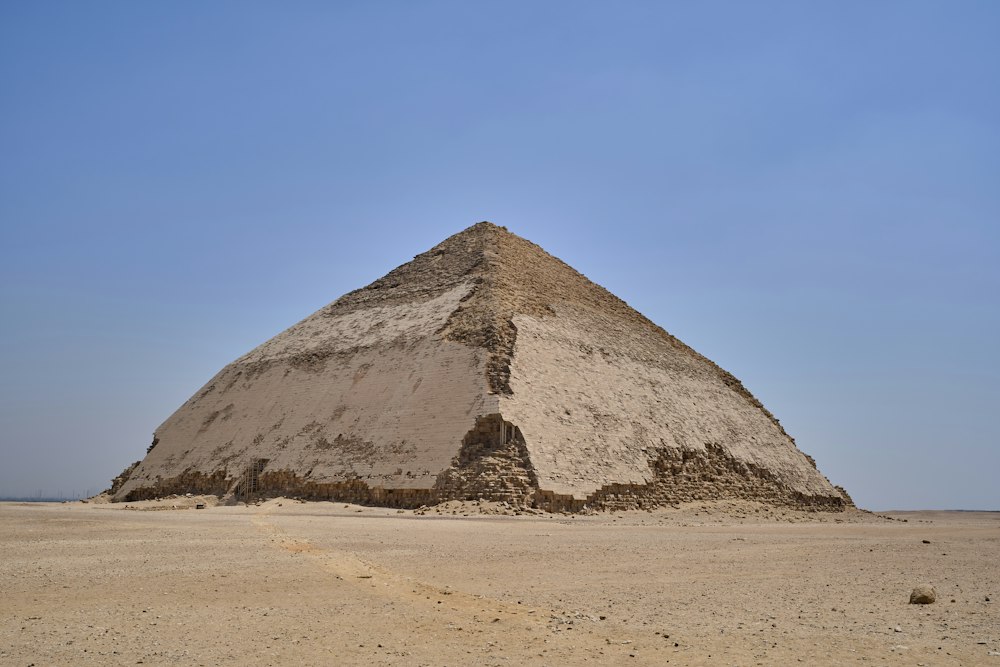
Of the two Dahshur interiors, the Bent Pyramid's long, steep passage is the harder. It was the first attempt at a smooth-sided pyramid.…
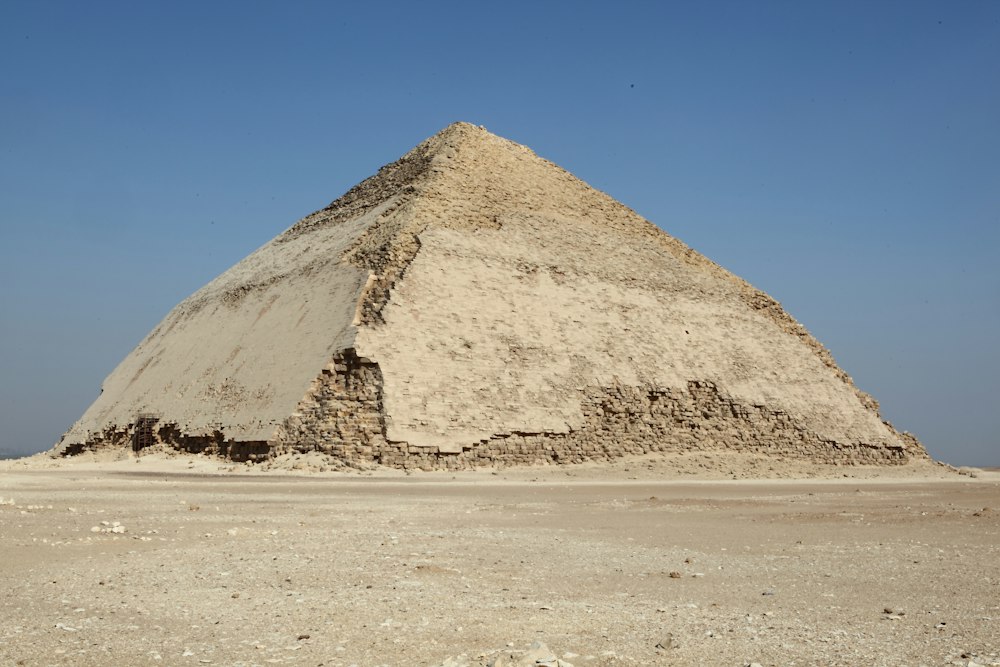
Dahshur's Bent and Red pyramids share one ticketed site south of Giza, a short drive apart, and about two hours covers both with time…
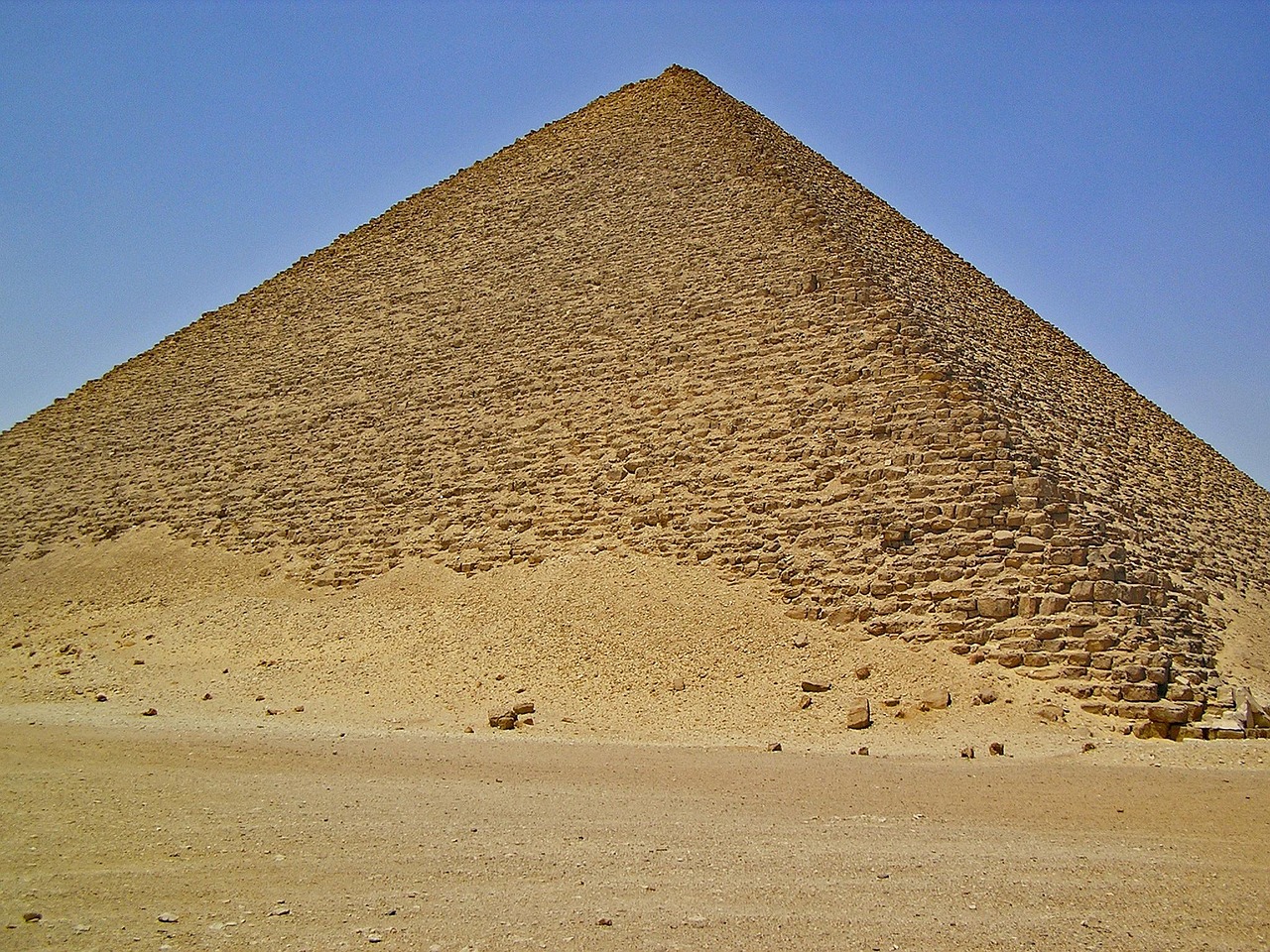
The way into the Red Pyramid is a crouch down a long, low tunnel. The chambers at the bottom are hot, and the passage back up is just as…
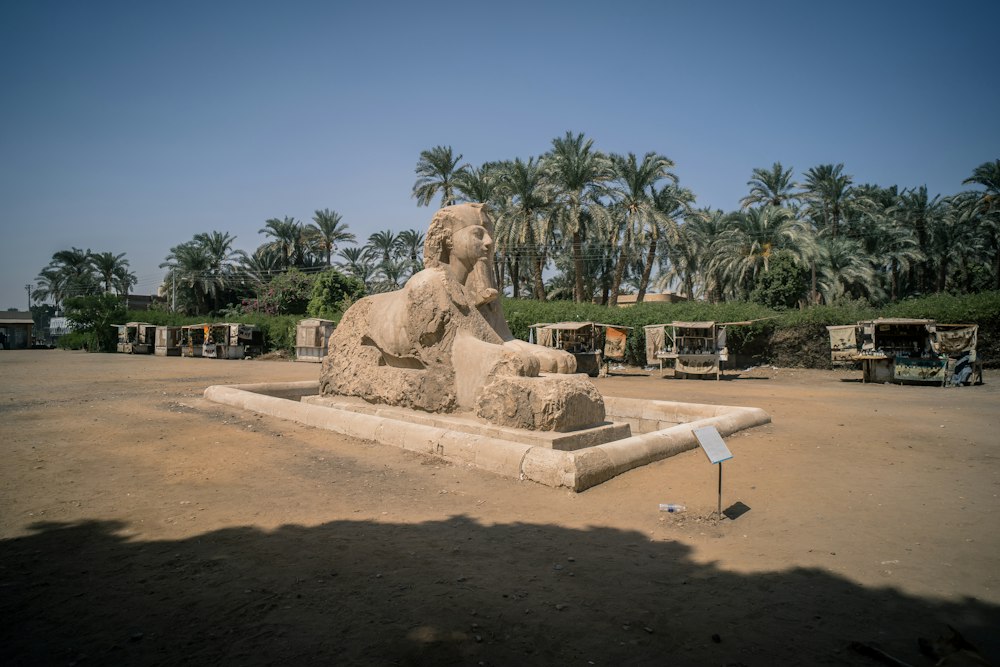
Near Mit Rahina, just south of Giza, the remains of ancient Memphis are shown around a limestone colossus of Ramesses II, about 10 metres…
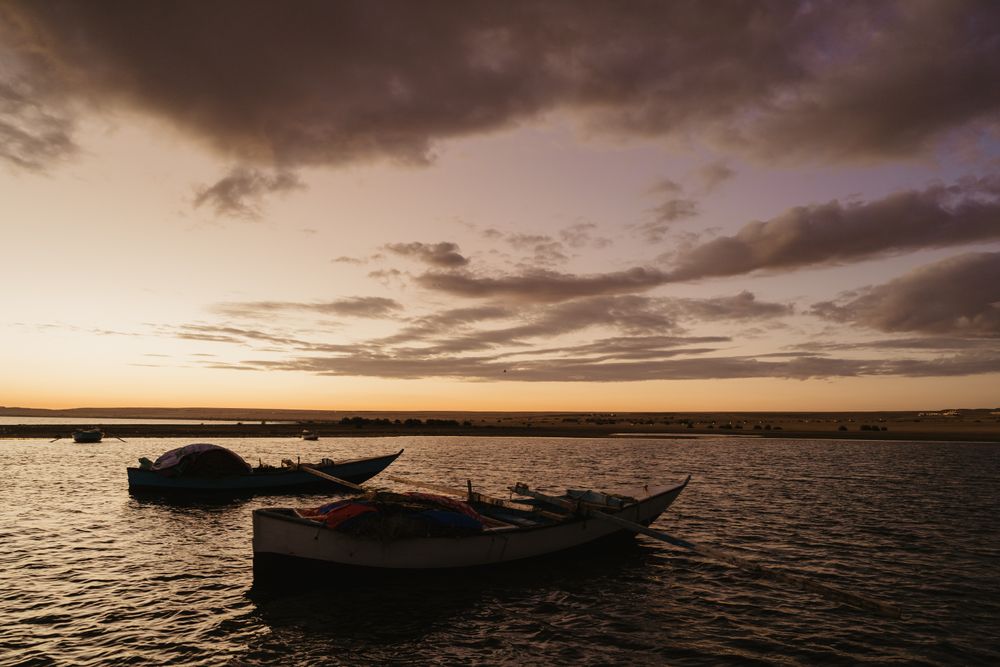
What remains of ancient Lake Moeris is a salty lake of about 200 square kilometres in the Fayoum oasis. It is a protected wetland, and…
Founded under Ptolemy II in the third century BC, this farming town on the northeastern edge of the oasis spread over some 60 hectares of…
The Black Pyramid at Dahshur was built for Amenemhat III in the Middle Kingdom. Despite the erosion of its stones, it still stands, in poor…




Save Meidum Pyramid to your Egypt trip in the Meridian Dispatch app and build the day around it, with the best of Fayoum pinned on one map.
Download on the App StoreLast updated