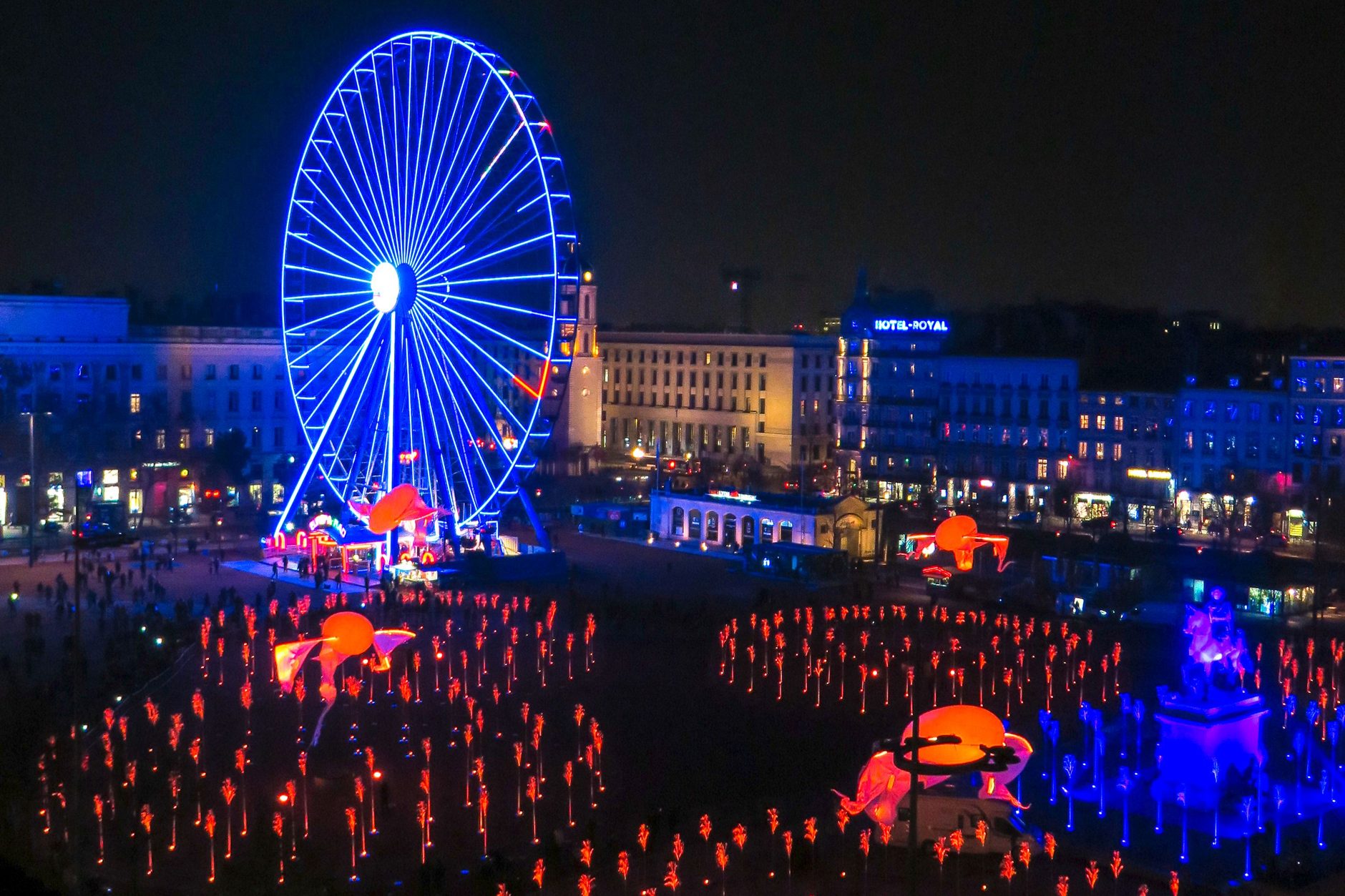
The programme of this year's installations goes online in early November. The sites on this page are the ones the festival returns to year after year.
The Fête des Lumières 2026 runs for four evenings, starting on Saturday the 5th and ending on Tuesday the 8th. The night that matters most is Tuesday 8 December, the traditional date and the last of the four. Every edition keeps to the same pattern, four evenings around 8 December.
As of 2026, the installations run from 7pm to 11pm on Saturday 5, Monday 7 and Tuesday 8 December. Sunday 6 December is the exception, an hour earlier at 6pm to 10pm. The headline projections repeat through the evening, so a later arrival still catches every show.
Yes, entirely. The festival charges no admission and sells no tickets, so every installation on the route is open to walk up to. The things worth booking are a hotel, ideally by summer, and dinner on the Presqu'île, where tables fill on festival nights.
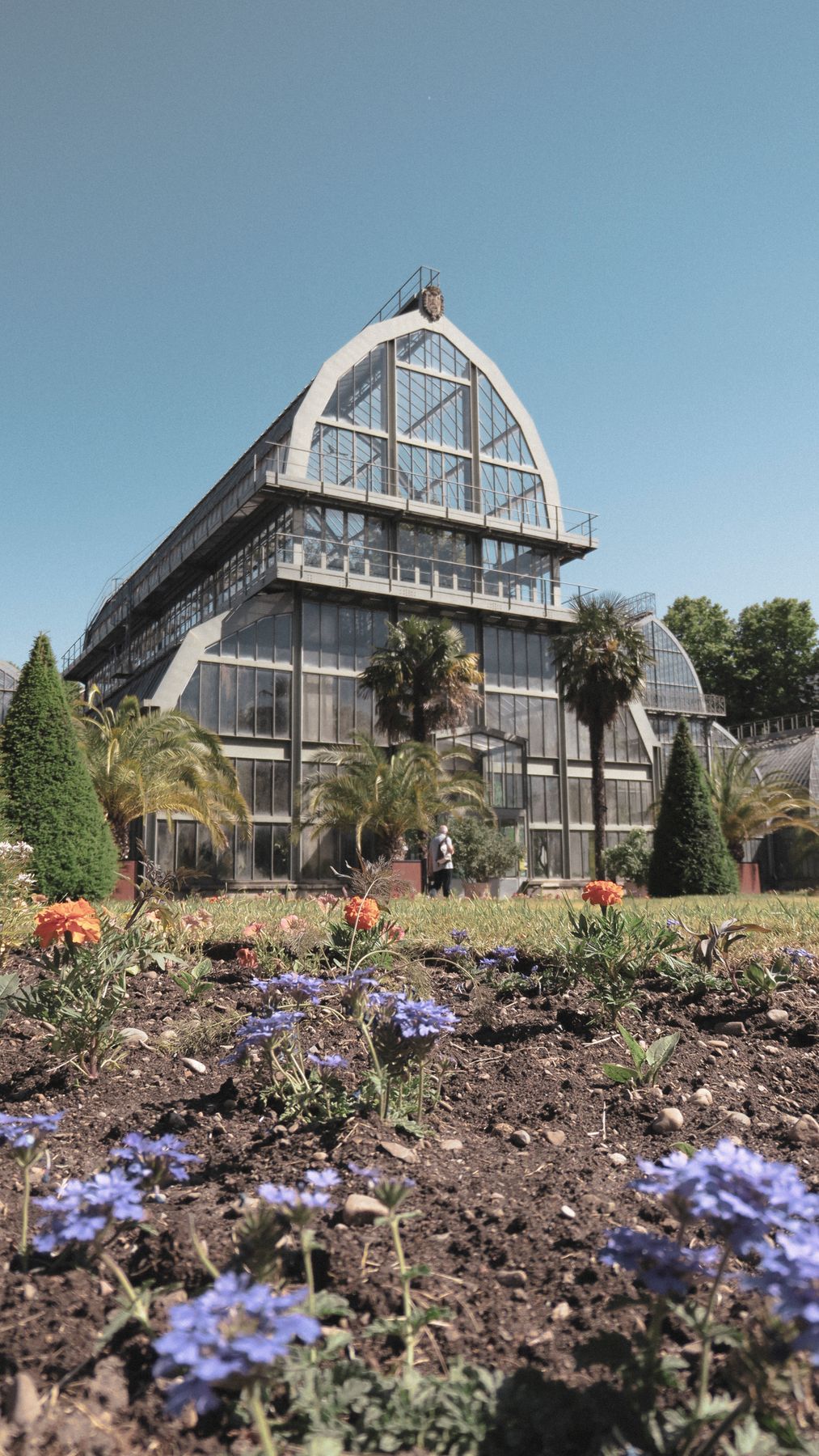
Mostly in the city centre: the Presqu'île between the Rhône and the Saône, and Vieux Lyon across the river. The whole area becomes a pedestrian zone with about forty entry points, and cars, motorbikes, bicycles and electric scooters are banned inside it. Larger pieces usually reach up to Fourvière hill and out to the city's big park, the Tête d'Or.
On the festival's official website, where the digital programme for each edition goes online in early November. A paper version follows at the end of November, handed out at information points around the city. The 2025 programme included Lumina, a projection on Saint-Jean Cathedral.
Only on the last night. As of 2026, travel is free after 4pm on 8 December in zones 1 and 2, and the metro, trams and some bus lines run more often on all four evenings. Bellecour station is the one to use, since Vieux Lyon station jams, and metro line A to Masséna serves the large park north of the centre.
On the outskirts of Lyon, then onward by metro or tram, which is what the organisers recommend. The centre is closed to cars, and only a handful of car parks stay open, among them LPA Berthelot and LPA Cordeliers. Vehicles are let out only about an hour and a half after the illuminations end, when traffic reopens.
Monday 7 December, a weeknight with far more room at the big shows than the weekend. Saturday's opening night draws the densest crowd of the four, and the festival as a whole brings some 2 million visitors into the streets. At the Place des Terreaux, the crush thins after half past ten.
Yes, and Sunday 6 December suits them best, since it opens and closes an hour earlier, from 6pm to 10pm. The city plans adapted hours and dedicated discovery routes for families. The Place Bellecour is the place to start, where the installations are often made to be walked through and joined in.
Yes. Reception points for disabled visitors are staffed on all four evenings at Bellecour, at Louis Pradel square and at the park gate called Porte des Enfants du Rhône. Holders of the French Mobility Inclusion Card get a skip-the-line lane, a dedicated entrance and parking for reduced mobility.
Lumignons are candles in coloured glasses that Lyon residents set on their windowsills on the night of 8 December. Each year the Lumignons du Coeur are sold for a charity, and buyers can light a window with one or add it to a shared installation on the Place Bellecour.
It is a four-night festival of light art that grew out of a religious custom. On 8 December 1852, when bad weather spoiled the celebrations for a gilded statue of the Virgin Mary at Fourvière, the people of Lyon set lit lamps on their windowsills and balconies. The candles became a yearly tradition, and around thirty installations now fill the city each edition.
For four nights in December you can walk across Lyon from one lit facade to the next, with no ticket to buy and no traffic in the streets. Book your hotel by summer: central rooms are often gone by July or August.
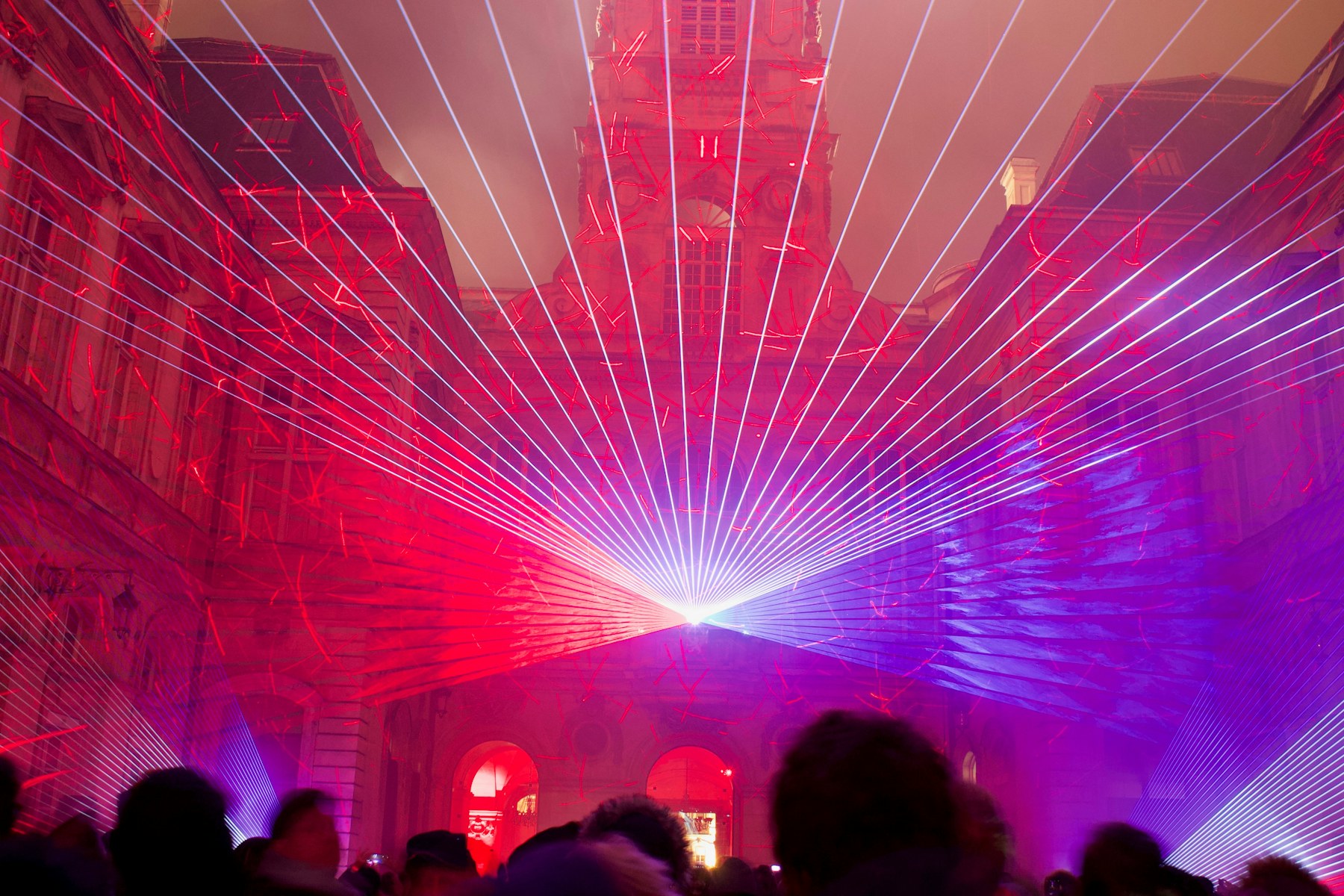
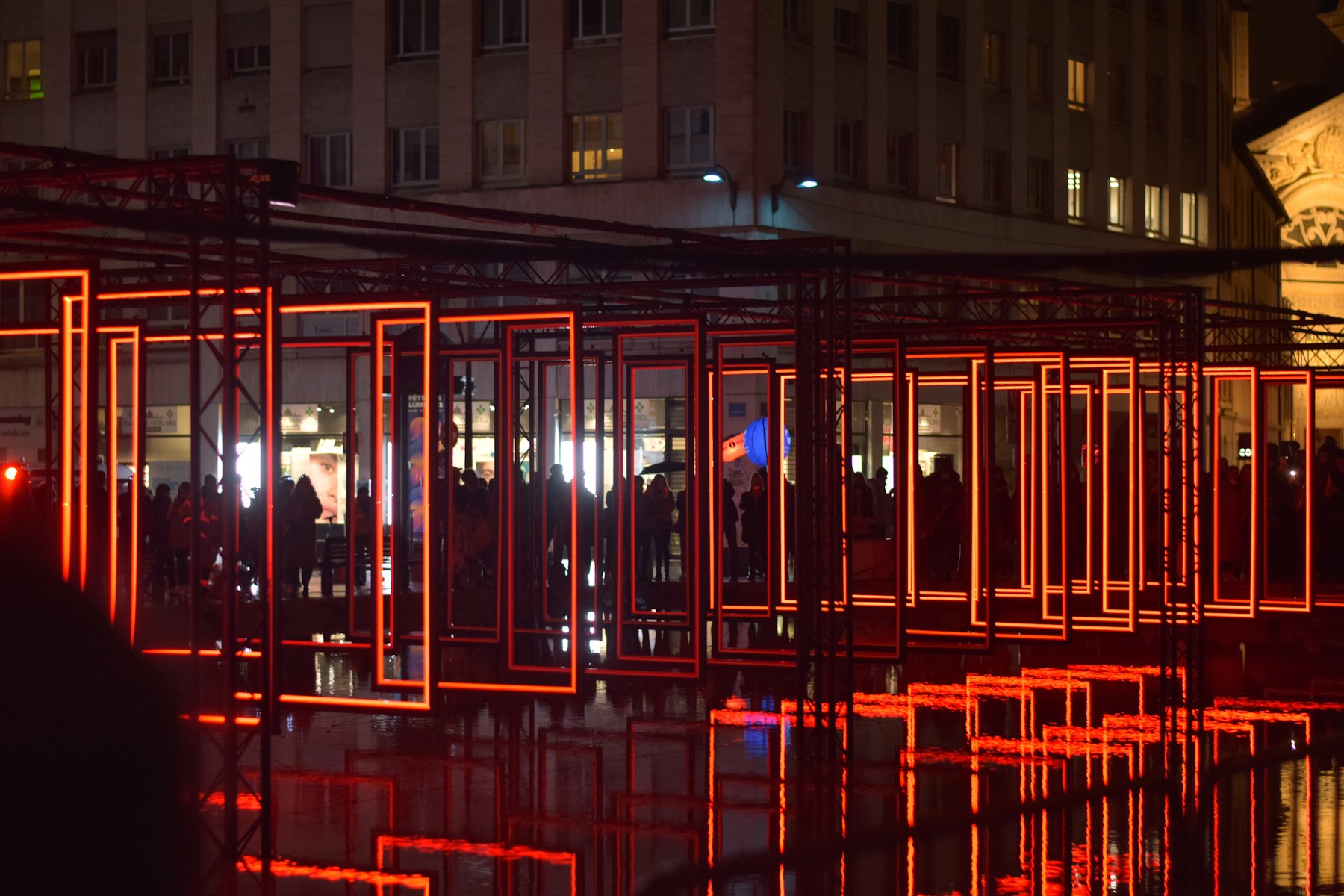
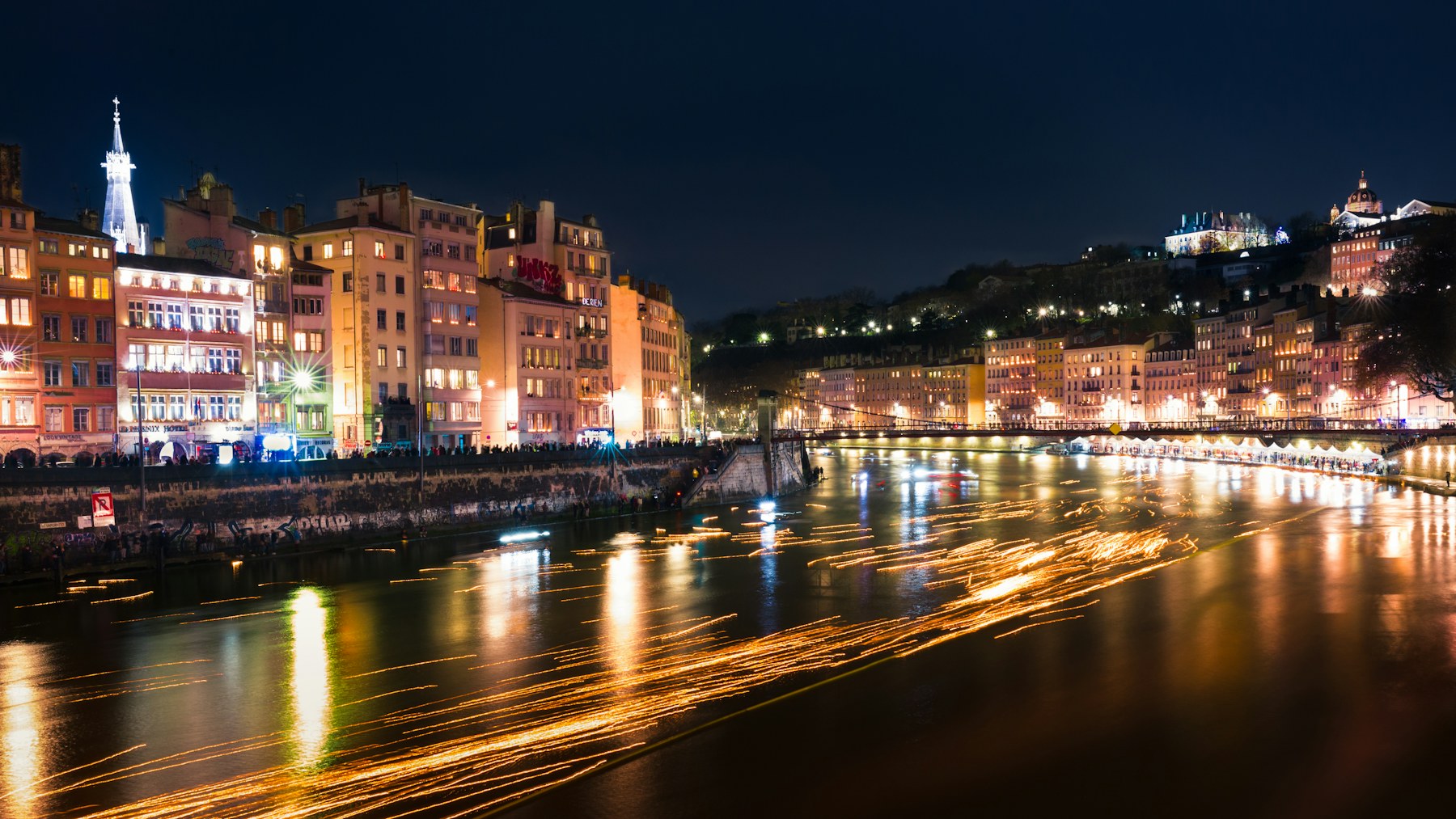
Five stops in the order that keeps you out of the worst of the crush: up the hill by funicular, down through the old town, across the Saône, and Terreaux last. Tap a stop.
6 to 7 km on foot · 3 to 3.5 hours · Sunday an hour earlier
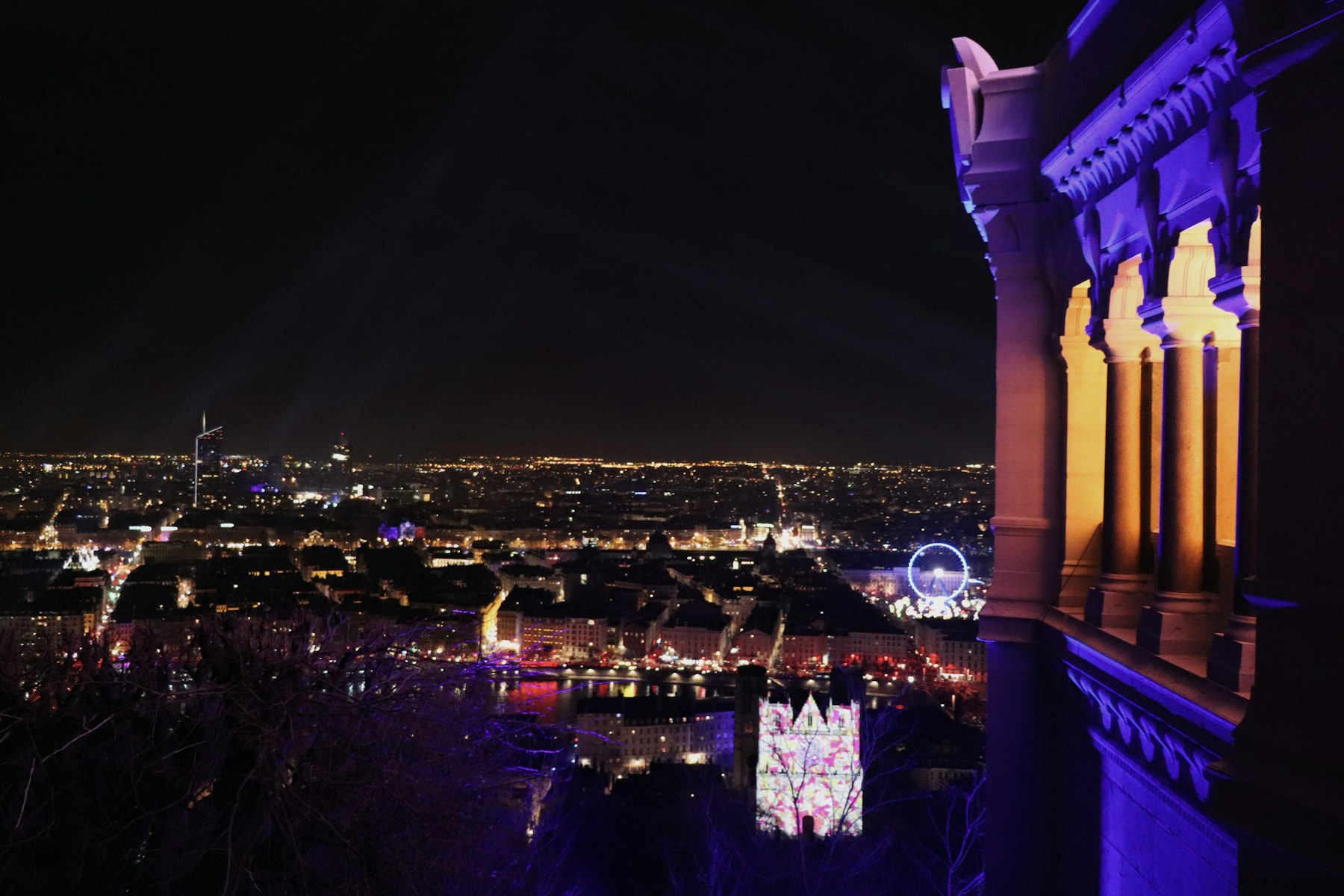
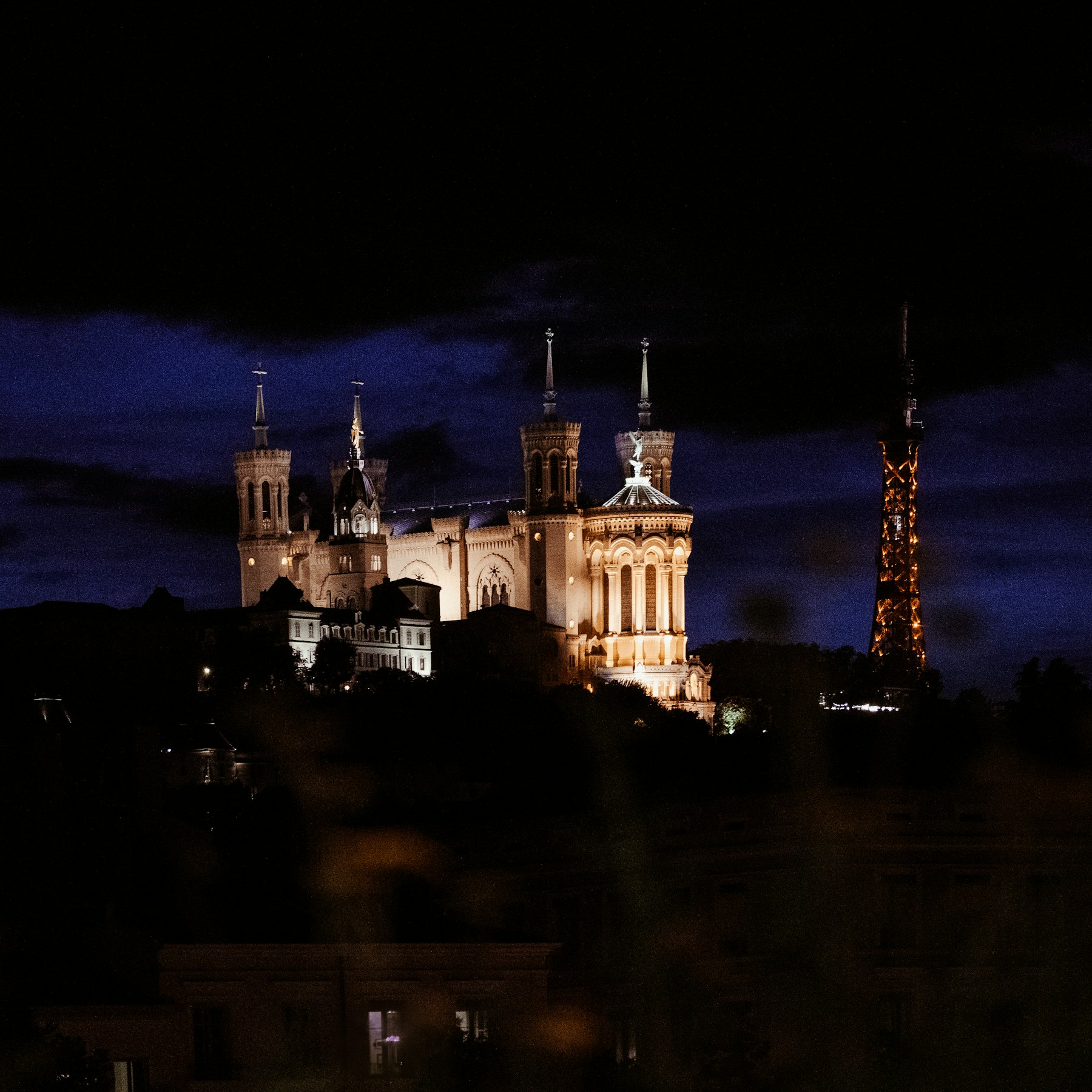
Ride the funicular up from Vieux Lyon and be on the esplanade early, in place before the basilica's show begins. From the terrace you see the lights of the whole city below.
Getting upFunicular F2 from Vieux Lyon station. Walk down, never up: the climb is steep and slow in a crowd.
Saturday draws the densest crowd of the four nights by a distance, so skip it if you have the choice. If it is your only night, walk the route above in its order and be at Fourvière from the start.
Eat before you set out. Many Lyon families eat couscous on festival nights and the couscous restaurants are full by seven, so book a table, or cross the Rhône to the 3rd, 6th or 7th arrondissement, where the streets are calmer.
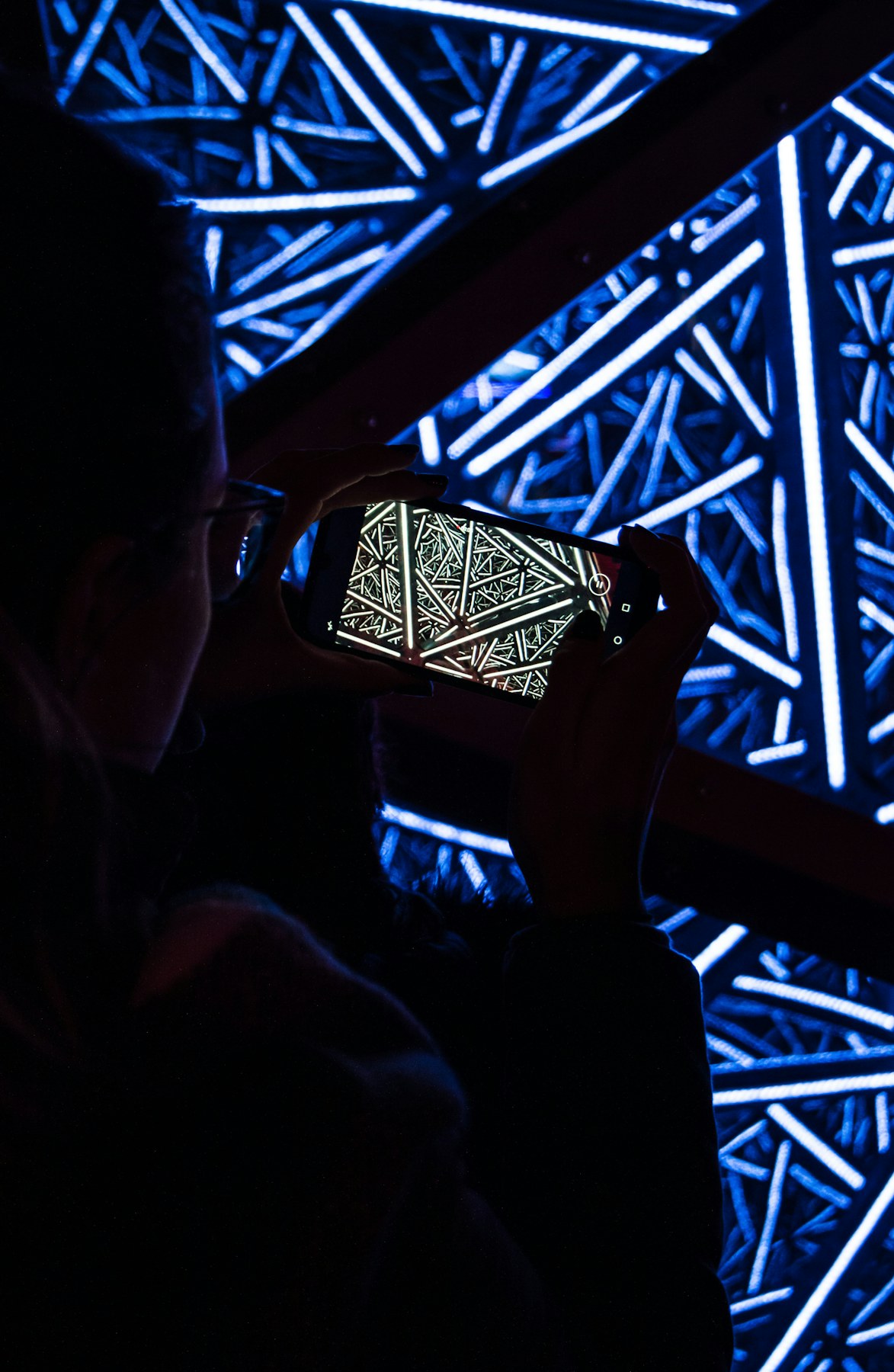
Sunday opens and closes an hour earlier than the other nights, and it is usually the quietest of the weekend. Bring children tonight.
Start them at Place Bellecour as the lights come on, where the installations are often built to be walked through and joined in. Then go on to Place Saint-Jean for the projection on the cathedral, which draws a calmer crowd than the Presqu'île.
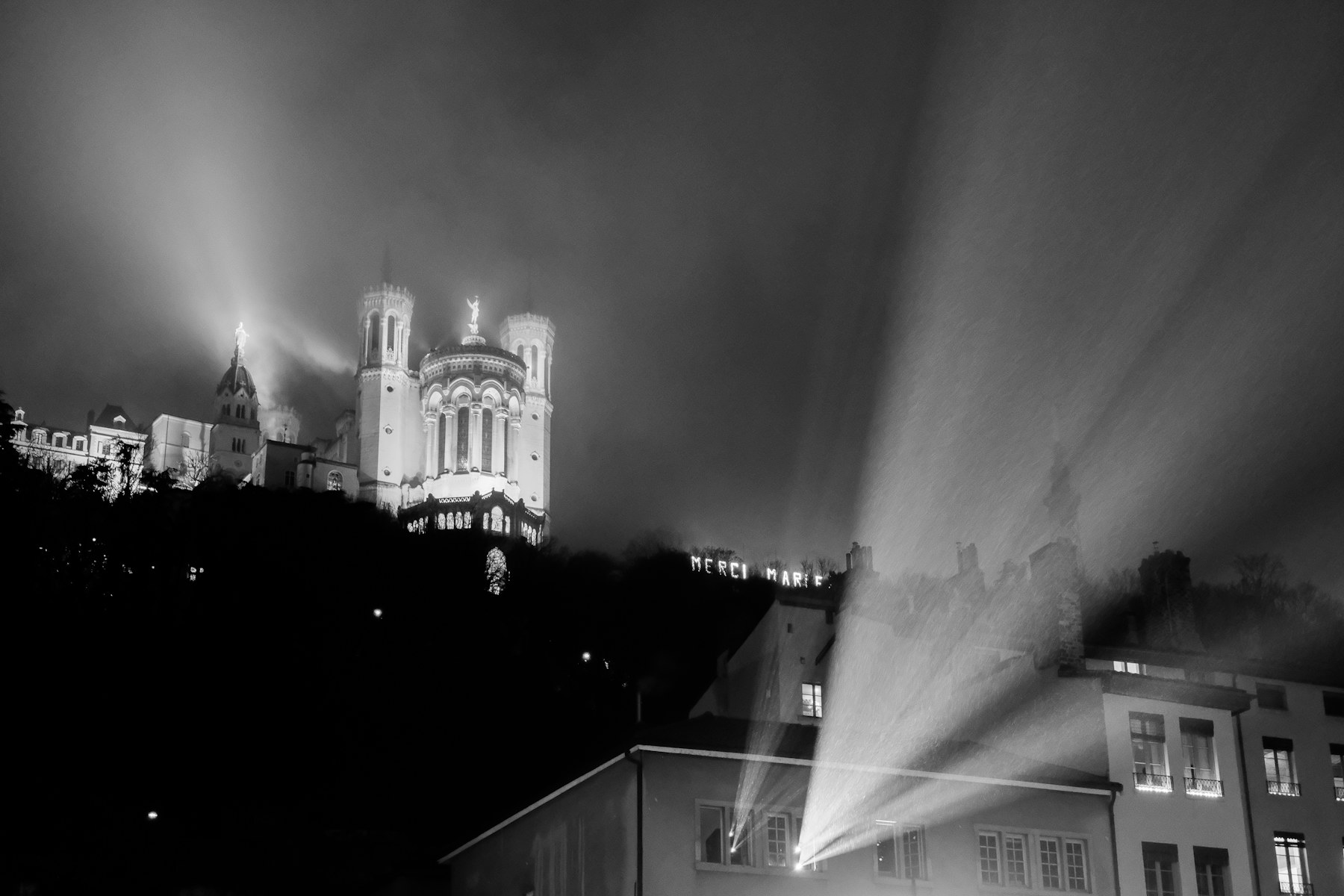
A weeknight, with more room at the big projections than at any time over the weekend. Walk the whole route tonight, Fourvière first and Terreaux after half past ten.
With a second night, give it to the edges of the festival. On the Croix-Rousse hill the pieces are more experimental, made by local artists and collectives, and Confluence, at the southern tip of the Presqu'île, is the least crowded quarter of the festival.
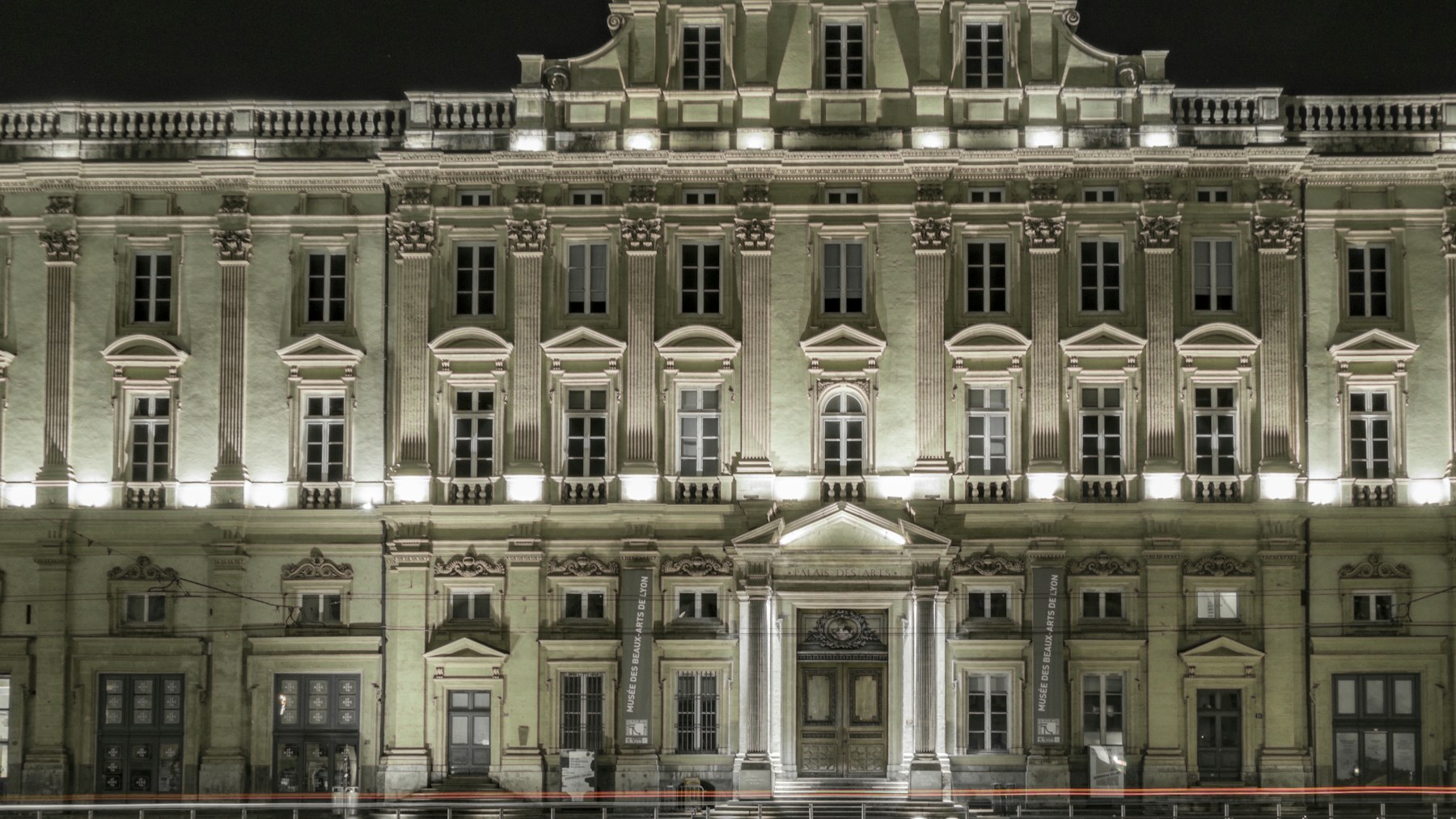
The eighth is the traditional night and the last of the four. At nightfall residents set lumignons, candles in coloured glasses, on their windowsills, so look up at the windows of the old town as well as at the facades.
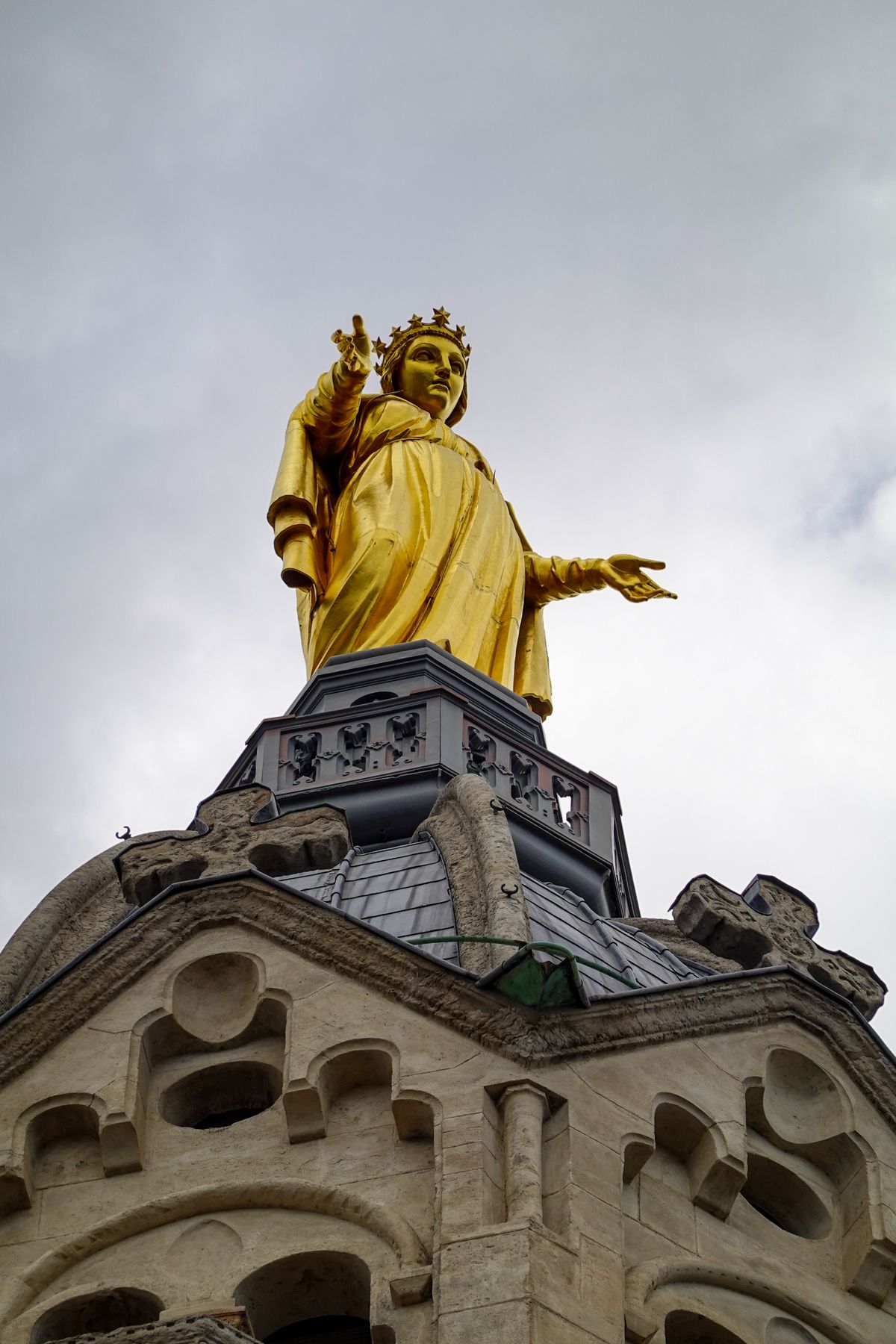
The custom began on 8 December 1852, when a gilded Virgin was unveiled on the chapel at Fourvière. Bad weather called off the fireworks, and the Lyonnais put lamps in their windows instead.
A procession walks from the cathedral of Saint-Jean up to Fourvière on the eighth. On the Place Bellecour you can buy a lumignon for this year's charity and add it to the shared installation there, or carry it back to your own window.
Go on foot, dress for hours in the damp cold, and agree a meeting point before you set off.
The centre becomes a pedestrian zone with about forty entry points, and cars, bikes and scooters stay outside it. Some streets run one way for walkers, so the way back to your hotel may not be the way you came.
Glass and takeaway alcohol are banned inside the zone. Phone networks can jam in the crowd, so charge your phone, carry some cash for stalls that take no cards, and fix a place to meet.
Evenings run at 4 to 8°C and often damp, and the festival goes ahead in rain. With a French Mobility Inclusion Card you get dedicated entrances and a fast lane, and staff in green vests wait on the Place Bellecour.
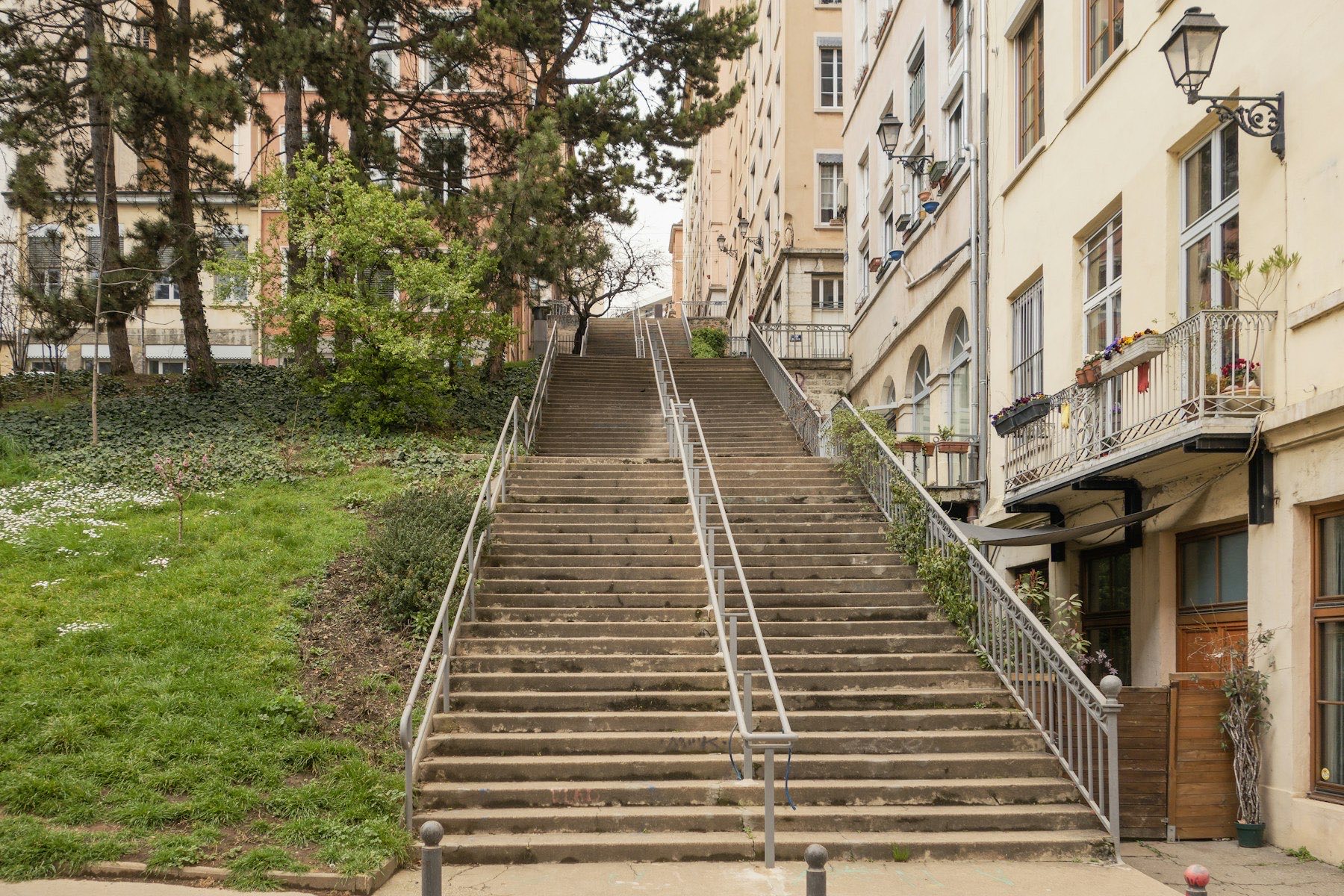
The centre is quiet in the mornings, and it is the time to see what the lights were thrown on. Walk the traboules of Vieux Lyon, and go up to Fourvière for the mosaics and the crypt inside the basilica.
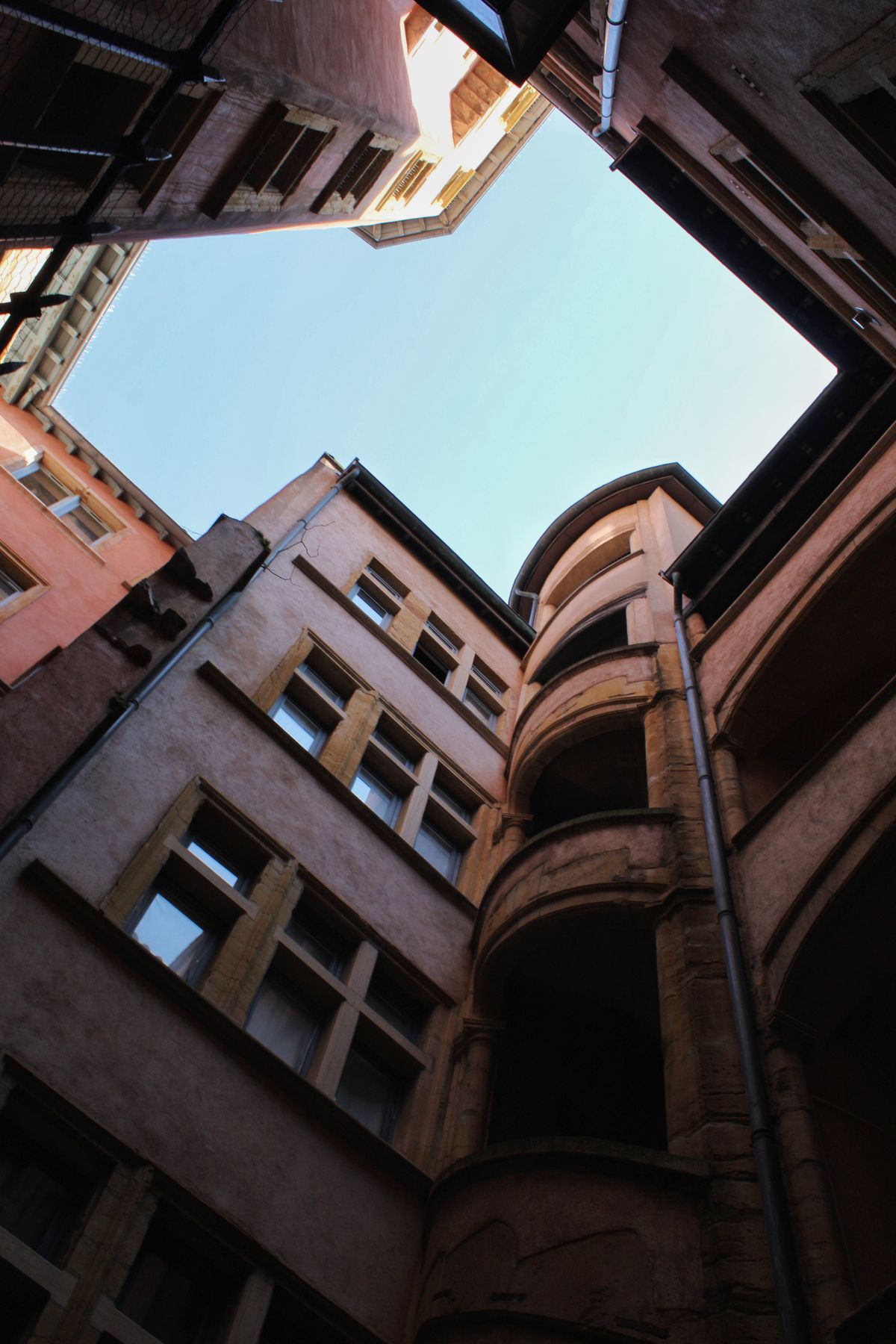
Renaissance houses along the Saône, and the traboules that cut through them from street to street.
Open Vieux Lyon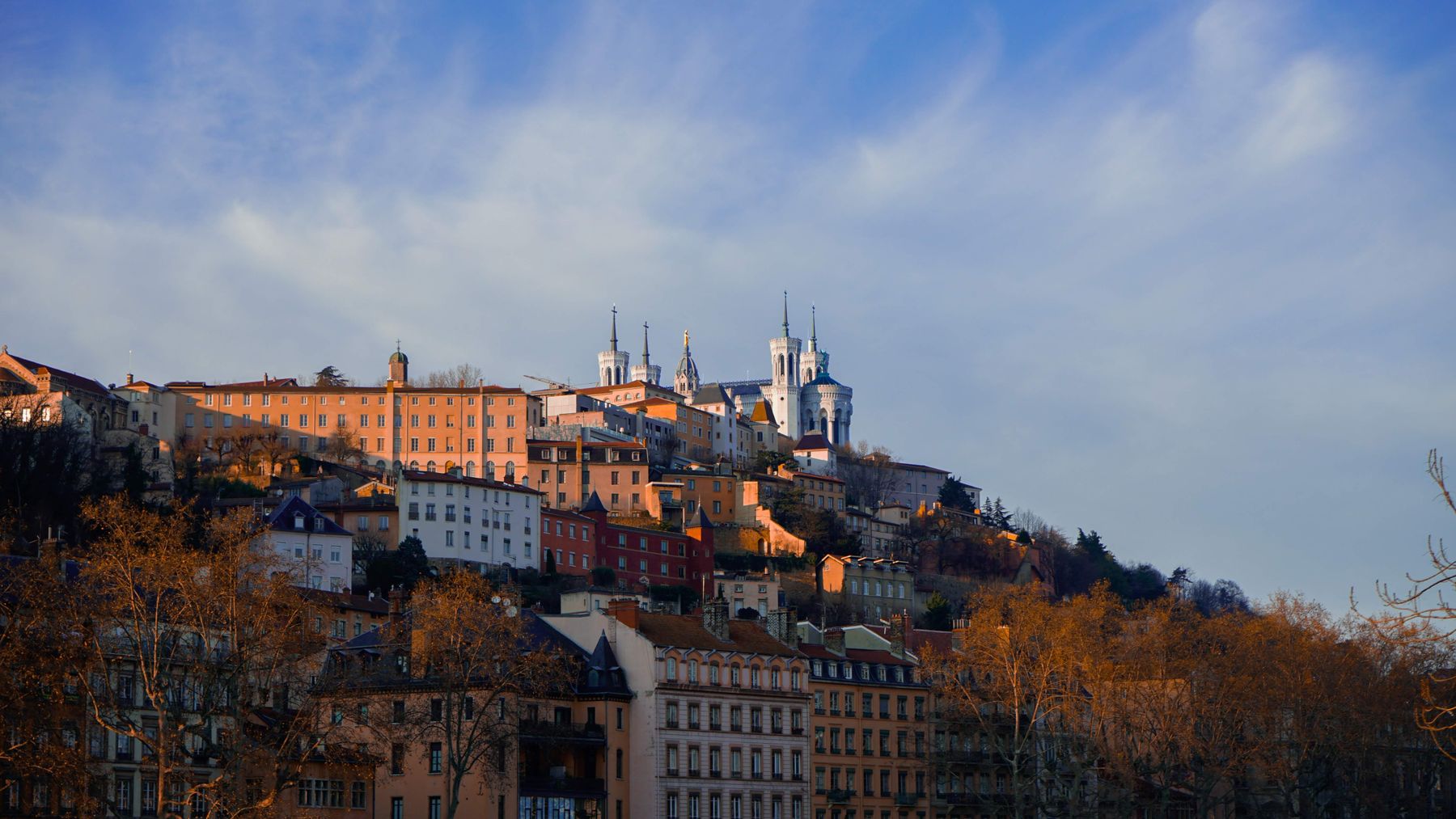
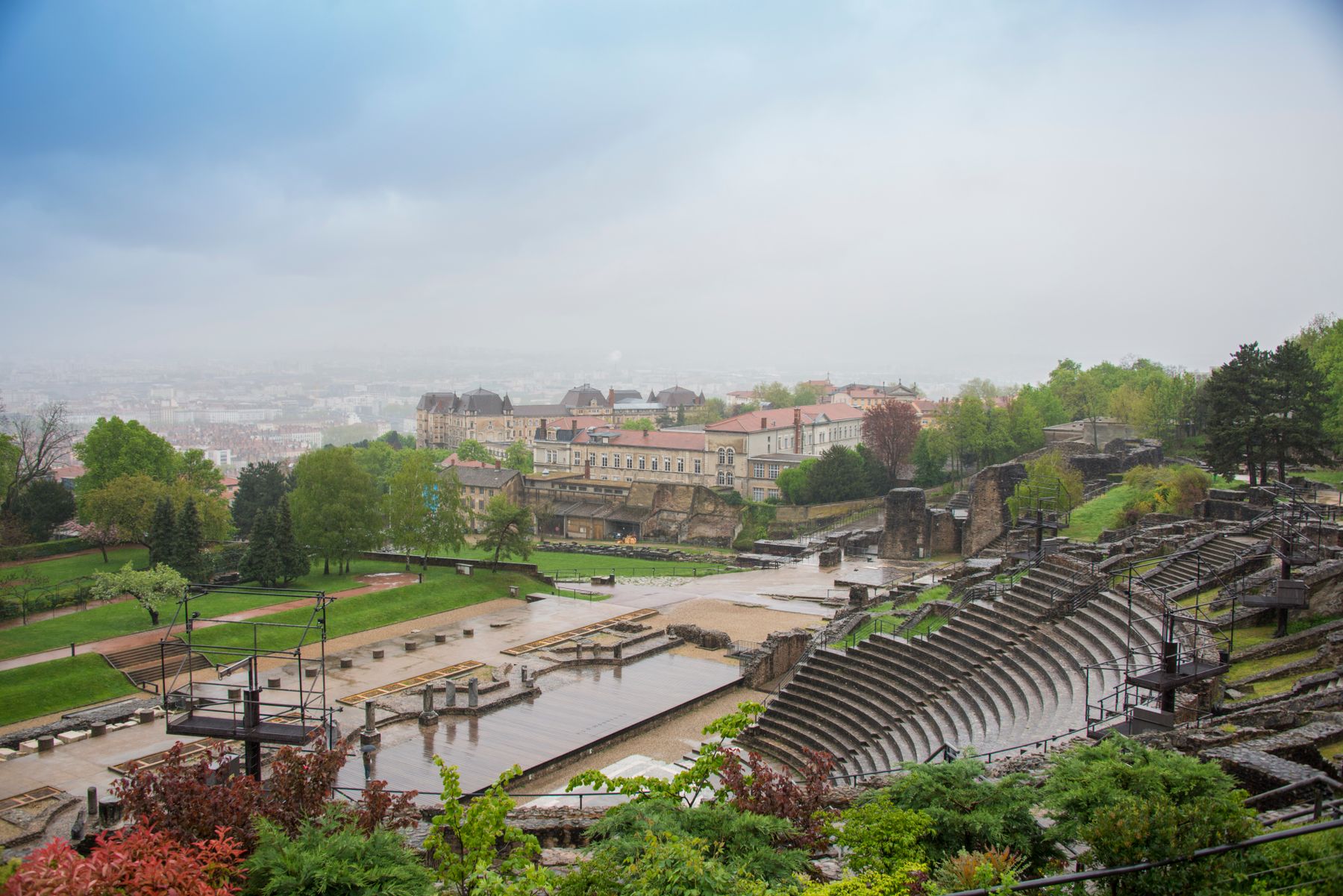
Stay on the Presqu'île or in Vieux Lyon and walk home after the last show. Book by summer; if the centre is full, the 3rd and 6th arrondissements are under ten minutes by metro. Our pick is Villa Maïa on the Fourvière hill, beside the Roman theatres, with a Michelin Key.
Open the Lyon guideThree days of Lyon at its normal pace, then every night of the festival, all from one hotel in the old town.
Lyon by day, between the nights.
The official pages this guide was checked against.
Last updated