 Submit a photo
Ninety seconds on Lugdunum
As of October 2026, the museum opens from 11am to 6pm Tuesday to Friday, and from 10am to 6pm on Saturday and Sunday. It is closed on Mondays, and on 1 January, 1 May and 25 December.
Yes. The theatres are open access, so walking the tiers needs no ticket on any day the site is open. Only the museum beside them charges for entry.
The F1 funicular from Vieux Lyon station, heading for Saint-Just, stops at Minimes, which serves the museum. The F2 funicular towards Fourvière leaves from the same station and is the other way up the hill.
One and a half to two hours covers the museum properly. A walk round the Roman theatres alongside comes on top of that for anyone who wants to see both sites.
Yes. On the first Sunday of every month, entry to the museum is free for all visitors. On every other day of the month, admission to the museum is ticketed.
Tickets are bought at the museum reception desk, which accepts only cash and cheques. The same desk handles purchases from the gift shop, on the same terms.
Through two big windows in this concrete museum you look straight onto the Roman theatres, so the collection and the ruins outside make one visit to Fourvière hill.
From the street there is little to see. The architect Bernard Zehrfuss buried the building in the slope so that it would fit into the setting of the Roman theatres beside it, and its concrete frame disappears under the vegetation.
Inside, the concrete itself is the first thing you notice, finished with care on every surface. There are no conventional rooms. The galleries open off one long spiral ramp, and two large windows bring in daylight and put the theatres on show as part of the exhibition.
The piece to find is the Lyon Tablet, the bronze that carries the speech of the emperor Claudius, born in this city. It was broken into four pieces, and only two of them are known.
Look down at the floors as well. The so-called Swastika Mosaic, a geometric pavement, is one you are allowed to walk across. The circus mosaic shows four chariots racing round an oval track, with dignitaries in the stands and servants waiting to crown the winner.
Among the displays on gods and cults, look for the Gallic calendar. It is one of the longest documents in the Celtic language that still exist.
The museum has two street entrances, at 17 rue Cléberg and 6 rue de l'Antiquaille. Once you are through the security check, follow the route down through the exhibition levels. Temporary exhibitions are covered by the same ticket, so take them in as you reach them.
On the way down, the galleries cover every side of public and private life in a Roman imperial capital.
When you come out, walk across to the Théâtre antique de Lyon next door, which you will already have seen from inside the museum.
If you cycle up, the Velo'v station called Roman Theaters, number 5050, is beside the site. Drivers can use the parking garage on Rue Roger Radisson, close to the museum.
With children, look out for the hands-on displays along the route. They let you dress like a Roman, try ancient games and find out which gods the city worshipped and what its people ate.
Explore the rest of Lyon
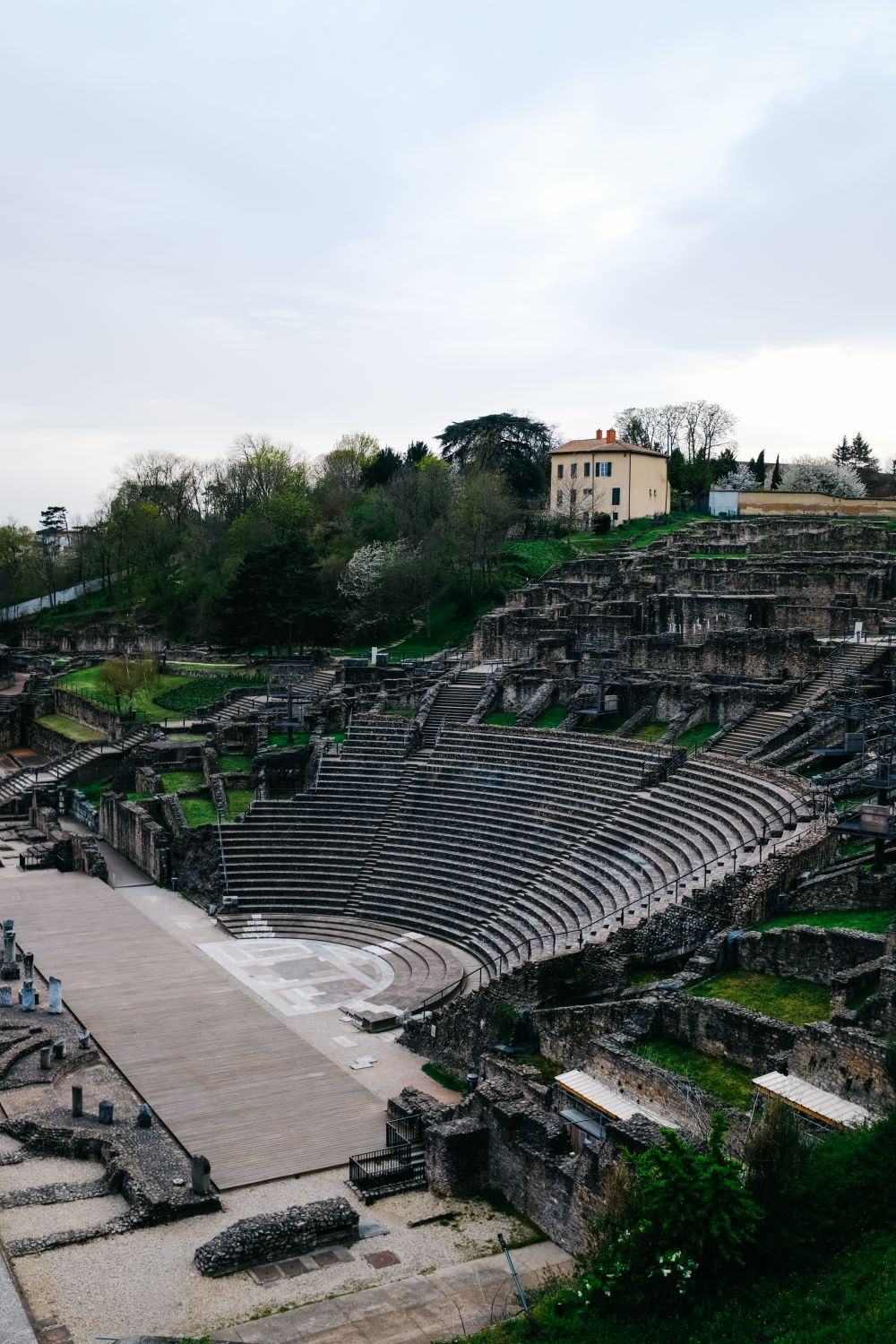
Built against the Fourvière hillside around 15 BC and later enlarged to hold 10,000, this is the oldest theatre of Roman Gaul, and every…
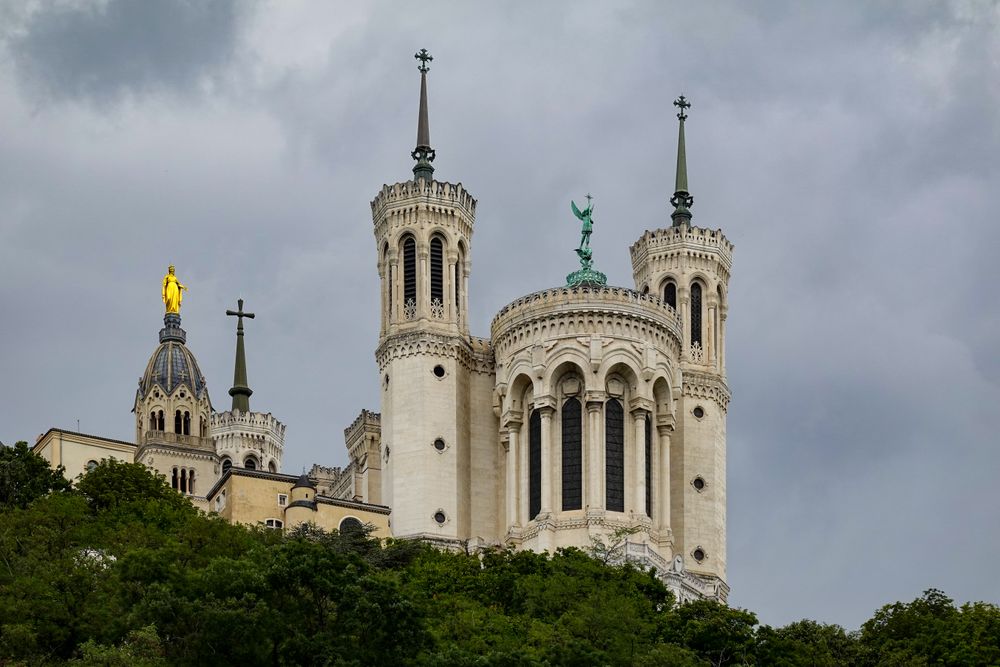
White stone on the hill above Vieux Lyon, built as two churches stacked one on the other. The upper church carries six large mosaics along…
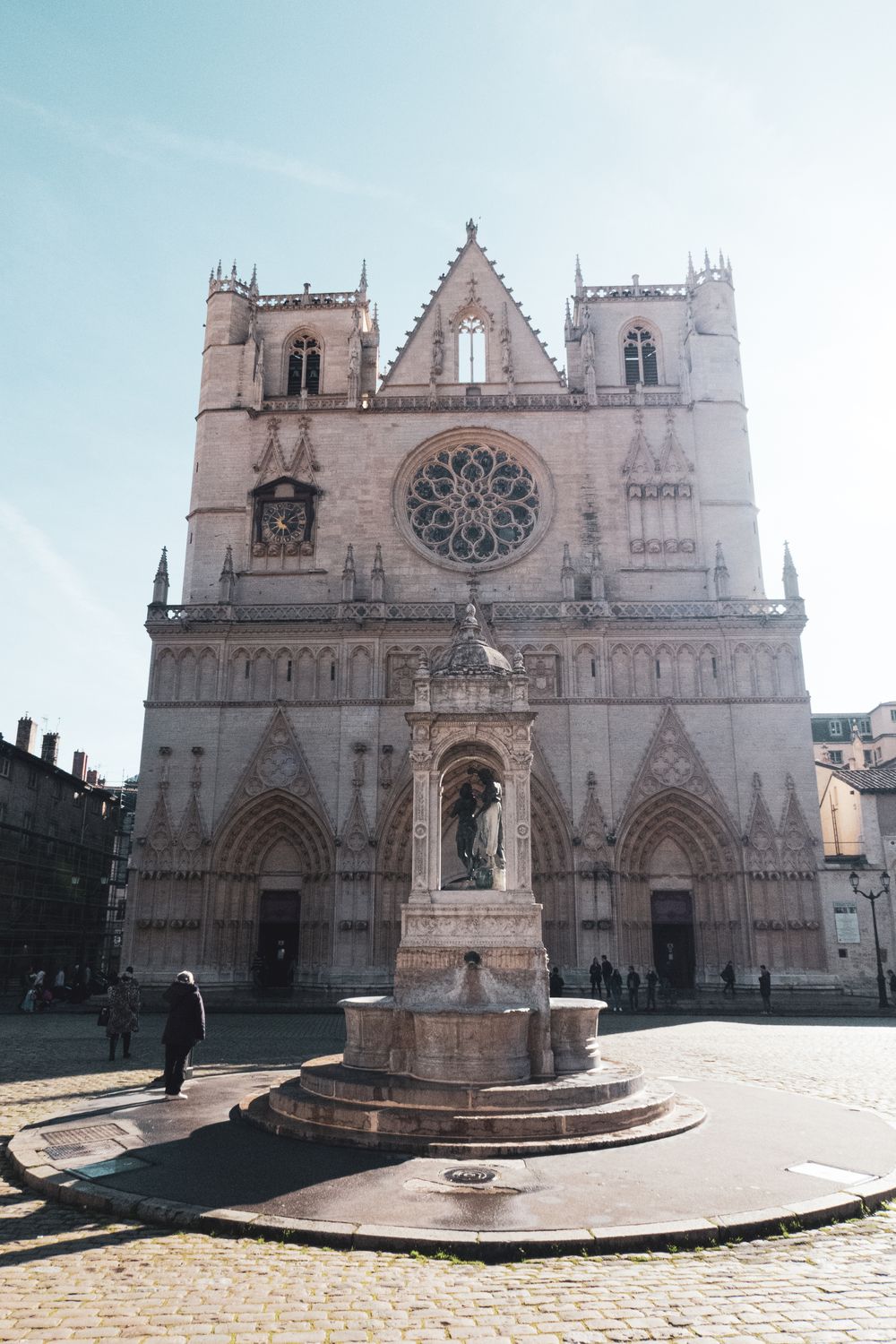
Lyon's cathedral on Place Saint-Jean in Vieux Lyon, with a Romanesque apse and choir, a Gothic nave and west front, and medieval stained…
Last updated