Ninety seconds on Musée des Confluences
On the point where the Rhône meets the Saône stands Lyon's most striking modern building, and its four galleries take you from the first humans to the ways cultures have buried their dead.
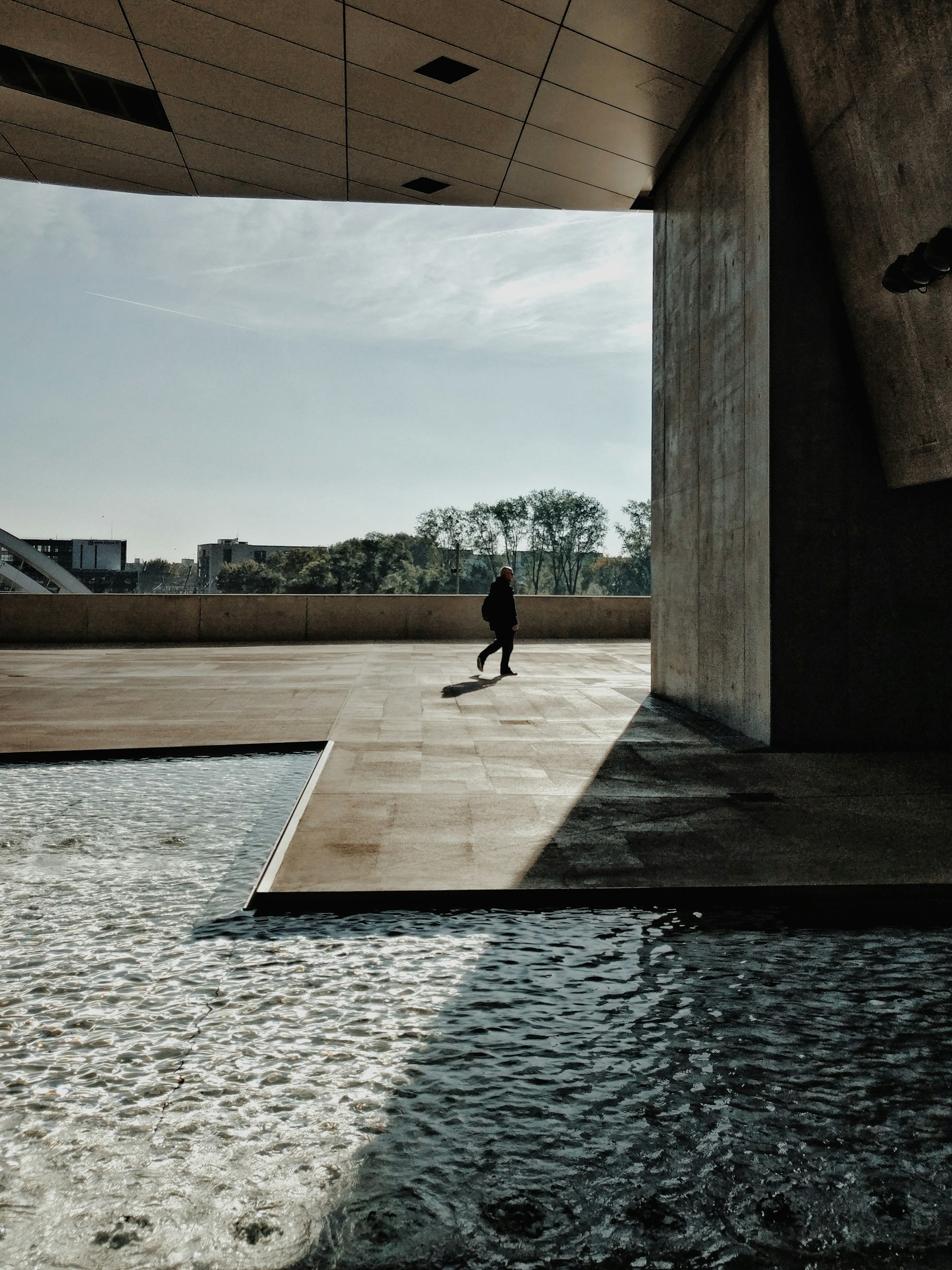
From a distance the building looks like a spacecraft landed on the point, and its outline changes as you walk round it. Up close you see it is raised on a huge plinth against flooding. Its architects, the Austrian firm Coop Himmelb(l)au, gave it three parts: a concrete base, a steel Cloud that holds the exhibitions and a glass Crystal hall open to the city.
Inside the Crystal, look for the Gravity Well, where the glass canopy curves down into a funnel that reaches the concrete base. That funnel carries the weight of the whole structure.
The Origins gallery opens with three female hominids, each standing for a different human line. The mammoth, found in 1859 on the Montée de Choulans in Lyon, is among its set pieces. Others include a giant elk, a sabre-toothed tiger mounted in a lifelike pose, and the skeletons of a Camarasaurus and a mosasaur.
In the species gallery, a sculpture called the bush of life shows how living things are classified. The gallery also shows the skeleton of a Steller's sea cow, one of very few that survive.
Eternities, on the second level, deals with death. It lays out human remains and grave goods as they were found, among them a Peruvian mummy and a flexed skeleton buried with bronze objects.
Before you buy anything, walk into the Crystal hall. You can cross the hall and its inner spaces without a ticket, so buy one only when you are ready for the galleries. It covers the permanent and temporary exhibitions for one day.
Leave your coat in the free cloakroom and pick up a map in French or English. The permanent galleries hold the core displays and form one trail through the Cloud.
Start with Origins and finish with Eternities. In Societies you can take the rooms in any order. Labels are short, and kiosks along the way let you sit and listen to French philosophers on death, nature and belief.
The temporary exhibitions are in the Cloud too. The ticket office shuts three quarters of an hour before closing and the galleries a quarter of an hour before, so arrive early enough to finish.
The map is enough to find your own way round. Guided visits are for groups only: book at least two weeks ahead with a museum guide, or one week ahead with an outside guide. You pay for museum admission as well as the activity, and guided groups use the groups entrance to the right of the main staircase.
Watch your pockets at the T1 tram stop outside, where pickpocketing has risen. Leave knives, large bags and suitcases at your hotel, since none of them gets past the door, and allow time for the security check at the entrance.
Children under 13 need an adult with them in the exhibition areas, and there is a booklet for children aged seven and over. Bring proof of identity if you qualify for free entry: under 18s, students aged 18 to 25, job-seekers, visitors with a disability and Lyon City Card holders all get in free.
Explore the rest of Lyon
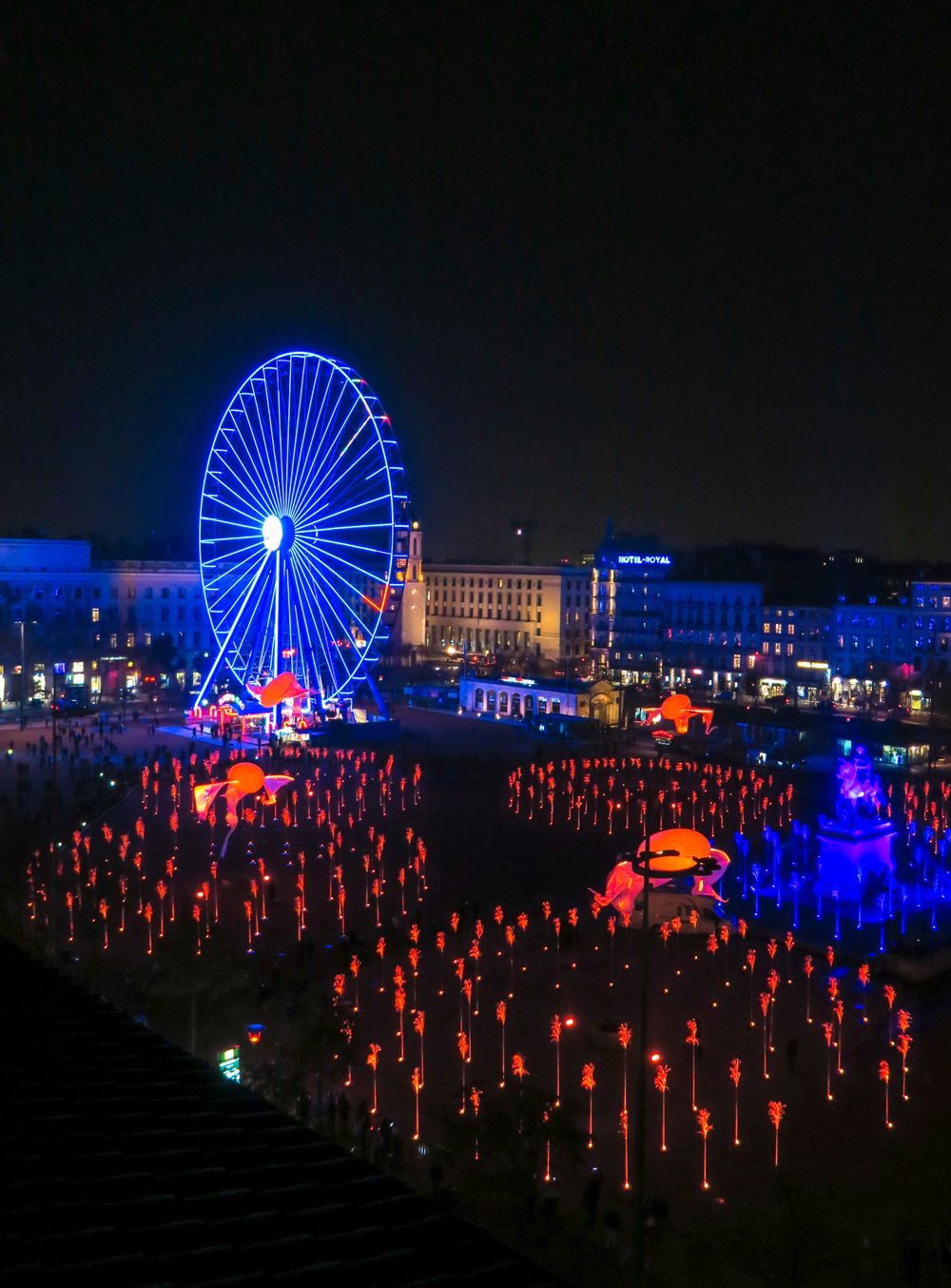
For four nights around 8 December, artists turn Lyon's facades, squares and parks into light installations, most of them on the peninsula…
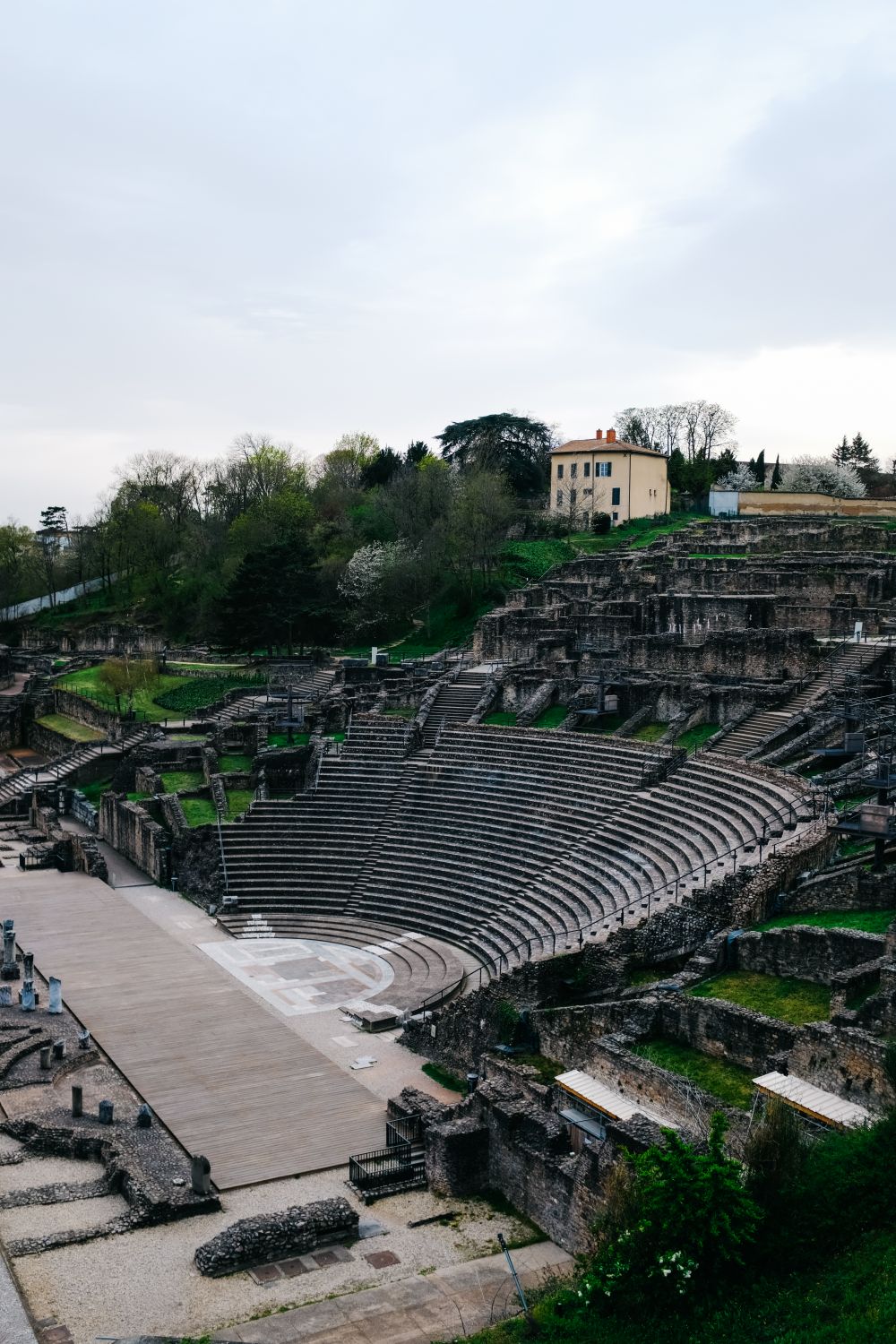
Built against the Fourvière hillside around 15 BC and later enlarged to hold 10,000, this is the oldest theatre of Roman Gaul, and every…
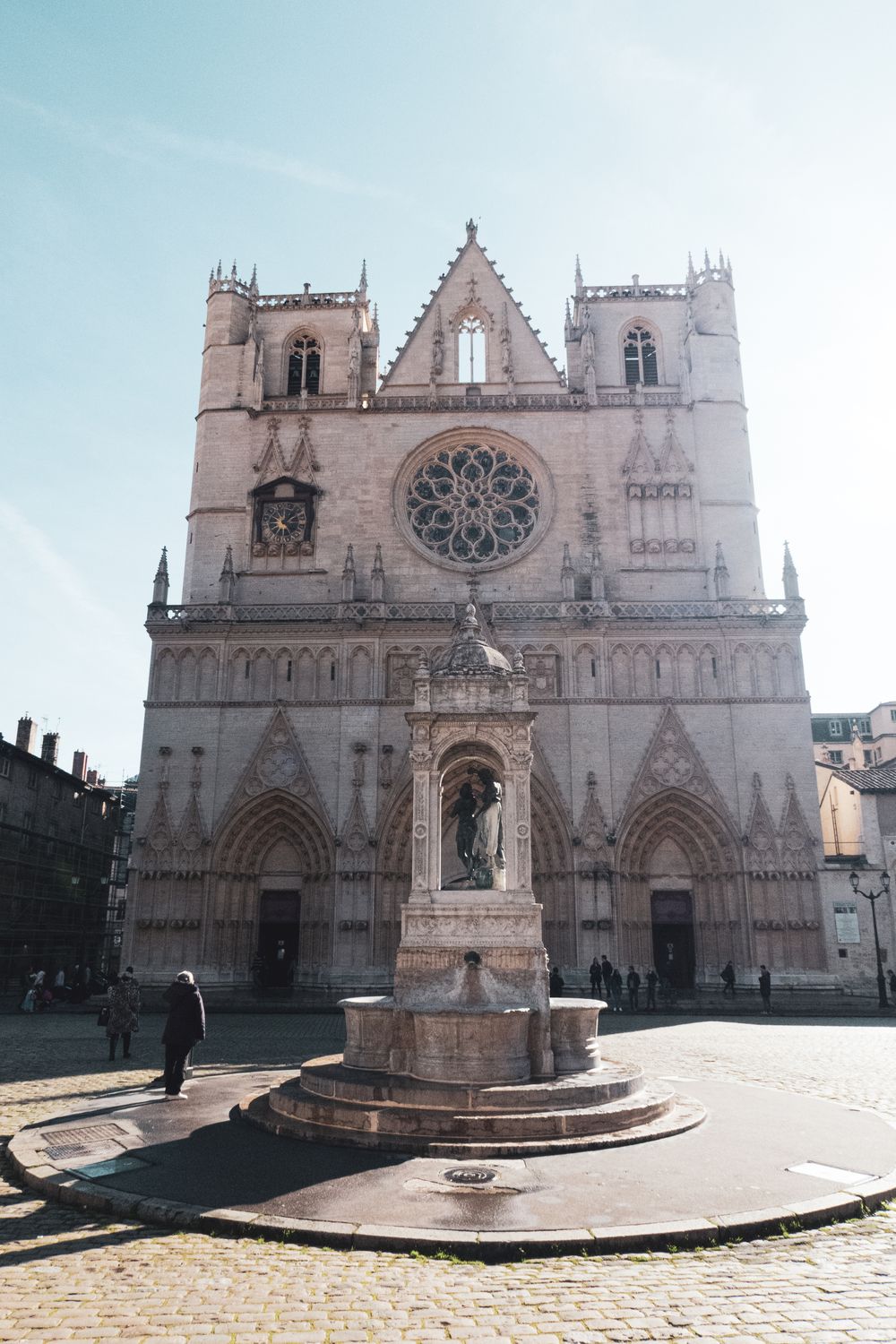
Lyon's cathedral on Place Saint-Jean in Vieux Lyon, with a Romanesque apse and choir, a Gothic nave and west front, and medieval stained…