Ninety seconds on Père Lachaise Cemetery
70,000 graves fill this steep, leafy hillside, and in one free afternoon you can find Chopin, Oscar Wilde, Édith Piaf and Jim Morrison among them.
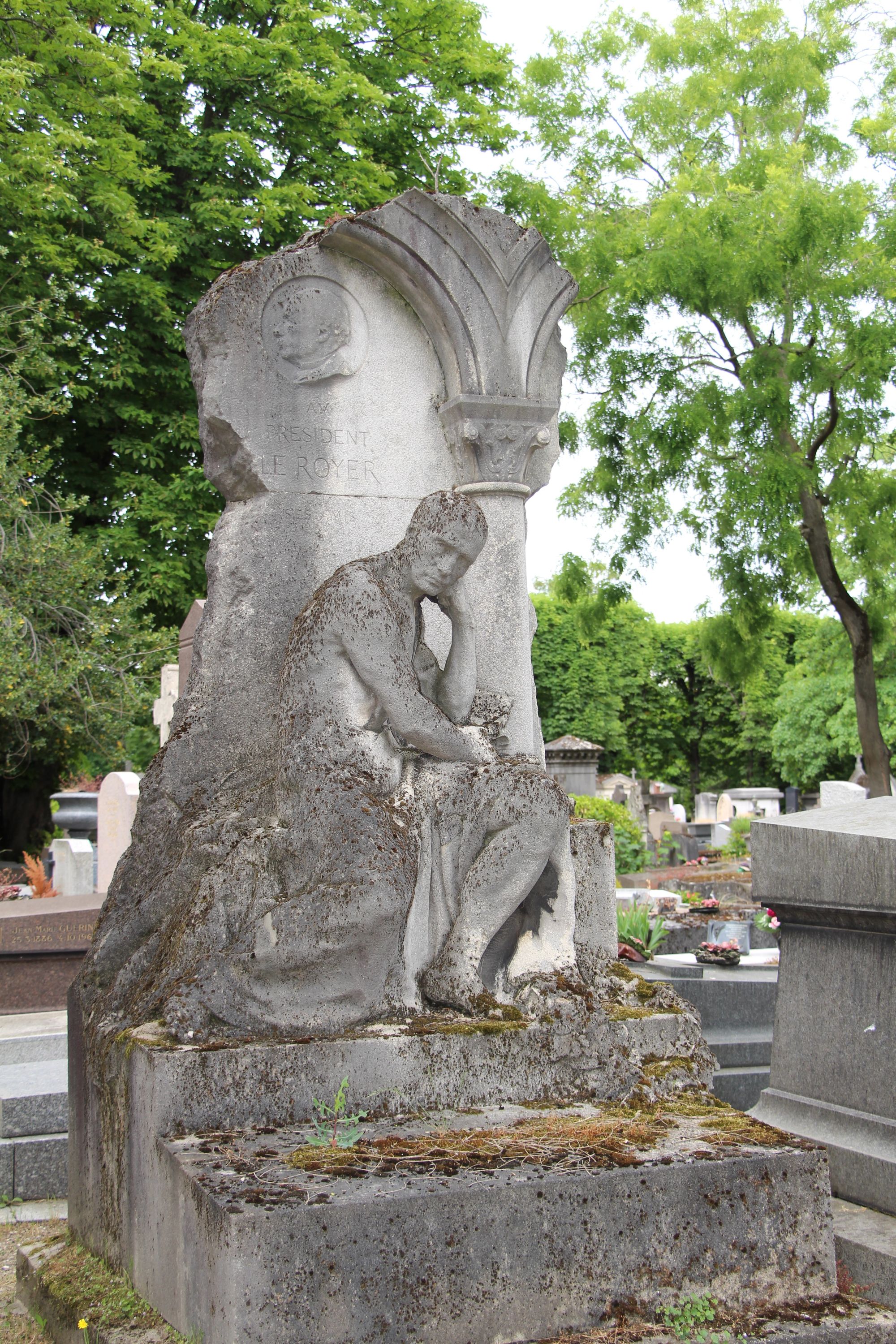
Père Lachaise has taken burials for more than two centuries, which makes it a working museum of funerary art. Gothic tombs stand beside Haussmann-era family vaults, chapels, sculpture, modern designs and even a winged sphinx. Most of a visit is walking slowly past them and looking at the carving.
The cemetery has two halves. On the hillside, curving paths wind under old trees; up on the plateau, tombs stand in straight rows. The main avenues are lined with a double row of trees and are wide enough for a funeral procession.
Jim Morrison's grave is the most visited, and it is easy to walk past: it is low-profile and tucked behind larger monuments. Oscar Wilde's tomb, one of the most visited in the cemetery, stands behind a glass barrier put up to stop lipstick kisses on the stone.
Further in stands the Mur des Fédérés, with a stele to the dead of the Paris Commune. Monuments to the soldiers and civilian victims of the Second World War stand in the same far reaches of the cemetery.
Père Lachaise is organised in numbered divisions, so the visit starts with a map. Download the City of Paris plan before you go and mark the graves you want: Chopin is in division 11 and Oscar Wilde in division 89.
Come in by the main gate on boulevard de Ménilmontant, where restrooms sit just inside, to the right of the guard station. A sign at the entrance locates the best-known graves, so check your marks against it before you set off.
Then work from grave to grave along your marked route. The internal lanes are not clearly named, so expect to wander more than you planned, and use the detours to look at the tombs on the way.
Head back towards a gate a quarter of an hour before closing time. That is when staff begin clearing the cemetery, and no one is let in after it.
Funerals take place here every day, so keep your voice down and step aside for a cortege on the avenues. Alcohol, picnics and music played aloud are banned, and so are bicycles, scooters, anything else on wheels, and dogs.
Wear sturdy shoes for the cobbles and rough ground, and bring water, since there is nowhere inside to buy a drink; the cafés are outside the gates. Skip a day of pouring rain, when the paths turn slippery. With a marked map, the famous graves are easy to find without a guide.
Explore the rest of Paris
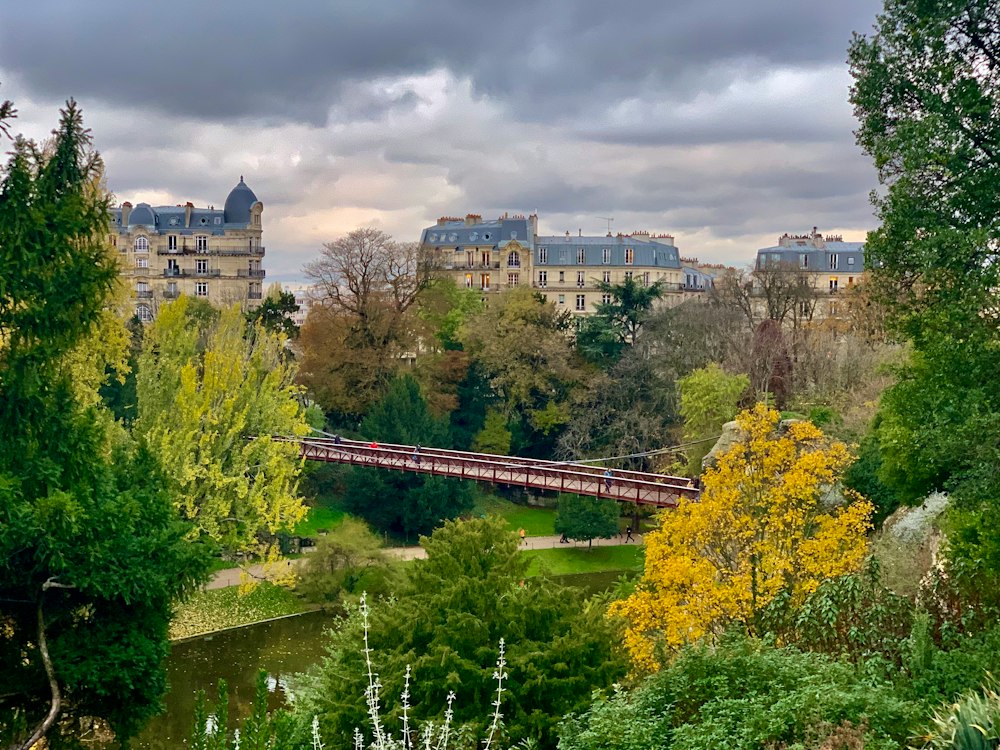
A former limestone and gypsum quarry in the 19th arrondissement, shaped into a mountain landscape of cliffs, a lake and a temple on a rocky…
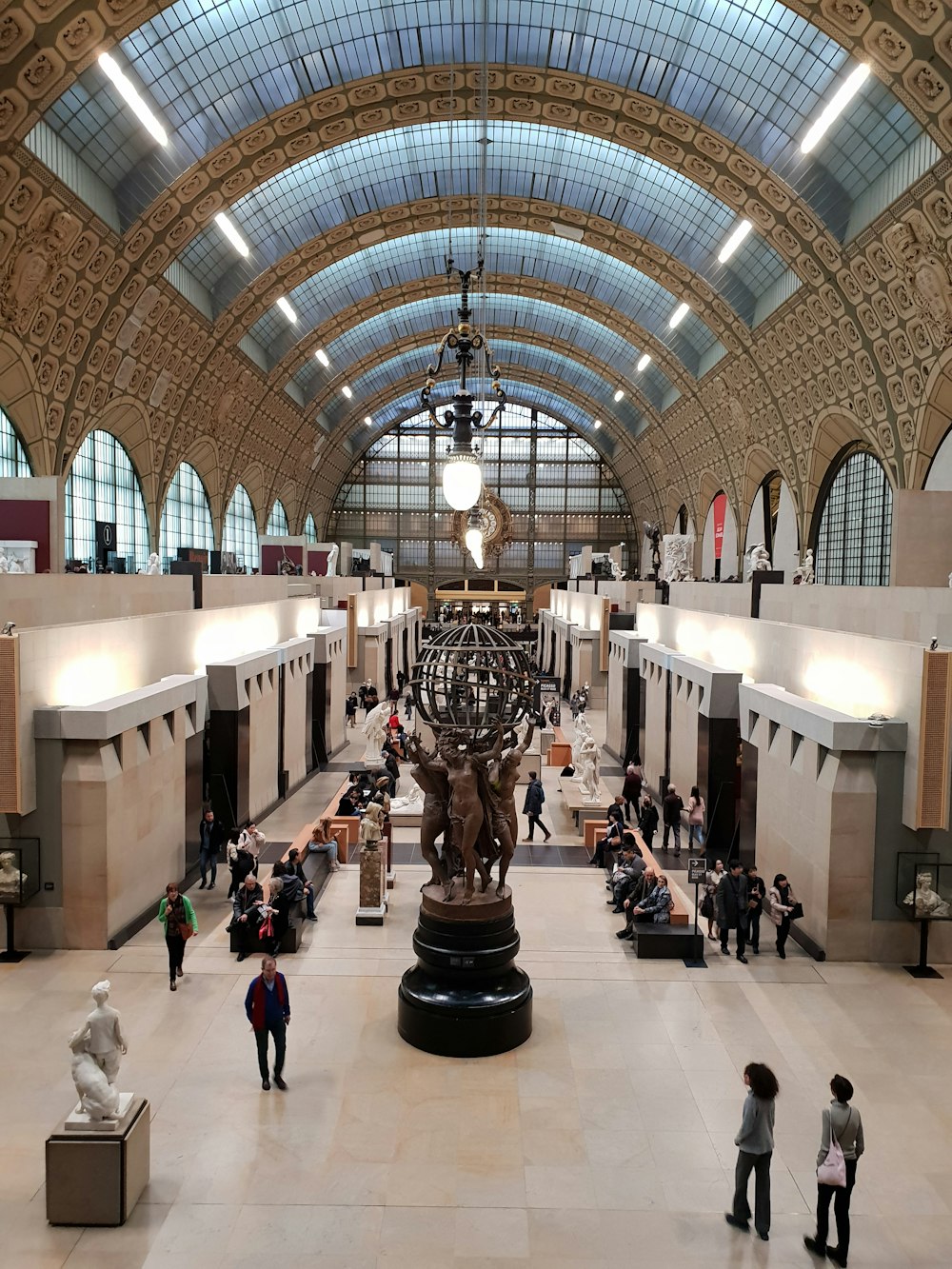
The city history museum occupies two connected Marais mansions and covers Paris from prehistory to the present, with French Revolution…
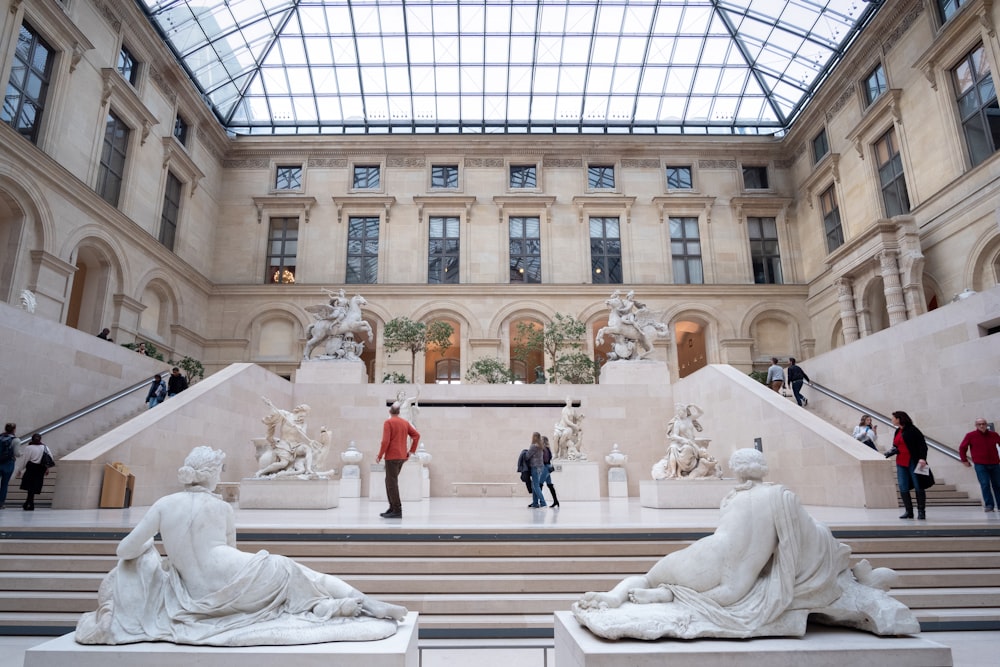
Set in the 17th-century Hôtel Salé in the Marais, the museum holds some 5,000 works and the artist's personal archive, largely from…