 Submit a photo
Ninety seconds on Delphi Archaeological Museum
From 1 November to 31 March the museum opens from 8.30am to 3.30pm. From 1 April it opens from 8am to 8pm, and on Tuesdays from 10am to 5pm.
Admission is free on 6 March, 18 April, 18 May and 28 October, and over the last weekend of September. From November to March it is also free on the first and third Sunday of each month.
Buses run from Athens to Delphi several times a day, and the journey takes about three hours each way. A day trip by bus therefore spends about six hours on the road, before the visit itself.
A full visit to the archaeological site and the museum takes about three and a half to four and a half hours. From November to March both close in mid afternoon, so a full visit then fills most of the opening day.
Go after the ruins, not instead of them: the bronze driver of a racing chariot, the Sphinx of the Naxians and the treasury friezes from the sanctuary all stand in these rooms.
The Charioteer is a bronze of a young chariot driver, life-size at about 1.8 metres tall. He survived because an earthquake in 373 BC buried him under debris, so he was never melted down like most ancient bronzes.
The Sphinx of the Naxians, a gift from the island of Naxos, is a marble figure over 2 metres high. She shares her room with the friezes of the Siphnian Treasury, and reliefs from the Treasury of the Athenians are on display too.
The paired statues of Kleobis and Biton are inscribed as offerings to Delphi. The museum also holds the cult stone that marked the centre of the world in Delphic belief.
Look for the Dancers, a column of Pentelic marble given by the Athenians. It ends in acanthus leaves from which three female figures rise with their hands lifted, as if dancing. A statue of Antinous is also on show.
The museum stands just below the ancient site, about 300 metres west of its main entrance, so you can start at either one. The ticket office for both is at the museum. Buy online or at that office, and expect a metal detector gate at the museum door.
Inside, give the Charioteer at least half an hour before moving on to the other rooms.
Climb the site in the morning and come down to the museum around noon, so you are indoors in the summer heat.
Carry your own cool water up to the sanctuary, along with a hat and light clothes that cover your arms and legs.
Parking outside the museum is limited and signed by the traffic police, so expect to leave a car further away.
If the climb is hard for you, a free vehicle can carry you up the site as far as the Temple of Apollo. Arrange it with the Ephorate of Antiquities of Phocis at least seven days ahead, and expect to see only part of the ruins.
Explore the rest of Delphi
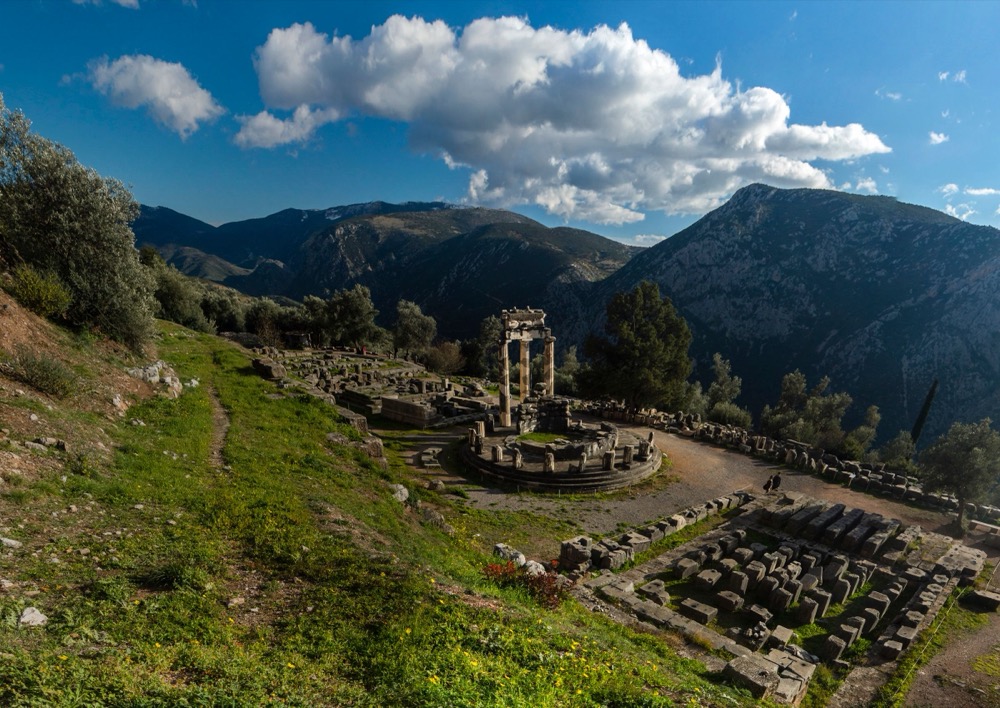
The ancient Greeks placed the centre of the world on this ledge of Mount Parnassus, above a gorge filled with olive trees running down to…
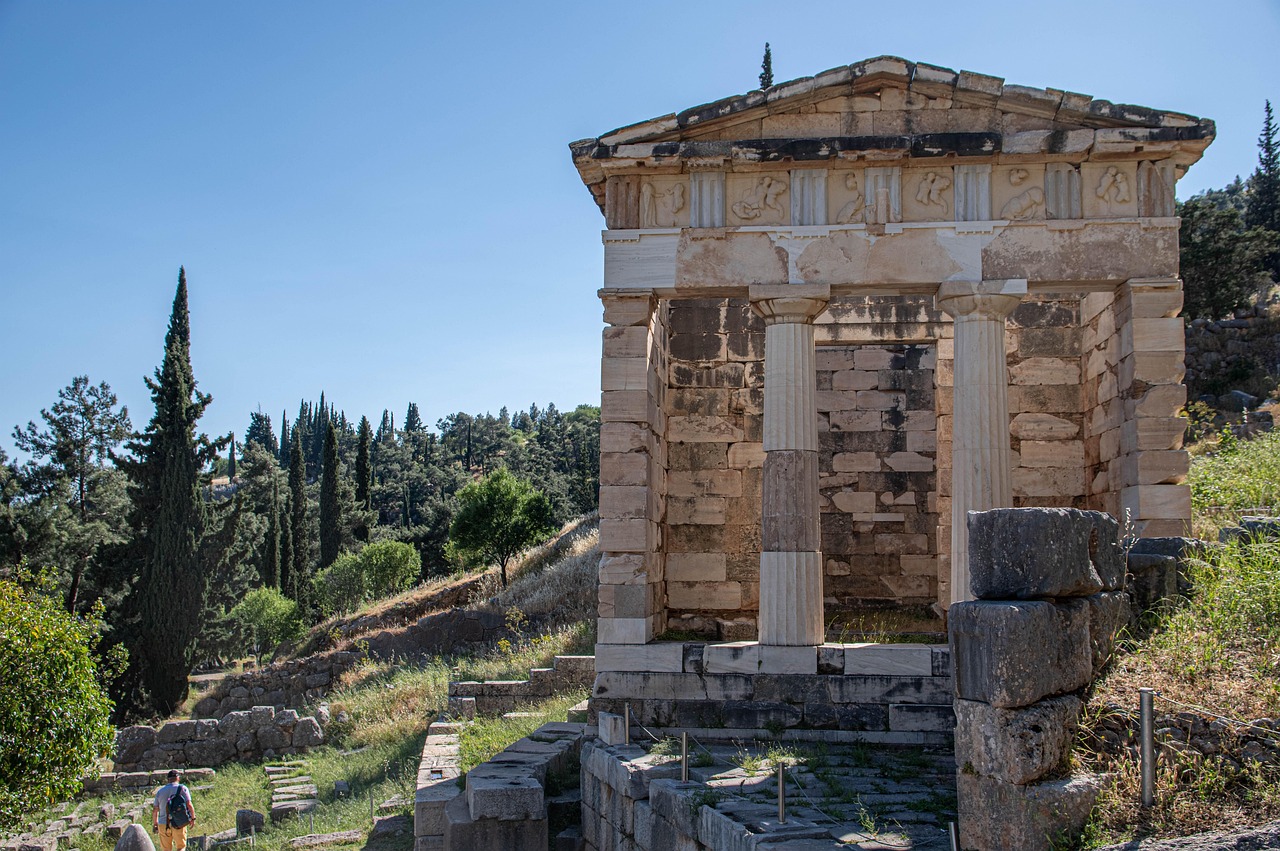
A small Doric building like a miniature temple, halfway up the Sacred Way, put up by Athens with spoils from the victory at Marathon. It…
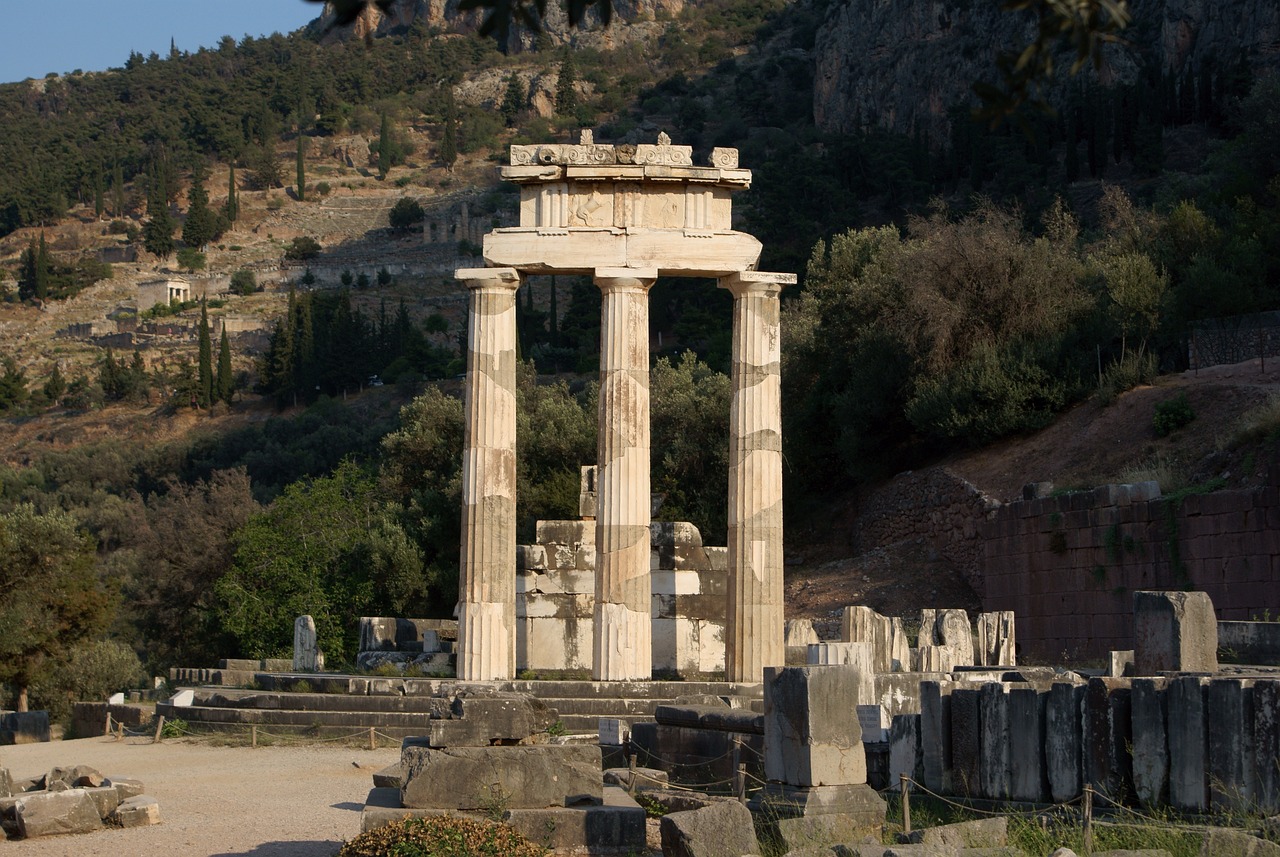
A circular marble building of the early fourth century BC in the lower sanctuary of Athena, which pilgrims passed before reaching Apollo's.…
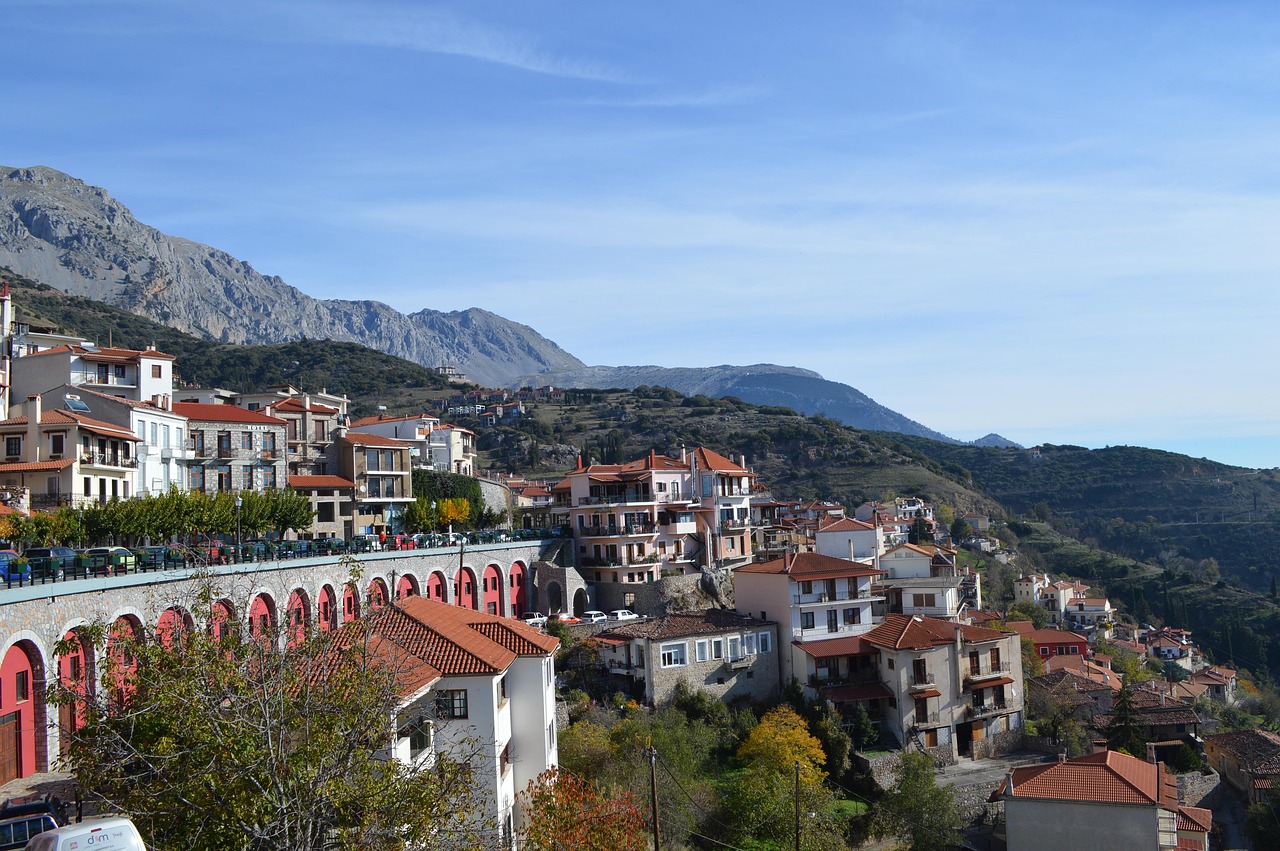
A mountain town on the slope of Parnassus about 8 kilometres east of Delphi, its stone houses stacked below a clock tower on a rock. Shops…
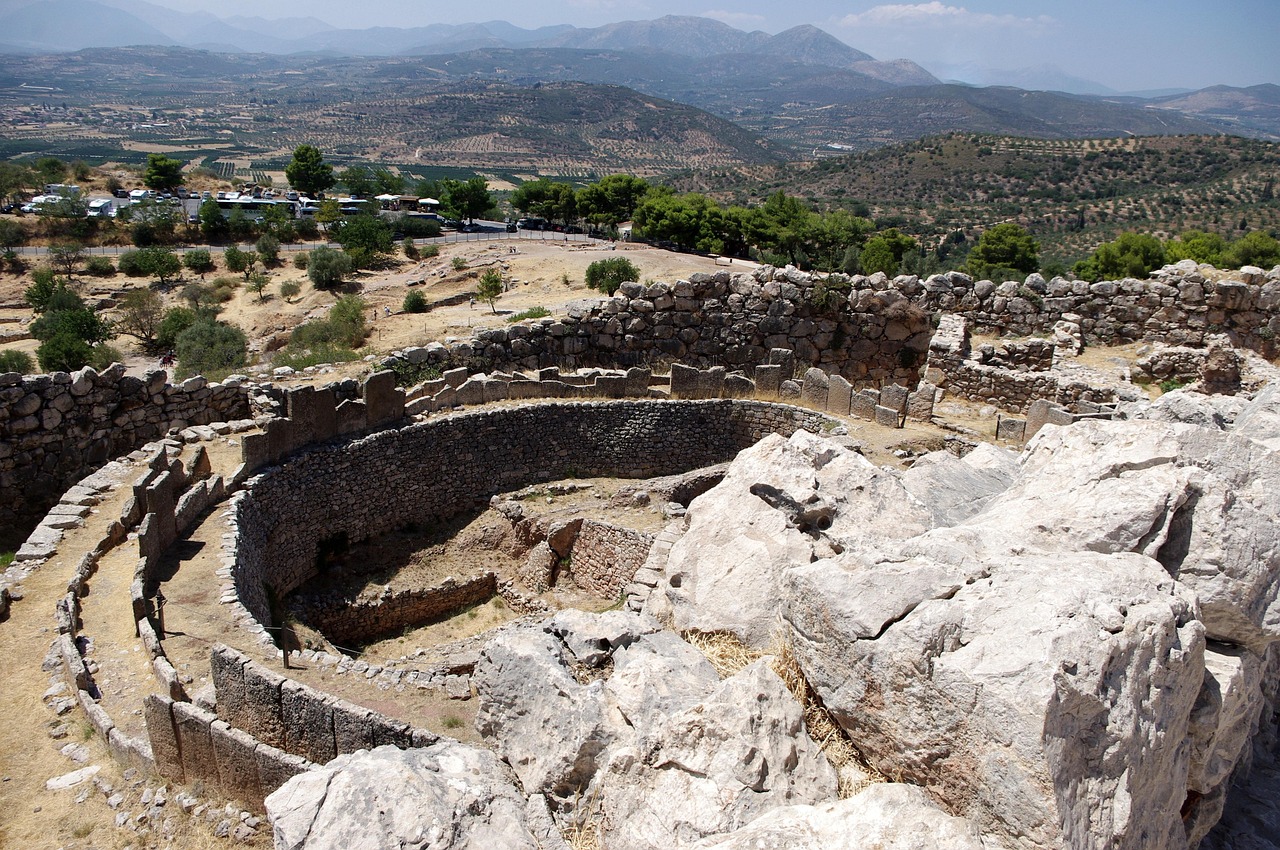
The hilltop citadel of Agamemnon's legend lies about half an hour's drive north. Visitors enter through the Lion Gate, pass the royal grave…
The official pages this guide was checked against.
Last updated