 Submit a photo
Ninety seconds on Sanctuary of Olympia
From 1 April to 31 October the site opens daily from 8am to 8pm. From 1 November to 31 March it opens daily from 8.30am to 3.30pm.
Yes. The one-day ticket covers the archaeological site, the Archaeological Museum of Olympia, the Museum of the History of the Olympic Games of Antiquity and the Museum of the History of the Excavations. No separate ticket for a single area is sold.
Entry is free on 6 March, 18 April, 18 May, 28 October and the last weekend of September. Winter admission is also free on the first and third Sunday of each month, from November through March.
Katakolo is the nearest cruise port. Trains and buses link it to Olympia via Pyrgos, and the train takes about 50 minutes; check the current timetable before a cruise day. Buses from Athens and Patras also reach Olympia through Pyrgos.
Yes. The site lies on the outskirts of Archea Olympia, the modern village, which has numerous hotels, tavernas and souvenir shops for an overnight stay near the ruins.
Walk the vaulted Krypte into the stadium where the ancient Olympic Games were run, then stand at the altar of the Heraion, where the flame for the modern Games is still lit before it sets off round the world.
The track inside the stadium is 192 metres of packed clay. Grooved white stone blocks at each end mark the start and finish, and you can still run a lap on it.
Along the walkway to the Krypte runs a row of stone bases that once held bronze statues of Zeus, the Zanes.
At the centre of the sanctuary lie the sparse ruins of the Temple of Zeus, regarded as a masterpiece of ancient architecture. Its cella held the gold and ivory Zeus by Pheidias, one of the Seven Wonders of the Ancient World. Only the enormous base of the statue was found.
The Heraion, the Temple of Hera, began as a joint temple of Hera and Zeus, until Zeus was given a temple of his own. The Workshop of Pheidias was later turned into a Christian church.
The temple's surviving sculpture, including its acroteria, is in the Archaeological Museum of Olympia.
The Gymnasium and the Palaestra, the square where athletes trained for boxing, wrestling and jumping, lie on the west side. The Sacred Road separates them from the Altis.
The Altis, the sacred enclosure at the centre of the site, holds the Temple of Zeus and the Heraion. East of it, the vaulted Krypte passage leads into the stadium, which you can walk end to end.
The Archaeological Museum is one of the best in Greece. See it after the ruins, or first if the site is busy, then add the two smaller museums of the Olympic Games and of the excavations.
Plan a break between the site and the museums at the cafeteria in the Truce Grove, just north of the ticket office. The souvenir and book kiosk is right beside the ticket office.
Some paths run under trees, so pause in their shade between the temples.
With a night in a nearby hotel you can split the temples and the museums across two days, though each day needs its own ticket.
Olympia, and further afield
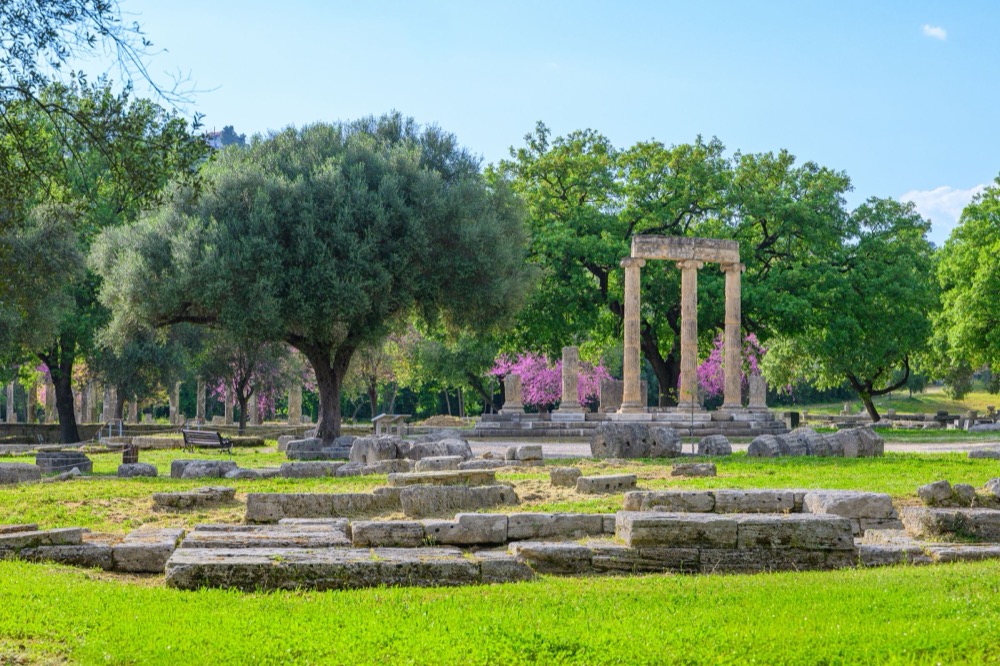
In a wooded valley of the western Peloponnese, the sanctuary where the ancient Games were held lies a few minutes' walk from a small modern…
Arcaded streets and a long harbour front were rebuilt in the old Venetian manner after the 1953 earthquake levelled the island's capital.…
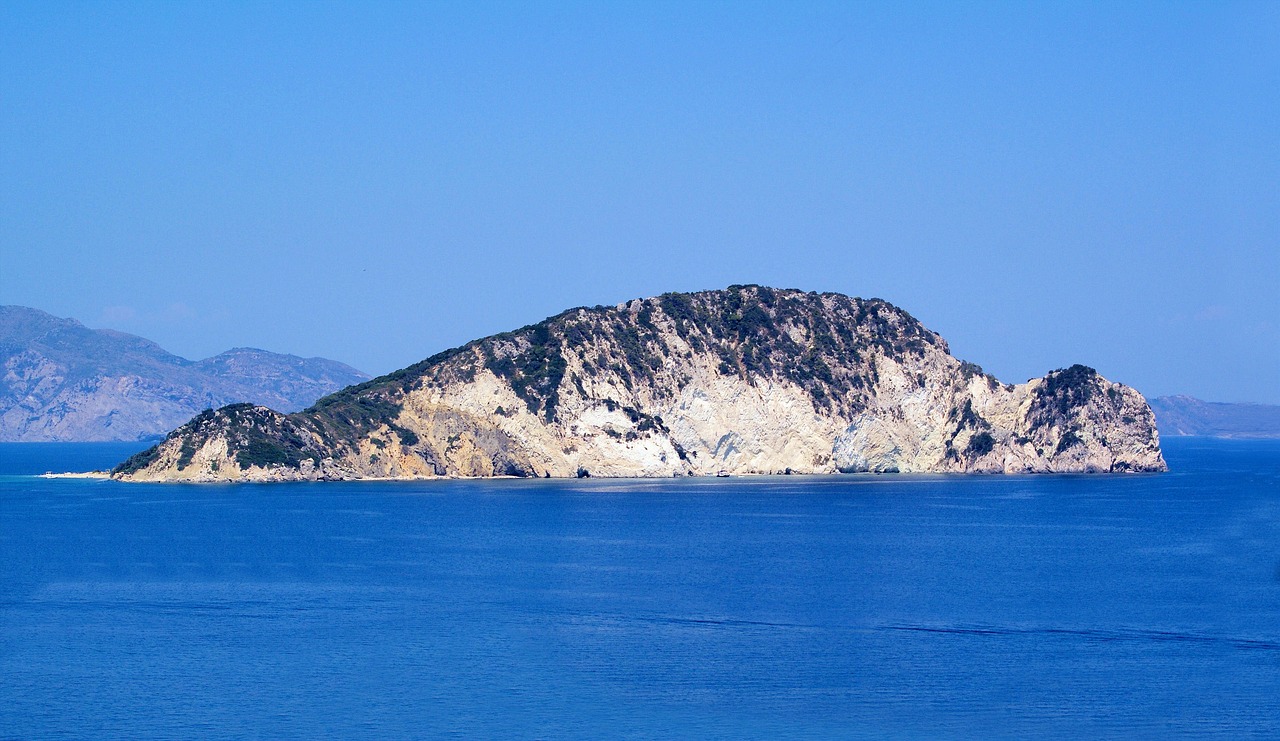
A wooded islet in Laganas Bay, shaped like a turtle when seen from the hills, and itself a loggerhead nesting beach. Boats from Keri and…
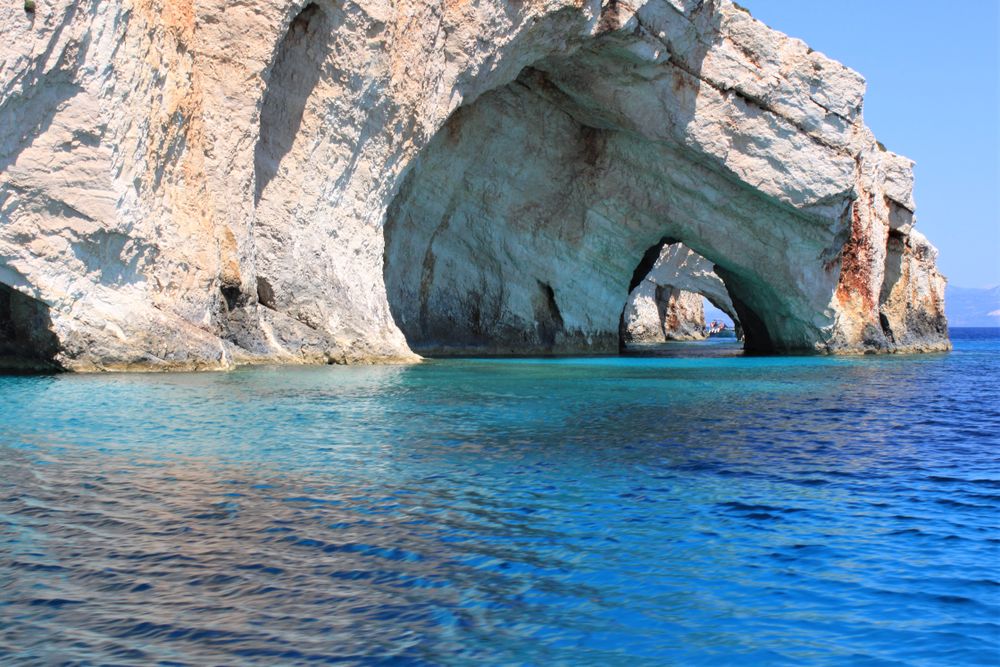
Sea caves cut into the cliffs below Cape Skinari, at the island's northern tip, where light through the water turns the rock and sea a…
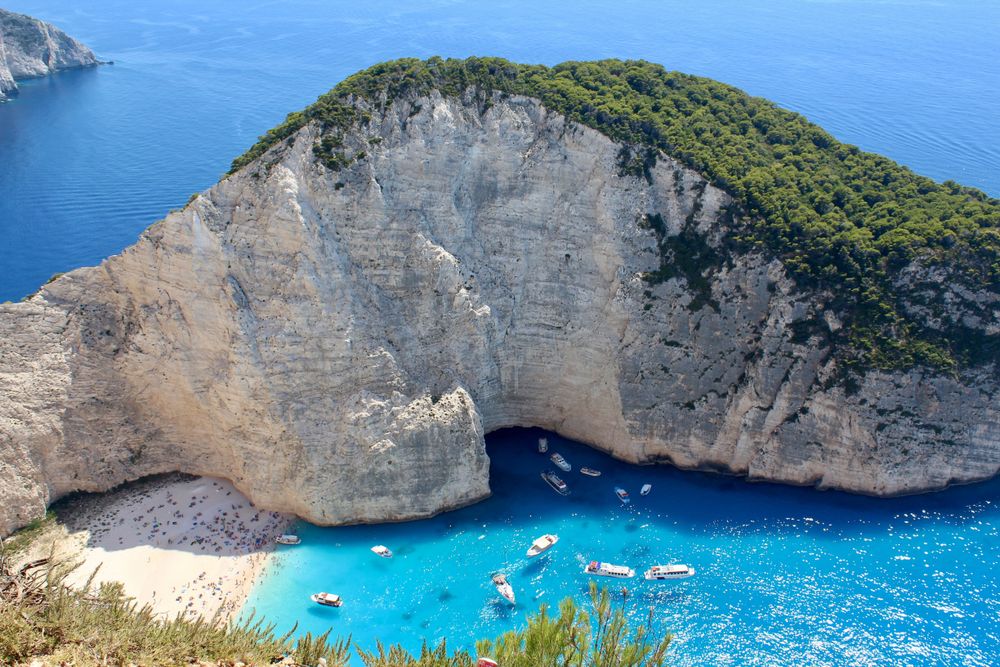
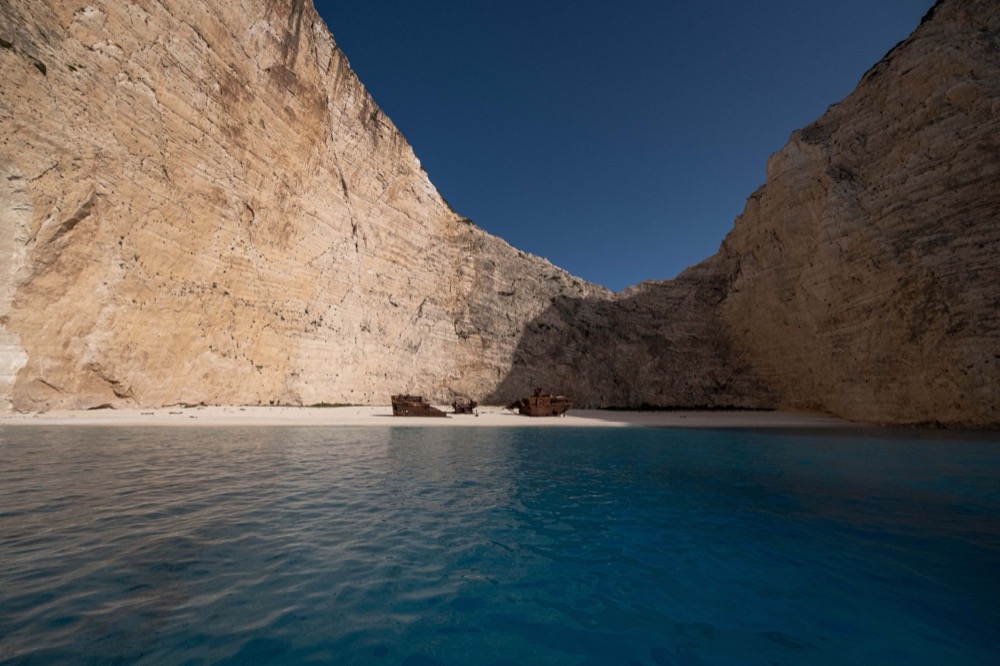
A cove under white limestone cliffs on the northwest coast, with the rusting freighter Panagiotis stranded on the sand since 1980. Landing…
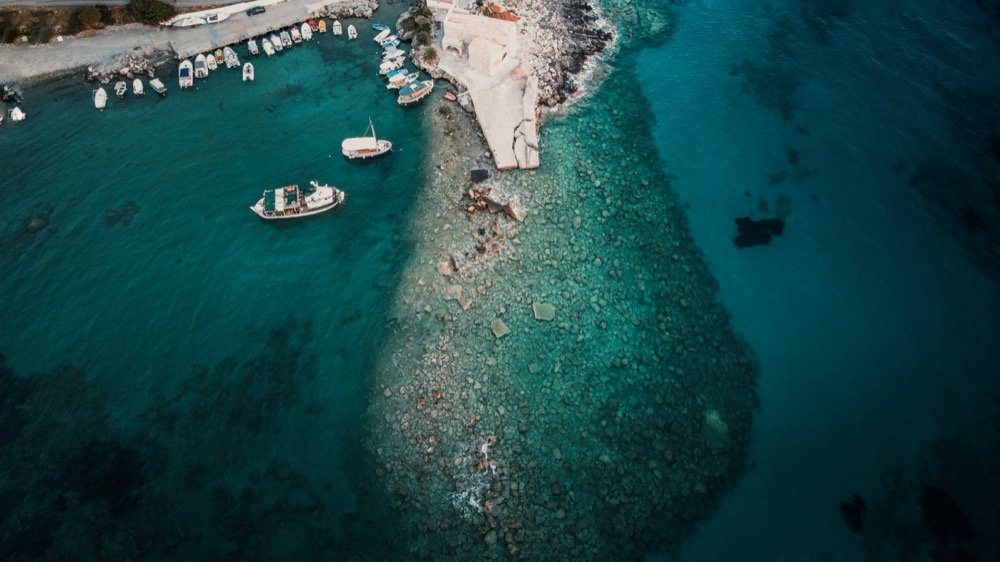
Stone houses and olive terraces climb from a pebbly shore to the foot of the Taygetus range, at the gateway to the Mani peninsula. Walks…
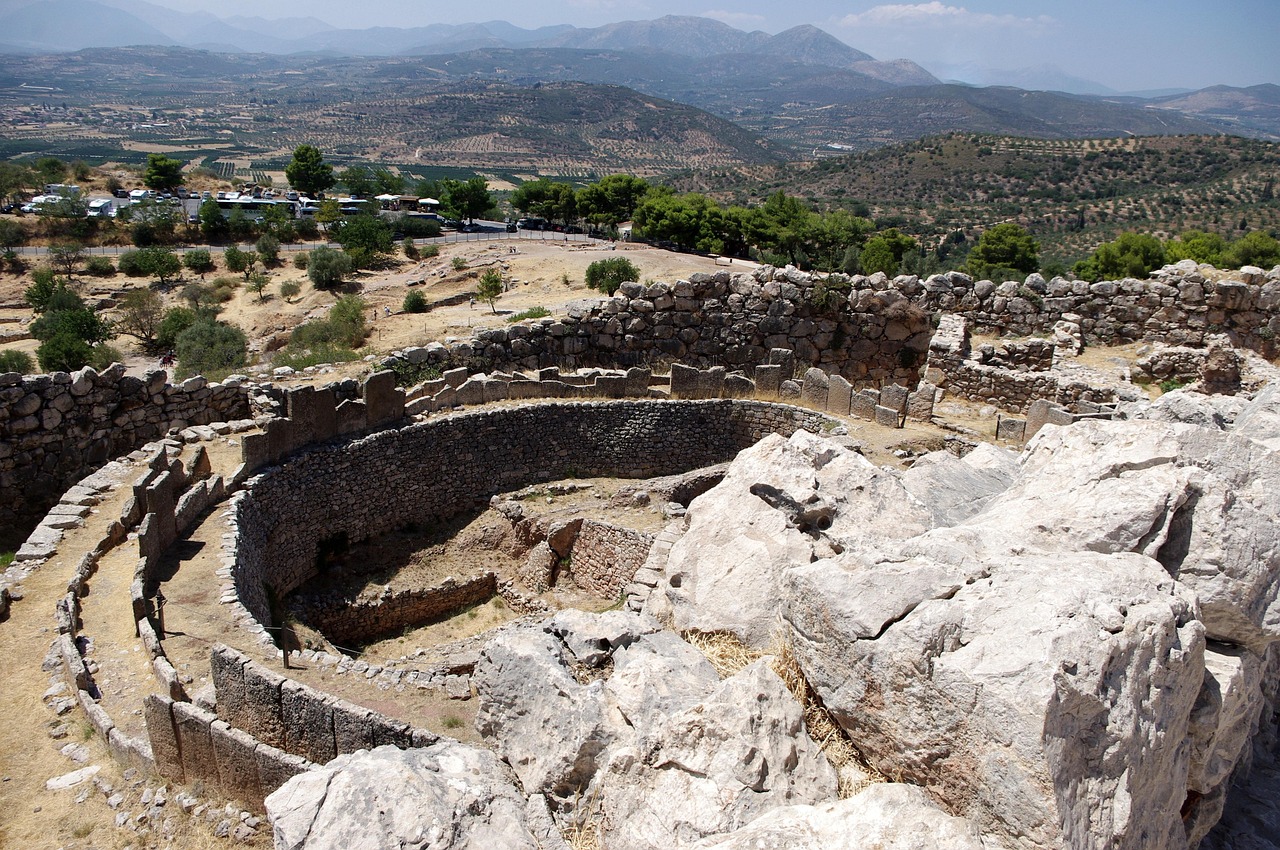
The hilltop citadel of Agamemnon's legend lies about half an hour's drive north. Visitors enter through the Lion Gate, pass the royal grave…
The official pages this guide was checked against.
Last updated