 Submit a photo
Ninety seconds on Tomb of Itimad-ud-Daulah
The tomb is built on the banks of the Yamuna River, across the water from the Taj Mahal. It sits in a formal garden of waterways and paths set out in a geometric plan. From the river end of that garden, the Taj comes into view on the far bank.
The tomb is open every day from sunrise to sunset, with no weekly closing day. The ticket window opens 30 minutes before sunrise and closes 30 minutes before sunset, so that closing time sets the last entry. Visitors planning a sunset visit should check the sunset time for their travel date.
Tickets are sold at the counter by the gate and are also sold online through the official ASI ticketing sites. Children under 15 enter free, and everyone else needs a ticket.
Sunset is the best hour. The sky over the Yamuna turns colour and the light reflects off the water, and from the riverside end of the garden the Taj Mahal is visible on the opposite bank as the sun goes down.
Not from the tomb itself. The view opens where the garden meets the Yamuna, and the Taj Mahal stands on the far bank from there. The Baby Taj is far smaller, a jewel box of marble set inside its garden.
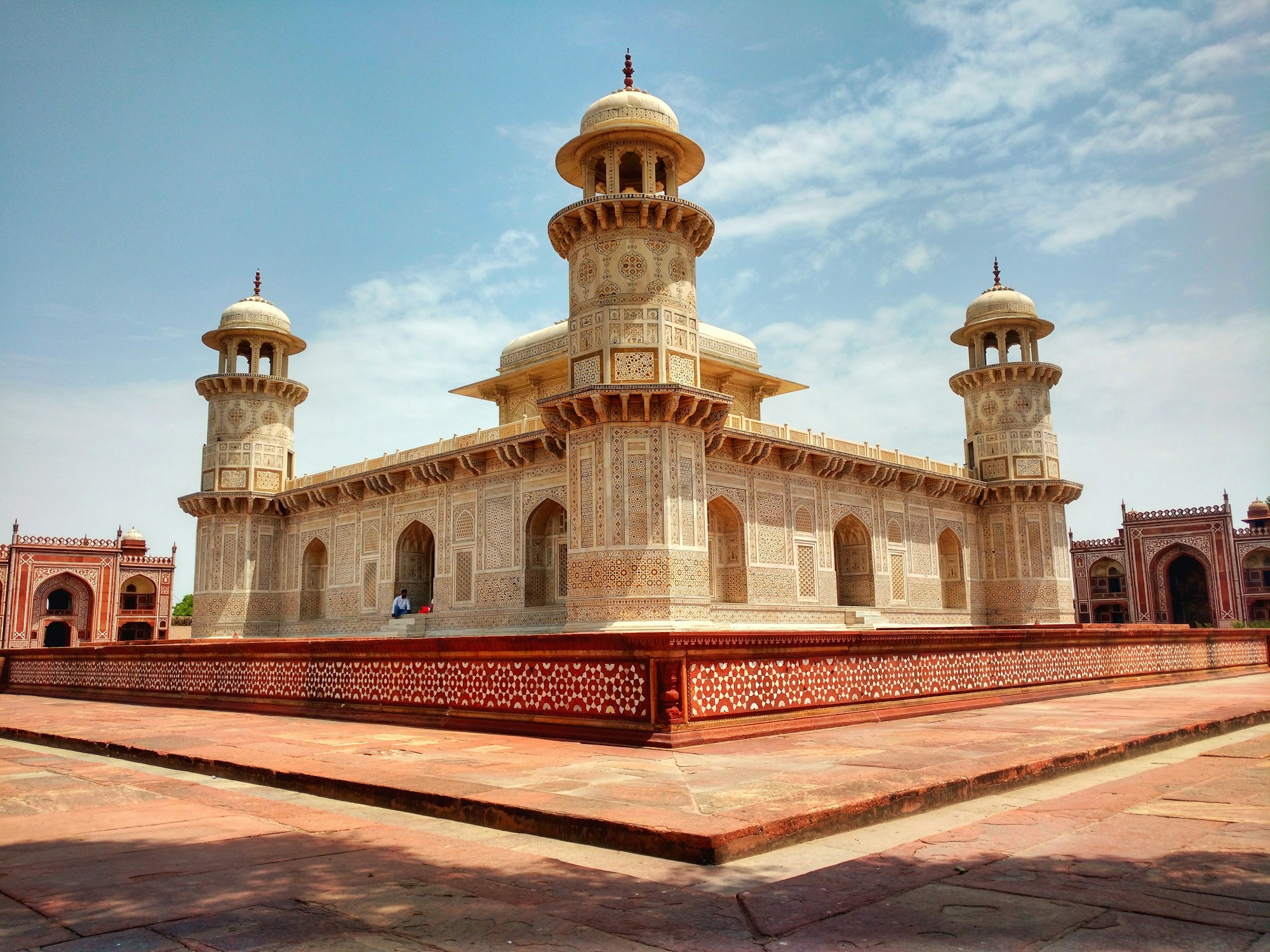
Small minarets mark each corner of the tomb, and carved marble screens called jali fill its arched recesses. Inside, a bright yellow floor carries a geometric design, and the marble ceiling forms a star burst. It is the earliest all-white-marble tomb in India.
Worth crossing the river for, the Baby Taj is a small white marble tomb whose stone inlay and carved lattice screens you can walk right up to and study in detail.
Four small minarets rise at the four corners of the tomb, and intricate marble lattice screens fill its arched recesses. All around it, the formal garden's waterways and paths are laid out in a geometric pattern.
It was the first tomb in India built entirely of white marble, and the first Mughal building to use pietra dura, inlaid stone, on a large scale.
Inside, colourful floral decoration lines the walls, the floor is bright yellow, laid in a geometric pattern, and the marble ceiling is carved as a star burst. It is far smaller than the Taj Mahal, and there is no view of the Taj Mahal from the tomb itself.
The ticket counter is at the gate, and tickets can also be booked online. The security check at the main gate is quick.
Walk round the outside of the tomb first, to see the screens and corner towers up close, then go in and look out through the doorway and the screened windows. Afterwards, walk down the garden to its river end, where the Taj Mahal comes into view across the water.
On the way back to the gate, look out for monkeys playing in the flowerbeds.
Explore the rest of Agra

Three Mughal emperors built on this stretch of the Yamuna in Uttar Pradesh, and the results stand within a few kilometres of each other:…
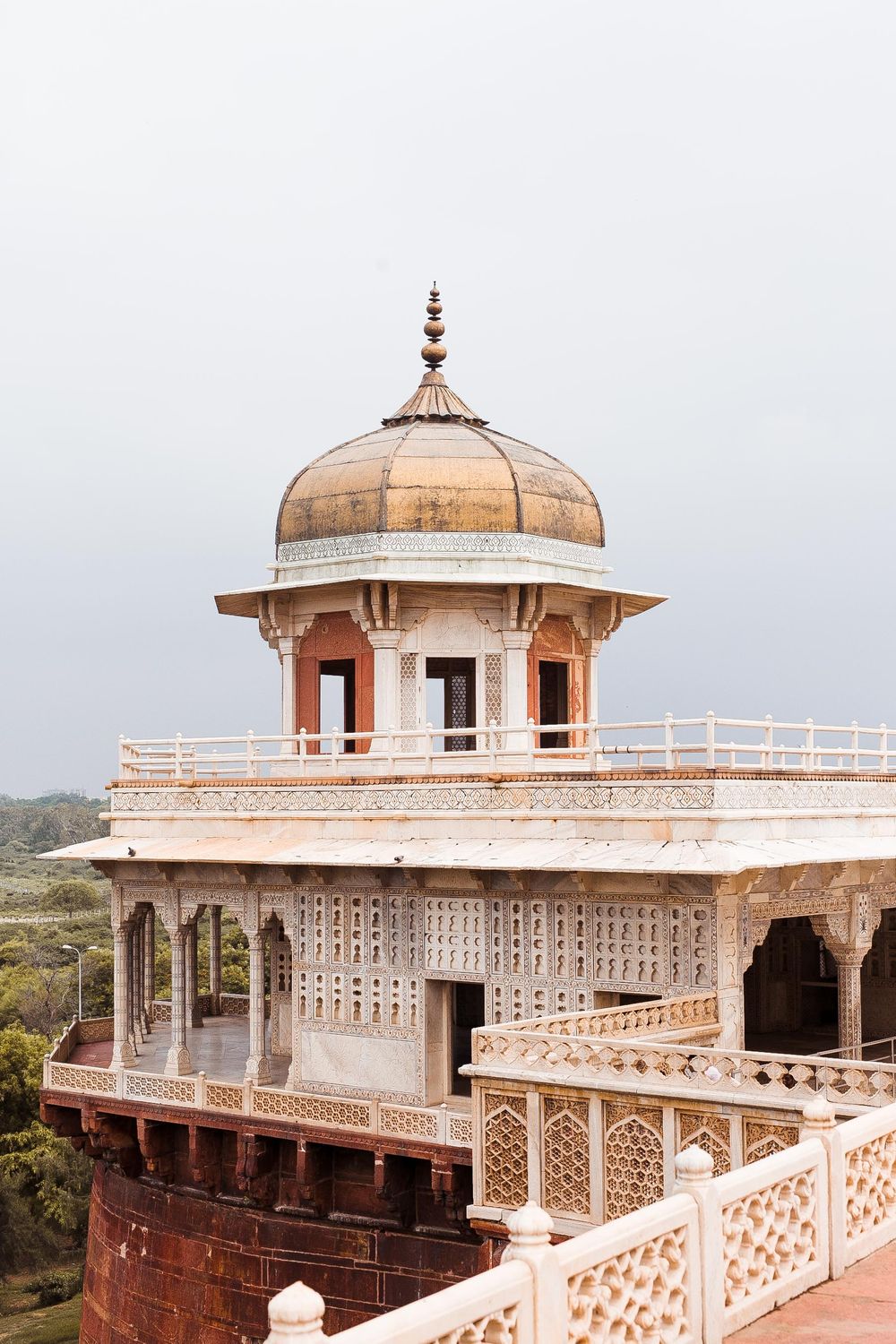
Akbar rebuilt the Mughal stronghold in red sandstone from 1565, and his grandson Shah Jahan later set white marble palaces inside the…

A Mughal garden square on the north bank of the Yamuna, directly opposite the Taj Mahal. Excavation has uncovered a large octagonal pool at…
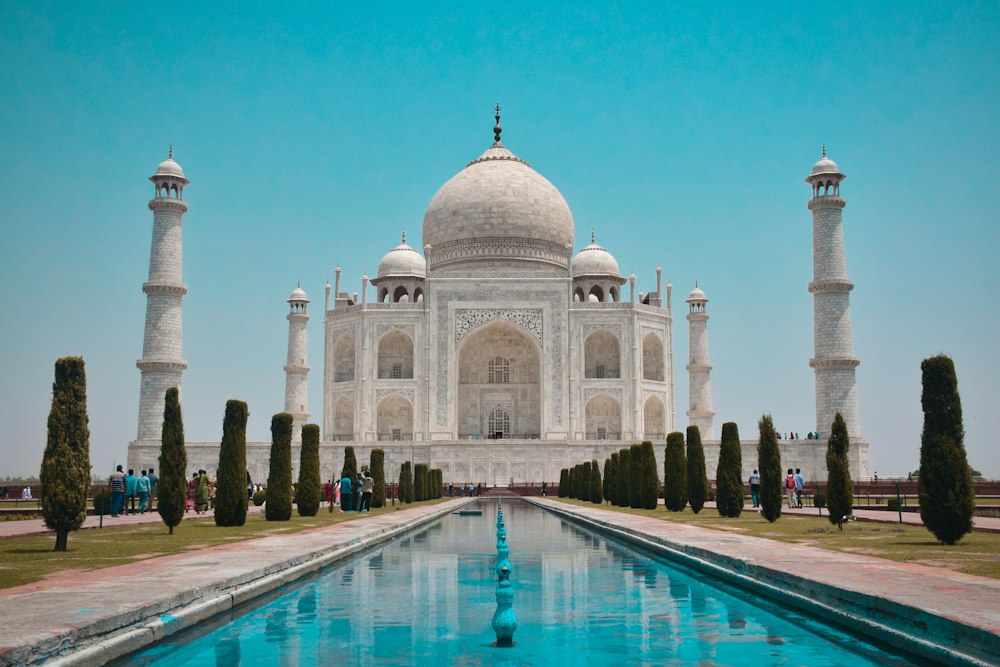
Shah Jahan built this white marble mausoleum after the death of his wife Mumtaz Mahal. Inlaid semi-precious stone covers the walls at close…
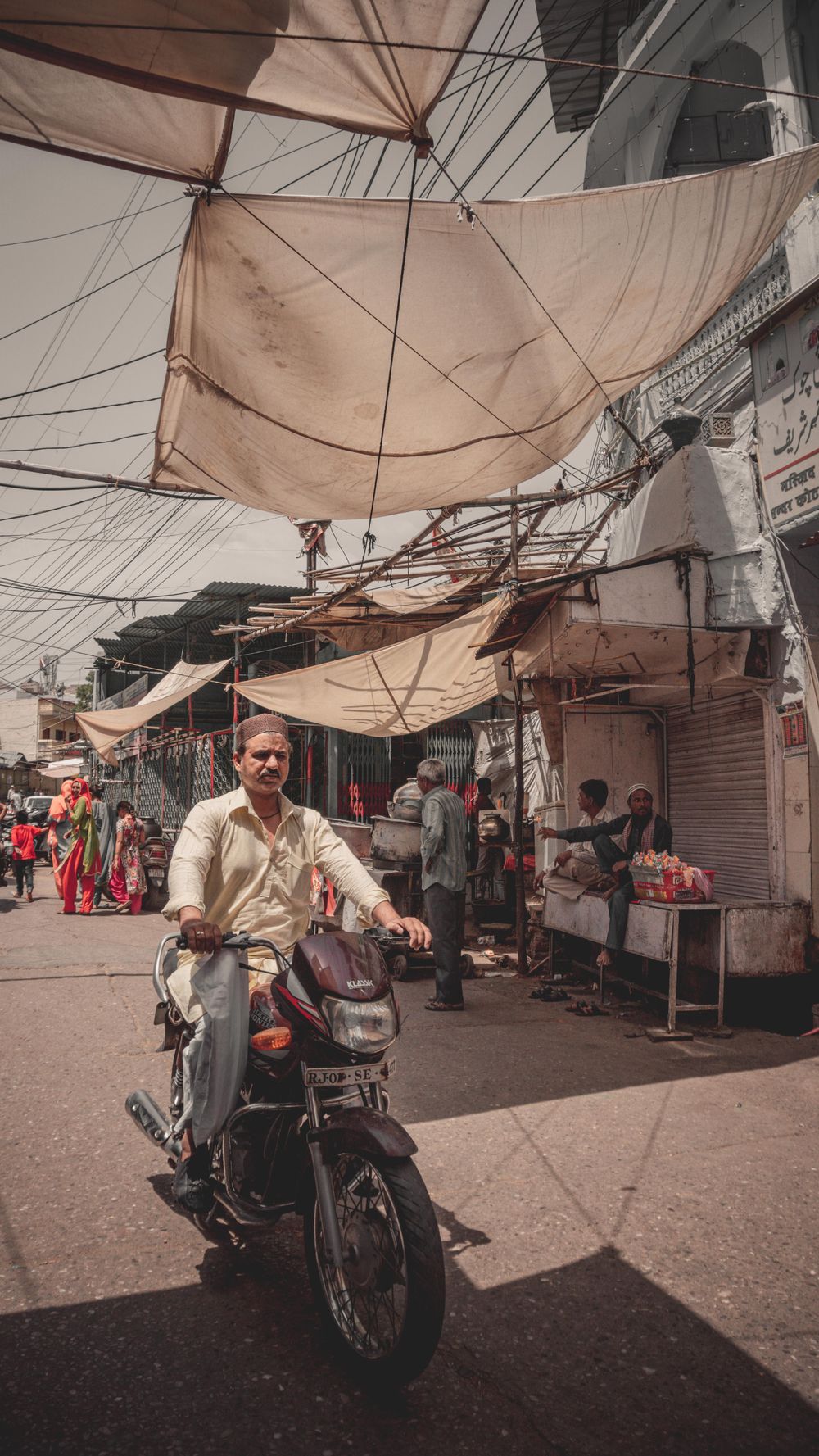
Handicraft and leather shops line this walking street in the Agra Cantonment, a short ride south of the fort, and local food is sold from…
A red sandstone capital abandoned within a generation of its founding, Fatehpur Sikri served Akbar from 1571 until its water supply failed.…
The official pages this guide was checked against.
Last updated