Ninety seconds on Museo Nazionale Etrusco di Villa Giulia
Come for the Sarcophagus of the Spouses, an Etruscan husband and wife modelled full-size in terracotta and reclining together as equals, once its room reopens. Until then, the Apollo from Veii and the courtyards and fountains of a Renaissance papal villa carry the visit.
The Sarcophagus of the Spouses is a full-size terracotta tomb sculpture from the Banditaccia necropolis at Cerveteri, made in the late sixth century BC. A husband and wife lie on a dining couch with cushions, as if at a banquet, and unusually for ancient funerary art they are shown as equals. The couch was built to hold the ashes of the dead.
Look at how the figures change below the waist. Their legs and hips are flattened and stylised so the pair sits neatly as a lid. The clay you see now was once brightly painted.
In the same wing are the Pyrgi Tablets, three gold plates from the site of an Etruscan port on the Tyrrhenian coast, carrying a bilingual dedication. Two are written in Etruscan and the third in Phoenician. Because the Phoenician text can be read, the plates let scholars work out the Etruscan beside it.
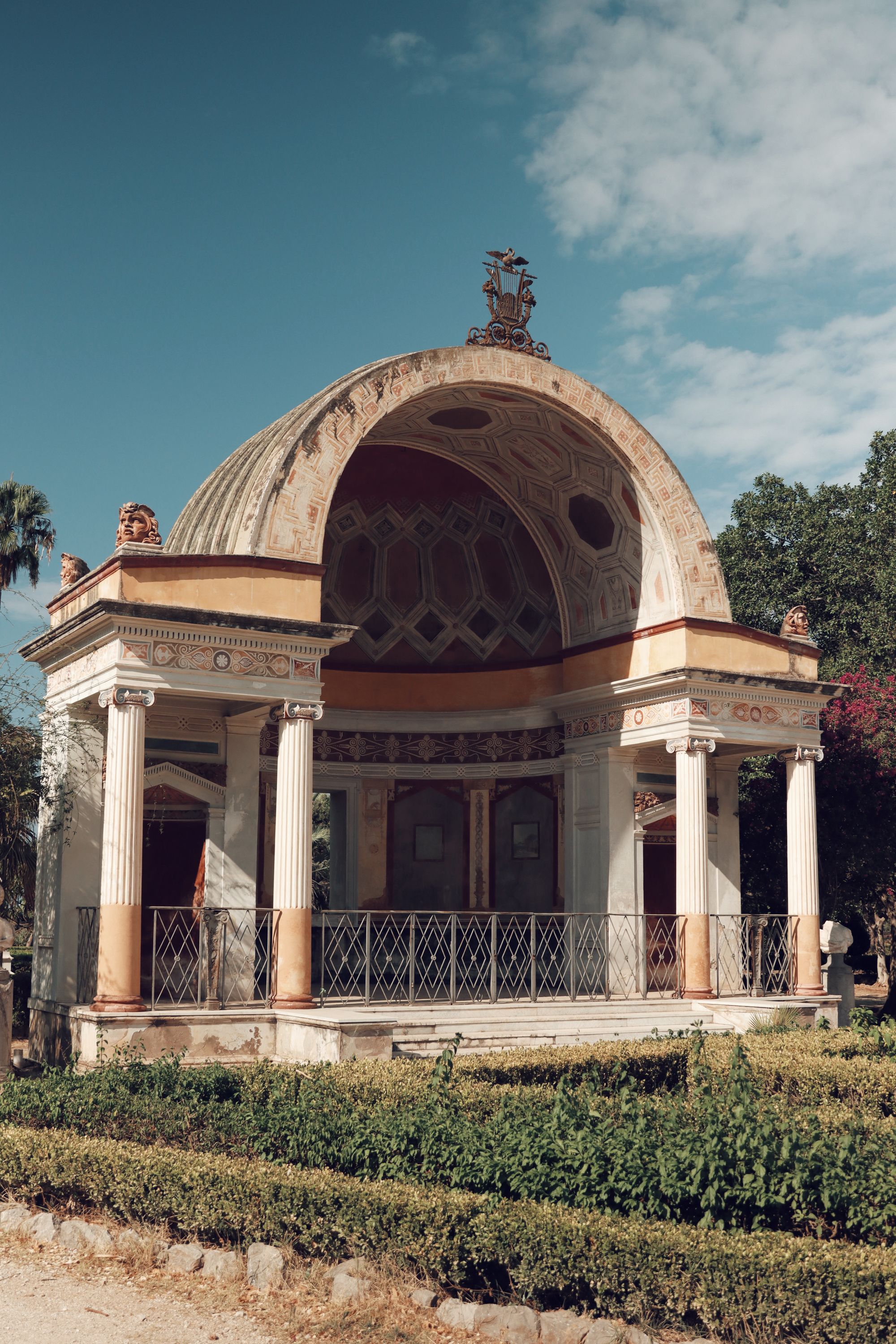
The villa itself is worth the walk round. Built as a papal house set among gardens, it leads out to a nymphaeum, an ornamental water court by Ammannati and Vignola.
Three rooms that hold the museum's best-known pieces are shut for renovation as of October 2026, so check the museum's website before you book. The Cerveteri and Pyrgi rooms, in the left wing of the ground floor, hold the sarcophagus, the gold tablets and a high-relief from Pyrgi's Temple A. The Castellani room upstairs holds gold and silver jewellery from antiquity to the 1800s.
If they are still shut, start in the right wing of the ground floor once you are through security. It holds the finds from Veii, among them the Tomb of the Priest-King, the Chigi Olpe and the Apollo from the Portonaccio Temple.
Finish outside in the courtyard, the loggias and the garden around the nymphaeum.
The museum is easy to see on your own, and its own staff run guided visits for adults, schools and groups in Italian, English, French, Spanish and German. Groups and schools must reserve through the museum's website, museoetru.it.
Audio guides in the same five languages are an add-on you choose when you book your ticket online. Tactile tours led by specialist staff can be arranged on request.
Arrive ahead of your slot, because security comes before the galleries. An early slot also keeps you clear of the big groups that wait outside later in the day.
If you pair the visit with the Borghese Gallery, allow extra time to cross the park between them. A wheelchair is available at the entrance on request, and the museum's free app is on the Apple and Android stores.
Explore the rest of Rome
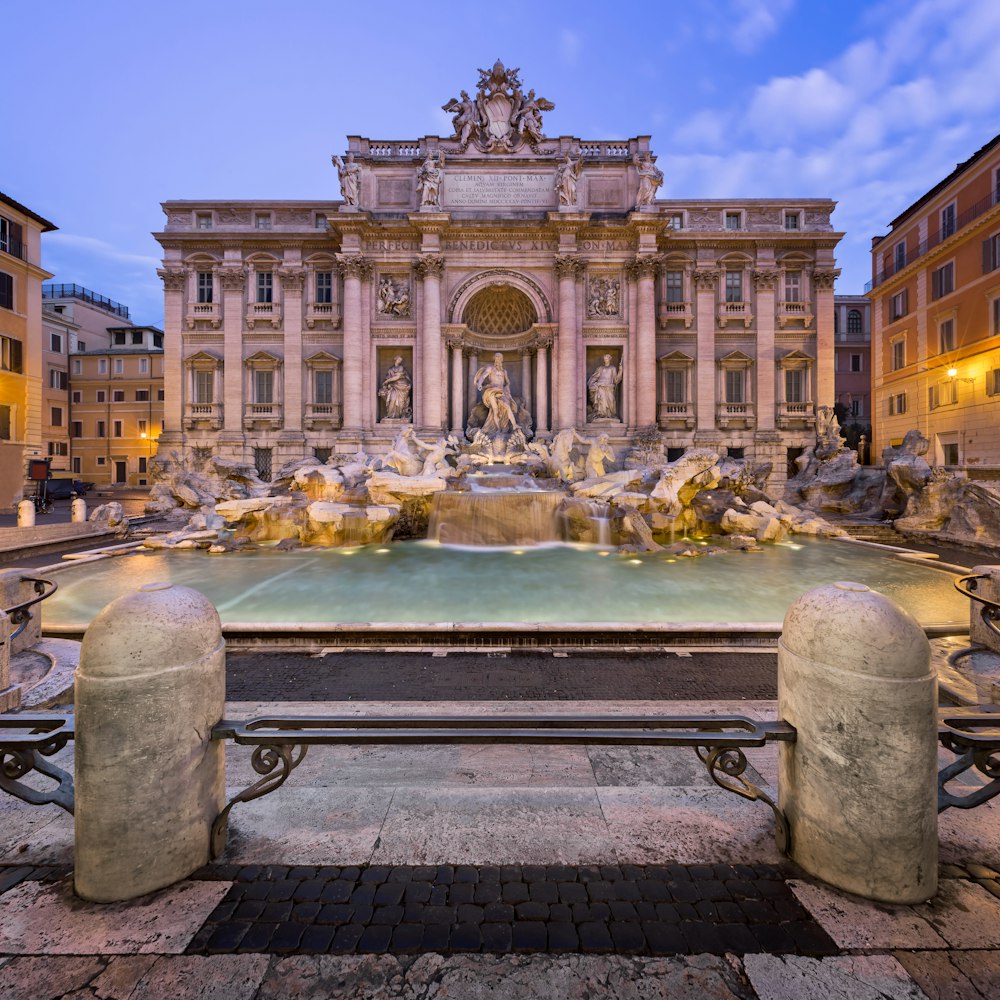
A Baroque fountain by Nicola Salvi, where Oceanus drives a shell chariot pulled by two sea horses, at the end of the Acqua Vergine, the…
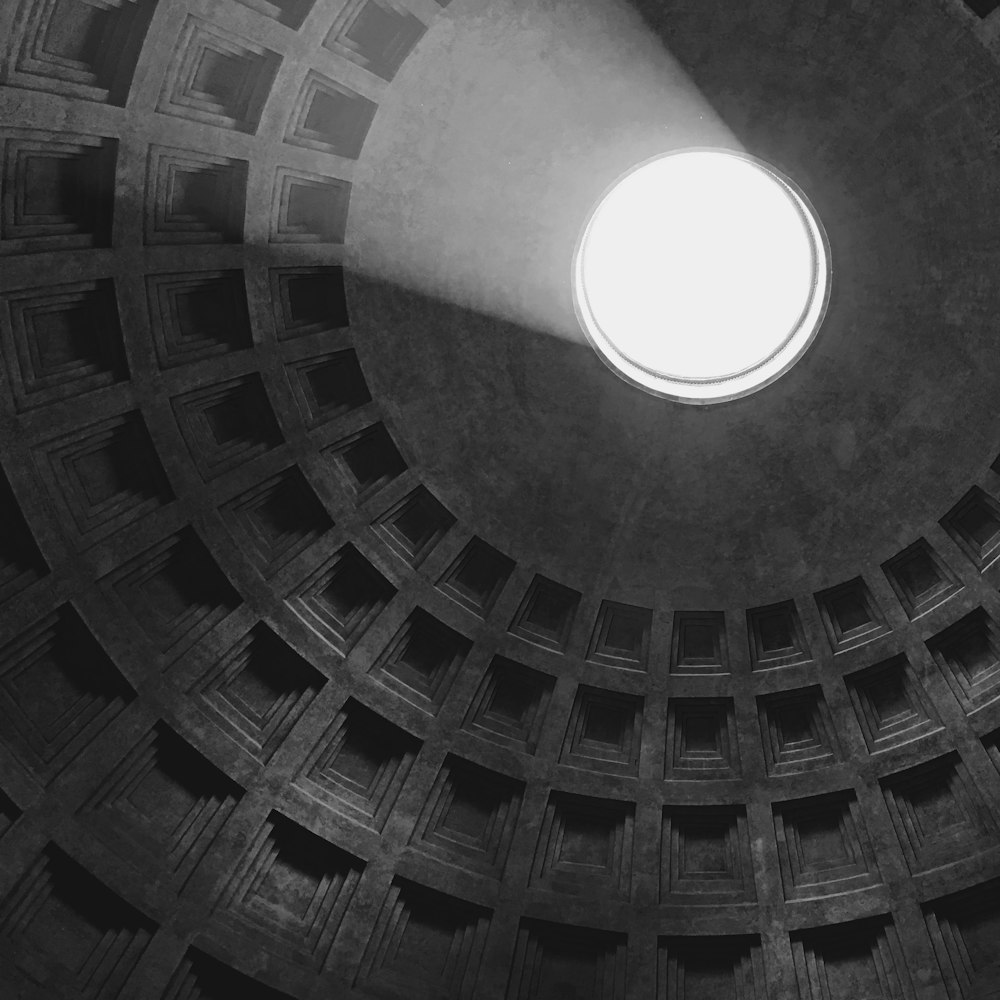
A Roman temple whose dome, completed under Hadrian, is still the largest ever built in unreinforced concrete, open to the sky through the…
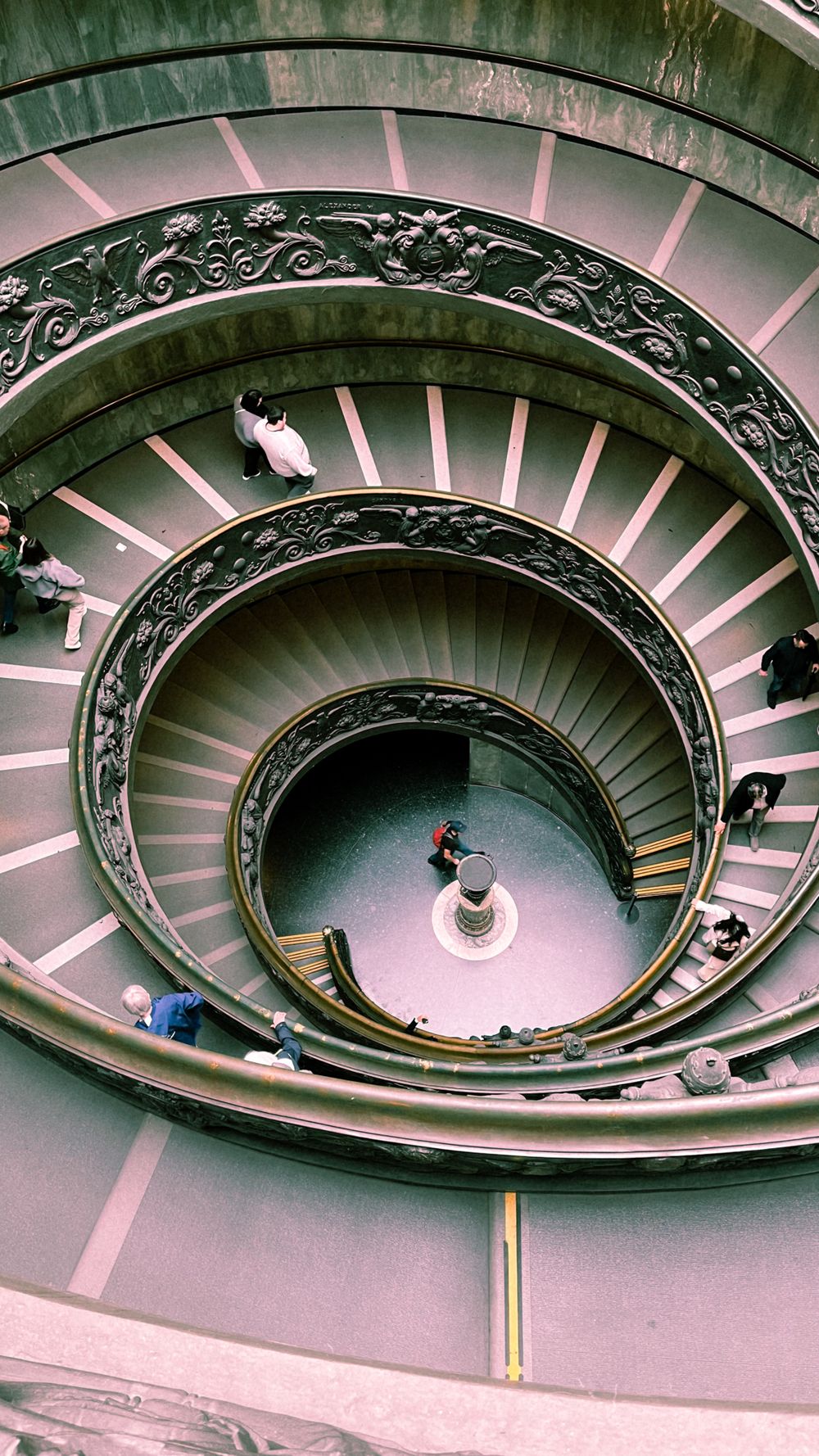
One of the world's greatest art collections, spanning Egyptian antiquities, Renaissance masterworks, and the Sistine Chapel ceiling painted…