 Submit a photo
Ninety seconds on Tōdai-ji
The Great Buddha Hall opens from 7:30 to 17:30 between April and October, and from 8:00 to 17:00 between November and March, as of November 2026. Hokke-dō and the Senju-dō at the Kaidan-in open from 8:30 to 16:00 all year. The Tōdai-ji Museum takes its last visitors at 17:00 from April to October and at 16:30 from November to March.
No, not the Great Buddha Hall. Admission is charged there and at Hokke-dō, Kaidan-dō and the Tōdai-ji Museum. The exception is the hall's night opening on 13 and 14 August, from 19:00 to 21:00, which is free.
The seated statue measures 14.98 metres, not counting the pedestal of 3.05 metres it rests on. Its face alone is 5.33 metres long, and each ear runs to 2.54 metres.
Yes, in the Great Buddha Hall, its corridor and along the approach. Tripods and group photos are not allowed there. Photography, sketching and flash are banned inside Nigatsu-dō, Kaidan-dō and the Tōdai-ji Museum.
Walk east along Noborioji-cho for about 20 minutes. The city loop bus also runs from the station to the Tōdai-ji Daibutsuden / Kasuga Taisha-mae stop, five minutes on foot from the temple.
From the two Niō in Nandaimon to the Buddha and its attendant figures in the hall, then up to quieter halls on the hillside, your visit climbs through the temple in one unbroken sequence.
The two Niō guardians inside Nandaimon, the great south gate, are each just over 8.4 metres tall. Both are 13th-century National Treasures.
In front of the Great Buddha Hall stands an octagonal bronze lantern from the temple's founding. The hall behind it is a smaller rebuild, seven bays wide where the halls before it had eleven, so its front is about 60 percent of the original width.
The bronze Vairocana Buddha inside was cast in eight stages over three years and completed in 749. Two attendant figures stand beside it, and they and the hall's Four Heavenly Kings were made in only half a year.
Higher up the hillside, Nigatsu-dō is known as the Second Month Hall, after the Shuni-e rite held there, better known as Omizutori. In Hokke-dō, also called Sangatsu-dō, stand ten statues from the Nara period, all of them National Treasures.
The ordination hall, Kaidan-dō, holds four Nara-period statues of the Heavenly Kings.
Past Nandaimon, the path leads to the Great Buddha Hall, where tickets are sold. Choose the hall ticket on its own, or the joint pass that adds the Tōdai-ji Museum, sold at the hall and at the museum.
Inside, the route circles the Buddha and passes the pillar behind it, with a hole at its base that children and slim adults fit through. The hole is occasionally closed. Check the gap before trying it as a larger adult, since getting stuck is a real risk.
From the hall, a path of steps climbs a wooded slope to Nigatsu-dō, which is not among the halls the temple lists as charging admission. Walk out onto its terrace, then carry on to Hokke-dō, which has its own ticket.
Add Kaidan-dō, ticketed separately, if you want a further hall. Finish at the Tōdai-ji Museum.
Deer walk the path up to the temple from Nara Park, and they eat paper tickets held loose and nose at dangling bags. Keep your hall ticket out of sight once you have bought it, and carry your bag close.
You will often have Hokke-dō almost to yourself. Its Shukongōjin, a guardian statue, is on view only on 16 December.
Buses crossing the park can run far behind in traffic. The city loop stop for the temple also carries the name of Kasuga-taisha, so the same stop serves the shrine if you are heading there next.
Explore the rest of Nara
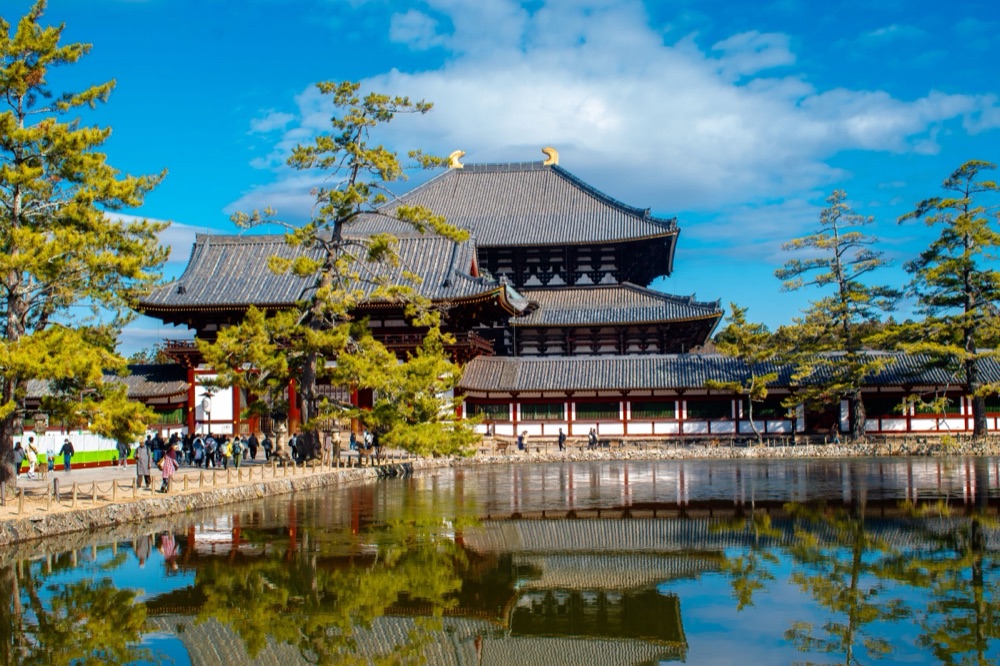
Eight World Heritage monuments stand within a walk or a short bus ride of one station, half of them in a park grazed by sika deer. The…
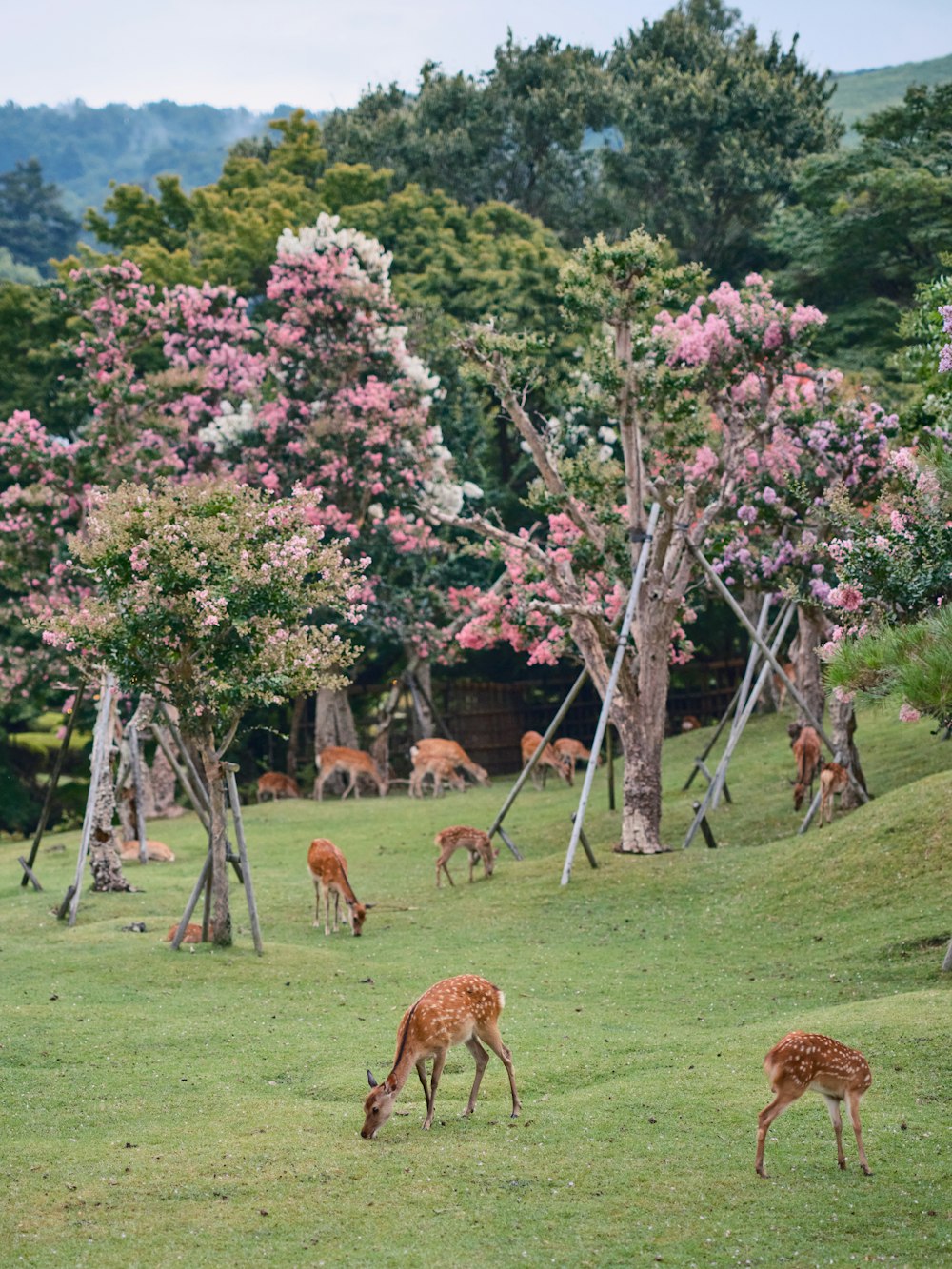
Nara Park, as the prefecture defines it, spans about 660 hectares, with the Shōsōin treasure house among the sites on its edge. Its deer…
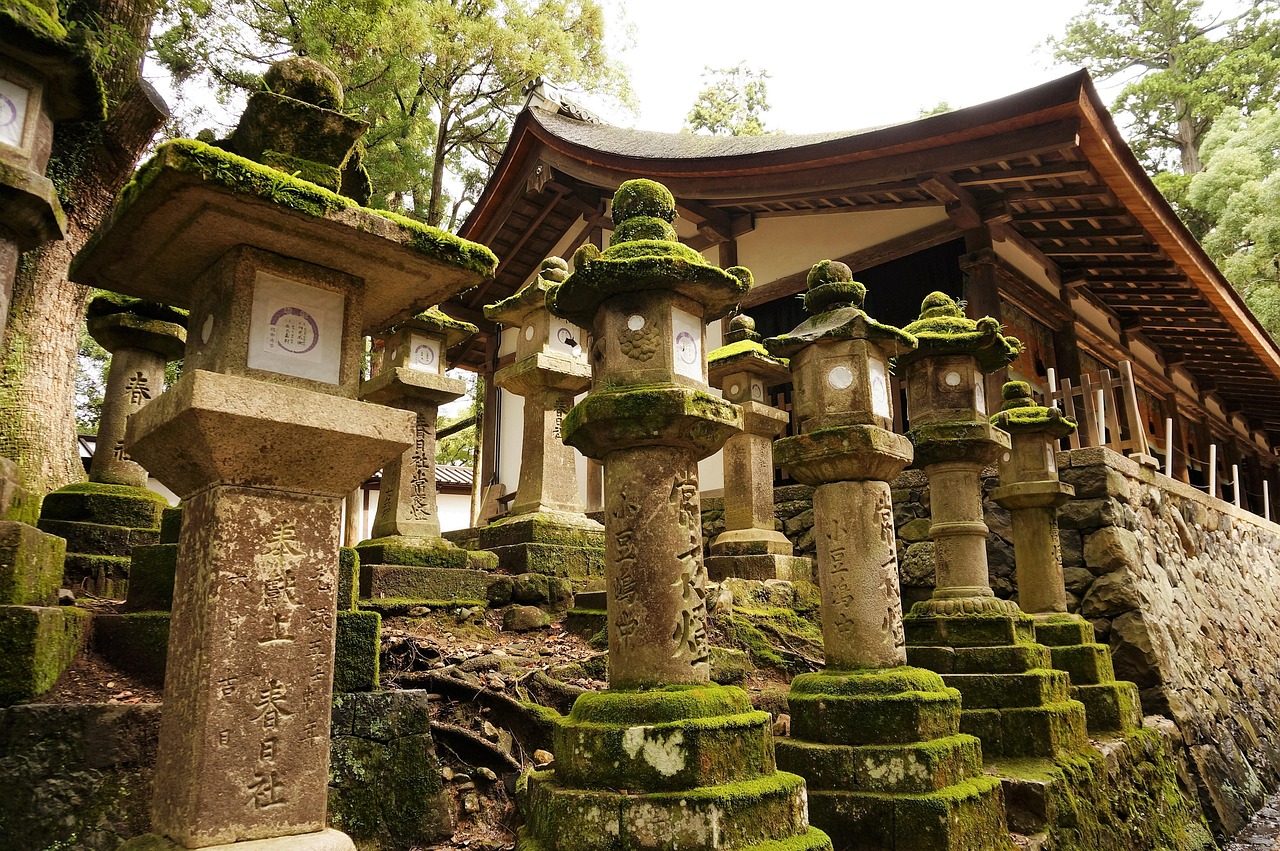
A forest approach lined with stone lanterns leads to Kasuga-taisha's vermilion halls, where bronze lanterns hang along the cloister. Every…
The official pages this guide was checked against.
Last updated