 Submit a photo
Ninety seconds on Kuromon Ichiba Market
Hours vary from store to store, so the market has no single opening or closing time. It runs as a morning and lunchtime market rather than an evening one.
Partly. A considerable number of shops close on Sundays and national holidays, and each store sets its own days off, so the stalls trading on those days vary.
Nippombashi Station, on the Osaka Metro Sennichimae and Sakaisuji lines. Exit 10 is the one for the market, a walk of about three to five minutes.
Only some. A few larger shops take cards, but many small counters do not, and plenty of stalls are cash only, so yen is needed at those stalls.
Many of the fish stalls here will cook the seafood you choose and serve it on the spot, so you can eat a whole lunch by moving from one stall to the next.
Roughly 150 stores line the arcade south from Sennichimae, trading both wholesale and retail. Its nickname is Osaka's kitchen. Alongside the fish they sell vegetables, fruit, processed foods, drinks and even clothing.
The cooked food runs from meat skewers to fresh oysters, scallops with soy butter, crab legs, fatty tuna and sea urchin straight from the shell. Many of the shops sell puffer fish (fugu), which is the market's winter speciality.
The name means black gate, after the gate of Enmyoji, a temple in Nipponbashi that no longer stands.
At the year's end, shoppers come for whole fugu fillets to cook in tetchiri hotpot at home, and for ingredients for traditional New Year dishes.
Prices at the cooking stalls can be per piece, per portion or by weight, so ask which before anything goes on the grill and agree the total. Premium beef, crab, sea urchin, large shellfish and fruit are the items to check.
The stalls work the same way: you eat at the counter or in the space beside the one you bought from, out of the aisle. When you finish, shells and other waste go back to that stall.
For a seated meal, the eat-in corner serves sushi, seafood bowls and tempura bowls, and some restaurants have multilingual menus and ticket systems. Dōtonbori is a short walk away.
Explore the rest of Osaka
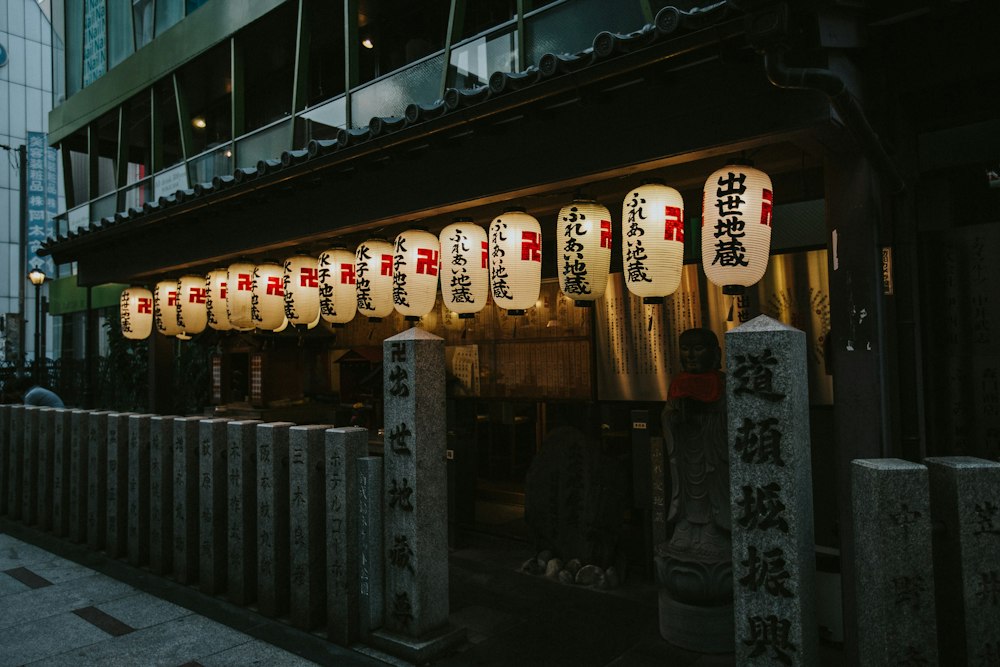
Giant signboards and a mechanical crab line this canal street in Minami, Osaka, with the Glico running man by Ebisubashi. The riverside…
Inside Tennōji Park, a grand prewar building holds Japanese and Chinese painting, Buddhist sculpture and lacquer, and it reopened in 2025…
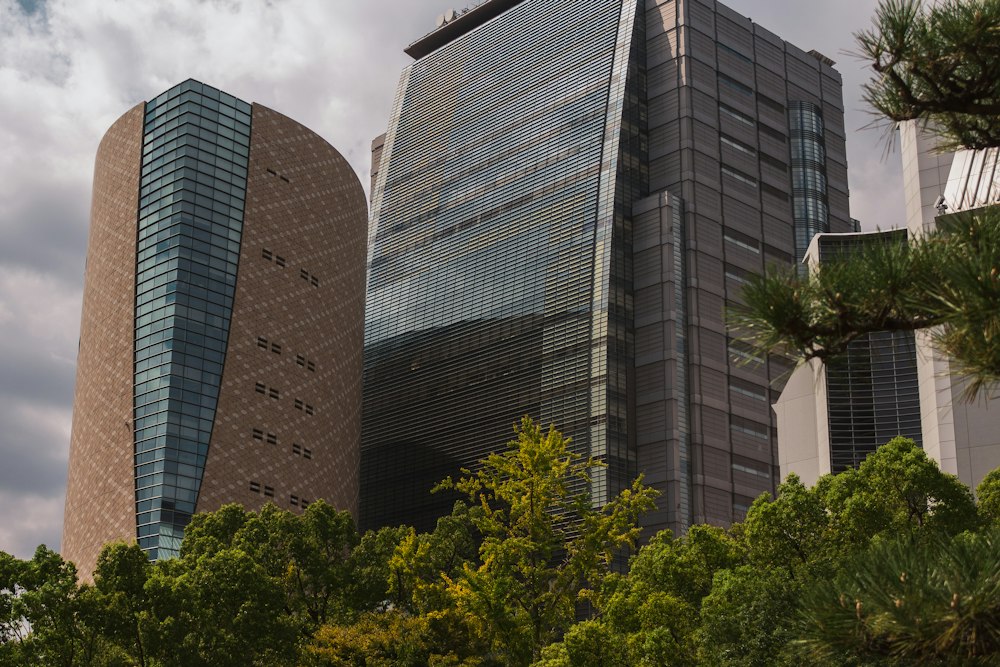
Take the lift to the tenth floor, where a full-size reconstruction of an ancient palace hall faces a window with a direct view of Osaka…
The official pages this guide was checked against.
Last updated