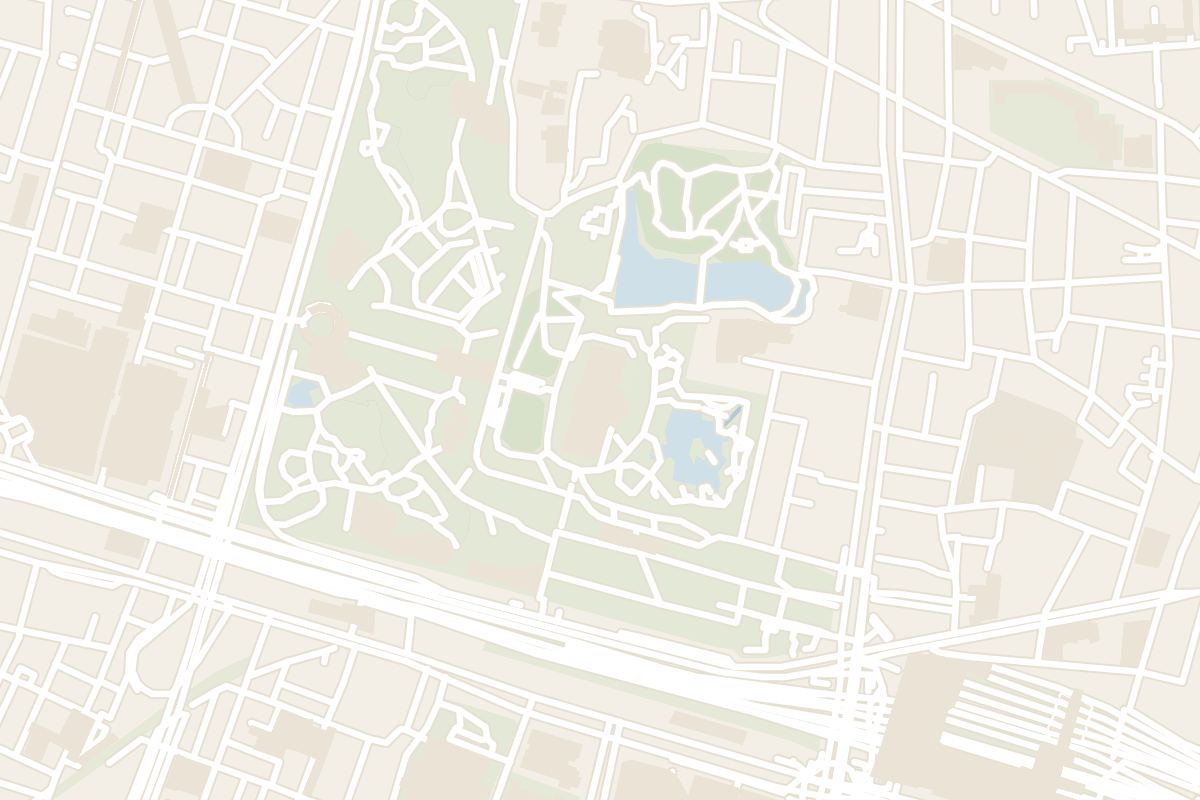
After the park escalator, you are one ticket away from Chinese and Japanese painting, Buddhist sculpture and works lent by temples, many of them National Treasures or Important Cultural Properties.
Museum, Osaka. Meridian Dispatch.
The museum stands inside Tennoji Park in Osaka, about 400 metres northwest of the nearest station, Tennoji Station. The walk from the station takes about five minutes.
From Tennoji Station, Midosuji Line passengers leave by the west ticket gate, Tanimachi Line passengers by exits 15, 16 or 17, and JR passengers by the central gate. Kintetsu Minami-Osaka Line passengers leave Osaka Abenobashi Station by its west gate.
The museum is open 9:30am to 5pm, last entry 4:30pm. It shuts on Mondays; when a Monday is a public holiday it stays open and closes on the following weekday instead. The New Year closure covers 28 December through 4 January.
Entry is ticketed, and the fee and reduction rules differ by type of exhibition, so check the current show before visiting. Visitors who qualify by age or address pay less or nothing if they show proof, such as a driving licence or a Mirairo ID.
The collection runs to about 8,700 pieces, shown in rotation, so the displays change. Many works have official national designations, such as National Treasure status. Chinese painting came from the Abe Collection, and the Yamaguchi collection supplied the Buddhist sculpture and crafts from China.
Photography is banned in the gallery rooms, apart from a few exceptions, to protect the works and the rights of their owners. Food and drink are allowed only in the café, and large bags should be left in the lockers.
The museum holds about 8,700 Japanese and Chinese paintings, sculptures and crafts and shows them in rotation, with works lent by temples and shrines, so what is on the walls changes with each exhibition.
Much of the collection arrived as gifts. The Abe Collection brought Chinese painting, the Yamaguchi collection brought Chinese Buddhist sculpture and crafts, and the Konishi family gave material linked to the painter Ogata Korin. Other named gifts, among them the Taman and Cazal collections, fill out the rest with Chinese and Japanese sculpture and crafts.
Buddhist and Shinto religious art sits beside hanging scrolls, ceramics and lacquerware, and most of what you see is Asian work. The Sumitomo family gave the city the land and its pond garden, Keitakuen.
The Keitakuen combined ticket covers the garden and the museum's own exhibitions, though not the special ones, and is valid only on the day you buy it. Special exhibitions are priced on their own, so say which you want at the desk.
The park-level entrance takes you up an escalator into the central hall. This hall, and most of the building outside the galleries, is a free zone with the museum shop, and a terrace off it looks over Keitakuen.
Leave large bags in the coin-return lockers on B2, at the B1 entrance or on the first floor, and long umbrellas in the stands. Keep the ticket stub attached, because a torn-off stub voids it. Photography is banned in most gallery rooms.
Some visitors enter free or at a reduced rate on age or address, so carry ID that shows both, such as a driving licence. Students and high school pupils pay a different rate from adults, so bring a student card.
Big temporary exhibitions draw crowds of Osaka locals, so for a major show give yourself extra time.
Osaka, Japan: Street food, late nights and the lit canal at Dōtonbori are the reasons to come, with stalls and counters busy until close to midnight.
Read the Osaka guideExplore the rest of Osaka
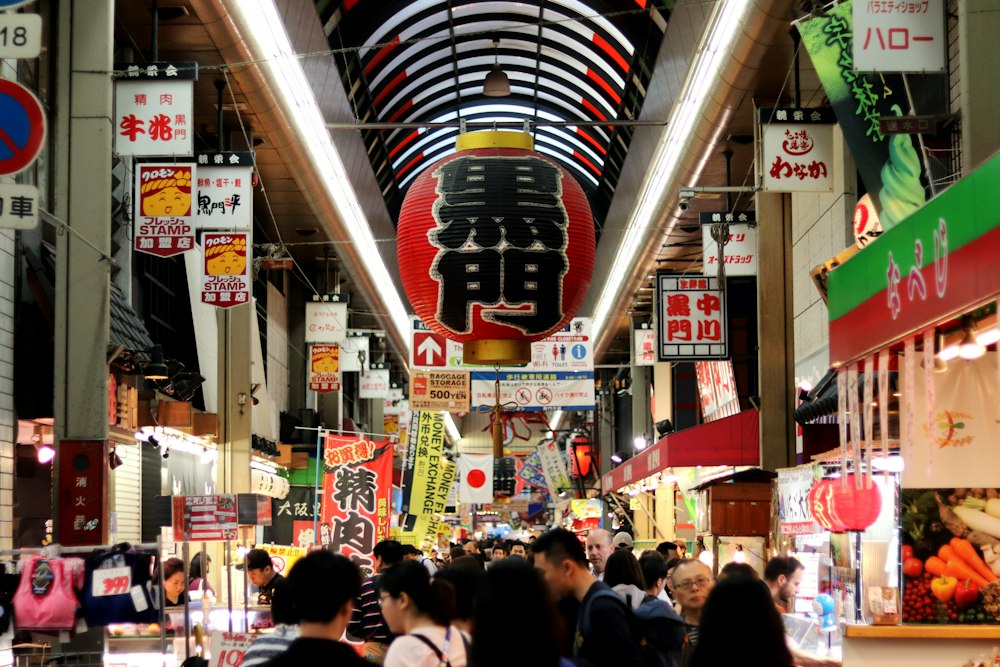
Grilled scallops, tuna sashimi, wagyu skewers and fresh fruit are sold from about 150 stalls along a covered lane near Nippombashi Station.…
Giant signboards and a mechanical crab line this canal street in Minami, Osaka, with the Glico running man by Ebisubashi. The riverside…
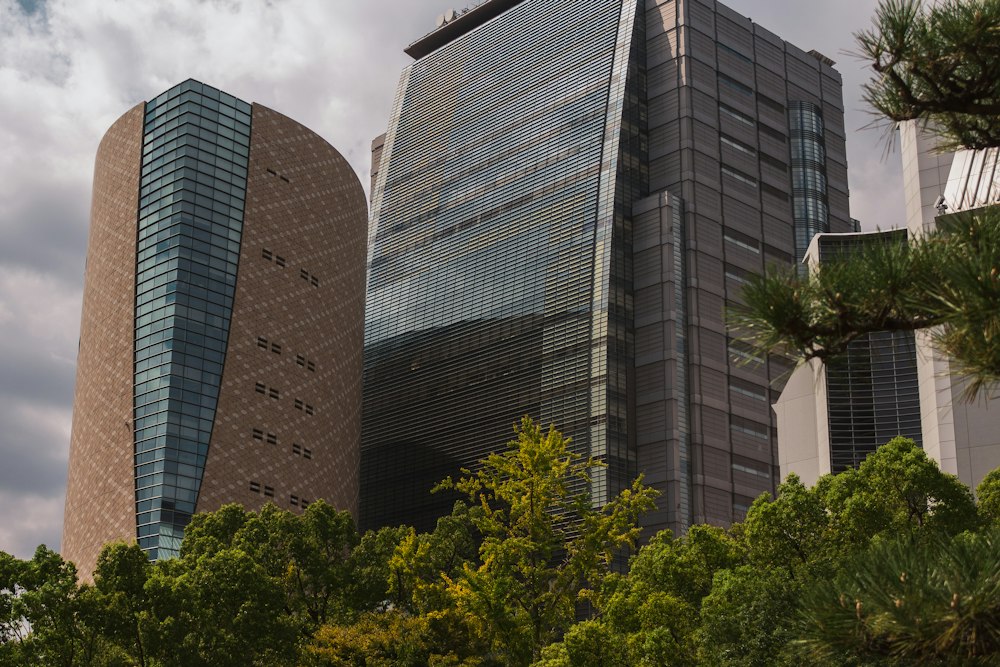
Take the lift to the tenth floor, where a full-size reconstruction of an ancient palace hall faces a window with a direct view of Osaka…
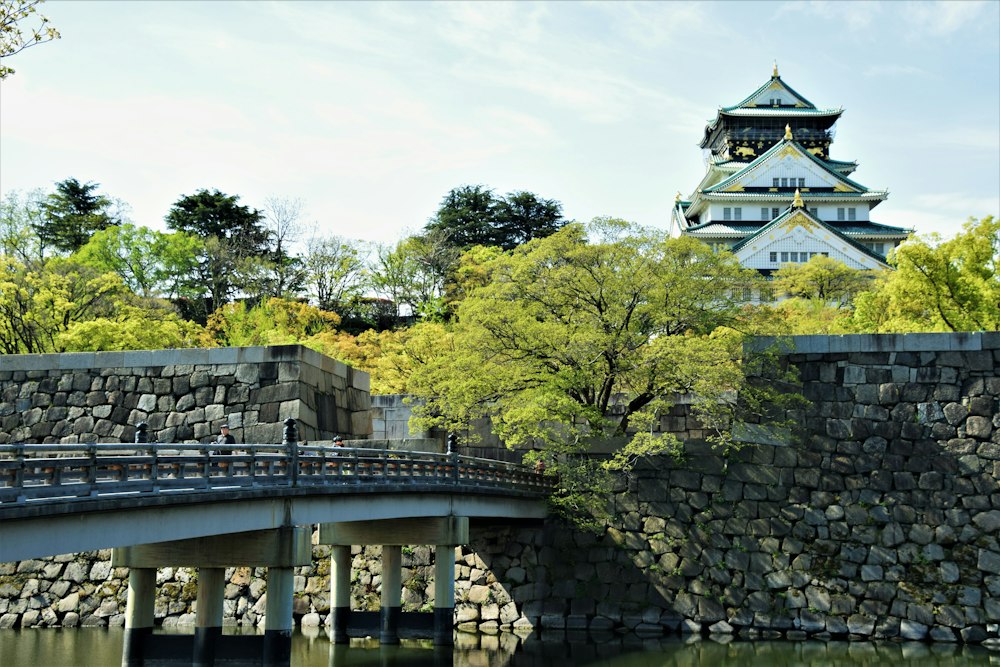
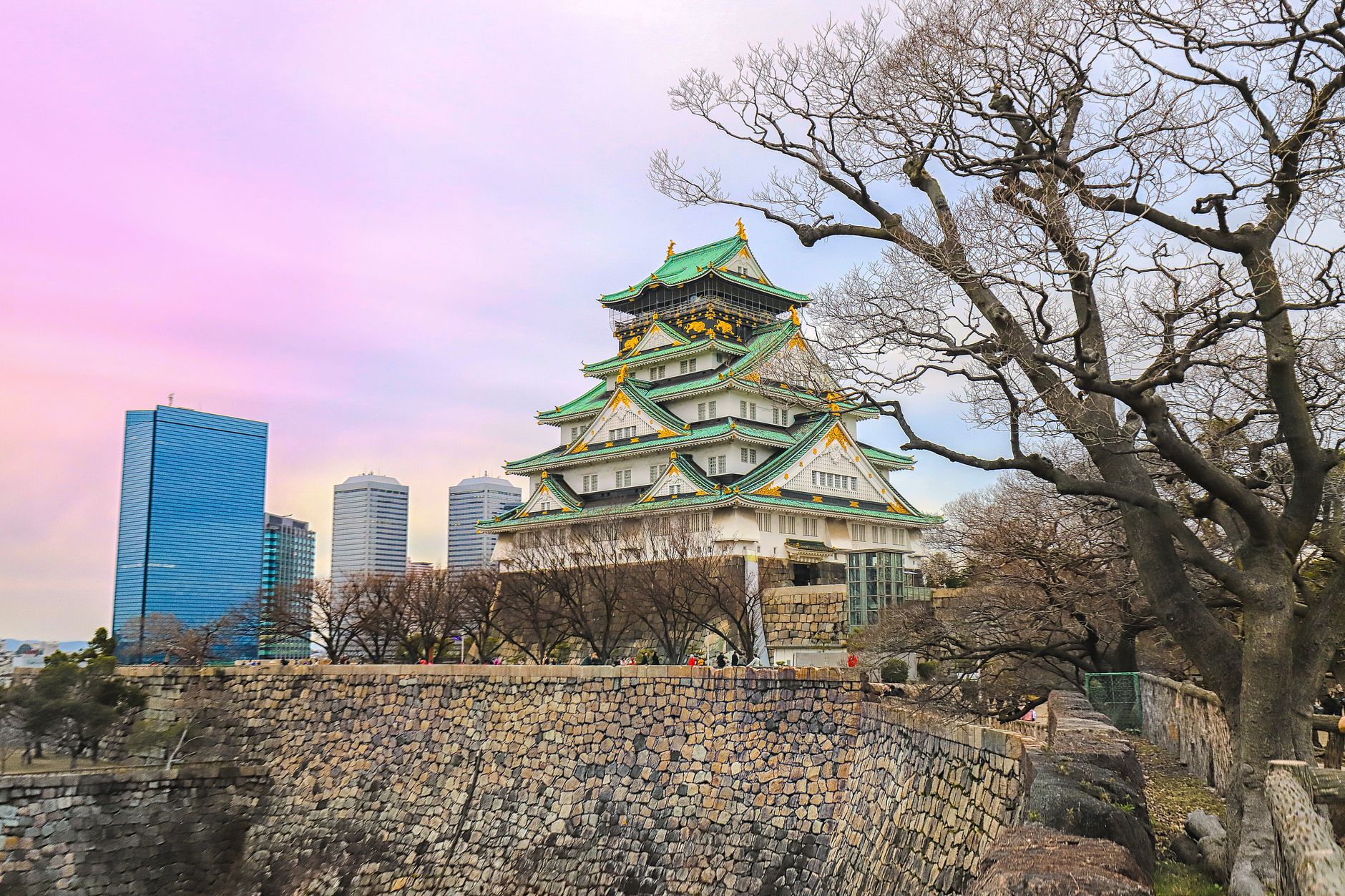
A concrete castle tower with a modern museum inside and an open deck on the eighth floor, fifty metres up, looking over the moats, the…
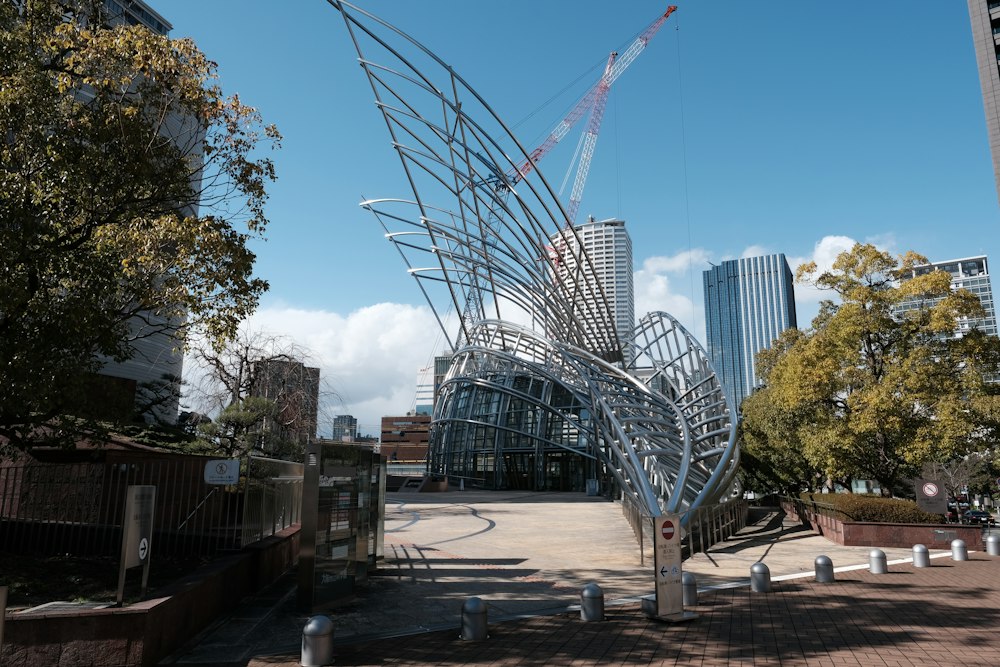
On Nakanoshima island, a glass and stainless steel entrance designed by César Pelli leads to galleries of postwar and contemporary art from…
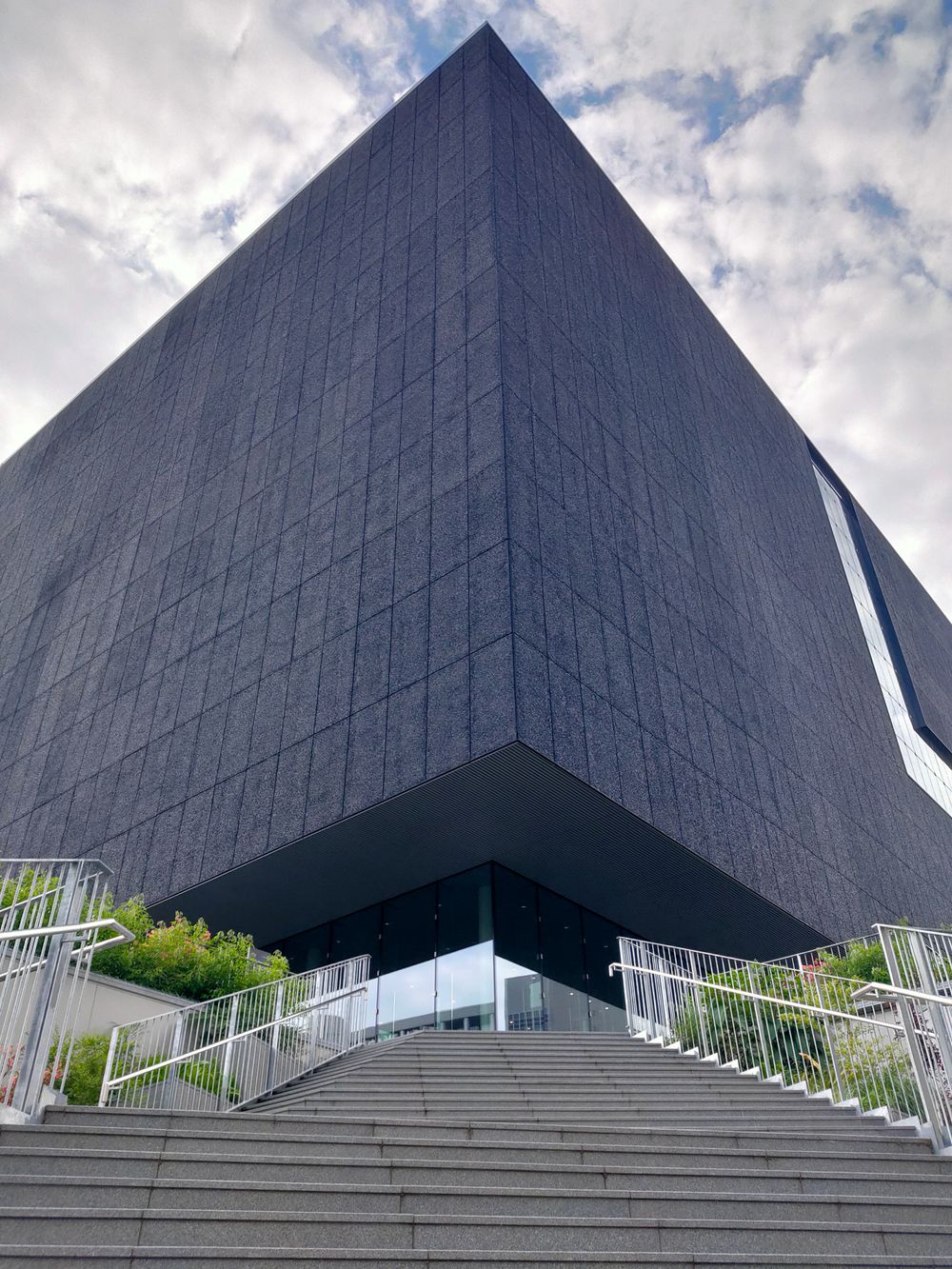
A black cube of a building on Nakanoshima, with a collection of more than 6,000 works of Western and Japanese painting and modern and…
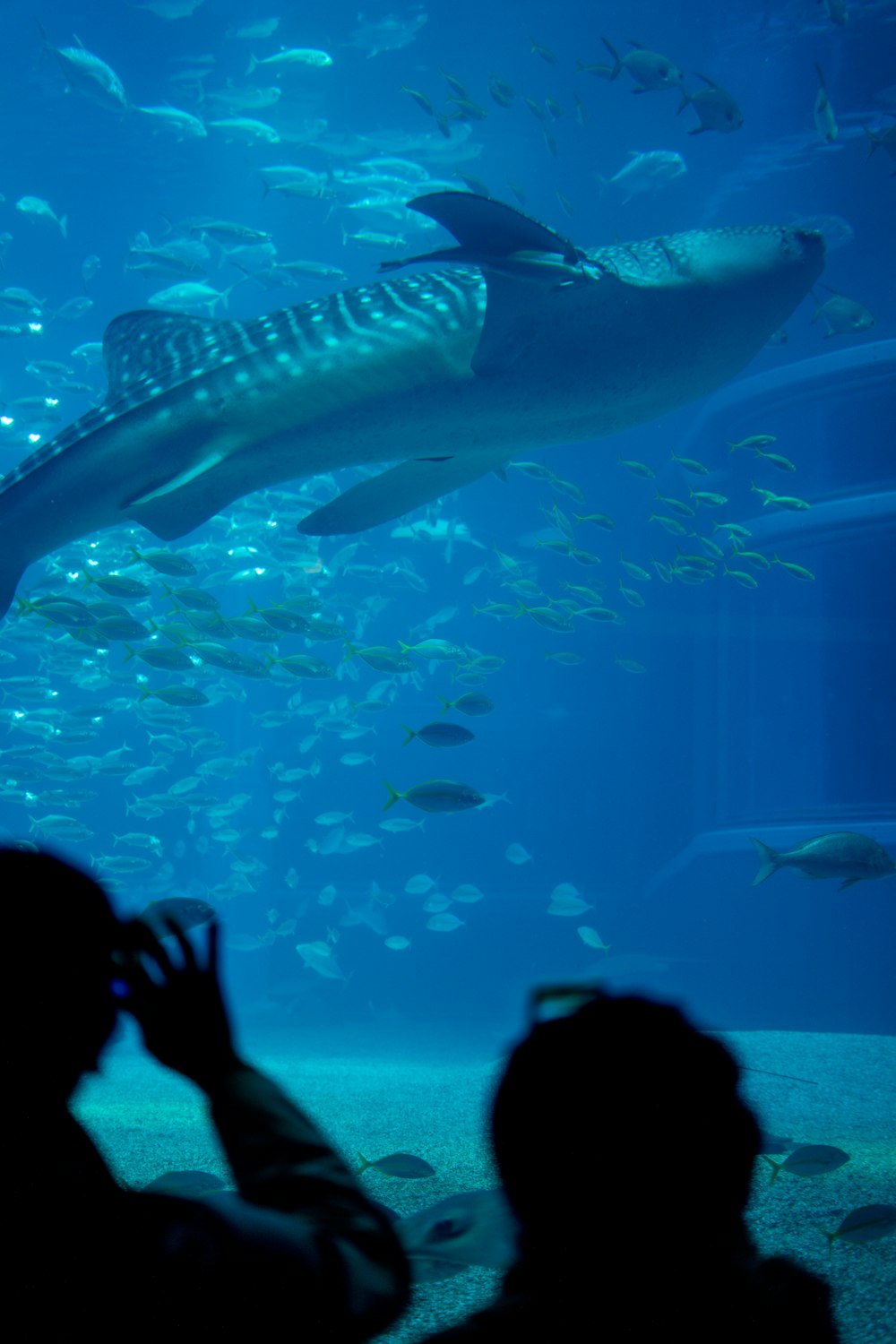
A walk round the Pacific Rim from the top of the building to the bottom, from a Japanese forest stream with its otters to the Antarctic…
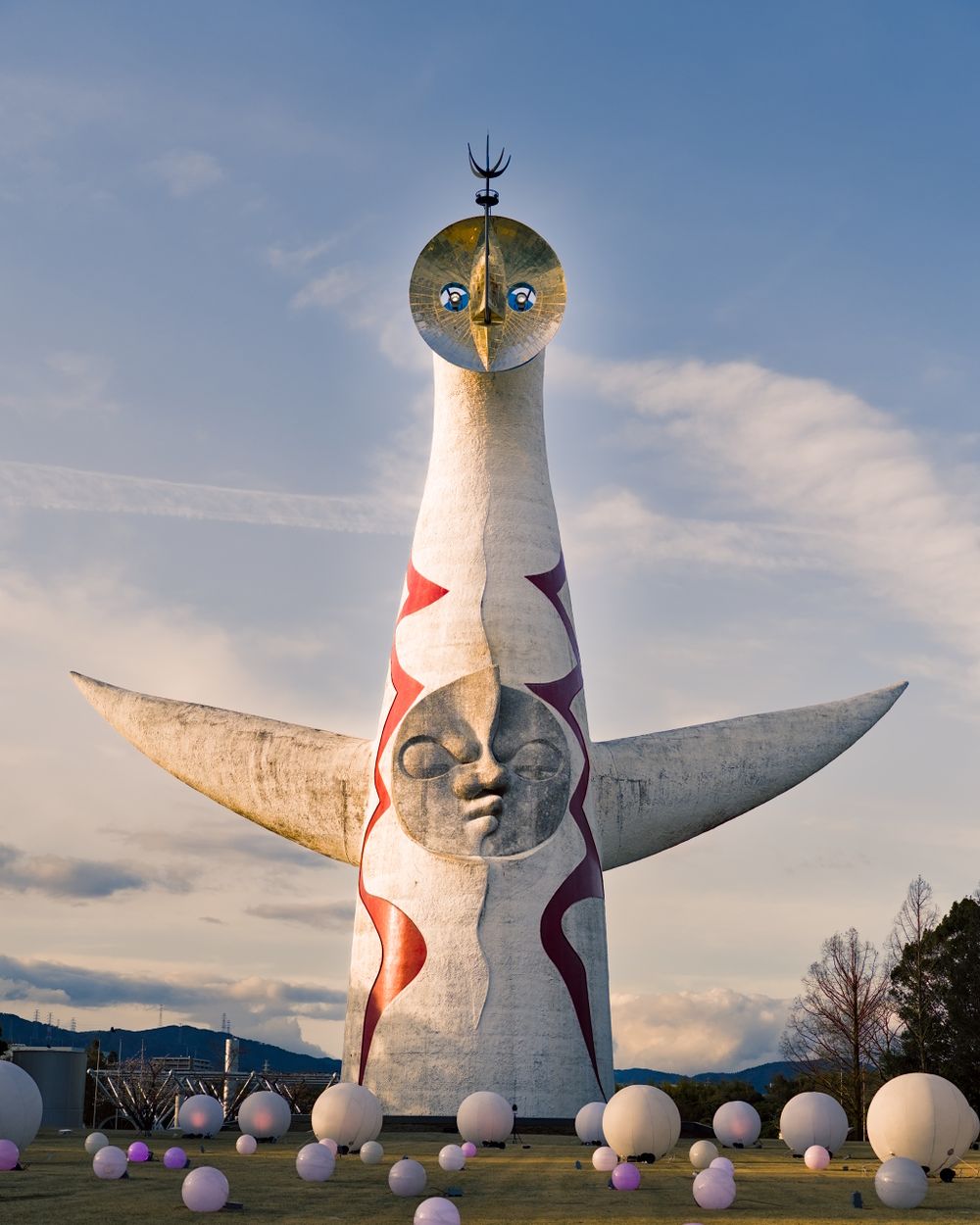
Taro Okamoto's Tower of the Sun, the symbol of the 1970 World Expo, stands at the heart of a park laid out on the fair's old site. Its…




Save Osaka City Museum of Fine Arts to your Japan trip in the Meridian Dispatch app and build the day around it, with the best of Osaka pinned on one map.
Download on the App StoreLast updated