 Submit a photo
Ninety seconds on Malta at War Museum
Monday to Saturday, 09:30 to 17:30, last admission 17:00. Closed on Sundays, on 24, 25 and 31 December, on 1 January, and on Good Friday and Easter.
Entry is ticketed, and the ticket covers the guided tour of the museum and its shelter as well as the audio guide. Tickets can be bought ahead through the museum's own website.
Fondazzjoni Wirt Artna runs both the museum and the wartime shelter beneath it. The foundation's office is at Notre Dame Gate on St Edward's Street, also in Birgu, and its main line is +356 21800992.
Bus 2 or 3 runs from Valletta's central bus station. The other choice is the passenger ferry to the Three Cities, whose landing point is about ten minutes' walk from the museum.
Yes. Alongside the military side of the siege, the museum explains in detail how Maltese and British families survived the war, across the galleries above ground and the air raid shelter beneath them.
Yes. The museum takes group and school visits, and groups of ten or more can ask about group bookings. Enquiries go to the museum on +356 21896617.
Birgu's wartime air raid shelter, cut into the rock beneath this museum, protected hundreds of families from the Second World War bombing, and you walk down into it.
The museum fills the 18th-century Couvre Porte Barracks, part of the three-gated entrance into Birgu, which is also called Vittoriosa.
Above ground, in the barracks, period memorabilia sits beside wartime film footage and recorded audio of the period.
Some of the memorabilia can only be seen in this museum. Among the objects on show are the original tools used to break and carve the bedrock for the shelter below. The film is Malta G.C., an original propaganda film made in 1943.
The shelter is a maze of tunnels linking communal dormitories, a surgery, a birth room and many private cubicles. A large part of Birgu's population lived down there during the war.
Two parts make up the visit, in a set order. You begin above ground in nine galleries, where the film is screened, and then go down to explore the tunnels beneath the barracks.
Guided tours in English start every hour from 10:00, and the last tour is at 14:00. The tour covers both parts. Time your arrival to one if you want a guide; the ticket also includes an audio guide.
Signs lead to the door from Birgu's main bus station, a few steps away.
Choosing between this and the Lascaris War Rooms near Valletta? Go to Lascaris for the wartime operations room, and come here for the wider museum and the shelter. Because it stands at the entrance gates into Birgu, it fits at the start or the end of a Three Cities day.
Fort Rinella in Kalkara makes a natural next stop, and bus 3 runs straight there.
Explore the rest of Birgu
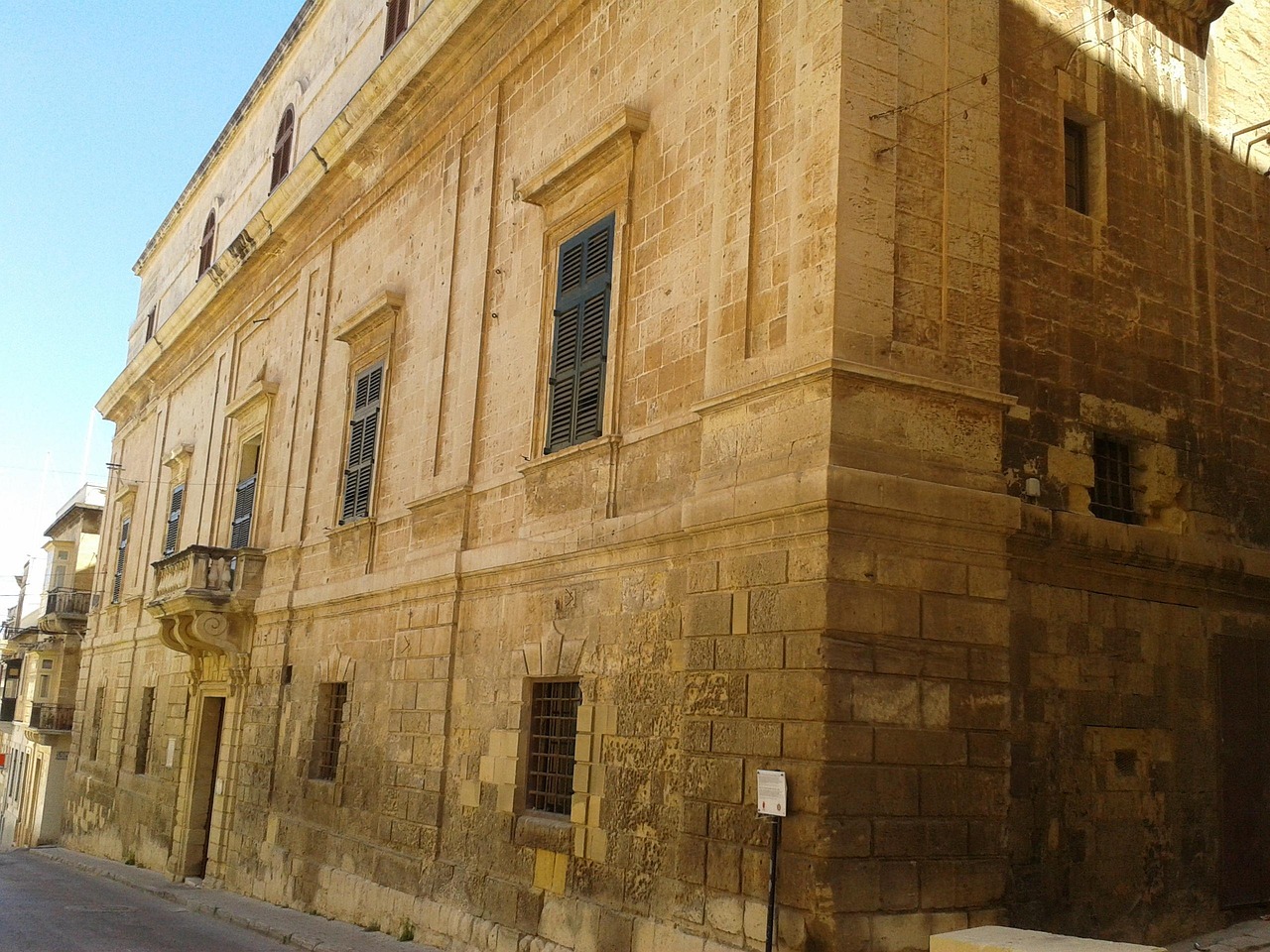
Rooms around a cloistered courtyard in the centre of Birgu show how the Roman Inquisition worked in Malta: the tribunal room, prison cells…
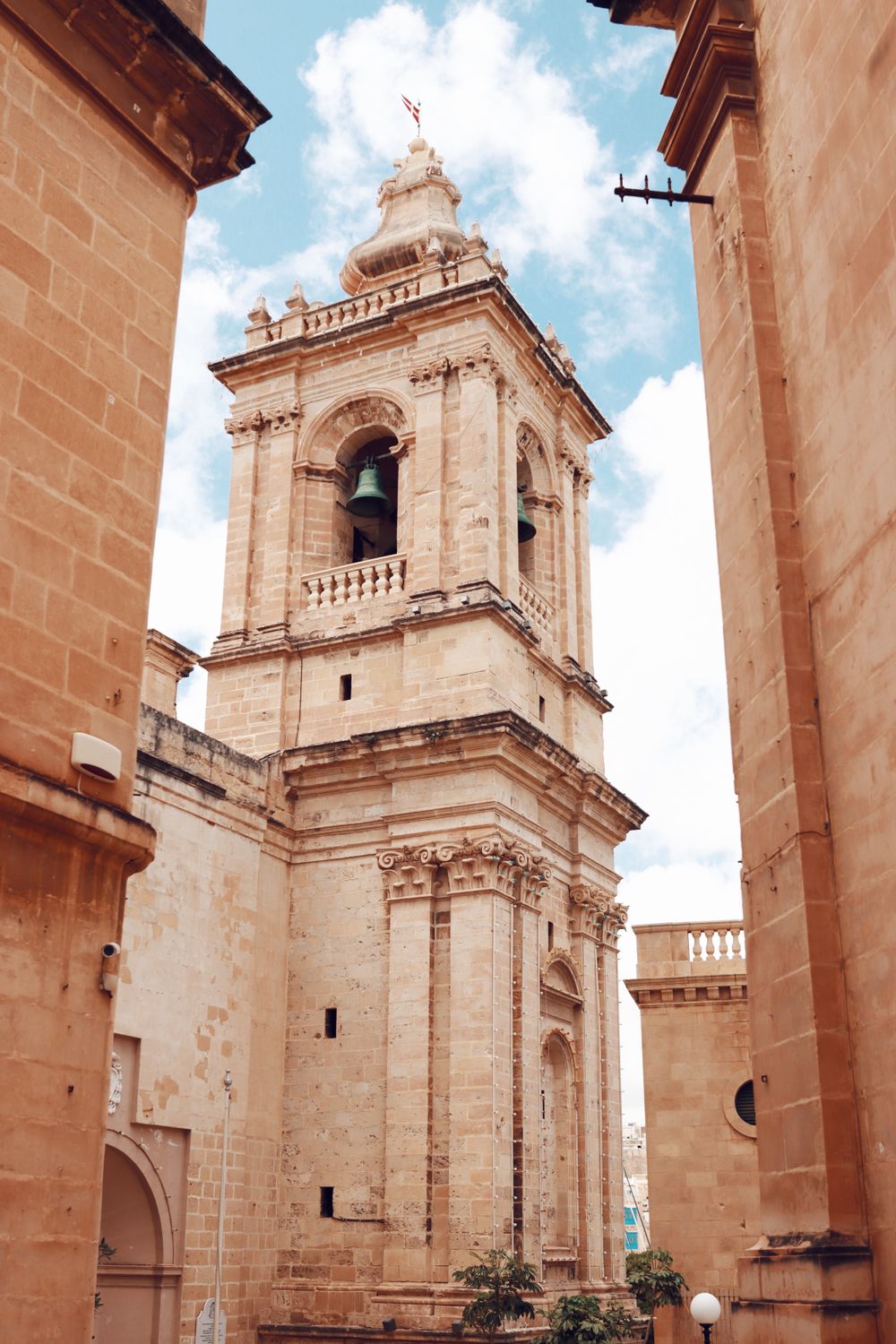
Facing the Birgu marina, St Lawrence served as the Knights' conventual church before St John's in Valletta was built. The interior has a…
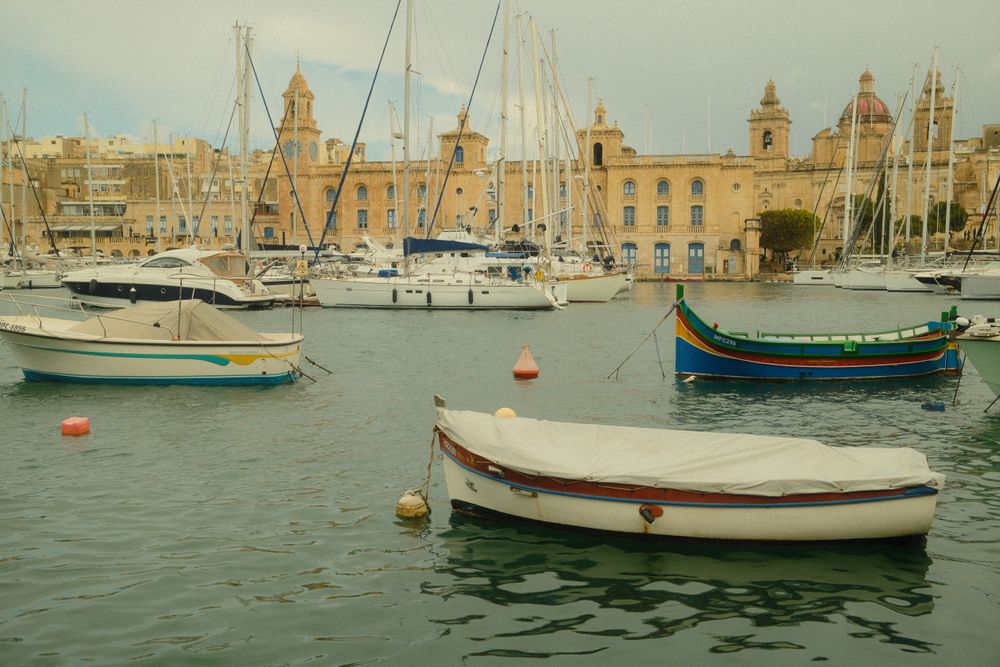
Yachts fill the marina below Birgu's old town, and the water taxis from Valletta tie up along it. Walk the length of the quay, then turn up…
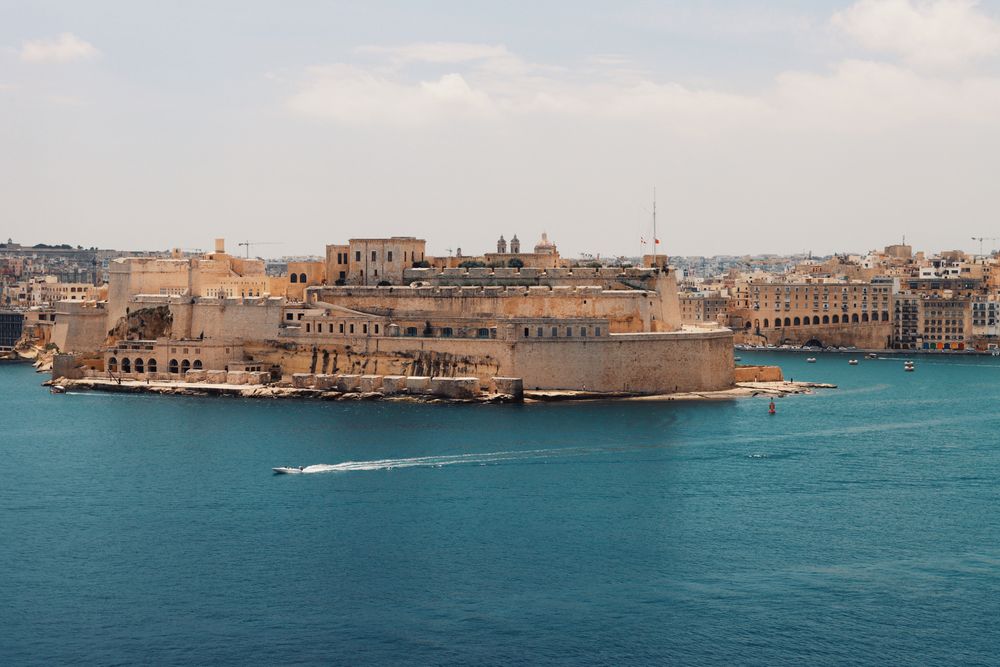
At the tip of the Birgu peninsula, Fort St Angelo guards the harbour mouth opposite Valletta. A ramped route climbs through restored…
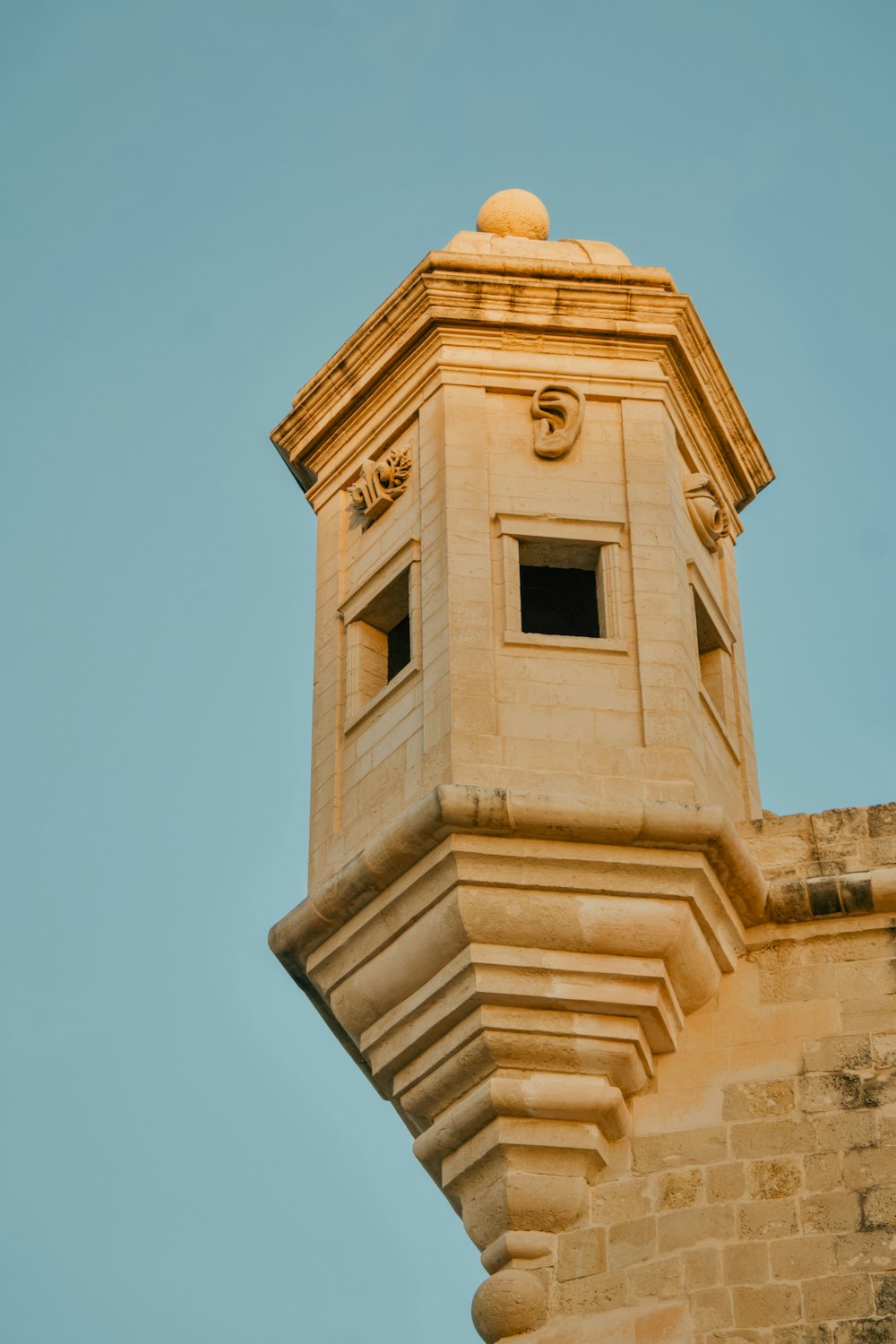
A small garden at the tip of Senglea ends at the Gardjola, a stone lookout carved with an eye and an ear as a sign of watchfulness over the…
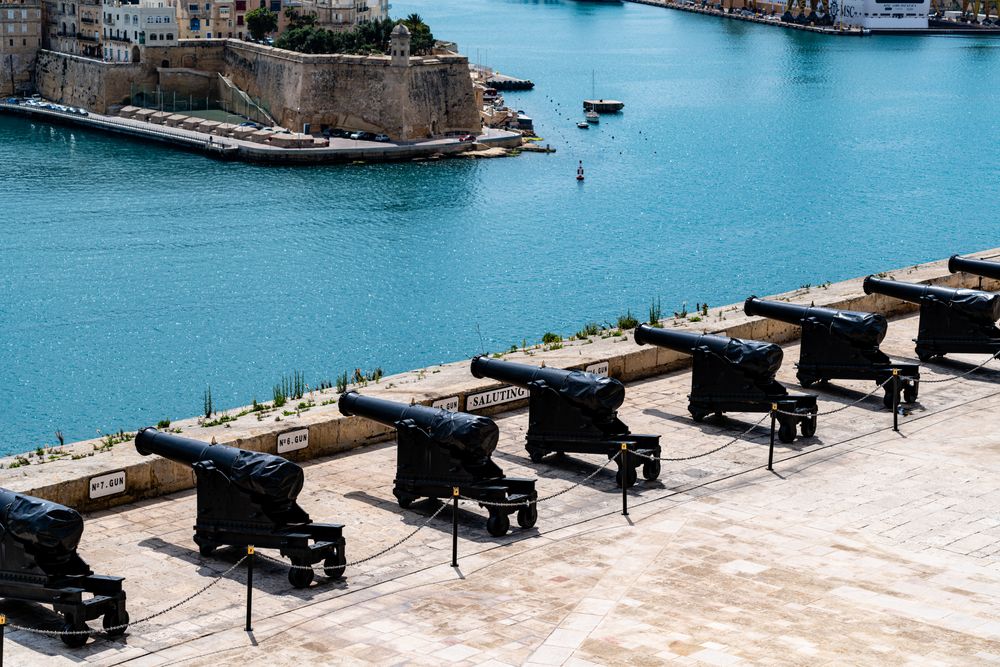
On most days a crew in period uniform loads and fires a cannon from the gun platform below Upper Barrakka, at noon and at 4pm. Firings are…
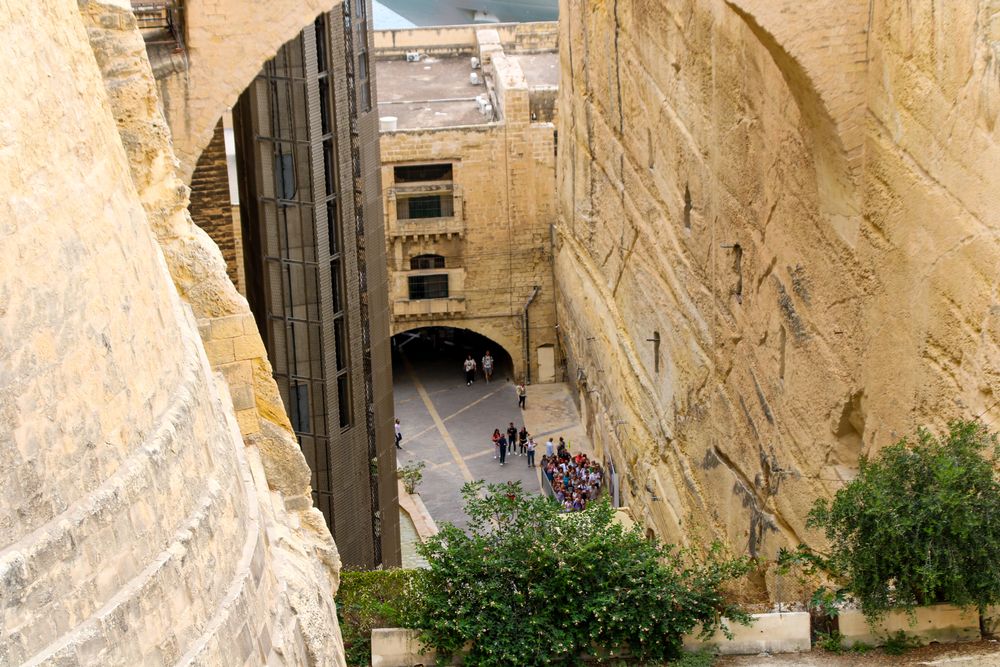
Glass cars climb the face of the bastion between Upper Barrakka Gardens and the wharf below, saving the long walk up the stepped streets.…
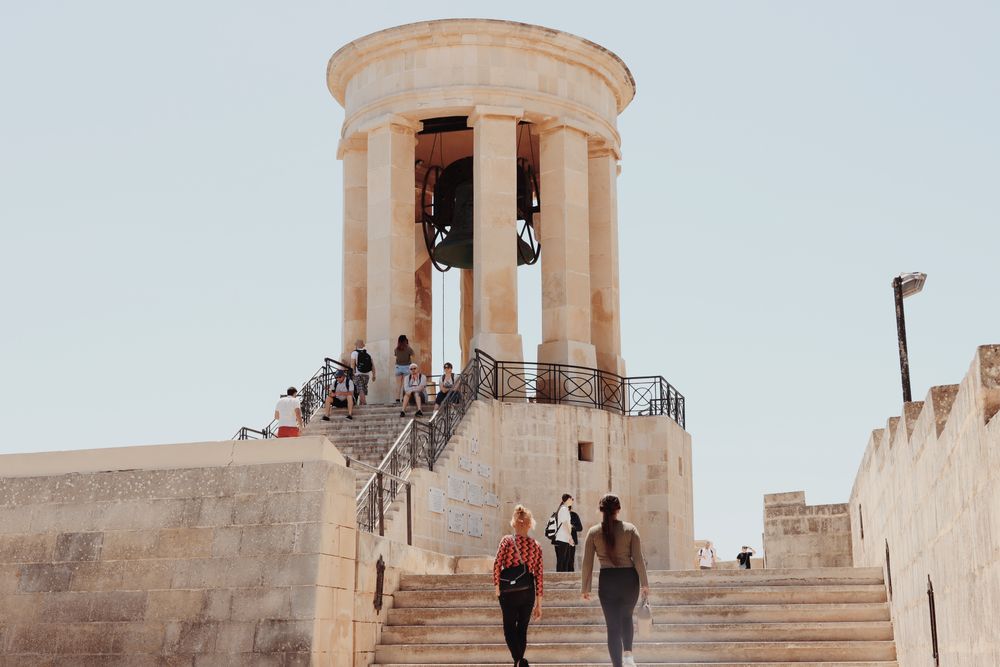
A bronze bell under a stone cupola stands on the bastion below Lower Barrakka Gardens, a memorial to those who died in the wartime siege of…
Last updated