 Submit a photo
Ninety seconds on Għar Dalam
Heritage Malta's Opening Hours page lists the current days and times, and the site answers the phone on 21657419. All Heritage Malta sites close on 1 January, Good Friday, and 24, 25 and 31 December, and last admission is 30 minutes before closing time.
Entry is ticketed by Heritage Malta, with reduced rates for youths, seniors, students and children aged 6 to 11. Infants aged 1 to 5, Heritage Malta members and Heritage Malta Passport holders enter free. Heritage Malta publishes the current rates and a Book now option on its website.
Malta travel guides name route 82, which stops at Dalam, a short walk from the entrance. The address to give a journey planner is Għar Dalam Road, Birżebbuġa.
About 50 metres. The cave runs 144 metres into the rock, but only the first 50 metres are open to the public, which keeps the cave part of a visit short.
The site has a nappy changing facility, food and drinks, indoor and outdoor seating, and lockers for bags. Inside the cave, keep small children by the hand.
Yes. Heritage Malta lists audio guides among the facilities on site, in ten languages: Maltese, English, German, Italian, Greek, Spanish, French, Chinese, Japanese and Polish.
Inside a cave in Birżebbuġa you can walk where Malta's Ice Age animals were found, then see their bones, dwarf elephants and hippos among them, in the museum beside it.
Għar Dalam is a cave whose floor deposits hold the bones of animals that roamed Malta in the Ice Age. Dwarf elephants, hippos, red deer and giant swans are among the species found there, from a time before any human habitation.
The earliest of those bones were deposited more than 160,000 years ago, and excavations in the cave turned up an extensive amount of them, now the core of the museum display.
In the topmost deposit, called the Cultural layer, pottery left by early Neolithic settlers is the earliest evidence of human settlement in Malta, some 7,400 years ago.
The site gave its name to the Għar Dalam phase, the earliest phase of Maltese prehistory.
Two parts make up the visit, the museum hall and then the cave. In the Joseph Baldacchino Hall, rows of animal bones from the cave are laid out in one of a handful of Victorian-style displays left in Europe.
Take your time over the way the finds are arranged as well as the finds themselves.
From the museum, a paved path leads down through the grounds to the cave entrance. Along the walkway inside, fossil bones are still visible in the cave, before you climb back up to the museum.
For a day in the south, Marsaxlokk village is about 2.5 km away, a walk of 30 to 35 minutes. Għar Dalam is an easy stop to add to St Peter's Pool and the Darmanin Salt Pans.
Up the hill, the Bronze Age defensive walls of Borġ in-Nadur make a second stop.
Explore the rest of Marsaxlokk
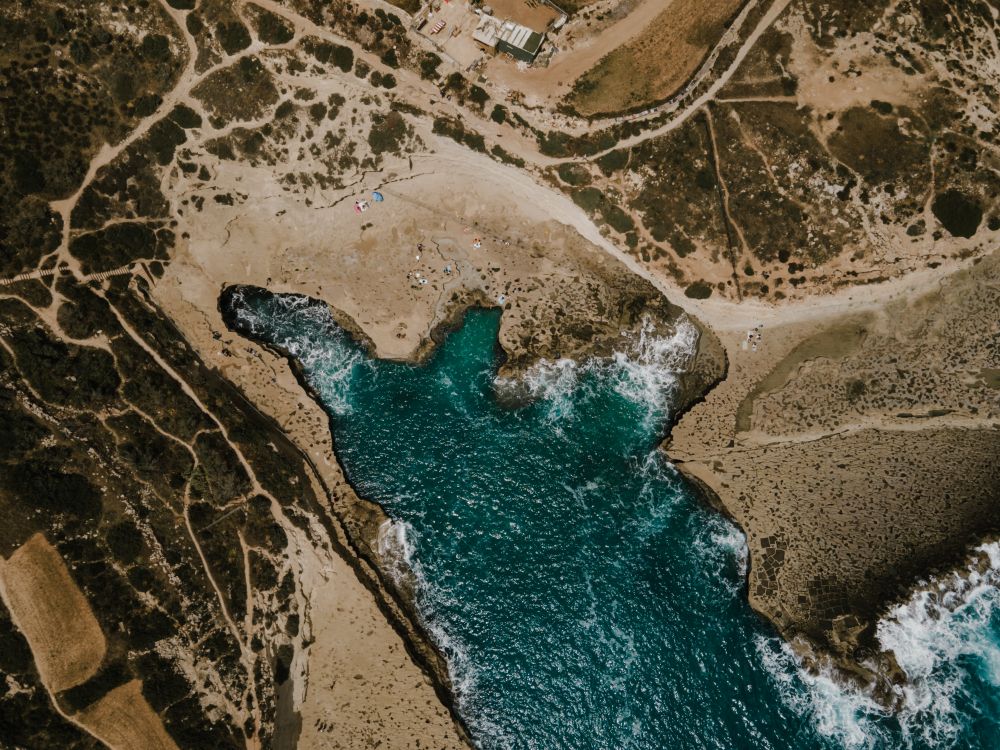
On the Delimara peninsula, St Peter's Pool is a natural rock pool of clear water ringed by flat limestone shelves. Swimmers jump from the…
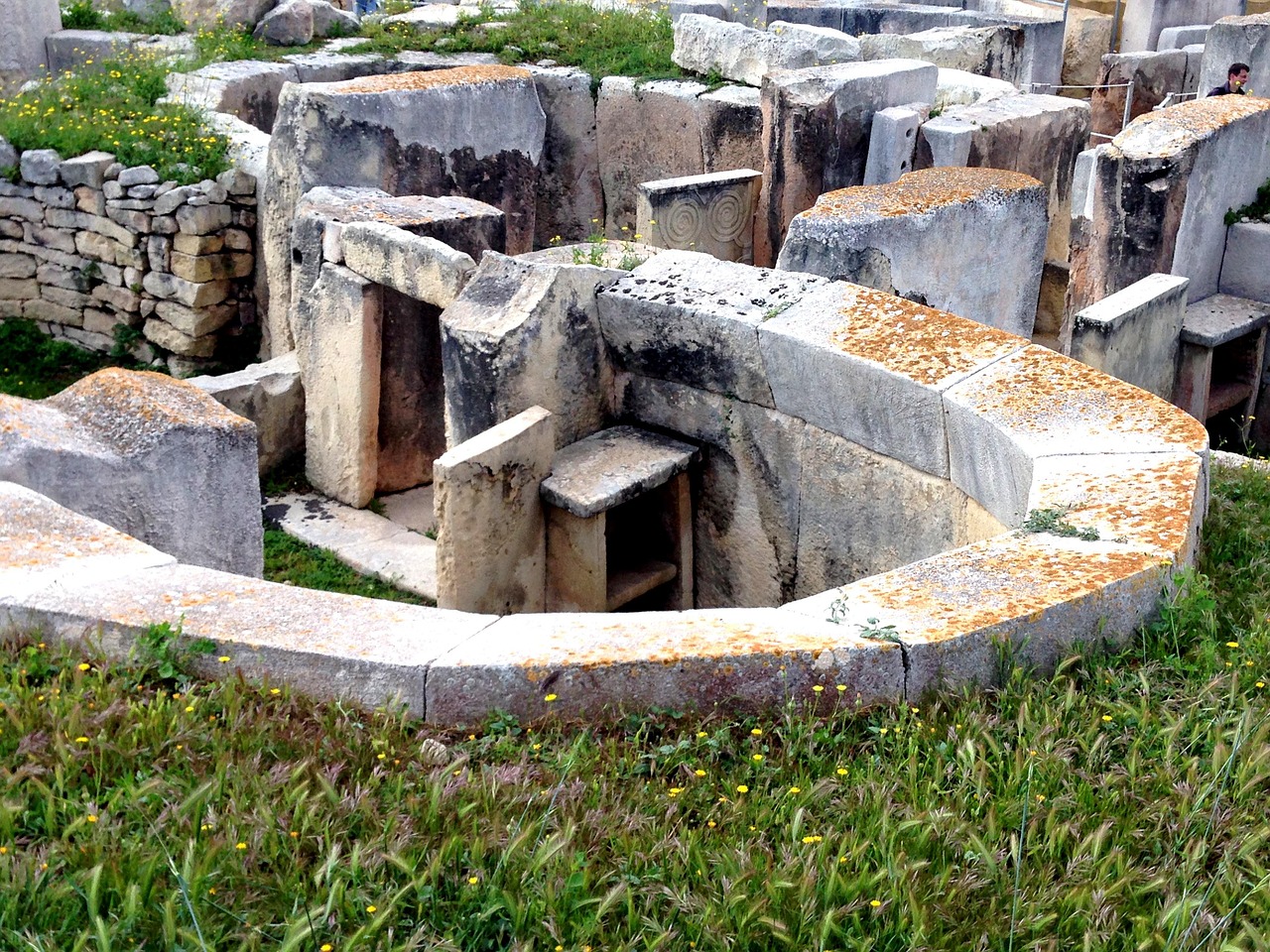
Four connected megalithic temples sit under a protective canopy among the houses of Tarxien, a short walk from the Hypogeum. Raised…
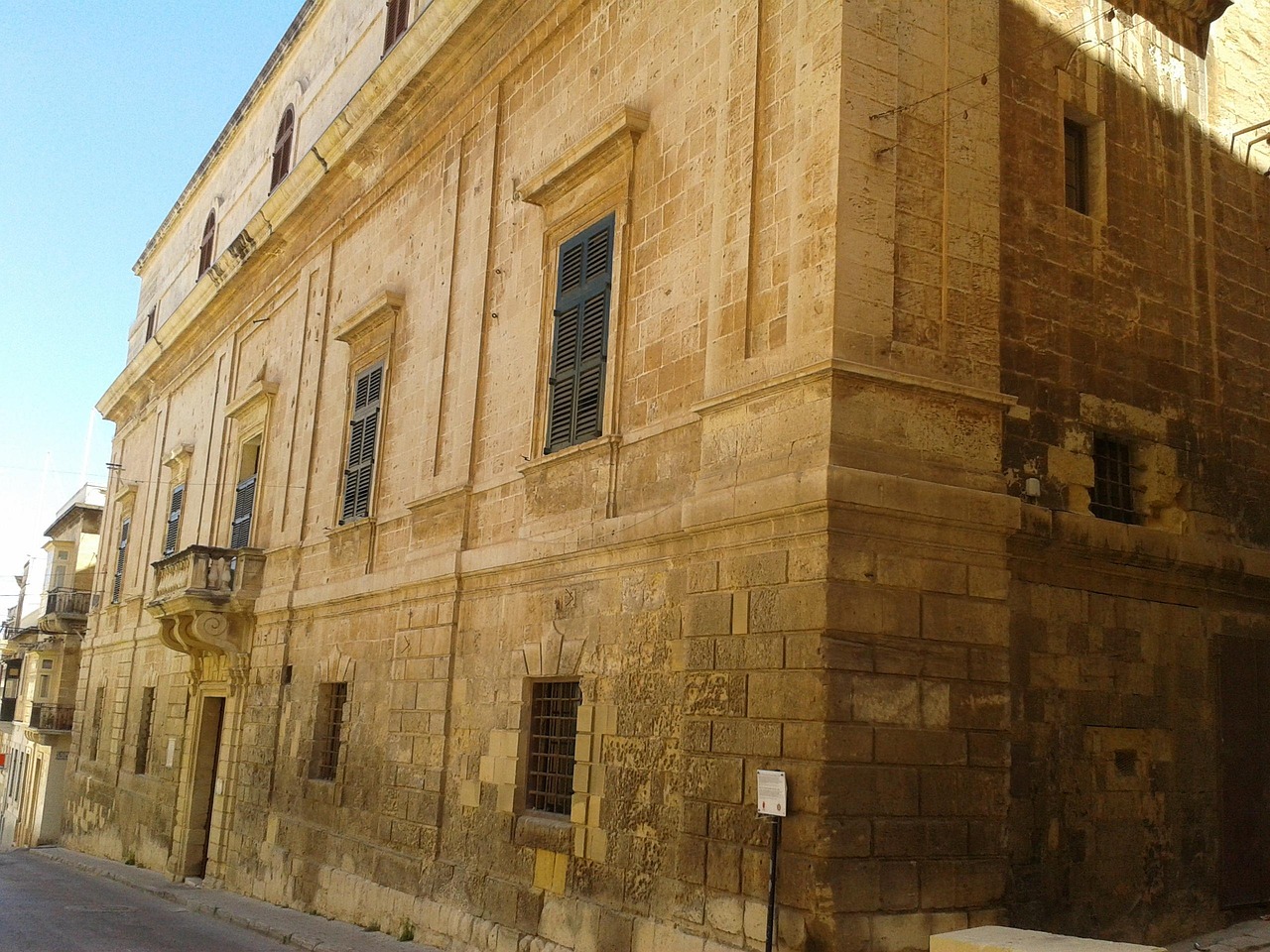
Rooms around a cloistered courtyard in the centre of Birgu show how the Roman Inquisition worked in Malta: the tribunal room, prison cells…
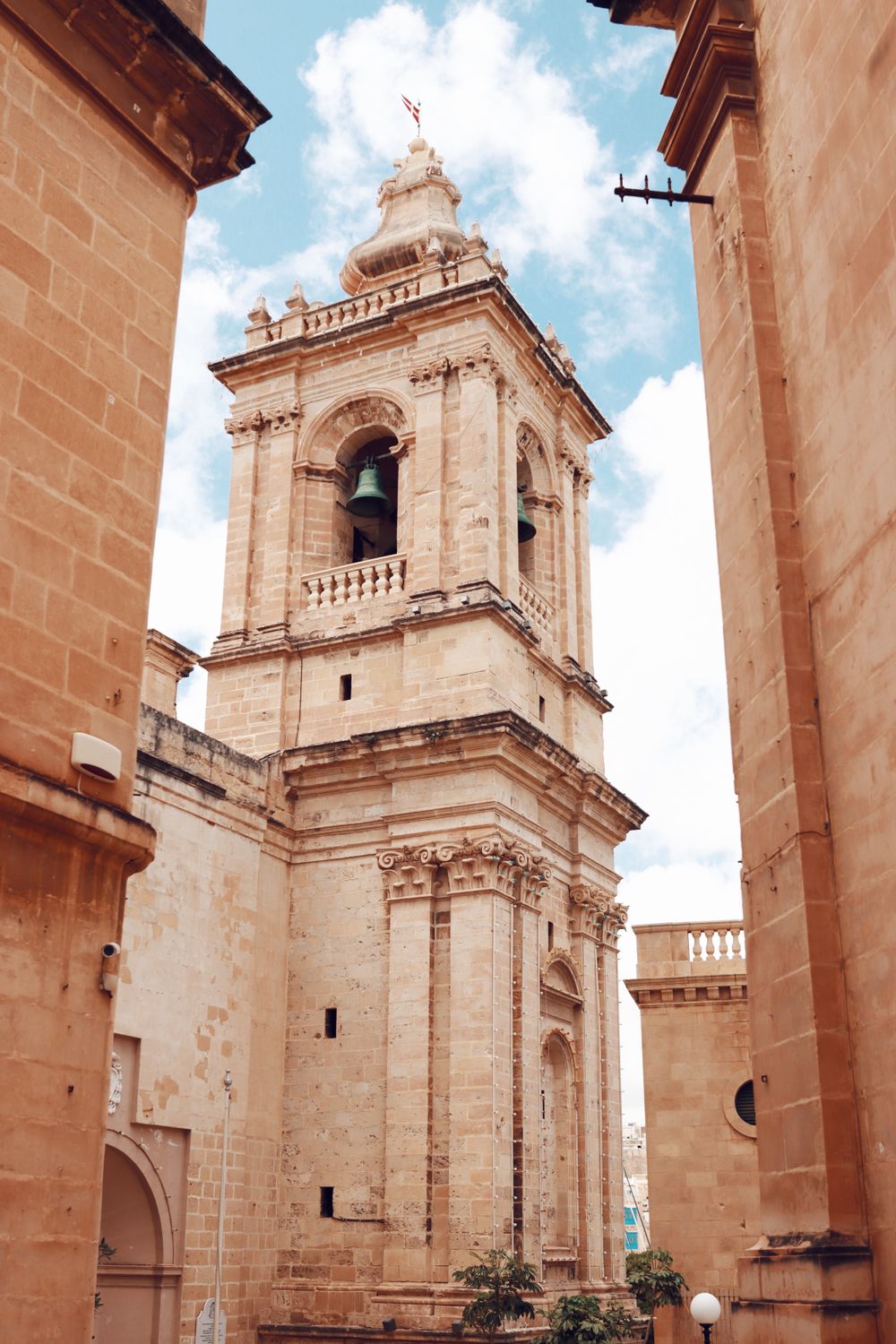
Facing the Birgu marina, St Lawrence served as the Knights' conventual church before St John's in Valletta was built. The interior has a…
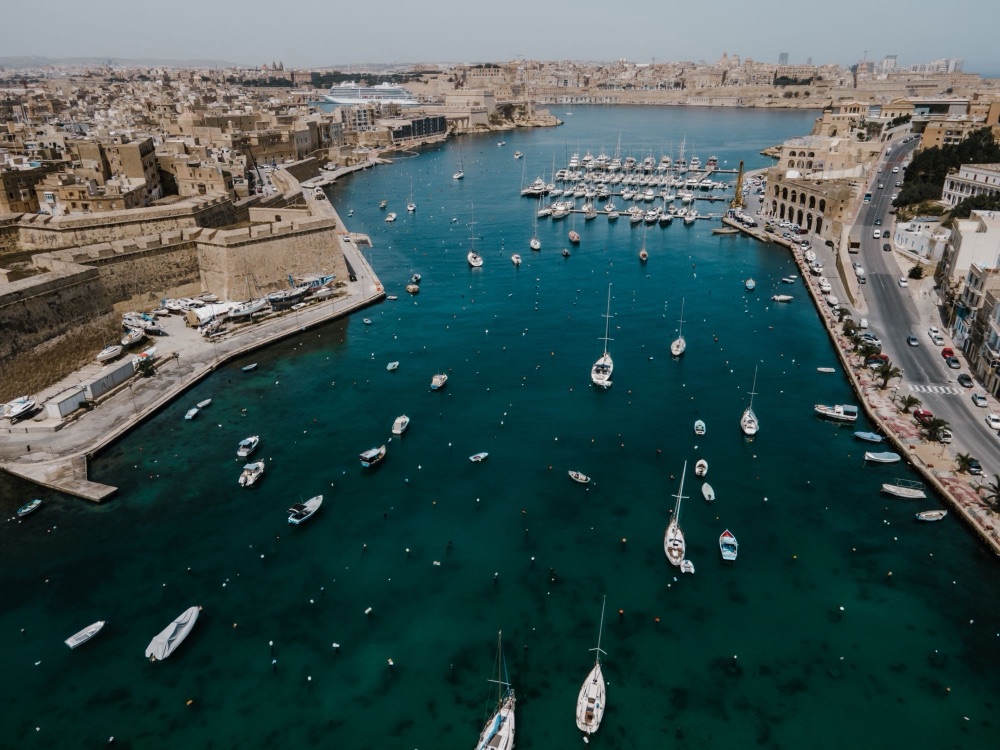
Three walled towns face Valletta across the Grand Harbour, and Birgu is the one to stay in: quiet stone lanes, Fort St Angelo at its tip…
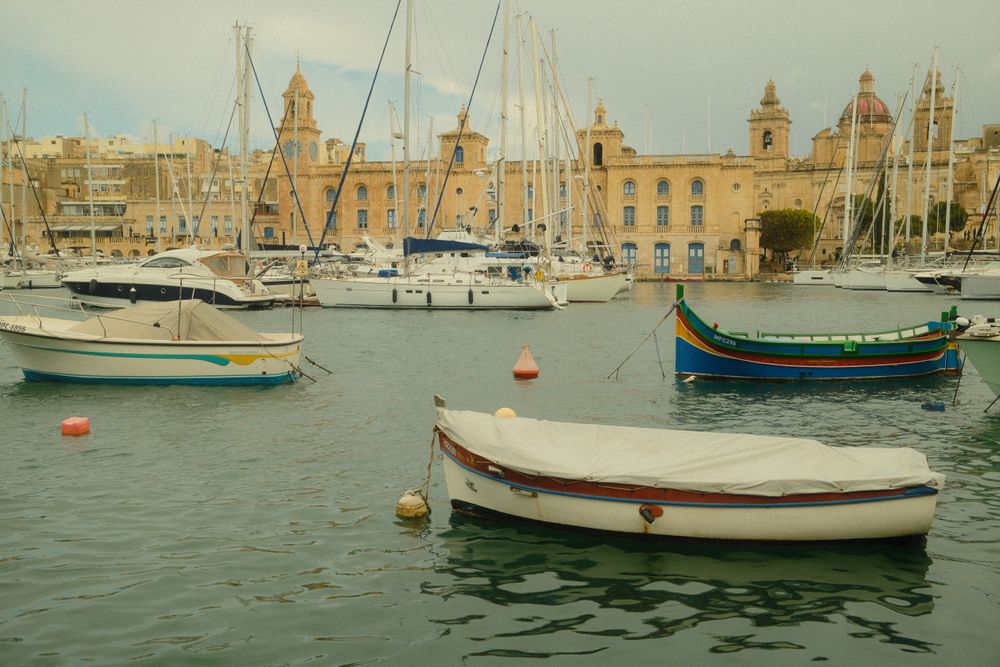
Yachts fill the marina below Birgu's old town, and the water taxis from Valletta tie up along it. Walk the length of the quay, then turn up…
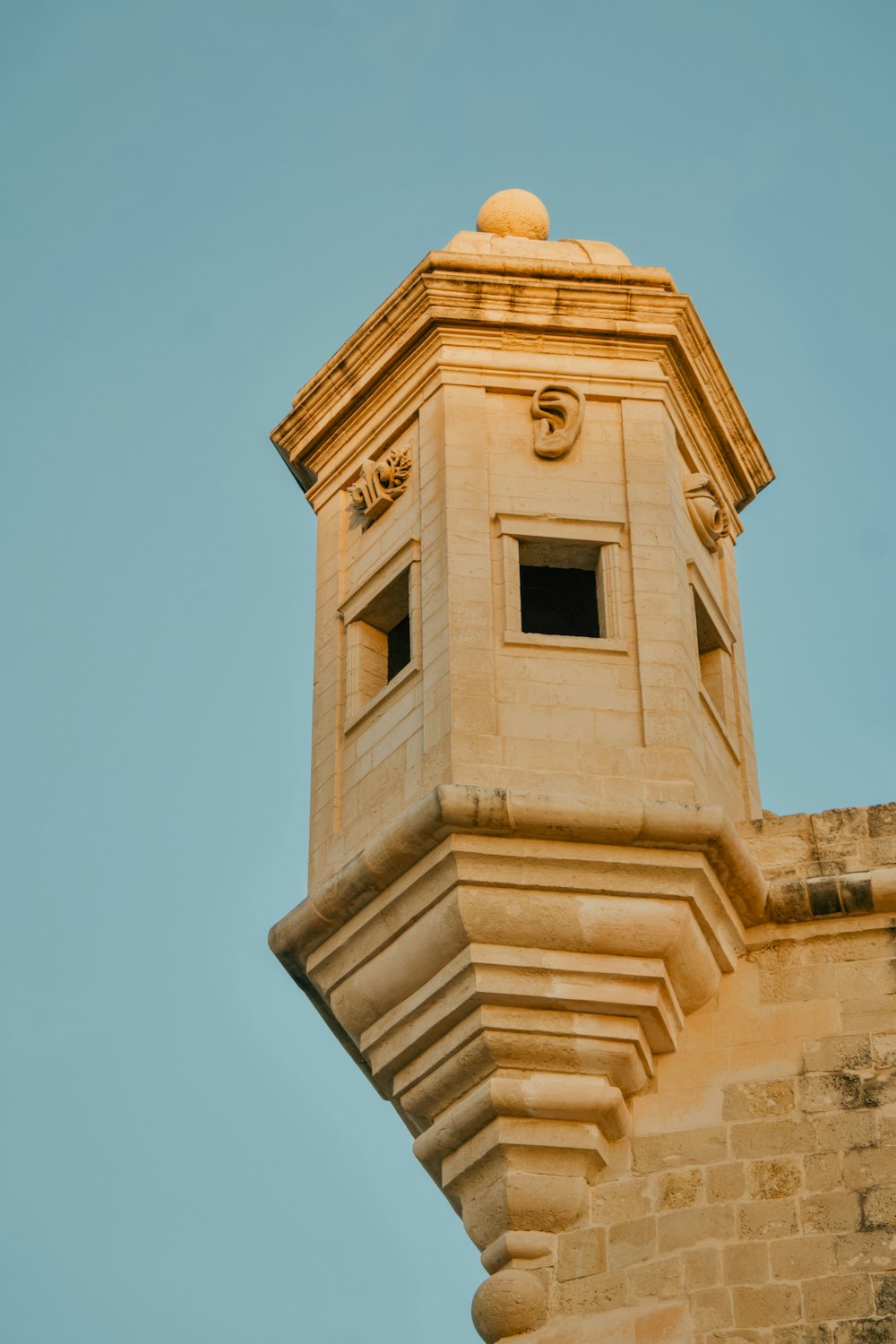
A small garden at the tip of Senglea ends at the Gardjola, a stone lookout carved with an eye and an ear as a sign of watchfulness over the…
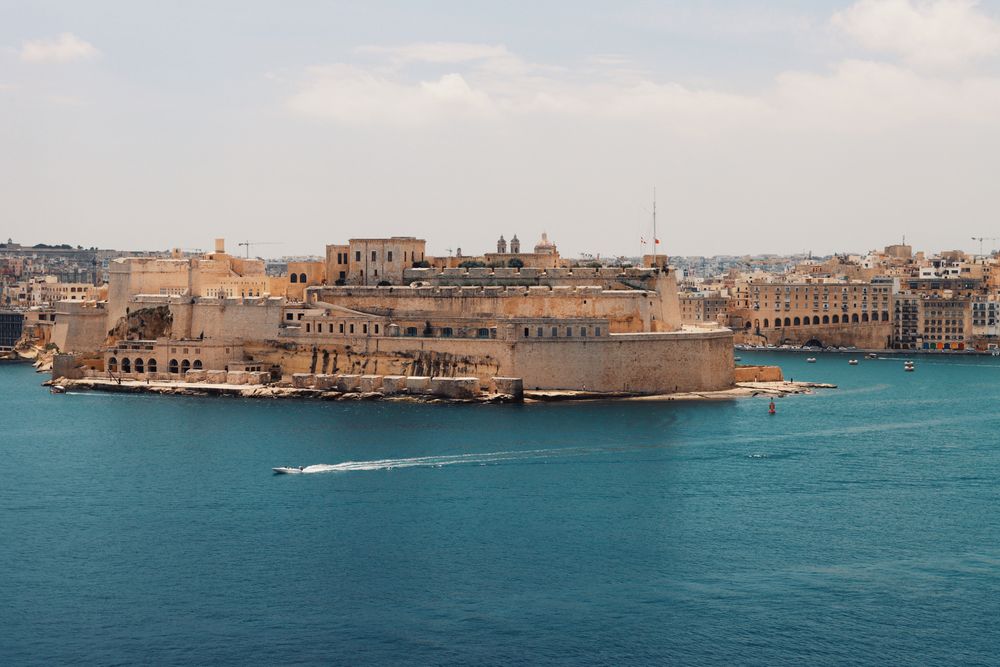
At the tip of the Birgu peninsula, Fort St Angelo guards the harbour mouth opposite Valletta. A ramped route climbs through restored…
Last updated