St Peter's Pool
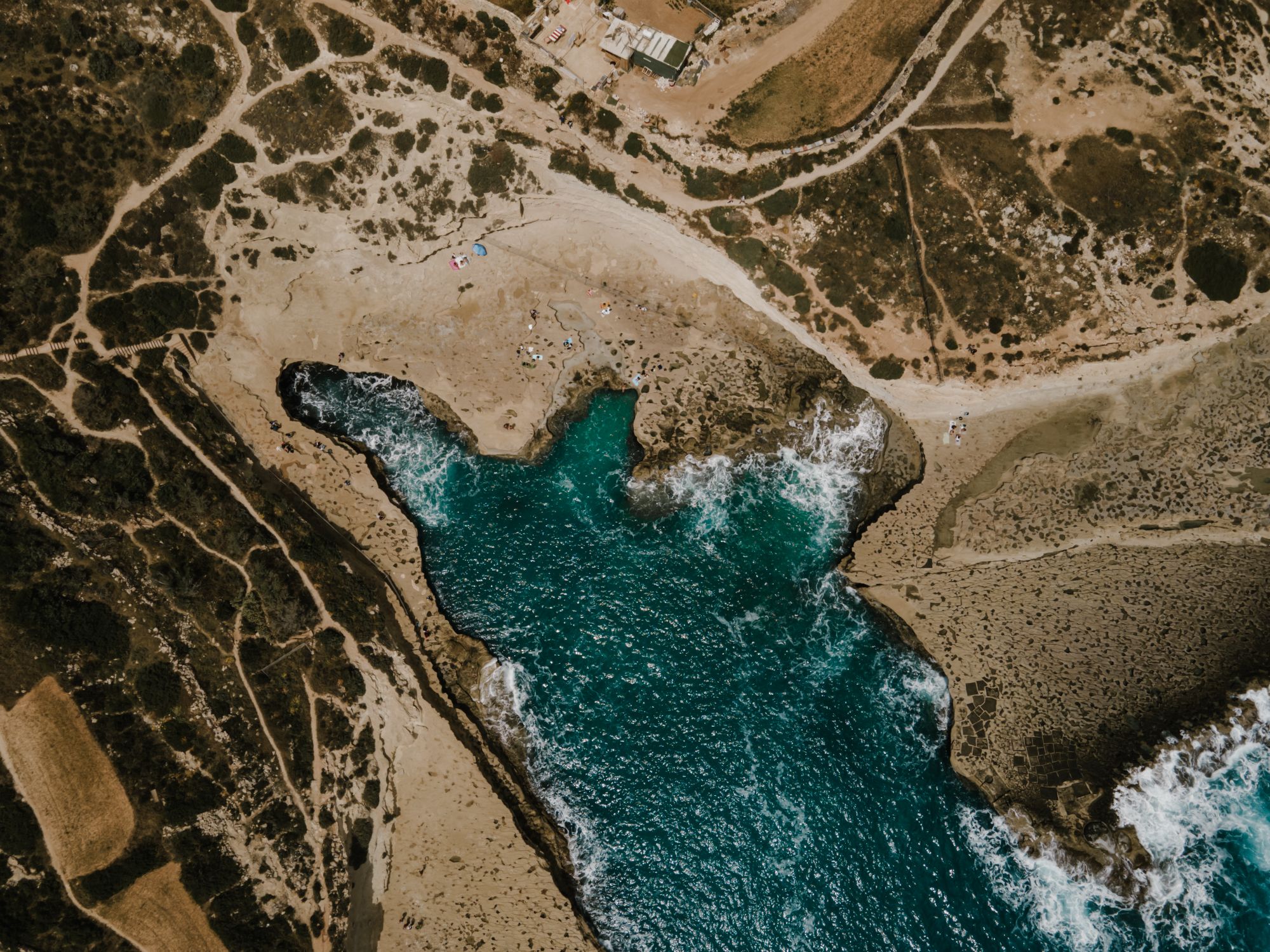
A horseshoe of turquoise water cut into the limestone is what you come for. There is no sand, so you settle on flat ledges between swims.
Read the guide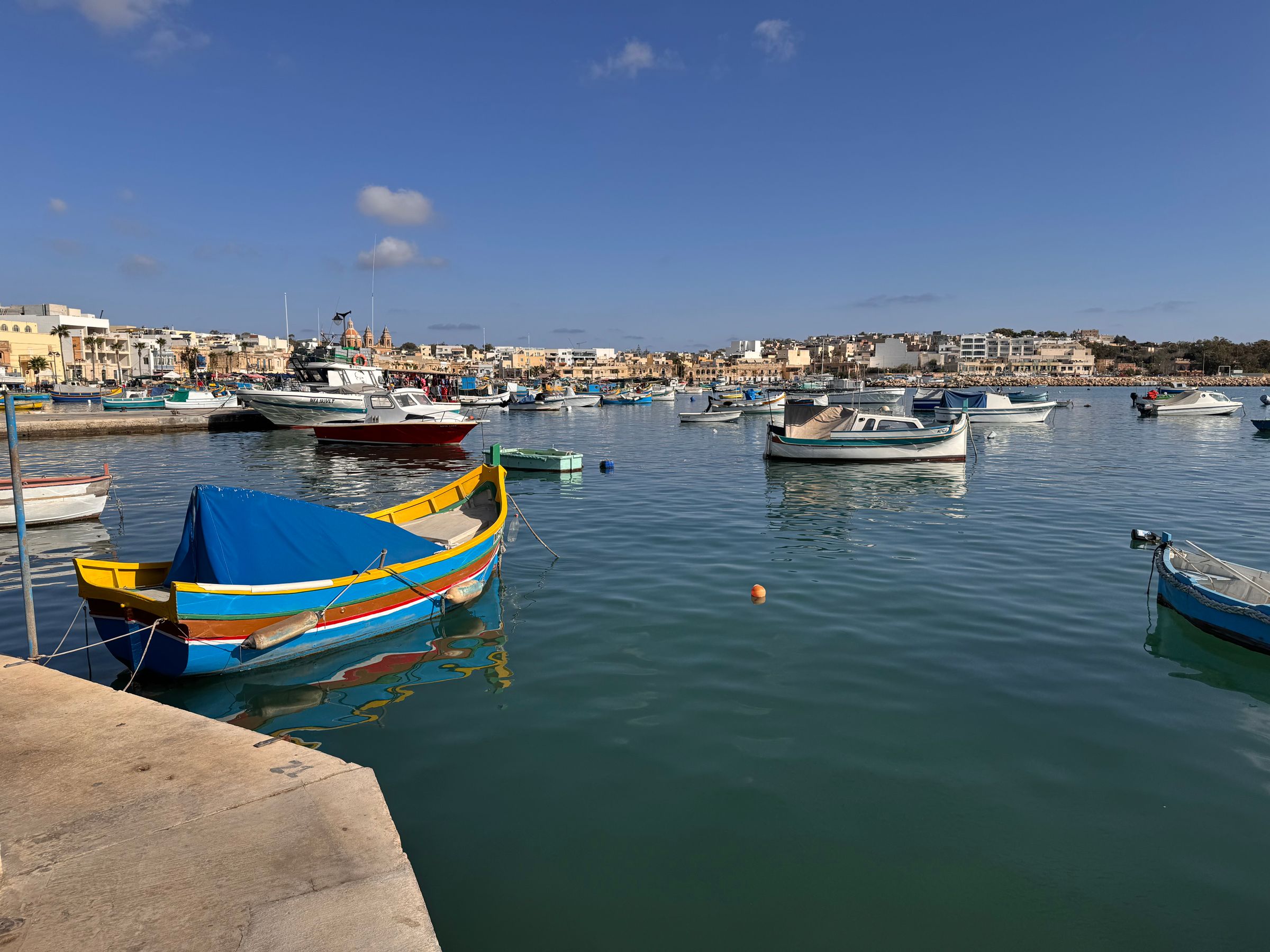
Marsaxlokk sells the night's catch on its quay, among the painted luzzu boats. After lunch on the harbour, you can swim off the rock ledges at St Peter's Pool, a walk along the Delimara road.
Town guide, Malta. Meridian Dispatch.
Ninety seconds on Marsaxlokk
Routes 81 and 85 run from the Valletta terminal, with TD10 added on Sundays.
On Sunday mornings along the harbour front, when stalls sell the night's catch; the market closes at about 13:00. Clothes and souvenirs fill many of the other stalls. A much smaller market runs on other days.
Quiet. The village has restaurants on the harbour and little nightlife.
No. The rock pool on the Delimara peninsula has no toilets or food. The approach is a walk or a water taxi ride, and the sea is entered by ladders and ledges.
Most easily by car or taxi. By bus, the way is route 74 from Valletta, which passes Qrendi; the route page lists its stops. Mnajdra is about 500 metres from Ħaġar Qim along a footpath.
Bus 119 links Malta International Airport, MLA, with Marsaskala through the Marsaxlokk stops, in both directions.
Come to Marsaxlokk for the day and sleep in Valletta, unless the harbour is why you came.
See all towns in MaltaCompare Malta town by town
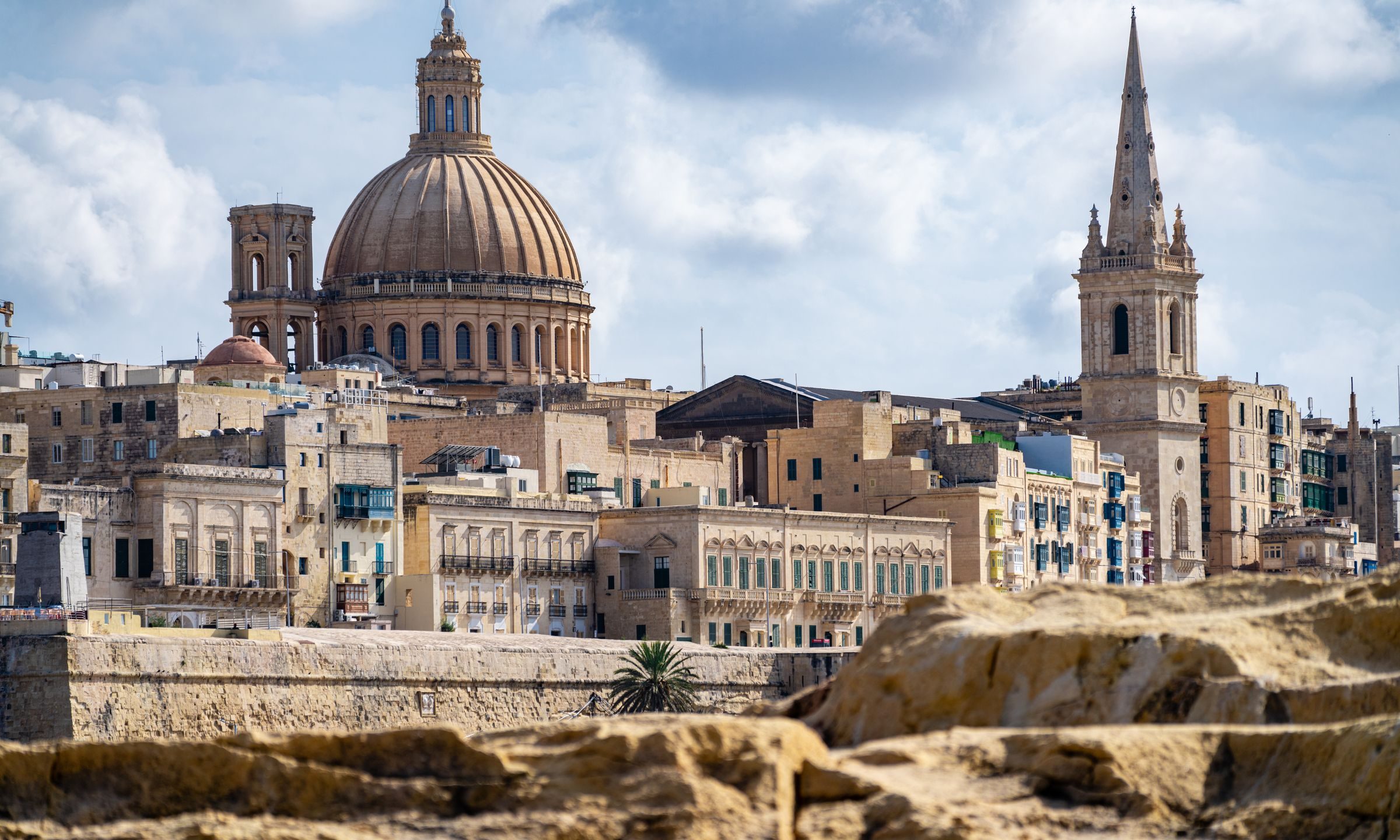
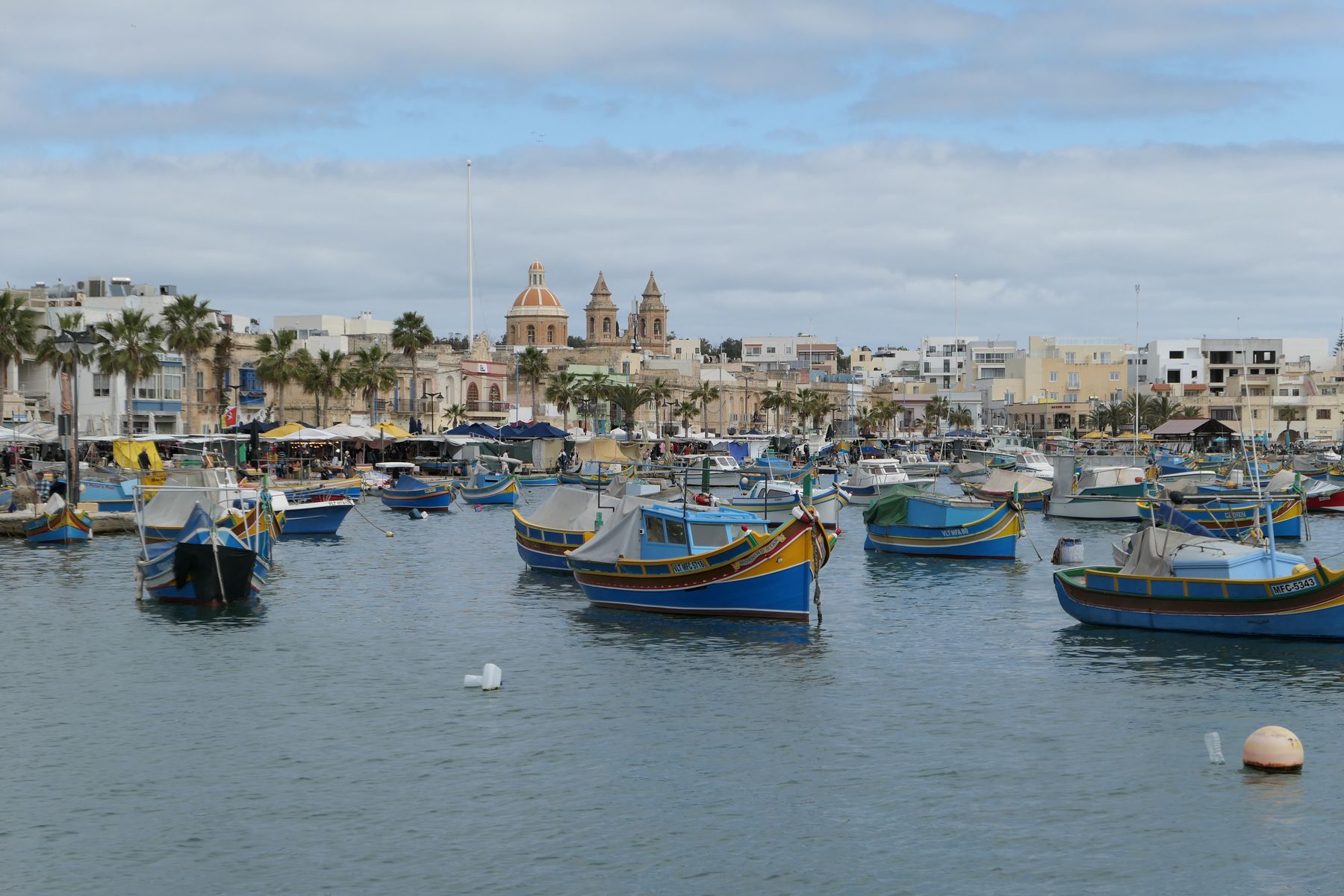
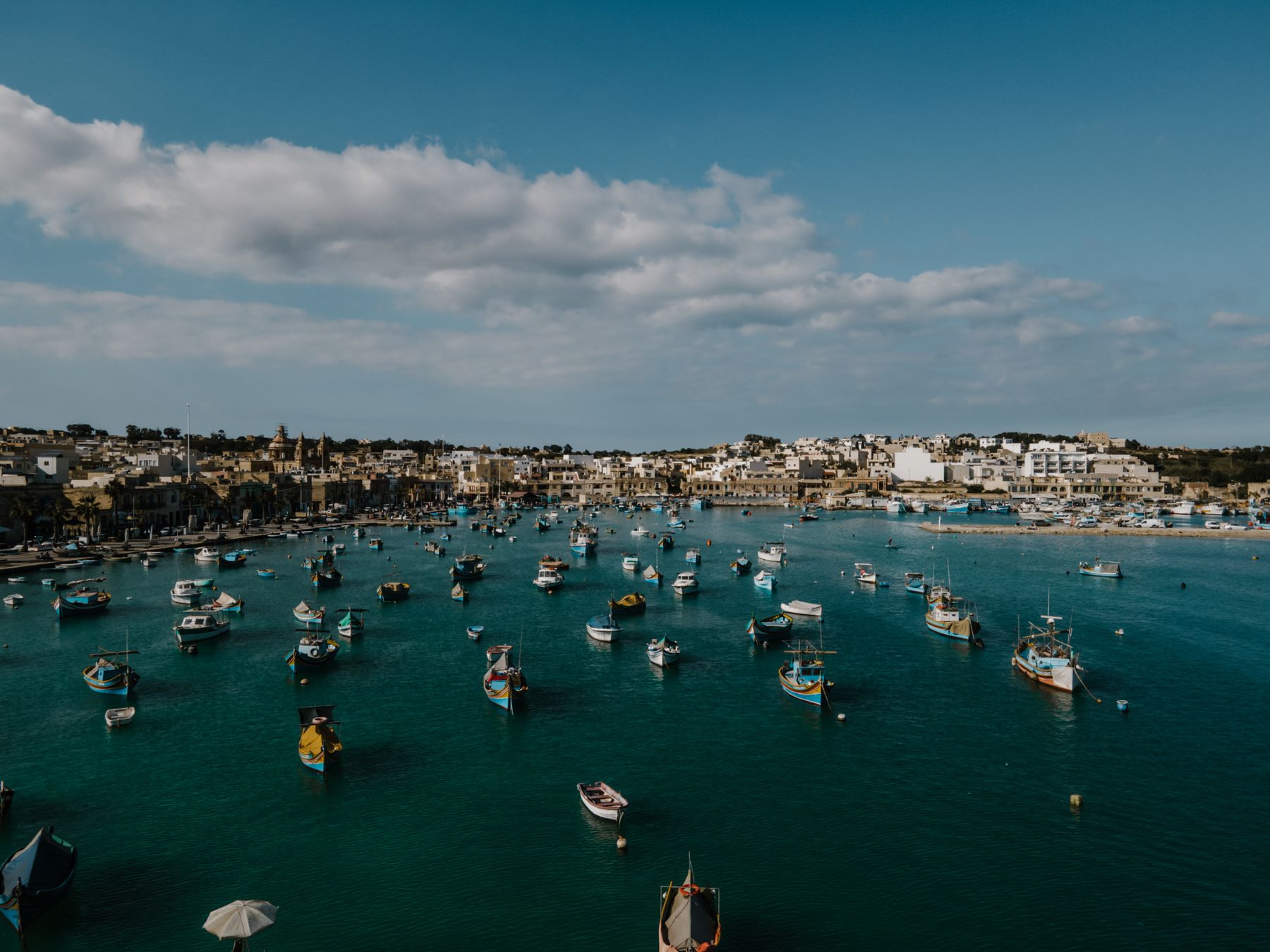
Marsaxlokk is Malta's main fishing harbour, on a sheltered bay in the south-east of the island. The swims and cliffs of the Delimara peninsula start at the edge of the village, and the temples and the Blue Grotto are a short drive west.
20 minutes
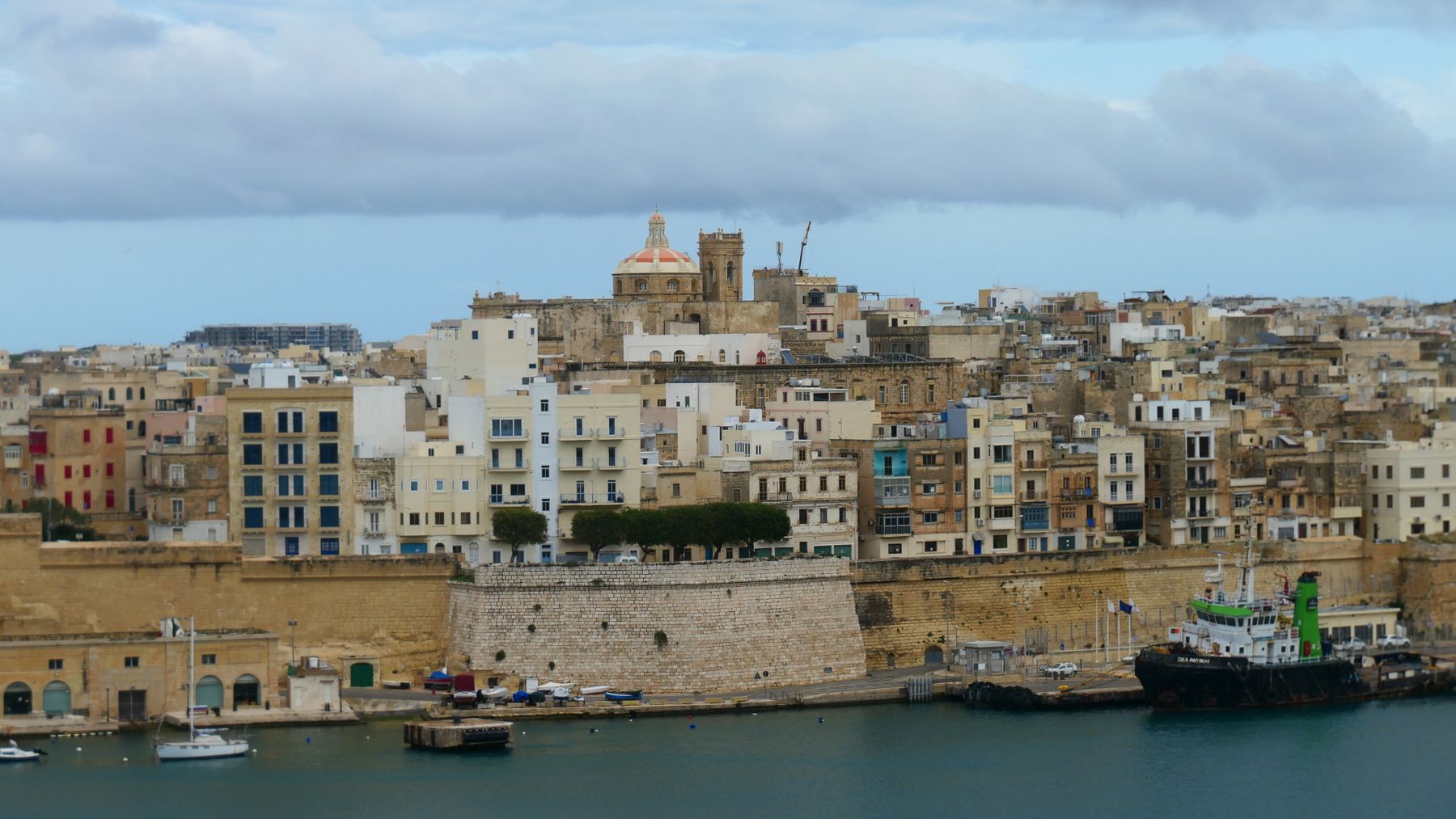
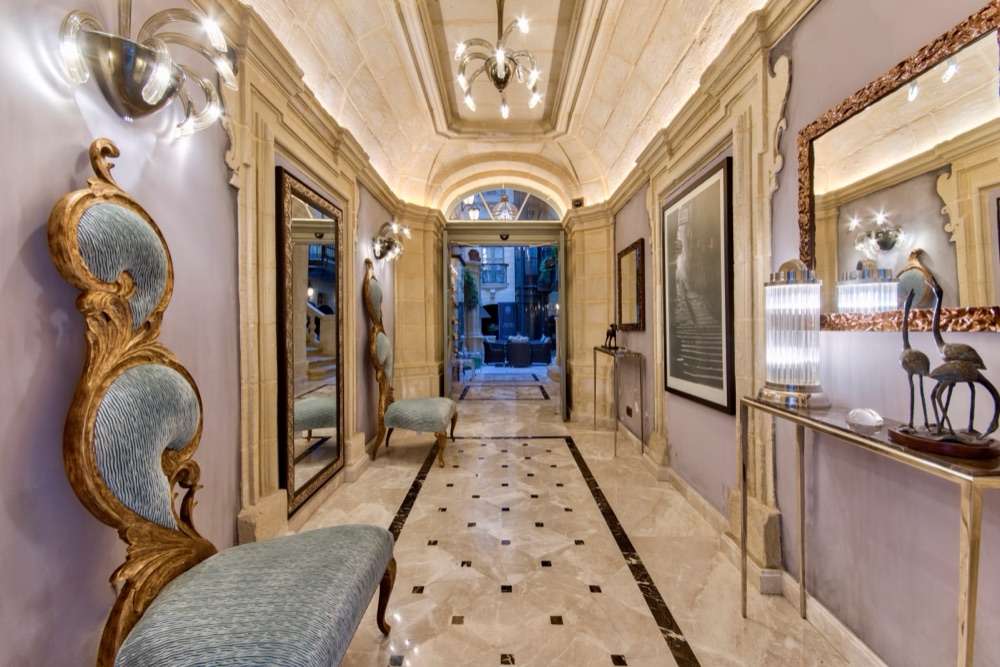
Marsaxlokk has very few places to stay, so these picks are in Valletta and the Three Cities, each about 20 minutes from the harbour by taxi. The Phoenicia is a short walk from the Valletta bus terminal, where routes 81, 85 and TD10 start; Cugó Gran Macina is in Senglea's bastions, across the creek from Birgu.
 In Valletta
 In Valletta
 In Birgu
Grouped by what each place is best for, from the quay and its market to the temples on the south coast.
The market and the harbour are in the village, and Tas-Silġ is on the hill above it. St Peter's Pool is a walk away along the Delimara road, and the south coast is a short drive west.
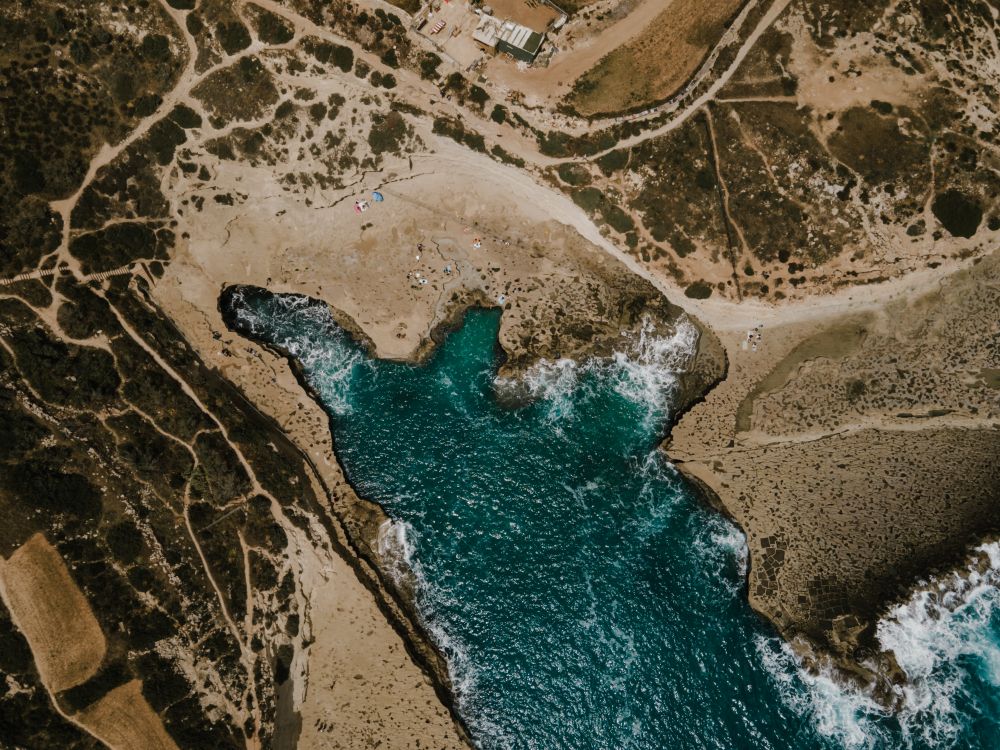
A horseshoe of turquoise water cut into the limestone is what you come for. There is no sand, so you settle on flat ledges between swims.
Read the guide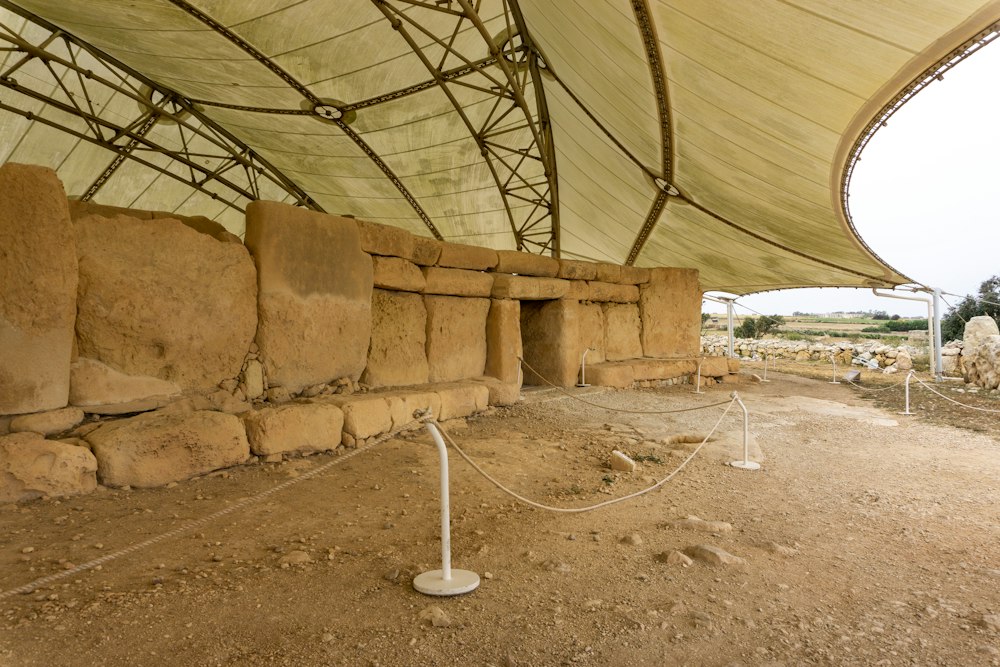
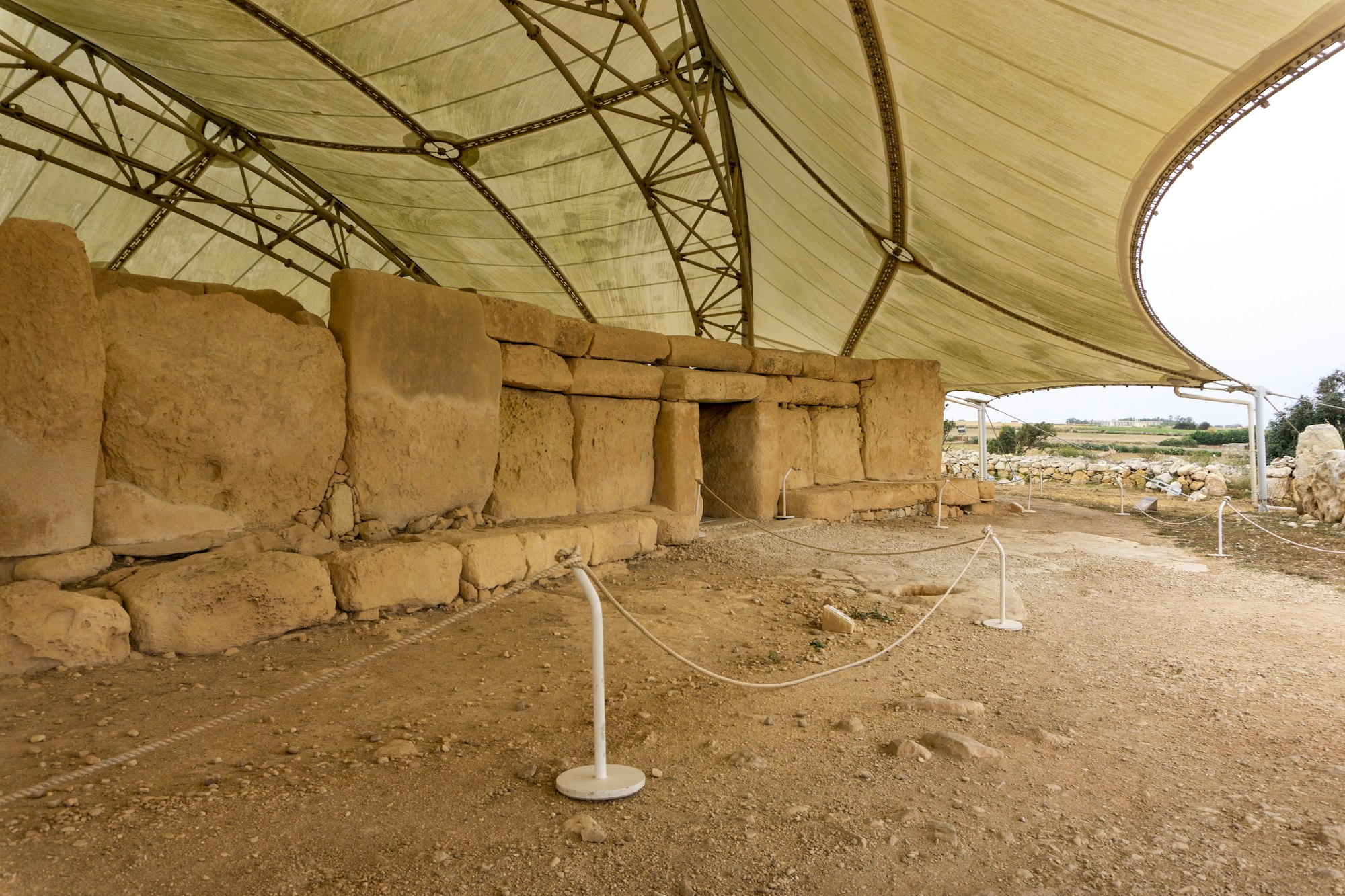
See doorways cut through single blocks of limestone in a temple more than 5,000 years old, on a ridge above the Mediterranean and the islet of Filfla.
Read the guide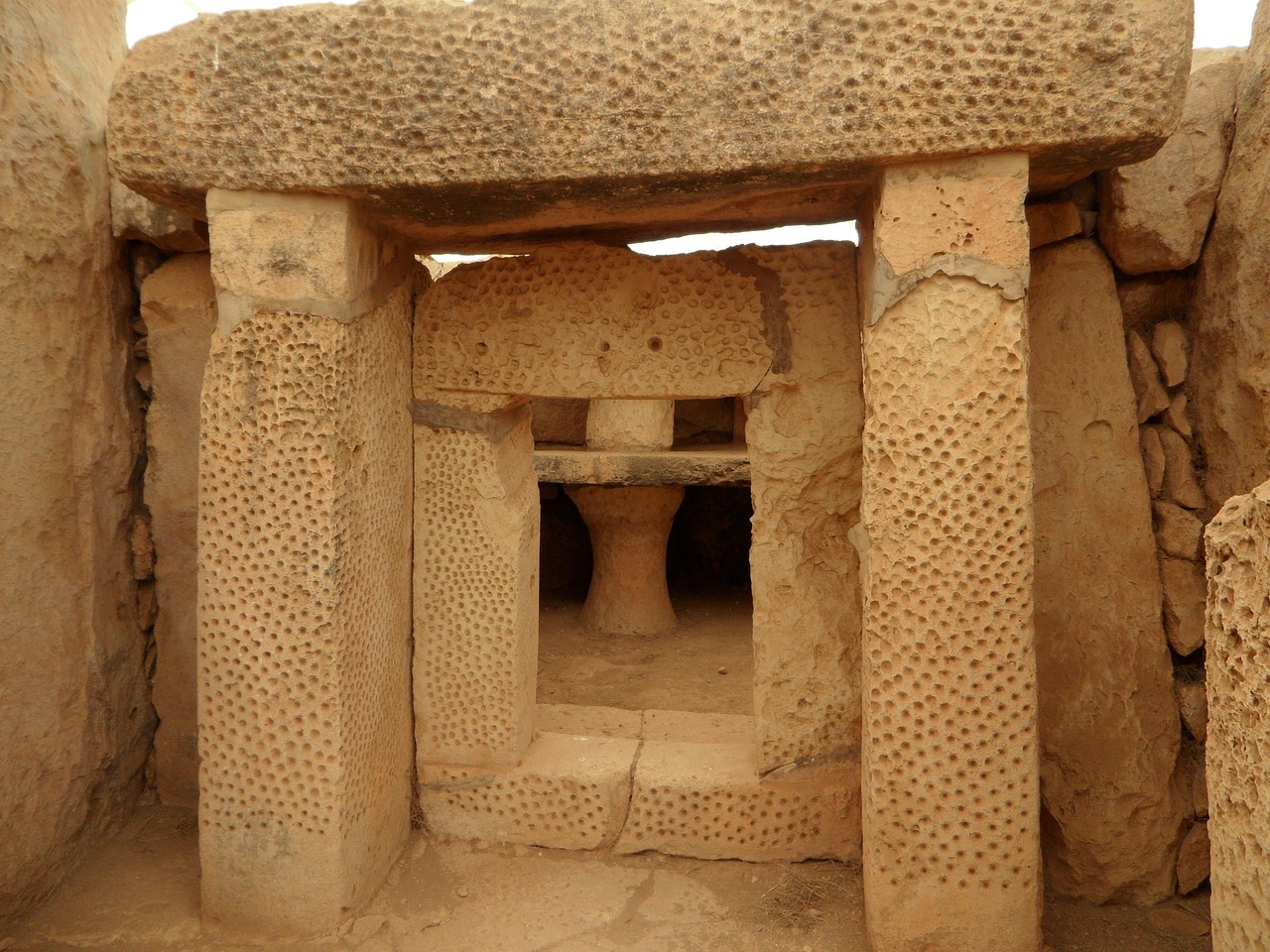
Walk a coastal path down to three prehistoric temples, listed by UNESCO among the oldest free-standing stone structures in the world. The lowest was designed so solstice and equinox sunrise lights decorated stones inside.
Read the guide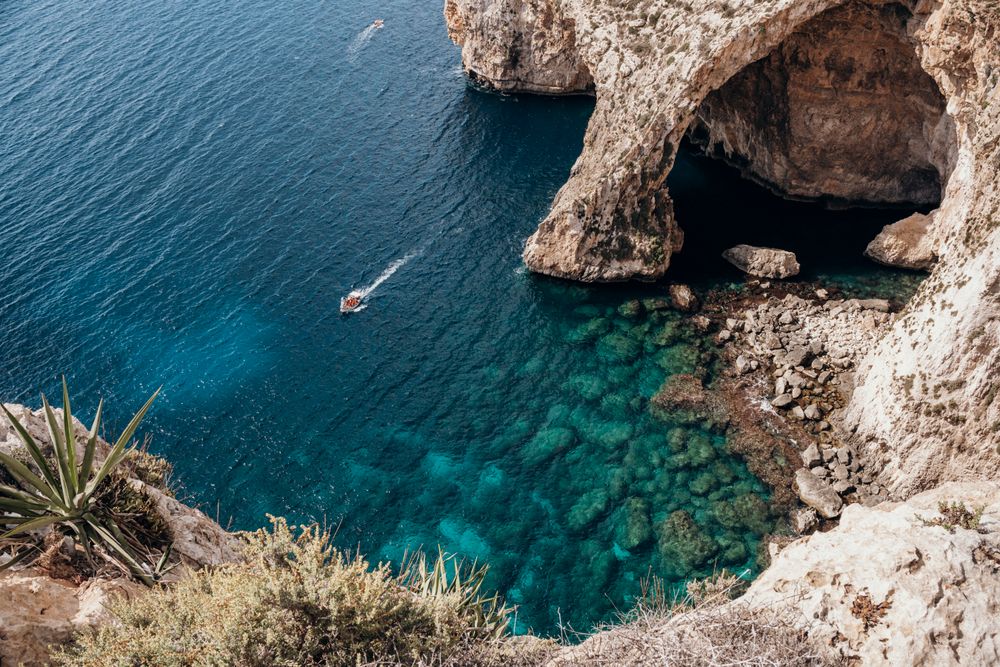
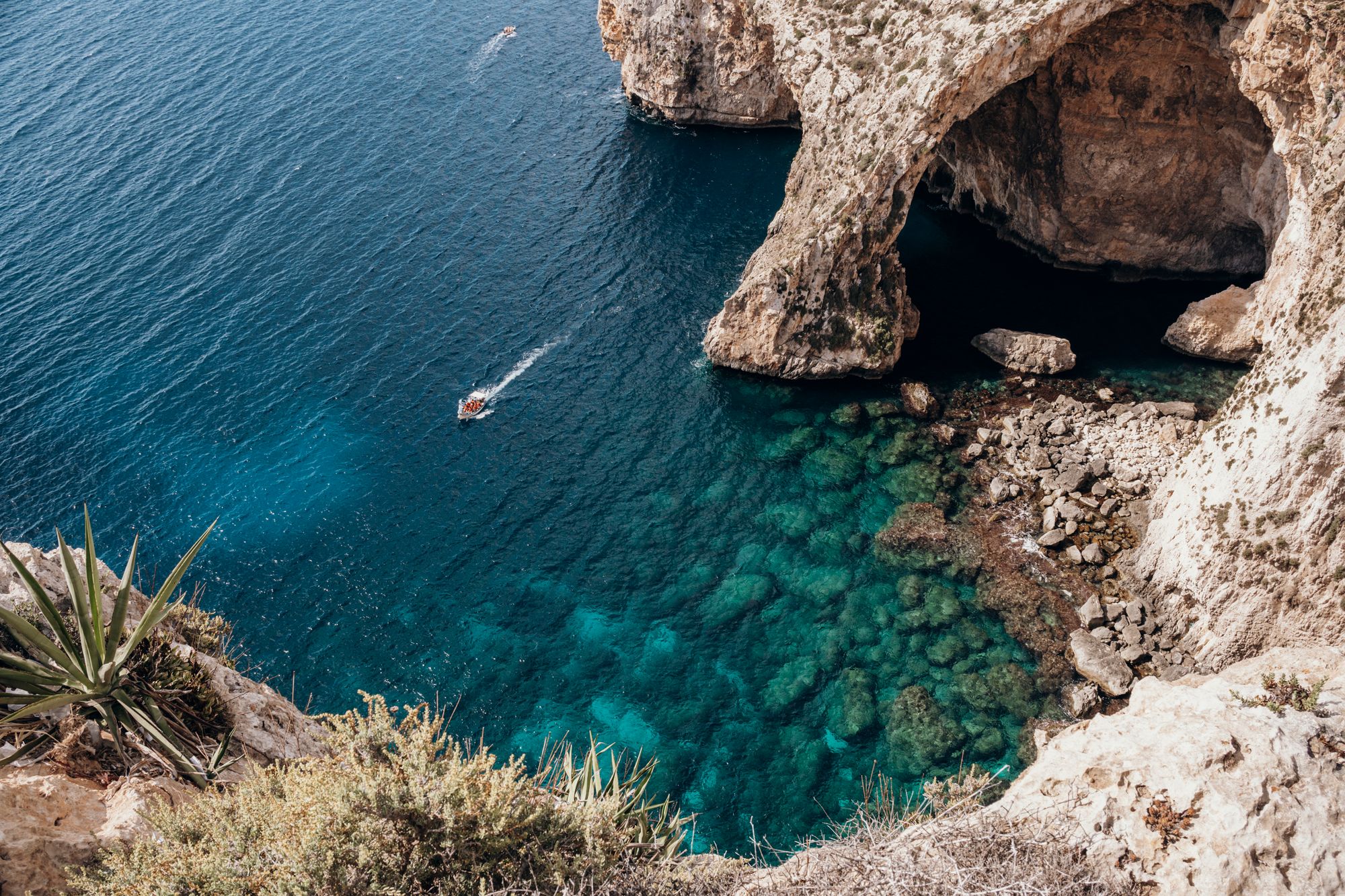
You pass under a limestone arch in a small painted boat and enter caves where the sea seems lit from inside, one of Malta's best known natural sights.
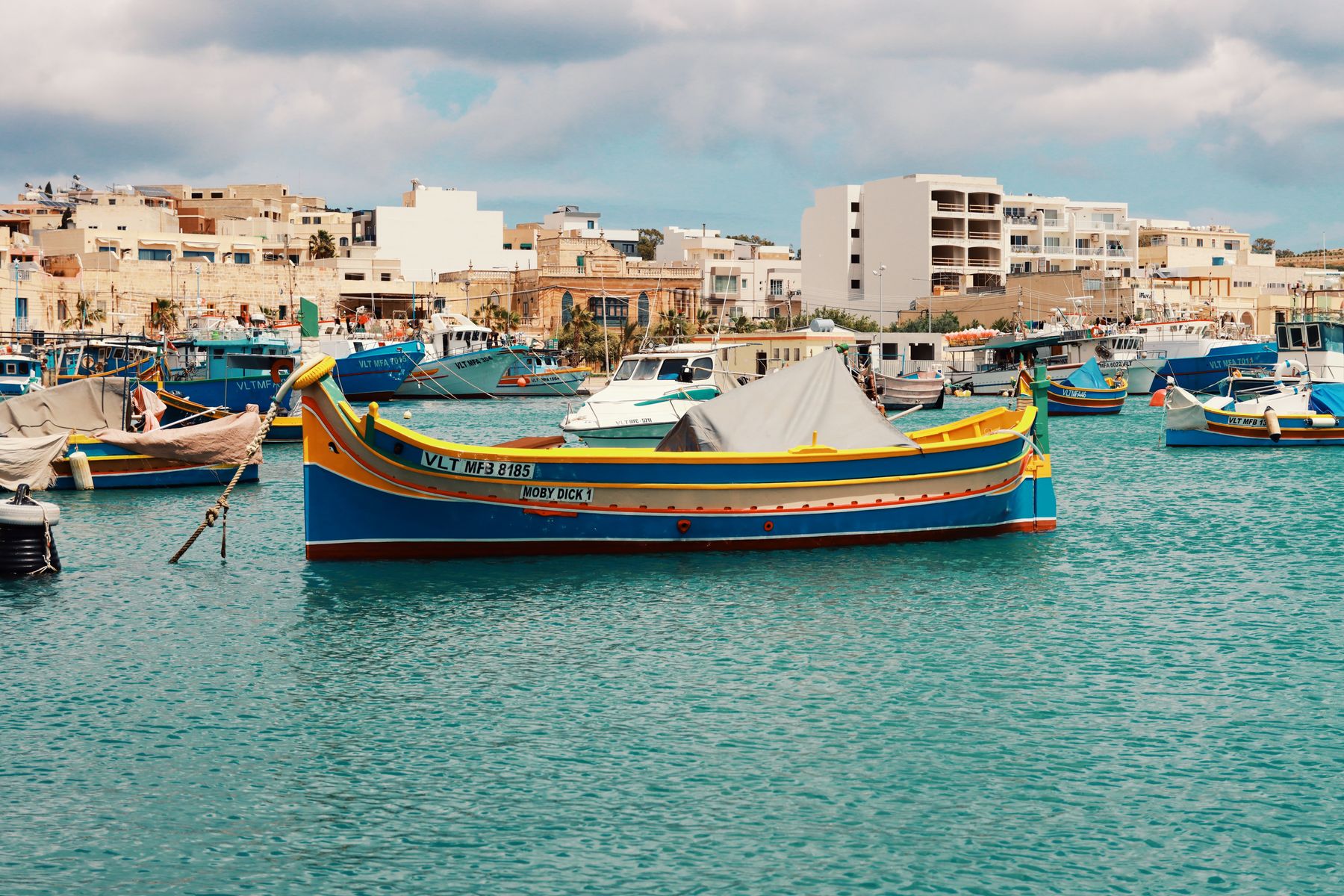
Read the guideCome on a Sunday, when the seafront of Malta's traditional fishing village in the south turns into one long fish market, laid out beside the brightly painted boats moored in the harbour.
Read the guideFor more than 4,000 years, this hill above Marsaxlokk held one temple that each new civilisation adapted instead of replacing, so a visit takes in most phases of Maltese archaeology in one place.
Read the guideThe largest watchtower in Malta stands on the headland above St Thomas' Bay, where you swim in blue water a short stroll from Marsaskala, then walk the cliffs to Munxar Point.
Read the guideHeritage Malta opens this Victorian fort above Marsaxlokk Harbour only on announced tour weekends, when you can go inside the cliffs and see some of its 38-ton guns.
Read the guideInside a cave in Birżebbuġa you can walk where Malta's Ice Age animals were found, then see their bones, dwarf elephants and hippos among them, in the museum beside it.
Read the guideFrom a small square in Qrendi, a short path past a chapel brings you to the edge of a sinkhole, a quick stop on the way to Ħaġar Qim and Mnajdra.
Read the guide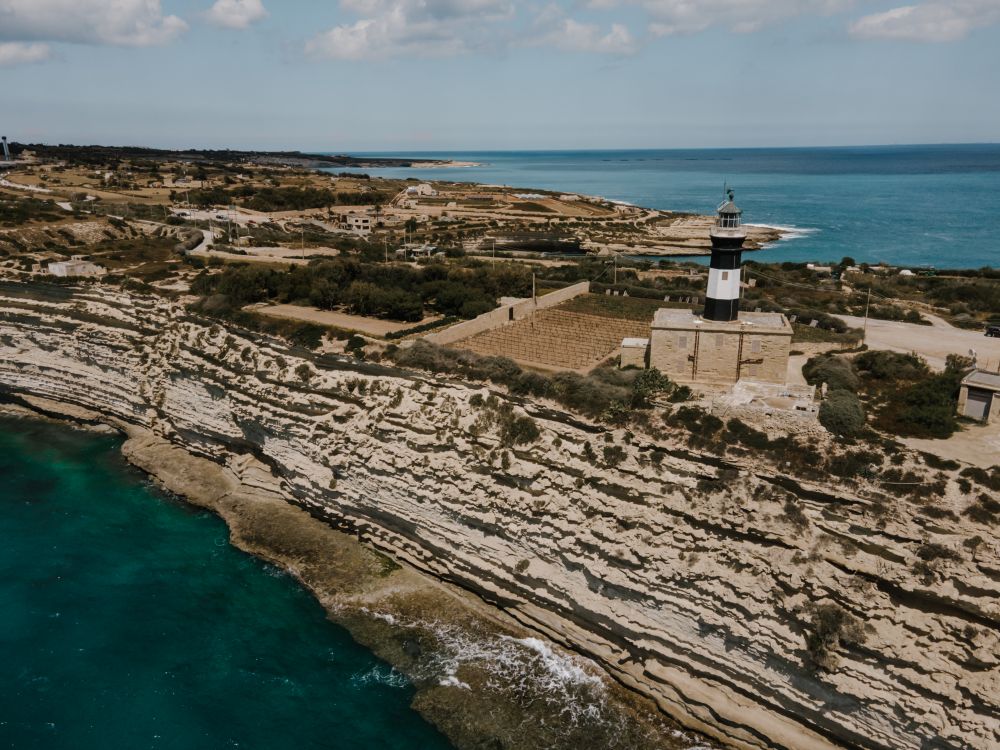
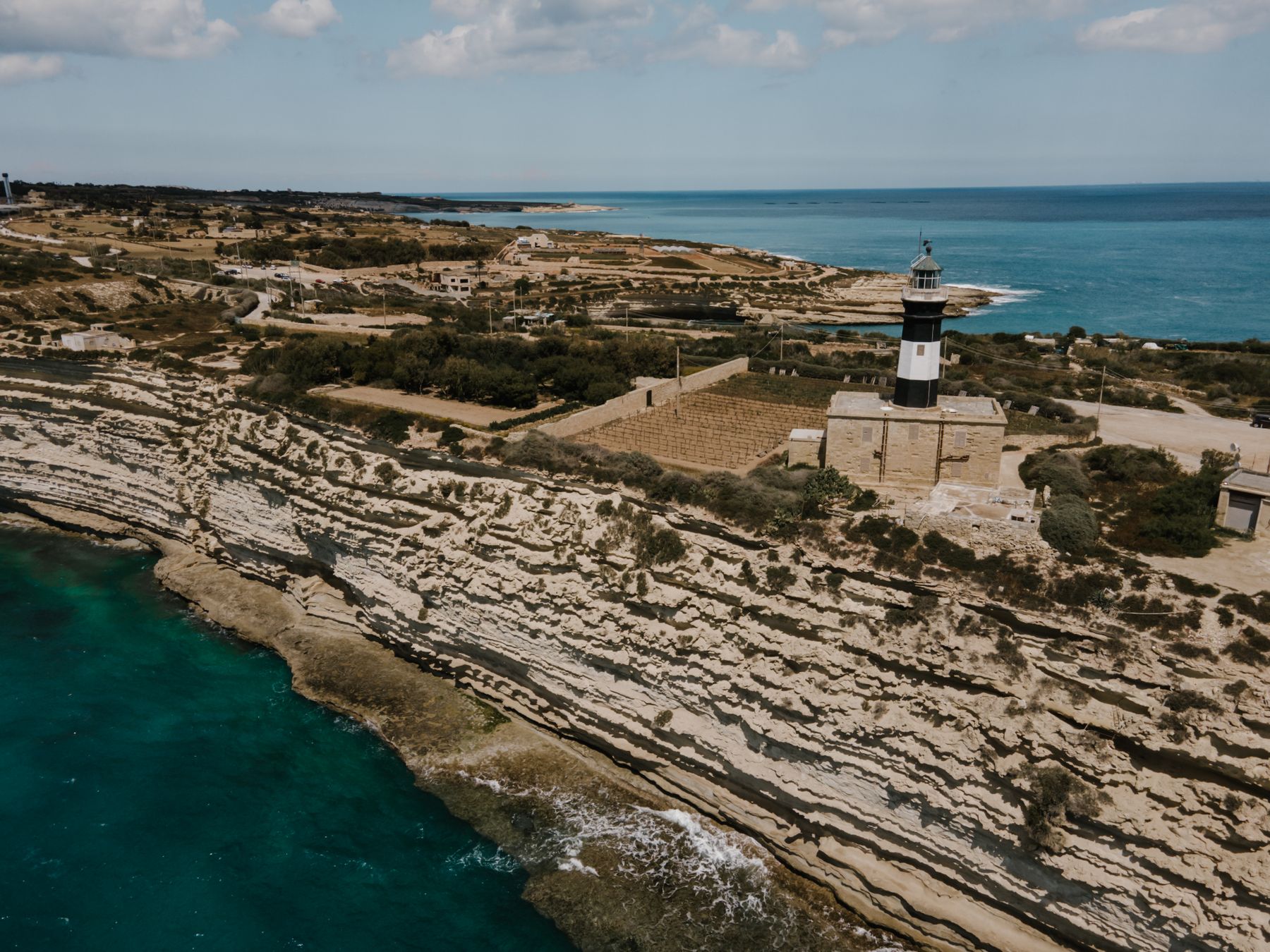
Delimara Lighthouse, a black and white striped tower on Delimara Point at Malta's southern tip, is the only lighthouse on the islands fitted with Fresnel lenses. You can also stay the night inside it.
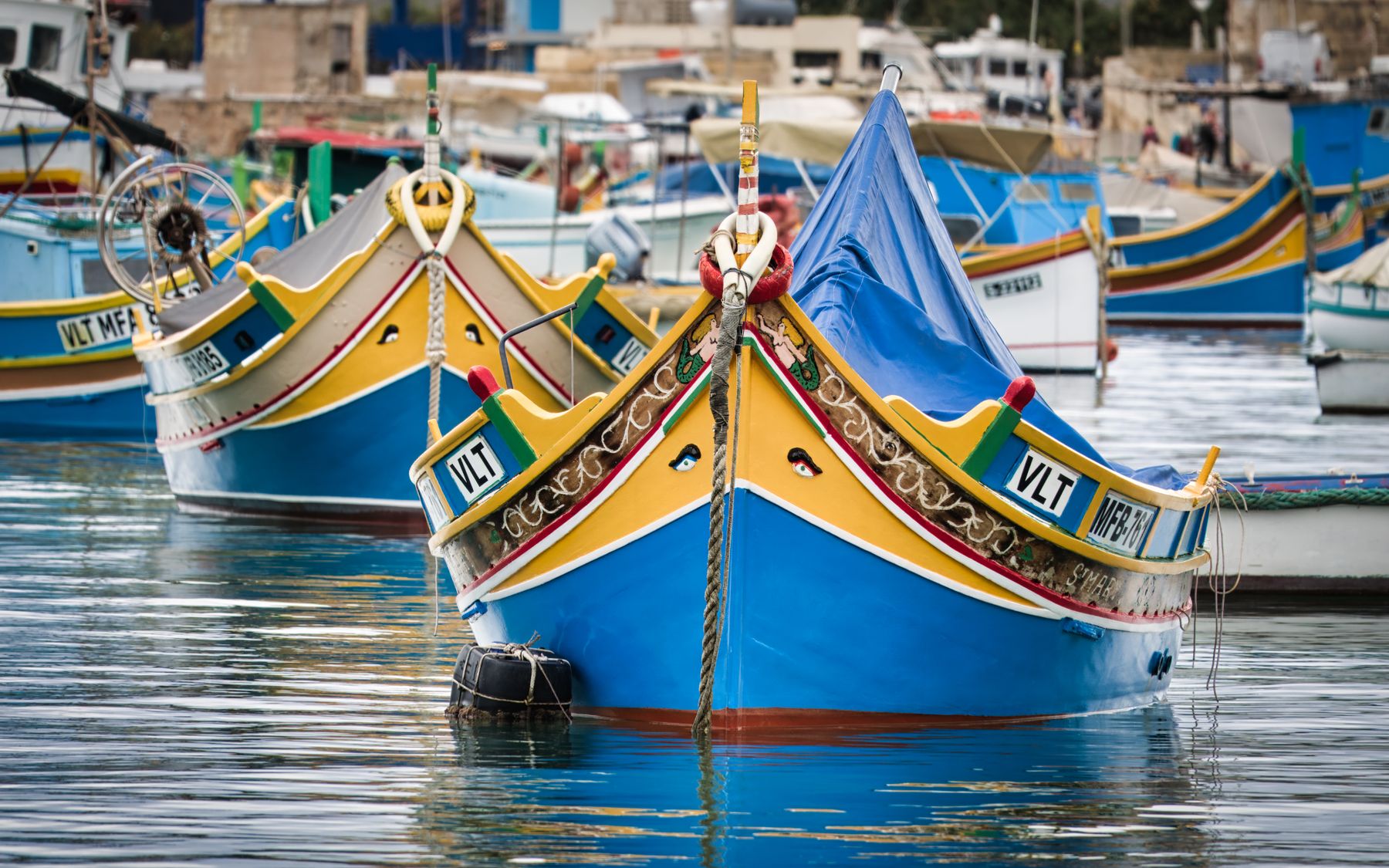
Painted luzzu boats, each with a pair of eyes on the prow, ride at their moorings in Malta's largest fishing harbour.
Żejtun's old parish church stands on the edge of town with views to Marsaskala, St Thomas' Bay and Marsaxlokk. Its high transept doubled as a lookout against Ottoman raids.
In the grounds of a secondary school on Żejtun's southern edge, the open-air remains of a Roman country estate keep patches of original tiling and coloured stucco beside the works of an olive press.
Past St Peter's Pool on the Delimara road, this rocky cove drops into clear, deep water suited to swimming and snorkelling. Rock walls on either side throw some shade.
The largest sandy beach in the south, Pretty Bay curves along the Birżebbuġa seafront with shallow water suited to children. Across the bay, the cranes and container ships of the Malta Freeport fill the view.
Fishing boats with painted eyes still moor in this bay, edged by a promenade that heads round towards St Thomas' Bay.
Low limestone shelves form this headland on the north side of Marsaskala Bay, cut with square salt pans that catch the light at sunset. Swimmers go in off the rocks where the shelf drops into deep water.
Cliffs ring this large cove on the seaward side of the Delimara peninsula, one of a pair with il-Ħofra ż-Żgħira.
Nature Trust Malta looks after this headland park, where over 15,000 native trees and shrubs have gone in around an old Deutsche Welle relay station.
Sixteen sides and the plan of a St Andrew's Cross set this private stronghold apart from the Knights' watchtowers.
Built by the Knights to guard St Thomas' Bay, the squat bastioned tower at Marsaskala now houses the Pirates and Corsairs Museum, run by Fondazzjoni Wirt Artna.
On the shore of St George's Bay, this half-round redoubt of 1716 was built around a church, and the small chapel of St George still sits inside.
Mid-15th-century frescoes of saints, including St George slaying the dragon twice, line the walls of this humble stone chapel, rare survivors in Malta.
Frescoes of the Last Judgment in three tiers survive on the walls of this parish church of about 1430, near Gudja.
West of Żurrieq, this small green valley runs down towards the coast with views of the Blue Grotto cliffs, and its rock walls draw climbers as well as walkers. It ranks among the lushest valleys on the island.
Cliffs and the islet of Filfla fill the view from this small Lascaris watchtower on the edge of Wied iż-Żurrieq.
About 300 metres off the Wied iż-Żurrieq inlet, this Libyan tanker was scuttled in 1998 as an artificial reef, then broke in two during a winter storm.
Żurrieq's parish church, finished in 1658, repays a stop for its run of paintings by Mattia Preti, among them the Martyrdom of St Catherine and the Visitation.
The fish market fills the quay on Sundays and the luzzus moor in the bay all week. Tas-Silġ, on the hill above, and two sights in neighbouring Żejtun are a short walk or ride away.
Come on a Sunday, when the seafront of Malta's traditional fishing village in the south turns into one long fish market, laid out beside the brightly painted boats moored in the harbour.
Read the guideFor more than 4,000 years, this hill above Marsaxlokk held one temple that each new civilisation adapted instead of replacing, so a visit takes in most phases of Maltese archaeology in one place.
Read the guidePainted luzzu boats, each with a pair of eyes on the prow, ride at their moorings in Malta's largest fishing harbour.
Żejtun's old parish church stands on the edge of town with views to Marsaskala, St Thomas' Bay and Marsaxlokk. Its high transept doubled as a lookout against Ottoman raids.
In the grounds of a secondary school on Żejtun's southern edge, the open-air remains of a Roman country estate keep patches of original tiling and coloured stucco beside the works of an olive press.
St Peter's Pool and Il-Kalanka are rock swims on the Delimara road, with no sand. For sand and shallow water, Pretty Bay is at Birżebbuġa and St Thomas' Bay is by Marsaskala.
A horseshoe of turquoise water cut into the limestone is what you come for. There is no sand, so you settle on flat ledges between swims.
Read the guideThe largest watchtower in Malta stands on the headland above St Thomas' Bay, where you swim in blue water a short stroll from Marsaskala, then walk the cliffs to Munxar Point.
Read the guidePast St Peter's Pool on the Delimara road, this rocky cove drops into clear, deep water suited to swimming and snorkelling. Rock walls on either side throw some shade.
The largest sandy beach in the south, Pretty Bay curves along the Birżebbuġa seafront with shallow water suited to children. Across the bay, the cranes and container ships of the Malta Freeport fill the view.
Fishing boats with painted eyes still moor in this bay, edged by a promenade that heads round towards St Thomas' Bay.
Low limestone shelves form this headland on the north side of Marsaskala Bay, cut with square salt pans that catch the light at sunset. Swimmers go in off the rocks where the shelf drops into deep water.
The peninsula east of the harbour carries a coastal walk from St Peter's Pool past two cliff coves to the lighthouse, and two towers guard the bays to the north.
A horseshoe of turquoise water cut into the limestone is what you come for. There is no sand, so you settle on flat ledges between swims.
Read the guideHeritage Malta opens this Victorian fort above Marsaxlokk Harbour only on announced tour weekends, when you can go inside the cliffs and see some of its 38-ton guns.
Read the guideDelimara Lighthouse, a black and white striped tower on Delimara Point at Malta's southern tip, is the only lighthouse on the islands fitted with Fresnel lenses. You can also stay the night inside it.
Past St Peter's Pool on the Delimara road, this rocky cove drops into clear, deep water suited to swimming and snorkelling. Rock walls on either side throw some shade.
Cliffs ring this large cove on the seaward side of the Delimara peninsula, one of a pair with il-Ħofra ż-Żgħira.
Nature Trust Malta looks after this headland park, where over 15,000 native trees and shrubs have gone in around an old Deutsche Welle relay station.
Sixteen sides and the plan of a St Andrew's Cross set this private stronghold apart from the Knights' watchtowers.
Built by the Knights to guard St Thomas' Bay, the squat bastioned tower at Marsaskala now houses the Pirates and Corsairs Museum, run by Fondazzjoni Wirt Artna.
Ħaġar Qim and Mnajdra stand on the ridge above the south coast, and the bones of Malta's dwarf elephants lie in the cave at Għar Dalam.
See doorways cut through single blocks of limestone in a temple more than 5,000 years old, on a ridge above the Mediterranean and the islet of Filfla.
Read the guideWalk a coastal path down to three prehistoric temples, listed by UNESCO among the oldest free-standing stone structures in the world. The lowest was designed so solstice and equinox sunrise lights decorated stones inside.
Read the guideFor more than 4,000 years, this hill above Marsaxlokk held one temple that each new civilisation adapted instead of replacing, so a visit takes in most phases of Maltese archaeology in one place.
Read the guideInside a cave in Birżebbuġa you can walk where Malta's Ice Age animals were found, then see their bones, dwarf elephants and hippos among them, in the museum beside it.
Read the guideIn the grounds of a secondary school on Żejtun's southern edge, the open-air remains of a Roman country estate keep patches of original tiling and coloured stucco beside the works of an olive press.
On the shore of St George's Bay, this half-round redoubt of 1716 was built around a church, and the small chapel of St George still sits inside.
Mid-15th-century frescoes of saints, including St George slaying the dragon twice, line the walls of this humble stone chapel, rare survivors in Malta.
Frescoes of the Last Judgment in three tiers survive on the walls of this parish church of about 1430, near Gudja.
The cliffs west of Żurrieq hold the Blue Grotto, a collapsed cave at Qrendi and a green valley down to the sea, a short drive from the harbour.
You pass under a limestone arch in a small painted boat and enter caves where the sea seems lit from inside, one of Malta's best known natural sights.
Read the guideFrom a small square in Qrendi, a short path past a chapel brings you to the edge of a sinkhole, a quick stop on the way to Ħaġar Qim and Mnajdra.
Read the guideMid-15th-century frescoes of saints, including St George slaying the dragon twice, line the walls of this humble stone chapel, rare survivors in Malta.
West of Żurrieq, this small green valley runs down towards the coast with views of the Blue Grotto cliffs, and its rock walls draw climbers as well as walkers. It ranks among the lushest valleys on the island.
Cliffs and the islet of Filfla fill the view from this small Lascaris watchtower on the edge of Wied iż-Żurrieq.
About 300 metres off the Wied iż-Żurrieq inlet, this Libyan tanker was scuttled in 1998 as an artificial reef, then broke in two during a winter storm.
Żurrieq's parish church, finished in 1658, repays a stop for its run of paintings by Mattia Preti, among them the Martyrdom of St Catherine and the Visitation.
On Sundays the night's catch is sold on the quay at the Marsaxlokk Market and stalls of clothes and souvenirs run along the rest of the front. From Valletta, the Sunday-only TD10 leaves from 09:15, about every 10 minutes, alongside routes 81 and 85.
Walk the quay away from the stalls to see the luzzu boats in the bay, each with an eye painted on either side of the prow. The parish church of Our Lady of Pompeii stands at the head of the harbour, and fish restaurants line the front for lunch.
In the afternoon, walk out along the Delimara road to St Peter's Pool, about 35 minutes with little shade. There is no sand, café or toilet, so carry water and food, and climb in by the rock steps or the ladders. The ground below a cracked cliff is fenced off, so stay behind the barriers.
On the hill above the village, Tas-Silġ opens only by appointment or on open days; book by phone on 21657999. Għar Dalam, a cave of Ice Age animal bones with a museum beside it, is about 2.5 km away near Birżebbuġa, a minute from its bus stop.
With a car, add the south coast. Boats into the Blue Grotto leave from the Wied iż-Żurrieq inlet and stay in when the sea is rough, and a footpath links Ħaġar Qim with Mnajdra on the ridge above. Drive back to the harbour for dinner by the boats.
Malta has one airport, at Luqa, north-west of Marsaxlokk. Route 119 runs from the airport through the village to Marsaskala, and a taxi is the direct way.
Route 119 leaves the airport every hour from 06:00 to 22:00 and stops at the Marsaxlokk stops on its way to Marsaskala. Pay on board by cash or contactless card.
Buy a fixed-fare ticket at the booth in the Welcomers' Hall.
Request the car once you land, then walk to the pickup point the app shows outside arrivals. Bolt sometimes moves that point, so check the app again as you leave the terminal.
The official pages this guide was checked against.
Last updated