 Submit a photo
Ninety seconds on Tas-Silġ
Not freely. Heritage Malta describes the complex as usually closed to the public, and its open days give a rare close view of the archaeological work in progress.
Yes, a visit needs a booked appointment. Heritage Malta takes bookings by phone on 21657999 or through the booking button on its Tas-Silġ web page.
Walk uphill from the village centre to Triq Xrobb l-Għaġin, the address Heritage Malta gives for the complex. Its Tas-Silġ page also links directions and public transport details.
For more than 4,000 years, this hill above Marsaxlokk held one temple that each new civilisation adapted instead of replacing, so a visit takes in most phases of Maltese archaeology in one place.
The oldest remains on the hill are Neolithic. In the Punic and Roman centuries the same shrine, dedicated to the goddess Astarte, was extended into a sanctuary complex with a colonnaded portico, and it became world-famous.
Worshippers came from many places to give thanks for a safe voyage or to ask for one onward. Each period reused what was already standing, which is why so many layers survive here, from Punic and Roman masonry to Byzantine and early Christian structures.
The clearest thing to look for is at the rear of the prehistoric building. When Christianity reached the site in the Byzantine period, a Christian basilica was built and a baptismal font was set into the old temple's stones.
A visit is either a booked appointment or a public open day. On open days Heritage Malta has run tours that revisit the site period by period and explain the ritual activity of each, from the earliest worship to the Byzantine alterations made for Christian rites.
Some open days add a 09:00 excavations tour in English, and the agency lists these dates on its website. Read the day's programme of tours before you set out.
Beside the ruins stands a 17th-century farmhouse. It was built for the farming carried on across the hilltop at the time, so it marks the most recent layer of use.
Before you go, open the gallery and Virtual Experience on Heritage Malta's Tas-Silġ page. They are useful here, since the phases overlap on the ground.
Seeing them first makes it easier to tell the prehistoric stones from the Punic, Roman and Christian work when you stand among the ruins, and to find the font at the rear.
Explore the rest of Marsaxlokk
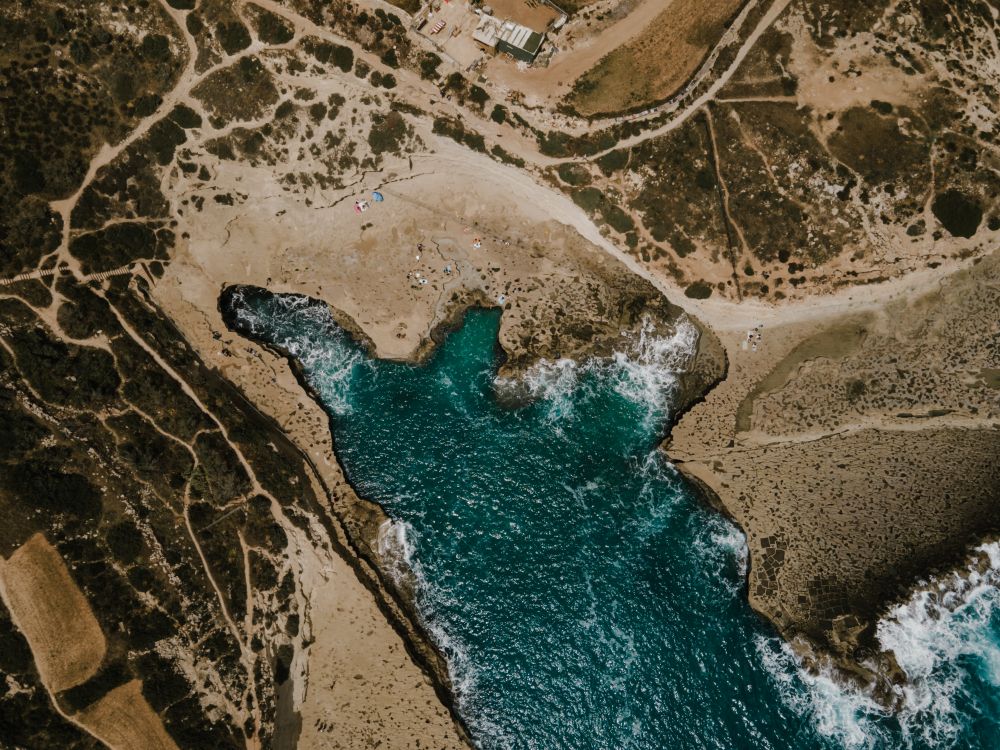
On the Delimara peninsula, St Peter's Pool is a natural rock pool of clear water ringed by flat limestone shelves. Swimmers jump from the…
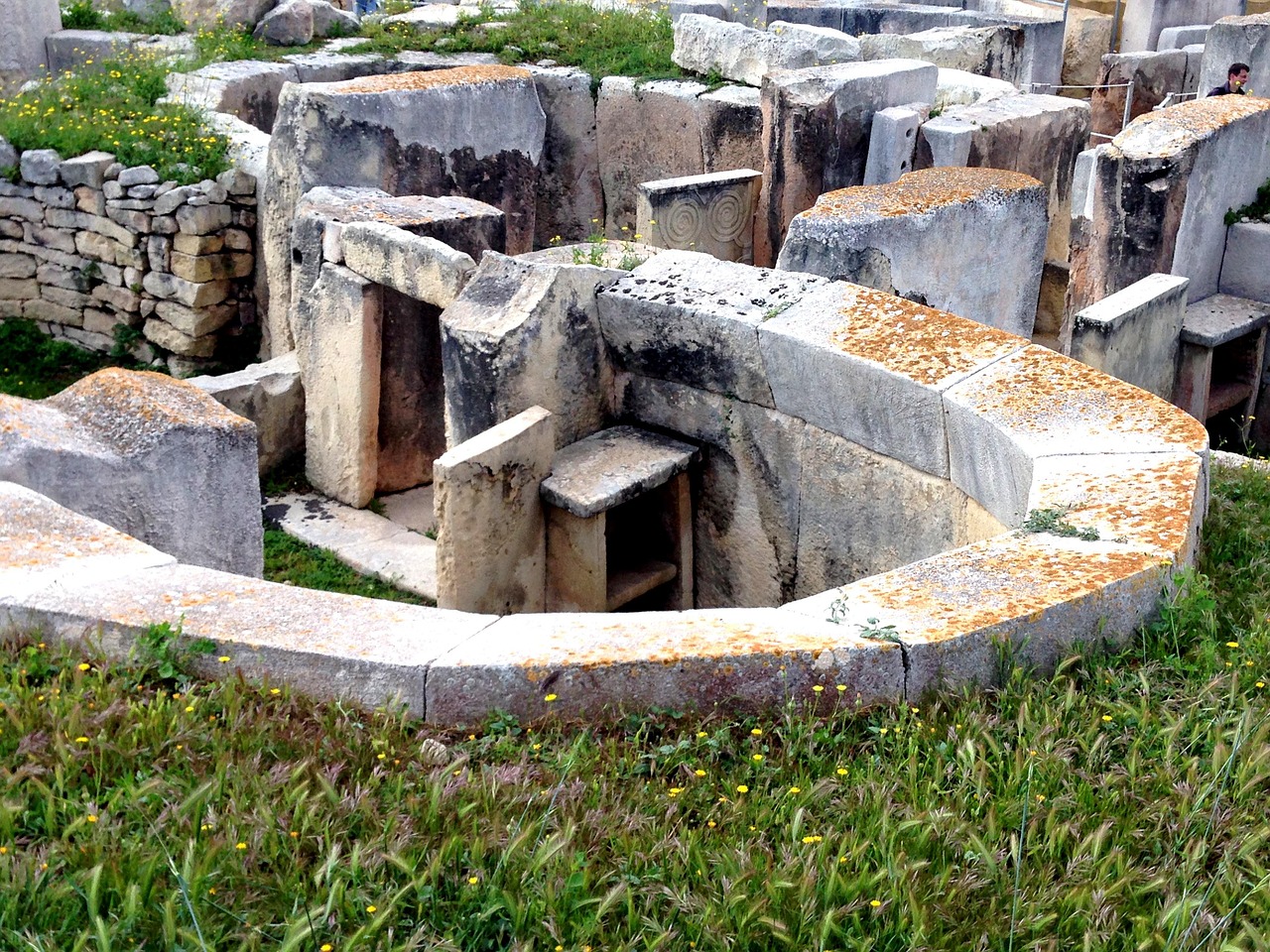
Four connected megalithic temples sit under a protective canopy among the houses of Tarxien, a short walk from the Hypogeum. Raised…
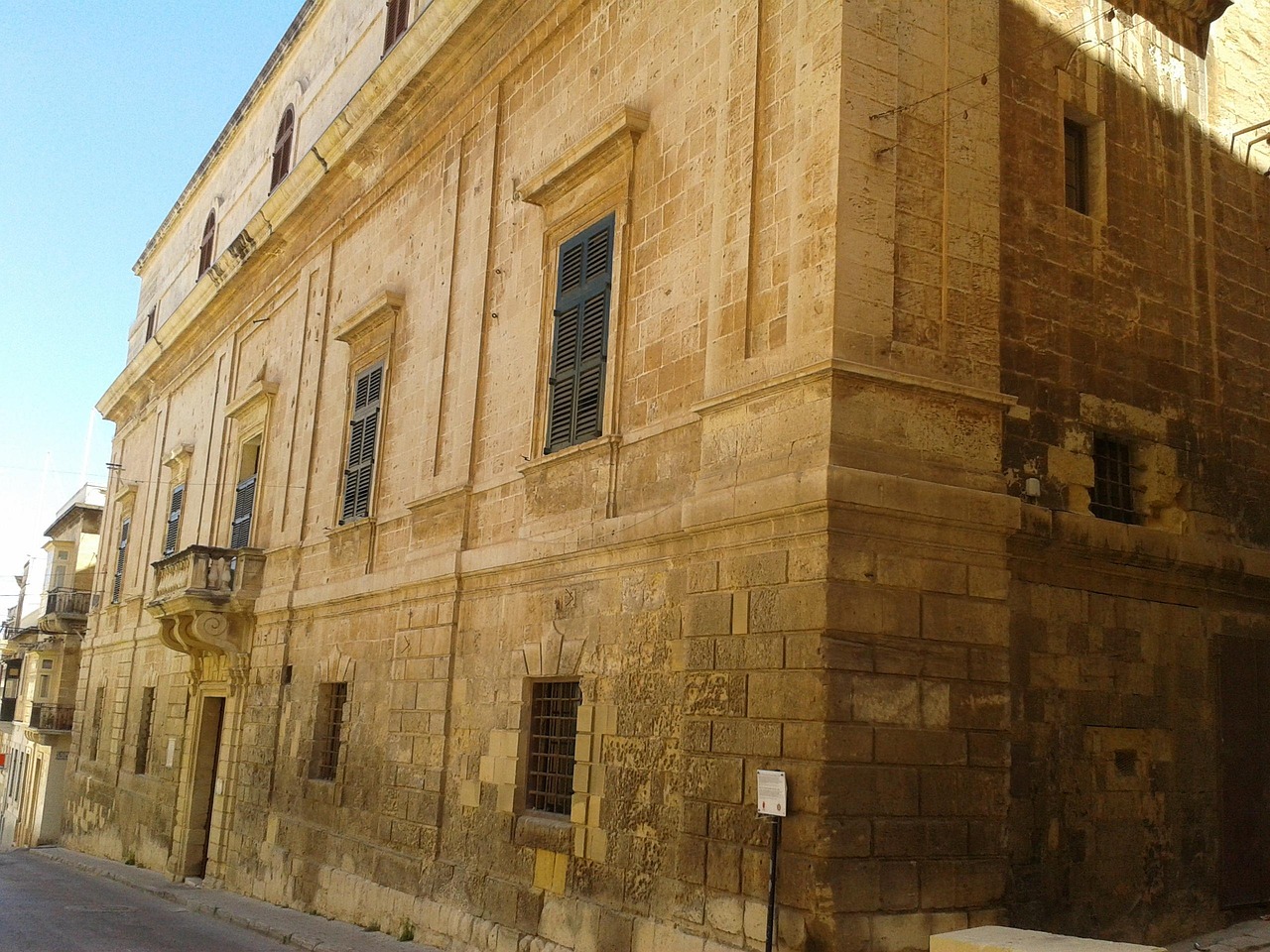
Rooms around a cloistered courtyard in the centre of Birgu show how the Roman Inquisition worked in Malta: the tribunal room, prison cells…
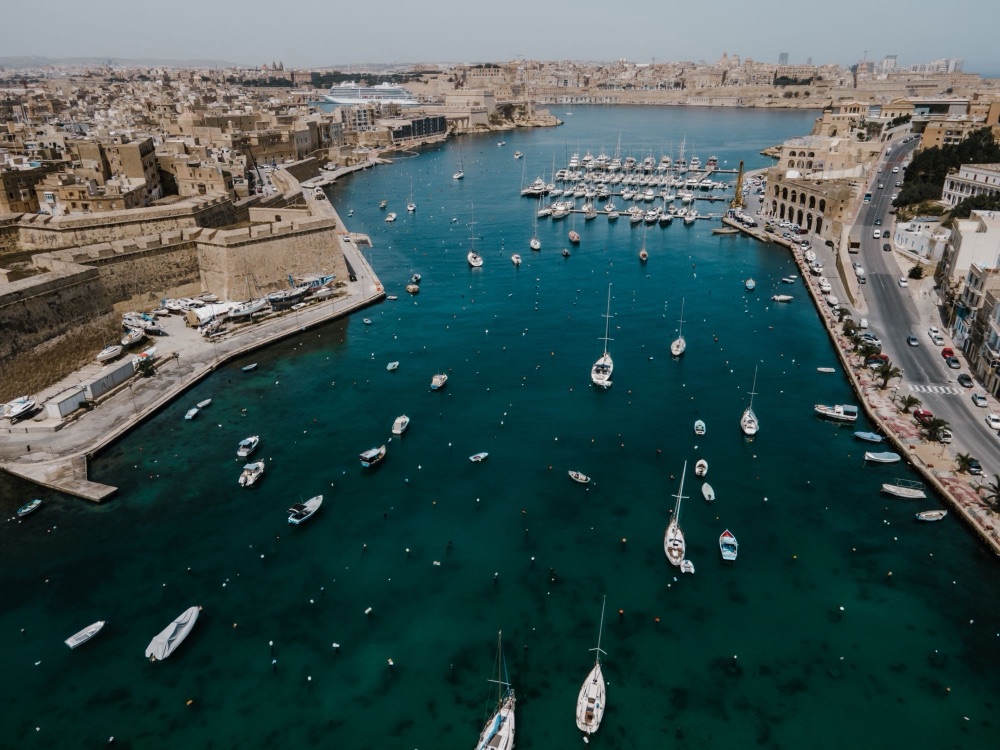
Three walled towns face Valletta across the Grand Harbour, and Birgu is the one to stay in: quiet stone lanes, Fort St Angelo at its tip…
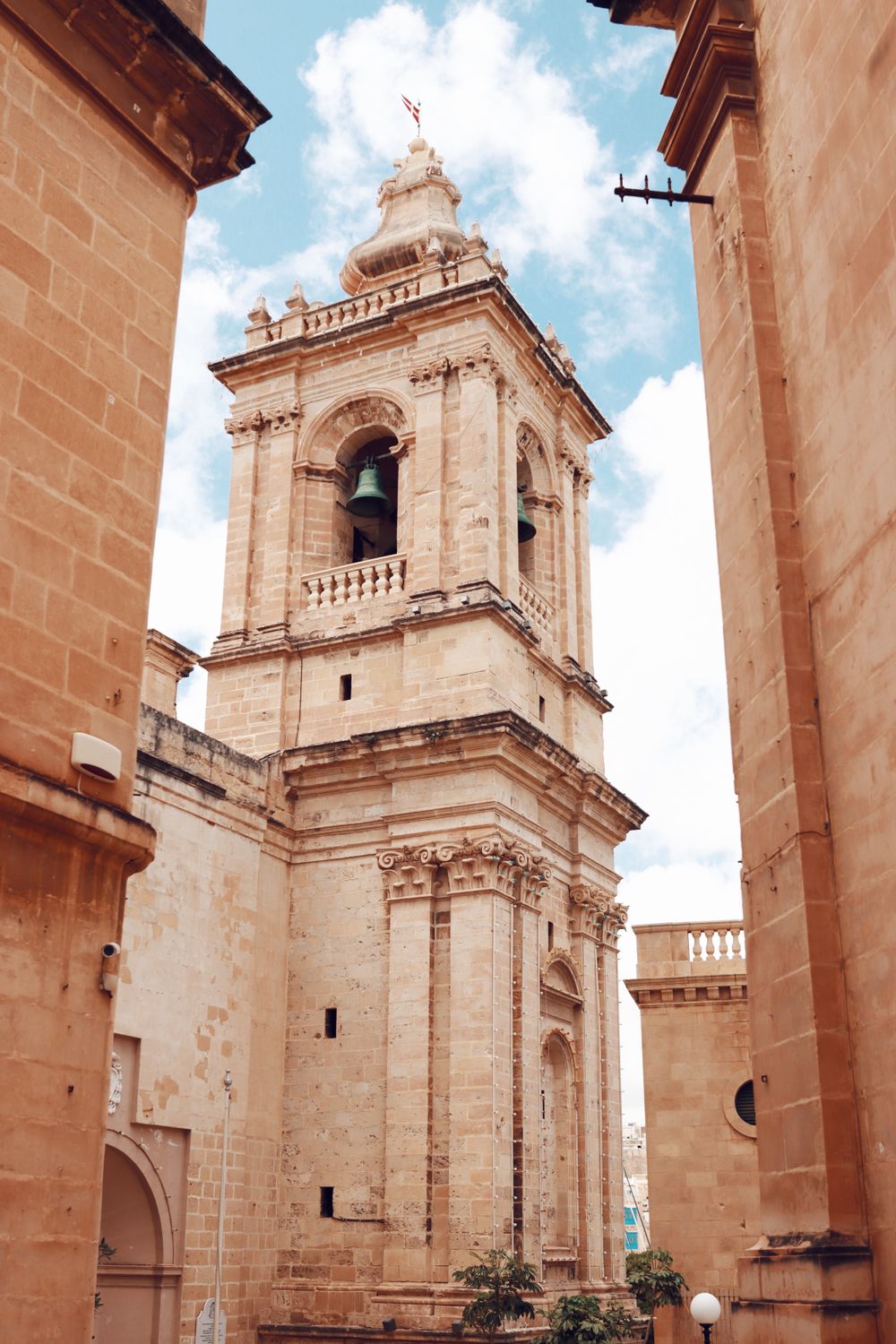
Facing the Birgu marina, St Lawrence served as the Knights' conventual church before St John's in Valletta was built. The interior has a…
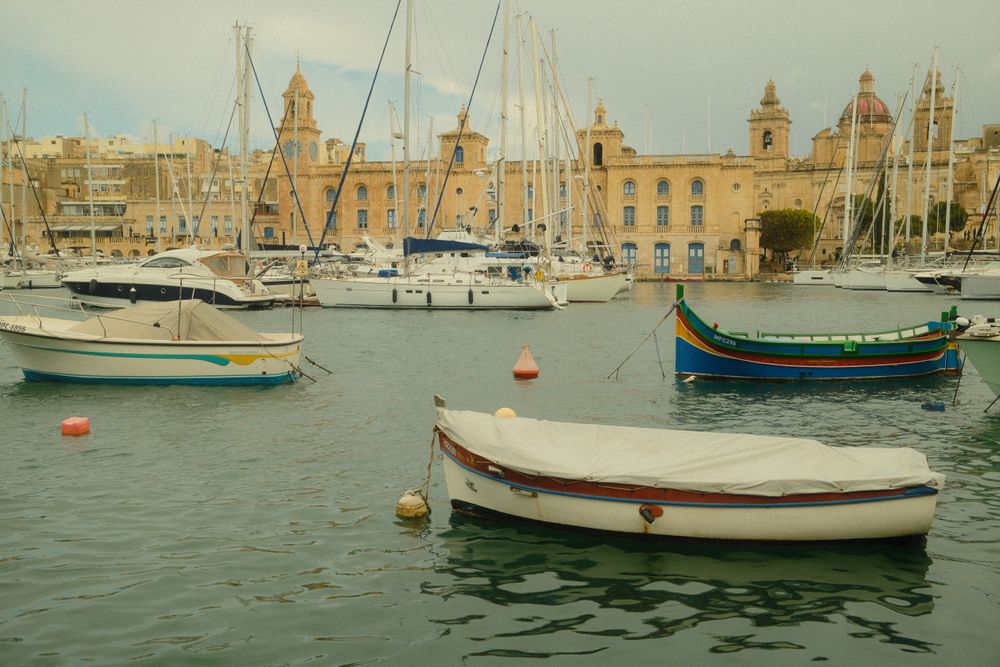
Yachts fill the marina below Birgu's old town, and the water taxis from Valletta tie up along it. Walk the length of the quay, then turn up…
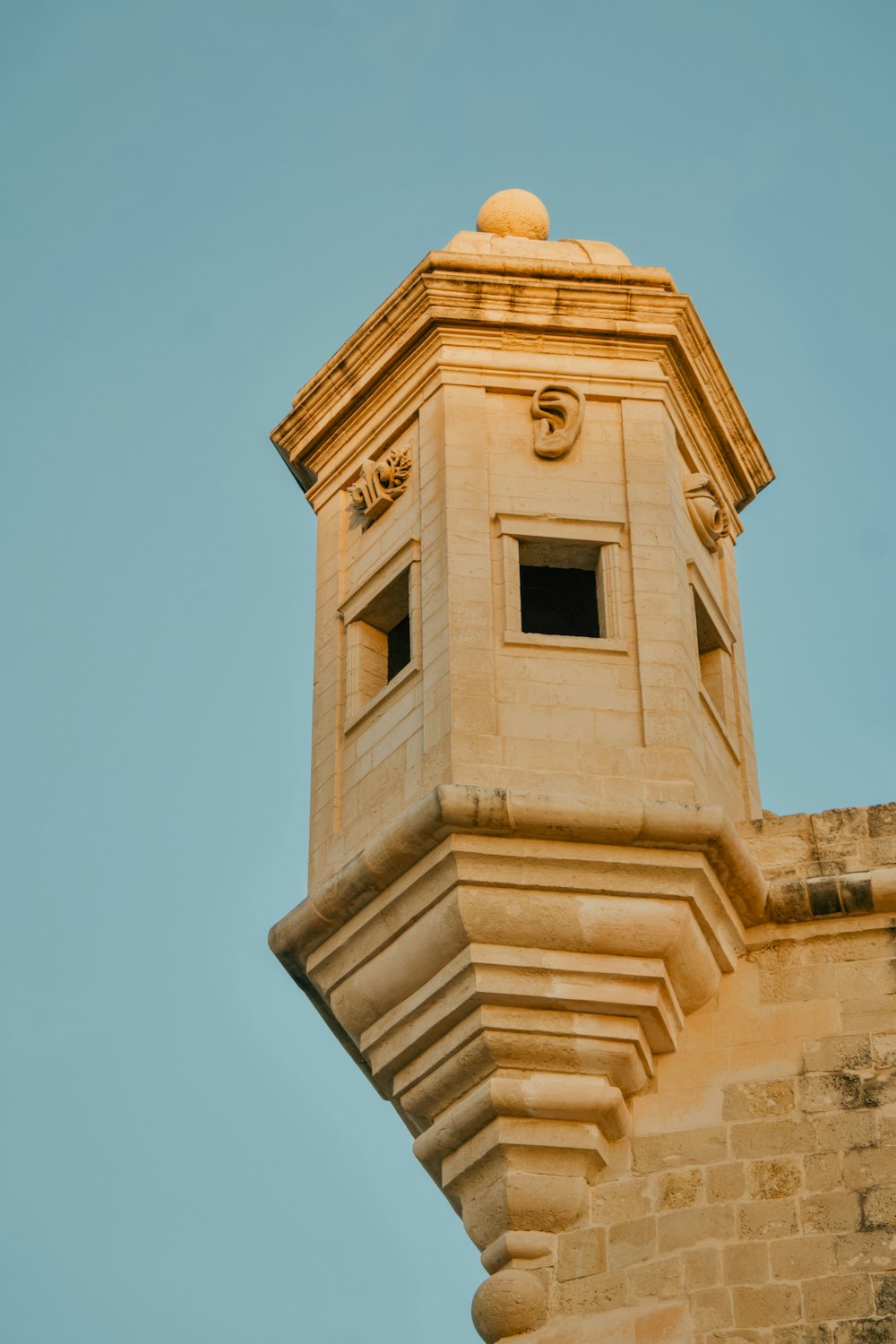
A small garden at the tip of Senglea ends at the Gardjola, a stone lookout carved with an eye and an ear as a sign of watchfulness over the…
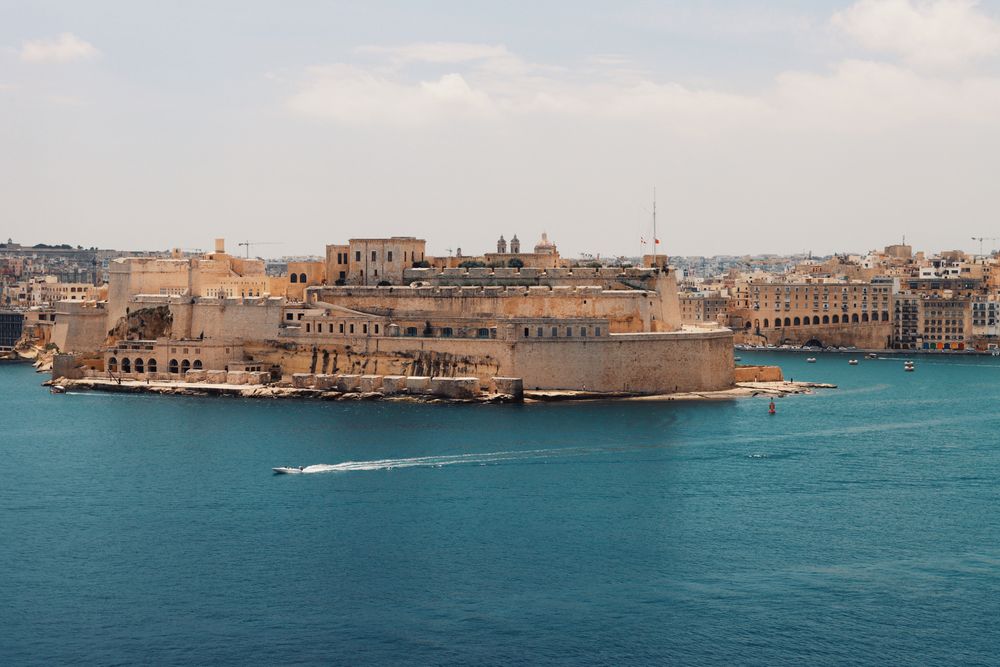
At the tip of the Birgu peninsula, Fort St Angelo guards the harbour mouth opposite Valletta. A ramped route climbs through restored…
Last updated