
A German bomb fell through this dome in Mosta during a wartime Mass and did not explode, and you stand directly beneath it. It is one of the largest unsupported church domes in Europe.
Church, Mdina. Meridian Dispatch.
It is in the middle of Mosta, roughly midway between Valletta and Mdina. Mdina is about 10 minutes south-west of the church by car or taxi, so the two fit easily into one day.
Take bus 41, 42, 44, 45 or 48 and get off at the stop called Rotunda 4. The ride takes about 20 to 30 minutes, and the church is a short, flat walk from there.
Ticketed for sightseers, sold online and at the main entrance. Visitor guides say attending worship is free, but the shelter and the balcony inside the dome need a ticket.
As of November 2026, the Mosta Rotunda Foundation, which sells the tickets, lists Monday to Friday 09:30 to 17:30, Saturday 09:30 to 16:30 and Sunday 12:00 to 17:00. It closes on New Year's Day, Easter Sunday, 15 August and Christmas Day.
A large board at the entrance sets out the dress code. Visitor guides say shoulders and knees should be covered, and hats come off where requested.
Not by wheelchair. The inner balcony and the shelter are reached only by stairs, with about 60 to 70 steps to roof level and no lift. A gently sloped ramp at the main entrance serves the ground level of the church.
The church stands in the town of Mosta, not in Mdina, and buses run there from Valletta. Its portico has six Ionic columns and stands between two bell towers, and the plan behind it is based on the Pantheon in Rome. The church goes by two other names, the Mosta Rotunda and the Mosta Dome, so search for either on a map.
Inside, the whole church is one circle. A dome roughly 37 to 40 m across sits on very thick walls. The interior has eight niches, among them a bay for the main entrance and a deep apse for the main altar.
The interior is painted blue, gold and white. Look up for the concentric coffers climbing toward the lantern and the sixteen windows around the base of the dome. Giuseppe Calì painted the decoration, and one of his largest works fills the apse behind the high altar.
The marble floor looks modest from ground level. Its pattern only makes sense from above, where it matches the dome ceiling.
The bomb fell on 9 April 1942, with more than 300 worshippers in the church, and no one was injured.
Two tickets are sold. Both cover the church, the crypt and the World War II shelter; the one-hour ticket lists the sacristies, and the two-hour ticket lists the church museum and the inner balcony. If you want to climb, take the two-hour ticket.
Book online or buy on arrival at the main entrance on Rotunda Square, where an attendant points you to the start of the route. Begin on the floor under the dome.
A narrow spiral staircase then leads to roof level, with views over the town and countryside. A few more stairs take you to the inner balcony, level with the windows. The walkway there is very narrow and very high, so skip it if heights bother you.
Back downstairs, the sacristies on the shorter ticket are easy to miss if you stay under the dome. They hold a replica of the bomb, a model of the church, paintings and a short history video.
Finish in the shelter, just in front of the church: go outside and down the stairs, and if the gate looks shut, give it a push. Its narrow tunnels were dug by hand into the limestone and hold wartime photographs and information boards.
A bus ticket bought from the driver is valid for two hours, with free transfers, so after a one-hour visit the same fare can carry you on to Mdina. St Paul's Cathedral is inside the walls there, so make it your stop.
The audio guide runs through a mobile phone app, so download it before you arrive and charge your phone. On a Monday before 13:00, add the Mosta Monday Market.
If you are in Malta from July to September, the Mostasera ticket opens the church and shelter late on Tuesday and Friday evenings, with the outside of the dome lit up.
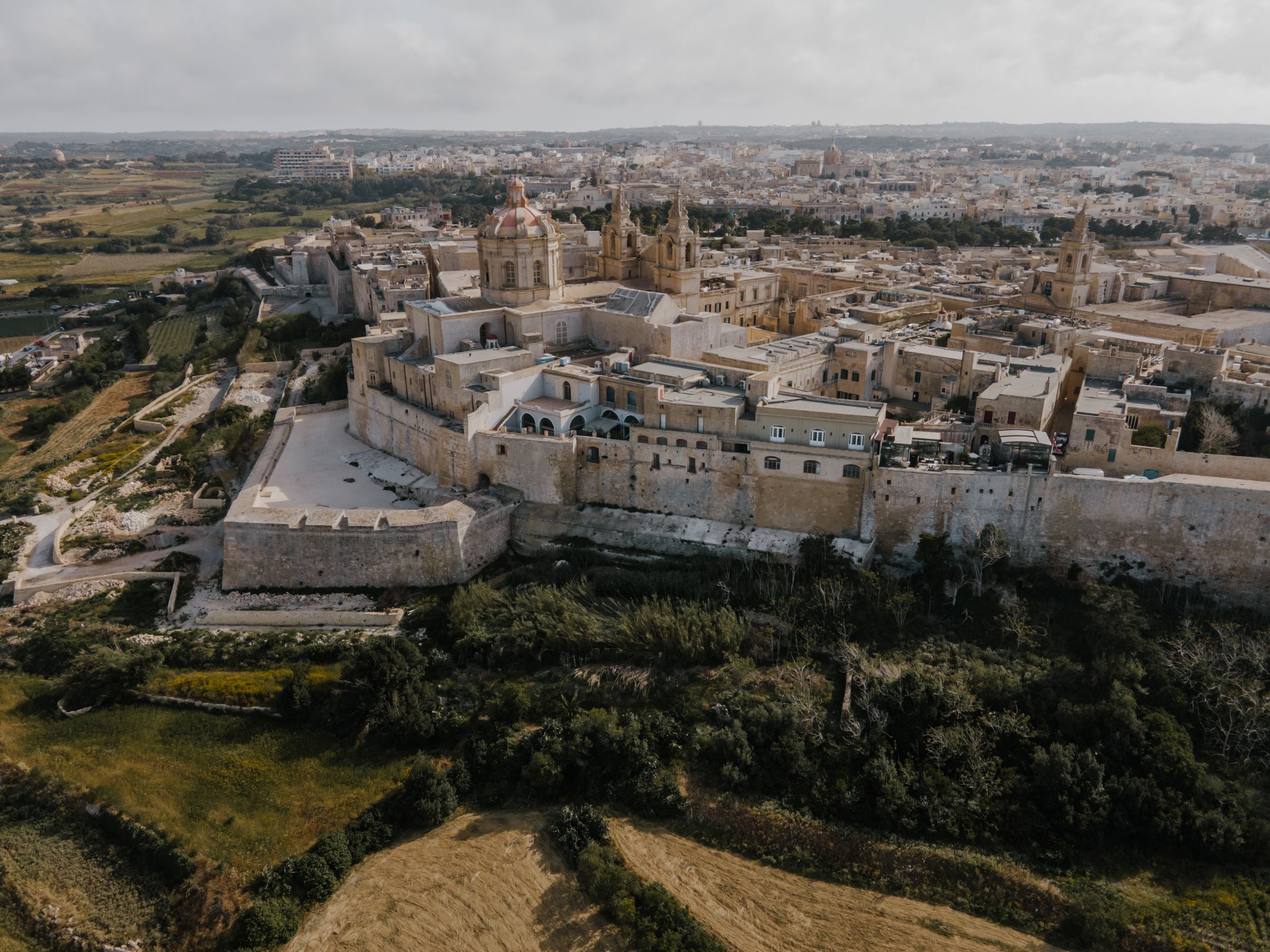
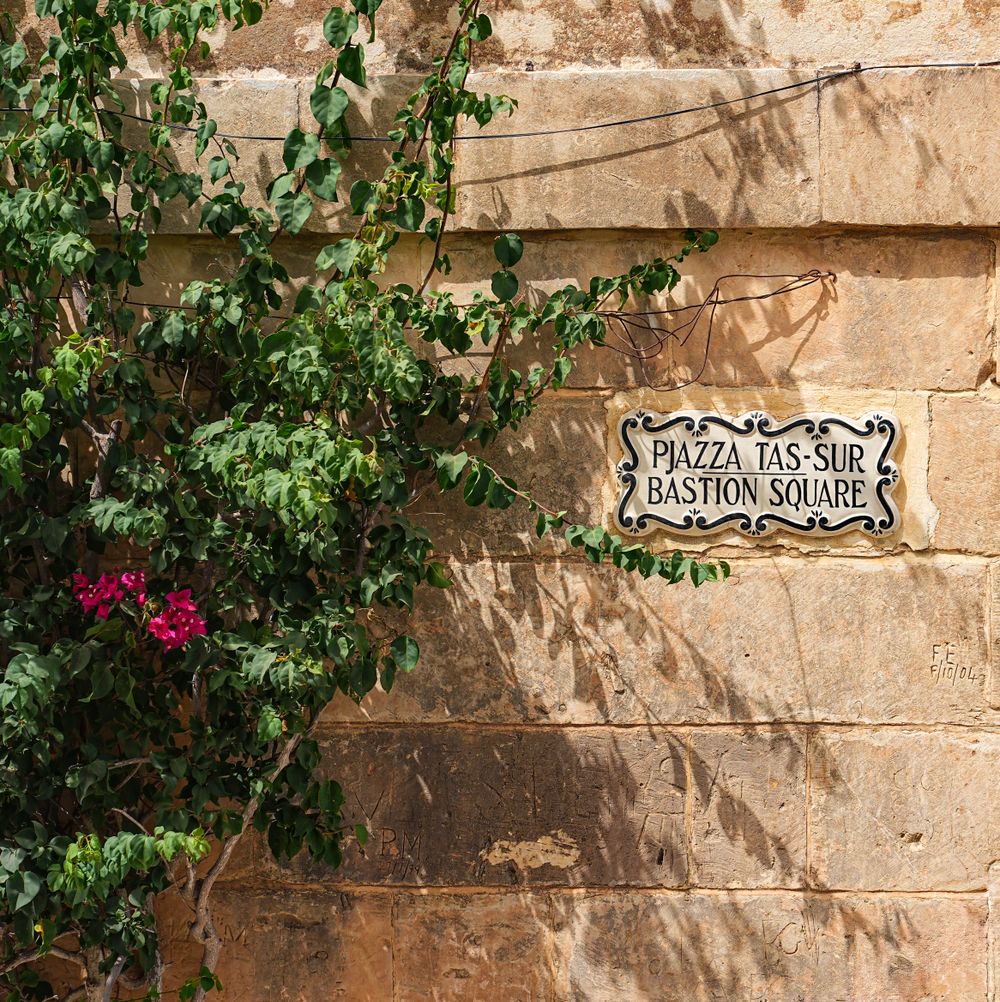
Give your afternoon to St Paul's Cathedral and the rooms of Palazzo Falson, then walk to Bastion Square on the city walls and watch the sun set over the countryside and the coast.
Read the Mdina guideExplore the rest of Mdina
From the ramparts at the northern tip of Mdina, the view runs across central Malta to the Mosta dome and on to the sea at St Paul's Bay.…
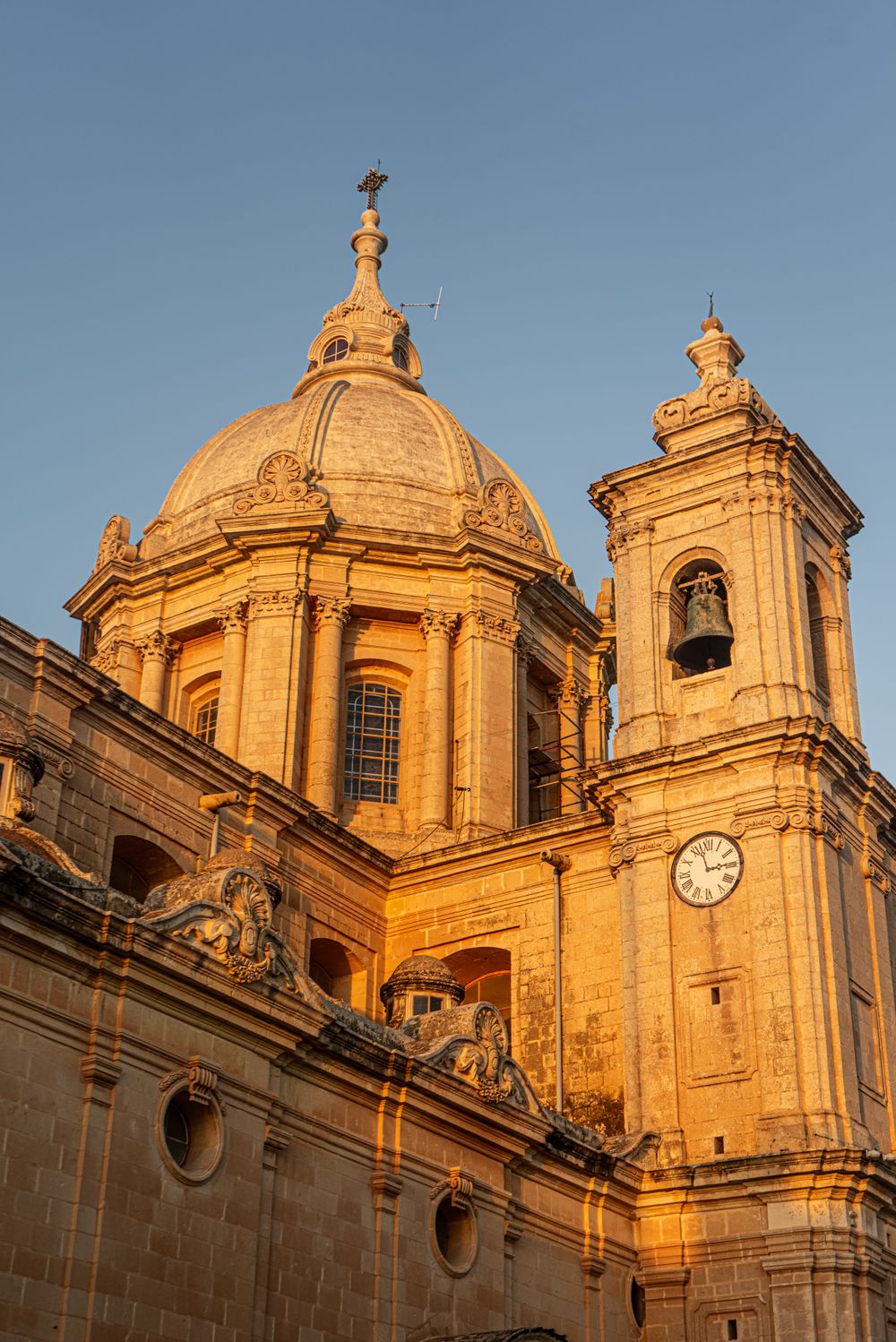
Baroque architecture and a floor of inlaid marble tombstones fill Mdina's cathedral, rebuilt by Lorenzo Gafà after the 1693 earthquake.…
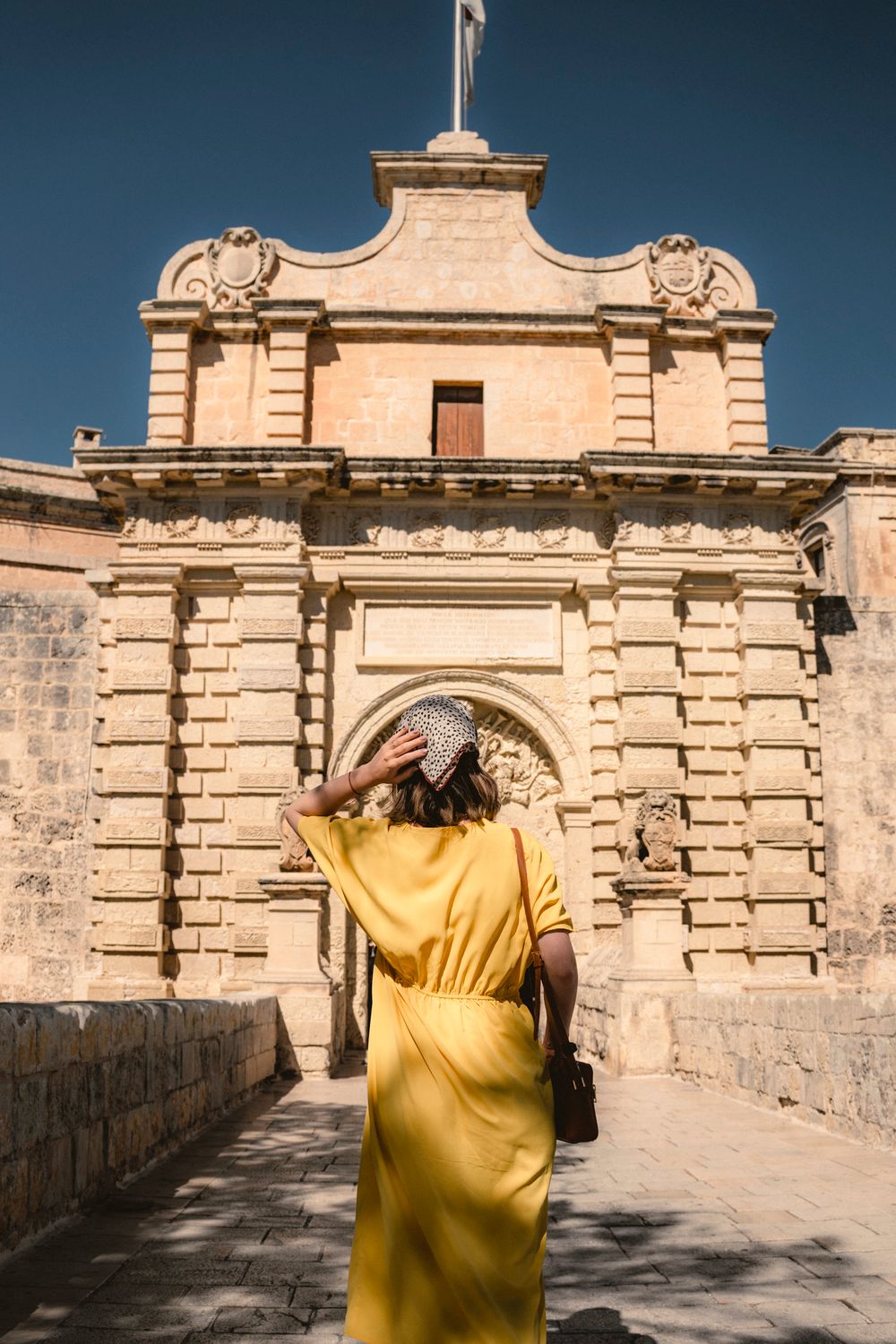
A stone bridge over the dry moat leads to Mdina's main gate, a baroque archway built in 1724 and carved with the arms of Grand Master…
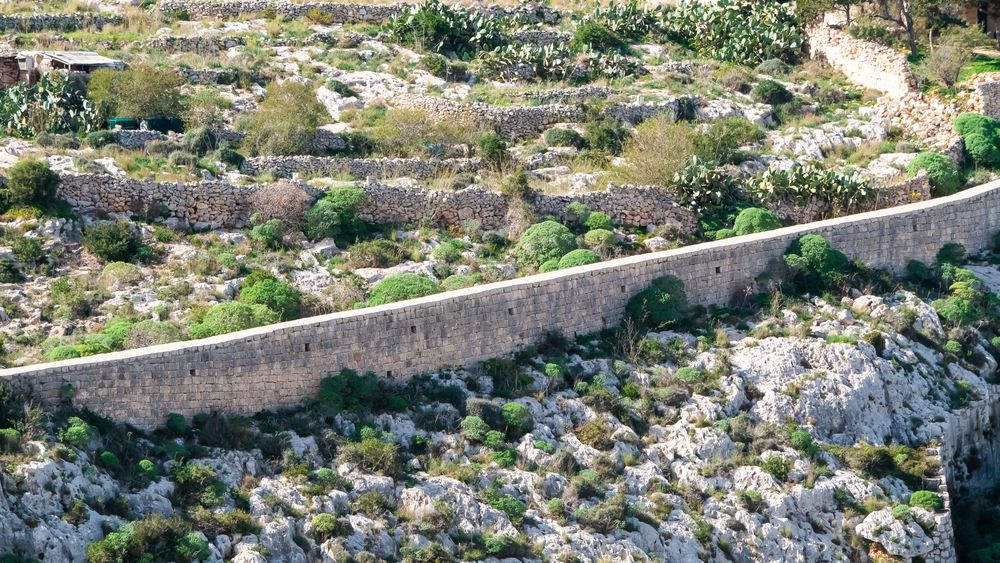
A British defensive wall follows the Great Fault escarpment for about 12 km across Malta, from Madliena in the east to Fomm ir-Riħ in the…
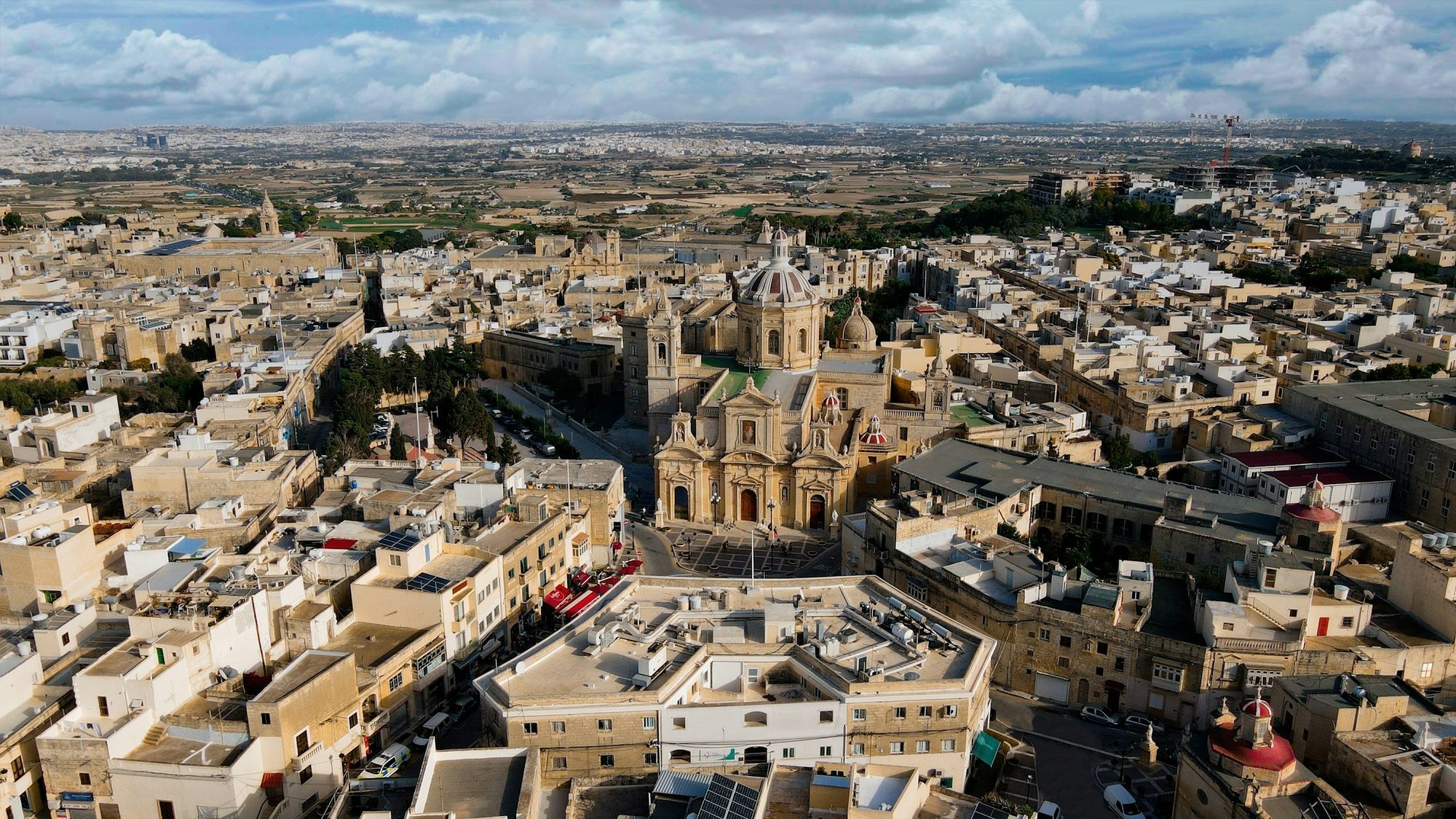
Spread outside the main gate of Mdina, this town sits over St Paul's Catacombs, the earliest and largest archaeological evidence of…
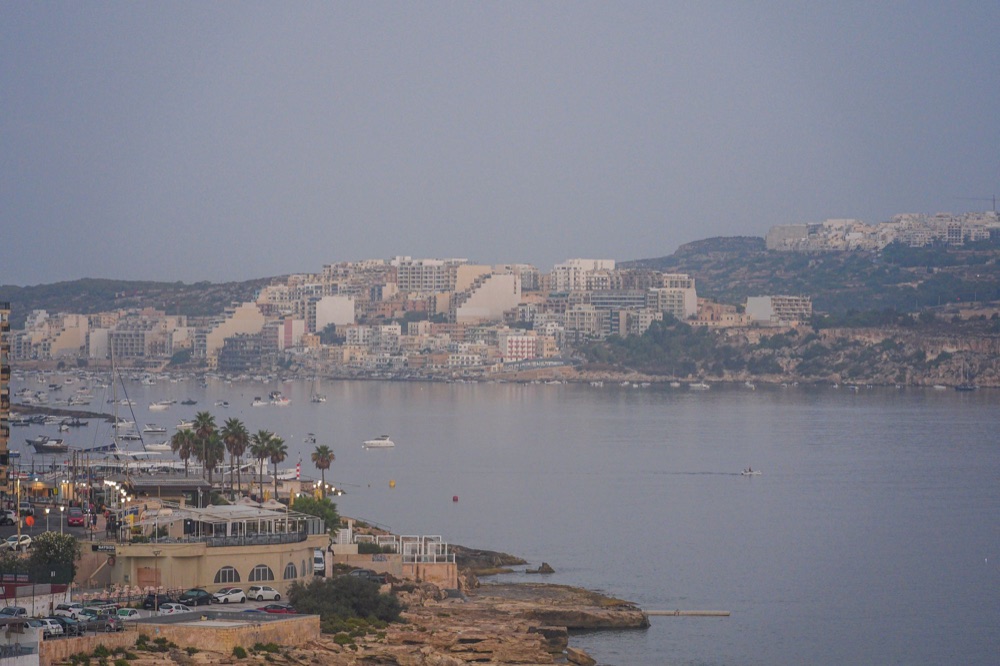
Hotels, bars and a long seafront promenade fill Buġibba and Qawra, the resort strip on the north side of St Paul's Bay. The area makes for…

Shaped like a starfish on the tip of Qawra Point, the aquarium holds tanks of Mediterranean species, a walk-through tunnel with sharks and…
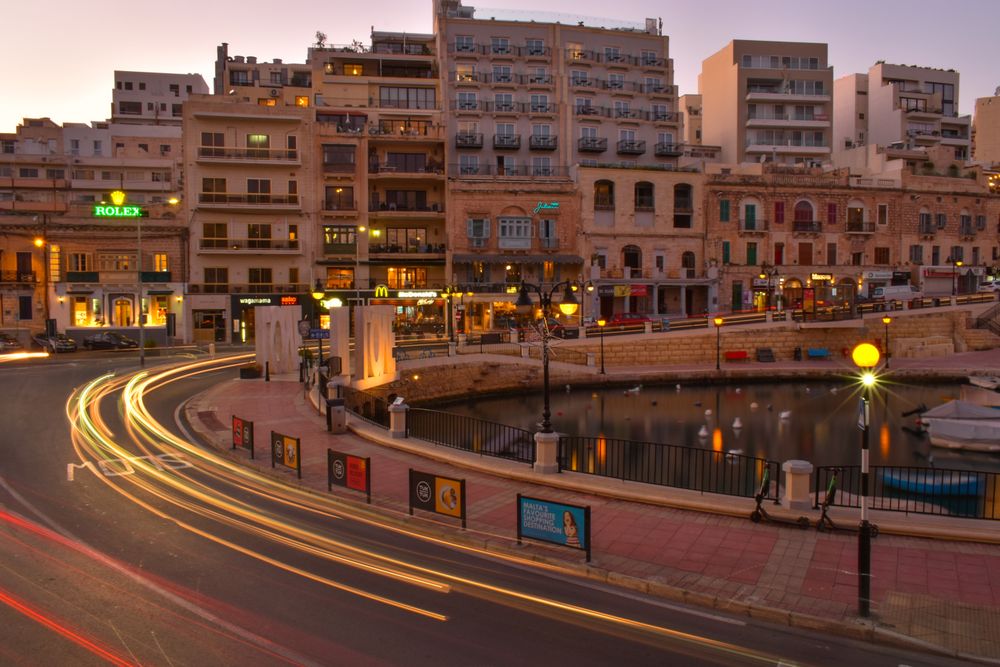
North of Sliema, the shore runs round two small bays and on to a strip of sand: Balluta first, then Spinola, with fishing boats moored…


Save Rotunda of Mosta to your Malta trip in the Meridian Dispatch app and build the day around it, with the best of Mdina pinned on one map.
Download on the App StoreThe official pages this guide was checked against.
Last updated