Dingli Cliffs
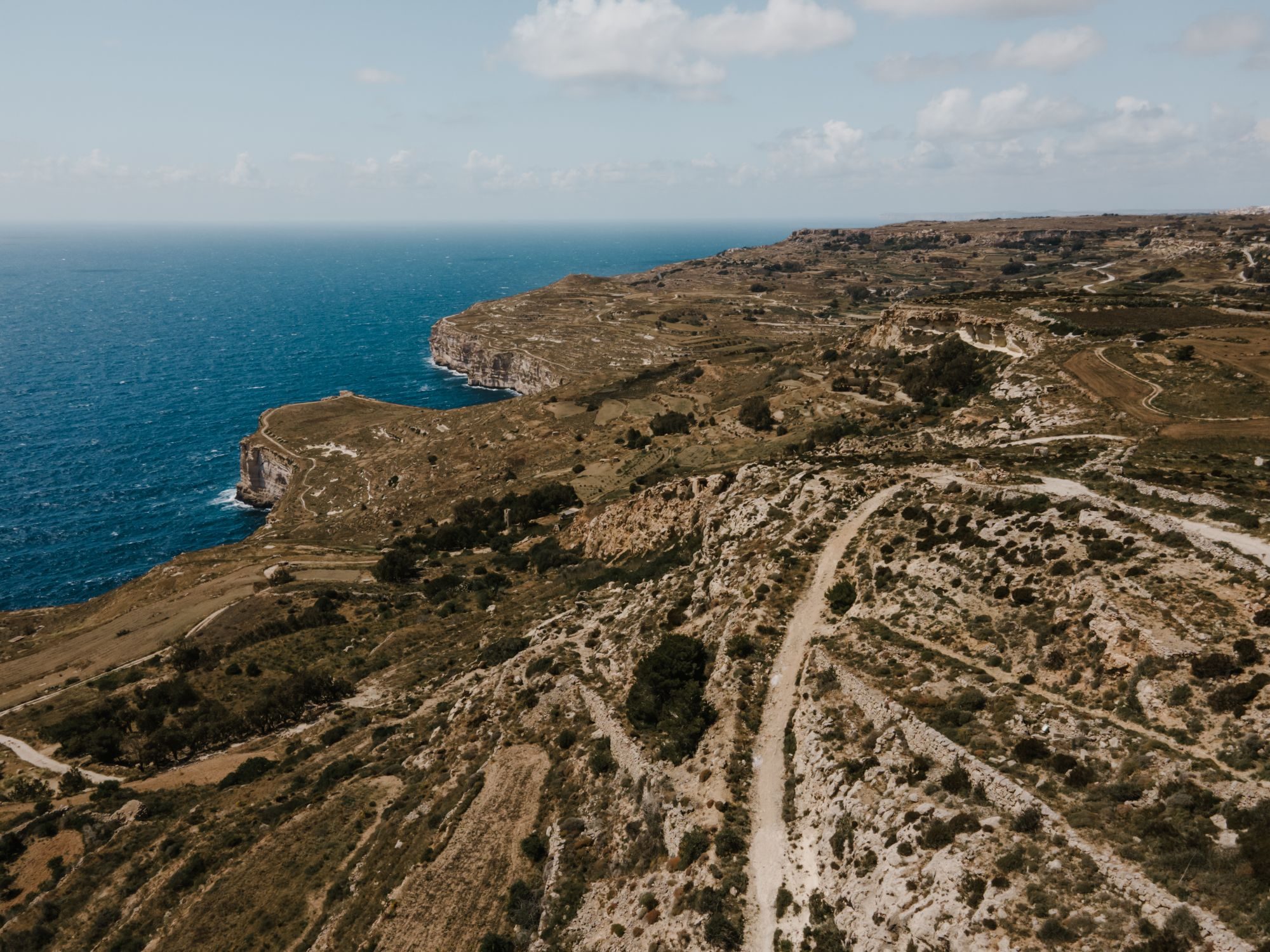
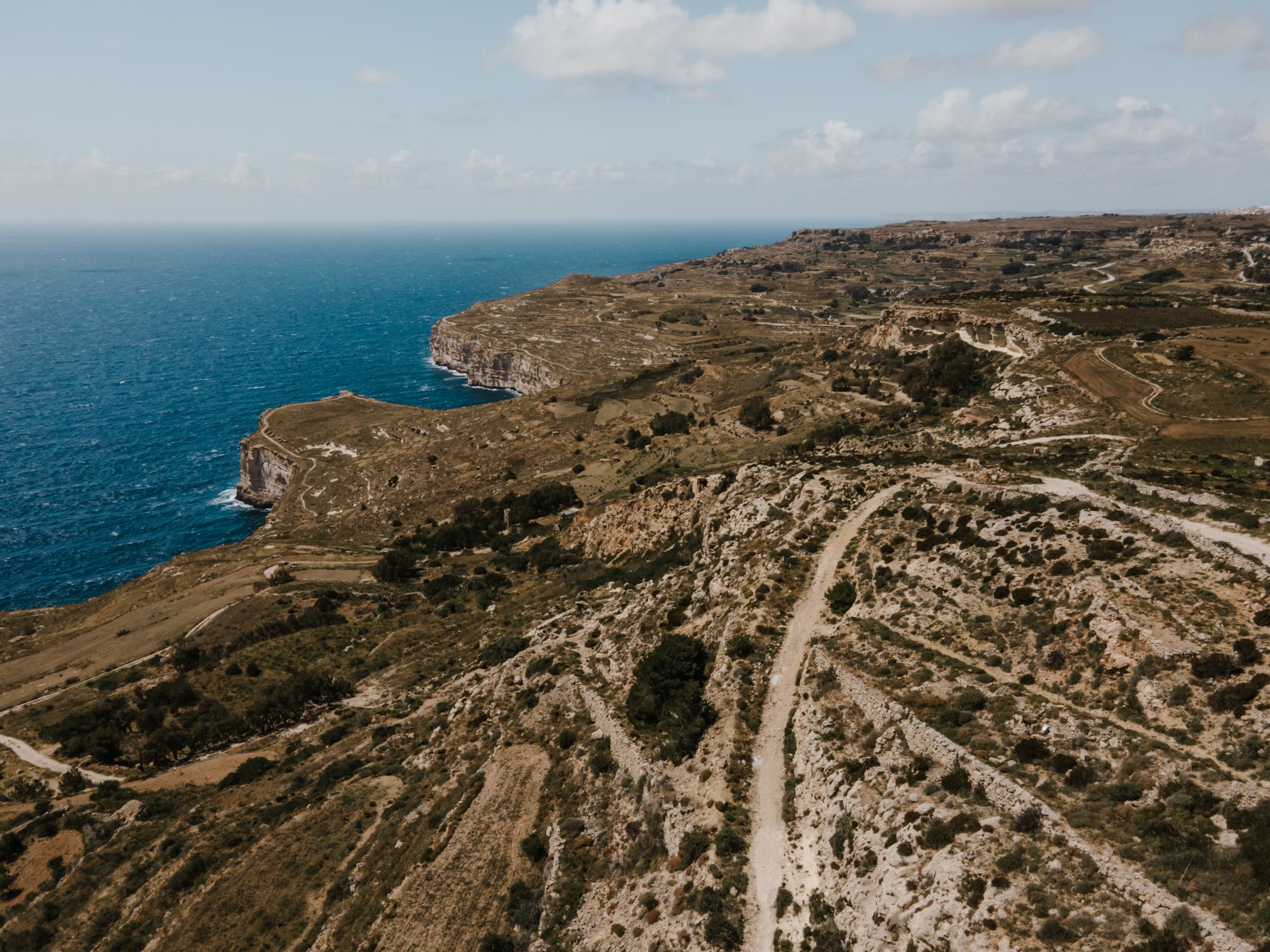
Walk the top of Malta's highest sea cliffs from Dingli village to a small chapel on the edge, with Filfla out to sea, then cut inland past bare rock grooved by prehistoric cart ruts to Buskett.
Read the guide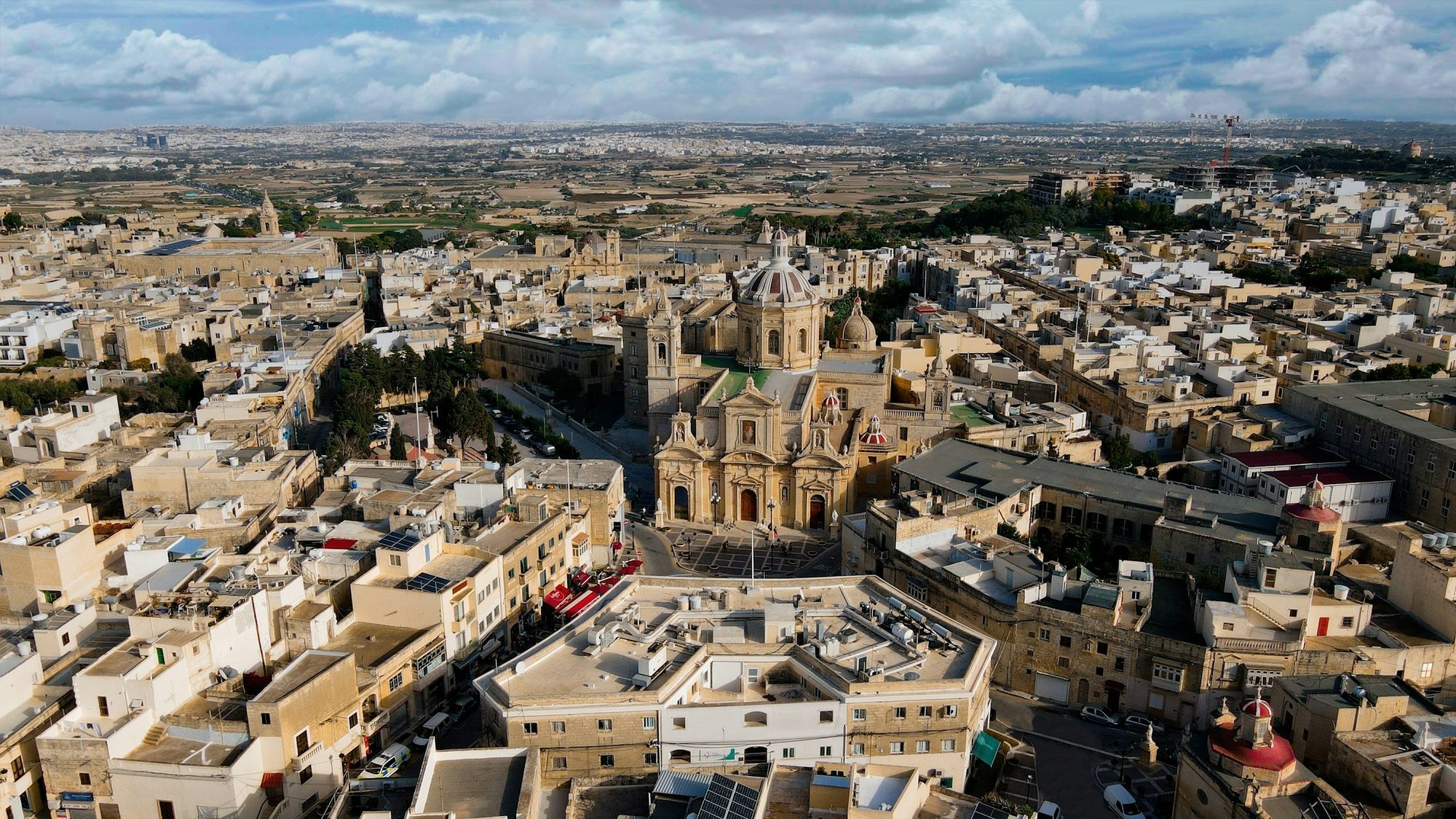
Two nights in Rabat, next door to Mdina, give you one day in the catacombs under the town and another on the sea cliffs at Dingli.
Town guide, Malta. Meridian Dispatch.
Ninety seconds on Rabat
Buses 51, 52 and 53 run all day from Valletta to Rabat, and the ride takes about 30 to 40 minutes. Route 56 is hourly, and route 50 runs only at weekday rush hours. Rabat stops include Telgha, Saqqajja and Rabat 3.
Yes. The driver sells single tickets on boarding, for cash or a contactless bank card. Travel cards are sold at Malta Public Transport sales offices, two of them at Malta International Airport in the Welcomers' Hall and at baggage reclaim, and at card machines in tourist spots. Some cards are also sold in the tallinja app.
St Paul's Catacombs open 09:00 to 17:00 every day through the winter, last entry 16:30. They close on 24, 25 and 31 December, 1 January and Good Friday, and from 4 January to 28 February also on Tuesdays.
Domvs Romana opens 09:00 to 17:00 from Tuesday to Sunday through the winter of 2026 to 2027, with last admission at 16:30. From 4 January to 28 February 2027 it also closes on Wednesdays. The Heritage Malta holiday closures apply here too.
By route 52 to Dingli village, then on foot. Route 52 runs from Valletta through Rabat to Dingli, and the main viewpoint is about 10 to 15 minutes' walk from the village stop.
By Airport Direct route TD1 or TD5, which run hourly from Malta International Airport (MLA) to the Rabat 4 stop. Route 201 also links the airport and Rabat, more slowly.
Yes, if you are here for the catacombs, Mdina and the Dingli cliffs, and not the sea.
See all towns in MaltaCompare Malta town by town
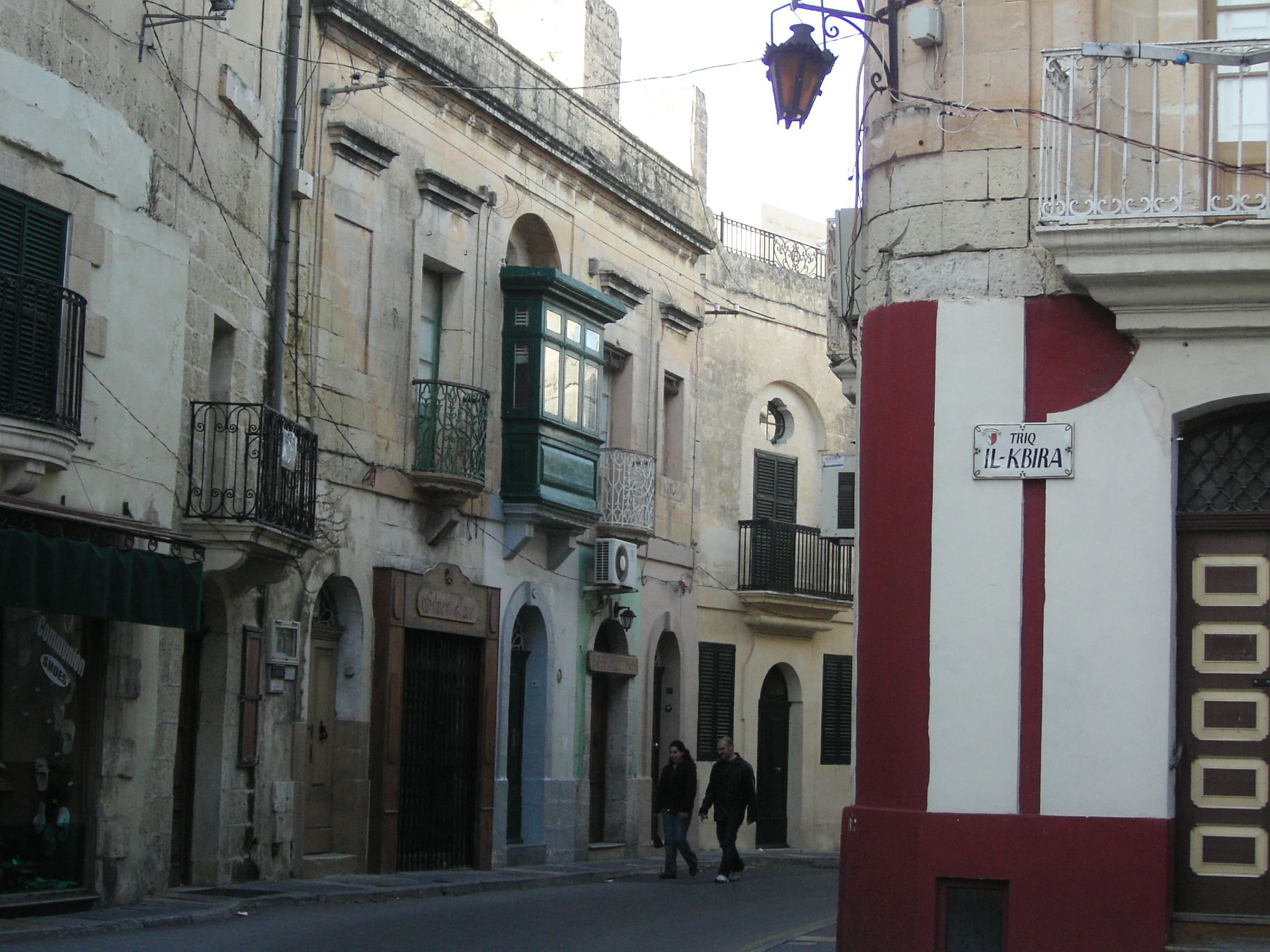
Head west from Rabat and the land climbs to the Dingli Cliffs, then drops into the woods at Buskett. The town itself grew outside Mdina's walls over the Roman one, and its tombs and grottoes still run under the streets.
250 metres
A spa hotel above the Rabat valley, and a palace on Mdina's bastions a short walk up the hill.
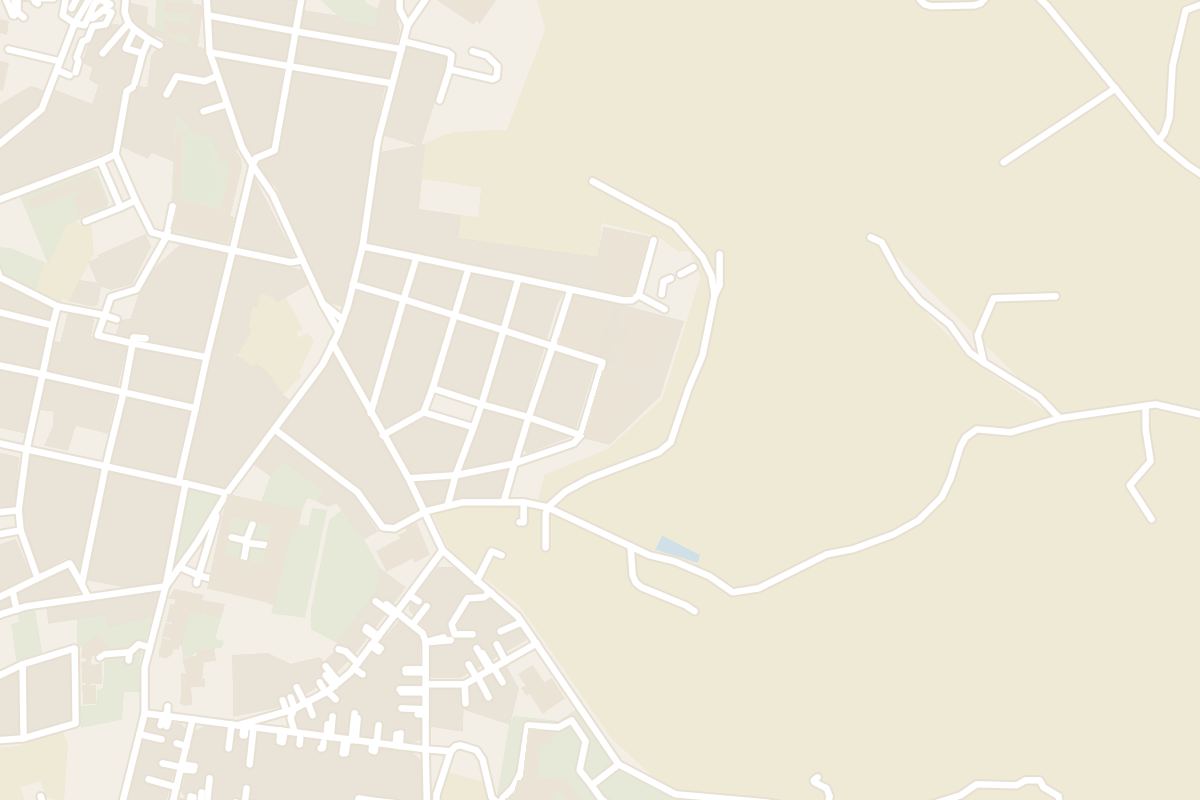 10 min from Parish Square
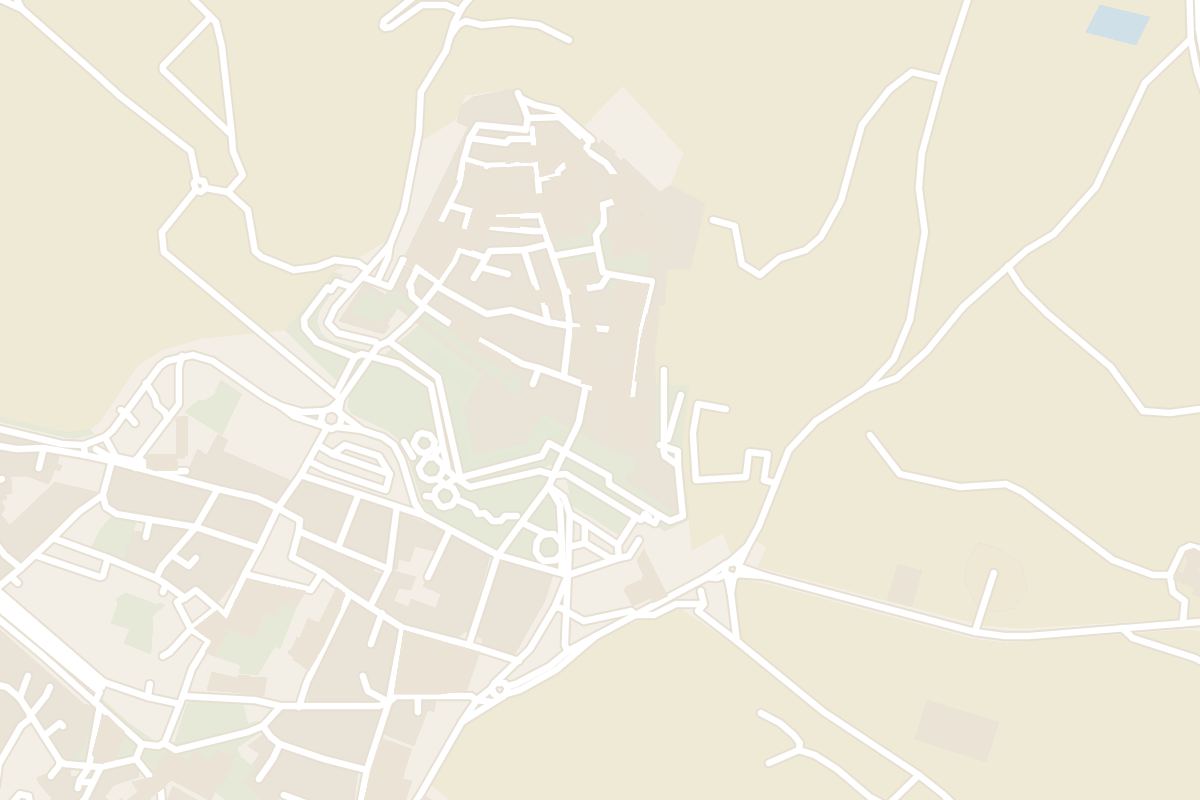 In Mdina
Grouped by what each place is best for, from the tombs under the town to the cliffs and valleys to the west.
The catacombs, the museum and the basilica are a few minutes' walk from Parish Square. The cliffs, Buskett and the valleys are a short bus ride west.
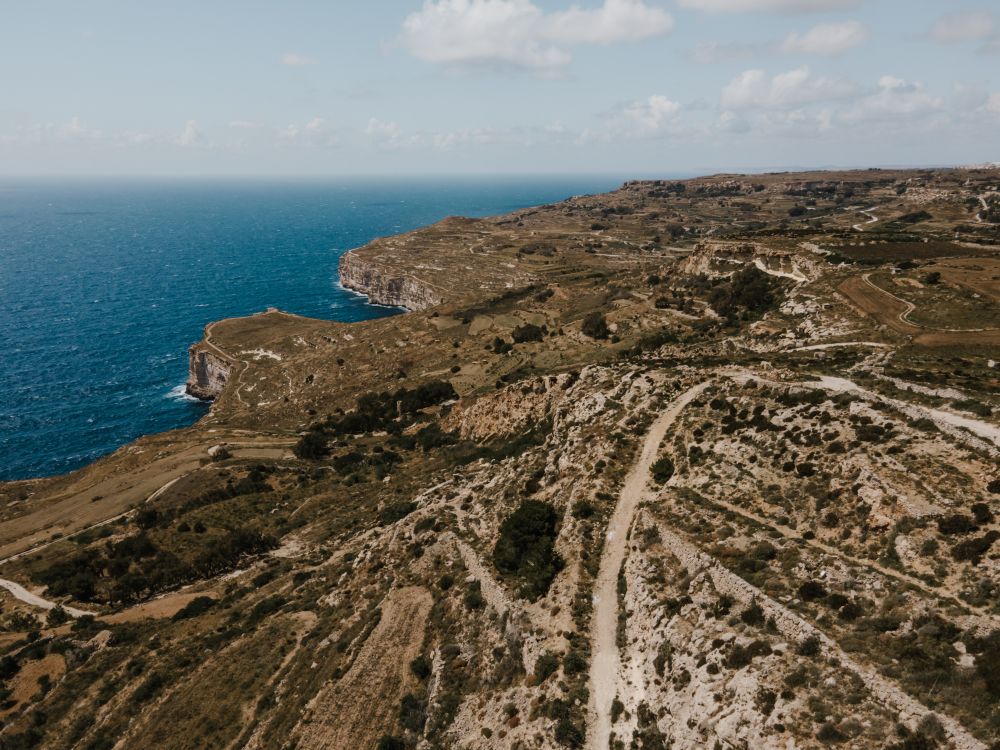

Walk the top of Malta's highest sea cliffs from Dingli village to a small chapel on the edge, with Filfla out to sea, then cut inland past bare rock grooved by prehistoric cart ruts to Buskett.
Read the guide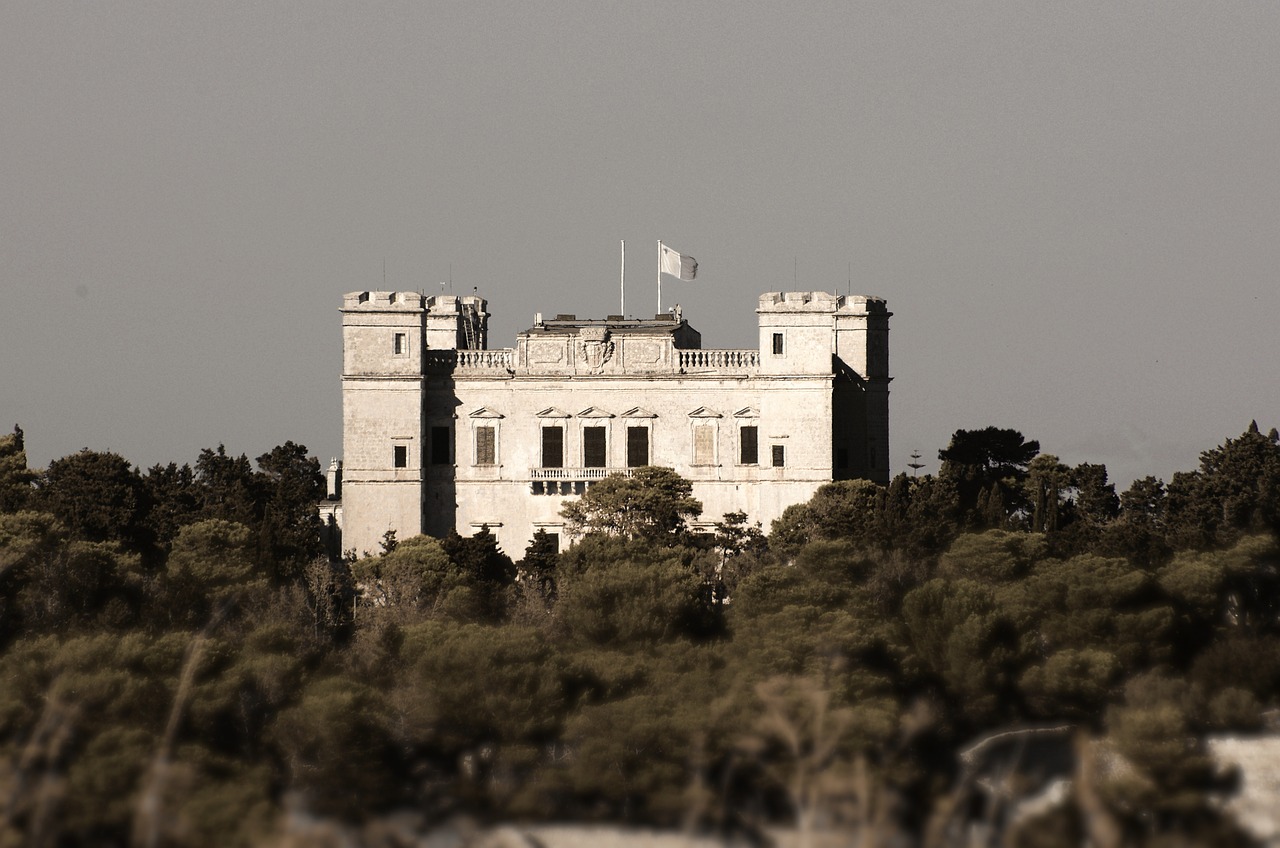
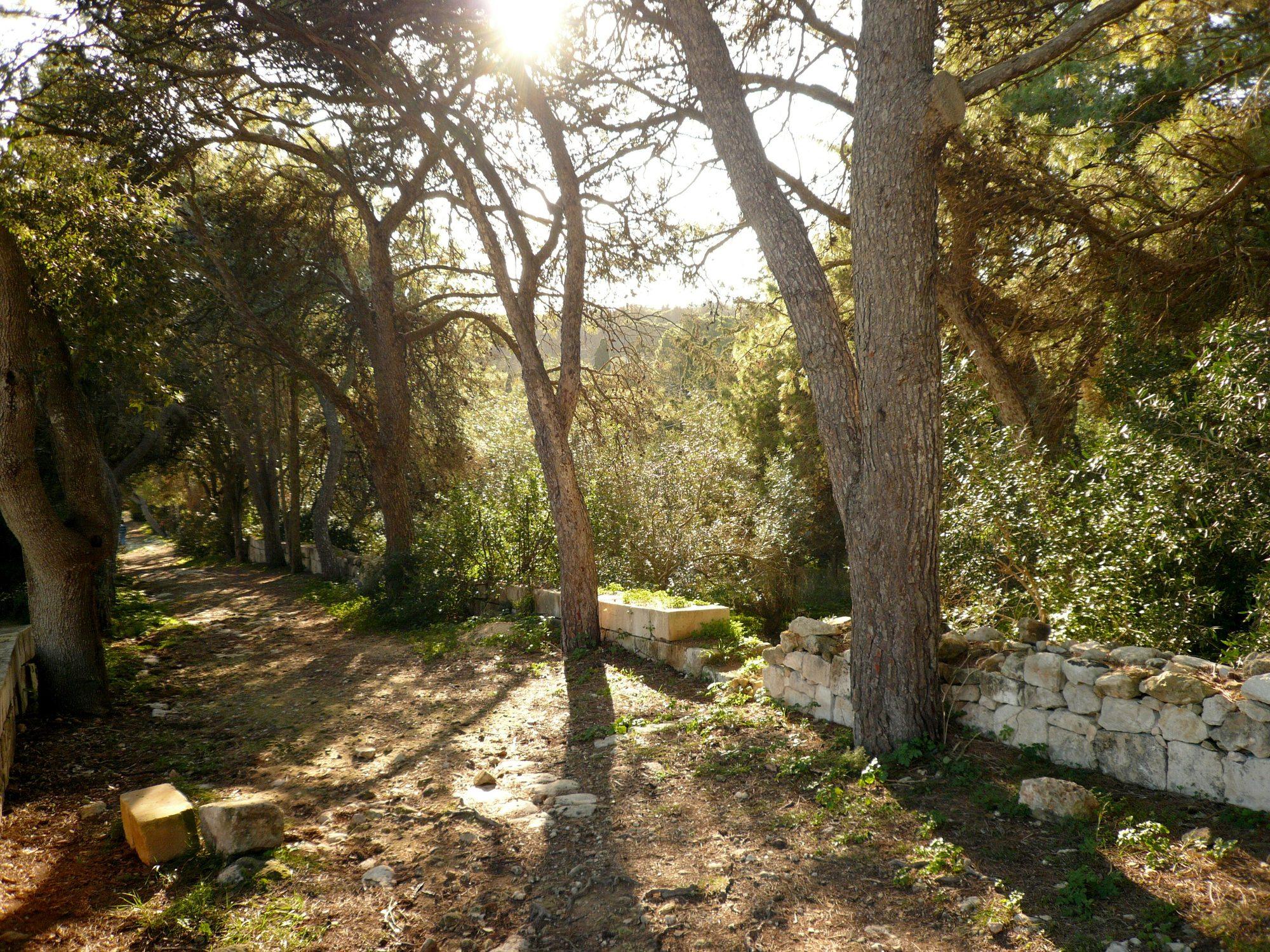
Walk down from Buskett Road through tree cover unlike anywhere else on Malta to a shaded valley floor of citrus groves.
Read the guide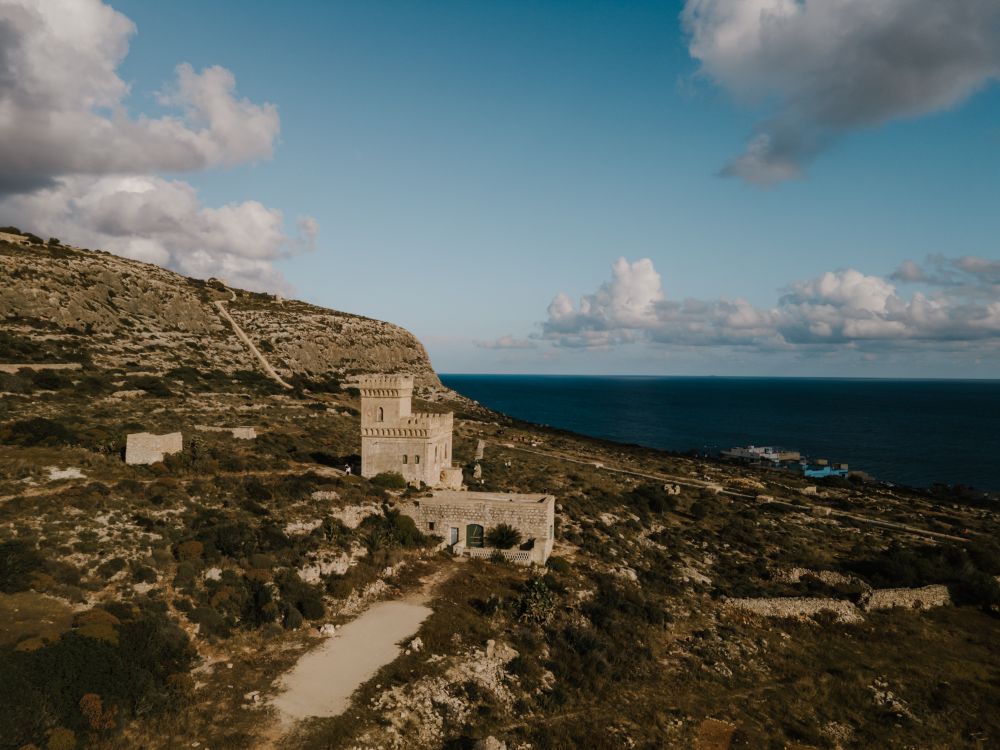
The cove has been closed since a storm in January 2026, so swim elsewhere for now. Once it reopens, cliffs shelter a rocky inlet of clear, deep water, a complete change from the sandy beaches of Malta's north.
Read the guideOne museum in Rabat takes you from a gallery of religious art down to St Paul's Grotto, Roman tombs and the air raid shelters Maltese families dug in World War II.
Read the guideBeneath Rabat, you walk into the earliest and largest evidence of Christianity in Malta, a maze of burial passages with tables carved from the stone for funeral meals.
Read the guideAt this Rabat complex you see the crypt where, by local tradition, the Sicilian martyr St Agatha hid from persecution, its walls covered in medieval frescoes, with catacombs and a museum alongside.
Read the guideAfter the shipwreck that brought Christianity to the islands, Maltese tradition says St Paul made his home in the cave under this Baroque parish church, and you can stand in that cave today.
Read the guideThe mosaic pavements of this Roman townhouse beside the main approach to Mdina rank among the finest and oldest in the western Mediterranean, alongside those of Pompeii and Sicily.
Read the guideCasa Bernard is a family home in a Rabat palazzo, and the family shows you round it room by room, from the chapel to the silver. Every visit is a guided tour.
Read the guideOut on a bare limestone plateau inland from the Dingli Cliffs, near Buskett Gardens, you can trace the densest concentration of ancient cart ruts anywhere in the Maltese Islands.
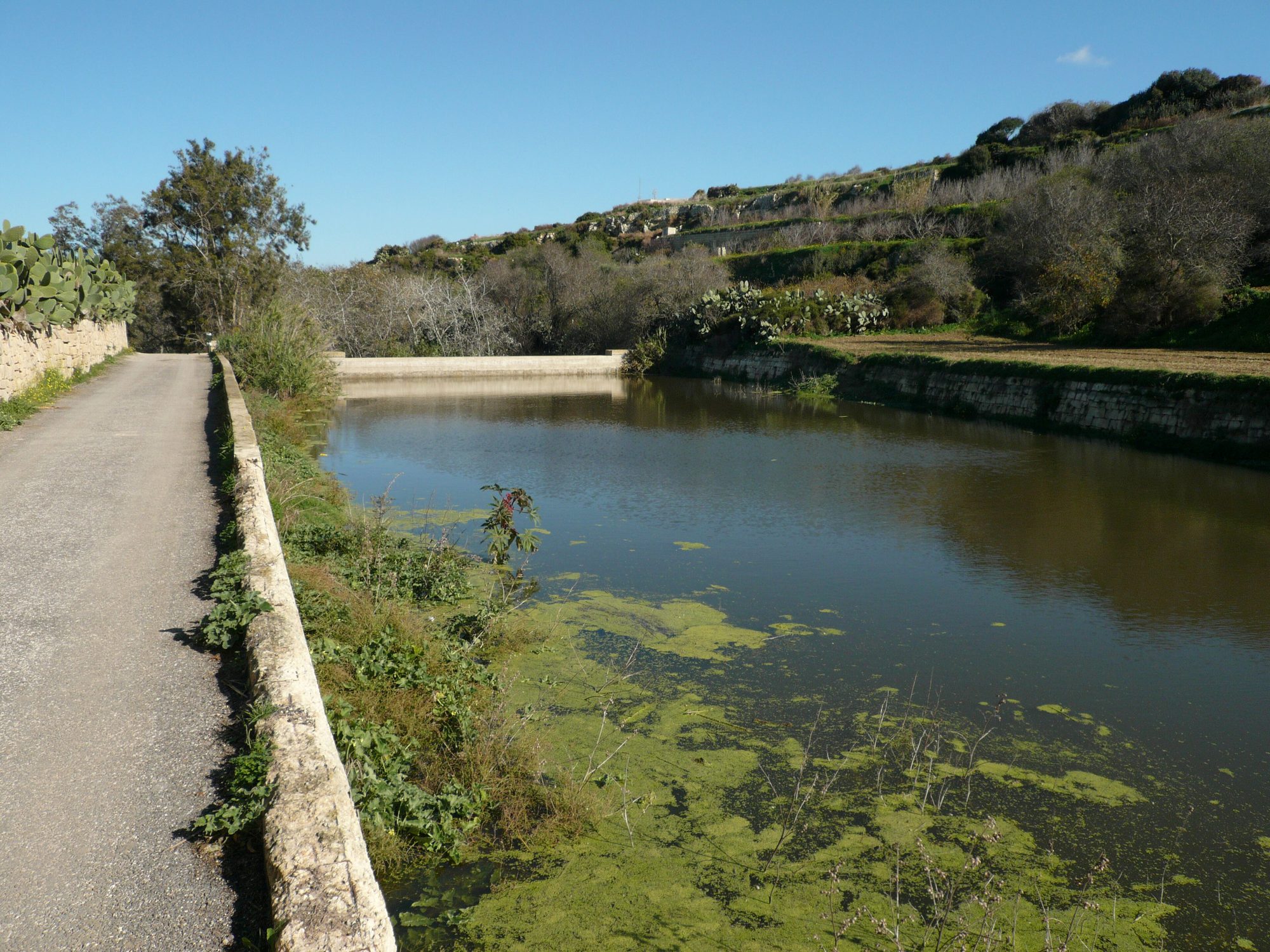
Read the guideTwo kilometres of protected wetland in the Fiddien, at the edge of Rabat, let you walk the whole valley floor through natural vegetation.
Read the guideWatching artisans carve honey coloured globigerina stone by hand, in a restored quarry in Siġġiewi, you see up close the stone that built the Maltese islands.
Read the guideGirolamo Cassar drew the plans for this Augustinian church and friary, begun in 1571, and its Renaissance facade stands out among Malta's Baroque fronts.
Commonwealth War Graves Commission headstones on Triq Buqana in Mtarfa mark 254 servicemen from the two world wars, among more than 1,400 burials and memorials.
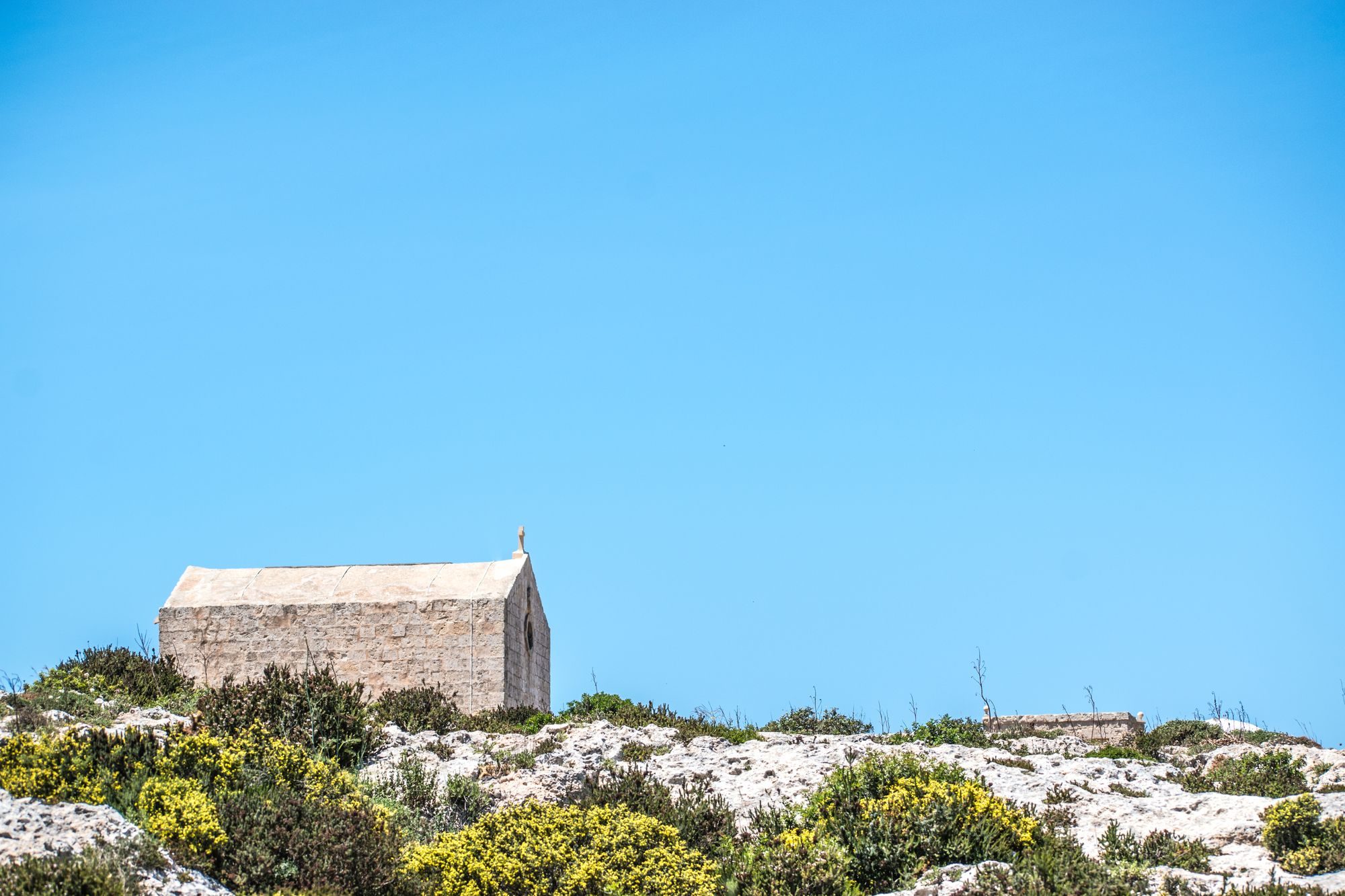
A small stone chapel sits alone on the clifftop at Dingli, with the sea drop just beyond its walls.
A tall cross crowns a hilltop above Siġġiewi, reached by a steep lane lined with the Stations of the Cross. From the top, the view spans much of southern Malta to Filfla and the sea.
Corner turrets and a rock-cut ditch give this palace above Buskett Gardens the look of a fort, though Girolamo Cassar's design of 1586 was mainly for show.
Vertical cliffs and a striking fold in the rock frame this quiet pebble beach on the west coast, and its name means mouth of the wind. The way down is a narrow path cut into the cliff, then a climb to the shore.
Hermit's Headland rises about 45 metres above the sea near the hamlet of Baħrija, with views along the west coast as far as Ta' Ċenċ on Gozo.
A titular painting by Mattia Preti is the prize of Siġġiewi's parish church, built between 1675 and 1693 and enlarged in 1862 with a dome, side aisles and a portico.
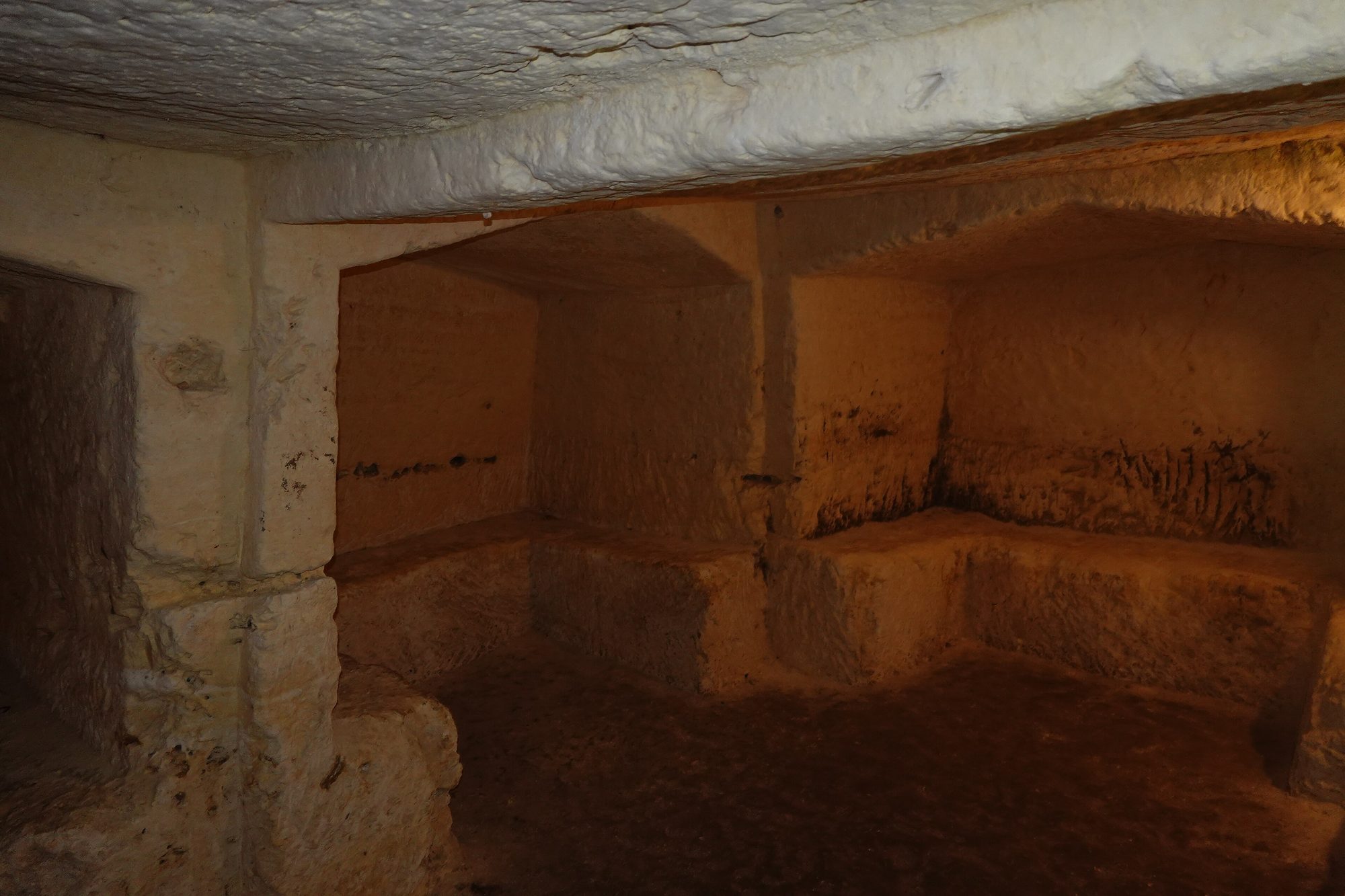
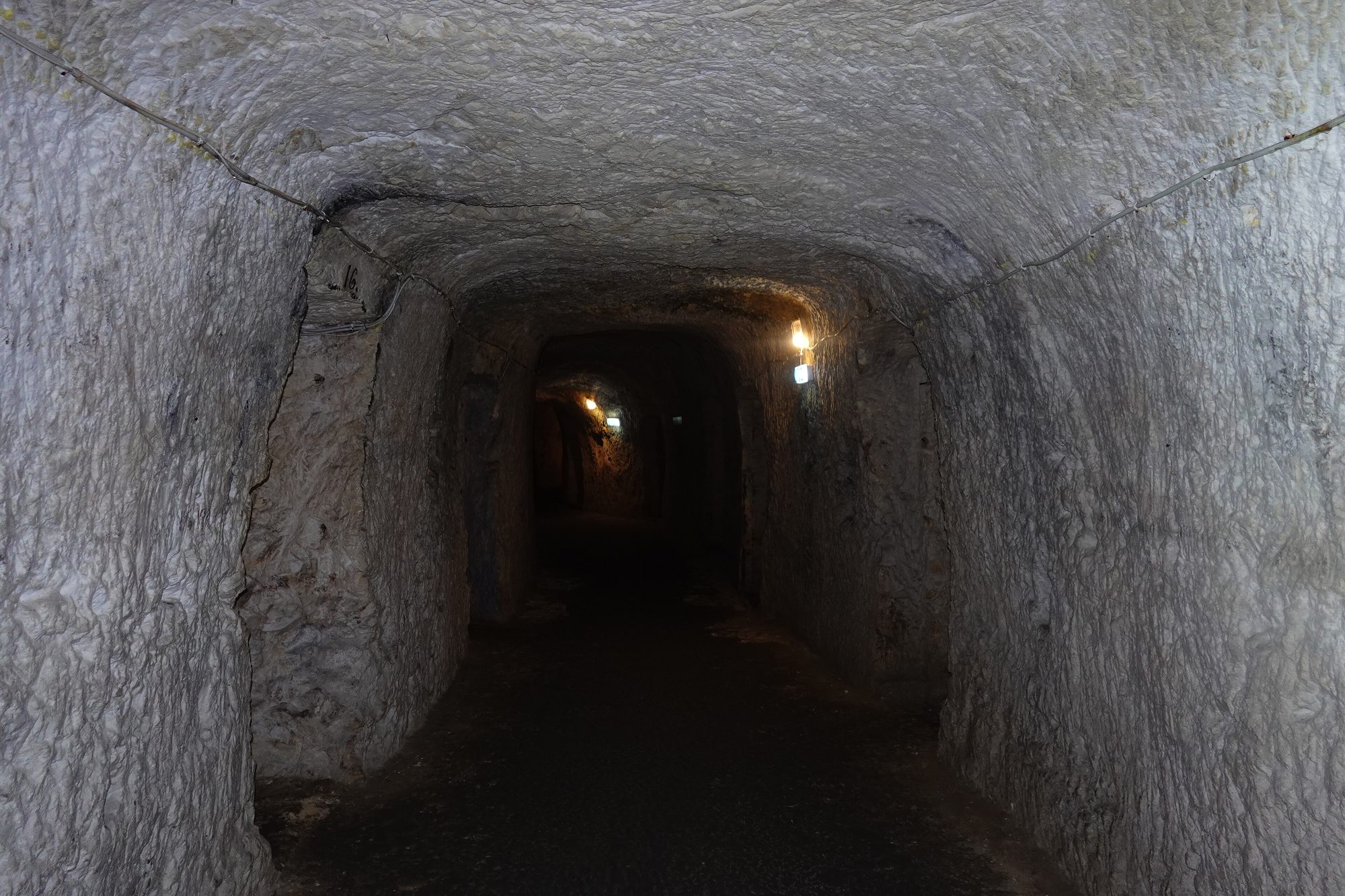
Rock-cut tombs, St Paul's Grotto and wartime shelters run beneath the streets around Parish Square.
One museum in Rabat takes you from a gallery of religious art down to St Paul's Grotto, Roman tombs and the air raid shelters Maltese families dug in World War II.
Read the guideBeneath Rabat, you walk into the earliest and largest evidence of Christianity in Malta, a maze of burial passages with tables carved from the stone for funeral meals.
Read the guideAt this Rabat complex you see the crypt where, by local tradition, the Sicilian martyr St Agatha hid from persecution, its walls covered in medieval frescoes, with catacombs and a museum alongside.
Read the guideAfter the shipwreck that brought Christianity to the islands, Maltese tradition says St Paul made his home in the cave under this Baroque parish church, and you can stand in that cave today.
Read the guideRoman mosaics by Mdina's ditch, a basilica over the grotto and a family palazzo, all a short walk apart.
One museum in Rabat takes you from a gallery of religious art down to St Paul's Grotto, Roman tombs and the air raid shelters Maltese families dug in World War II.
Read the guideAfter the shipwreck that brought Christianity to the islands, Maltese tradition says St Paul made his home in the cave under this Baroque parish church, and you can stand in that cave today.
Read the guideThe mosaic pavements of this Roman townhouse beside the main approach to Mdina rank among the finest and oldest in the western Mediterranean, alongside those of Pompeii and Sicily.
Read the guideCasa Bernard is a family home in a Rabat palazzo, and the family shows you round it room by room, from the chapel to the silver. Every visit is a guided tour.
Read the guideGirolamo Cassar drew the plans for this Augustinian church and friary, begun in 1571, and its Renaissance facade stands out among Malta's Baroque fronts.
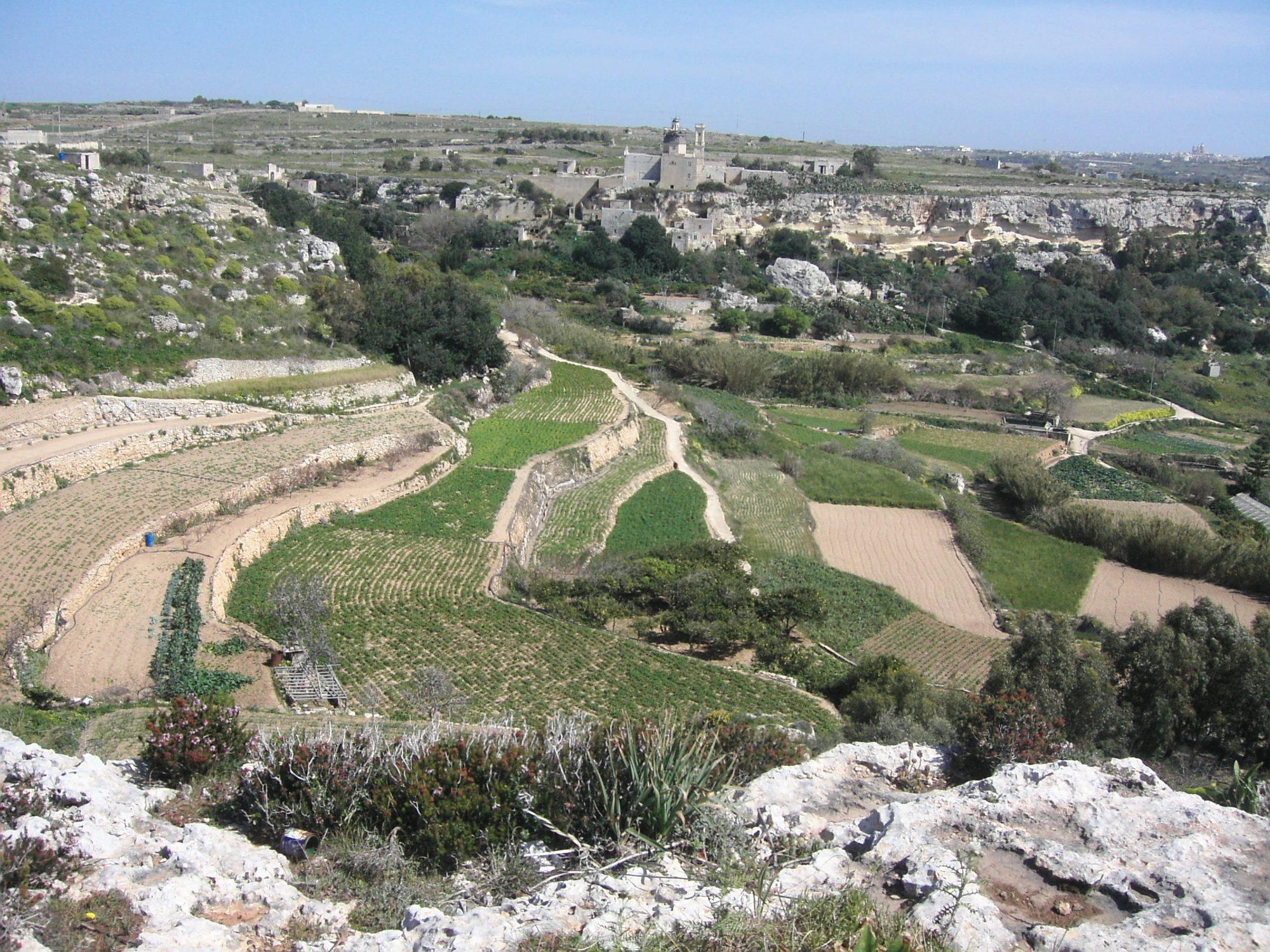
The land runs west from Rabat to Malta's highest sea cliffs, with a chapel on the edge and a rocky inlet below Siġġiewi.
Walk the top of Malta's highest sea cliffs from Dingli village to a small chapel on the edge, with Filfla out to sea, then cut inland past bare rock grooved by prehistoric cart ruts to Buskett.
Read the guideThe cove has been closed since a storm in January 2026, so swim elsewhere for now. Once it reopens, cliffs shelter a rocky inlet of clear, deep water, a complete change from the sandy beaches of Malta's north.
Read the guideA small stone chapel sits alone on the clifftop at Dingli, with the sea drop just beyond its walls.
A tall cross crowns a hilltop above Siġġiewi, reached by a steep lane lined with the Stations of the Cross. From the top, the view spans much of southern Malta to Filfla and the sea.
Buskett is the island's largest woodland, below Verdala Palace, and the cart ruts lie on the bare rock above it.
Walk down from Buskett Road through tree cover unlike anywhere else on Malta to a shaded valley floor of citrus groves.
Read the guideOut on a bare limestone plateau inland from the Dingli Cliffs, near Buskett Gardens, you can trace the densest concentration of ancient cart ruts anywhere in the Maltese Islands.
Read the guideCorner turrets and a rock-cut ditch give this palace above Buskett Gardens the look of a fort, though Girolamo Cassar's design of 1586 was mainly for show.
Dammed pools in the Fiddien valley, a quiet bay on the north-west coast and a stone park in Siġġiewi.
Two kilometres of protected wetland in the Fiddien, at the edge of Rabat, let you walk the whole valley floor through natural vegetation.
Read the guideWatching artisans carve honey coloured globigerina stone by hand, in a restored quarry in Siġġiewi, you see up close the stone that built the Maltese islands.
Read the guideCommonwealth War Graves Commission headstones on Triq Buqana in Mtarfa mark 254 servicemen from the two world wars, among more than 1,400 burials and memorials.
Vertical cliffs and a striking fold in the rock frame this quiet pebble beach on the west coast, and its name means mouth of the wind. The way down is a narrow path cut into the cliff, then a climb to the shore.
Hermit's Headland rises about 45 metres above the sea near the hamlet of Baħrija, with views along the west coast as far as Ta' Ċenċ on Gozo.
A titular painting by Mattia Preti is the prize of Siġġiewi's parish church, built between 1675 and 1693 and enlarged in 1862 with a dome, side aisles and a portico.
Start underground at St Paul's Catacombs, entered from Triq Ħal Bajjada. Three short films open the visit, then an audio guide in English, Maltese or Spanish takes you through the burial passages. Look for the tables cut from the rock for funeral meals.
Walk on to Parish Square and the Wignacourt Museum, entered from the alley beside St Paul's Basilica. A passage leads down to St Paul's Grotto, then through Roman tombs into the wartime shelters. Last admission is at 16:00, and you climb steps on the way back up.
Domvs Romana stands on Museum Esplanade, by the ditch below Mdina's walls. Give the mosaic floors as long as the display panels.
Late in the day, take route 201 to the Maddalena stop on Dingli Cliffs. The cliffs face south-west, so stay by the chapel for the sunset. Keep to the inland side of the road, because much of the edge has no fence.
Keep a second morning for the walk inland. From the chapel, a path reaches the Clapham Junction Cart Ruts in 15 to 20 minutes, then drops to Buskett Gardens, where routes 52 and 56 stop. The rock has no shade, so carry water and a hat.
Malta has one airport, at Luqa, southeast of Rabat. Airport Direct routes TD1 and TD5 run from it to Rabat, and so does the slower route 201.
Both leave from the airport bus terminal, signposted once you exit arrivals, and stop at Rabat 4. Pay on board by cash or contactless card.
Route 201 runs between the airport and Rabat by the Blue Grotto, Siġġiewi and the Dingli cliff road. It is the slow way, but it stops at Maddalena on the cliffs.
Buy a fixed-fare ticket at the booth in the Welcomers' Hall.
Request the car once you land, then walk to the pickup point the app shows outside arrivals. Bolt sometimes moves that point, so check the app again as you leave the terminal.
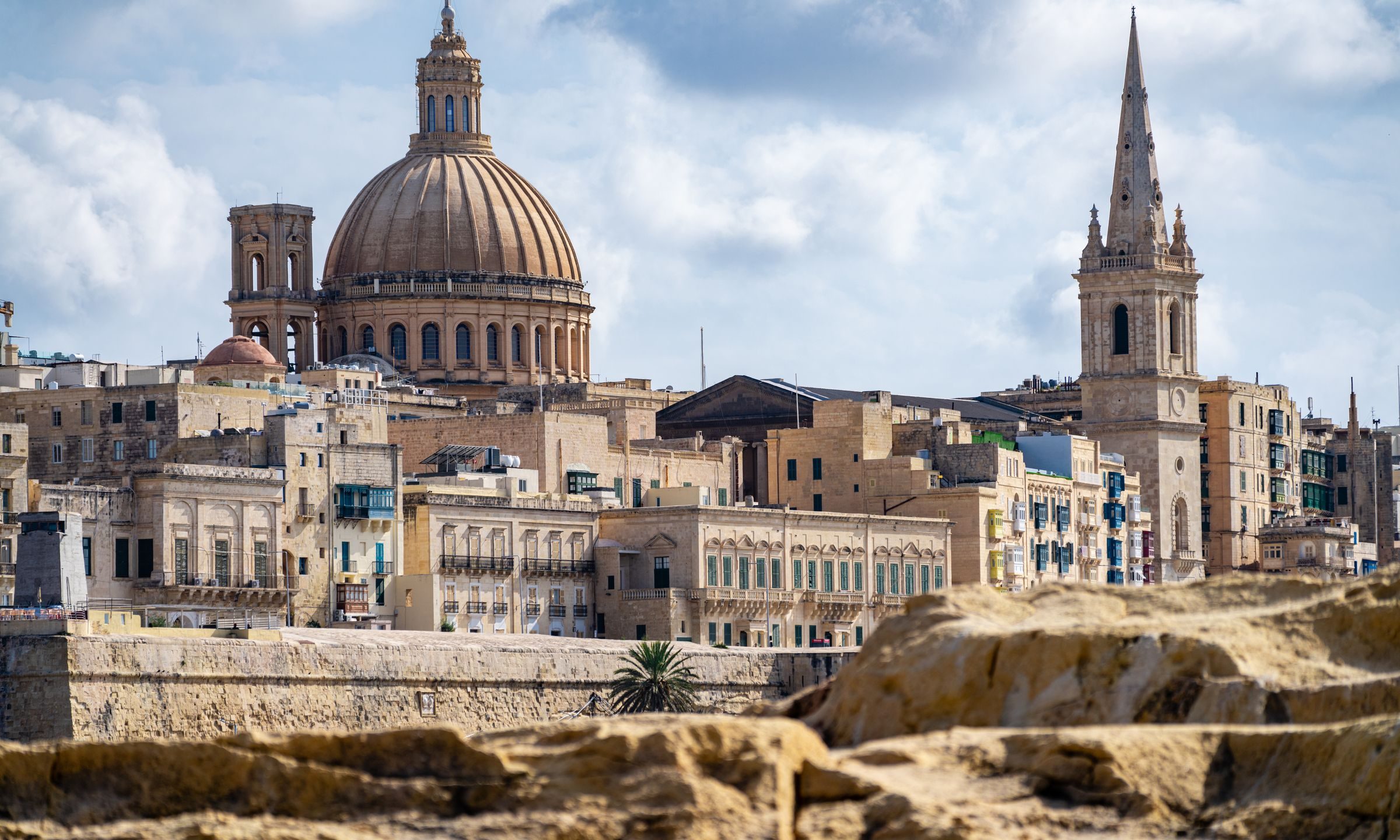
Every Malta town, place and dispatch, on one map.

Inside a ring of bastions on a hill at the centre of Malta, the old capital is a quiet walled city of palazzi, churches and narrow lanes.

Hotels, bars and a long seafront promenade fill Buġibba and Qawra, the resort strip on the north side of St Paul's Bay.

Carved with the arms of Grand Master Vilhena and of Mdina, and a Latin date, this gate is the main way into the walled city.
The official pages this guide was checked against.
Last updated