 Submit a photo
Ninety seconds on Għadira Nature Reserve
Yes. Entry is free of charge and no ticket is needed for a visit. Donations are welcome and go to BirdLife Malta, whose volunteers run the reserve day to day.
It opens between September and May. On weekdays in winter it opens Monday, Wednesday and Friday from 1.30pm to 5pm, and at weekends from 10am to 4pm. It closes on Christmas Day, New Year's Day, Good Friday and Easter Sunday.
Routes 37, 41, 42, 221, 222 and X1 stop at Għadira, close to the reserve gate. From Valletta, route 42 takes about 90 minutes to reach the stop.
Volunteers are on hand inside to help anyone new to birdwatching spot the wildlife. For a longer, quieter watch, book a slot at one of the photography hides through BirdLife Malta's online booking page.
Yes. Għadira is a Ramsar site and also a Special Area of Conservation within the EU's Natura 2000 network. Permanent inland water is rare in Malta's dry climate, which makes the wetland an important habitat.
Along the trails, Mediterranean chameleons and rabbits hide among the shrubs and trees, and Sea Daffodil, Golden Samphire and Sea Lavender grow beside the paths through the reserve.
Beside Mellieħa Bay, Għadira is one of Malta's few wetlands, and from a hide you watch waders feed on a brackish lake.
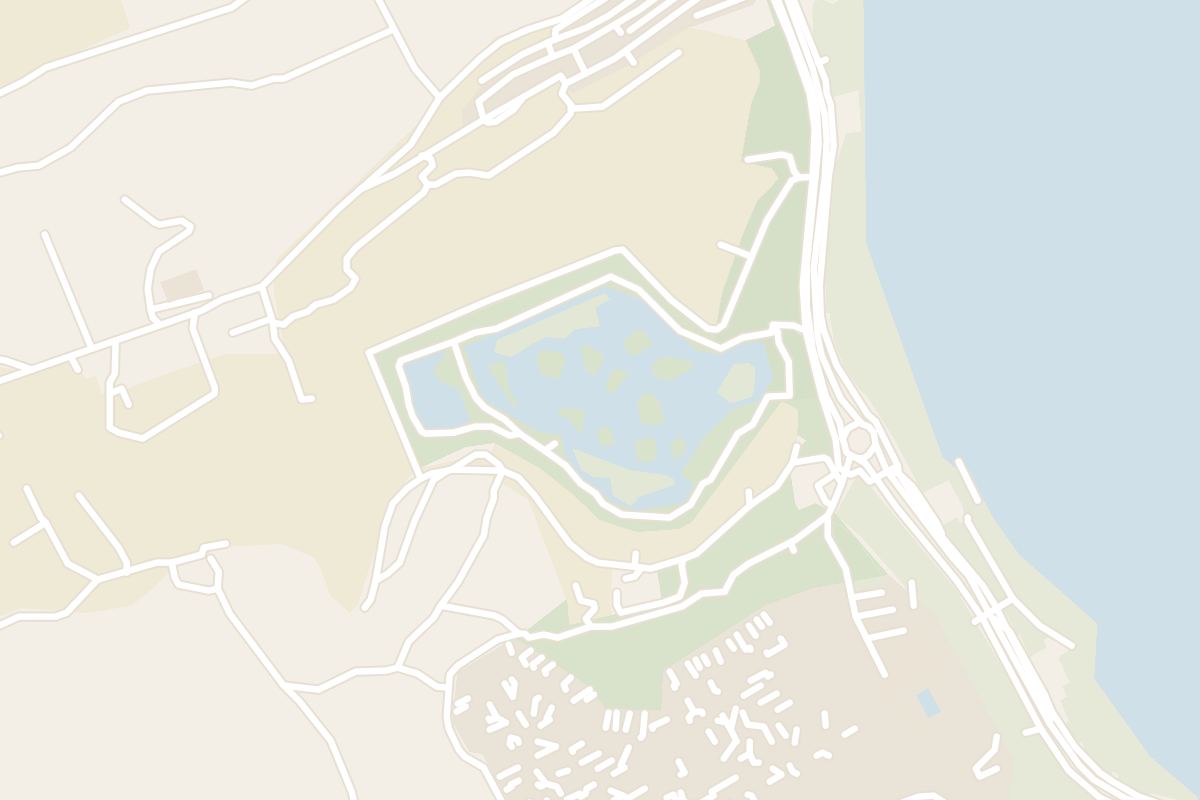
The reserve covers seven hectares of brackish lake and saltmarsh on the edge of Mellieħa, in the north of Malta. It is a fully protected bird sanctuary.
The open water is what you watch from the hides. Redshanks, sandpipers and egrets on passage feed along its margins, and around 140 species of migrating birds stop here each year.
In spring, Black-winged Stilts and Little Ringed Plovers stay on to breed. In March and April, up to eight Hoopoes at a time feed on insects among the low plants of the restored dune.
Sixteenth-century maps mark the site as old saltpans. The lake and saltmarsh around them today were restored under a plan BirdLife Malta drew up.
This reserve's visitors centre, just inside the gate, gives you an idea of the site. From there a nature trail leads to a small birdwatching hide, a 15-minute walk away, where you sit and scan the lake for waders.
The reserve also has a reservoir hide and photography hides. The restored sand dune is seen only from a boardwalk, which keeps visitors off the fragile sand.
The entrance is on Triq il-Marfa, the busy Mellieħa to Ċirkewwa road, across from the sandy beach at Mellieħa Bay and opposite the beachfront kiosk.
Bring your own binoculars, or use the free pairs the reserve provides, since many of the birds feed some distance from the hides.
You can park at the reserve, or take the bus to the Għadira stop and walk the short way to the gate.
Explore the rest of Mellieħa
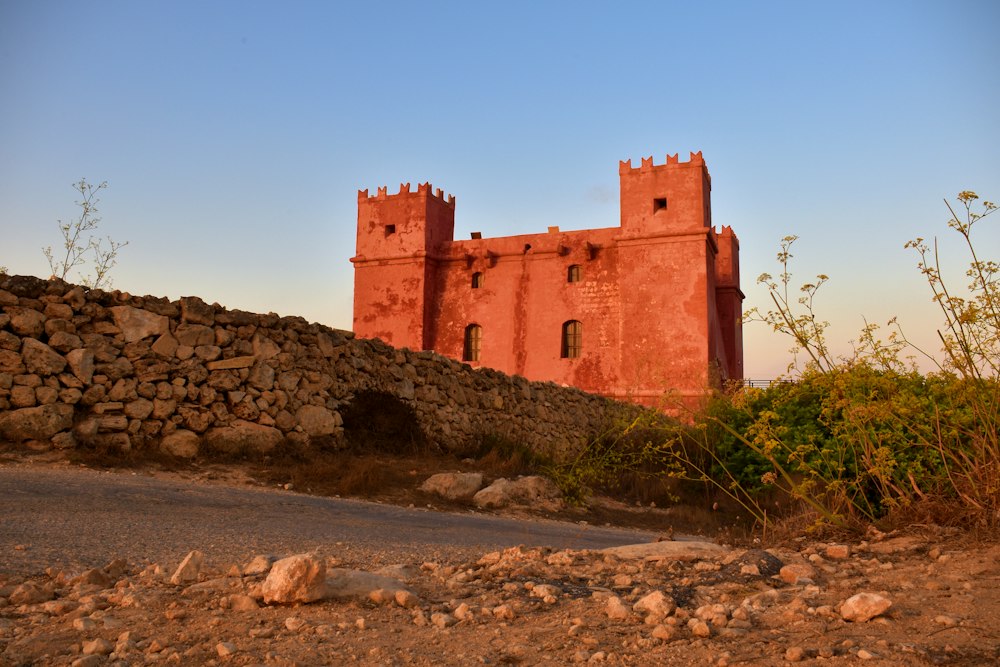
Painted deep red, St Agatha's Tower sits on the crest of the Marfa ridge, a Knights-era fort with corner turrets. Inside are restored rooms…
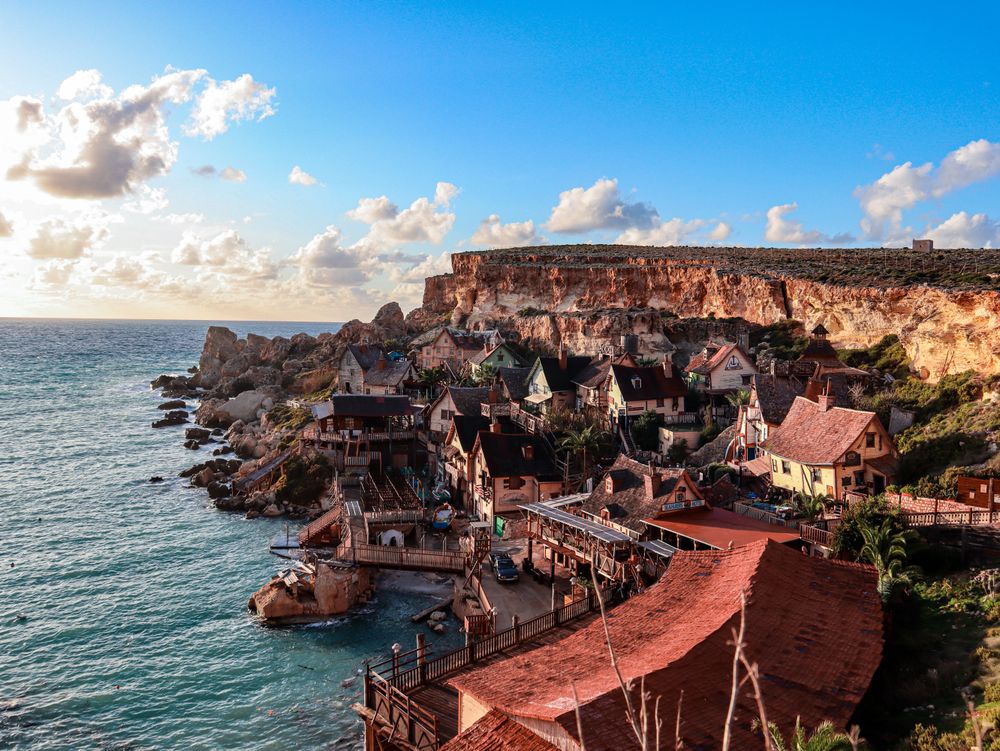
Wooden houses built as the set for the 1980 Popeye musical film still cling to the side of Anchor Bay, now run as a ticketed family…
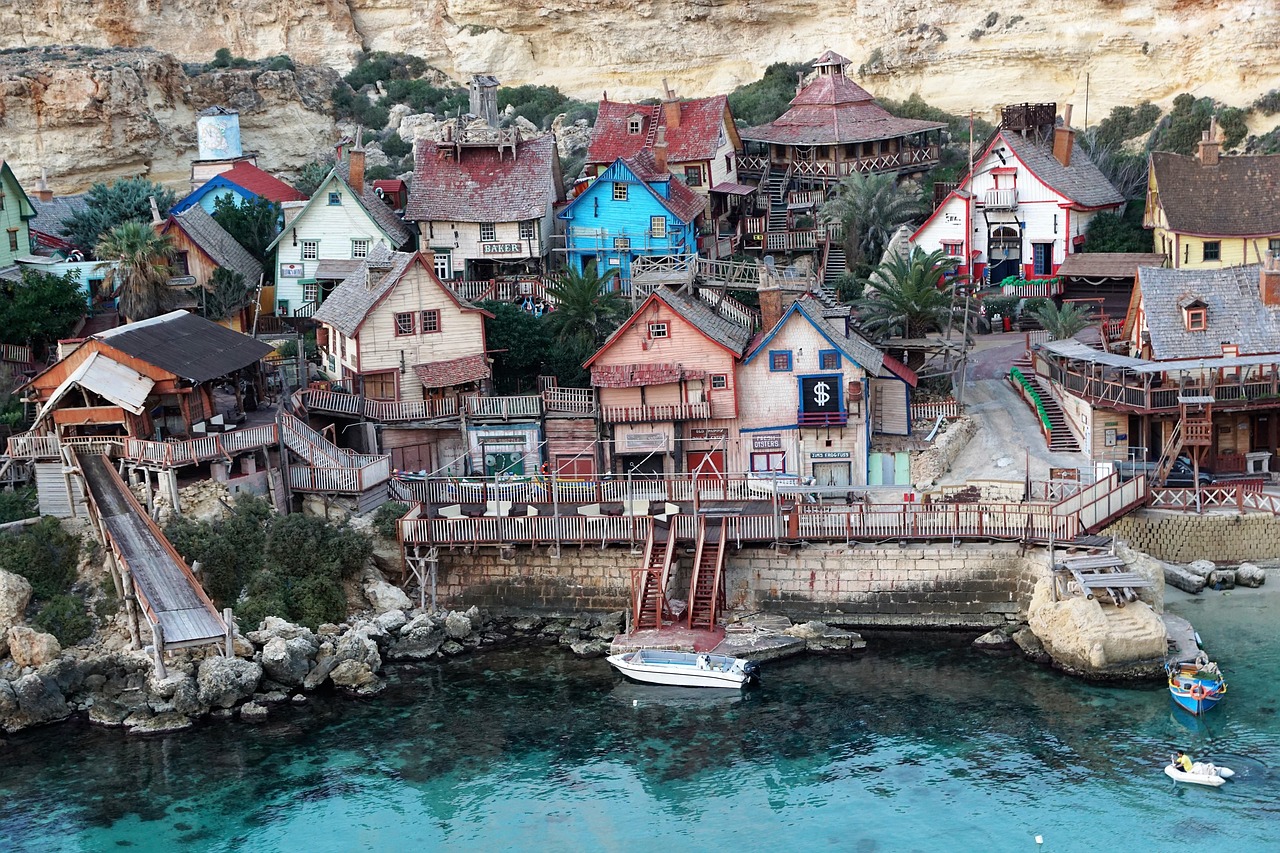
A narrow rocky inlet on the west coast, this cove holds the film set of Popeye Village on its northern side. The free viewpoint on the…
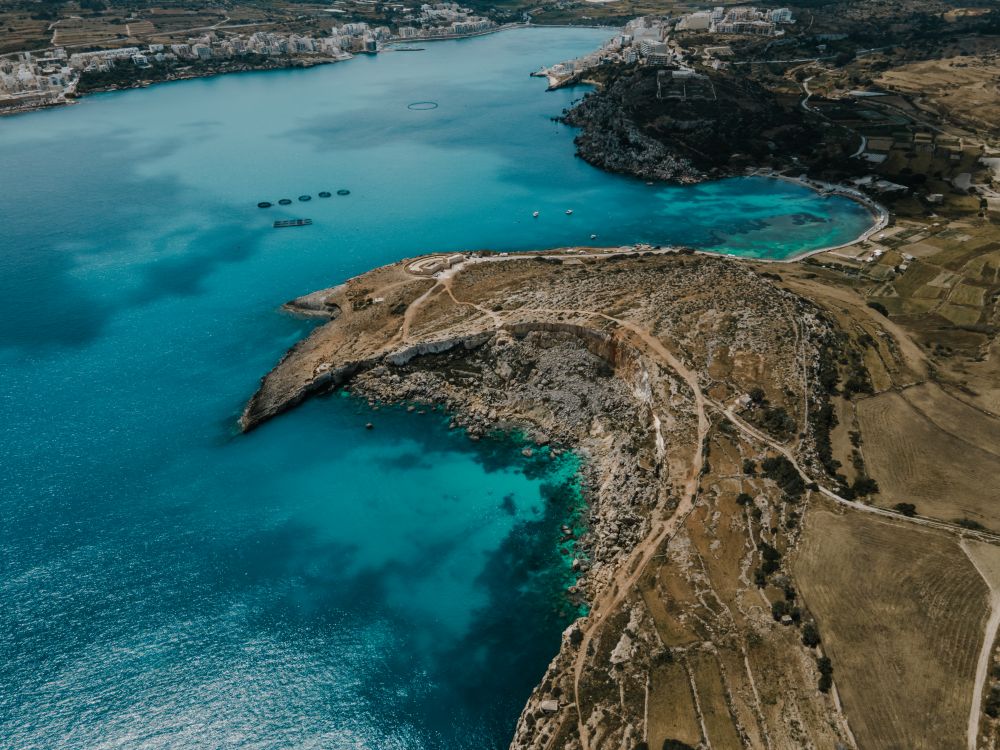
The longest sandy beach on Malta runs along Għadira, at the foot of the Mellieħa ridge. Shallow, calm water stays waist-deep a long way…
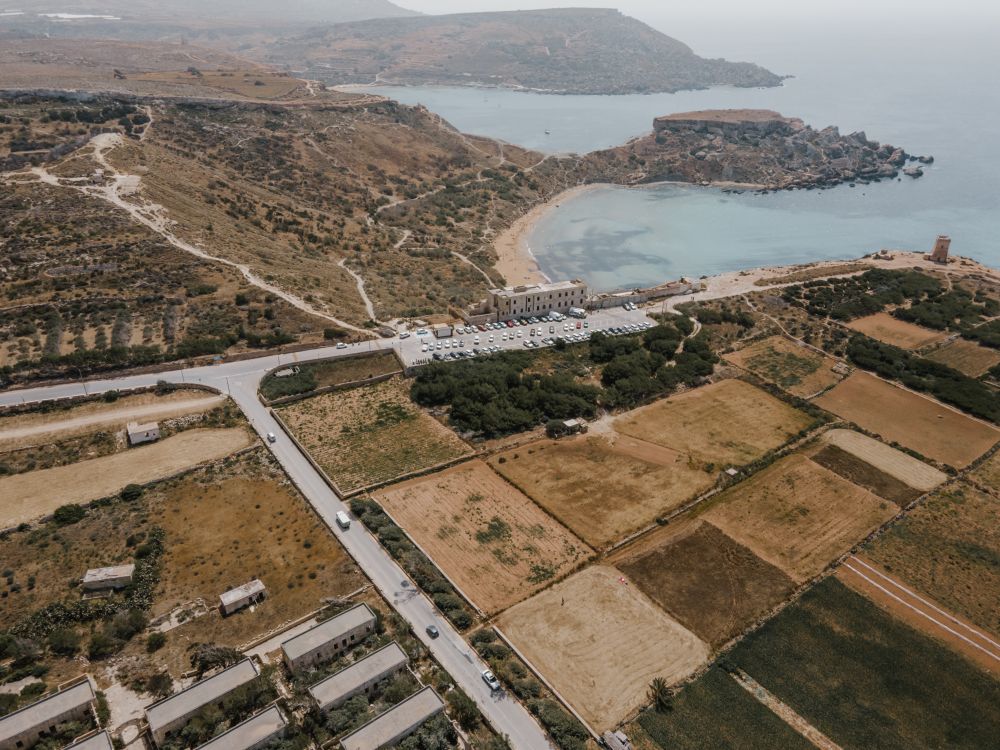
Garrigue, clay slopes and limestone plateau run along the northwest coast here, protected as Majjistral Nature and History Park. Waymarked…
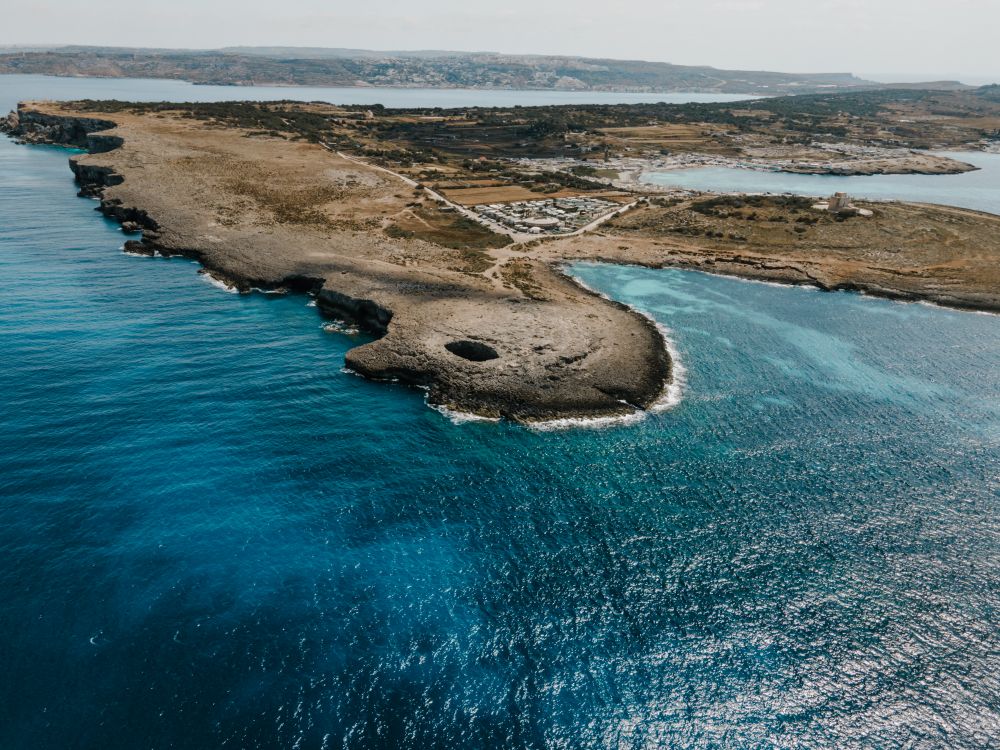
Near the northern tip of the Marfa ridge, a collapsed sea cave has left a round pool open to the sky, joined to the sea by an arch.…
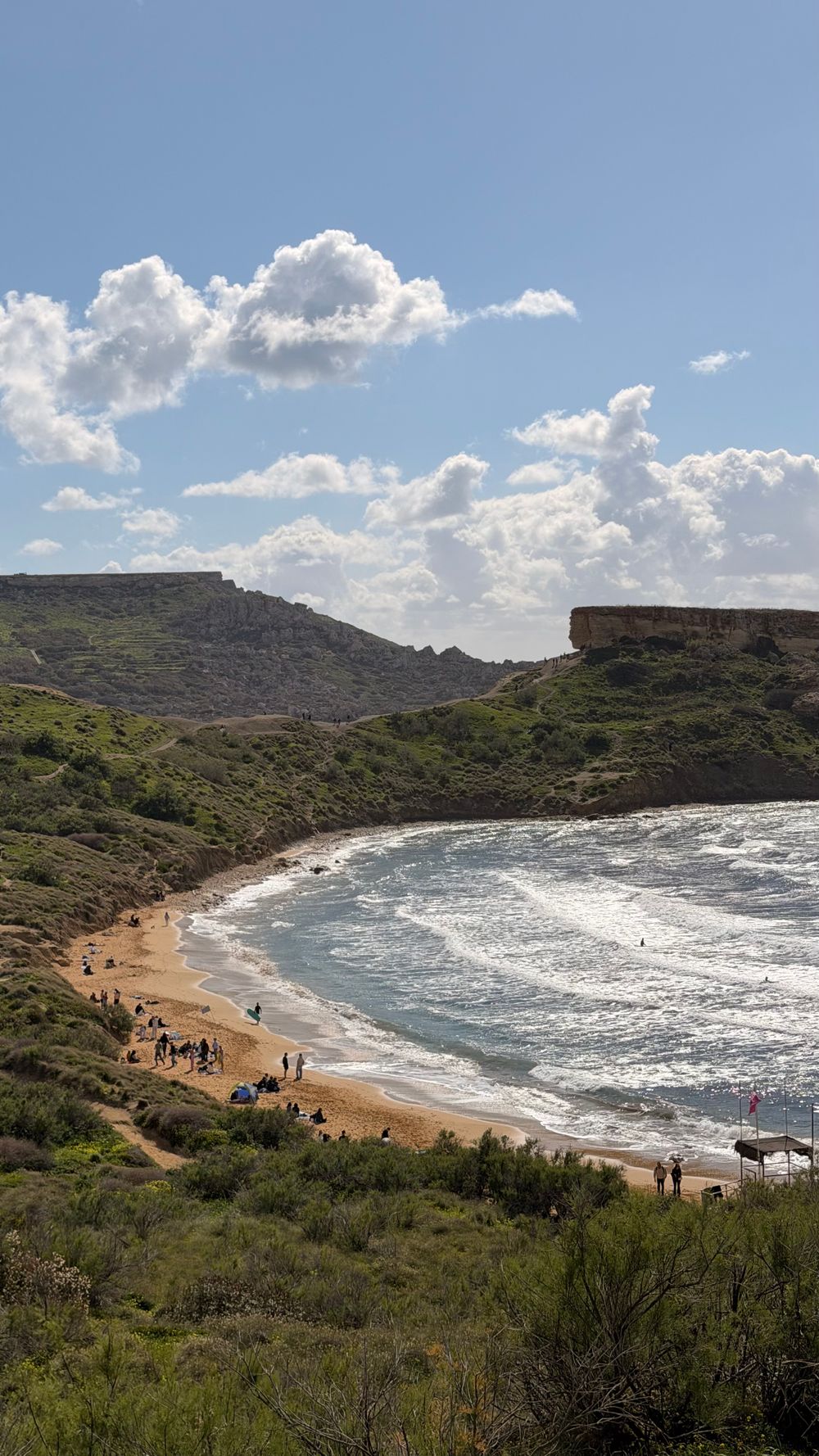
A wide arc of soft sand faces due west, so evenings here end with the sun dropping into open sea. Lifeguards, sunbed rental and kiosks run…
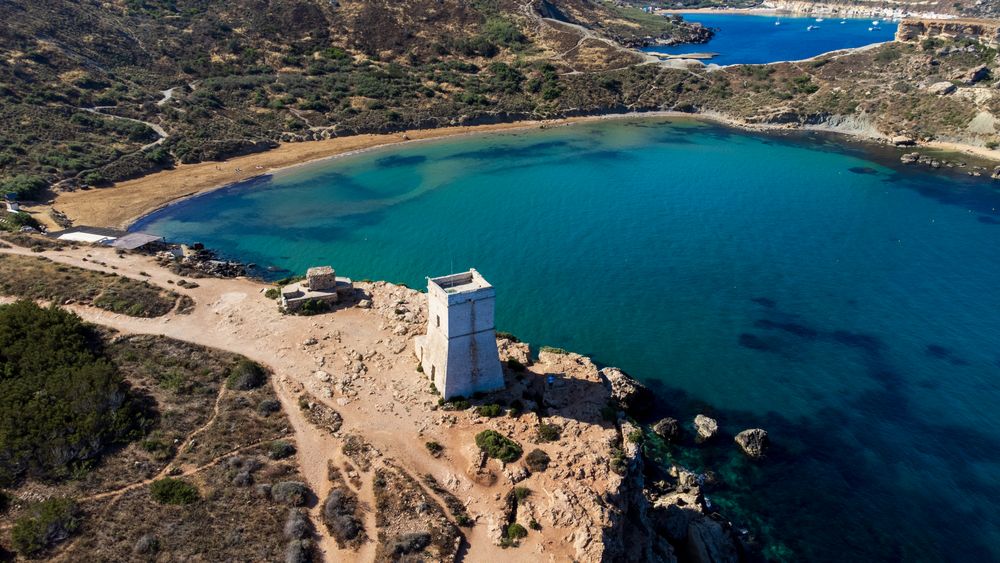
Reddish sand sits at the foot of eroding clay slopes, reached only by a long stairway of roughly two hundred steps from the car park above.…
Last updated