 Submit a photo
Ninety seconds on National Museum of Archaeology
A prehistoric figurine excavated at the Ħal Saflieni Hypogeum, made several thousand years before our era. With the Venus of Malta, it is one of the two pieces that draw most attention to the collection.
Heritage Malta publishes the current timetable on its opening hours page. Last admission at all its museums and sites is 30 minutes before closing time.
Youths aged 12 to 17, seniors aged 60 and over, students and children aged 6 to 11 pay reduced rates, and infants aged 1 to 5 enter free. Heritage Malta revises its rates by season, so check the current rate on the museum's page.
One guide to the museum lists it as included in the Multisite Pass. On Heritage Malta's own ticket list, holders of the Heritage Malta Passport and Heritage Malta members enter free.
After. Seen once the Hypogeum and the temples of Ġgantija, Ħaġar Qim and Tarxien are done, the museum gives a fuller picture of Neolithic Malta and of the sites themselves.
On foot along Republic Street, about 200 metres from City Gate. The bus terminus is just outside the gate, and Heritage Malta puts the closest bus stop 5 minutes away on foot.
Come here to see the prehistoric finds excavated from Malta's UNESCO-listed temples, among them the Venus of Malta from Ħaġar Qim and the colossal statue from Tarxien, gathered under one roof in Valletta.
The collection covers Malta from the Neolithic to the early Phoenician period. The ground floor opens with the earliest tools and vessels the island's prehistoric inhabitants used for daily tasks, then moves on to temple carvings and the prehistoric figurines, the Sleeping Lady among them.
Among the later pieces are daggers recovered from the Bronze Age layers at Tarxien.
The Phoenician displays include a pendant of Horus and Anubis, a papyrus with an inscription and a sarcophagus in human form. Find the Cippus too, which played a key role in deciphering the Phoenician alphabet.
The museum occupies the Auberge de Provence, a Baroque building from the era of the Knights of the Order of St John. Its upper floor holds the Gran Salon, a very large painted hall with decorations from the early 1800s.
Start on the ground floor and follow the rooms in order, from the earliest Neolithic tools through to the temple figures and the later periods. Then head upstairs for the skulls from the Ħal Saflieni Hypogeum, and finish in the Gran Salon.
Audio guides come in a number of languages if you want commentary on the main pieces. Lockers and an indoor and outdoor seating area are on site, so you can leave a bag and take a break between floors. A gift shop sits on site too.
Pair the museum with St John's Co-Cathedral and the Grandmaster's Palace, both nearby in central Valletta.
If Maltese prehistory is the reason for your trip, allow more than an hour and a half so you can study the figurines in detail.
Explore the rest of Valletta
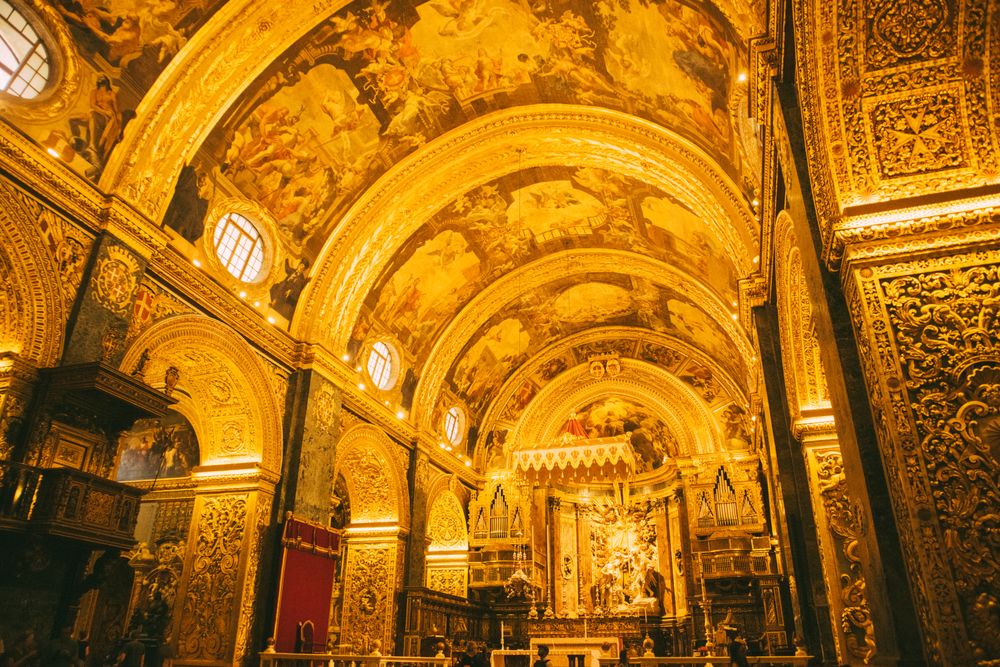
Behind a plain, almost military facade, every surface of the interior is carved, gilded or painted, and the floor is a patchwork of around…
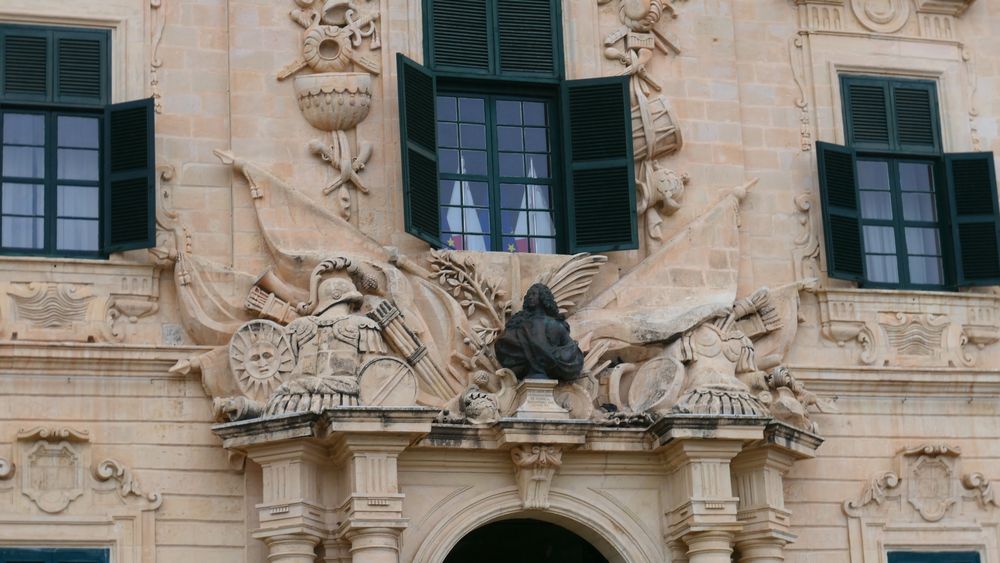
Cannons, a carved stone portal and a coat of arms fill the baroque front of this auberge, now the office of the Prime Minister. The…
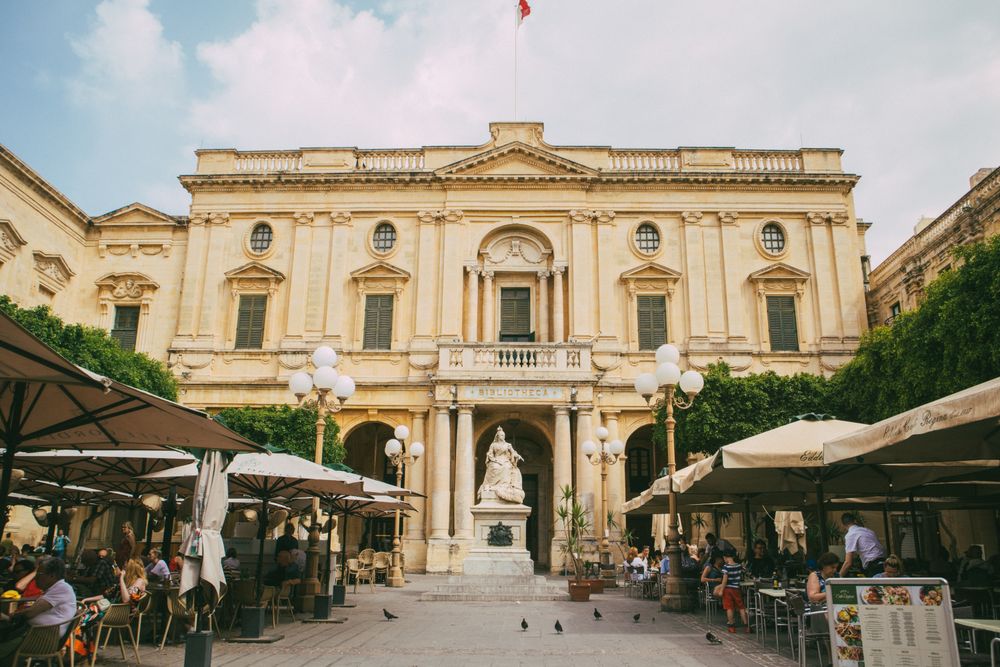
Founded in 1776, the Bibliotheca keeps the archives of the Order of St John in a neoclassical building on Republic Square. It is a working…
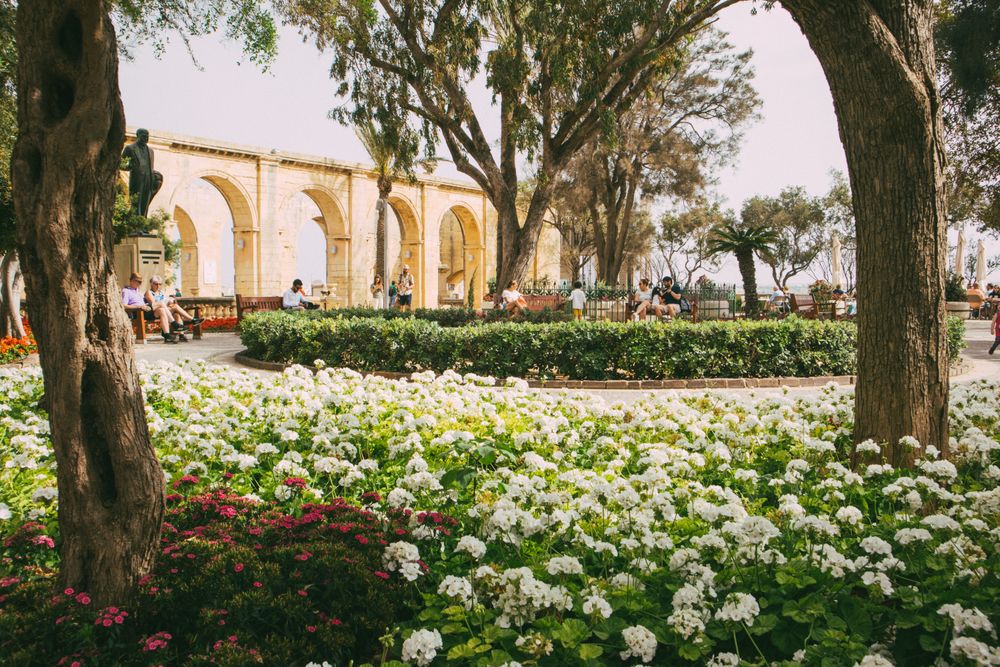
Arched loggias on the highest tier of the bastions frame a full view across the Grand Harbour to Birgu, Senglea and Fort St Angelo. Entry…
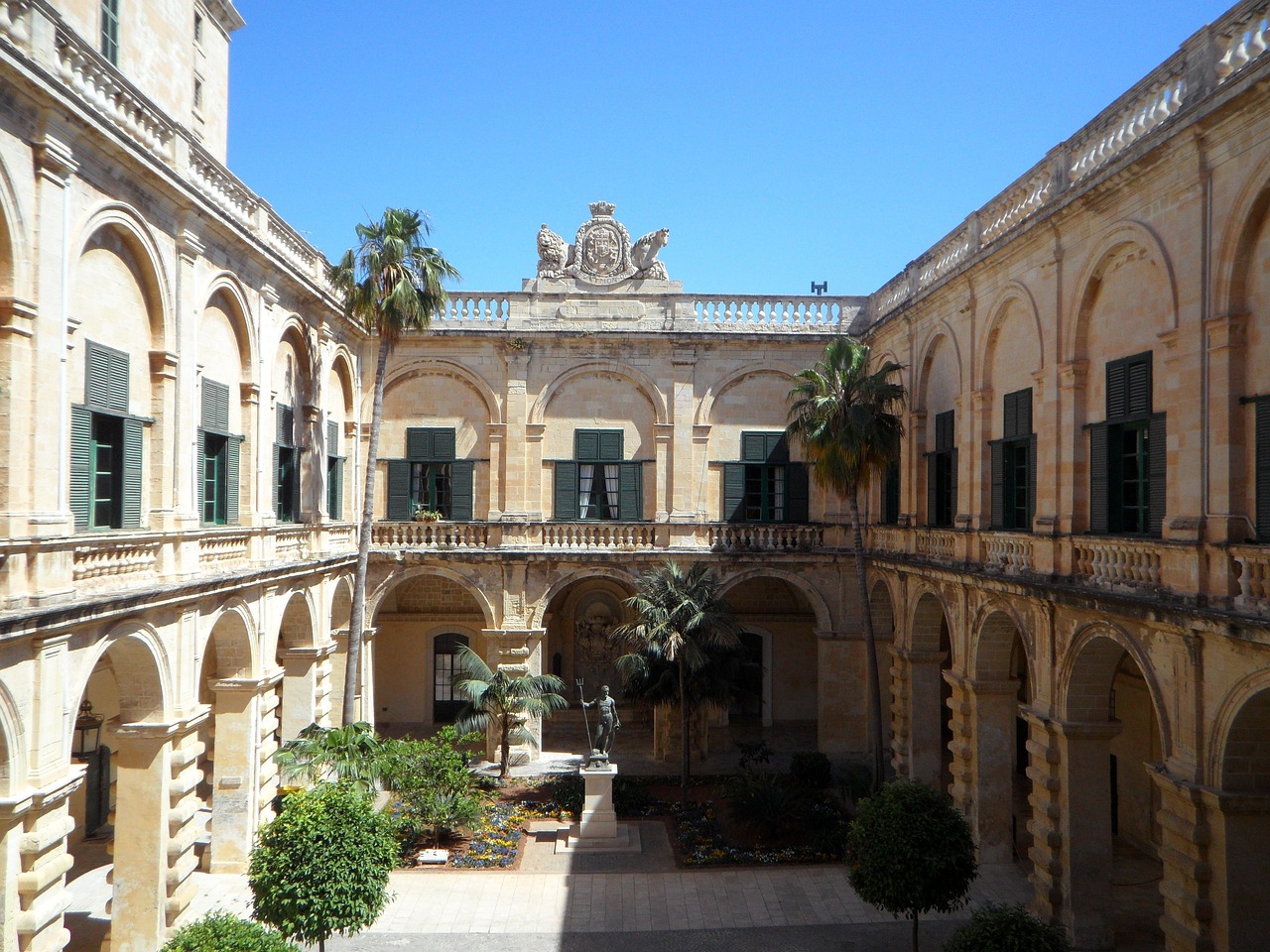
The restored State Rooms, under Baroque painted ceilings and over marble floors, and the Palace Armoury, with its suits of armour and…
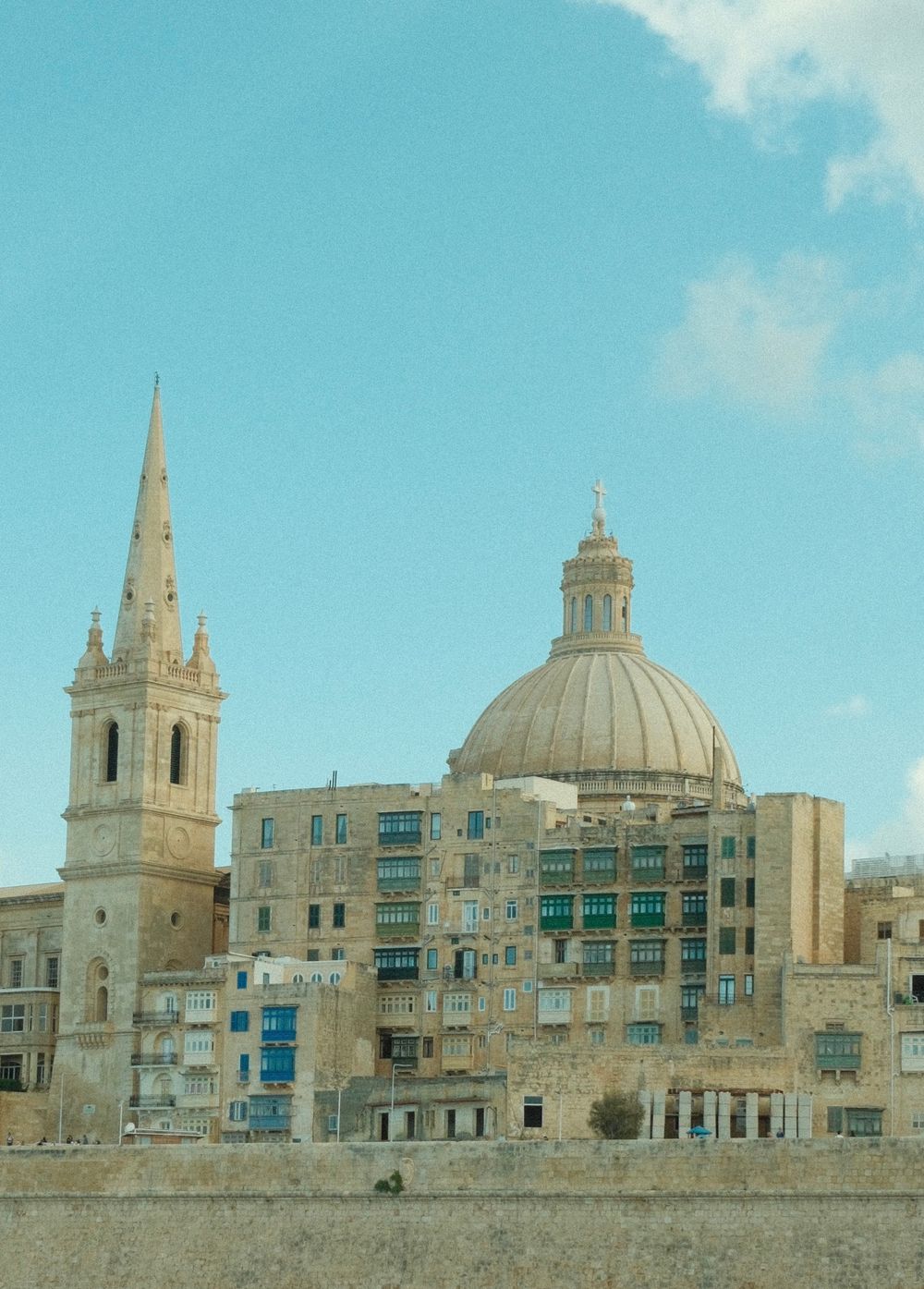
A tall spire marks this Anglican cathedral on Independence Square and anchors the Marsamxett skyline. The neoclassical interior is plain,…
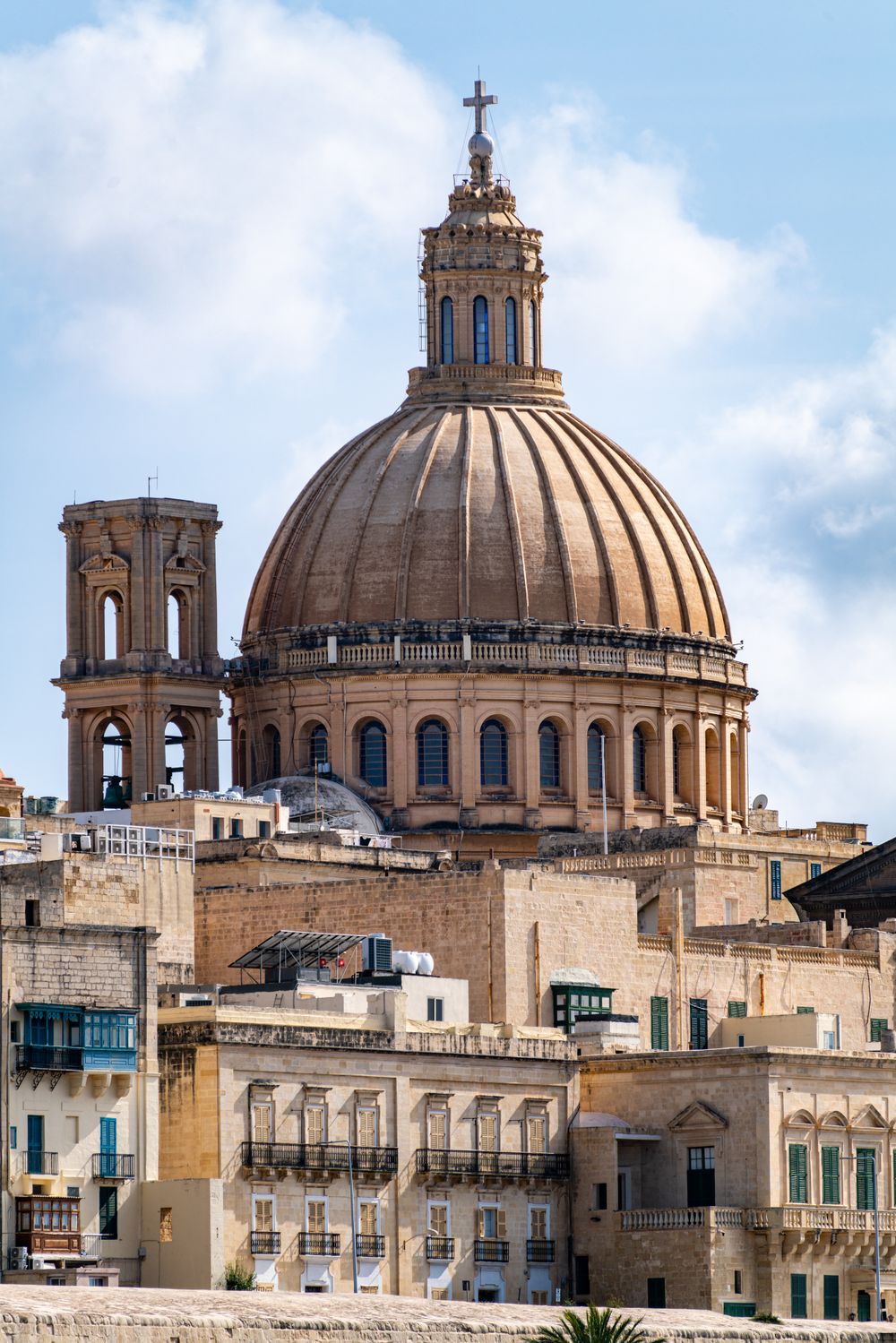
Seen from Sliema, the great dome of this basilica rises above the Marsamxett bastions and dominates the city's skyline. Rebuilt after…
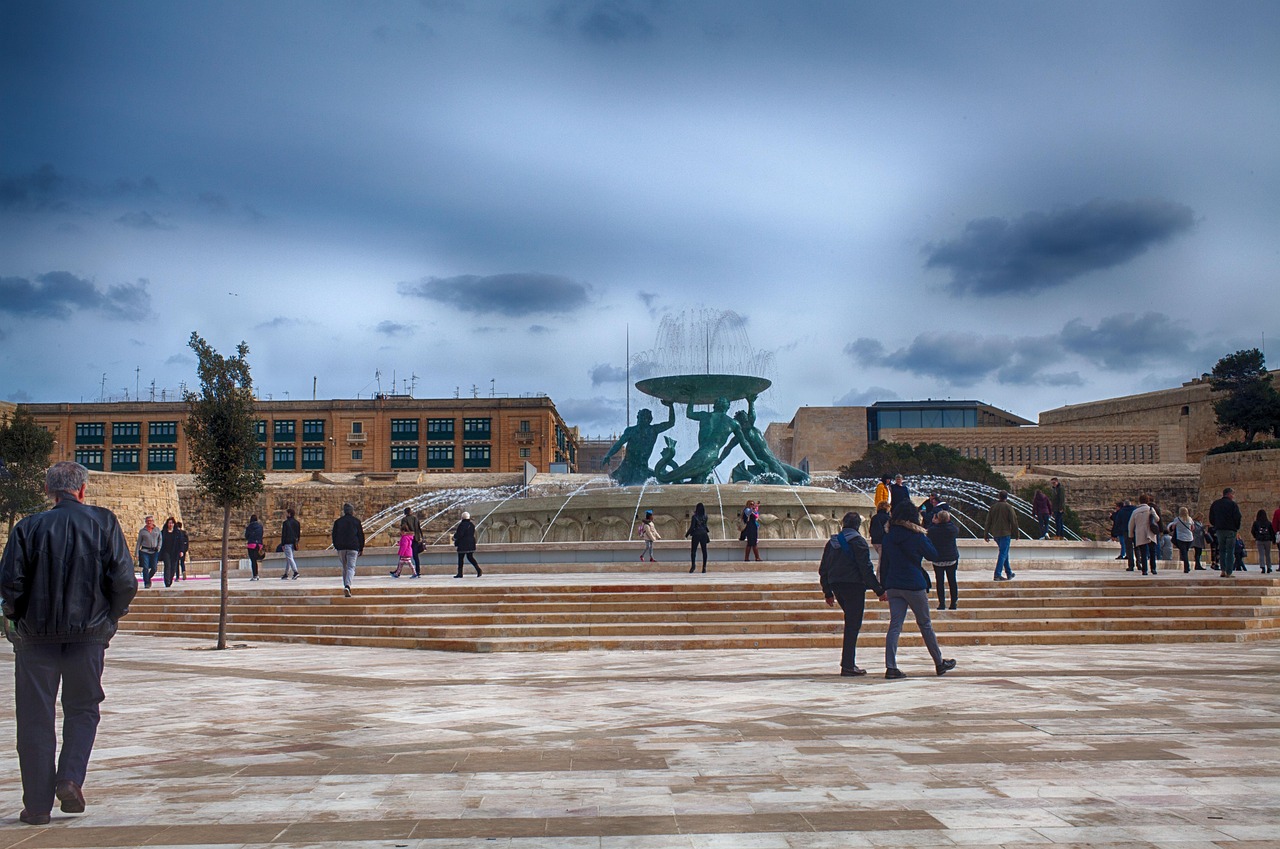
Three bronze tritons hold up a wide basin in the middle of the plaza outside City Gate, beside the bus terminus. Restored in 2018, the…
Last updated