 Submit a photo
Ninety seconds on Underground Valletta
It has no general opening hours, only timed guided tours. Tours start at 10am, 11am, 12pm and 1pm on set days of the week, which Heritage Malta lists on its opening hours page.
Heritage Malta sells them online, from its Underground Valletta page. Entry is ticketed, with reduced rates for senior citizens aged 60 and over, students, youths aged 12 to 17 and children aged 6 to 11.
Not easily. Access to the site is by steps, and Heritage Malta rates it as only partially accessible. Visitors who use a mobility aid should check with Heritage Malta before booking.
Walk beneath Valletta's streets with a guide, through the water tunnels and cisterns the Knights cut into the rock and the shelters dug out during the Second World War.
The oldest part of the route is the tunnels the Knights dug for their new city on Mount Sciberras. They carried its drainage, and the wells and cisterns beside them stored its water, while other chambers held grain and military stores.
One chamber is a huge 16th-century cistern built by the Knights of St John, cut into the limestone under the city.
The rest of the walk is the wartime shelters, carved out by widening the older tunnels and cisterns into a dense network. Residents who stayed in the capital came down here whenever the air raid alarm sounded.
Some families lived below for extended periods. Inside the shelters they made private rooms and even chapels out of the bare rock.
Thirty minutes before your tour time, the group gathers at MUŻA, the national art museum in the Auberge d'Italie. The museum stands at the very top of Merchants Street, at the Castille Square end, and the half hour covers arrival and a briefing.
From MUŻA the guide walks the group to the entrance of the underground site, less than five minutes away.
Below, the guide leads the group the whole way, through the Knights' drainage tunnels and water cisterns and on into the wartime shelters.
Coming by bus, MUŻA is a five-minute walk from the Valletta bus terminus.
Underground Valletta shows how civilians lived through the raids. For where the island's defence was run, add the Lascaris War Rooms, the Second World War command centre beneath the Upper Barrakka Gardens.
Explore the rest of Valletta
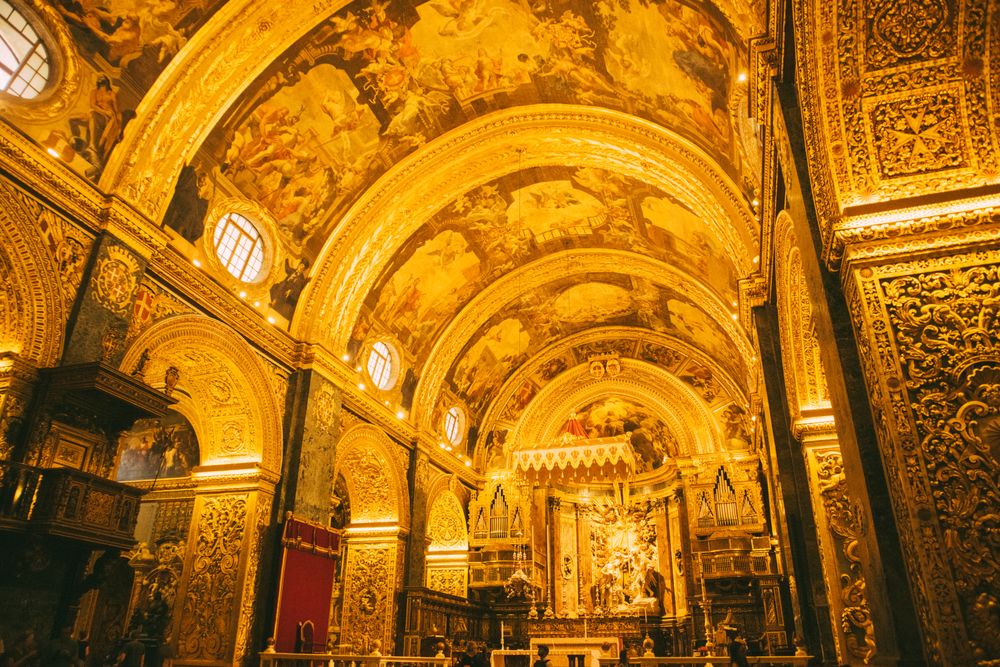
Behind a plain, almost military facade, every surface of the interior is carved, gilded or painted, and the floor is a patchwork of around…
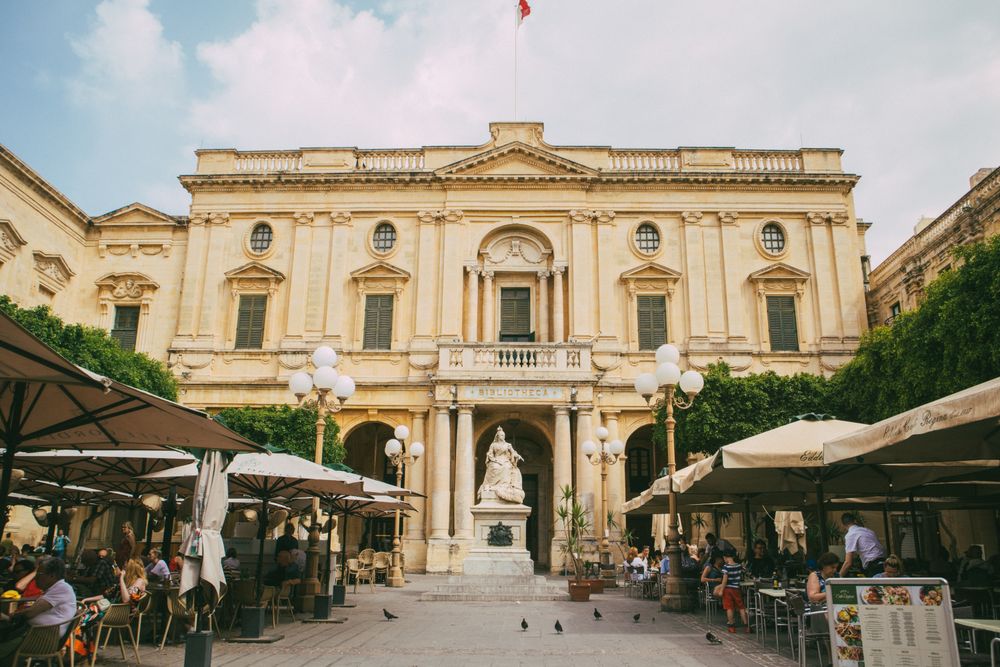
Founded in 1776, the Bibliotheca keeps the archives of the Order of St John in a neoclassical building on Republic Square. It is a working…
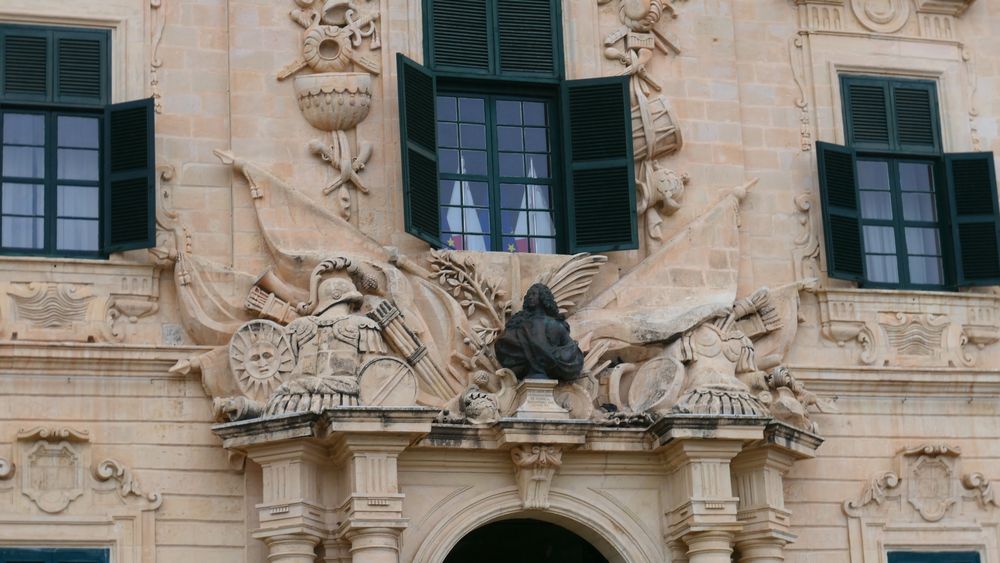
Cannons, a carved stone portal and a coat of arms fill the baroque front of this auberge, now the office of the Prime Minister. The…
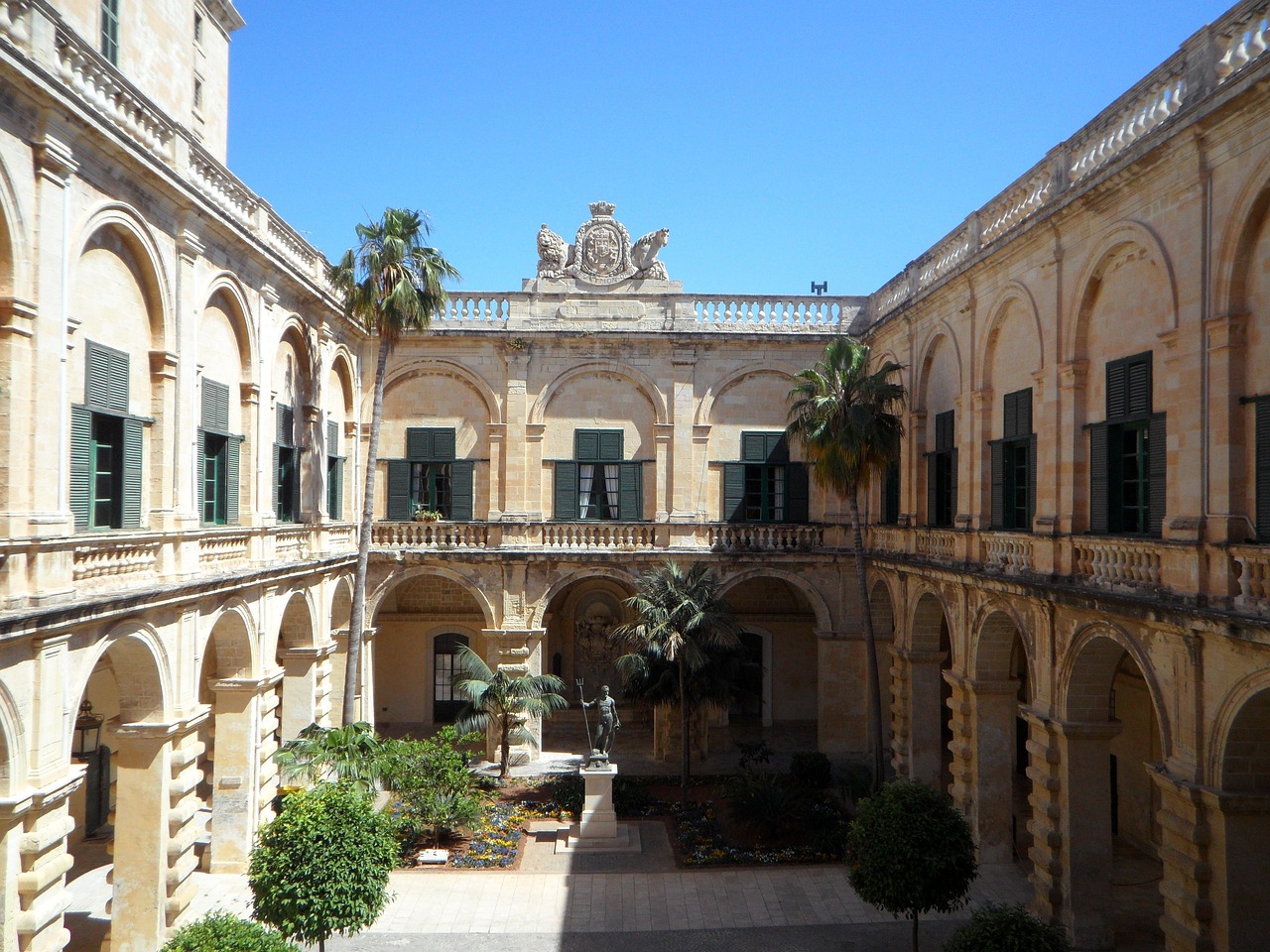
The restored State Rooms, under Baroque painted ceilings and over marble floors, and the Palace Armoury, with its suits of armour and…
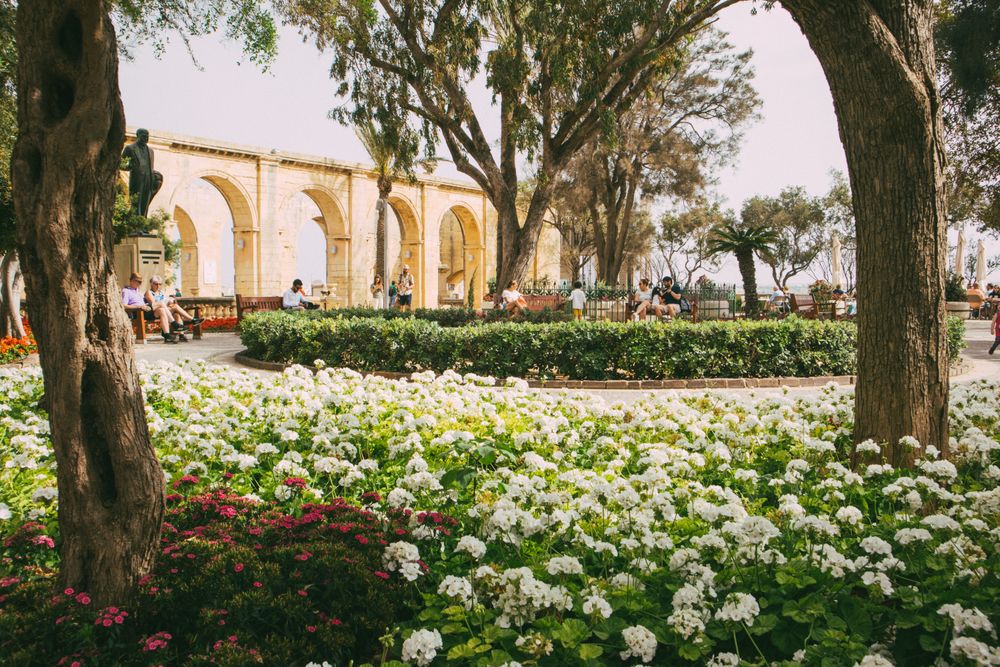
Arched loggias on the highest tier of the bastions frame a full view across the Grand Harbour to Birgu, Senglea and Fort St Angelo. Entry…
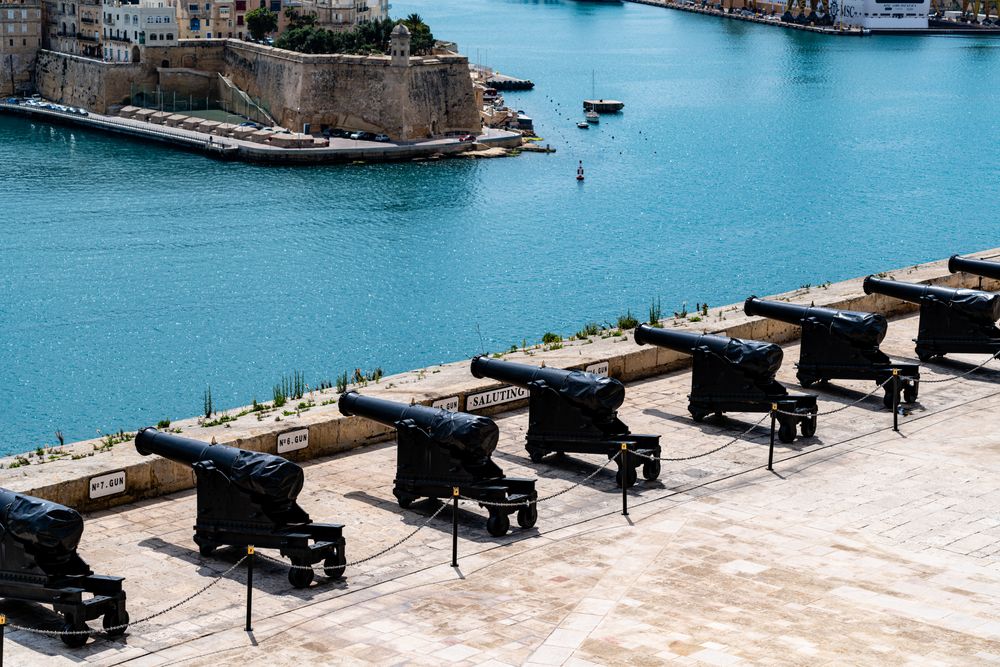
On most days a crew in period uniform loads and fires a cannon from the gun platform below Upper Barrakka, at noon and at 4pm. Firings are…
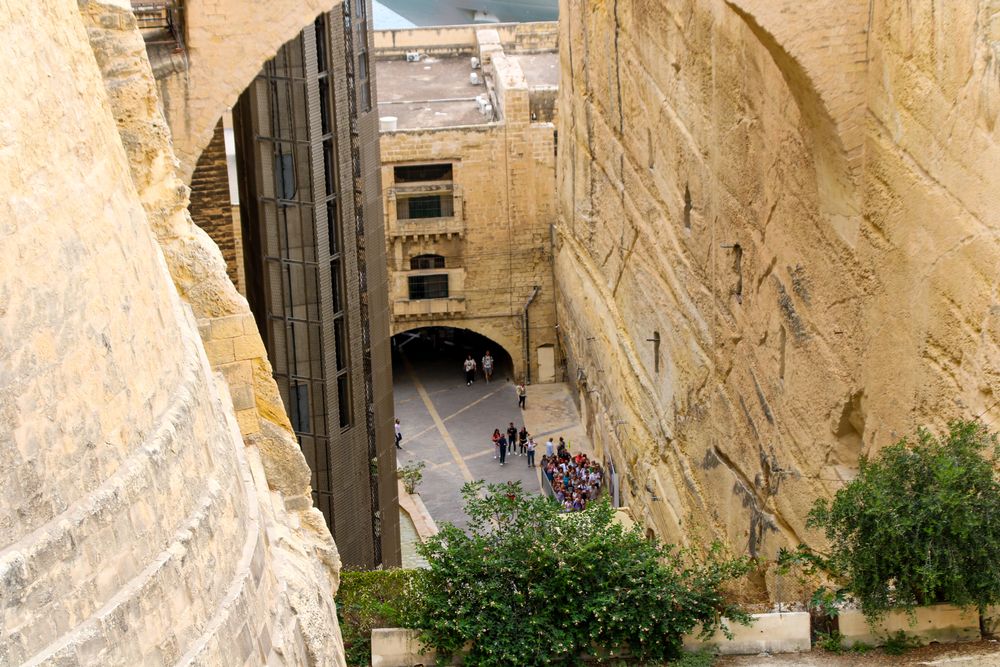
Glass cars climb the face of the bastion between Upper Barrakka Gardens and the wharf below, saving the long walk up the stepped streets.…
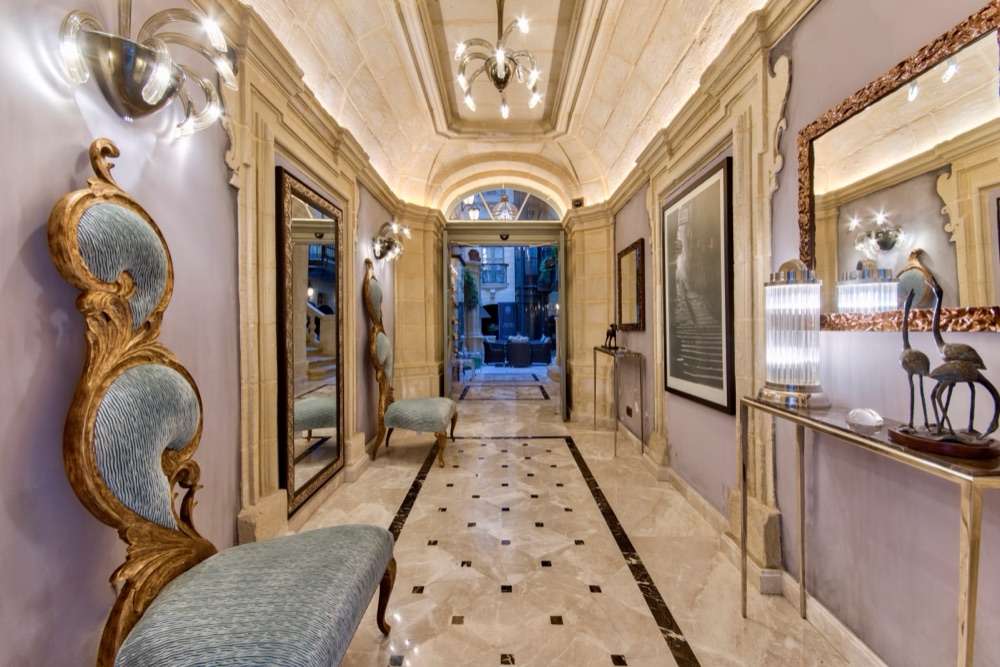
Thirteen guest rooms, each one different, fill this hotel on St Ursula Street, on the edge of Valletta's old town. It has two pools, one on…
Last updated