 Submit a photo
Ninety seconds on the Archaeological Museum of Budva
As of 2026, it is closed on Mondays. From Tuesday to Friday it opens from 8 in the morning until 10 at night, and on Saturday and Sunday from 2 in the afternoon until 9. The archaeology belongs to the City Museum, Muzej grada Budve, so the hours listed under that name are the ones that apply.
Yes. The archaeology is housed in the City Museum of Budva, whose exhibition space covers more than 400 square metres on four levels. The first three are given to archaeology and the fourth to the town's recent cultural history. Between them they span over 2,500 years, from the Illyrians, Greeks and Romans to the merchants, sailors and fishermen of later Budva.
No, adult entry is charged. Two groups go in free: children under 12, and primary school pupils from the countries of the former Yugoslavia. All other visitors need a ticket.
In the old town, at Petra I Petrovića 11. The address sits inside Stari grad, the historic core of Budva. The archaeology fills the first three of the museum's four levels, with the town's later history on the top floor.
The pieces that prove Budva is old are in this one house: over 2,500 years of finds, with much of the collection dug from graves outside the walls. Give yourself an hour.
Find the helmet first. It is an Illyrian-Greek helmet from the early fifth century BC, with cheek guards, and the graves outside the walls are known for rare helmets of this type.
The gold comes next. The cases hold Hellenistic gold, vases, jewellery, ornaments and tools, and two pieces stand out among them: a pair of gold earrings and a brooch of an eagle holding a boy in its claws.
Most of the archaeology comes from those burial grounds, which had an older Hellenistic section and a later Roman one. The richer graves kept the ashes in glass urns, each sealed inside a lidded stone urn, and glass, silver jewellery, pottery and weapons all came out of the same ground.
Look too for a Roman mosaic of a sea creature. The oldest objects here date from the fifth century BC and the youngest from the sixteenth century AD, so one short climb takes you from the Illyrians through the Greek and Roman town to the Slavic one.
From the bottom up, the museum runs roughly in order of age. Carved stone from the lapidarium sits at the bottom, and the lower three levels hold the archaeology, finds from the burial grounds that lie under the modern town.
Take the archaeology floors slowly, because the best pieces are small objects set among cases of pottery.
The top level changes subject to the town's later life. Its ethnographic rooms hold fishing gear, household objects and navigation instruments from the eighteenth to the twentieth century.
English information appears only here and there. Photograph the label on any case that holds you and look it up afterwards.
Come on a weekday morning for fewer people at the cases. On the way in, stop at the necropolis between the Hotel Avala and the main gate, where much of this collection was dug up.
Explore the rest of Budva
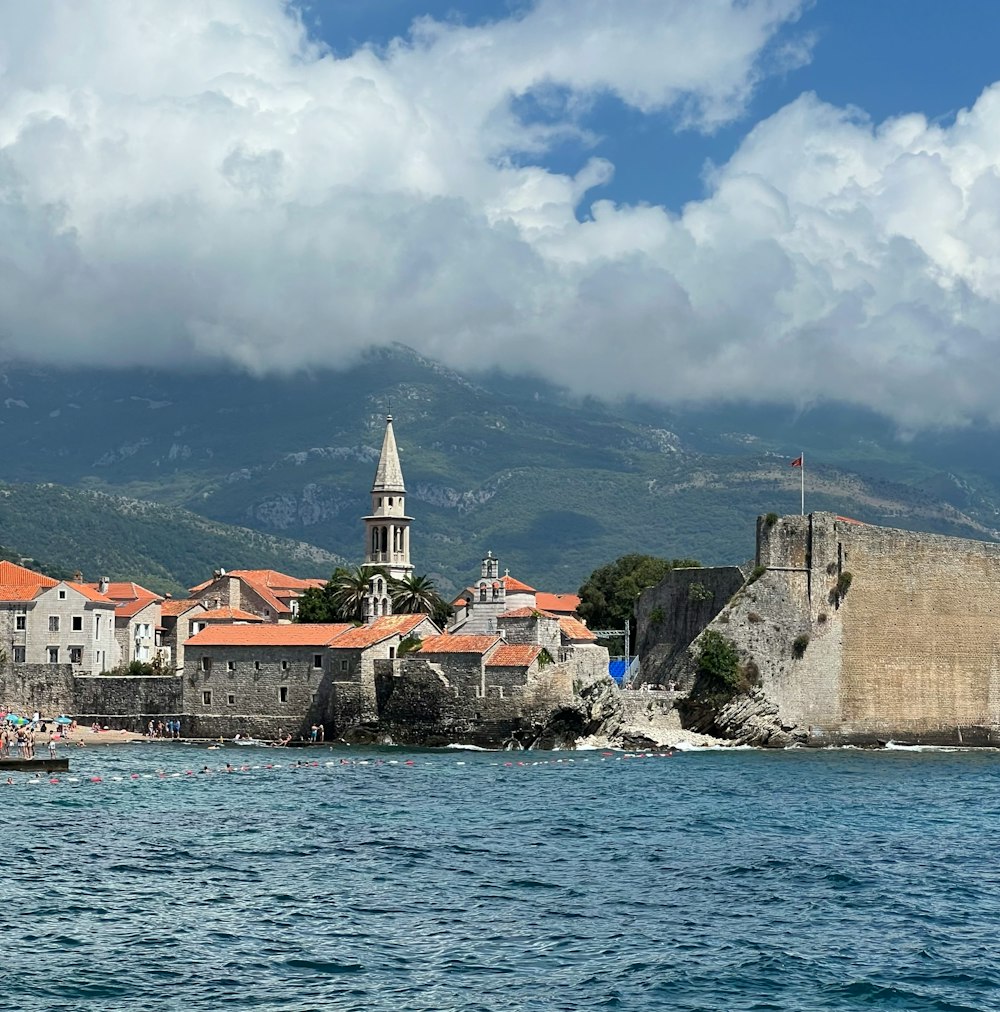
A walled peninsula settlement rebuilt after the 1979 earthquake, ringed by Venetian-era ramparts and anchored by the Citadela and the…
Two small sandy coves beneath cliffs just west of Budva's old town, joined by a short tunnel through the rock. A narrow concrete path along…
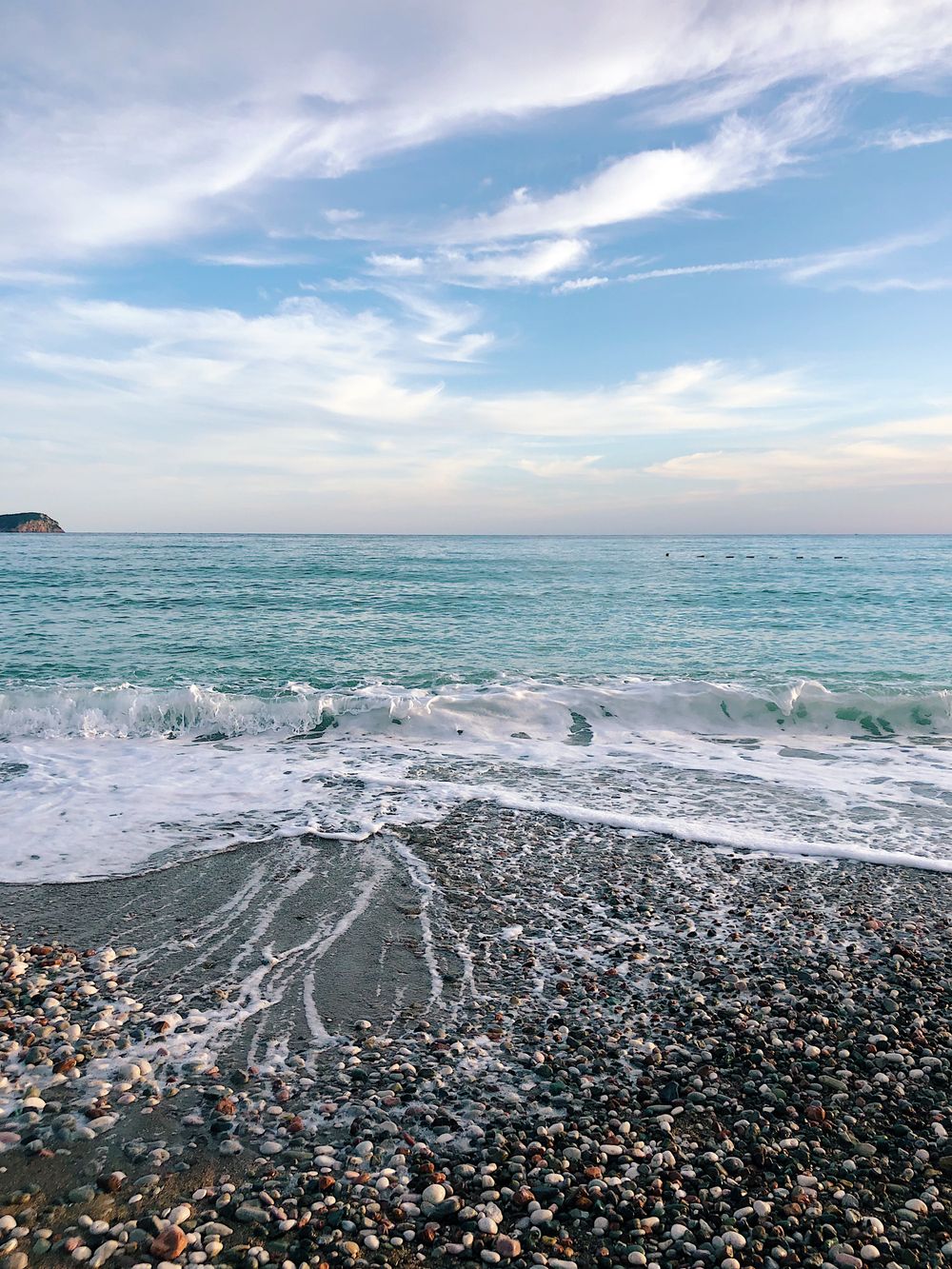
A near two-kilometre crescent of sand and fine gravel east of Budva, backed by resort hotels, with calm shallow water and a promenade…
Last updated