 Submit a photo
Submit a photo
Submit a photo
Ninety seconds on Herceg Novi Old Town
The municipal garage next to the Municipality building is the simplest option, a few minutes on foot from the Old Town. It is open 24/7, and payment is made at a self-service station by card or cash, with no app needed.
Stari Grad climbs the hillside above the seafront and has two main squares. Founded as a fortress in 1382 by King Tvrtko of Bosnia, it is now entered through the clock tower of 1667. Kanli Kula, built by the Ottomans in 1539, holds the northernmost point, and Forte Mare guards the entrance from the sea. Spanjola stands higher again, at 170 metres on the northeast side of the town.
The lanes and squares are free and have no gate; Forte Mare and Kanli Kula are both ticketed. As of 2026 the two forts open daily at 9:00 and close at 21:00 in high summer (from 25 June) and at 19:00 in spring (from 15 April). In winter they close at 17:00. Herceg Fest, which runs both, posts each change of hours as a notice.
Start at the top and walk down through the town of 100,001 steps, a maze of stone stairways between two fortresses, with a third on the hill above, so the best views over the Bay of Kotor come first.
The old town is built up the hillside in three levels, and stone staircases connect every one of them. Forte Mare sits on the shore, the clock tower stands in the middle, and Kanli Kula, at the top, is now an open air theatre.
The clock tower, Sahat Kula, is the gate between the two squares, Nikola Đurković Square and Belavista Square. Its octagonal walls carry clock dials on all four sides, which once showed the hour of daily prayer. The tower is also the emblem on the town's flag.
Forte Mare, at the bottom, sits at the main entrance to the bay. The fortress itself is small.
In February the lanes are yellow with mimosa, the town's symbol. Bougainvillea spills over the lanes the rest of the year.
From Kanli Kula at the top, the old town is one walk downhill to the sea. Stepped lanes lead down to the clock tower; walk through it to the second square, with its small church and fountain.
Below the squares the stairs drop to Forte Mare on the water. Its entrance is easy to miss: look for a few steps up from the street, then climb to the walkway on top.
With energy to spare, climb to the Spanish Fortress on the hill above the town, which is partly ruined, slowly going back to nature and free to enter.
If you only have time for one fortress, make it Forte Mare for the view across the mouth of the bay.
In August, Forte Mare is one of the venues of the town's film festival, so look out for evening screenings on the water.
In summer, look up the evening programme at Kanli Kula.
Explore the rest of Herceg Novi
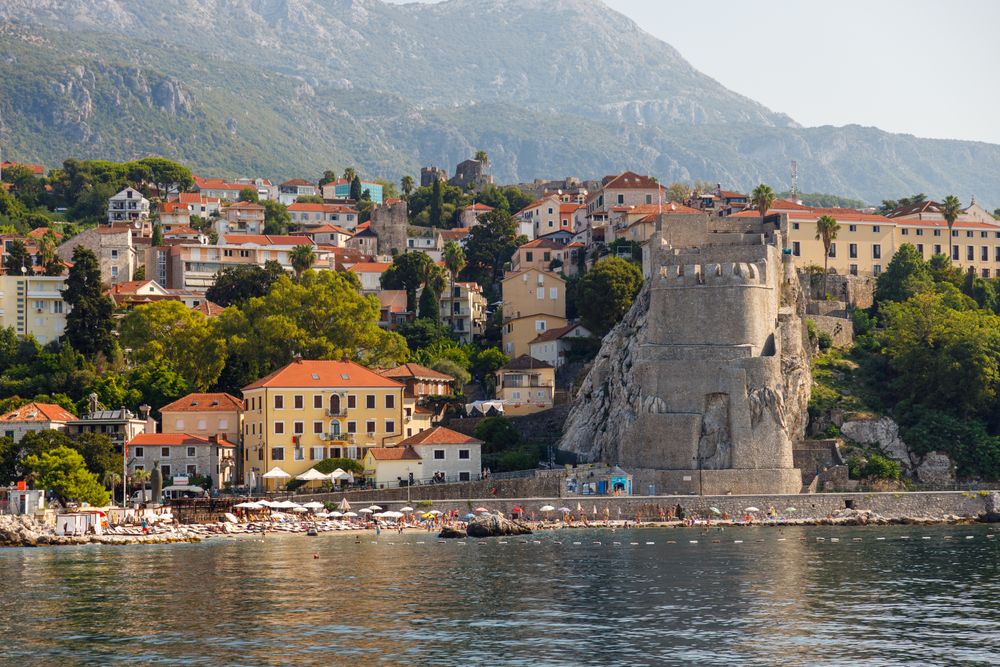
A 16th-century Ottoman fortress at the northern, uppermost point of Herceg Novi's old town. Its name means bloody tower, from its use as a…
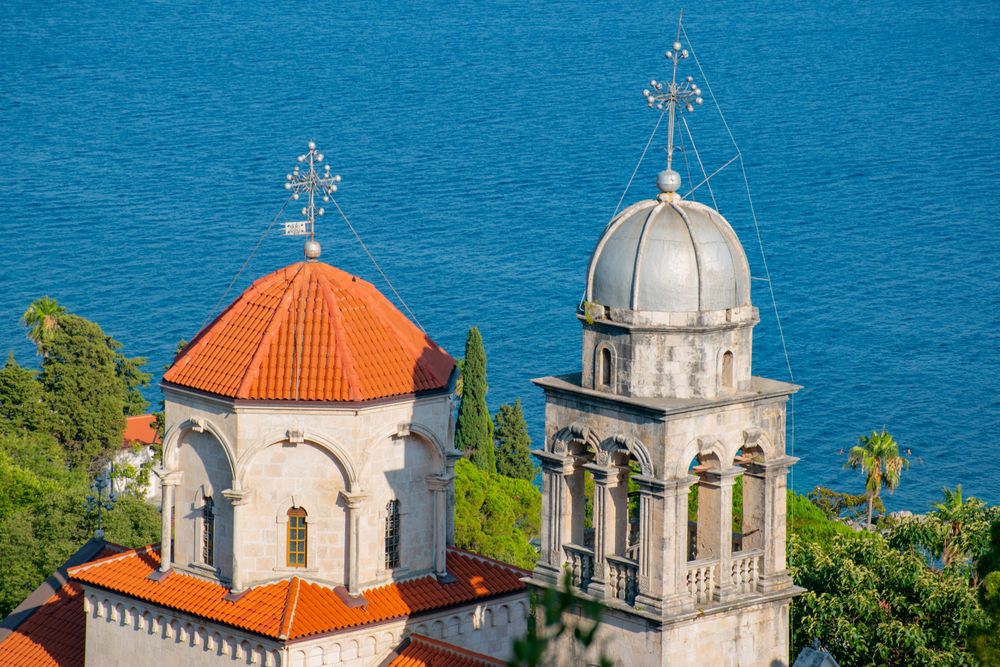
A Serbian Orthodox monastery about 2 km east of Herceg Novi, in woodland above the Bay of Kotor. Its small Church of the Dormition is…
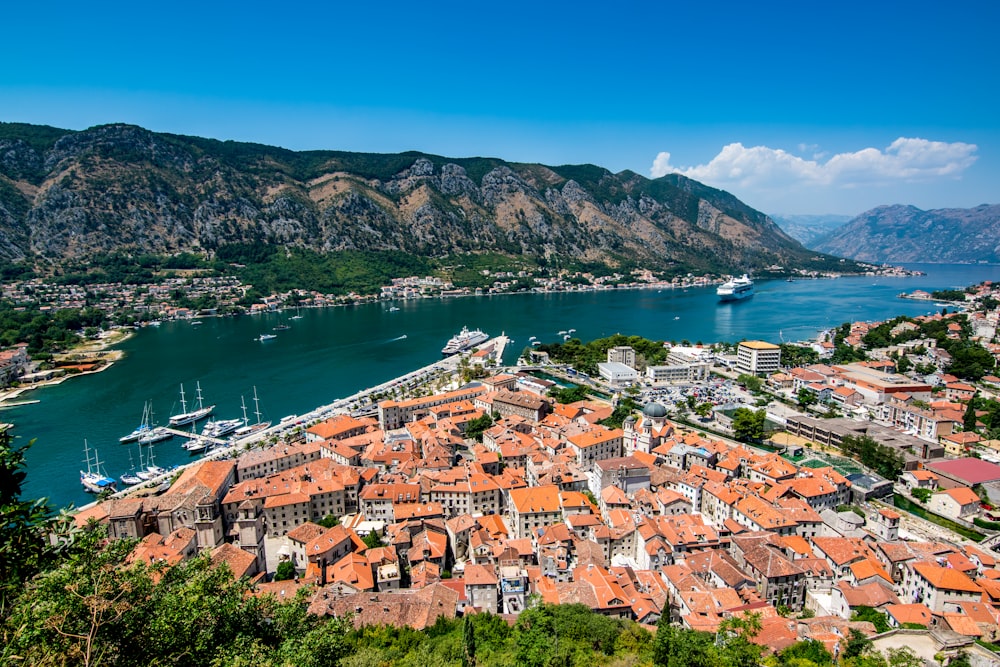
A 28-kilometre fjord-like inlet in the Adriatic, ringed by limestone walls and medieval towns, and a UNESCO World Heritage site. It is a…
The official pages this guide was checked against.
Last updated