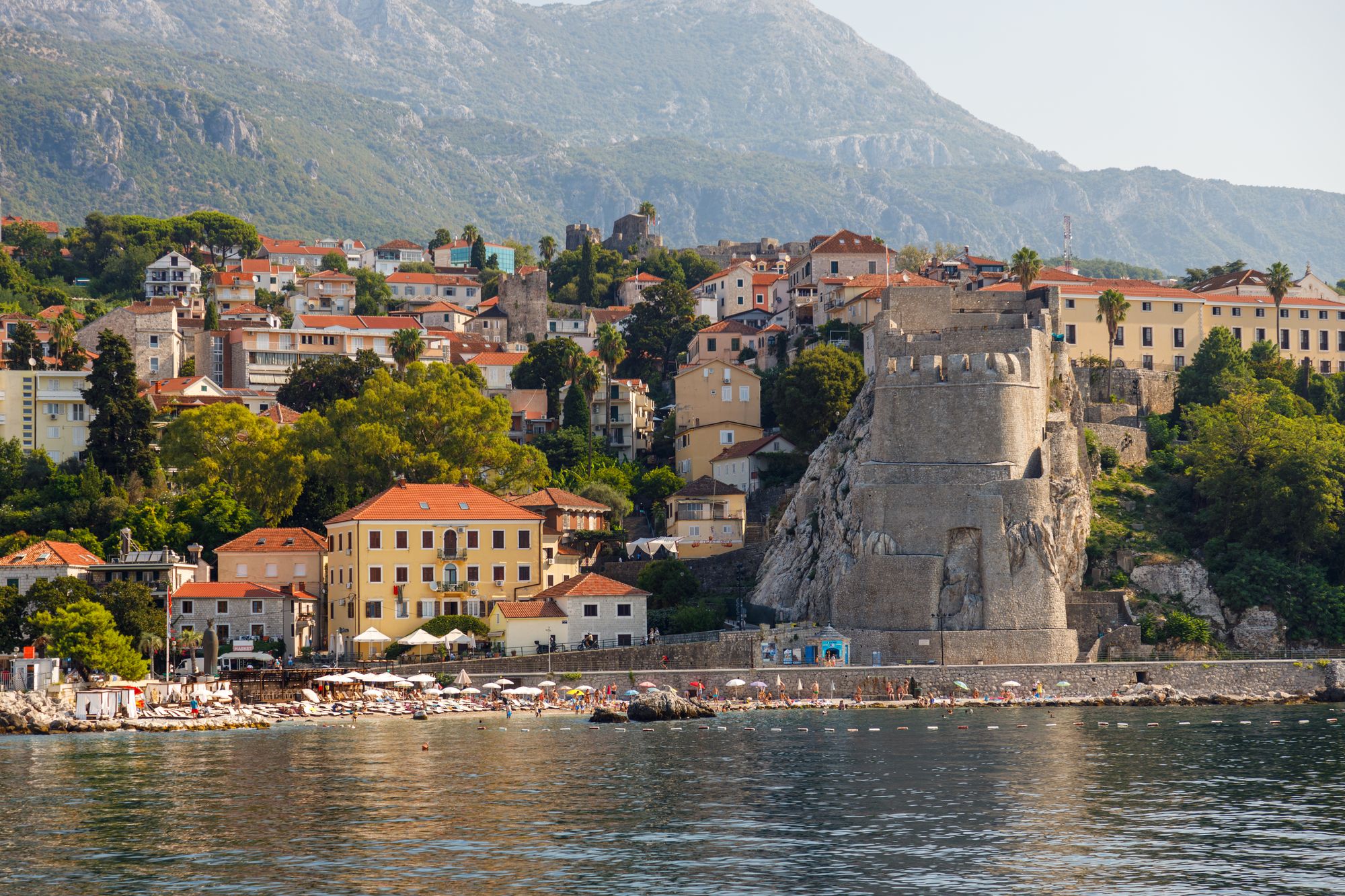
Climbing to the top of the old town gets you Herceg Novi's best view, over red rooftops and across the bay, from the walls of a fortress that was once a prison and is now the town's summer stage.
Fortress, Herceg Novi. Meridian Dispatch.
As of 2026 the fortress opens every day from 09:00 to 19:00, the longer hours that began on 15 April. Forte Mare, the sea fort below, keeps the same times. Winter hours are shorter: in the last cold season both forts closed at 17:00 from 3 November, and festival evenings can change the hours.
Yes, entry is charged, with a separate fare for groups of ten or more. Tickets are sold at the booth by the gate, and the box office answers on +382 68 851 031. An ordinary visit does not cover a show, which is ticketed on its own.
A thousand as standard, and up to 1,500 once the seating is extended. The open-air auditorium inside the walls is Herceg Novi's main summer stage and the home of its film festival, and at full stretch the venue hosts more than 1,500.
At the northernmost point of Herceg Novi's old town, at the top of the climb from the waterfront. The name is Turkish for Bloody Tower, earned in the fort's long years as a prison. It went up in the 16th century, and an old water tank inside, once dry, was turned into a cell whose walls still carry the prisoners' drawings.
On foot it is a climb, since the fort crowns the northern tip of the old town at 85 metres above the sea. Stairs lead up from Belavista Square to the lower gate. A second, northern gate opens onto the road above, where a car or taxi can stop and park.
Concerts, plays and festivals fill the open-air theatre inside the fort each summer. It has hosted the Herceg Novi Film Festival, the Guitar Art Summer Fest and the Operosa Montenegro Opera Festival. Shows need their own tickets, apart from ordinary entry.
Kanli Kula means Bloody Tower, a name the Ottoman fort earned in its years as a prison. The cell to find is an old cistern inside, which stopped holding water and became a lock-up. Sailing ships, crosses, dates and coats of arms drawn by the prisoners survive on its walls, and the ships are types that sailed in the sixteenth and seventeenth centuries.
Past the gate, the fort opens into broad terraces and thick walls around an amphitheatre that seats more than a thousand. It is the town's main open-air theatre and home to its film festival. The rows themselves are modern, so look to the walls and the cistern for the old fort.
From the upper ramparts, 85 metres above the water, you look straight down on Forte Mare, the sea fort on the shore, and the red roofs, out across the bay and back to the ridges of Orjen. From a distance Kanli Kula looks rougher around the edges than Forte Mare, but the view from its walls is the better one.
Kanli Kula's ticket booth sits by the gate, and from it a flight of stairs brings you up to the stone seating. Sit on the stone rows for a few minutes first and take in the coast before you start walking.
Then walk the circuit of the walls, which takes about ten minutes. To the west you look down over the town, and to the east the view runs to the mountains of Lovćen. The Montenegrin and Herceg Novi flags on the walls make the obvious photograph.
Finish at the fort's old prison cell, and look for the sailing ships drawn on its walls. A café and a small souvenir shop sit inside, though both can be shut on public holidays. Allow half an hour, or longer if you stay for the view.
On a festival evening, entry narrows to the northern gate by the road and the hours can change, so ask at the booth that day.
Start your walk through Herceg Novi Old Town here rather than ending it here: from the top, the old town runs mainly downhill to Forte Mare and the sea. Keep your ticket for Forte Mare's booth, which may give you a reduced entry.
For a second site, pair the fort with Savina Monastery, 2 km east of Herceg Novi in Mediterranean woodland.
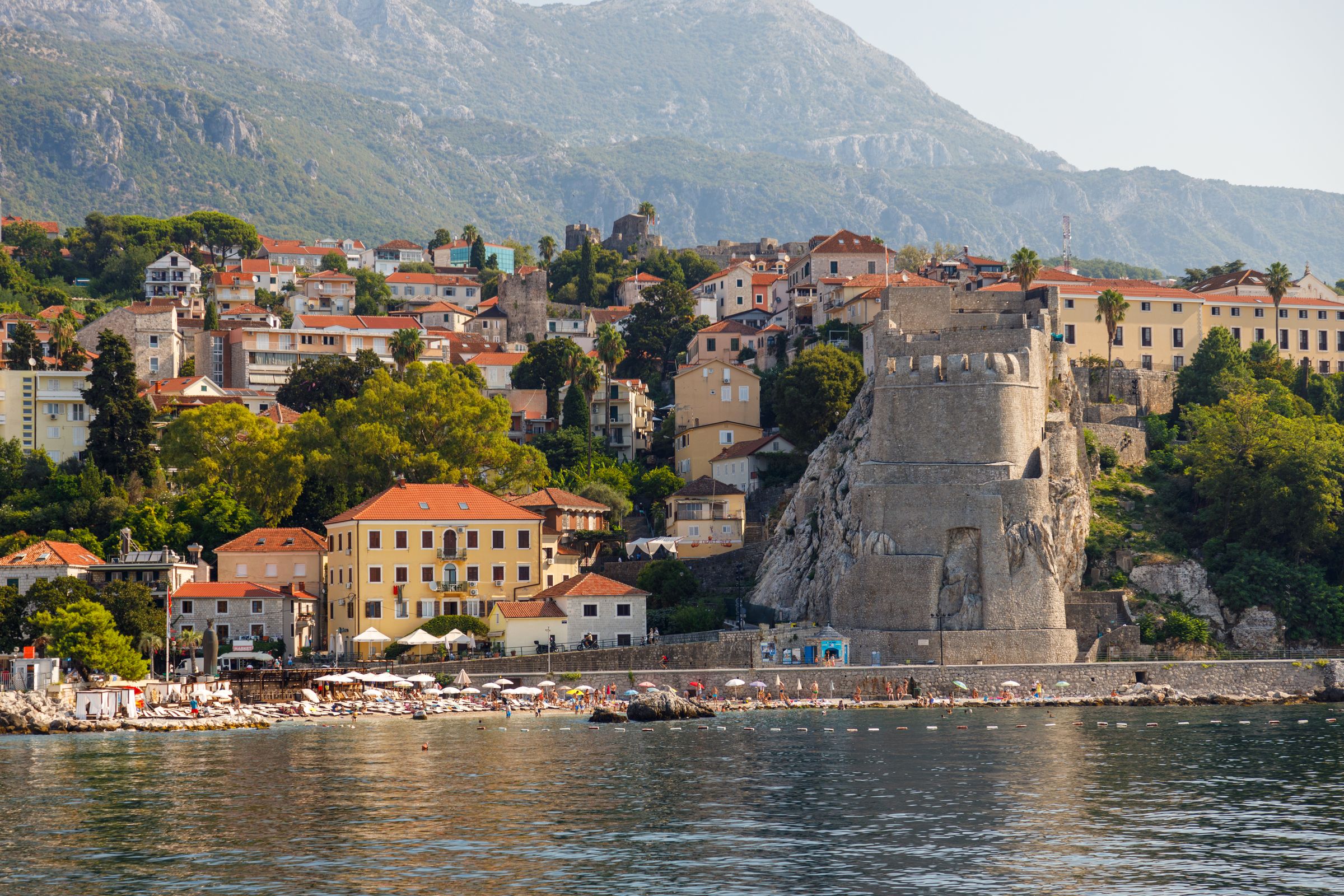
Herceg Novi faces open sea where the Bay of Kotor meets the Adriatic, so you can swim off its rocks and platforms and take a boat across the mouth of the bay to the Luštica shore.
Read the Herceg Novi guideExplore the rest of Herceg Novi
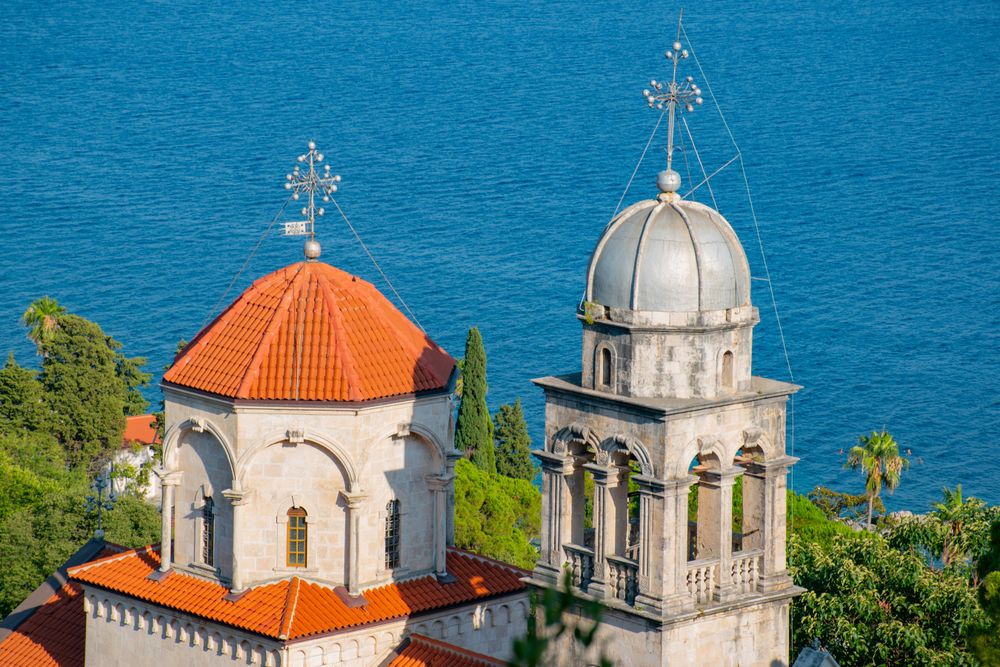
A Serbian Orthodox monastery about 2 km east of Herceg Novi, in woodland above the Bay of Kotor. Its small Church of the Dormition is…
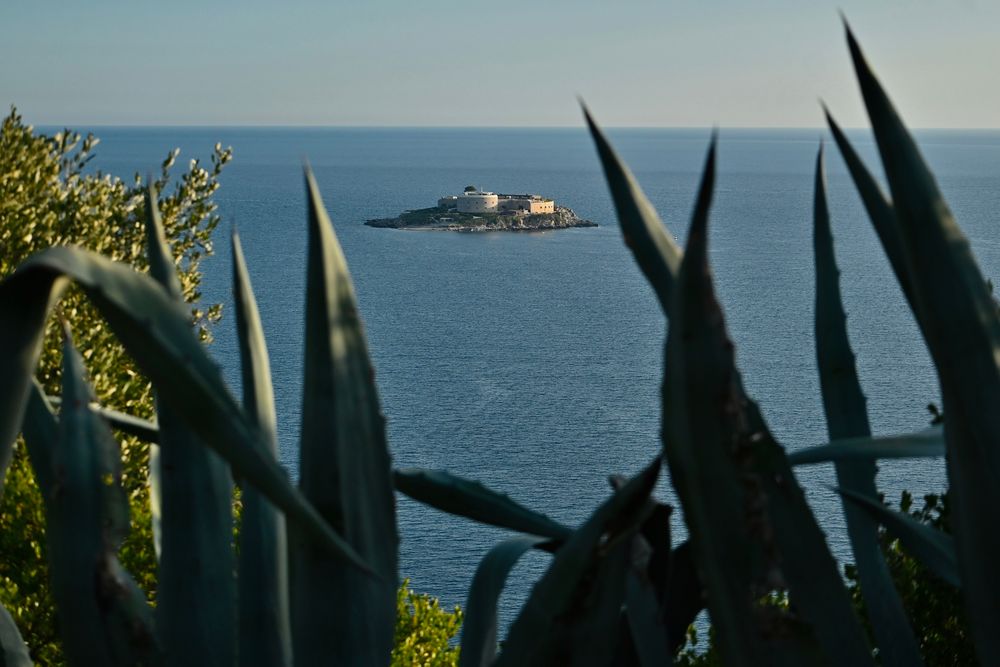
A nineteenth-century fortress filling a small island at the mouth of the Bay of Kotor, used as an internment camp in the Second World War…
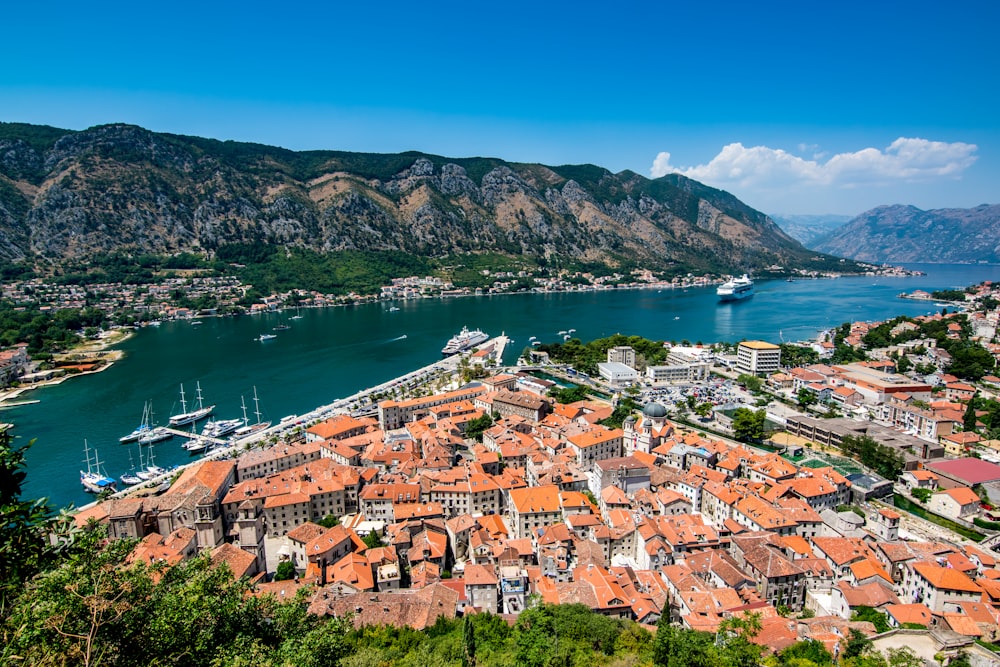
A 28-kilometre fjord-like inlet in the Adriatic, ringed by limestone walls and medieval towns, and a UNESCO World Heritage site. It is a…
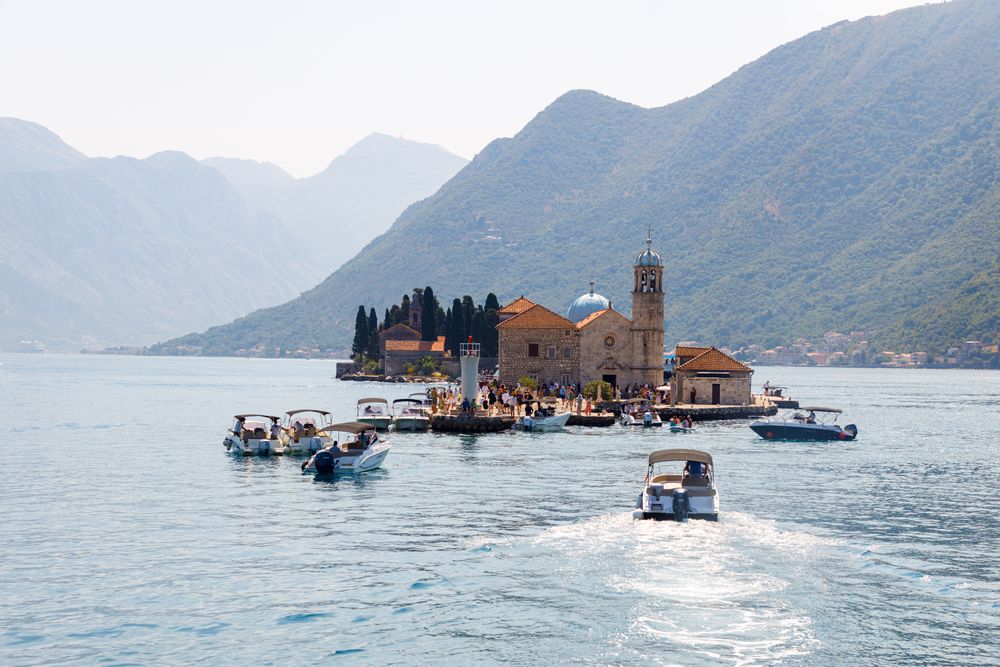
A man-made islet built up from rocks and scuttled ships, holding a church begun in 1630 with ceiling paintings by Tripo Kokolja and a…
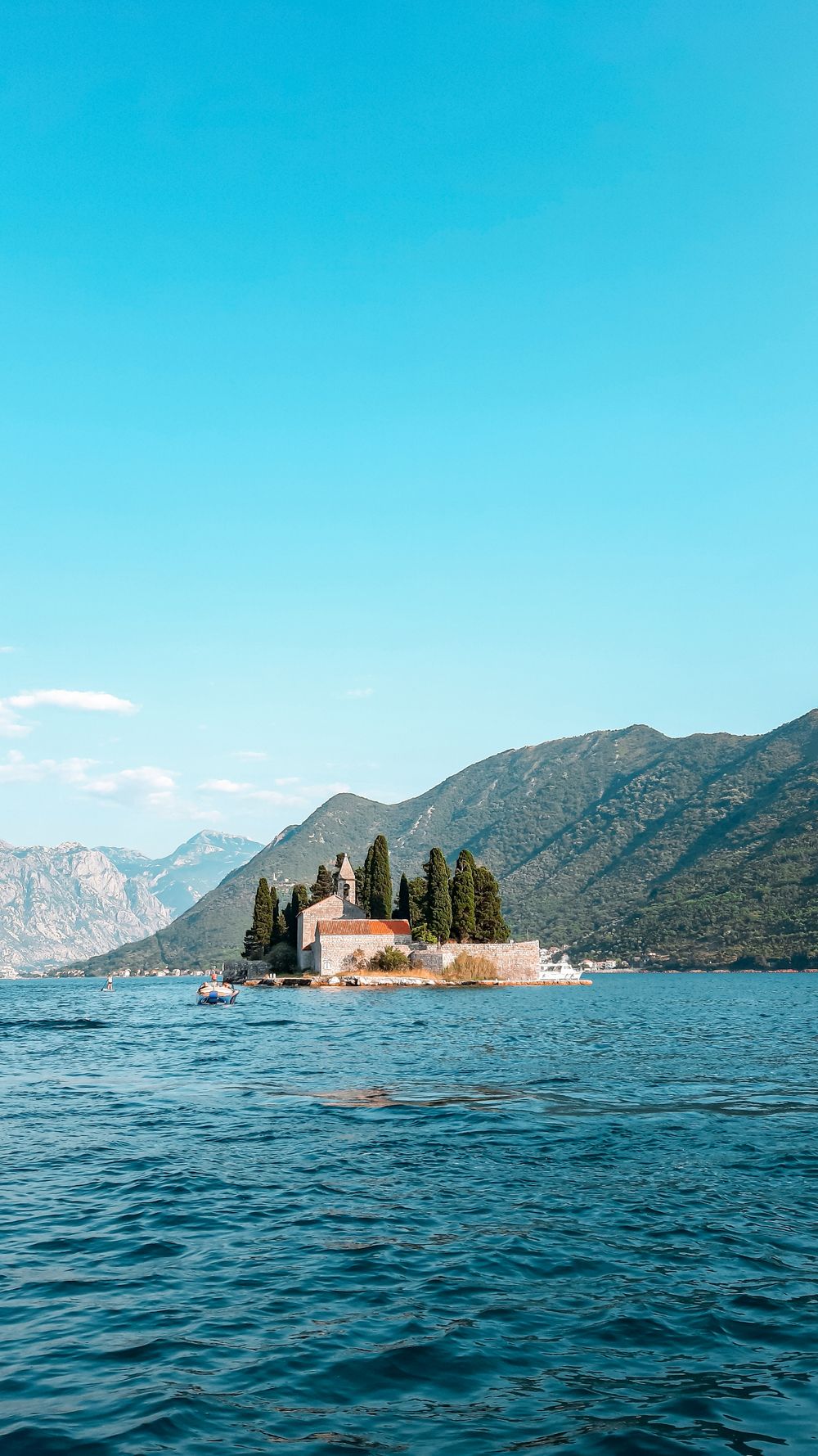
Boats out of Perast pass it on the way to Our Lady of the Rocks. Sveti Đorđe is the natural island of the pair, carrying a Benedictine…
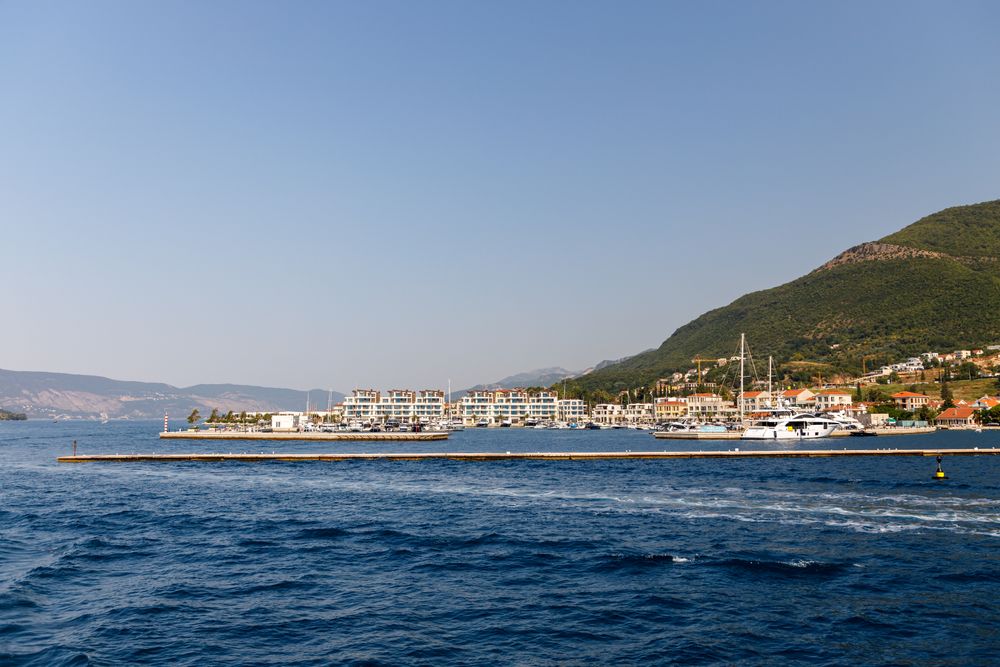
Tivat is the arrival town for the Bay of Kotor, with the international airport on its edge. Porto Montenegro, the superyacht marina, holds…
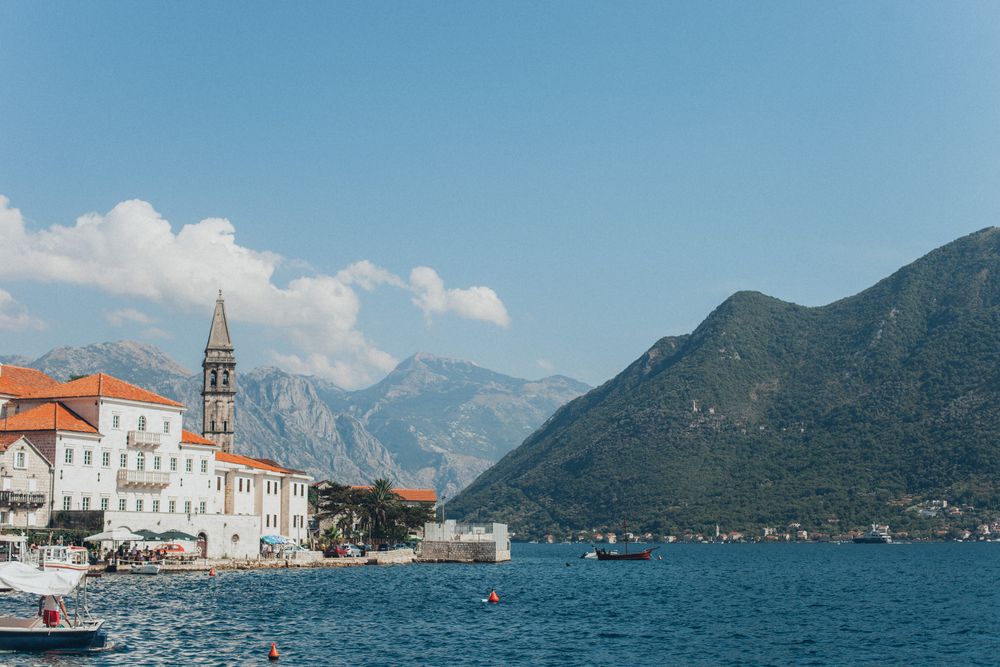
A five-star hotel in a restored 18th-century palace on the Perast waterfront. Breakfast is served in the Panoramic restaurant over the bay,…
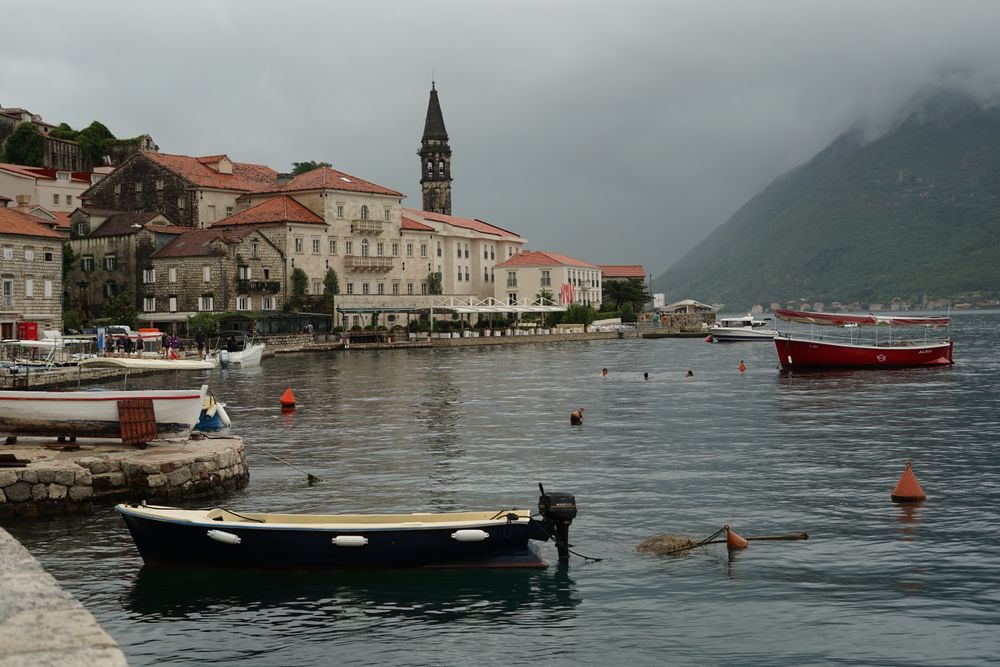
A single baroque street facing the narrows of the bay, built on the wealth of sea captains who once sailed for Venice. Stone palaces and…
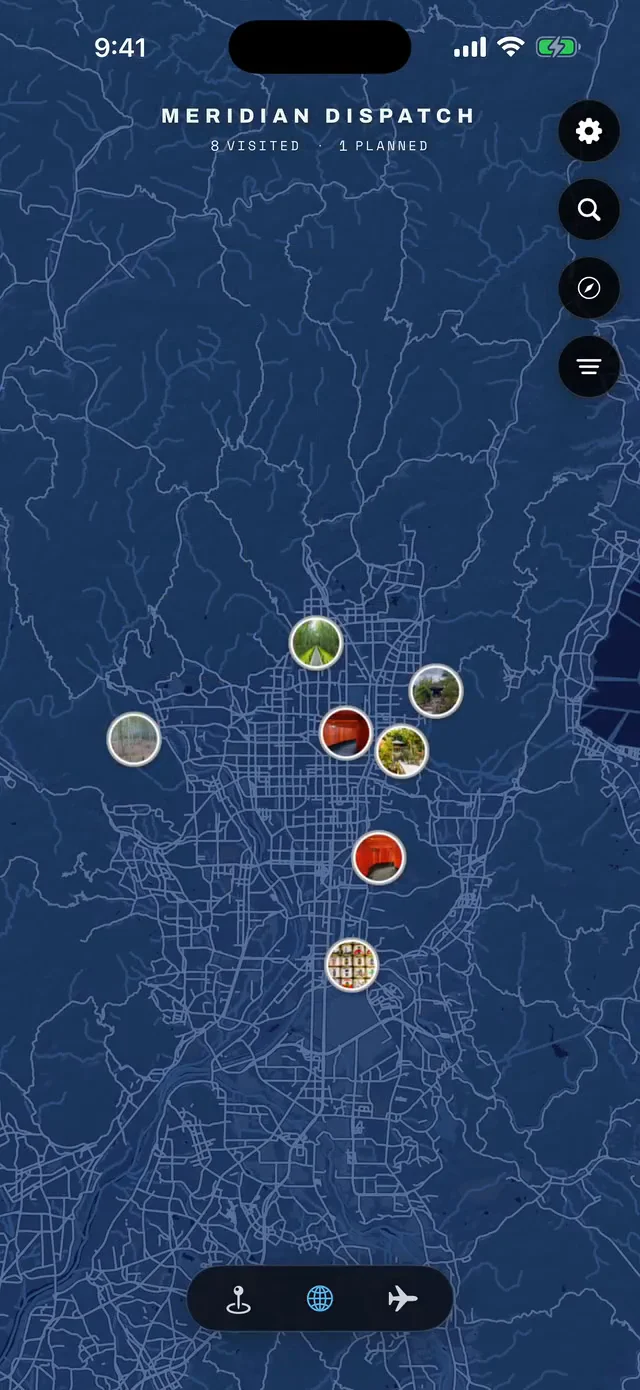

Save Kanli Kula to your Montenegro trip in the Meridian Dispatch app and build the day around it, with the best of Herceg Novi pinned on one map.
Download on the App StoreLast updated