Ninety seconds on Church of St Luke
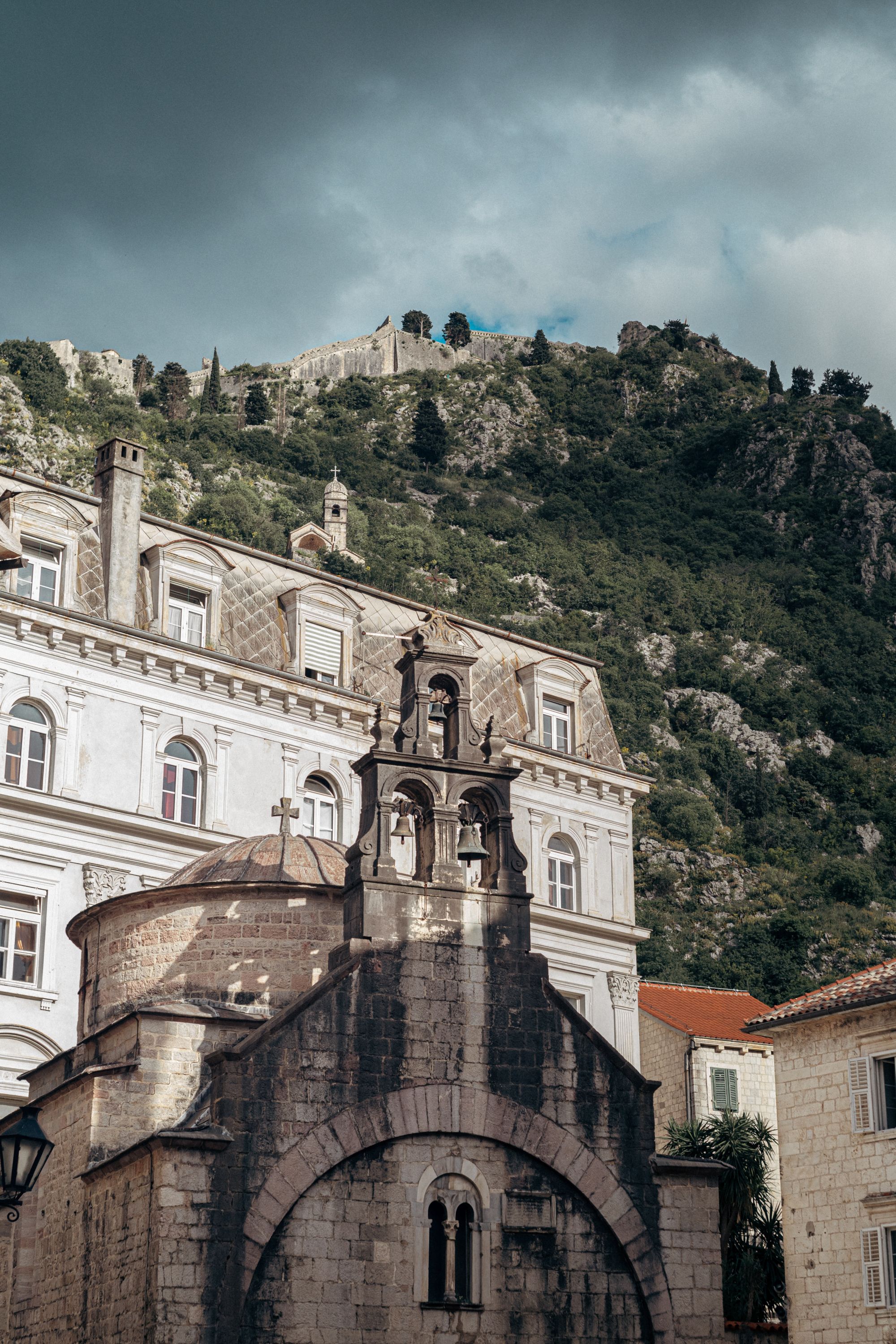
From the door of this small Romanesque church on St Luke’s Square, you look straight down the nave to two altars, one Catholic and one Orthodox, set up so both faiths could worship under one roof.
Look down as soon as you step in. The floor is laid with tomb panels, because the townspeople of Kotor were buried inside the church up until the 1930s. The slabs of poorer families lie by the door, and the grander stones lie toward the altars.
At the far end of the nave stand the two altars, one Catholic and one Orthodox. From 1657 both congregations held services here, each at its own altar, and the church later passed to the Orthodox, who still use it.
The building is Romanesque: a single nave, with a dome rising over a square space carried on arches and pillars. A latticed wooden ceiling covers the nave, and an icon screen stands in front of the altars.
The church was once painted inside, and only one fresco has survived. It is a fragment of 12th-century Byzantine painting on the south wall, at the entrance end.
The recessed doorway under the big arch of the west front opens straight off St Luke’s Square. Read the floor from the door toward the altars, stone by stone, as you walk the length of the nave.
At the far end, stand back far enough to take in both altars and the icon screen together, then look up into the dome. On your way out, stop at the south wall by the door for the fresco. The church is a single room, so one slow lap from the door to the altars and back covers it.
Pair St Luke’s with St Nicholas, which stands right beside it on the same square. St Luke’s is a working church with regular services, so keep your voice down inside and step back to the rear if a service is on. Off-season, check service times at the Kotor Tourist Office before you plan a day around seeing the inside.
Explore the rest of Kotor
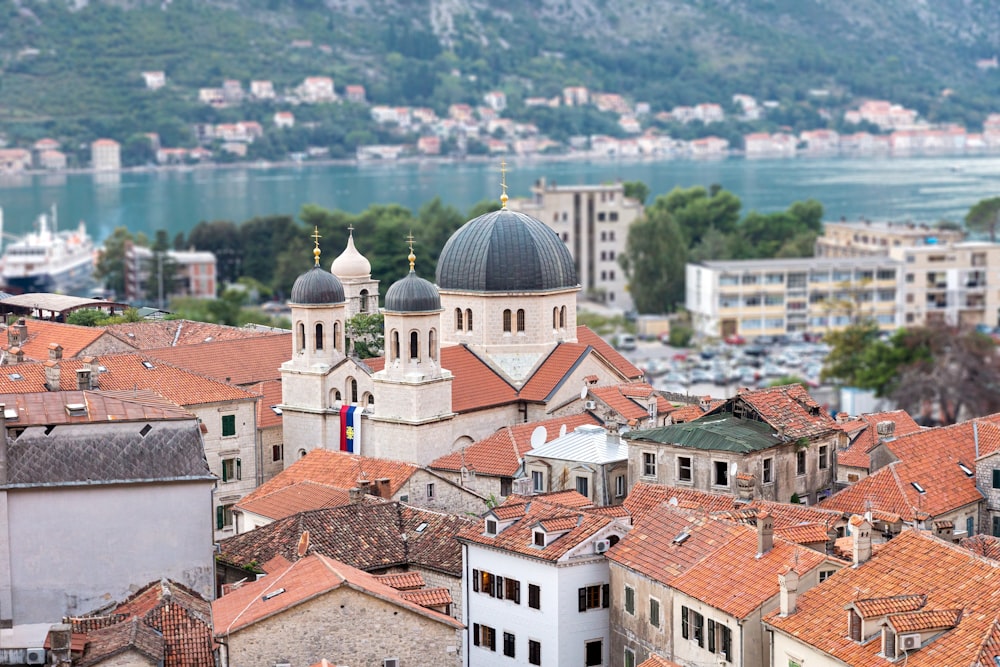
The principal Serbian Orthodox church of Kotor, completed in 1909 on the Piazza of St Luke, its twin towers rising over the north end of…
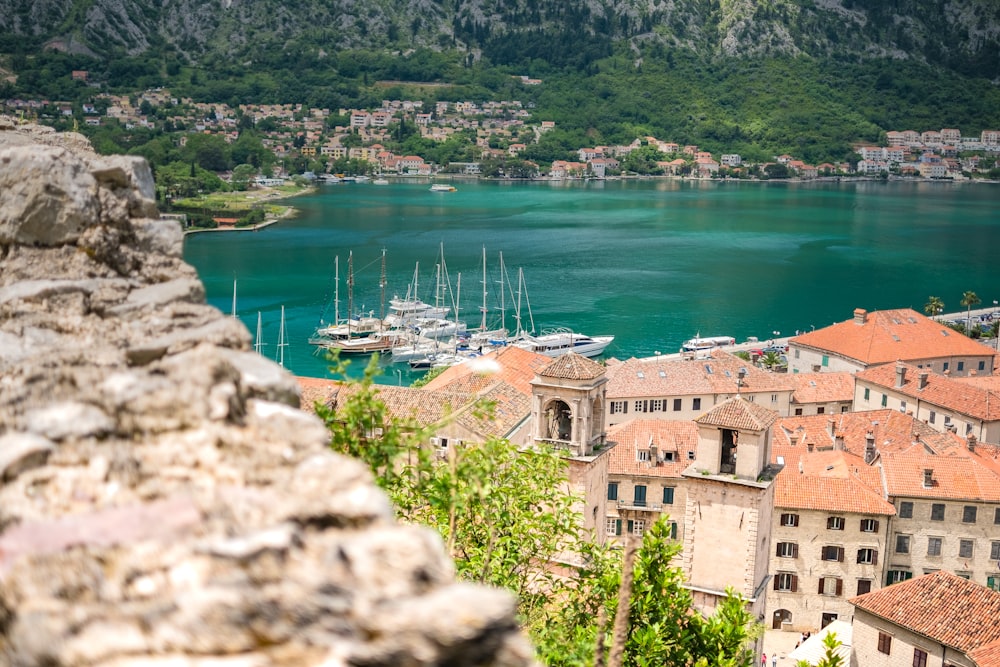
Housed in a 17th-century Baroque palace in Kotor old town, the collection covers Adriatic naval history, sea captains' artifacts, ship…
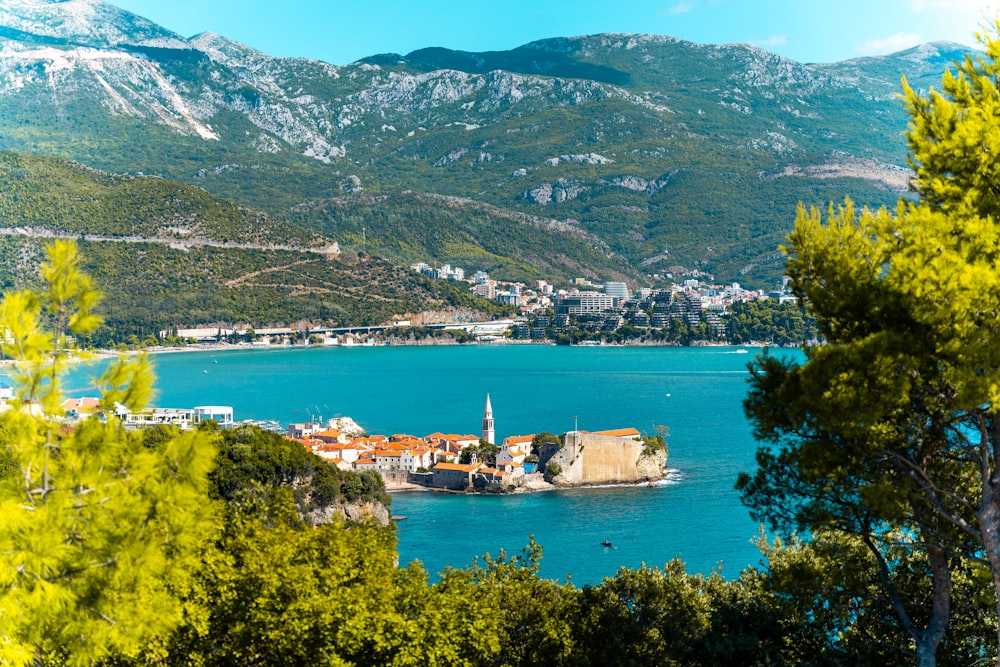
A UNESCO-listed medieval walled city at the head of the Bay of Kotor, with a Romanesque cathedral consecrated in 1166 and fortifications…