 Submit a photo
Ninety seconds on the Maritime Museum Kotor
As of 2026, weekday hours are 09:00 to 18:00 from 1 May to 1 October and 09:00 to 15:00 from October to May. On Saturdays, Sundays and holidays the museum opens from 09:00 to 13:00 in both seasons, so a weekend visit belongs in the morning.
Yes, by arrangement. After closing time the museum keeps a duty mobile, 067 070 512, for anyone who needs its services. Groups wanting a guide outside working hours announce their arrival in advance on 032 304 720.
Yes. Entry is charged, with separate rates for adults, for students and children, and for groups of more than 10 people. Tickets are paid at the door of the Grgurina Palace on arrival, and the student and child rate covers both groups.
On the Square of the Boka Navy, at number 391, inside the walled old town of Kotor. For drivers, the museum points to the car park near the old town, a short walk from its door on the square.
Only with permission. Cameras and video cameras may not be used in the museum without the approval of the Head of the Institution, so the question goes to the desk before any filming or photography starts.
Yes, there is a virtual tour: the museum publishes a video tour and a 360 degree walk through its permanent exhibition. In person, six bronze relief panels in the entrance hall mark the great events and mariners of the Bay of Kotor, and the rooms beyond hold ship models, captains' portraits and arms used against pirates.
Stepping into this palace on the main square shows you Kotor's life as a port: portraits of its sea captains, scale models of their galleys and the weapons the town used against pirates.
The building itself is worth a look. It is the Grgurina family palace, a Baroque noble house that the museum dates to the early eighteenth century, and the collection fills its rooms. In the entrance hall, bronze panels show the events and people of Kotor's past, beside the first of the ship models.
Read the models as a record of how ships changed rather than as ornaments. Each scale model of a galley or sailboat has a plaque beside it, so you can compare the vessel types as you walk.
The central hall covers the town's peak as a port. Around the museum you will find portraits of famous captains, their navigation instruments and the weapons Kotor used against pirates.
Two drawing rooms of the Ivelić and Florio families are kept as they were furnished. Further on are original photographs of Montenegro in the First World War, and displays on the training ships and merchant navy of the former Yugoslavia. Uniforms and local dress are a small part of the collection, so do not come for costume alone.
Grgurina Palace takes you through its rooms in order, so follow them as they come. Pay at the door, start with the bronze panels and ship models in the entrance hall, then go on to the central hall.
There are six bronze relief tablets, each marking a turning point in Kotor's past, so stop at each one before you move on. Read the plaques beside the models as you go.
Ask at the desk whether a guided tour is running, because a guide adds detail the displays leave out. Allow longer than the usual visit if you want to read every label.
Duck in here when the summer heat peaks; it is a good indoor stop. On a day with several ships in, the lanes are busiest from about ten to four, so avoid midday if you want the most room at the models.
Explore the rest of Kotor
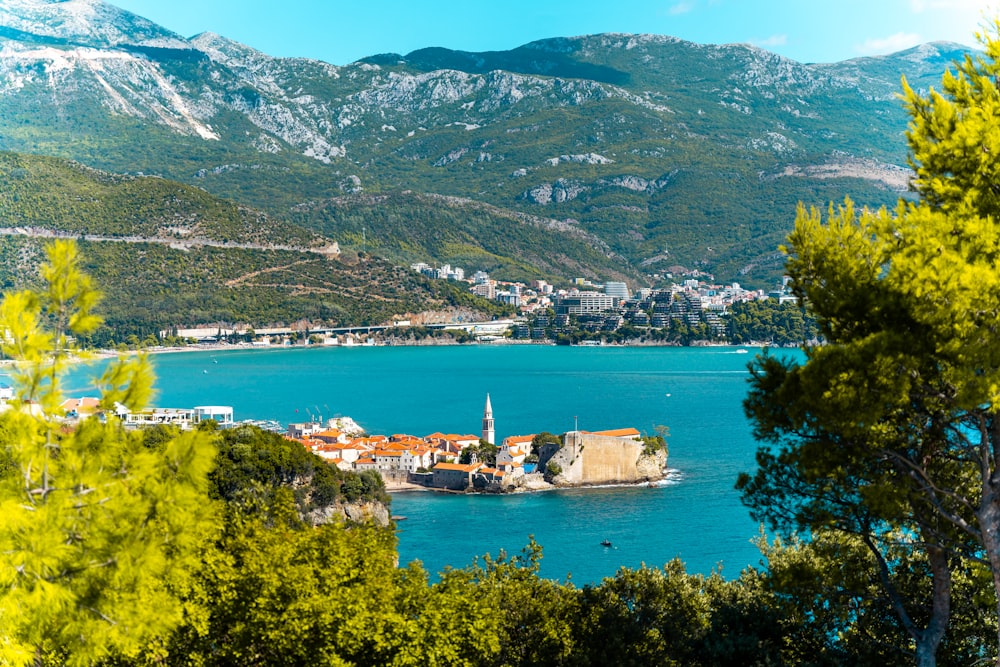
A UNESCO-listed medieval walled city at the head of the Bay of Kotor, with a Romanesque cathedral consecrated in 1166 and fortifications…
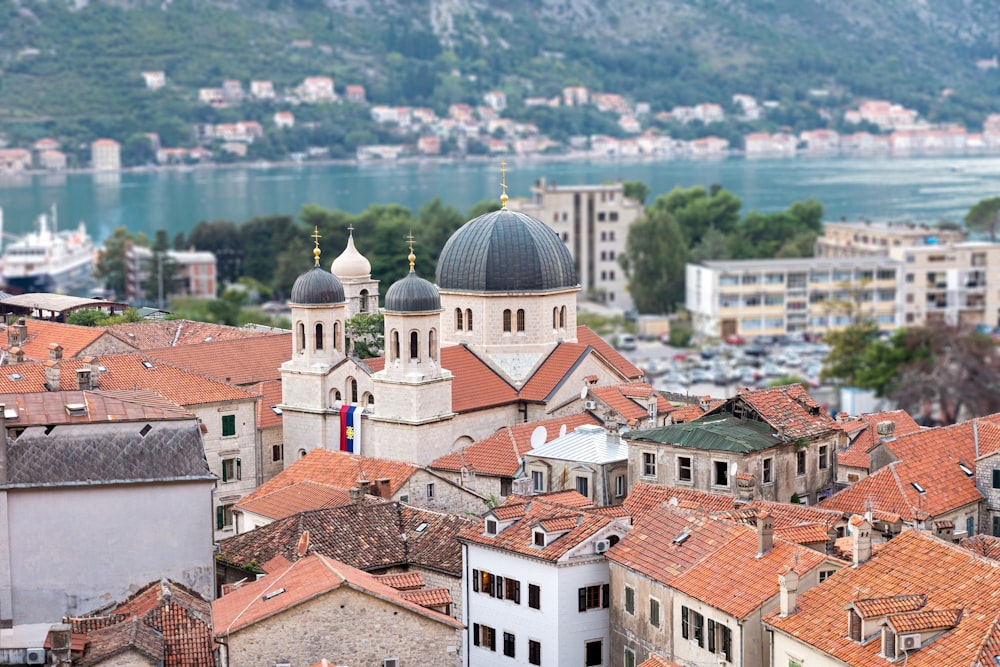
The principal Serbian Orthodox church of Kotor, completed in 1909 on the Piazza of St Luke, its twin towers rising over the north end of…
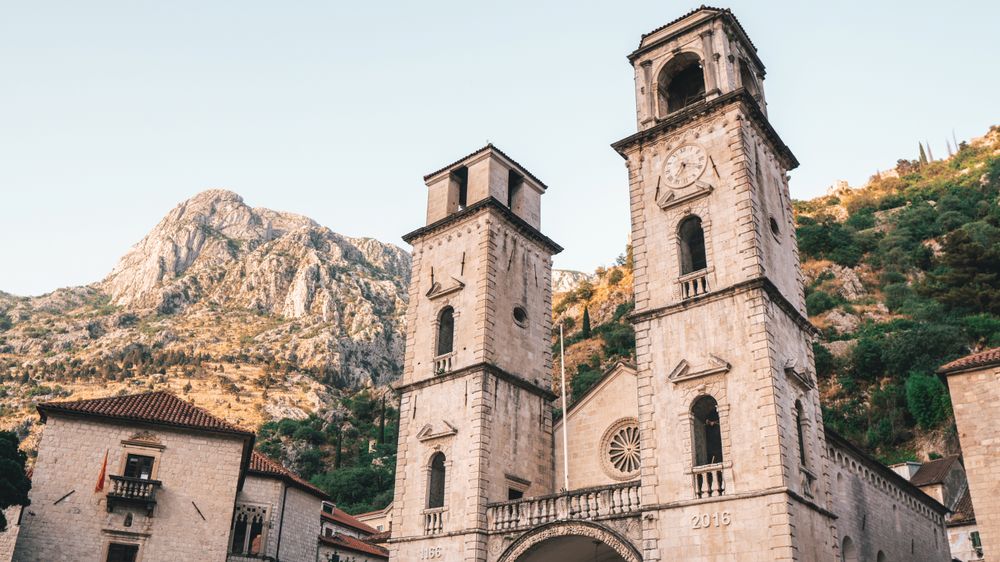
Kotor's Romanesque cathedral, consecrated in 1166 and rebuilt after earthquakes, with a carved stone ciborium over the main altar and a…
Last updated