 Submit a photo
Ninety seconds on Bahia Palace
Yes, for its architecture and ornament. Morocco's national tourism office describes the palace as a living brochure of Moroccan Islamic architecture, set inside the ochre city of Marrakesh.
The Ministry of Culture's ticket portal for the palace gives visiting hours of 9am to 5pm. Hours can change, so the portal is the place to check before a visit.
Entry is ticketed, with rates set by the Ministry of Culture in four categories by residence and age and shown on its online ticket portal. Moroccan nationals enter free on Fridays and on the first day of national and religious holidays.
A palace of about 150 rooms set around courtyards and gardens, the Bahia lets you walk a Moroccan palace plan at full scale, court after open court.
The Bahia is built as a series of courtyards, gardens, salons, outbuildings and annexes. Rooms open off each court, and the size of the place only shows as you pass from one court into the next.
The Grand Courtyard is the focal point, a huge open court far larger than the smaller courts around it. Bright colour, marble and zellige tilework meet here, and every geometric pattern in the tile was cut and set by hand. Lush gardens are planted in the courts between them.
The Grand Riad on the north side is the oldest part of the palace. Overhead in the salons, the ceilings are cedar, carved and painted.
Worth knowing before you set out: tickets are sold online through the Ministry of Culture's portal, and the ticket queues at the palace itself can be extremely long.
The route starts in the Petit Riad, the courtyard closest to the entrance. Smaller courtyards and corridors then lead you to the Grand Courtyard, beyond it.
From there, head north to the Grand Riad before you leave. Give each court time on the way, because the palace is not a place to hurry through.
Wear comfortable shoes with some grip, because the tiled surfaces can be slippery, especially just after cleaning.
Look down as often as up. The colourful zellij along the lower walls is the easiest thing in the palace to walk straight past.
Explore the rest of Marrakesh
Set on a plain below the Atlas, this imperial city holds a walled medina of souks, palaces and courtyard riads, and serves as the base for…
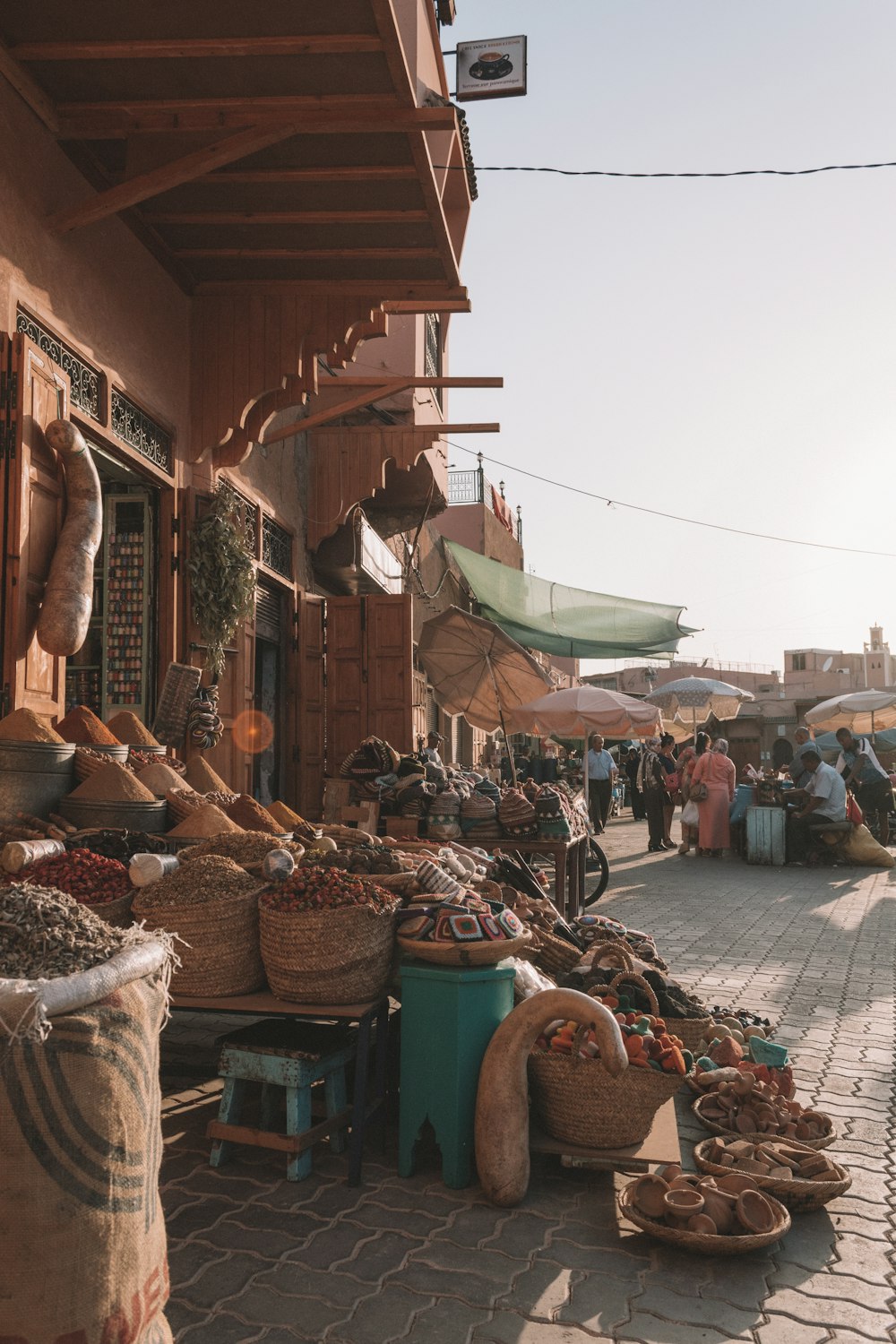
The UNESCO-listed walled old city founded by the Almoravids in 1070, centred on the Jemaa el-Fna square and the souks running north toward…
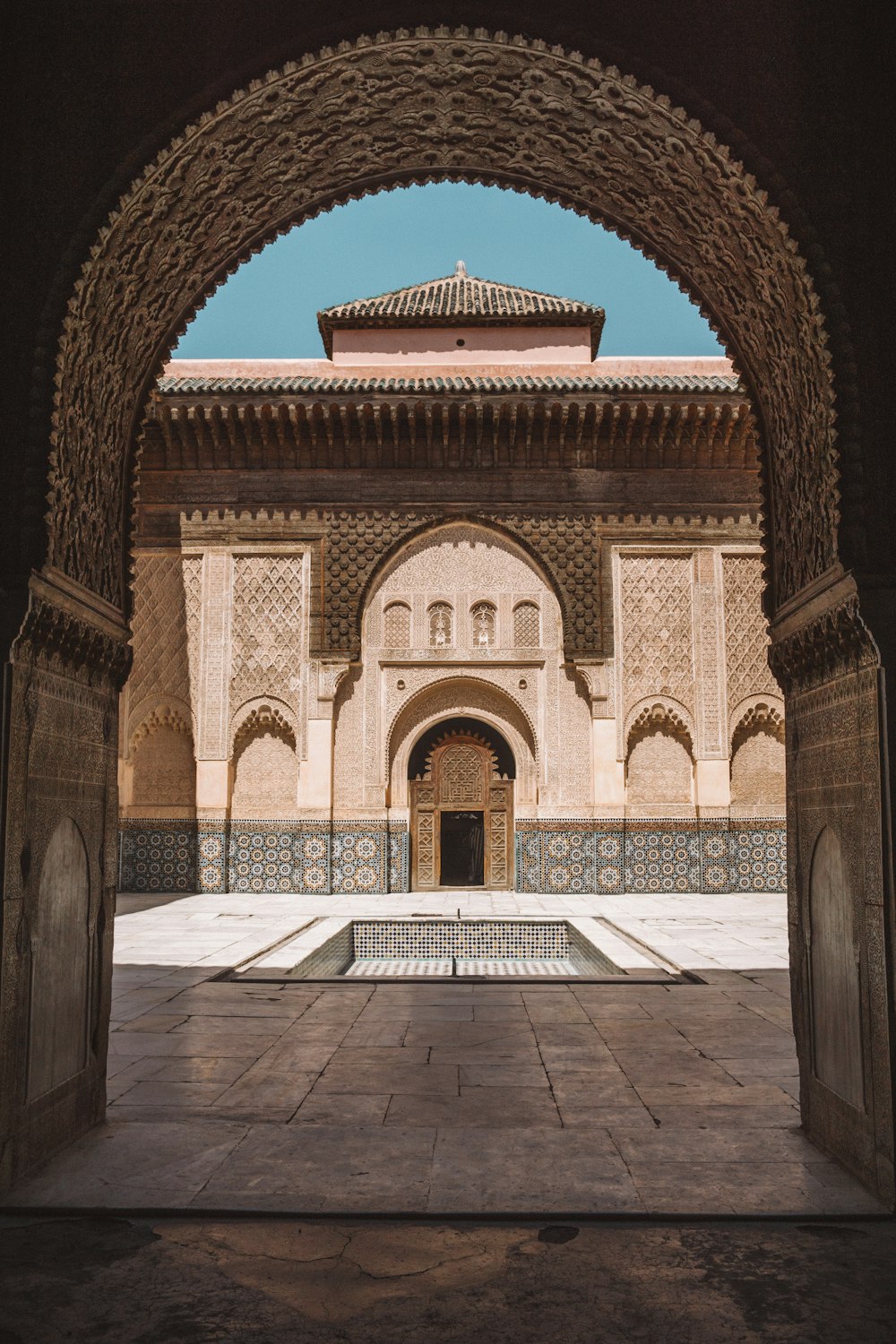
A sixteenth-century teaching college in the heart of the medina, restored by the Ministry of Habous and Islamic Affairs, with both its…
The official pages this guide was checked against.
Last updated