 Submit a photo
Ninety seconds on Ben Youssef Madrasa
Yes. The madrasa is a sixteenth-century teaching college, and visitors can walk both of its floors: the courtyard and its pool, the prayer hall, and the student rooms upstairs.
Individual visitors can go without a guide. Tourist groups must be led by a qualified, accredited tourist guide, with at most 30 people per group. Tickets are sold only at the entrance.
As of November 2026, the madrasa publishes two sets of hours. In the regular period it opens from 9 am to 7 pm every day, and during Ramadan from 9 am to 4:30 pm every day.
Standing at the opening of a student's cell, you look straight down on the courtyard pool and see how a teaching college of 134 rooms was lived in.
For four centuries students lived and studied here, and the upper floor still holds their rooms. They are tiny and ring small light wells. Many have no window to the outside and take their light through latticed screens or small openings onto the courtyard.
Below, the courtyard is a masterpiece in its own right, and its strict symmetry is what to take in before the detail. Galleries border it on every side, set around a shallow central pool.
Every section of those galleries carries patterned zellige, with geometric and floral motifs, and intricate carved stucco. The doors and ceilings are carved cedar. In the stucco, look for the pentagons among the patterns.
Walk the ground floor first, along the galleries to the prayer hall at the far end, which teachers and students used each day.
Then climb one of the two steep tiled staircases to the upper floor and look into the cells. Step out to the balustrades for the best views down over the galleries.
If the ground floor is crowded when you arrive, reverse the order. The upstairs passageways are often quieter, and the courtyard may have cleared by the time you come down.
The madrasa sits deep in the Marrakesh Medina, a 10 to 15 minute walk from Jemaa el-Fnaa through the souks, and the way is signposted. The entrance is on Rue Assouel.
Travel light. A large backpack is awkward in the narrow corridors and tight spaces inside, and on the stairs up to the cells.
Explore the rest of Marrakesh
Set on a plain below the Atlas, this imperial city holds a walled medina of souks, palaces and courtyard riads, and serves as the base for…
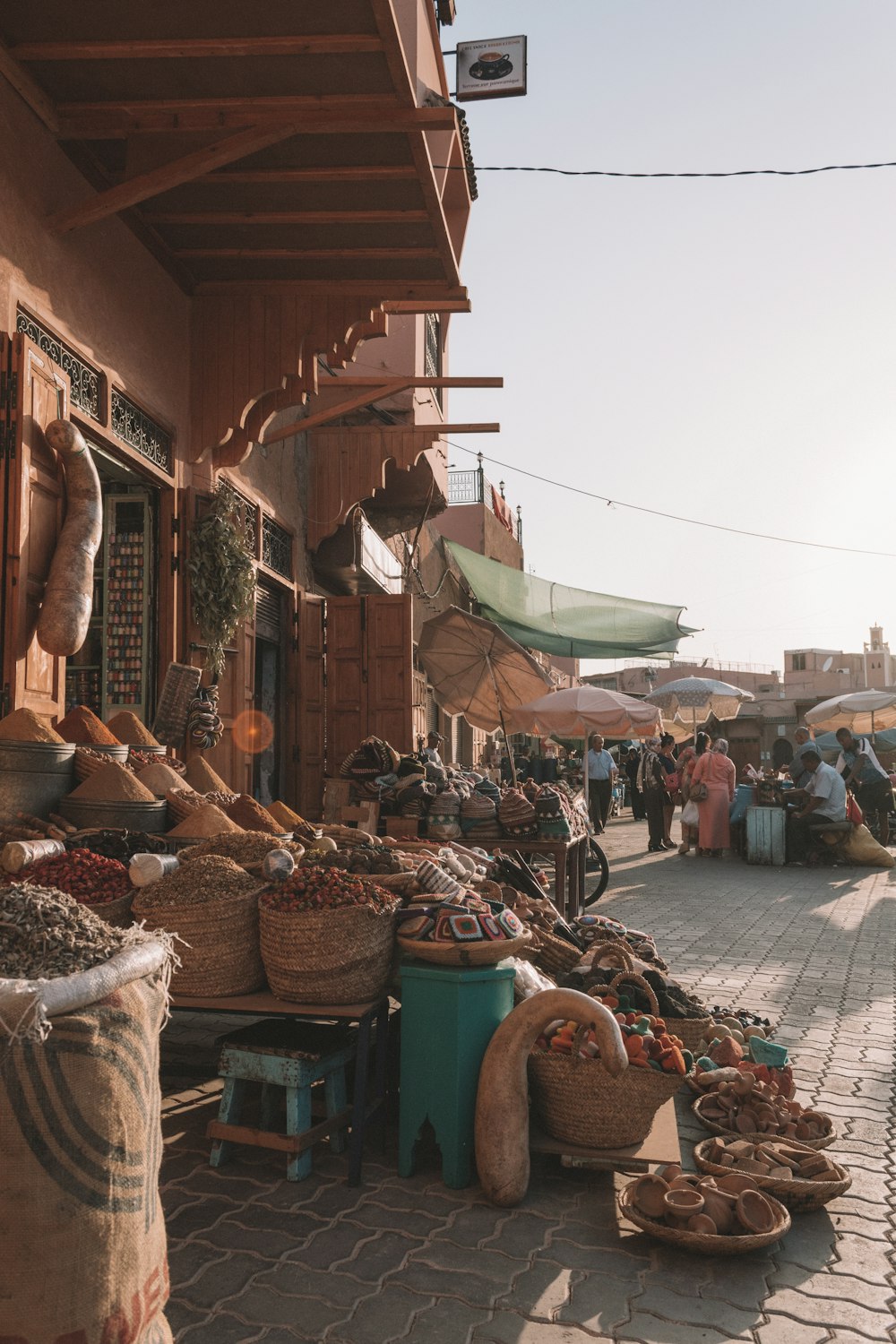
The UNESCO-listed walled old city founded by the Almoravids in 1070, centred on the Jemaa el-Fna square and the souks running north toward…
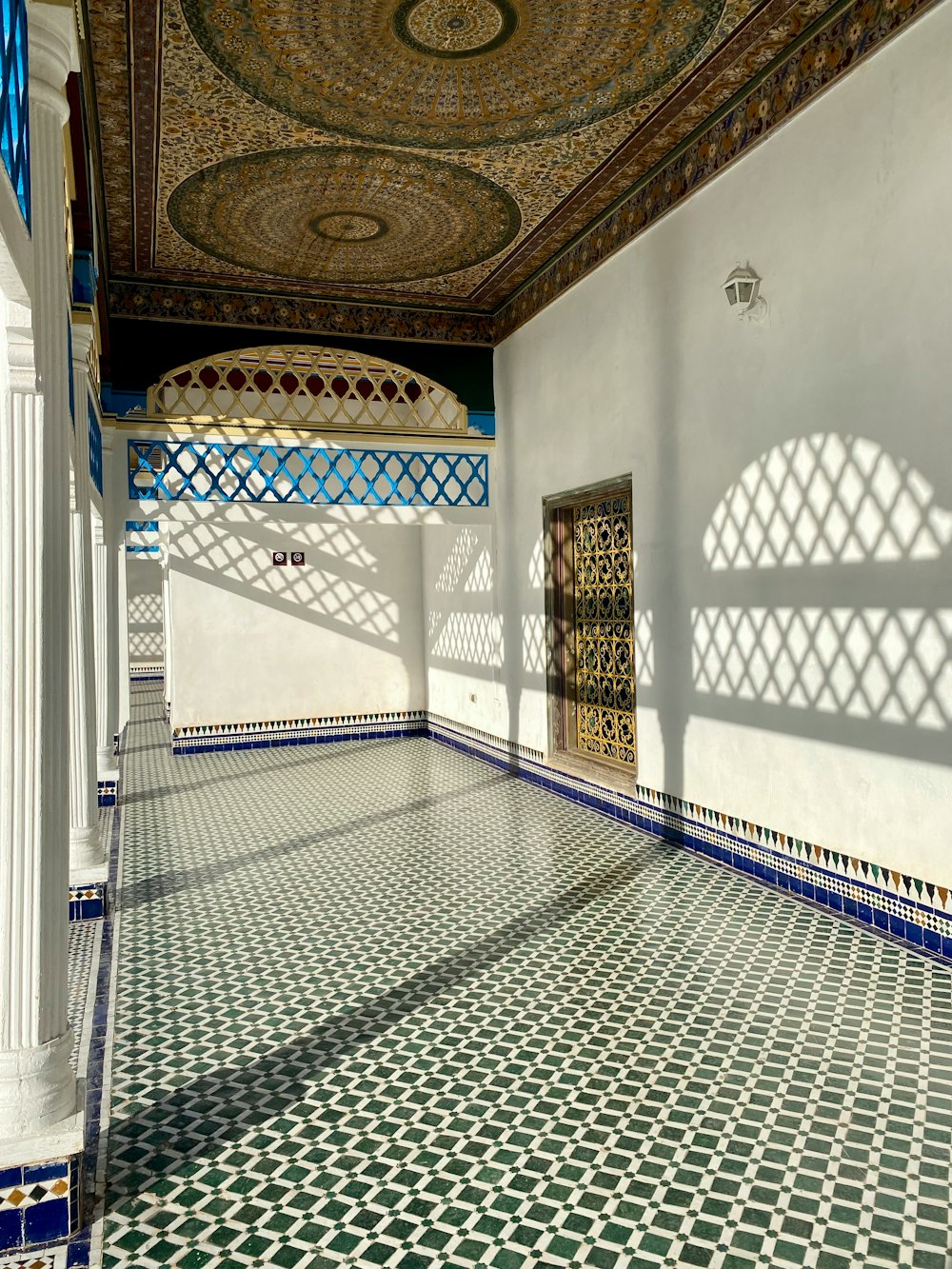
Late 19th-century palace built for Si Moussa and expanded by his son Ba Ahmed, grand vizier to the sultan, with roughly 150 rooms around…
Last updated