 Submit a photo
Ninety seconds on Groot Spitzkoppe
From Usakos, leave the tarred B2 for the D1918 gravel road towards Henties Bay. Turn onto the D3716 after about 18 kilometres, and follow it to the reserve. From Henties Bay, take the D1918 and turn left onto the D1925 for the western gate, about 15 minutes after the turn. Map apps can send drivers to the park's back entrance, so follow the road signs instead.
Entry to the Spitzkoppe Reserve is ticketed, with one permit issued per vehicle. Campers and glampers have the fee built into their accommodation rate, so a campsite booking covers entry. Day visitors receive a slip at the gate and pay for the ticket at reception.
Official hiking at Spitzkoppe now has to be done with a guide, and the San rock art at Bushman's Paradise can only be reached with one. Guides are paid with a tip rather than a fixed fee. Arrangements for the bigger hikes are made in advance at the community campsite reception, where the guide is collected.
Winter, from May to October, is the most comfortable time, with warm days and cool evenings. Summer brings intense heat on the rock by midday, and the rare rain can make the gravel roads hard going. The big walks suit the cooler months for that reason.
A day trip needs at least four hours, but it misses sunrise and sunset, the hours when the granite looks its best. A stay of two days or more leaves time to hike to the main rock arch without rushing.
The walk to the arch is an easy scramble over the granite, roughly 15 to 20 minutes long. Sunrise is one of the most famous times to sit beneath it, since the opening acts as a window onto the landscape.
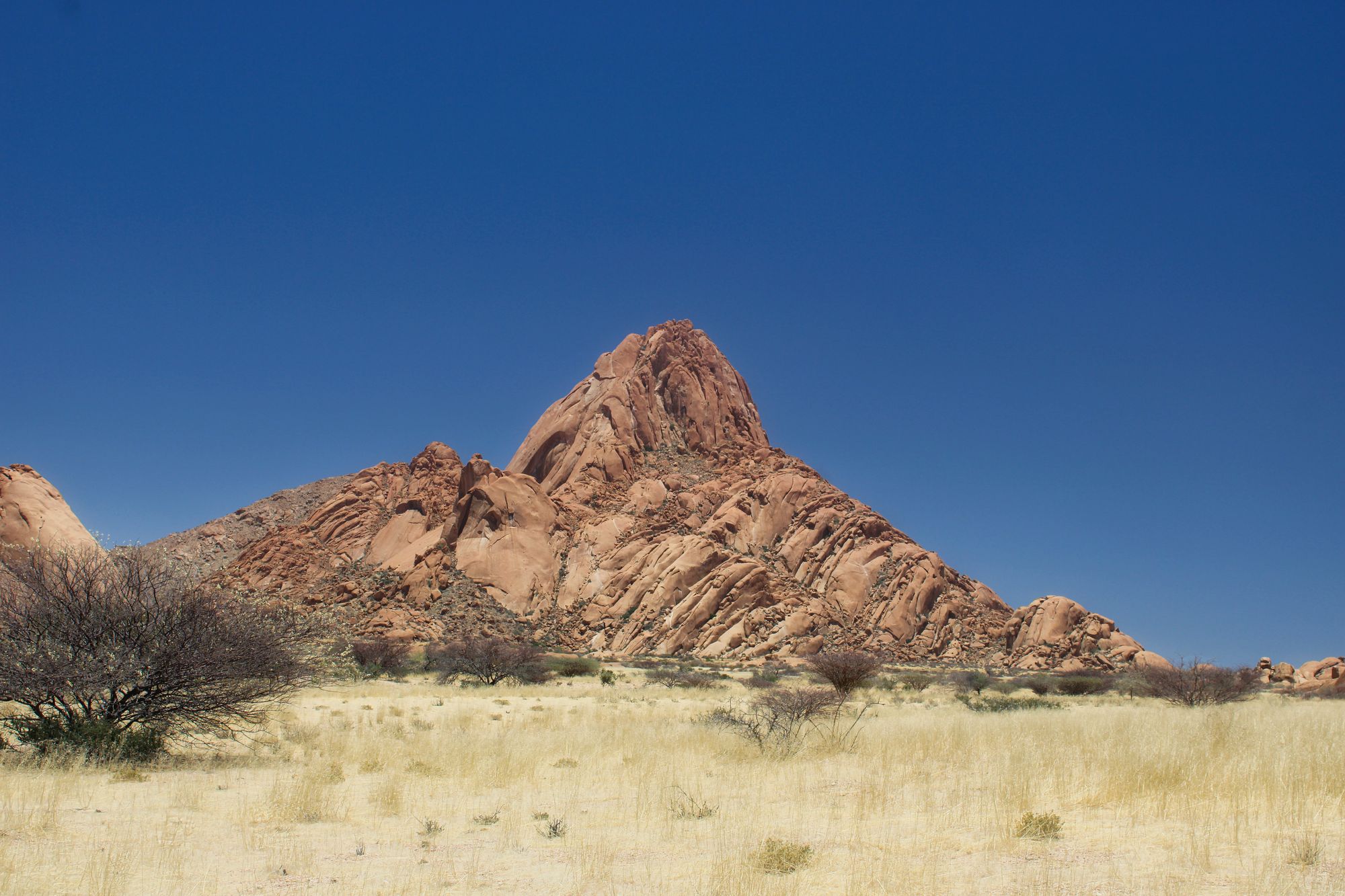
Groot Spitzkoppe's bare granite rises about 700 metres straight out of a flat gravel plain. Sleep at the campsite at its foot, and you can watch it turn orange and pink at sunset and again at sunrise.
Spitzkoppe is a cluster of bald granite peaks, called inselbergs, standing alone above the surrounding gravel plains. The granite is more than 120 million years old, and wind and chemical weathering have worn hollows and strange shapes into it all round the base.
The best known of those shapes is the Rock Arch, a natural bridge of granite reached by 15 to 20 minutes of easy scrambling. It is one of the best-known places at Spitzkoppe to watch the sunrise. Sit directly beneath it, and the opening frames the plain like a window.
Bushman's Paradise, a huge overhang in the eastern Pontok peaks, holds one of the finest known collections of San rock painting, among more than 40 San rock art sites recorded around the massif. Vandalism has destroyed much of the painting, and that damage is why the overhang can only be visited with a guide.
Groot Spitzkoppe itself is not a walk to the top. The guided hike is a committing, exposed scramble over loose rock that stops about 200 metres below the summit, and only rock climbers with their own equipment, booked in advance, go beyond it. If you are not a climber, the arch and Bushman's Paradise are the parts of the massif you can reach.
From whichever gate you enter by, drive on to reception at the main south gate, where you pay, collect an information sheet and arrange any guided walk. The 31 camping spots go to whoever arrives first; a chair or table left on a spot means it is taken. For the sunset, pick one on the mountain's west side.
The longer walks need a day's notice, so agree a time at reception, collect your guide there the next day and drive them to the start in your own car. By midday the heat on the bare rock is intense.
After dark on a clear night, the Milky Way and the Southern Cross stretch from horizon to horizon. The gates close at night, so you have to be camping inside the reserve to photograph the arch under the stars.
Buy all your groceries before you arrive, because there are no well-stocked shops nearby, and bring water in 5-litre bottles for drinking and cooking. The campsites have no running water, so you drive to the sinks at reception to wash up. Pack a headlamp, a high-factor sunscreen, a hat and light long sleeves, and download offline maps before you lose signal.
Explore the rest of Spitzkoppe
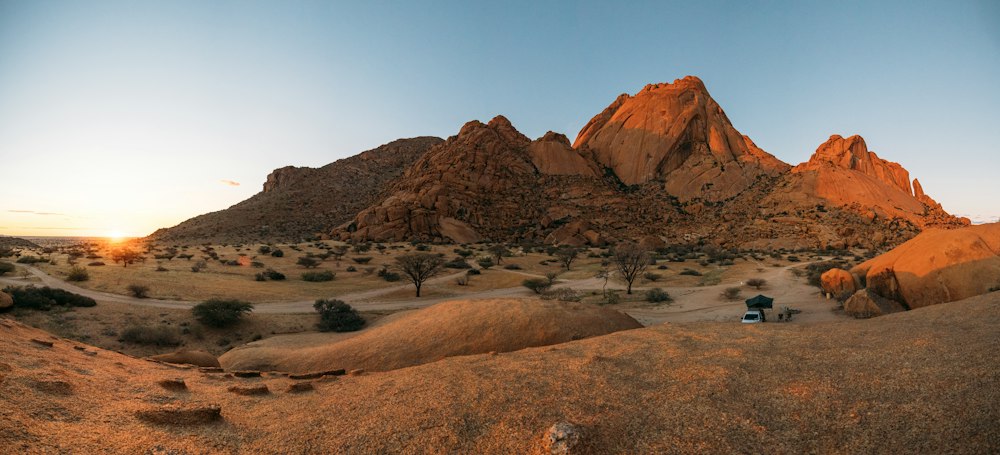
Pitches are scattered among the boulders with no neighbours in sight, run by the local conservancy and paying into it. Most have a long…
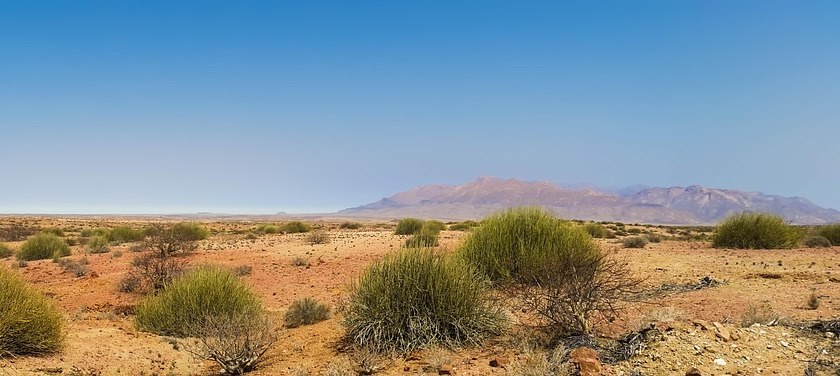
Halfway between Henties Bay and Khorixas, this old tin-mining settlement is the gateway to the Brandberg and the supply stop on the road…
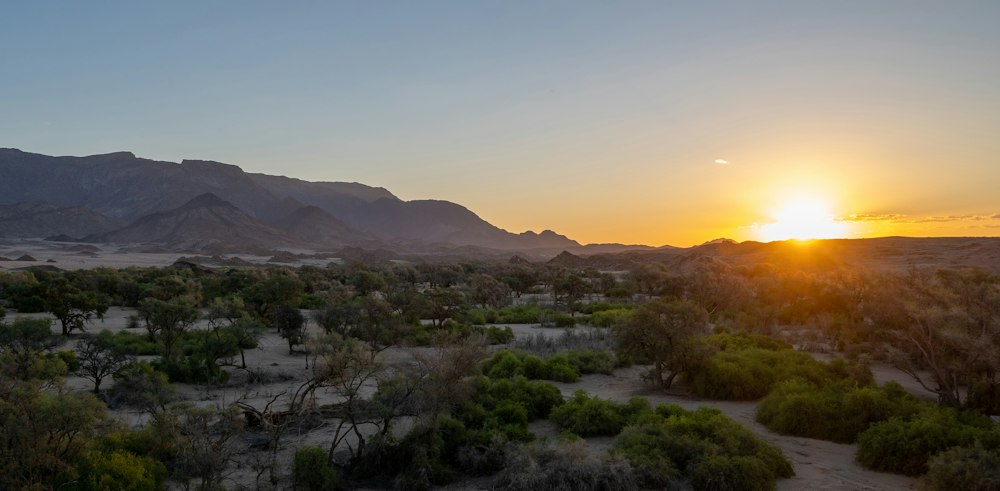
Namibia's highest mountain is one great massif, with its summit, Königstein, at 2,573 metres. Its core has been a National Monument since…
Granite domes stand some seven hundred metres above the gravel plain here, worked into arches and stacked boulders by a very long spell of…
Last updated