Ninety seconds on Pelican Point
Go out to the tip of the long sand spit that shelters Walvis Bay, where tens of thousands of Cape fur seals crowd the beach below a striped lighthouse. Pick the catamaran for an easy morning, or the kayak to sit among them.
Pelican Point is a long sandbar that reaches out from the coast and shelters Walvis Bay from the open Atlantic. The spit is the reason the town has a port at all: it forms the only natural deep-water harbour on Namibia's coast. On its inner side the water stays smooth even in a strong wind, and that sheltered water is where the kayak trips paddle.
The main sight is the Cape fur seal colony near the tip, a dense mass of animals in constant motion along the beach and in the shallows, with birds working the shore around it. You hear the barking well before the colony comes into view, and it grows louder the closer you get.
Above the colony stands the lighthouse, a round cast-iron tower 34 metres high, painted in horizontal black and white bands and topped by a lantern and an open gallery. It was inaugurated in 1932, and today the building runs as accommodation.
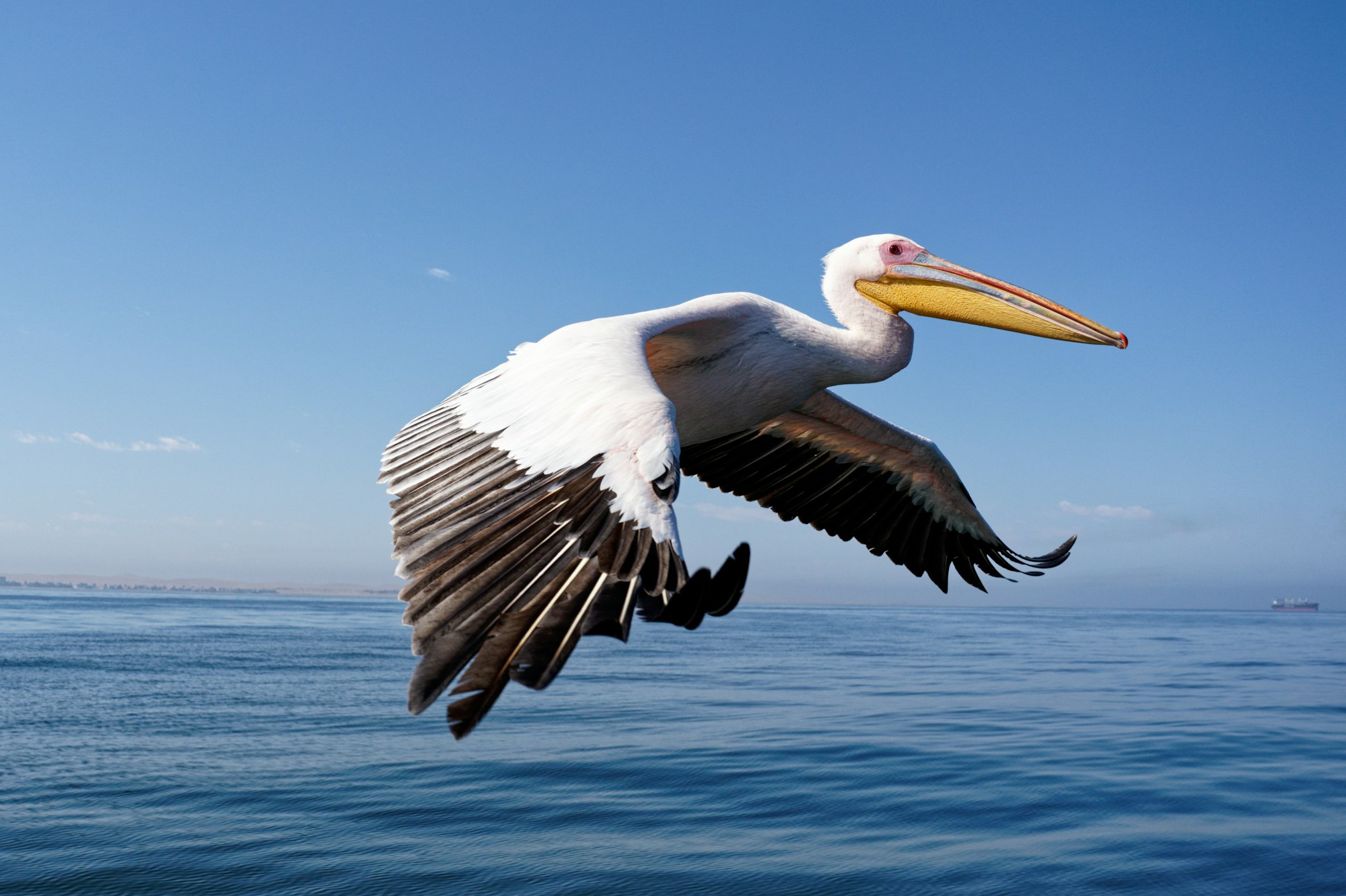
The way out follows Walvis Bay Lagoon, a protected wetland inside Dorob National Park, where birds feed along the shore.
Four kinds of trip reach the point, and all of them start in Walvis Bay. On the morning kayak trip you meet the guide at 8am, follow the guide vehicle out in your own 4x4, then paddle from near the lighthouse to the colony for an hour to an hour and a half. Tea and a snack follow, and you are back in town by half past twelve.
The catamaran leaves the Walvis Bay Waterfront and reaches the colony in about 45 minutes, with a paddle among the seals as an option and a picnic served on board on the sail back. The 4x4 safari leaves the same waterfront daily at 2pm in the guide's vehicle. It follows the spit to the colony, where you get out and walk along it.
The fourth way is on foot, in the morning, along the western edge of the lagoon. Near the end of the walk the route crosses a stretch of shallow water, which comes to just below the knee.
Pick the kayak if you want to sit on the water with seals around the boat; no paddling experience is needed. Take the 2pm 4x4 if you would rather stay on land and walk along the colony.
If birds matter to you as much as the seals, take the walk and ask for it to be led by a local bird expert.
Book any trip on the water for the morning, because the bay is usually calm only until about one in the afternoon. Bring a warm layer as well: fog sits over the point on some mornings, and a bracing breeze sometimes comes with it.
On the walk, carry a sunhat and sunscreen for the open sand, and water shoes unless you are happy to wade barefoot. Ask your guide when the crossing is shallow enough, since at higher water it is too deep. Keep your distance at the colony and watch the seals rather than walking up to them.
Explore the rest of Walvis Bay
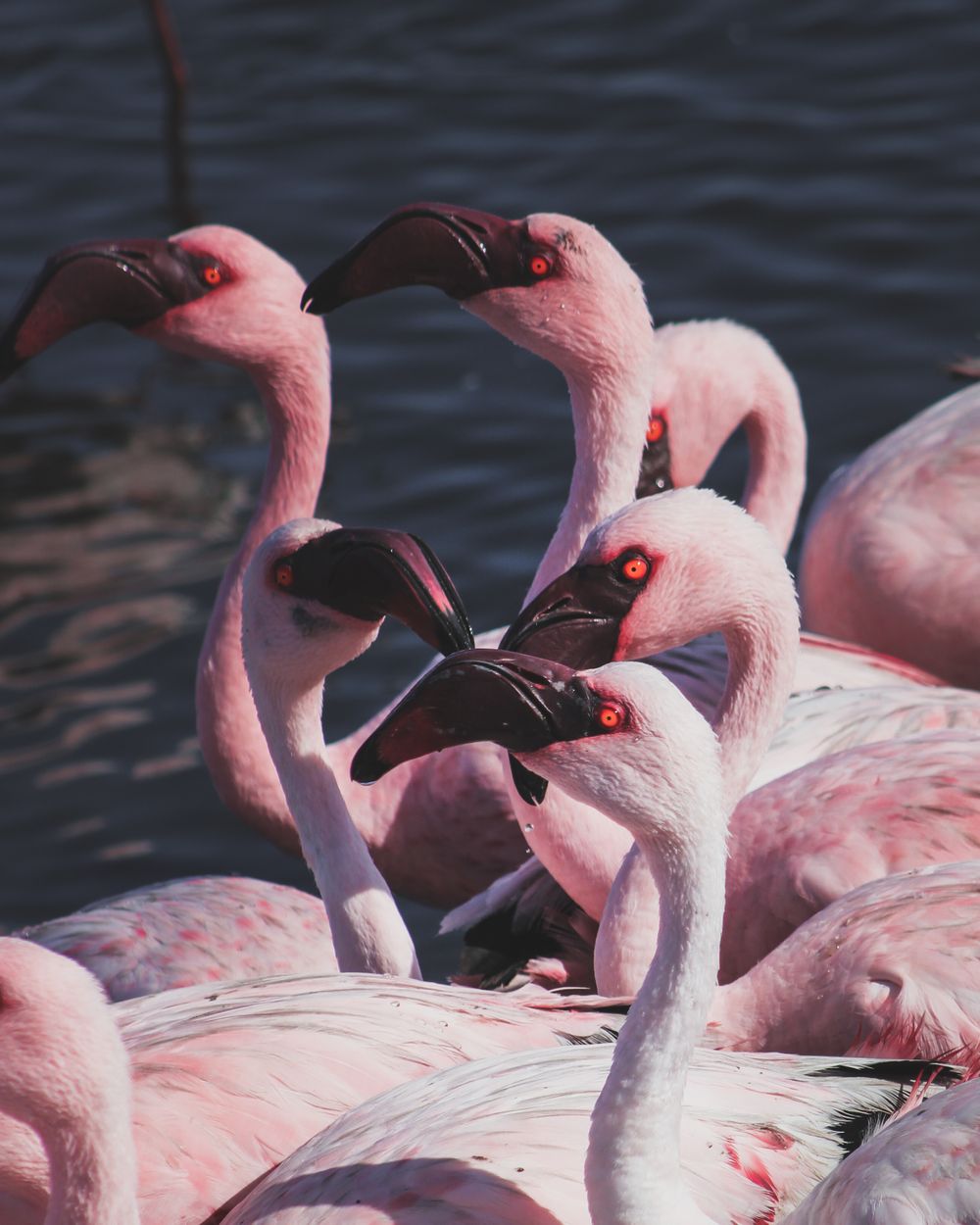
Man-made pools beside the C14 at the edge of Walvis Bay, one part of a wetland that also takes in the lagoon and the salt works. Flamingos,…
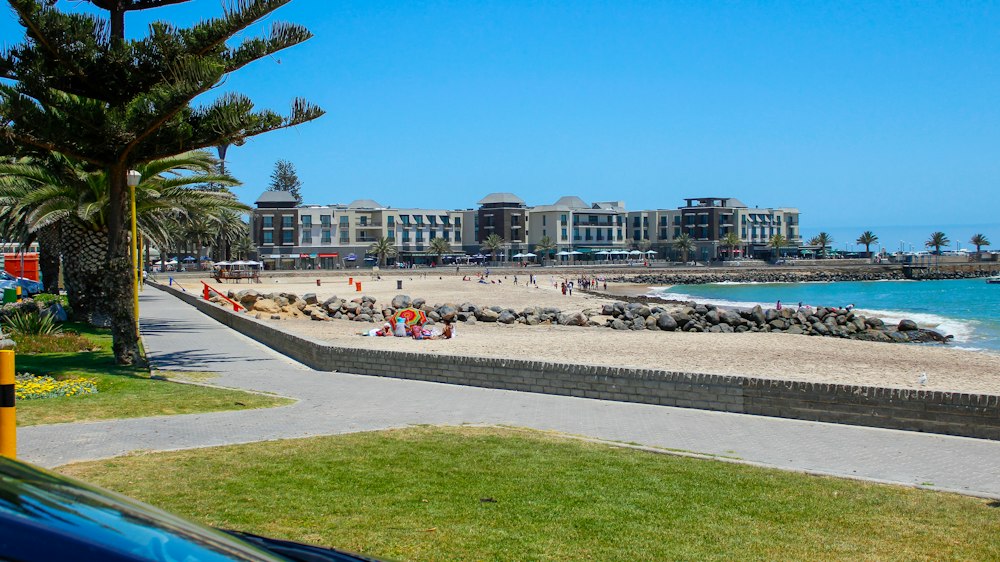
Housed in the old customs building at the Mole, Namibia's largest private museum covers the country's plants, animals and minerals, its…
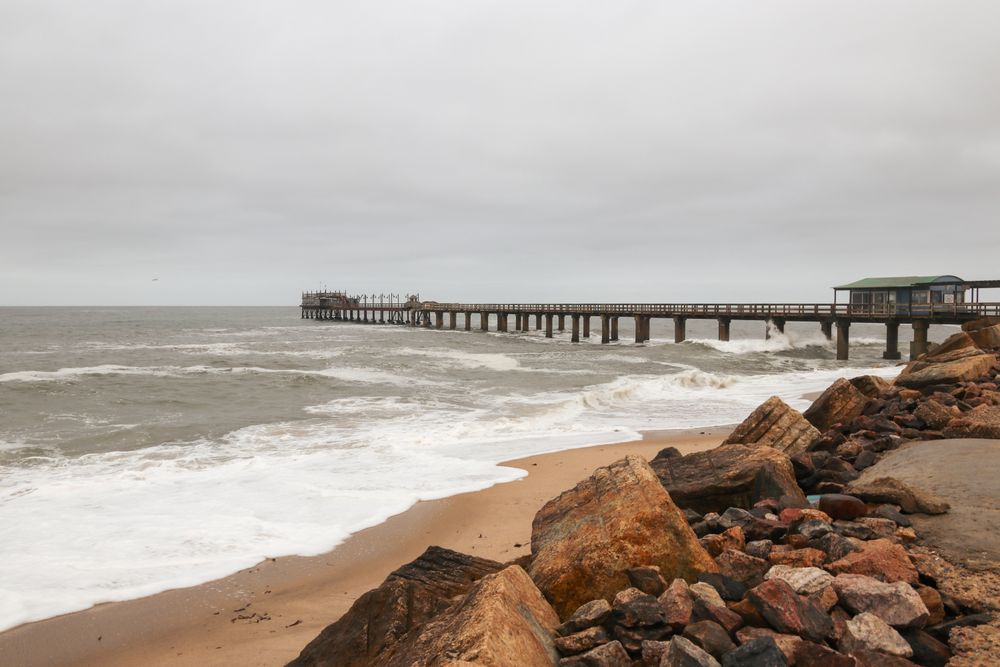
German colonial streets run down to a cold Atlantic here, and the town has served as Namibia's holiday coast since the railway reached it.…