Ninety seconds on Walvis Bay Bird Sanctuary
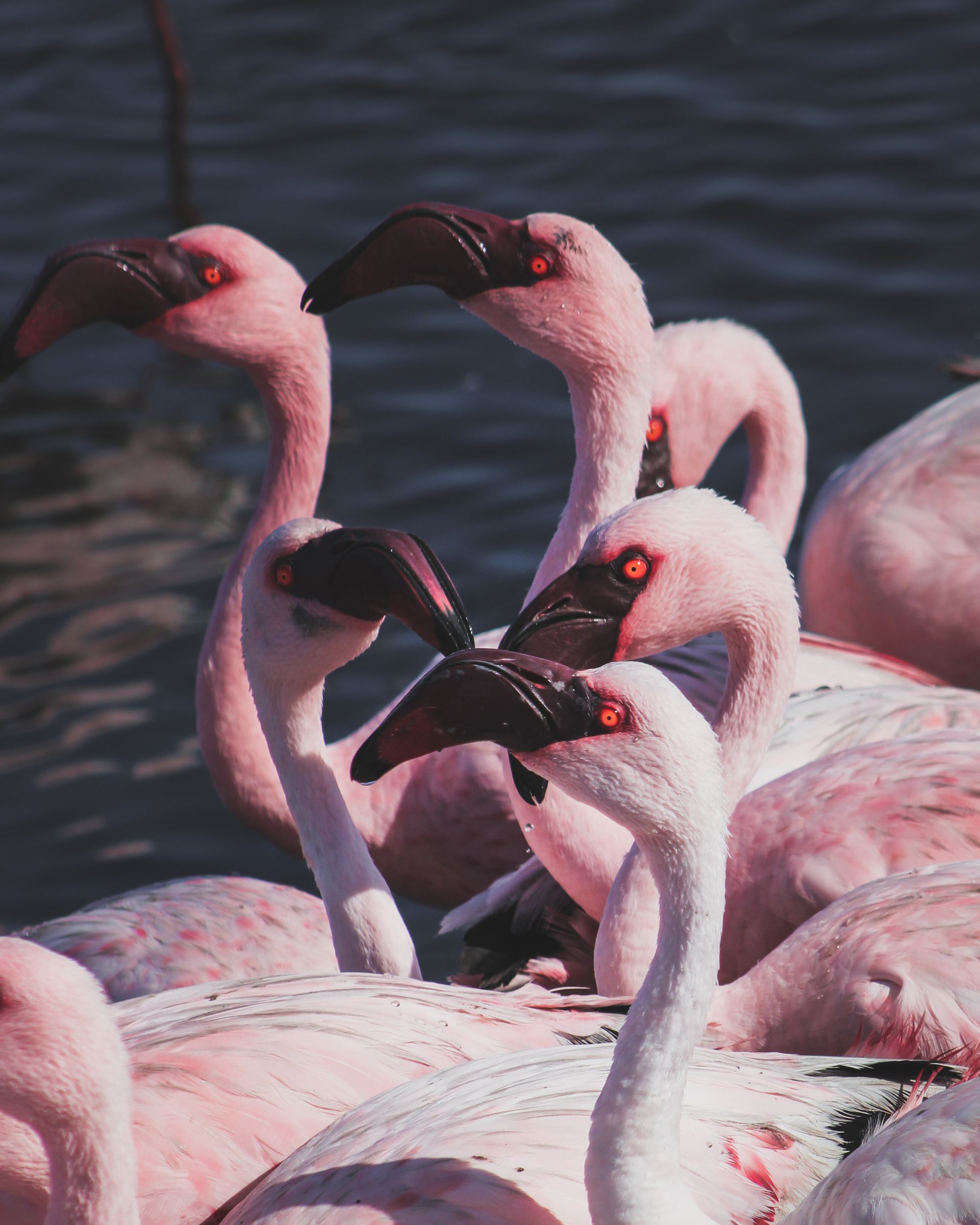
From June to August, most of the flamingos in this part of Africa feed on the Walvis Bay lagoon, close to the town esplanade. Start there on foot, then drive out to the sanctuary pools on the C14 for pelicans and small waders.
The sanctuary is a set of man-made pools, dug so the birds would have water at the edge of the Namib. With the lagoon and the salt pans it forms the Walvis Bay Wetlands, on the delta of the Kuiseb River. In summer the wetland can hold around a hundred thousand birds.
The flamingos are the sight you come for. They feed in groups of thousands across the shallows. Among them, look for pelicans, and on the mud at the water's edge for smaller waders: ruddy turnstones, little stints and curlew sandpipers.
The artificial salt pans at the southern end of the lagoon regularly hold more than half the birds in the whole wetland.
Start on the esplanade at the edge of town in the morning. The shore path runs beside the lagoon, so walk at your own pace and you can get close to the flamingos on foot.
Then drive to the sanctuary pools on the C14, which you meet coming from Walvis Bay or Swakopmund. From the road alone you will already see flamingos and other birds.
Park beside the pools, check for any charge, and take the short nature walk round the water. Anywhere along the road, pull over only where it is safe to stop and photograph the birds.
A guide is optional if you have a car or a bed in town. If you have a single day in Walvis Bay, for instance off a cruise ship, book an excursion instead, so the driving and the timing are taken care of.
Bring a jacket even in summer, because the wind off the ocean is cold. If you want photographs, aim for sunrise or sunset, when the low light turns the water gold and the pink of the flamingos is at its strongest.
Explore the rest of Walvis Bay
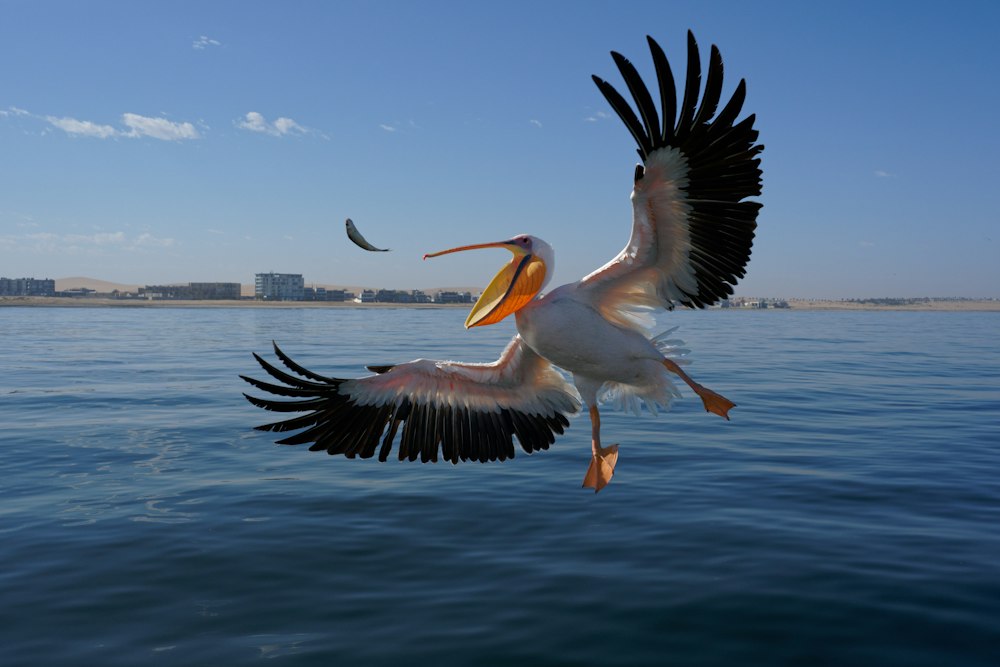
Namibia's deep water port works at one end of this town and a Ramsar wetland at the other. South Africa held the enclave until 1994, four…
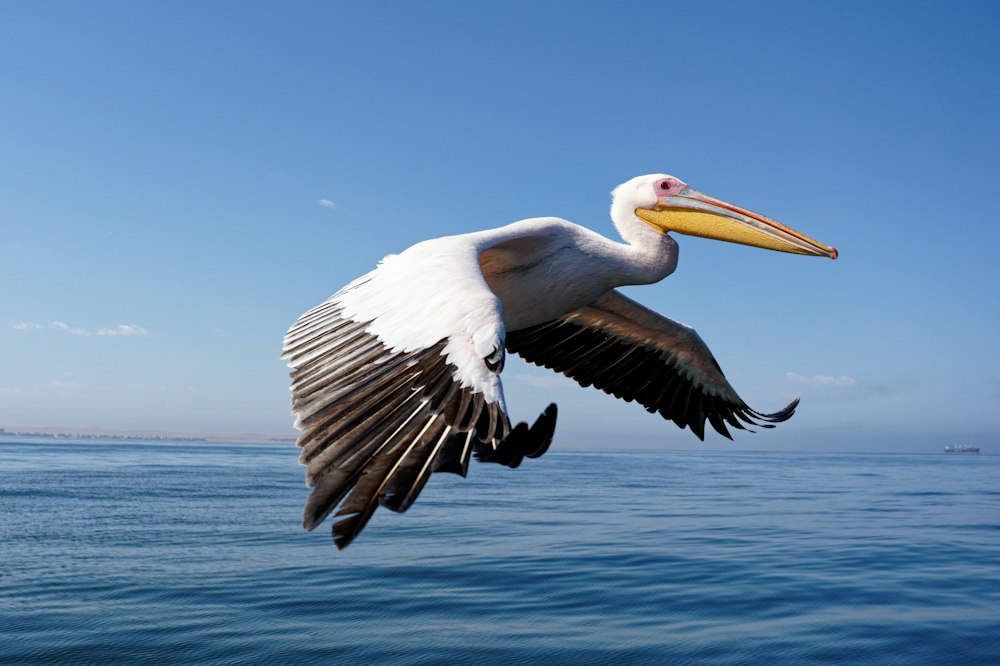
A long sand spit shelters Walvis Bay and ends at a black-and-white lighthouse, with a Cape fur seal colony of tens of thousands spread near…
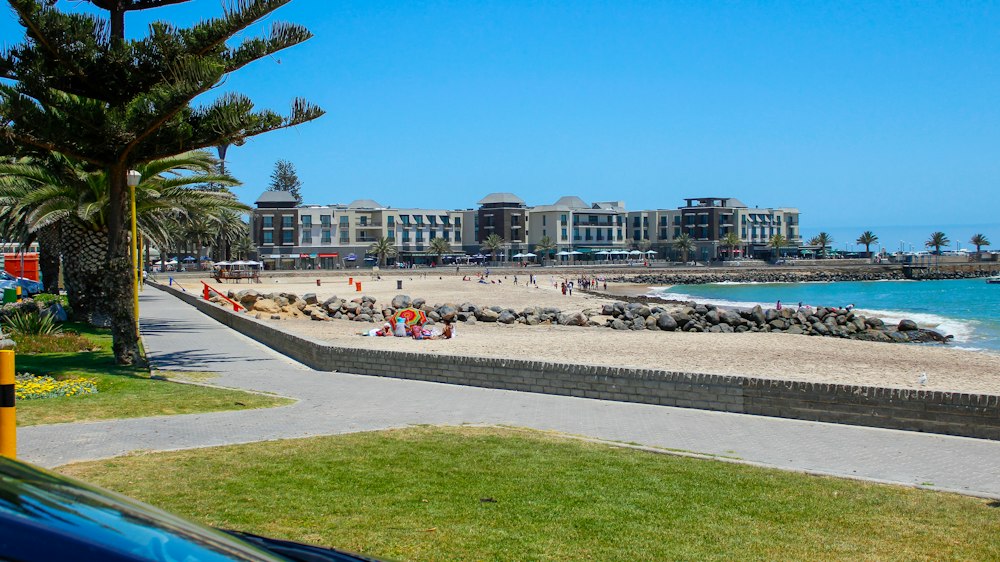
Housed in the old customs building at the Mole, Namibia's largest private museum covers the country's plants, animals and minerals, its…