 Submit a photo
Ninety seconds on Swakopmund Museum
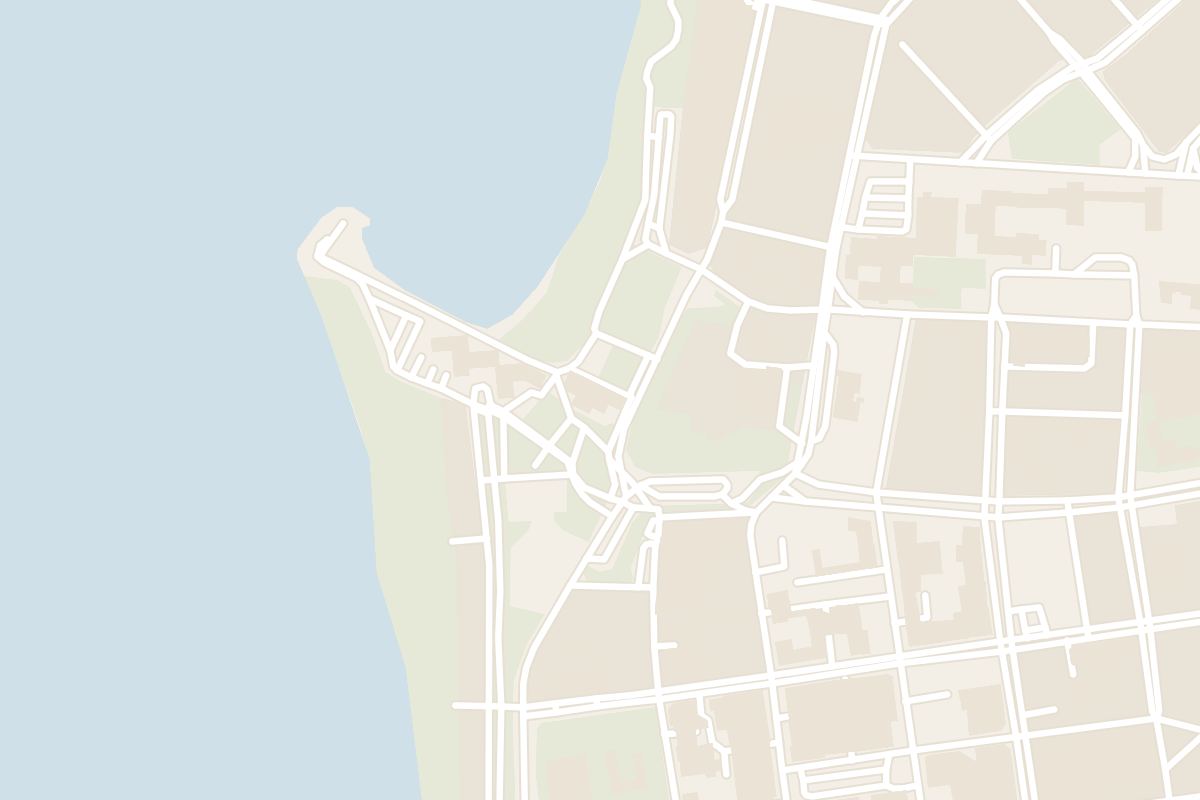
The museum stands at the Mole on the Swakopmund seafront, between the lighthouse and the beach, a short walk from the town centre. Its door faces the ocean, although the postal address is Strand Street at the back. Cars can be left on Ludwig Koch Street below the lighthouse.
The Swakopmund Museum opens every day of the week, Monday to Sunday, from 10am to 5pm. The same daily hours apply through November and the rest of the year.
Allow between 45 minutes and two hours. A selective look at the main hall, the minerals and the seal scenes fits the shorter time, while reading every room fills the full two hours.
Yes. A member of the museum team leads tours for groups of up to ten, charged on top of entry. They are arranged with the curator and need booking at least a day ahead.
Yes. The building is wheelchair friendly, and the front desk lends a wheelchair on request. Tours in Namibian Sign Language can also be arranged with two to three days of notice.
The mineral cases, strong on specimens from Tsumeb, are the headline. Dioramas place the seals of Cape Cross beside coastal birds and desert scenes, and the Dunedin Star display is built around a broken propeller from a plane lost in the rescue.
The Namib's minerals, its desert animals and a display on the Cape Cross seal colony all sit in one building on Swakopmund's seafront. Come on a fog day, and see the displays before you drive out to find the real seals.
Namibia's largest privately run museum fills the rebuilt shell of the old Imperial customs station on the seafront, so the building is the first exhibit. Inside, dioramas set the Cape Cross seals, the shore birds and the desert side by side, the quickest way to see how the Namib and the Atlantic meet.
Slow down at the mineral cases. Many of the best specimens come from the mining at Tsumeb, and amethyst geodes sit nearby, as does an enormous elephant and hippopotamus skull. A separate room covers the mining operation at Rössing.
Give the medical rooms a careful look. The original fittings of the old Adler Pharmacy are here, down to a cash register that rang up sales in Marks and Pfennigs, and in the same rooms stands a folding dental chair that travelling dentists carried out to emergencies in the field.
The Dunedin Star display tells of a ship beached on the Skeleton Coast and the rescue that followed, and its centrepiece is the broken propeller of a plane lost in that operation. In the People of Namibia hall, baskets, headdresses, amulets and ostrich eggs fill the shelves.
Walk in from the beach side, where the entrance faces the ocean, and ask at the front desk about entry. There is no set route, and most labels are in English and German, with some in Afrikaans.
Start in the main hall, where horse-drawn carriages, an early ox-cart and an old Land Rover stand among mounted animals, from a rhino and a zebra to a cheetah and a brown hyena. The hall below holds more natural history, an original ox wagon and military memorabilia.
Smaller rooms keep a colonial dining room and kitchen, cabinets of old telephones and toy cars, and a brewing display with a scale model of a German brewery. Ask at the desk if you want one of the documentary films screened. The shop sells books, postcards and stamps, and the cashiers will point you to the red post box.
Be selective, because not every section will hold you, and the visit stretches or shrinks with the number of rooms you give your time to. The darkest chapter of the colonial story is only hinted at on a timeline panel, so do not come expecting a full account of it.
Talks and events run alongside the permanent exhibition, so ask at the desk what is on during your stay.
Explore the rest of Swakopmund
German colonial streets run down to a cold Atlantic here, and the town has served as Namibia's holiday coast since the railway reached it.…
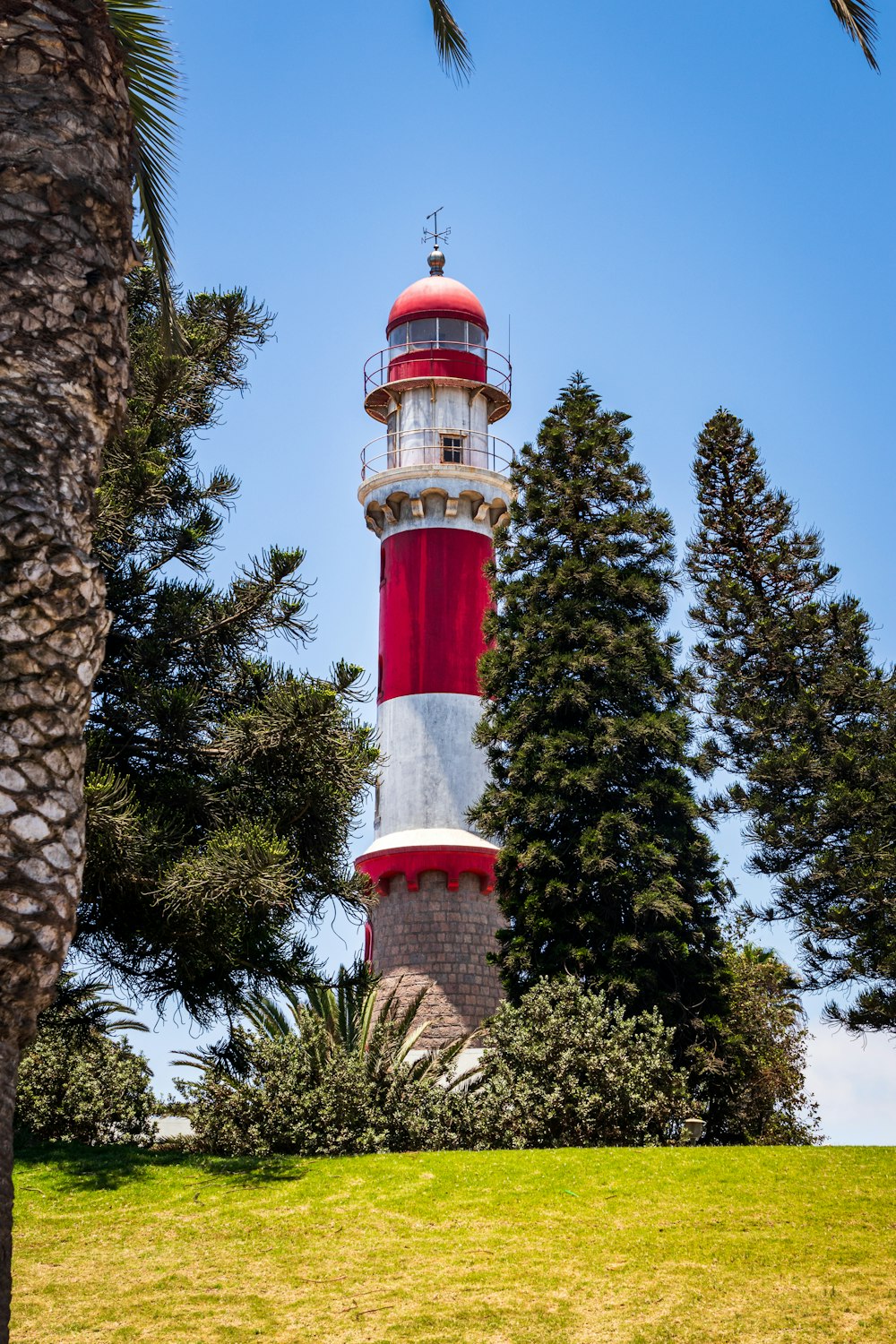
Red and white bands and a red lantern make this conical tower the landmark of the Swakopmund seafront, seen above the low roofs from most…
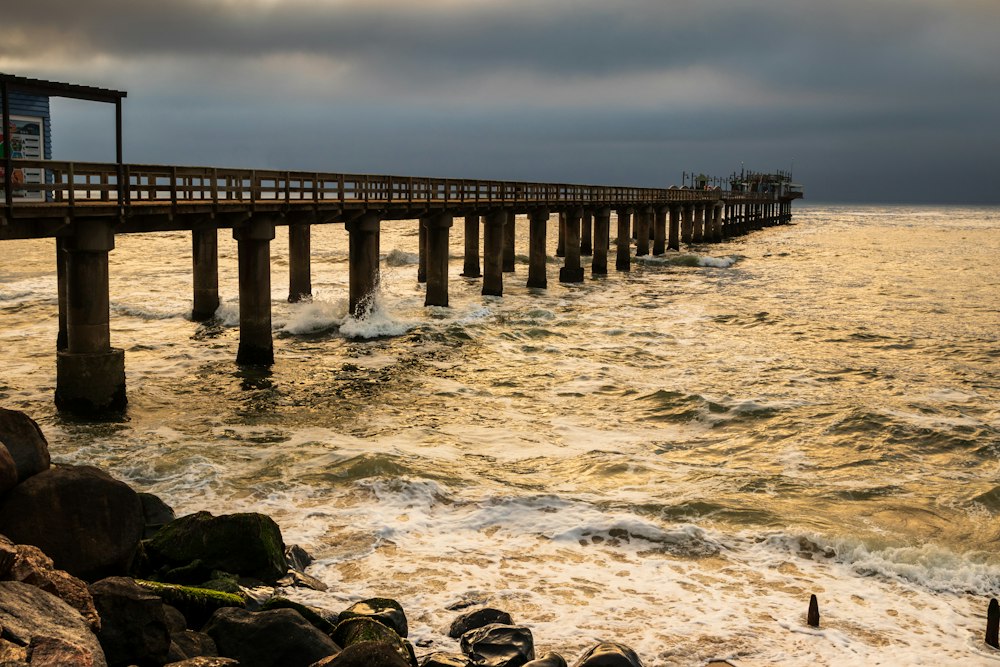
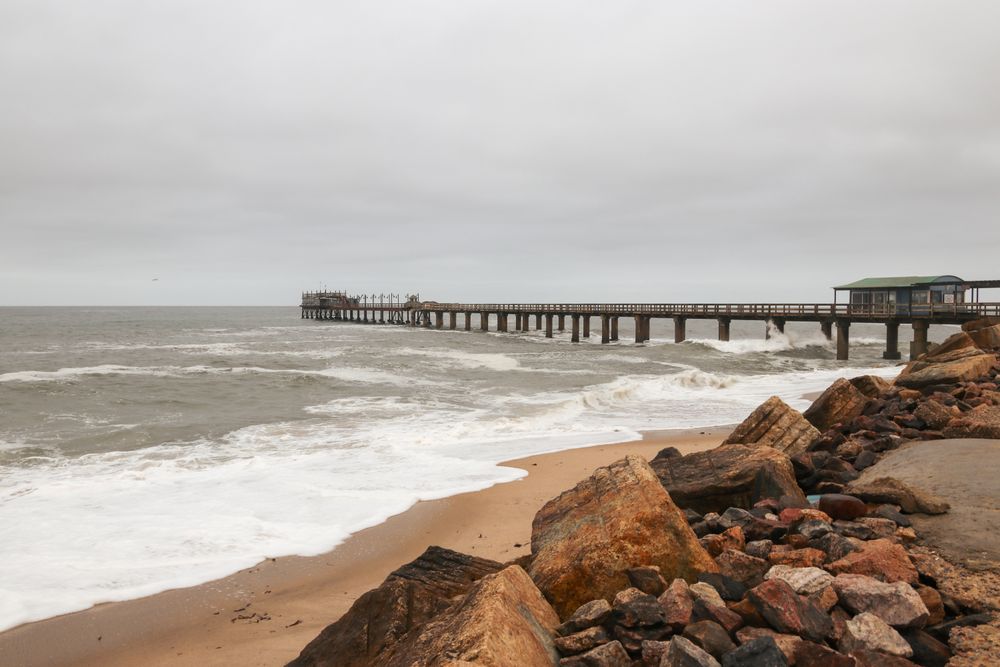
Iron and concrete replaced the first wooden pier in 1912, and the jetty now runs out over the surf with a restaurant at its seaward end.…
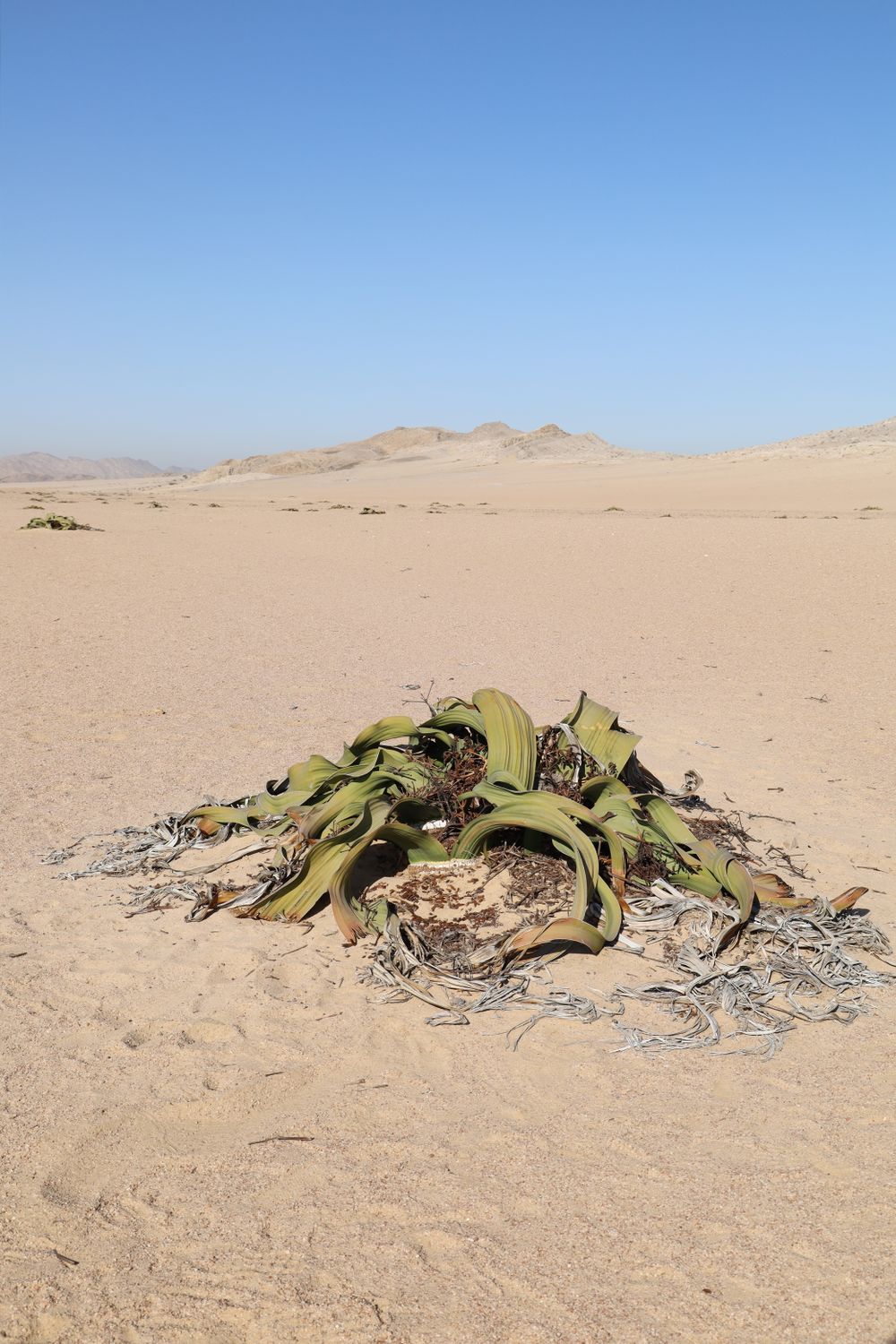
A marked gravel route east of Swakopmund into the Namib-Naukluft, with numbered beacons past lichen plains, the Moon Landscape and a black…
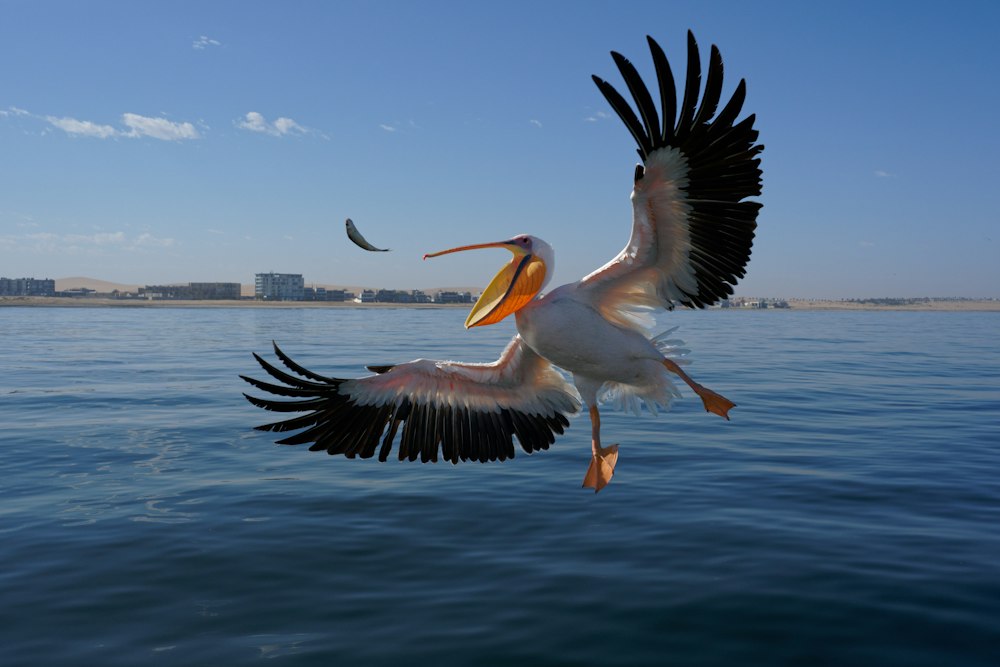
Namibia's deep water port works at one end of this town and a Ramsar wetland at the other. South Africa held the enclave until 1994, four…
A small reptile centre in Swakopmund, running for three decades, with more than 60 animals of at least 40 species behind glass, among them…
A long sand spit shelters Walvis Bay and ends at a black-and-white lighthouse, with a Cape fur seal colony of tens of thousands spread near…
Man-made pools beside the C14 at the edge of Walvis Bay, one part of a wetland that also takes in the lagoon and the salt works. Flamingos,…
Last updated