 Submit a photo
Ninety seconds on Jugendstilsenteret
In November, as through the whole October to April season, the museum is open 11:00 to 16:00 from Tuesday to Sunday and shut on Mondays. From May to September it opens daily, 10:00 to 17:00. It also shuts on New Year's Day, on 1 and 17 May, from 23 to 26 December and on New Year's Eve.
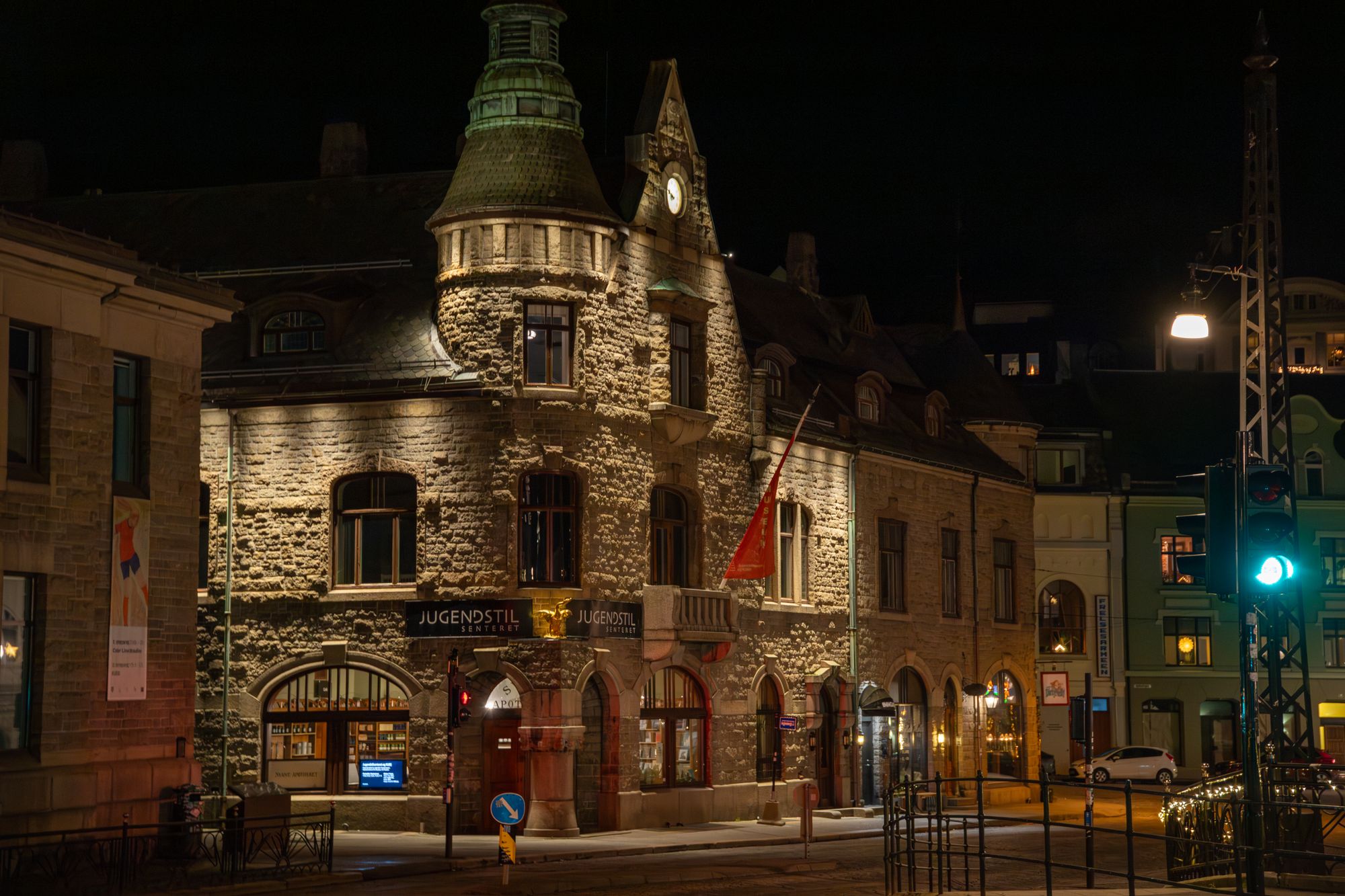
The museum stands in central Ålesund, on the street that faces the canal. A bus stop sits directly across the road from the entrance, so the door is only a few steps from the bus.
A wheelchair cannot get through the front door, which is too narrow, so the second door at the rear of the building is the route to use. Staff operate a stairlift there, and it reaches all floors. Accessible toilets are in both buildings, and a disabled parking space sits behind the museum.
Entry is ticketed, and visitors under 18 go free. A ticket for a Saturday or Sunday visit also covers the Fisheries Museum, so the weekend suits anyone who wants to see both.
It is a small museum, and its rooms make a short visit rather than a day out. KUBE, in the 1906 Noregs Bank building, is separate and needs time of its own.
The upper rooms include the family dining room in light oak, untouched since it was fitted, plus a lounge and a bedroom that were typical of the era. The galleries hold textiles and silver by Norwegian makers such as Frida Hansen and Gerhard Munthe.
Before you spend the day looking up at Ålesund's art nouveau facades, come inside the old Swan Pharmacy. It holds the best preserved art nouveau interior in town, and you walk through the style room by room.
The building is the old Swan Pharmacy, finished in 1907 as both the town's pharmacy and the pharmacist's home. Here the shop, the stair hall and the family rooms above are still fitted out as they were.
Start with the pharmacy itself, where carved wooden cabinets, period lamps and a silver cash register fill the shop. Upstairs, the family's light oak dining room has never been refitted. A stained glass window tucked under the staircase lights the hall, so look down at it as you climb.
Two more rooms are dressed as a lounge and a bedroom of the period. Stop at the bedroom set in solid mahogany, inlaid with patterns in other woods.
The upper galleries show applied arts: textiles, silver, enamel, glass and furniture by Norwegian makers including Frida Hansen, Gerhard Munthe and Gustav Gaudernack. It is a small museum, so take the cases slowly and look closely at the detailing on the silver and glass.
Buy your ticket at the desk in the ground-floor shop, which is the old pharmacy and also the museum shop. From there the route is self-guided: take the stairs up through the family rooms, then the period lounge and bedroom, then the galleries.
Travellers have described a small café run on trust: make your own drink, then tell the desk what you had. Check how it works on arrival.
KUBE, the county art museum, is in its own building, the former Norges Bank branch. Ask at the desk whether your ticket includes it, and keep it for last.
Pair the museum with Aksla, the viewpoint above the town. Climb the 418 steps from Byparken, the town park, then visit the museum after.
If you would rather not climb, a taxi or a car reaches the top by road, and a hop-on, hop-off bus ticket includes the ride.
Ålesund, and further afield
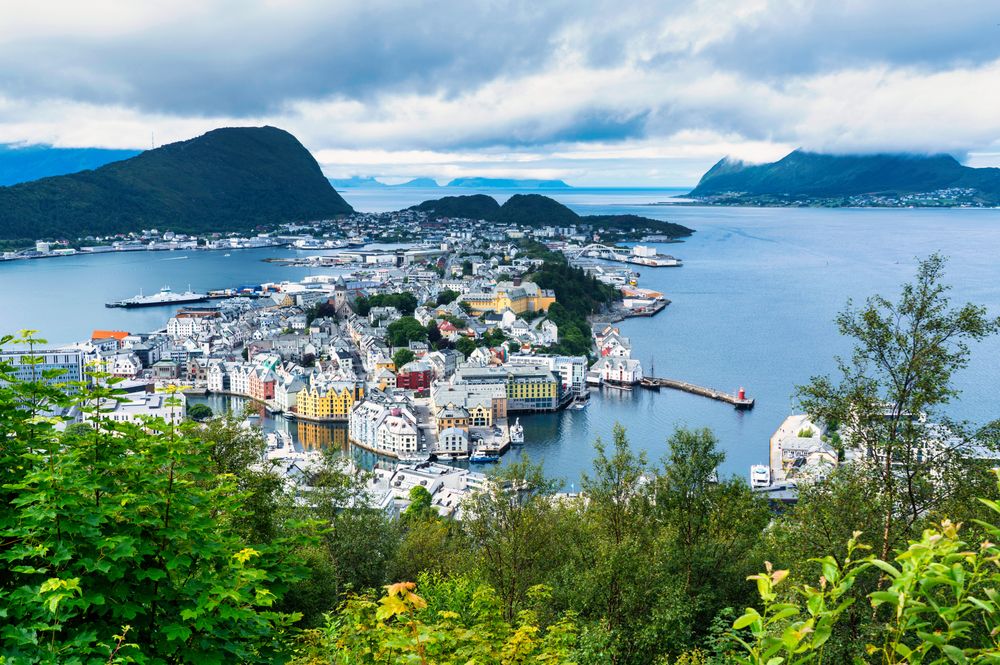
A port town spread over islands on Norway's outer coast. A fire in January 1904 destroyed nearly 850 houses, and the centre was rebuilt in…
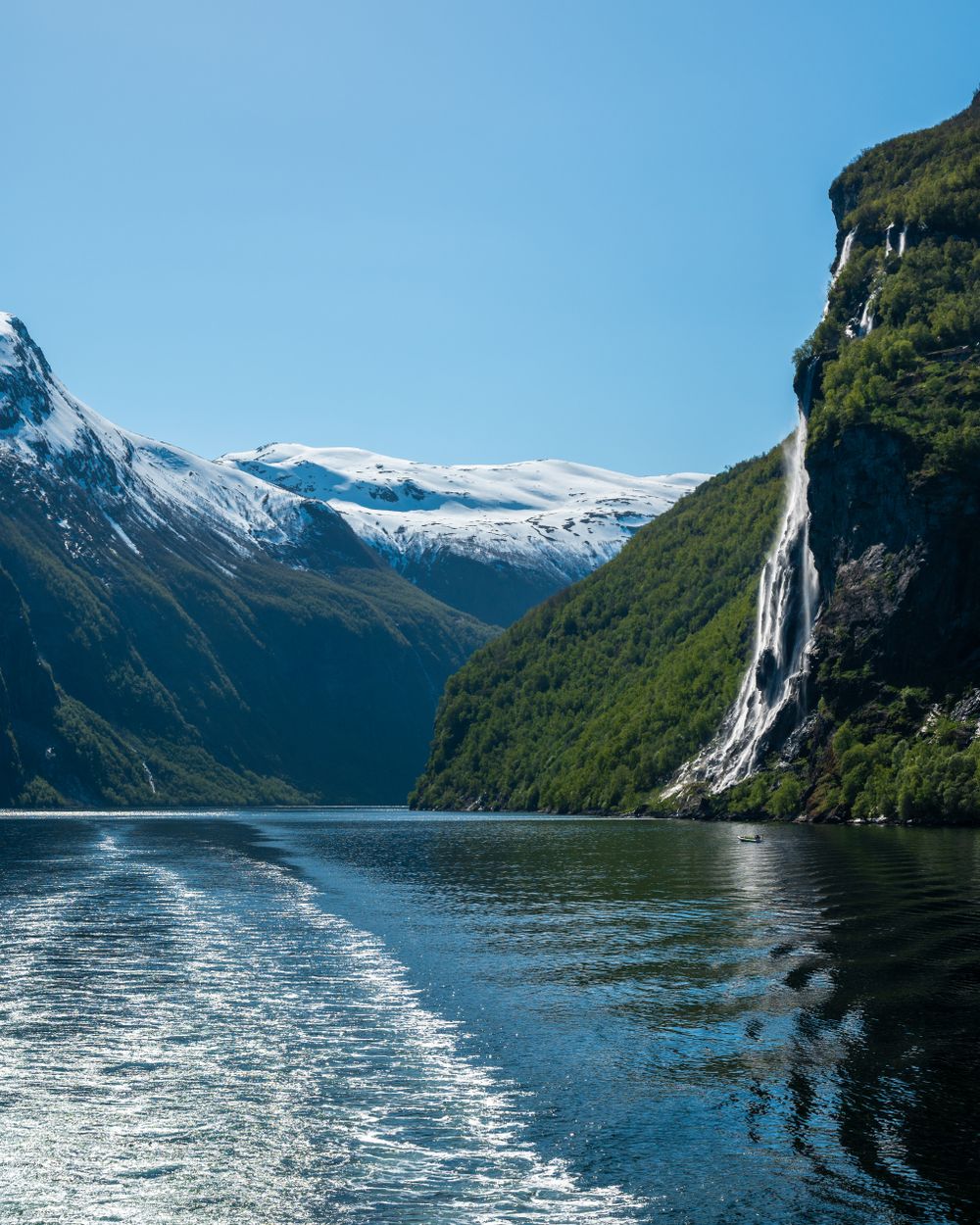
Seven separate streams that come over the north wall of the Geirangerfjord side by side and fall around 250 metres to the water, known in…
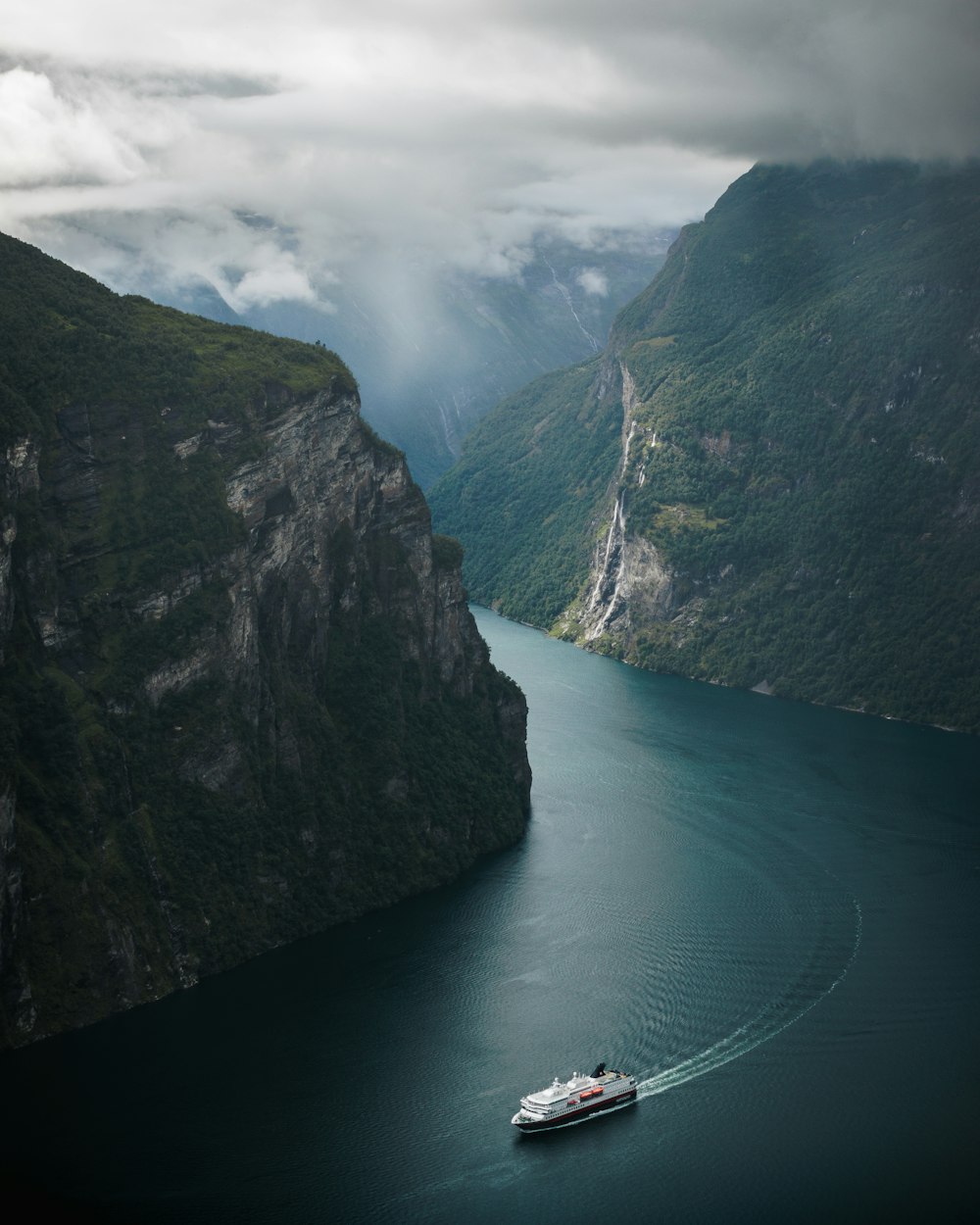
A fifteen kilometre branch of the Storfjord system, UNESCO listed in 2005, with walls of up to 1,400 metres coming down almost sheer to…
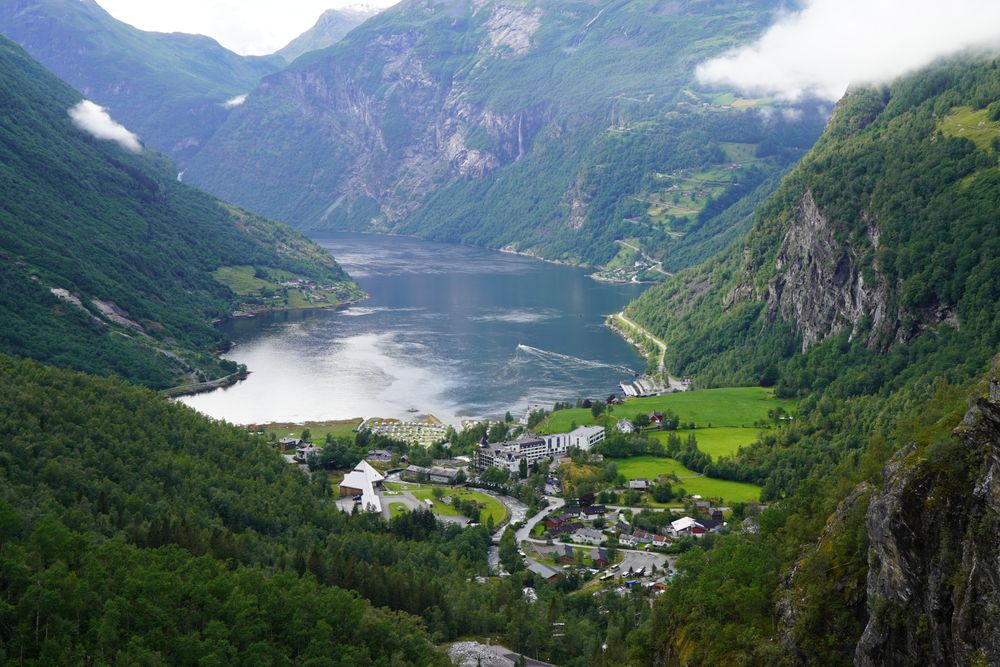
A mountain farm on a shelf 250 metres above the south side of the Geirangerfjord, worked until 1918, with the Seven Sisters falling on the…
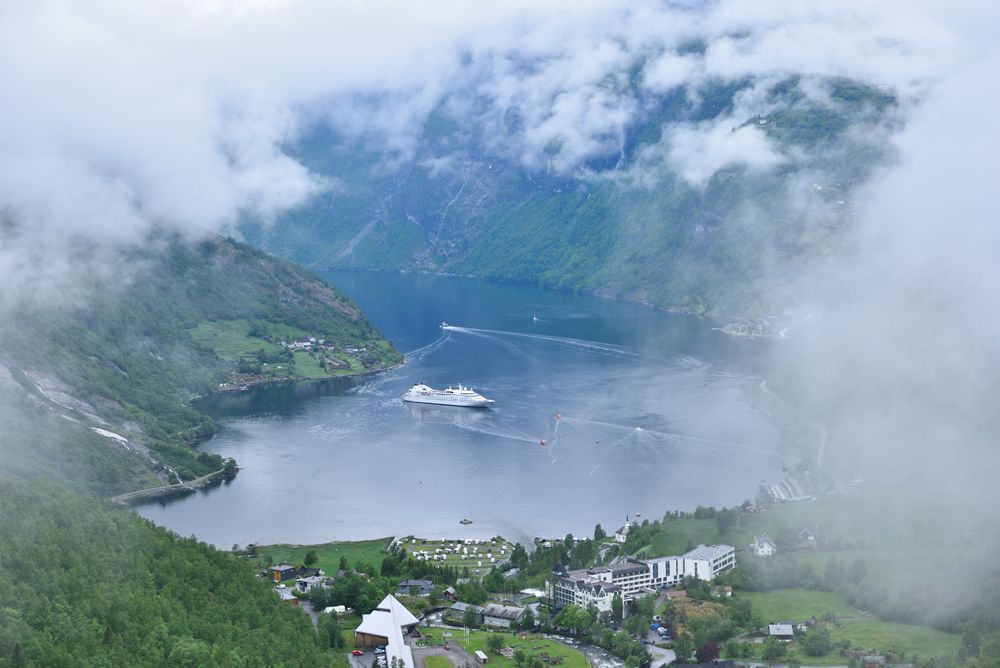
A village of around 250 residents at the head of the Geirangerfjord, one of the two Norwegian fjords inscribed by UNESCO in 2005.…
A fjord village at the foot of the largest glacier on the European mainland, with the cable car to Hoven leaving from the shore. It works…
The town sits where the Rauma river meets the fjord under the tallest vertical rock wall in Europe, and calls itself the mountaineering…
Last updated