 Submit a photo
Ninety seconds on Kraftmuseet
Neither in 2026, as it is shut for maintenance. The museum plans to welcome visitors back in 2027, and its own website will carry the new hours.
About 30 to 45 minutes, plus the film. Tours are a summer service, in Norwegian or English depending on the group. The timetable for the next season will come with the new opening hours.
Bus 990 or 995 goes from Odda bus station to Tyssedal bus station. The museum is five minutes downhill from the stop. From Utne, bus 980 reaches Odda for the same change.
Signs lead to the car park in lower Tyssedal, which takes cars, campervans and buses. It costs nothing while visiting the museum. The address is Naustbakken 7.
Partly. The toilets at the north end of the station suit wheelchair users, but Brettet, where the tours end, cannot be reached with a wheelchair or walker. Visitors with reduced mobility who need help can call +47 53 65 00 50.
Yes. The Tyssedal Via Ferrata is a guided climb of 400 metres along the five pipelines, booked on the Trolltunga Active website, and it meets at the museum. It lasts four to five hours and needs at least two climbers. The minimum age is 15, or 12 with a parent. The tour normally starts inside the station, so ask about that part during the closure.
In summer there is a covered outdoor café with lunches, waffles and vegetarian dishes, but no vegan menu. A small shop sells gifts and local food.
They can hunt for the Fossegrimen, a waterfall spirit of Norwegian folklore, test the acoustics and play with building blocks at the end of the hall. More activities are set out near the stage, and a changing table is in the toilets. Children must stay with an adult.
Inside what looks like a castle on the edge of the fjord, you find a power station, with its original machines and instruments still in place. On the mountain behind are the pipes that fed it, dropping 410 metres.
Stand on the quay first and look at the front of the Tysso power station. Thorvald Astrup gave his first power station features of medieval castles and Renaissance palaces. Victor Nordan drew the extension, and the building is now 175 metres long.
Inside are the turbine hall and the control room, with equipment from several periods. Look for the original control panels, which are marble. The desks beside them were added later, to run newer stations from a distance.
The exhibitions cover architecture, the history of hydropower and the disputes over building it. One of them, Norwegian Hydropower, runs from the first plants to the pylons of Hardanger.
Then turn to the slope above the village, where the pipes are 730 metres long and reach an angle of 60 degrees. Builders bolted themselves to the rock or hung from ropes. They worked mostly in winter, because heat would have expanded the metal.
The water came from Ringedalsvatnet, the dammed lake up the Skjeggedal road. All this was built between 1906 and 1918 to supply a carbide factory in Odda.
After the museum reopens, follow the parking signs, then walk along the quay to the reception inside the station. Tickets are sold there.
A half-hour film on the arrival of industry comes first. In the summer season a guide then takes you through the grounds and the station, stopping in several places and finishing on a raised level called Brettet. The rest of the year you go round alone and ask the desk to show the film.
Add Lilletopp, above the station, if you have another couple of hours. Buy a museum ticket and the reception can give you a permit for three hours at P1, the car park by Tyssohallen in the upper village.
Allow about 45 minutes up: a kilometre along the toll road, then a steep path with steps to the valve house, a watchman's home and a smithy.
The hall has no machines running, but it echoes, and the guides speak without a microphone. Tell yours at the start if you need them to talk louder.
You can bring a dog on a lead, except into the film room, and take photographs throughout. Keep off the machinery and behind the barriers.
For Lilletopp, wear hiking shoes and carry water for yourself and the dog, because there is none on the way. Keep to the marked trail, as the ground beside it is dangerous in places.
Explore the rest of Odda
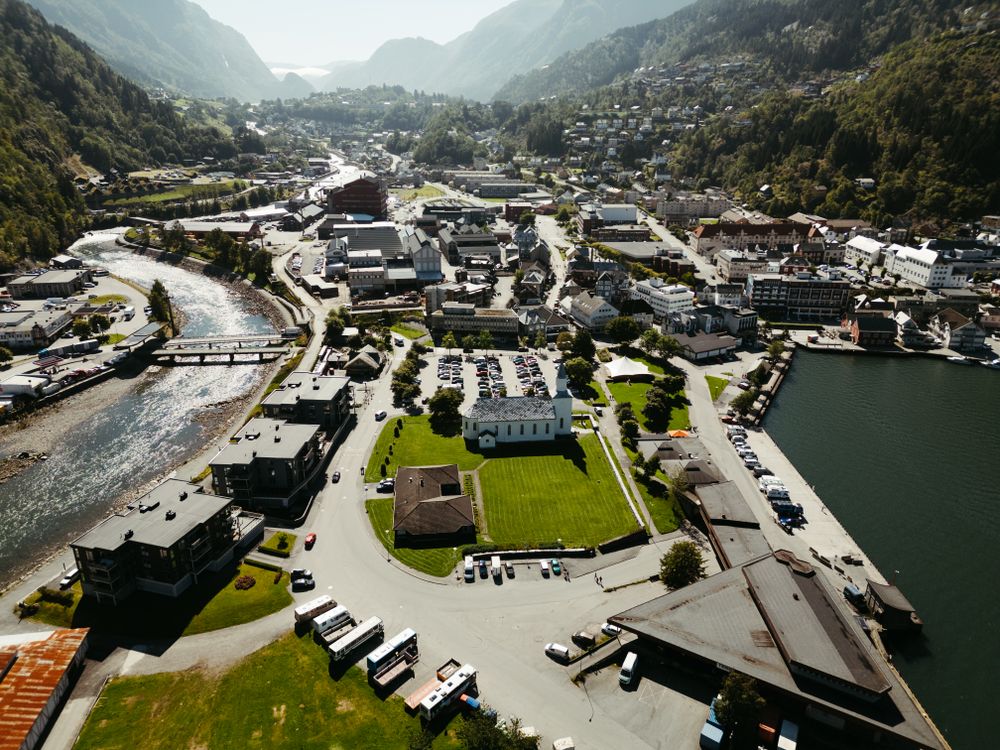
A smelter town at the head of the Sorfjord that has become the base for the best known cliff walk in the country. Industry and tourism sit…
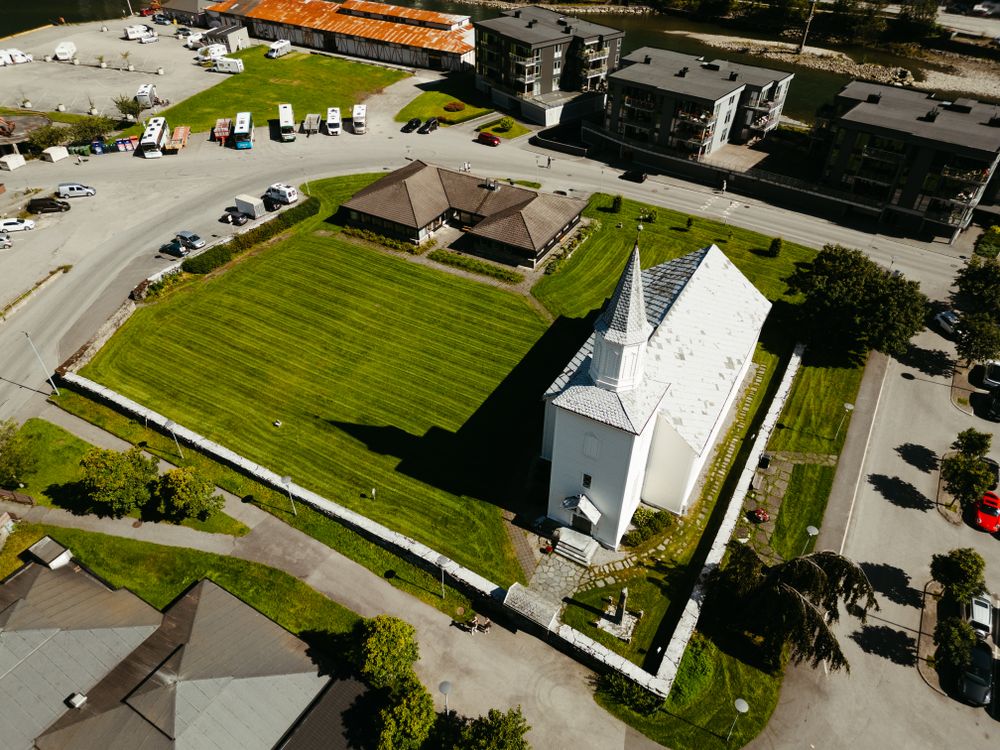
An off-white wooden long church of 1870 in the town of Odda, which replaced a medieval stone church on the same site. In summer it opens to…
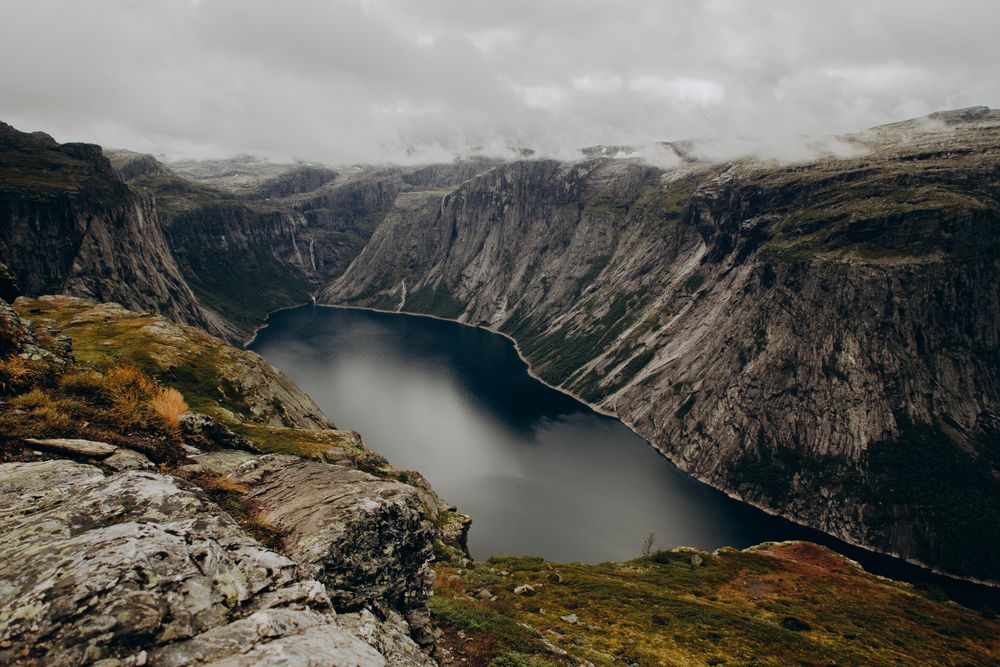
A regulated lake in the valley above Tyssedal closed at its lower end by a concrete gravity dam faced in hand-cut granite. The toll road up…
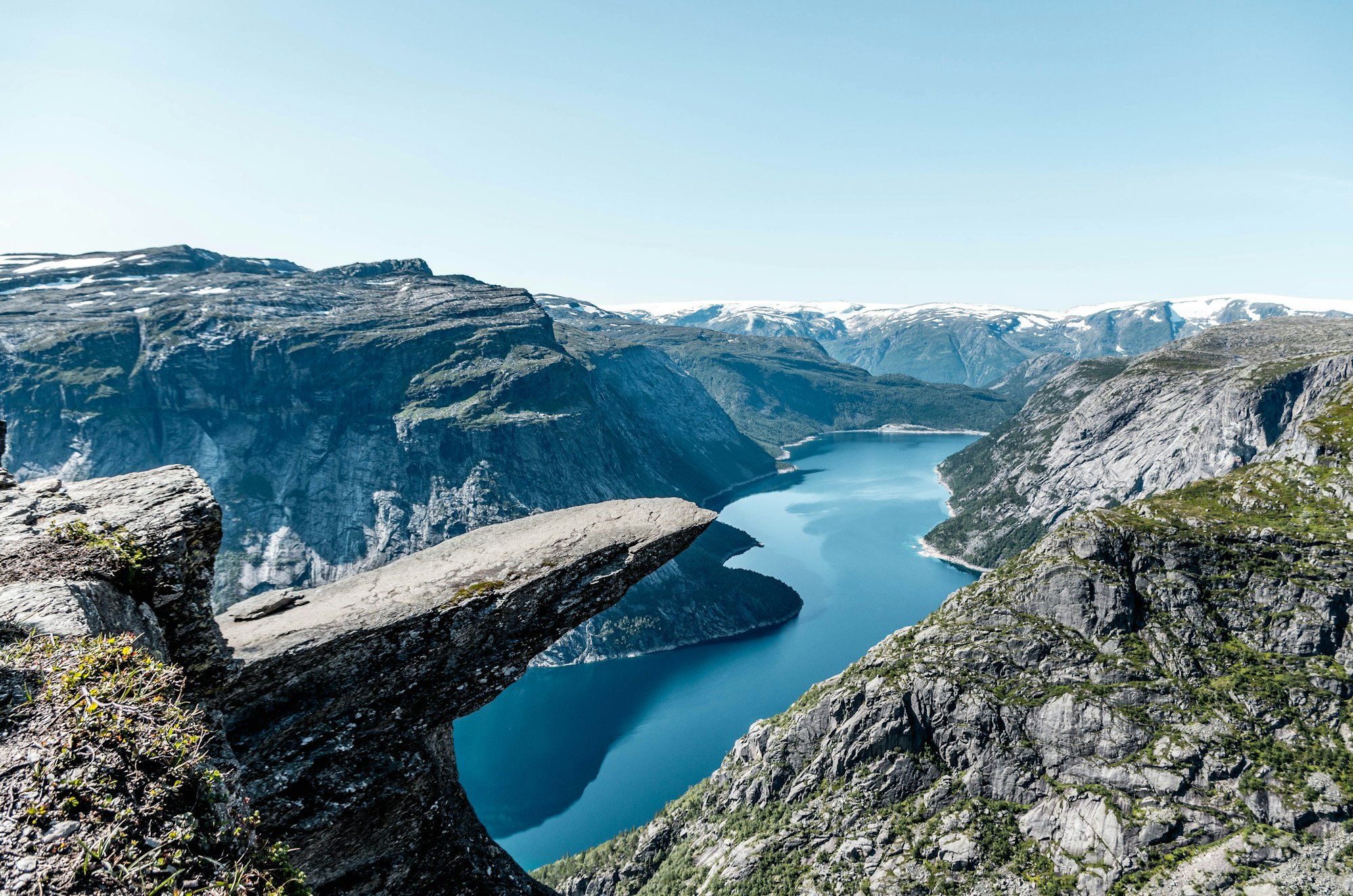
A ledge of rock jutting from a cliff above the lake Ringedalsvatnet, at the end of a 27 kilometre return walk from Skjeggedal. It is an…
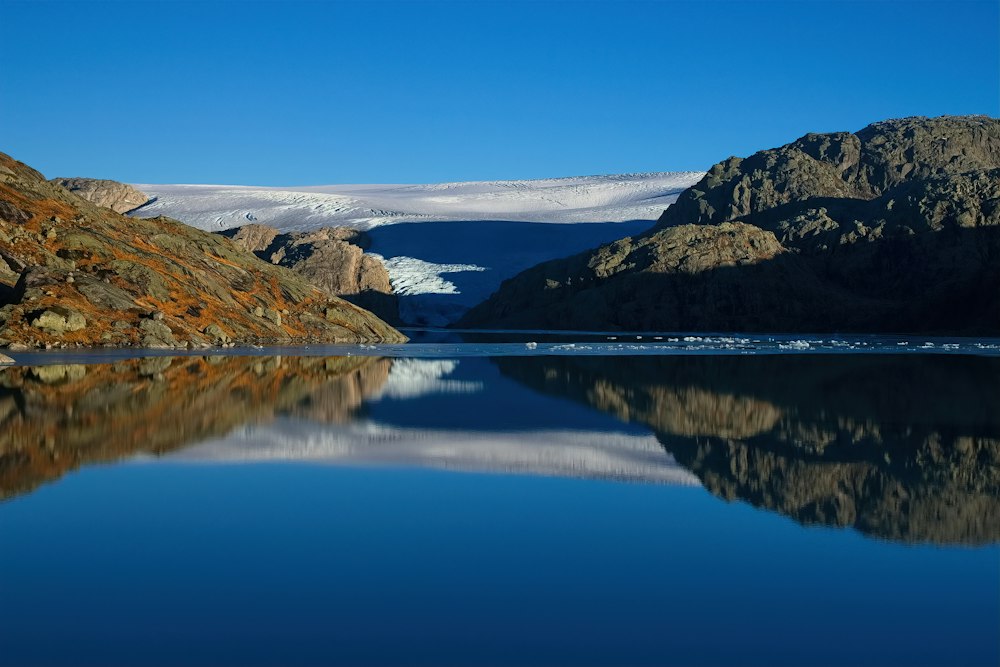
Folgefonna is three glaciers, Nordfonna, Midtfonna and Søfonna, ringed by many smaller ones. From Odda a marked trail climbs Buardalen to…
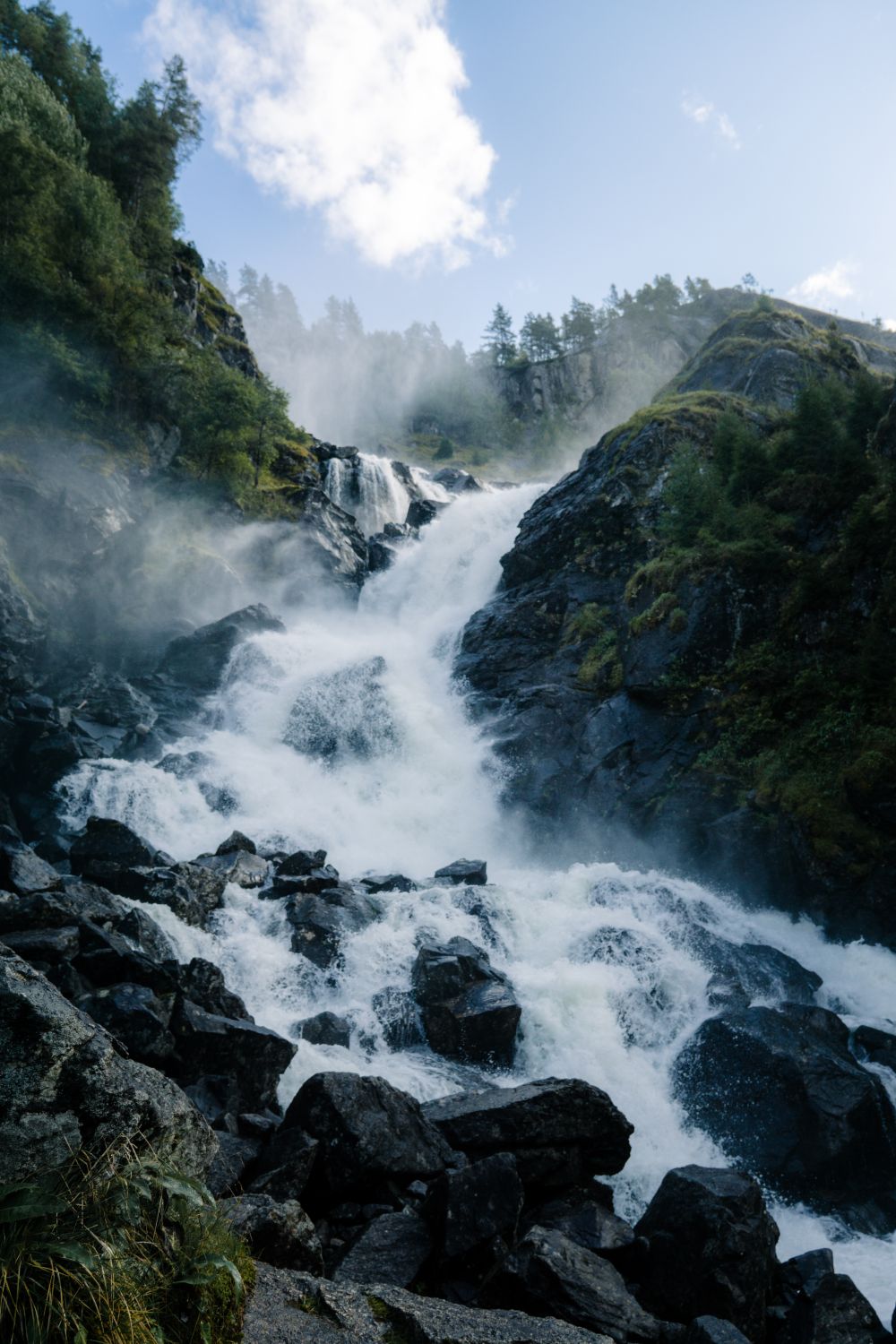
Two streams fall 165 metres and meet just above a six arch stone bridge, and cars crossing it drive through the spray. A small layby beside…
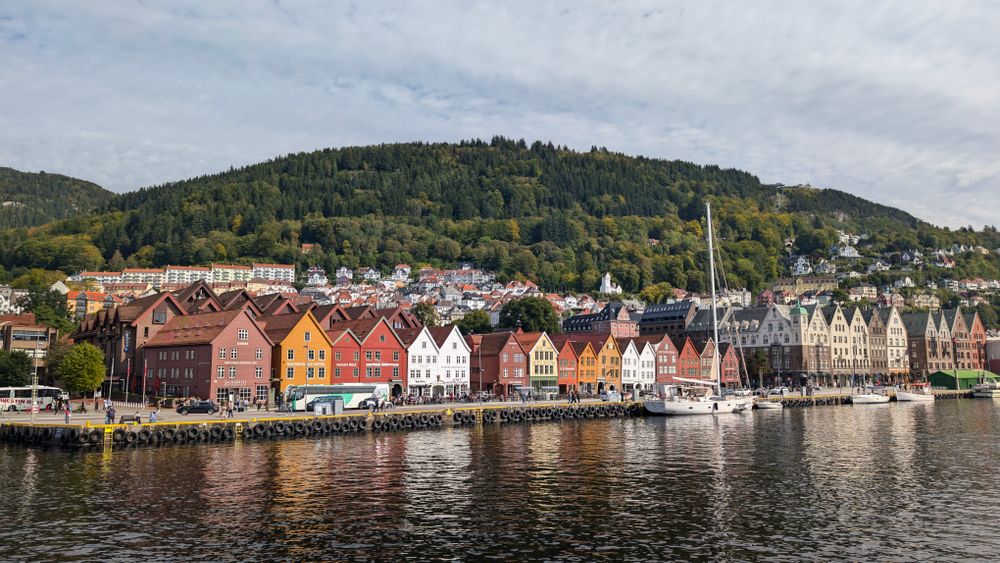
Norway's second city, wrapped around a harbour and hemmed in by seven mountains, and the usual place a fjord trip begins or ends. It was a…
An inland valley town on the lake between Bergen and the Sognefjord, and the country's centre for hard sport: rafting, kayaking, skydiving,…
Last updated