Things to do
14-
Bergen Fish Market
Treat the outdoor rows as summer street food and buy from the counters inside Mathallen; the city tourist information office sits upstairs in the same glass hall, which makes the market a natural first stop before Bryggen and the funicular.
View more → -
Bryggen
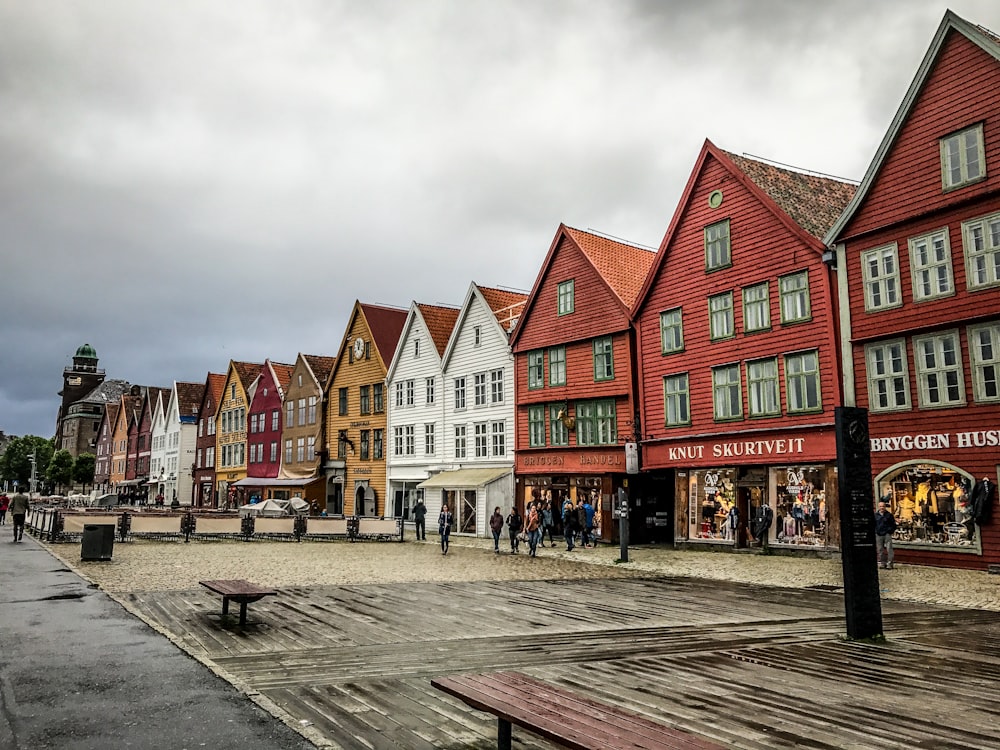
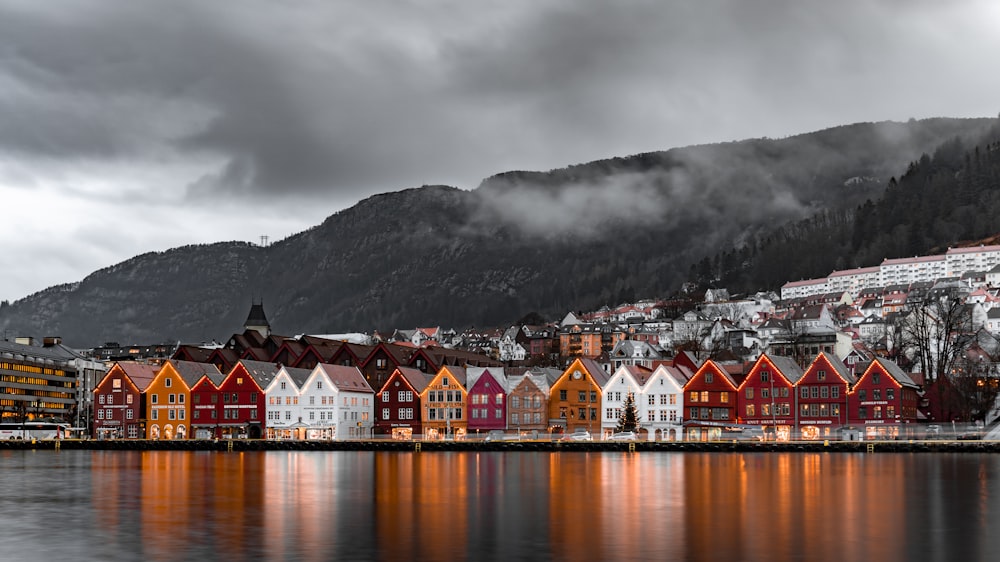
It costs nothing to walk through, and the passages reward slow going; the crooked galleries and hoisting beams were built for stockfish, and the workshops off the back alleys still hold working artisans rather than souvenir stock.
View more → -
Bergen domkirke
Twelfth century stone that has burned and been rebuilt at least five times, with a cannonball from the 1665 Battle of Vagen still lodged in the west wall. Free organ recitals run at lunchtime through the summer. Entry is free and the building is usually open through the afternoon.
-
Bergenhus Fortress
The oldest surviving fortification in the country, holding Hakon's Hall of 1261 and the Rosenkrantz Tower on the point where the harbour narrows. The grounds are open and free; the two buildings are ticketed and close for concerts and state occasions.
-
Bryggens Museum
Built directly over the foundations excavated after the 1955 fire, so the twelfth century wharf timbers are the exhibit and the floor at once. It is the shortest route to understanding what the wooden facades outside were actually for. Allow an hour here before walking out into the alleys it explains.
-
Fantoft stavkirke
A stave church of about 1170, moved here from Fortun in the nineteenth century, burned to the ground by arson in 1992 and rebuilt from the drawings within five years. The reconstruction is exact and the forest setting on the tram line south is the reason to make the trip.
-
Fløibanen
Runs all year and takes about eight minutes, so treat the top as a walk rather than a viewpoint; queues build with the cruise ships around midday, and walking back down through the woods is free.
-
Gamle Bergen Museum
Fifty timber houses saved from demolition in the city and reassembled as streets and squares at Sandviken, staffed in summer by costumed guides. The park and the shore path around it stay open all year when the houses are shut.
-
Hanseatic Museum
A merchant's house on Bryggen kept as the German traders left it, with box beds, ledgers and the unheated rooms that fire risk demanded. The main building has been closed for a long restoration, with the Schotstuene assembly rooms up the alley carrying the visit in the meantime.
-
KODE Art Museums
Four buildings in a row along the town lake, holding an art collection of Nordic significance, including a serious room of Munch and the world's third largest holding of J.C. Dahl. One ticket covers all four and stays valid for two days, which is the sensible way to use it.
-
Opus XVI
A former bank in the old quarter behind the fish market, run by descendants of Edvard Grieg and named for his opus of lyric pieces. Rooms are high ceilinged and the ground floor keeps the marble and brass of the counting hall.
-
Rosenkrantztårnet
A 1560s residence and keep built around a much older royal tower, with dungeons at the bottom and a roof walk at the top. The stair is tight and unlit in places, and the view over Bryggen and the harbour mouth is the payment for climbing it.
-
Troldhaugen
Edvard Grieg's villa above Nordas lake, kept as he left it, with the composing hut on the shore below and the pair buried in the cliff face. Lunchtime recitals run in the concert hall through summer on Grieg's own Steinway.
-
Ulriken
At 643 metres the highest of the seven mountains, reached by a cable car that climbs in seven minutes from Montana. Most walkers ride up and then take the Vidden ridge north to Floyen, a four to six hour crossing over open plateau that is exposed and needs a forecast.